Recent innovations in osteopathy
27/06/2026
How osteopathy improves muscle flexibility
27/06/2026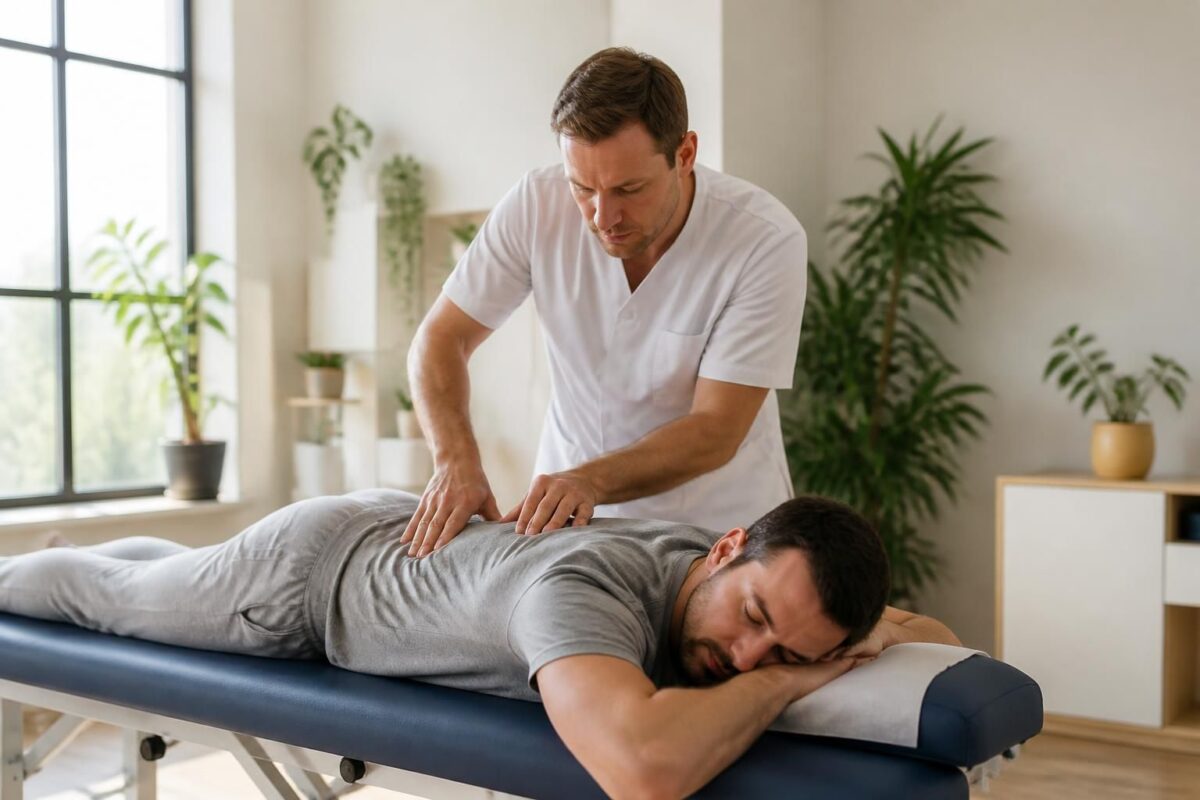
In short
| In short, Osteopathy To relieve the Chronic back pain is one Global approach that helps identify and process root causes back pain. It offers lasting results by improving the mobility, the posture and daily comfort without surgery, thanks to Gentle techniques and adapted. Its operation is based on a Overall balance sheet and assessment of vertebral displacements and Muscle chains, followed by targeted manipulations which can also be involved in the Visceral tensions and the cranial techniques as needed. accessible in office without a prescription and can be integrated into other approaches such as physiotherapy, it often requires several sessions for Prevent relapses and institute a lasting reduction of symptoms. |
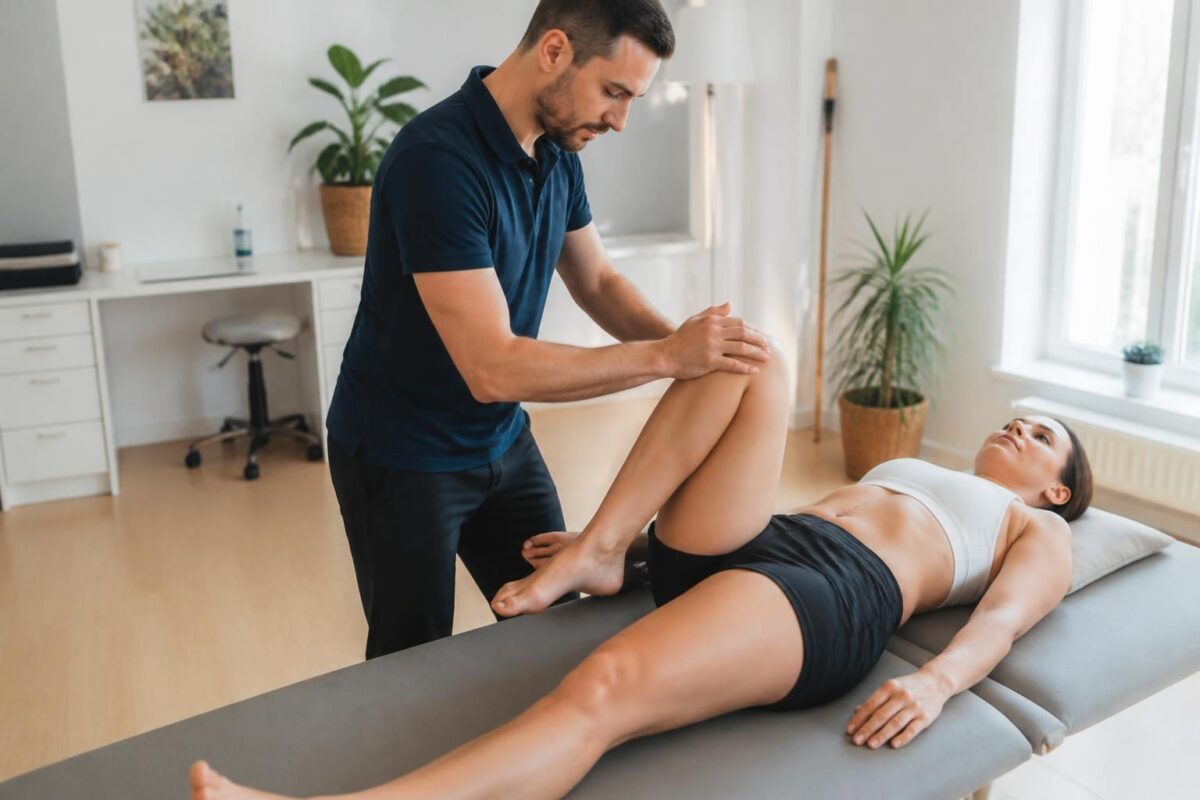
Osteopathy offers you an approach overall and non-invasive To relieve the Chronic back pain. From an in-depth assessment, the osteopath identifies the underlying causes and adjusts the structures of the body: spine, muscle chains, diaphragm and visceral tensions. thanks to Structural techniques soft, muscle relaxation and fascial releases, it aims to restore the mobility and the stability of the back. The treatment can be supplemented by simple exercises at home and postural advice to prevent recurrences. This approach leads to a gradual reduction in pain and a lasting improvement in function.
This article presents how theosteopathy can help relieve Chronic back pain. It explains the mechanisms of action, the techniques used and the expected results. It also underlines the importance of a global approach to the body and appropriate follow-up.
How osteopathy acts on the back
Osteopathy considers the body as a unit. The back is influenced by tension in the muscles, fascias and neighboring organs. An imbalance in an area can impact mobility and pain. The practitioner performs an overall assessment to understand the causes and plan the treatment. The objective is to restore a balanced and sustainable spinal biomechanics.
Evaluation elements and osteopathic diagnosis
The practitioner examines the mobility of the column and associated structures, such as the pelvis and belts that contribute to posture. He observes postural habits and medical history. The assessment is used to target areas of tension and the restrictions that feed the pain. This approach aims to reharmonize the muscle chains and joints.
Techniques used for the back
The osteopath uses Structural techniques To mobilize the spinal joints and restore their alignment. He can use techniques muscular To release tensions and techniques fasciales to release connective tissues. approaches visceral and cranial Can be used when needed, in order to reduce indirect tension and support the column.
Specific cases of the back and any limits
The pain can affect the lumbar, the middle of the back or the neck. For the conditions associated with sciatica or nervous compressions, the objective is to restore the opening of nervous spaces and spinal mobility without resorting to invasive gestures. In these contexts, the manipulations remain gentle and targeted on mechanical constraints to improve daily comfort.
Global approach and treatment plan
The treatment is based on a global understanding of the body. The practitioner takes into account posture, lifestyle and medical history. He searches for the underlying cause, then proposes a suitable plan. The number of sessions varies according to chronicity and response to treatment. Prevention measures and general advice can be given to sustain the results.
First consultation and course
During the first meeting, a duration of approximately 60 minutes is possible. The practitioner collects clinical information and performs a targeted palpatory examination. The patient may experience partial relief after the session, although transient reactions are possible. The follow-up provides for spaced appointments in order to progress harmoniously.
Integration with other approaches and lifestyle habits
Osteopathy can be part of a multi-therapeutic approach when necessary. Some situations require coordination with other health professionals, especially when important structural conditions exist. The practitioner can advise postural measures and adaptations of professional activity to reduce the constraints on the back.
Prevent relapses and useful resources
To prevent recurrences, it is useful to maintain a suitable posture and to avoid gestures that aggravate the pain. Appropriate physical activity, stress management and a balanced diet can support the benefits achieved. Information resources and testimonials exist on platforms dedicated to osteopathy and sciatica.
Training and professional associations
professionals working in osteopathy can come from recognized training. Reference institutions include NUMSS, NAO, National University of Medical Sciences and National Academy of osteopathy. For professional associations, practitioners can be affiliated with ACMA, College of Canadian Osteopaths or College of Canadian Osteopaths.
To deepen the technical aspects and clinical evidence, you can consult online resources like The benefits of osteopathy for lower back pain or Is osteopathy really effective against back pain?. For notions on the decompressive framework and associated pathologies, you can consult neurovertebral decompression and specialized information on hernias and nerve compression on sossciatica.com.
In order to stay informed about options and long-term outcomes, do you suggest looking at resources like The long-term benefits of osteopathy or How does a session take place.
Medical content: No specific exercise is recommended here for cases of neurovertebral decompression, disc herniation, disc bulge, foraminal stenosis, spinal stenosis, disc pinching or disc degeneration. For specific information adapted to your situation, consult a qualified osteopath and follow the personalized advice of your health professional.
Useful references and practical information can be found on the following sites: Postpartum benefits, Health Magazine, and Osteopathy to relieve.
Medical Disclaimer: The information and advice provided on this site does not replace the health professional’s diagnosis or treatment. Please note that Dr. Sylvain Desforges osteopath is neither a doctor of medicine nor a doctor, and is not a specialist in a medical specialty as defined by the Collège des Médecins du Québec. Manual medicine, functional medicine and sports medicine as described on this site exclude any medical treatment or diagnosis made by a doctor or specialist doctor. Always consult your doctor for any medical questions. For more details, please read our full legal notice.
“Medical disclaimer: The information and advice provided on this site does not replace the health professional’s benefit, diagnosis or treatment. Please note that Dr. Sylvain Desforges osteopath is neither a doctor of medicine nor a doctor, and is not a specialist in a medical specialty as defined by the Collège des Médecins du Québec. Manual medicine, functional medicine and sports medicine as described on this site exclude any medical treatment or diagnosis made by a doctor or specialist doctor. Always consult your doctor for any medical questions. For more details, please read our full legal notice. »
- Overall balance sheet To understand the causes
- vertebral mobility and blockages
- Muscle chains and tensions
- nervous pain and decompression
- Visceral approach and diaphragm
- somato-emotional and stress
- Gentle techniques and security
- Treatment plan and goals
- Exercises at home and reinforcement
- Prevention and posture
- Sustainable reduction pain
- Mobility improvement spine
- posture recovery and balance
- Less inflammation and tensions
- Release Tensions muscular
- nervous decompression and sciatica
- Functional recovery and activity
- Preservation of treatment and costs
- Personalized consultations and adaptive
- Better quality of life

Quick summary: theosteopathy offers an approach overall and non-invasive for the Chronic back pain, by identifying the root causes and working on the vertebrae, muscles, organs and the nervous system. The treatment combines gentle techniques, postural advice and exercise program, in order to restore mobility and prevent recurrences, rather than masking pain.
The basics of osteopathy for the back
theosteopathy For the back is based on the overall diagnosis and the idea that the whole body is linked. The practitioner performs a Complete balance sheet, by evaluating the mobility of the spine, pelvis and belts, then defines the possible causes of pain: Muscle tensions, Joint restrictions, postural imbalances or visceral interactions. Depending on the balance sheet, he chooses Targeted techniques To restore the mobility and balance of musculoskeletal chains. The goal is to put the blocked segments back in motion and to limit the degenerative effects by precise and progressive gestures.

How osteopathy improves the quality of life of active people
In short In short, theosteopathy is a global approach that Optimizes mobility and the function of the body of ACTIVE PEOPLE, for a better quality of life. It helps prevent injury and reduce Musculoskeletal pain While promoting the Sports recovery.…
Common back pain that osteopathy can accompany
The back may suffer from back pain, dorsalgia and neck pain, sometimes with nervous irradiation in the buttocks or leg. The osteopath examines the origin in the posture, tensions and visceral stresses, and proposes a suitable approach to reduce inflammation and improve function. The therapy also aims to prevent recurrences through posture, appropriate physical activity and stress management advice.

Osteopathy and sports recovery: prepare the body for lasting performance
In short In short, Osteopathy and Sports recovery is one Global manual approach that sustainably prepares the body for the effort by restoring mobility and circulation After the effort. It is a discipline that acts on the sinews, the joints,…
Essential Techniques
Structural techniques
The Structural techniques Use precise movements of low amplitude to refit the joints and rebalance the spine. They aim to release tension, unblock joints and restore mobility, in order to restore a Harmonious spinal biomechanics.
Approaching muscle chains and tensions
Beyond the column, the osteopath works on the Muscle chains surroundings and the tensions that influence the posture. Relaxation of fabrics and progressive stretching help dissipate blockages and restore lasting stability.
Visceral and cranial approach
mobilizations visceral and cranial reduce the indirect tensions of the organs and the nervous system. This dimension can be particularly useful in Chronic pain where internal stresses contribute to back pain.
Management of nerve pain
For pain related to compression or nervous irritation, the goal is toExpand Nervous Outing Spaces And decrease the pressure on the nerve, which can reduce pain and paresthesia. Gentle, targeted manipulations can be used depending on the situation.
Why Osteopathy Is Essential For Recovery People
In short In short, Osteopathy in convalescence is an approach manual and holistic which helps to accelerate the recovery by restoring The balance, the mobility and a good circulation fabrics. it contributes to Reduce the pain, support the Back to…
The course and recommendations
The typical route begins with a Evaluation session about 60 minutes, followed by appropriate treatment plans and a follow-up schedule. In practice, we can plan between 4 and 8 sessions For chronic pain, with exercises to practice between appointments. Simple postural advice and appropriate lifestyle habits reinforce the effects and promote autonomy.

Osteopathic manipulations to strengthen post-traumatic muscles
In short In short, Osteopathic manipulations for Strengthen post-traumatic muscles constitute a gentle manual approach aimed at restoring the mobility, reduce the pain and facilitate the Functional rehabilitation After a injury. What is Is it? A series of precise gestures…
When to consult and what to expect
Consult in case of recurrent back pain, loss of mobility, radiant pain or neurological signs. Osteopathy can provide a lasting reduction in symptoms by tackling the cause and not the simple symptom. Prepare your first visit by describing your history, habits and goals, and expect progressive support focused on your mobility and overall well-being.

Osteopathy and prevention of work-related musculoskeletal disorders
In short theosteopathy is one Manual approach that restores body balance and prevents MSD related to work. Its advantages: reduction of tension, improvement of mobility and prevention of chronic pain. She is preventive and healing, suitable for office and trades…
Osteopathy to relieve chronic back pain — Comparator table
| parts | Concise impact |
|---|---|
| Objective | Sustainably relieve pain and restore mobility through a non-invasive global approach. |
| Global approach | Considers the body as a whole, postures and muscle chains to treat the cause and not the symptom. |
| Techniques used | Structural, fascial, visceral and cranial techniques adapted to each patient. |
| Targeted pain | Low back pain, back pain and neck pain related to postures, discopathies or nerve irritations. |
| Progress | Initial assessment, gentle manipulations and exercises to do between the sessions. |
| Duration and frequency | On average 2 to 8 sessions, spaced 1 to 3 weeks apart depending on the chronicity. |
| Results and deadlines | Progressive improvement in mobility and reduction of pain, variable according to experience. |
| Contraindications / Effects | contraindicated in case of recent fracture or severe osteoporosis; Possible transient effects after session. |
| complementarity | Possible association with physiotherapy to strengthen the results. |

The benefits of osteopathy to treat muscle imbalances
In short theosteopathy is a manual approach to restore themuscle harmony and postural considering the body as a whole. Its main benefits include the reduction of aches and tensions, the improvement of the mobility and from the posture, and prevention…
Testimonials on osteopathy to relieve chronic back pain
For years, the Chronic back pain punctuated my days. The lower back burned me after a day in front of the computer and the simple efforts became real trials. After a few sessionsosteopathy, the pain decreased and my mobility regained relief. The practitioner explained that the approach overall Not just treating an area, but is looking for tensions that affect the balance of the back as a whole.
As a worker, I went from a pain that imposed itself to a feeling of rediscovered energy. The Structural techniques And the release of muscle tensions allowed me to resume my activities without throbbing fatigue. I like nature non-invasive and personalized intervention, which is long-term and not as a simple momentary relief.
Osteopathic follow-up taught me to listen to my body and to change my daily habits. theosteopathy treats the back as a whole, acting on the Muscle dysfunction, postures and tensions that accumulate over time. Today, my pain fades and my nights are more serene, which changes everything in my day.
For me, who suffered from a rigid back at the slightest movement, the progress has been progressive but real. The sessions targeted not only the vertebrae but also the muscle chains that support the spine, which regained a lost range of motion. Recommended exercises between sessions extend benefits and preserve long-term mobility.
As a nurse, my days are often punctuated by stress and uncomfortable postures. Through an approach overall and techniques fasciales and cranial, my pain decreases and my posture improves sustainably. The course is personalized and focused on prevention, not just on symptom alleviation.
Osteopathy and chronic leg pain: regaining an optimal quality of life
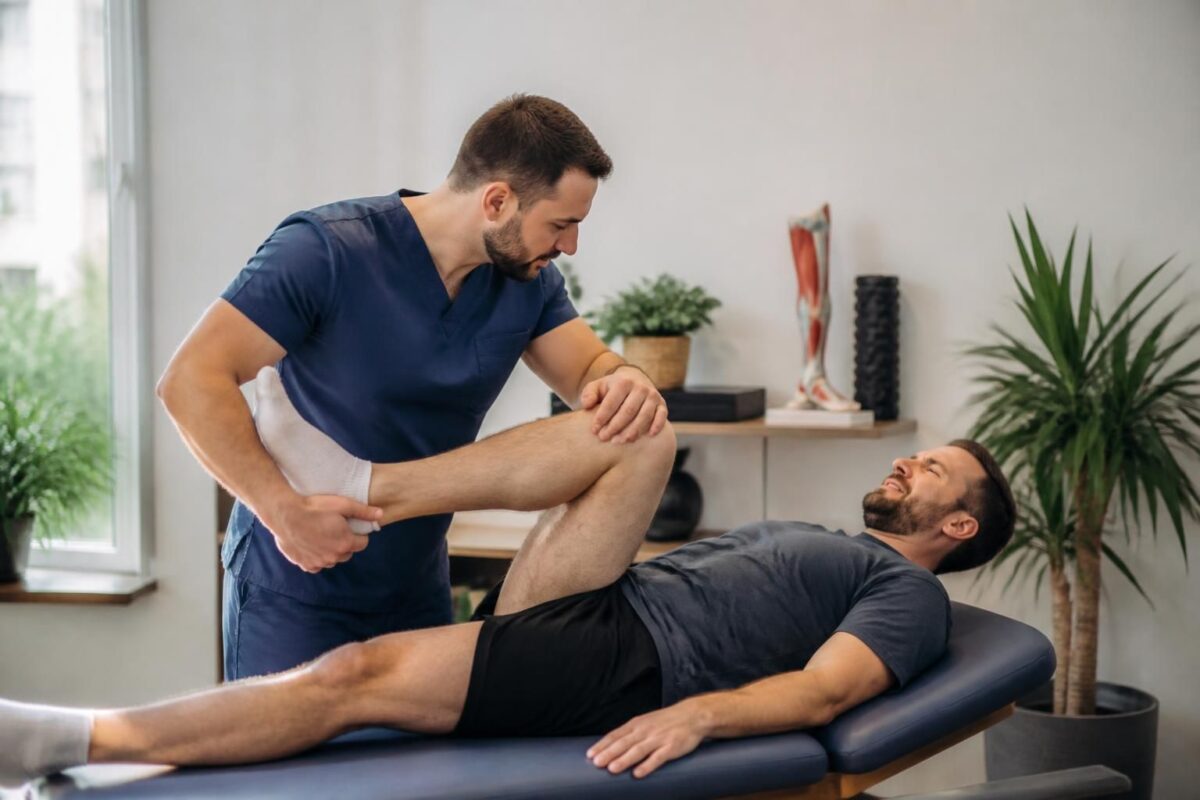
In short In short, Osteopathy is one Global manual approach aimed at reducing Chronic leg pain and improve the quality of life. What is it? Non-drug therapy using the hands to identify restrictions and treat lesional chains. How does it…
Osteopathy for chronic back pain
Osteopathy is a discipline that places the patient at the center and aims to treat the root causes of back pain, not just their symptoms. For the Chronic back pain, it offers an approach non-invasive and based on the functional unit of the body. This perspective makes it possible to understand how low back pain, back pain or neck pain fit into a complex system where tensions, postural imbalances and lifestyle habits fuel pain over time.
The course begins with a global and personalized osteopathic assessment. The practitioner explores the spine mobility as well as links with the pelvis, the diaphragm, the rib cage and the limbs. This precise assessment makes it possible to identify underlying mechanisms such as joint blockages, muscle tension or postural compensation. From this diagnosis, a therapeutic plan is developed, favoring gestures specific, sweetness and progress adapted to the rhythm of each patient.
At the heart of the intervention are Structural techniques Focused on tension release and vertebral segment realignment. By low amplitude and high precision movements, the objective is to restore a Healthy spinal biomechanics, to release the joints and rebalance the muscle chains that support the spine. Complementary approaches, such as muscular work and fascial relaxation, reinforce this rehabilitation and prevent relapses by consolidating postural stability.
But osteopathy also takes into account the dysfunctions of peripheral structures that influence the back. The muscle chains surrounding the spine, including the abdominals, diaphragm and deep fascias, play a key role. Thanks to progressive stretching, breathing techniques and myofascial release methods, the practitioner dissolves tensions and improves range of motion. This global approach recognizes the importance of emotional factors and stress on posture and pain.
The pain can also be of nerve origin, when irritation or compression of the nerve roots triggers sciatica or pain radiating in the leg. Osteopathic action aims to widen the passageways and reduce root irritations through targeted gestures. In some cases, associated techniques, including cranial approaches, can be used to promote better regulation of the nervous system and progressive recovery without invasive recourse.
Finally, modern osteopathy takes an integrative approach and can be based on non-invasive technologies when the balance sheet justifies it. options such as spinal decompression, support by laser or shockwave therapies can accompany manipulations to optimize the results. Each patient benefits from a tailor-made course, adapted to their history, activity and objectives, with practical advice to maintain progress between sessions and prevent relapses.
If you suffer from Chronic back pain, theosteopathy Offers a patient-centric pathway, full assessment and appropriate progression. Booking a consultation makes it possible to begin this rebalancing work, to restore mobility and to permanently regain comfort on a daily basis, without systematically resorting to symptomatic treatments. The path to a freer column begins with a first encounter.
This article presents how theosteopathy can effectively relieve Chronic back pain By relying on a Global approach and not invasive. It details the types of back pain, the underlying mechanisms (blockages, muscle tension, nerve irritations) and techniques mobilizing the spine, muscle chains and organs. He insists on the role of Osteopathic assessment and on the importance ofPostural education and exercises to practice between sessions to sustain the results, while indicating that effectiveness depends on personalized support and patient commitment.
Note: This section provides a summary without concluding on a universal solution.
The use ofosteopathy for some Lower back pain, dorsal or cervical is based on the identification and correction of body imbalances, considered as an interconnected system. thanks to a Overall osteopathic assessment, the practitioner raises mobility and reduces tensions by Structural techniques, targeted muscular efforts and visceral approaches when necessary, in order to restore a mobility comprehensive and sustainable.
For chronic cases, the therapeutic journey is personalized and progressive: several sessions spaced out and, in parallel, exercises and daily advice that reinforce spinal stability and preserve the results obtained. Efficiency is based on the alliance between manual treatment and the patient’s commitment to lifestyle and posture.
This approach can also be combined with other therapies (e.g. physiotherapy or postural education) to optimize results and reduce recurrences. To deepen, you can consult specialized resources and feedback that explore the mechanisms and benefits of osteopathy in chronic low back pain, such as the analyzes available on the following pages: losteopathy-for-relieve-chronic-back-ills, PassportHealth – Osteopathy, Common pathologies supported, and other resources recommended by professionals in the field such as Duration of a session.
For those looking for concrete perspectives and practical advice, you can also discover articles and testimonies on how osteopathy can restore mobility and reduce pain for a long time, in particular via analyzes dedicated to chronic low back pain and the somato-emotional approach associated. resources such as Osteopath for chronic back pain and Chronic lower back pain Offer additional perspectives, and the links below extend the exploration: Recent innovations, Improved joint mobility.
How osteopathy supports recovery after complex surgery
In short In short, Post-operative osteopathy is an approach fresh which supports the recovery After a Complex surgery. It helps to reduce the pain and the fatigue, improves the mobility and accelerates the healing thanks to a better vascularization and…

Dr Sylvain Desforges, B.Sc., D.O., N.D., osteopath, is the founding president of TAGMED and of the ACMA association. He dedicates his practice to chronic spinal pain, low back pain and symptoms compatible with sciatica, particularly when pain radiates toward the buttock, leg, calf, foot or toes.
Through SOS Sciatique, he publishes educational content on sciatica symptoms, possible causes such as disc herniation, disc narrowing, foraminal stenosis or irritation of a lumbar nerve root, as well as non-surgical approaches that may be considered according to the evaluation. At Clinique TAGMED, care may include, depending on the case, motorized neurovertebral decompression, specific osteopathic care or precision percussion.
For an evaluation related to sciatica treatment in Montreal / Mount Royal or sciatica treatment in Terrebonne, please consult the services available at Clinique TAGMED.
Medical disclaimer
The information published on SOS Sciatique is provided for educational purposes only and does not replace a consultation, diagnosis, opinion or treatment provided by a physician or another authorized healthcare professional. The author of this article is neither a medical doctor nor a specialist in a medical specialty recognized by the Collège des médecins du Québec. The osteopathic, manual medicine or functional support approaches described on this site do not constitute medical acts and are not intended to replace medical follow-up.
Consult a physician or emergency service in cases of loss of bladder or bowel control, anesthesia in the saddle area, significant or progressive weakness in the leg or foot, fever, recent trauma, severe pain or rapid worsening of symptoms. For more details, please read our Legal Notice.