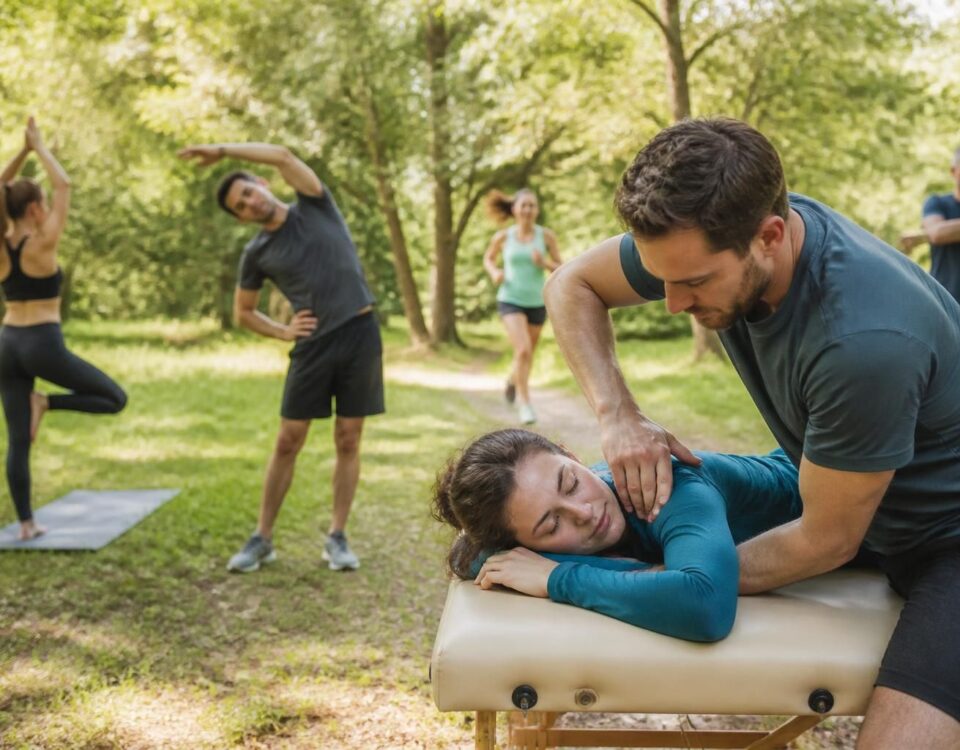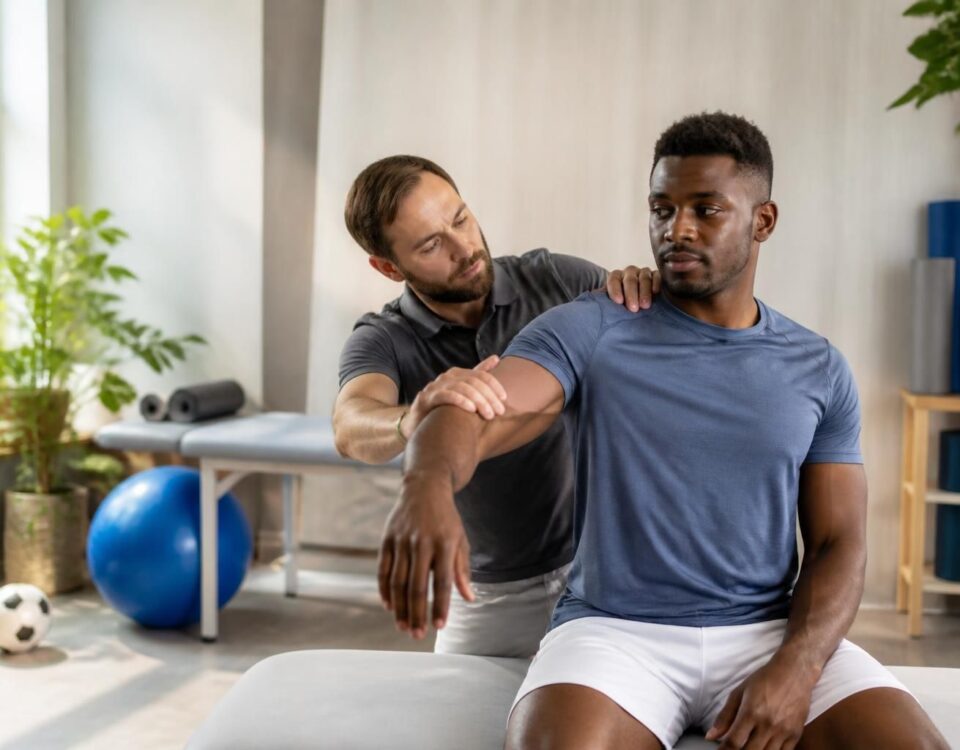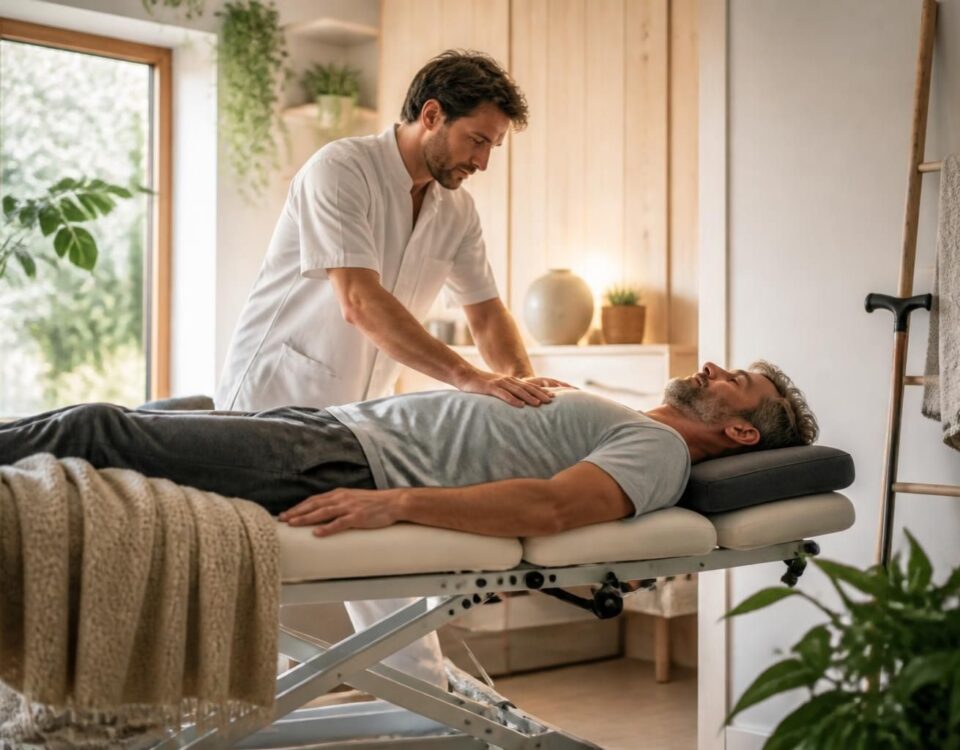


Osteopathic manipulations to enhance joint flexibility
27/06/2026
The benefits of osteopathy to ease localized muscle tension
27/06/2026
In short
In short, theosteopathy for the Chronic leg pain is a solution natural and non-invasive which improves the Venous return and lymph circulation. What is it? A targeted manual approach that identifies the functional imbalances responsible for heaviness, edema and cramps. What are the advantages? It sustainably soothes symptoms without medication, acts on the causes and helps prevent recurrences thanks to personalized care. How does it work? the practitioner releases tensions in the basin, rebalances the diaphragm and restores the mobility of legs To restart the Blood and lymphatic circulation. At Lyons, this treatment is accessible in the office and can be adapted at home as needed, especially for people in prolonged or standing positions. |
osteopathy and chronic leg pain: A natural solution which acts on functional origins rather than applying symptomatic gestures.
By working smoothly on the basin, the diaphragm, the spine and the Mobility of the lower limbs, the osteopath improves venous and lymphatic return, soothes feelings of heaviness and cramps, and prevents recurrences.
This approach is based on a Personalized evaluation and techniques non-invasive, offering a natural alternative to regain comfort and mobility on a daily basis.
This presentation explains how theosteopathy can help relieve Chronic pain legs Thanks to a natural approach, centered on venous and lymphatic circulation, tissue mobility and postural balance. The objective is to restore the function and prevent recurrences without systematically using drug treatments. Key mechanisms include release of tension, rebalancing of the diaphragm and working on the joints of the lower limbs.
Causes and symptoms of heavy legs
The Heavy legs are manifested by a feeling of heaviness, tingling, edema and sometimes cramps, especially at the end of the day or in strong heat. These signs often indicate a disorder of Venous circulation, and can announce a Chronic venous insufficiency.
The most common causes include sedentary lifestyle, heat, pregnancy, hormonal factors, prolonged standing, postural problems, heredity and overweight. The osteopath seeks to identify the functional cause of venous and lymphatic disorder, often linked to muscle tension, joint blockages or visceral imbalances.
Osteopathy: a natural and complementary solution
Unlike a simple massage or drug treatments, theosteopathy Acts in depth on the mechanisms that influence circulation. Through gentle and targeted manipulations, the objective is to improve the Venous return and lymphatic drainage. The intervention seeks to restore the mobility of key structures: basin, diaphragm, spine and lower limbs.
This approach, practiced in a suitable and personalized way, can relieve the symptoms and prevent their reappearance. It is particularly useful when other measures do not provide lasting relief.
How osteopathy affects circulation
Release of tensions in the small basin: The pelvis is a major venous crossroads. Tension in this area can compress the iliac veins or the inferior vena cava, limiting venous return from the legs. The release of tensions by gentle techniques promotes more effective drainage.
Diaphragm rebalancing: The diaphragm participates in the thoraco-abdominal pump which helps in the circulation of fluids. When the diaphragm freezes or strains, blood and lymphatic circulation may slow down. Its mobility recovery allows better general circulation.
Mobility of the lower limbs: The suppleness of the ankles, knees and hips is essential. Mobility restrictions decrease the action of the muscle pump which promotes venous return. Osteopathic techniques restore this fluidity and support circulation.
Action on posture and spine: A postural imbalance or scoliosis can compress some vessels. A global rebalancing of the body, particularly at the lumbar and sacral level, releases the mechanical brakes to circulation.
Practical tips to support traffic
Daily walk : Aiming at least 30 minutes a day helps activate the calf muscle pump and improve venous return.
Leg elevation : Raising the legs at the end of the day can reduce edema and gravity.
Clothing and accessories : Avoid clothes that are too tight and favor comfortable textiles to promote circulation.
hydration : Drinking enough water supports venous and lymphatic metabolism.
Temperature and exposure : Avoid prolonged exposure to heat and favor measures such as cold showers on the legs when possible.
compression stockings : Useful on medical advice, as appropriate.
Resources and useful links
For further information, consult resources dedicated to osteopathy and chronic pain management:
Osteopathy and muscle tension linked to repetitive activities.
The benefits of osteopathy on chronic muscle pain.
Why osteopathy is an effective approach to sciatica.
For support options and general information, see Clinique TagMed:
Additional resources on osteopathy and chronic pain are available on other specialized pages:
Osteopathy and chronic pain – Latest scientific data.
Neurovertebral decompression and osteopathy.
herniated disc and osteopathy.
herniated disc and osteopathic approach.
Carpal tunnel syndrome and osteopathy.
Note: These links refer to relevant resources respecting the authorized domains mentioned in the instructions.
“Medical disclaimer: The information and advice provided on this site does not replace the health professional’s benefit, diagnosis or treatment. Please note that Dr. Sylvain Desforges osteopath is neither a doctor of medicine nor a doctor, and is not a specialist in a medical specialty as defined by the Collège des Médecins du Québec. Manual medicine, functional medicine and sports medicine as described on this site exclude any medical treatment or diagnosis made by a doctor or specialist doctor. Always consult your doctor for any medical questions. For more details, please read our full legal notice. »
- Personalized evaluation To identify the Functional causes Heavy legs.
- Release of the small basin and Diaphragm rebalancing.
- Mobility of the lower limbs (ankles, knees, hips) to activate the venous pump.
- Postural rebalancing Lumbar and sacral to remove the circulatory brakes.
- Action on blood and lymphatic circulation by gentle and non-invasive techniques.
- Sustainable relief feelings of Heavy legs and edema.
- Improved venous return and reduced symptoms.
- Prevention of recurrences by a personalized plan and lifestyle tips.
- Lifestyle Simple: regular walking, Leg elevation In the evening, cold shower, loose clothing and hydration.
- Adapted follow-up With regular sessions and protocol adjustment.

This approach presents Osteopathy as A natural solution For chronic leg pain, working on circulation mechanisms and tensions that limit venous return. It offers personalized and non-invasive care, complementary to medical treatments when necessary.
Understanding chronic leg pain
The term Heavy legs Describes a feeling of heaviness, often associated with tingling, edema and cramps, which occur at the end of the day or in high heat. These symptoms frequently trace the contour of a disorder of the Venous circulation and may announce chronic venous insufficiency if the signs persist.
Several causes, frequent in urban life where sedentary lifestyle is common, can be the cause of these sensations: sedentary lifestyle, excessive heat, pregnancy, hormonal fluctuations, prolonged standing, postural problems, heredity and overweight. Understanding these factors helps to adapt an appropriate and preventive therapeutic approach.

How osteopathy improves the quality of life of active people
In short In short, theosteopathy is a global approach that Optimizes mobility and the function of the body of ACTIVE PEOPLE, for a better quality of life. It helps prevent injury and reduce Musculoskeletal pain While promoting the Sports recovery.…
How osteopathy affects circulation
Release of tensions in the small basin
The small pelvis is an essential venous crossroads. Localized tensions can compress the iliac veins and limit the drainage of the legs. Through gentle and targeted techniques, osteopathy seeks to release these tensions to promote a more effective venous return.
Diaphragm rebalancing
The diaphragm participates in the stimulation of the circulation of fluids. A blocked or tense diaphragm can slow the venous and lymphatic pump. By restoring its mobility, osteopathy supports better general circulation and better management of body fluids.
Mobility of the lower limbs
The mobility of the ankles, knees and hips directly influences the dynamics of the muscular pump of venous return. Reducing joint limitations may decrease this action. Osteopathic manipulations aim to restore flexibility and coordination of movements to improve circulation.
Action on posture and spine
Misalignment or mild scoliosis may compress some vessels. By working on the lumbar and sacral spine and rebalancing the body, osteopathy removes the mechanical brakes to a fluid circulation.

Osteopathy and sports recovery: prepare the body for lasting performance
In short In short, Osteopathy and Sports recovery is one Global manual approach that sustainably prepares the body for the effort by restoring mobility and circulation After the effort. It is a discipline that acts on the sinews, the joints,…
Evaluation and intervention process
During the consultation, the (osteopath) Evaluates the tensions, blockages and visceral imbalances that influence circulation. The approach is non-invasive, focused on listening, postural analysis and targeted manual techniques. Each session aims to restore mobility and prevent recurrences, in addition to medical follow-up when necessary.
Why Osteopathy Is Essential For Recovery People
In short In short, Osteopathy in convalescence is an approach manual and holistic which helps to accelerate the recovery by restoring The balance, the mobility and a good circulation fabrics. it contributes to Reduce the pain, support the Back to…
Practical tips to support daily traffic
Adopt an active approach: Daily walk at least 30 minutes and, at the end of the day, Raise the legs to facilitate drainage.
Avoid clothes that are too tight and favor enough hydration to promote tissue exchange.
Avoid prolonged exposure to heat and favor cold showers on the legs to stimulate venous return.
Compression stockings can be useful, on medical advice, in particular in the event of prolonged standing or persistent edema.
| Element | Concise description |
|---|---|
| Definition | A gentle manual approach that acts on circulation circuits to reduce heaviness and edema. |
| Origin of symptoms | multifactorial causes related to lifestyle and posture; Osteopathy treats functional factors. |
| Main objective | Reduce symptoms and prevent their reappearance by restoring venous and lymphatic flow. |
| Osteopathic approach | Non-invasive and personalized techniques to gain mobility and improve drainage. |
| Mode of action on traffic | Release of the small pelvis, rebalancing of the diaphragm and mobility of the legs to restart the venous pump. |
| Targeted techniques | Manual techniques on the pelvis, diaphragm and limb joints to optimize circulation. |
| Expected results | Lighter legs, reduced heaviness and better resistance to recurrence. |
| Time and tracking | progressive effects; Improvements after a few sessions with personalized support. |
| Safety and contraindications | Safe approach when performed by a qualified osteopath; Does not replace medical advice in the event of serious pathologies. |
Here are testimonials from patients who found that theosteopathy can constitute a Natural solution It front of Chronic leg pain.
“Before, I had a constant heaviness and tingling that came back every end of the day. After a few sessions focused on the tensions of the basin and of diaphragm, the Venous return became more fluid and the pain decreased markedly. — Lucie, 34, Lyon 3rd
“Former sportsman, my leg was heavy after a knee operation. Osteopathy has identified a blockage in the basin and relaunched traffic. The effects were quick and lasting, and my mobility improved. » — Julien, 50 years old, Lyon 6th
“During my pregnancy, my legs looked like poles and cramps were frequent. The osteopathic approach was gentle and effective, without drugs. I highly recommend to all pregnant women. » — Sophie, 7 months of pregnancy, Lyon 1st
“Leg pain is not inevitable. After several weeks of osteopathic follow-up, the symptoms became spaced out and I found lightness in my daily activities. » — Marc, 46 years old, Paris 10th
Dr. Sylvain Desforges, expert in osteopathy, naturopathy and manual medicine, is the founding president of TagMed and the ACMA association. With a career dedicated to health innovation, he specializes in Chronic pain management and the integration of advanced technologies such as vertebral decompression, the laser and the Shockwave therapy. Its mission is to offer evidence-based care to optimize the health and well-being of its patients. This approach is based on the effectiveness, safety and sustainability of results, in order to make accessible a Natural solution adapted to each therapeutic course.
As part of Chronic leg pain, theosteopathy offer a Natural solution centered on the physiology of circulation. The feeling of heaviness, tingling, edema and cramps, particularly at the end of the day or in high heat, often trace the furrow of a disorder of the Venous circulation And, sometimes, venous insufficiency. In urban areas, where sedentary lifestyle is frequent, people exercising prolonged static activity are at an increased risk of disturbances of venous return.
The causes of heavy legs are multiple and should not be seen as a fatality: sedentary lifestyle, heat, pregnancy, factors hormonal (contraception, cycle), Extended standing station, Postural problems, heredity and overweight. The osteopath seeks to identify the functional causes of venous and lymphatic disorder, often linked to muscle tension, joint blockages or visceral imbalances, in order to restore a coordinated and lasting physiological dynamic.
Osteopathy, as practiced by Dr. Sylvain Desforges, differs from a superficial massage or a symptomatic treatment. It acts in depth on the mechanisms that influence circulation. by manipulations sweet, targeted and not invasive, the goal is to improve the Venous return and the lymphatic drainage By restoring the mobility of key structures: basin, diaphragm, spine and lower limbs. This approach, applied with rigor and personalized follow-up, makes it possible not only to soothe the symptoms but also to prevent their reappearance.
How does the osteopath affect blood and lymph circulation? First, the Release of tensions in the small basin, because this major venous crossroads conditions the drainage of the iliac veins and the inferior vena cava. Second, the Diaphragm rebalancing, key muscle of the venous and lymphatic pump. Third, the Mobility of the lower limbs is optimized to promote muscular pump action. Fourth, theAction on posture and spine Soothes vessel compressions and releases circulation routes when postural imbalances are corrected.
The results observed in patients confirm the effectiveness of a regular and appropriate approach. Beyond symptom relief, osteopathy may promote better feeling of lightness, a more balanced posture and a lasting improvement in the quality of life. This discipline completes conventional medicine by providing personalized follow-up, mobility advice and simple exercises to do on a daily basis.
Why consult? Based on an in-depth knowledge of theFunctional anatomy, from the biomechanical and from the Vascular physiology, the osteopath offers treatment individualized. The goal is to restore mobility, improve the Venous return And to prevent relapses thanks to proven techniques and attentive listening to the body.
Practical tips to improve daily circulation: walk at least 30 minutes per day, Raise the legs In the evening, avoid clothes Too tight, drink enough water, avoid prolonged exposure to heat, promote showers fresh on the legs and, if necessary and on medical advice, wear compression stockings.
Contact an experienced osteopath to assess your circulation and determine the appropriate protocol.
This article shows you how theosteopathy can help to understand and treat Chronic leg pain and the Heavy legs, by identifying the causes, explaining the mechanisms of circulation and presenting simple and non-invasive gestures that improve venous and lymphatic return. You will find out why this natural approach can effectively complement your treatments, reduce symptoms and prevent their recurrence.

Osteopathic manipulations to strengthen post-traumatic muscles
In short In short, Osteopathic manipulations for Strengthen post-traumatic muscles constitute a gentle manual approach aimed at restoring the mobility, reduce the pain and facilitate the Functional rehabilitation After a injury. What is Is it? A series of precise gestures…
What are the Heavy legs And what are the causes?
The term Heavy legs Describes a feeling of heaviness, sometimes accompanied by tingling, edema and cramps, especially at the end of the day or during hot weather. These symptoms generally reflect a venous circulation disorder and can announce a Chronic venous insufficiency if they persist. In urban areas, the sedentary lifestyle or positions that require standing or sitting for a long time aggravate the phenomenon by slowing down venous return. Among the most frequent causes are the sedentary lifestyle, heat, pregnancy, hormonal factors (contraception, cycles), prolonged standing, postural problems, heredity and risk associated with overweight.
Understanding these mechanisms makes it possible to act upstream and to adapt a global approach, rather than being satisfied with a simple local relief. Osteopathy aims to restore the functional balance of the body and the proper functioning of the circulatory and lymphatic systems.

Osteopathy and prevention of work-related musculoskeletal disorders
In short theosteopathy is one Manual approach that restores body balance and prevents MSD related to work. Its advantages: reduction of tension, improvement of mobility and prevention of chronic pain. She is preventive and healing, suitable for office and trades…
Osteopathy: a natural and complementary solution
theosteopathy acts in depth on the mechanisms that influence circulation, using manipulations sweet, targeted and non-invasive. The goal is to improve the Venous return and lymphatic drainage by restoring the mobility of key structures: the basin, diaphragm, spine and lower limbs. This holistic approach can not only ease the symptoms but also prevent their reappearance, by rebalancing muscle tension and joint blockages that hinder circulation.
For years, this practice has been offered in specialized settings and is part of a functional well-being approach. To go further on mechanisms and benefits, you can consult resources dedicated to osteopathy and functional well-being.

The benefits of osteopathy to treat muscle imbalances
In short theosteopathy is a manual approach to restore themuscle harmony and postural considering the body as a whole. Its main benefits include the reduction of aches and tensions, the improvement of the mobility and from the posture, and prevention…
How the osteopath acts on the blood and lymphatic circulation
1) Release of tensions in the pond : The pelvis is a major venous crossroads. A tension can compress the iliac veins or the inferior vena cava and slow venous return from the legs. By releasing these tensions with appropriate techniques, more effective drainage is promoted.
2) Rebalancing of the diaphragm : This key muscle acts as a pump for fluids. If it is stuck or tense, it can slow down traffic. By restoring your mobility, you quickly boost traffic sanguine and lymphatic.
3) Mobility of lower limbs : The joints of the legs (ankles, knees, hips) must remain flexible. Mobility limitations hinder the action of the muscular pump and hinder venous return. Osteopathic techniques restore fluidity and circulation performance.
4) Action on the posture and the spine: postural imbalances or scoliosis can compress the vessels. By globally rebalancing the body, especially at the lumbar and sacral level, the mechanical brakes are removed from better circulation.
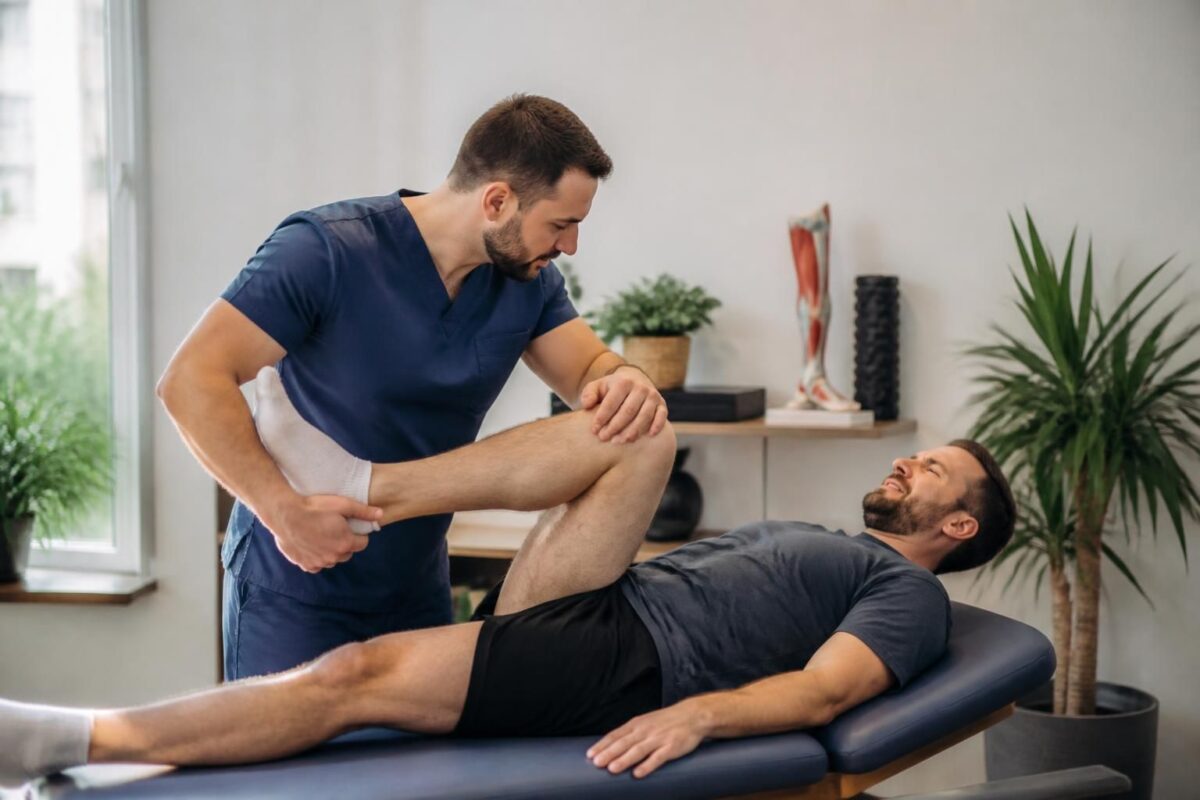
Osteopathy and chronic leg pain: regaining an optimal quality of life
In short In short, Osteopathy is one Global manual approach aimed at reducing Chronic leg pain and improve the quality of life. What is it? Non-drug therapy using the hands to identify restrictions and treat lesional chains. How does it…
Resources and Deepening
To enrich your understanding of the effects of osteopathy on mobility and musculoskeletal health, several resources explain the mechanisms and benefits observed. For example, you can find out how osteopathy helps strengthen mobility after surgery and improve overall functional abilities. Further reading also discusses the lasting effects on physical well-being and clinical outcomes that support the effectiveness of this approach.
For further details, see the articles on the following links:
How Osteopathy Helps Enhance Mobility After Surgery,
Osteopathy and well-being – Strengthen functional capacities,
Osteopathy and chronic leg pain – a natural solution,
Pain management and osteopathy,
How Osteopathy Improves Musculoskeletal Health,
Osteopathy – chronic pain management,
The lasting effects of osteopathy on physical well-being,
Clinical results proving the efficacy of osteopathy,
The latest scientific data,
Lower limb pain.
To go further and find a suitable practitioner, you can refer to professional guides and directories. The important thing is to choose an experienced osteopath, able to assess persistent pain and propose a personalized and progressive support plan.
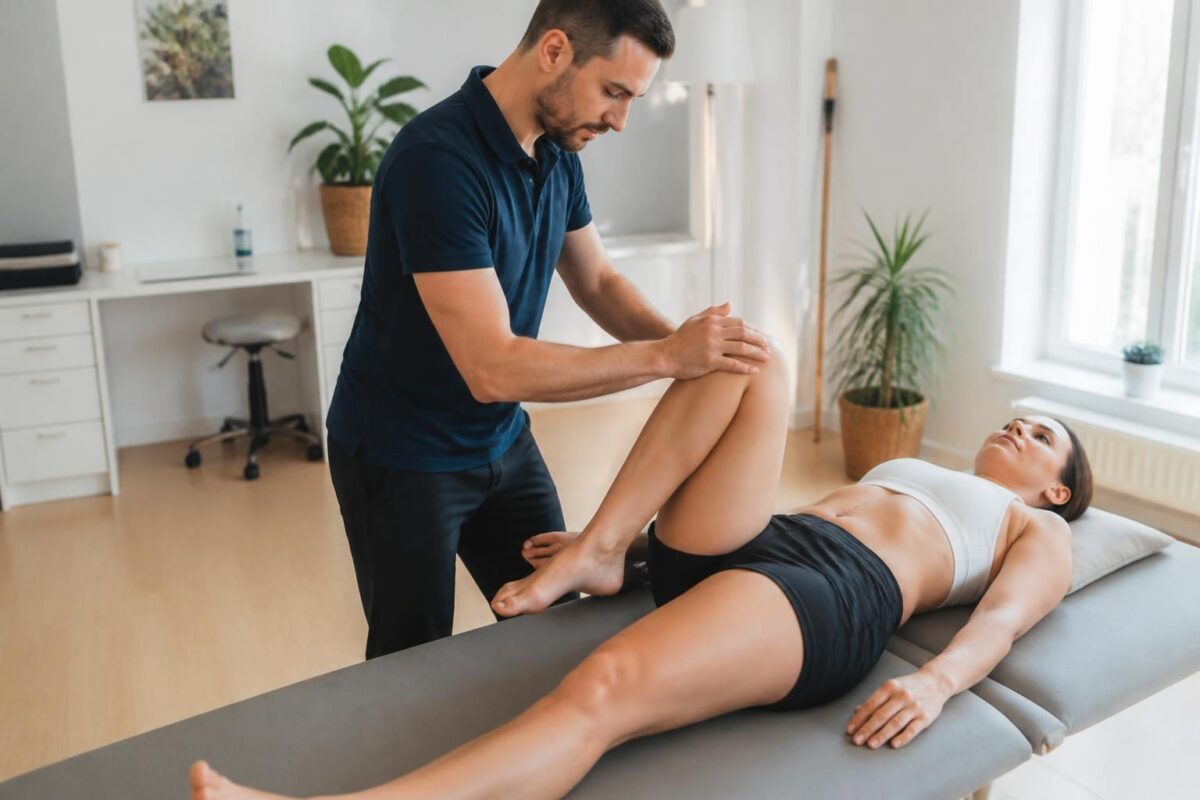
How osteopathy supports recovery after complex surgery
In short In short, Post-operative osteopathy is an approach fresh which supports the recovery After a Complex surgery. It helps to reduce the pain and the fatigue, improves the mobility and accelerates the healing thanks to a better vascularization and…

Dr Sylvain Desforges, B.Sc., D.O., N.D., osteopath, is the founding president of TAGMED and of the ACMA association. He dedicates his practice to chronic spinal pain, low back pain and symptoms compatible with sciatica, particularly when pain radiates toward the buttock, leg, calf, foot or toes.
Through SOS Sciatique, he publishes educational content on sciatica symptoms, possible causes such as disc herniation, disc narrowing, foraminal stenosis or irritation of a lumbar nerve root, as well as non-surgical approaches that may be considered according to the evaluation. At Clinique TAGMED, care may include, depending on the case, motorized neurovertebral decompression, specific osteopathic care or precision percussion.
For an evaluation related to sciatica treatment in Montreal / Mount Royal or sciatica treatment in Terrebonne, please consult the services available at Clinique TAGMED.
Medical disclaimer
The information published on SOS Sciatique is provided for educational purposes only and does not replace a consultation, diagnosis, opinion or treatment provided by a physician or another authorized healthcare professional. The author of this article is neither a medical doctor nor a specialist in a medical specialty recognized by the Collège des médecins du Québec. The osteopathic, manual medicine or functional support approaches described on this site do not constitute medical acts and are not intended to replace medical follow-up.
Consult a physician or emergency service in cases of loss of bladder or bowel control, anesthesia in the saddle area, significant or progressive weakness in the leg or foot, fever, recent trauma, severe pain or rapid worsening of symptoms. For more details, please read our Legal Notice.