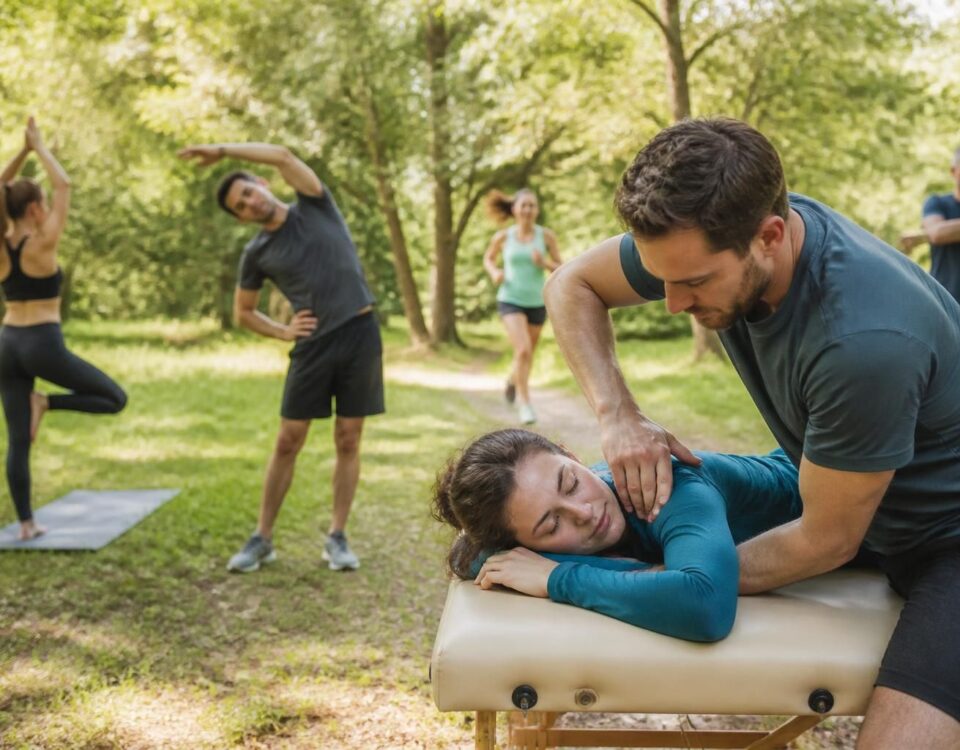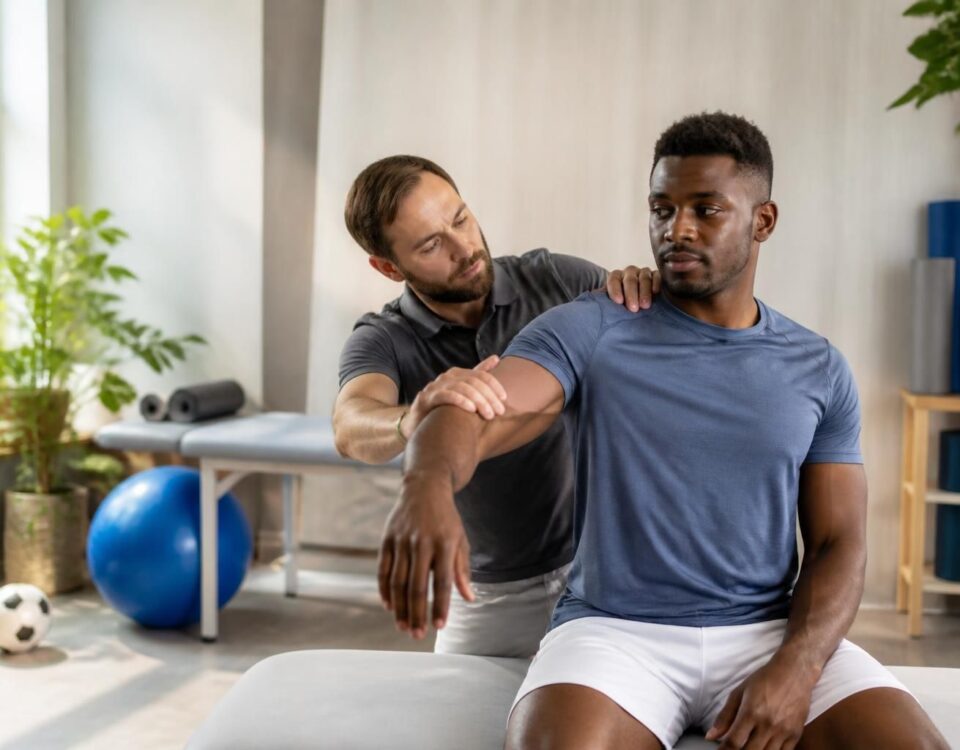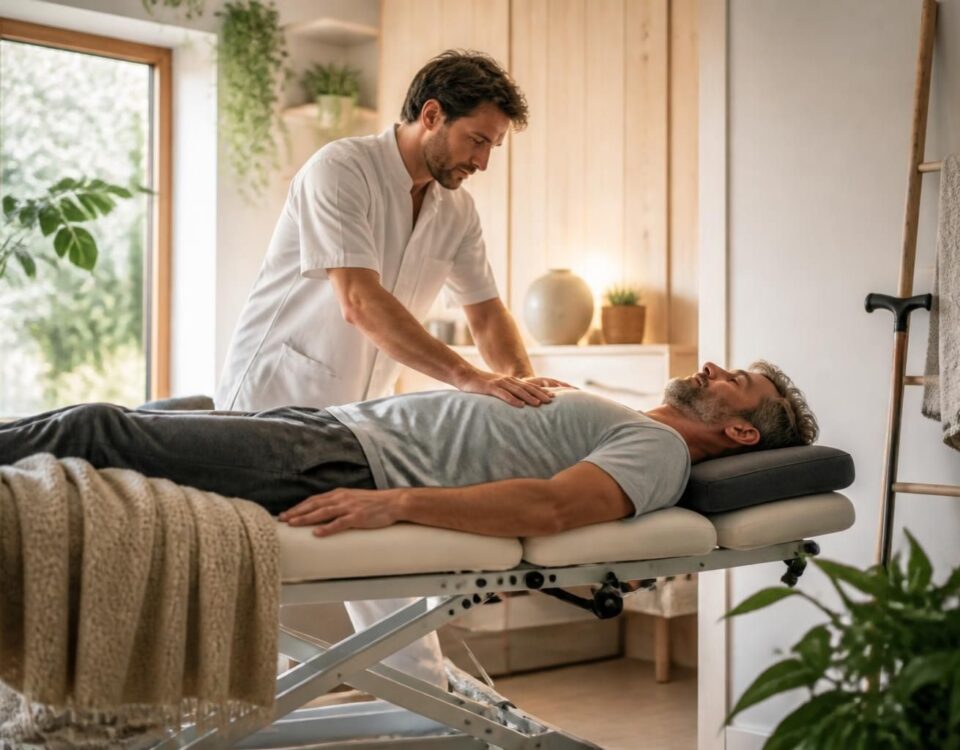
Osteopathy and injury prevention in athletes
27/06/2026
The benefits of osteopathy for optimal recovery
27/06/2026
In short In Post-surgical osteopathy is a gentle manual approach that aims to improve the mobility tissues and joints after surgery. What is it? Targeted therapy that relieves tension, reduces adherence internal and stimulates the circulation blood and lymphatic to promote the recovery. What are the advantages? It facilitates the Functional recovery, relieve the aches post-operative, prevents complications and accelerates the re-education. How does it work? thanks to techniques sweet and adapted to the healing phase, in coordination with the medical team to optimize the mobility and well-being. At Lyons, this service is particularly relevant to strengthen the mobility after surgery and support a re-education effective. |
After surgery, osteopathy supports rehabilitation in reinforcing mobility joints and tissues by gentle techniques that release tension and improve the circulation blood and lymphatic. It also helps prevent and treat Internal adhesions and scars, reducing movement limitations and pain, and promotes faster and lasting recovery.
How osteopathy helps to strengthen mobility after surgery. Osteopathic follow-up can accelerate recovery by working on tissues and joints, improving circulation and reducing tension. The approach is gentle, precise and adapted to each patient to restore mobility and facilitate rehabilitation.
How osteopathy acts on mobility after surgery
Joint mobility and Fabric flexibility increase when operated areas regain their elasticity. The osteopath favors gentle techniques to release tension and promote smoother movements around the operated area, while stimulating the circulation local.
Improved mobility and flexibility of tissues and joints
After surgery, the tissues around the operated area can become rigid. The osteopathic intervention targets these areas to find a Joint mobility and limit the restrictions that hinder rehabilitation.
Reduction of internal adhesions and scars
Adhesions and internal scar tissue can limit movement and cause pain. Thanks to a targeted mobilization of the tissues, osteopathy can reduce these adhesions and promote more fluid recovery.
Stimulation of blood and lymph circulation
a better one circulation Helps to evacuate waste and feed the tissues. This supports tissue repair and decreases postoperative pain, facilitating the movements necessary for rehabilitation.
Pain and postoperative stress management
By rebalancing tensions and improving body coordination, osteopathy can reduce pain and psychophysical stress associated with convalescence, which facilitates the assimilation of rehabilitation procedures.
Cooperation with the healthcare team and post-operative follow-up
The sessions are part of a multidisciplinary framework. The osteopath collaborates with the doctor and the physiotherapist to adapt the recovery plan and monitor the progress of the patient.

How osteopathy improves the quality of life of active people
In short In short, theosteopathy is a global approach that Optimizes mobility and the function of the body of ACTIVE PEOPLE, for a better quality of life. It helps prevent injury and reduce Musculoskeletal pain While promoting the Sports recovery.…

Osteopathy and sports recovery: prepare the body for lasting performance
In short In short, Osteopathy and Sports recovery is one Global manual approach that sustainably prepares the body for the effort by restoring mobility and circulation After the effort. It is a discipline that acts on the sinews, the joints,…
Types of surgeries where postoperative osteopathy brings a benefit
orthopedic surgery
Operations on bones, joints and ligaments can leave stiffness and residual pain. Osteopathy helps restore mobility and prevent chronic pain while supporting the rehabilitation process.
abdominal surgery
After abdominal surgery, adhesions and pain may appear. Osteopathy acts on tissues and circulation to facilitate recovery and digestive function.
spine surgery
Interventions on the spine require in-depth rehabilitation. Osteopathy helps restore spinal mobility, reduce tension and support the overall balance of the body.
Cardiac and respiratory surgery
After these interventions, osteopathy can promote thoracic mobility, improve circulation and contribute to better lung function during the recovery phase.
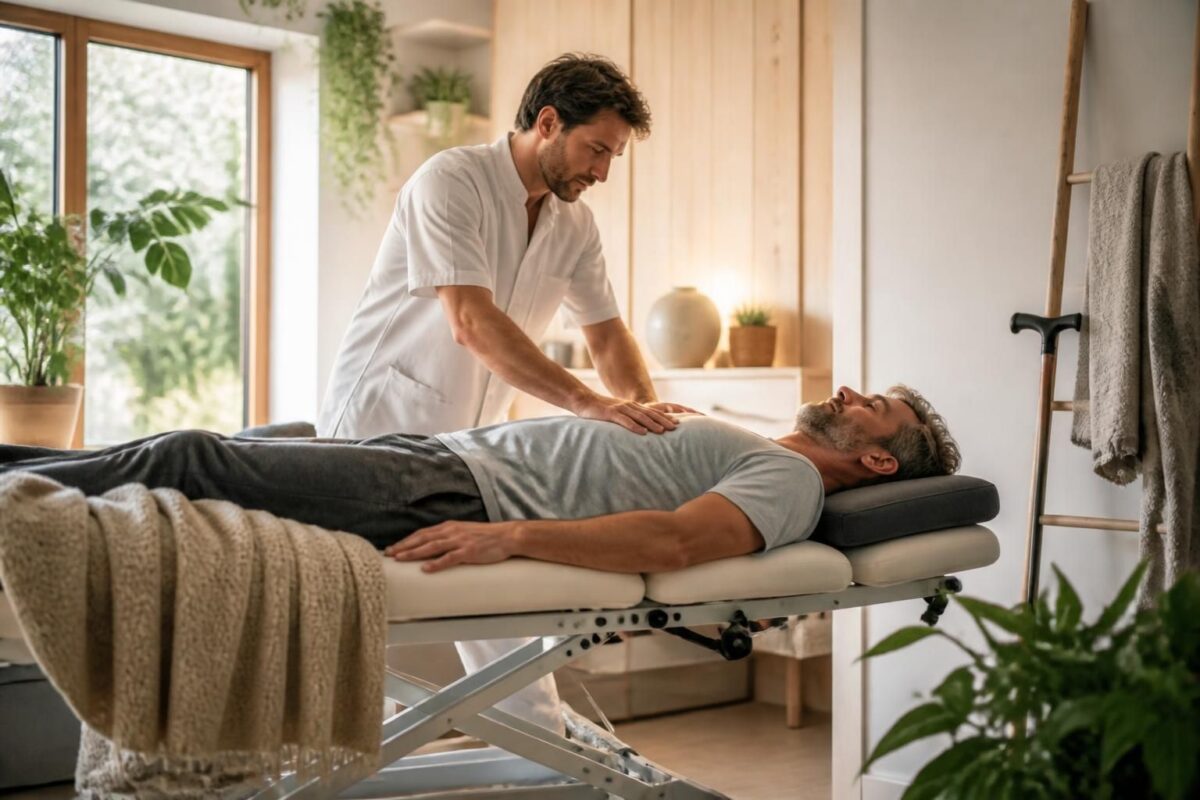
Why Osteopathy Is Essential For Recovery People
In short In short, Osteopathy in convalescence is an approach manual and holistic which helps to accelerate the recovery by restoring The balance, the mobility and a good circulation fabrics. it contributes to Reduce the pain, support the Back to…

Osteopathic manipulations to strengthen post-traumatic muscles
In short In short, Osteopathic manipulations for Strengthen post-traumatic muscles constitute a gentle manual approach aimed at restoring the mobility, reduce the pain and facilitate the Functional rehabilitation After a injury. What is Is it? A series of precise gestures…
When to consult an osteopath after surgery
Consult as soon as your doctor authorizes the resumption of physical activities, usually about 6 to 8 weeks after the operation. The osteopath intervenes in addition to medical care and can help improve recovery, reduce pain and accelerate healing.

Osteopathy and prevention of work-related musculoskeletal disorders
In short theosteopathy is one Manual approach that restores body balance and prevents MSD related to work. Its advantages: reduction of tension, improvement of mobility and prevention of chronic pain. She is preventive and healing, suitable for office and trades…

The benefits of osteopathy to treat muscle imbalances
In short theosteopathy is a manual approach to restore themuscle harmony and postural considering the body as a whole. Its main benefits include the reduction of aches and tensions, the improvement of the mobility and from the posture, and prevention…
Useful links and resources
To deepen, you can consult specialized resources on osteopathy and post-operative recovery on the sites sossciatica.com, sossciatica.com, and sossciatica.com. information on neurovertebral decompression and associated approaches can be found on decompressionneurovertebrale.com, and clinical resources can be viewed via Tagmed Clinic. For technological updates and advances in osteopathy, see sossciatica.com, and the site Corpsenmain.com. For pre- and post-operative support, see polosteo.fr.
For more general information on post-operative support, you can also consult available resources via SOS SCIATIC and body in hand.
Medical Disclaimer: The information and advice provided on this site does not replace the health professional’s diagnosis or treatment. Please note that Dr. Sylvain Desforges osteopath is neither a doctor of medicine nor a doctor, and is not a specialist in a medical specialty as defined by the Collège des Médecins du Québec. Manual medicine, functional medicine and sports medicine as described on this site exclude any medical treatment or diagnosis made by a doctor or specialist doctor. Always consult your doctor for any medical questions. For more details, please read our full legal notice. »
- Progressive fabric unlocking To restore elasticity and amplitude.
- Restored joint mobility thanks to gentle and targeted techniques.
- Reduction of adhesions and tensions between scar tissue and organs.
- Improved blood and lymphatic circulation To promote repair and reduction of inflammation.
- muscle relaxation In order to reduce pain and facilitate movement.
- Proprioception and coordination reinforced to better control gestures.
- pain management postoperative by liberation of tense areas.
- Prevention of postural compensation and postures harmful to recovery.
- Functional rehabilitation Accompanied to find daily activities.
- Progressive stability and reinforcement to secure the resumption of activity.

After surgery, strengthen the mobility does not happen alone. theosteopathy Proposes a gentle and global approach to restore freedom of movement, limit muscle tension and accelerate recovery. In addition to rehabilitation, she intervenes on the tissues, the joints and the circulation in order to prepare the body to regain its normal functions.
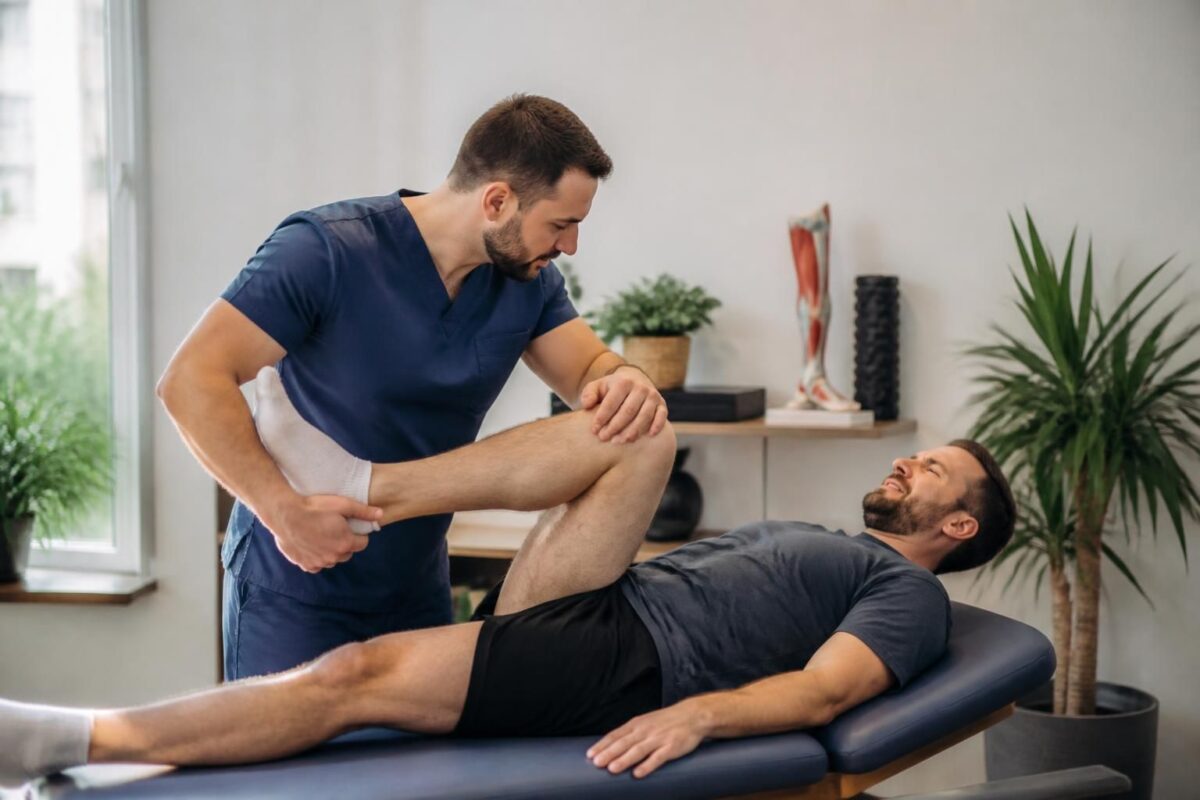
Osteopathy and chronic leg pain: regaining an optimal quality of life
In short In short, Osteopathy is one Global manual approach aimed at reducing Chronic leg pain and improve the quality of life. What is it? Non-drug therapy using the hands to identify restrictions and treat lesional chains. How does it…
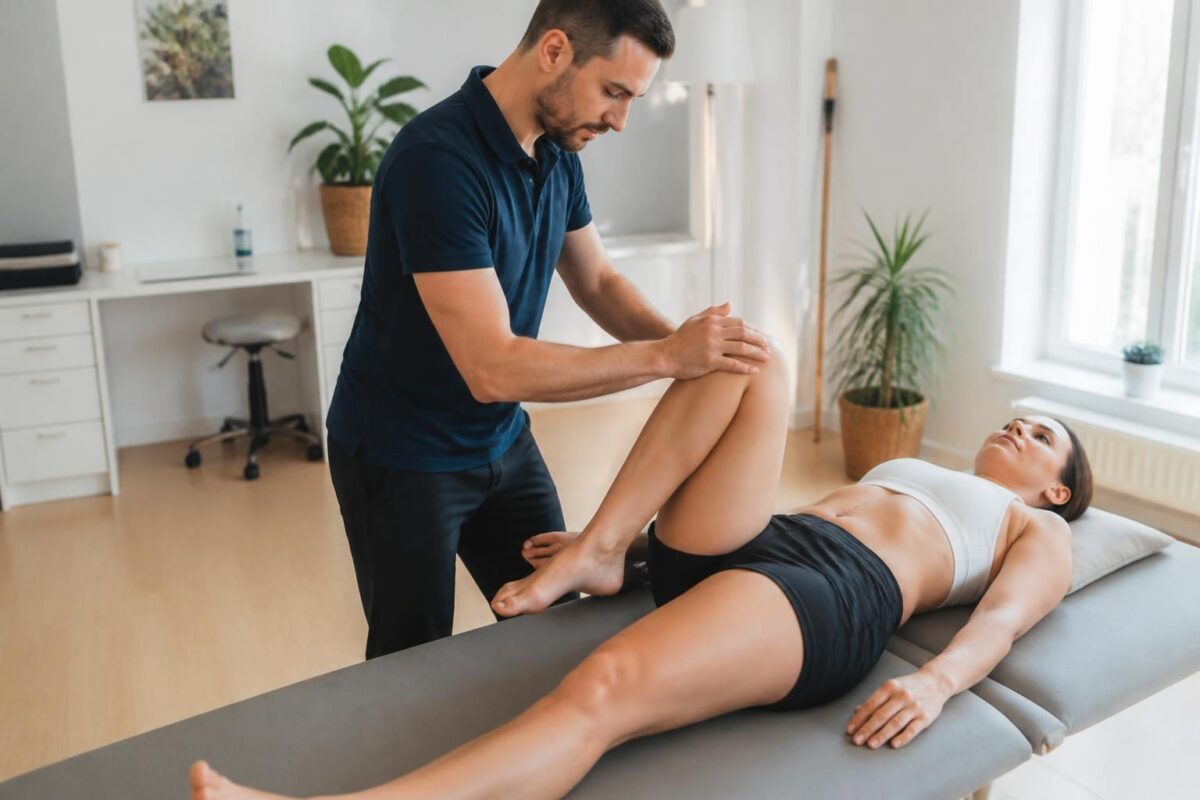
How osteopathy supports recovery after complex surgery
In short In short, Post-operative osteopathy is an approach fresh which supports the recovery After a Complex surgery. It helps to reduce the pain and the fatigue, improves the mobility and accelerates the healing thanks to a better vascularization and…
The role of osteopathy in the recovery of mobility
Osteopathy is interested in the causes of post-operative stiffness: immobilization, muscle tension, connective tissue changes and adhesions. favoring techniques sweet And adapted, the osteopath gradually restores the range of motion, improves the glide of the articular surfaces and promotes better local circulation. This approach aims to make operated areas more flexible, without rushing the tissues still weakened by the intervention.
Key mechanisms to regain mobility
Restoration of joint mobility
Targeted mobilizing gestures, carried out with caution, make it possible to restore the elasticity of the structures around the joint. By working on muscle chains and fascias, the osteopath helps free up blockages and improve range of motion. The result is an articulation that gradually regains its fluidity, facilitating rehabilitation exercises and acts of daily living.
Adhesion and scar management
After surgery, internal adhesions can limit movement and cause pain. The osteopathic approach mobilizes the tissues precisely to promote their sliding in relation to each other and to reduce the impact of internal scars. By improving the mobility of the areas concerned, the feeling of tightness is reduced and the functional recovery is accelerated.
Improved blood and lymph circulation
A circulation Optimized supports healing by facilitating waste disposal and intake of essential nutrients. Osteopathy stimulates blood and lymph flows around the operated area, which reduces inflammation, limits edema and accelerates tissue regeneration. This better circulation can also reduce postoperative pain and promote rehabilitation exercises.
Reduction of pain and tension
The pain and tension associated with operation and immobilization can slow mobilization. By identifying and releasing areas of tension, the osteopath rebalances body patterns and reduces painful pain. This reduction allows the patient to engage more serenely in rehabilitation sessions and to progress more regularly.
Integration in rehabilitation and prevention of limitations
Osteopathic work is seen as a link in the chain of care: it complements medical and physiotherapy protocols. By coordinating the efforts with the other professionals, the exercises are adjusted, postural compensation is avoided and long-term functional limitations are prevented. The goal is sustainable mobility and a faster and safer return to normal activity.
| Axis | Impact on mobility |
|---|---|
| Joint mobility | Release of joints and gradual increase in amplitude thanks to gentle techniques. |
| Tissues and muscles | Release of muscles and fascias around the operated area, reducing tension. |
| Internal adhesions | Targeted mobilization of internal adhesions to find natural gestures. |
| Tissue scars and tension | Management of scars and tissue tensions to limit restrictions. |
| Circulation and drainage | Improved circulation and drainage, promoting repair and mobility. |
| Posture and balance | Adjusted postural balance, support for movements and rehabilitation exercises. |
| Pain | Pain reduction to facilitate repetitions and engagement in exercises. |
| Re-education | Advice and stretching programs adapted to preserve amplitude. |
| Preventing future limitations | Prevention of compensations and long-term limitations thanks to continuous monitoring of mobility. |
Testimonials on strengthening mobility after surgery through osteopathy
“After a knee prosthesis, my mobility was severely limited and everyday gestures seemed difficult. theosteopathy worked smoothly on the soft goods around the joint and on the circulation local. In a few weeks, my steps are becoming more fluid and I find a flexion Complete, painless that blocks my progress. – Antoine, 62 years old, Lyon
“Following back surgery, the rigidity And muscle tension limited my movements. theosteopathy released the sensitive areas and rebalanced my column, which allowed me to gradually improve my mobility of the trunk and my posture. Today, I can bend over and straighten up painlessly, and my pain postoperative decreased. – Camille, 49 years old, Nantes
“After an abdominal surgery, I had trouble moving without feeling tension and pain. theosteopathy helped release grips and rebalance breathing, which improved my mobility torso and my daily life. In a few sessions, I found simple gestures and a better circulation. – Sophie, 42, Marseille
“After a shoulder arthroscopy, the amplitude of movement was limited and the pain had reduced arm use. theosteopathy released tensions around the shoulder and restored the mobility of the articulation, which allowed me to resume everyday gestures and sports activities. – Julie, 35, Lille
Dr. Sylvain Desforges, osteopath, naturopath and doctor Manuel, is recognized for his commitment to innovation in health care and for a practice-guided practice. As Founding President of TagMed and the ACMA Association, he focuses his work on chronic pain management and the integration of advanced technologies that support postoperative rehabilitation, such as spinal decompression, the use of laser and shockwave therapies. His approach aims to optimize patient recovery and well-being, while remaining focused on concrete and measurable results.
When a surgery is behind us, the body can manifest tension, stiffness and alteration of mobility around the operated area. Osteopathy intervenes with gentle and adapted techniques that target the Joint mobility and fabrics, in order to restore tissue elasticity, to improve the circulation and release muscle tension. By working on the entire body mesh, the osteopath helps to relaunch the movement and rebalance the postural patterns that have become deregulated after the intervention.
Another key objective is to prevent and treat adherence and the Internal scars which can limit mobility and cause pain. Through precise and progressive mobilizations of the tissues, the osteopath can reduce tensions between muscles, organs and scar fibers, thus facilitating a more fluid and less painful recovery. This approach also contributes to lowering the risk of chronic pain and functional restrictions that could compromise the return to normal activity.
The bloodstream and lymphatic is another major lever of postoperative osteopathy. By improving this drainage, the body removes toxins and metabolic debris more quickly, promotes tissue repair and reduces inflammation. Better circulation inevitably results in a pain reduction And by faster recovery, allowing the patient to gradually resume daily activities and recommended rehabilitation exercises.
Depending on the surgery, osteopathy can occur in various areas: orthopedic interventions (prostheses, fracture repairs, back surgery), abdominal surgeries (adheerences and associated digestive function), as well as the contexts where Vertebral and thoracic mobility is called upon. Whether it is to restore the mobility From the spine, to ease chest tensions or to improve muscle function around an operated area, the objective remains the same: to allow the body to reorganize itself in a harmonious way to resume its functions in the best possible conditions.
The post-operative osteopathic course begins with a Overall assessment of the patient, followed by a personalized treatment plan adapted to the surgical history. The sessions aim not only to mobilize the joints and relax the muscles, but also to coordinate efforts with the health professionals involved in rehabilitation. By working in addition to medical care, osteopathy supports faster and more sustainable recovery, while providing emotional support and general well-being that facilitate the assimilation of exercises and practices recommended by the healthcare team. Talk to your osteopath to assess how this approach can accompany your rehabilitation and accelerate your journey back to full mobility.
Quick Summary: After surgery, the goal is to restore the mobility joints and tissues, prevent adhesions and promote circulation effective. Osteopathy offers gentle and targeted techniques that accompany the re-education and the healing.
The main role ofosteopathy After an intervention is to optimize the mobility areas operated by working on the soft goods, the fascias and the joints around the scar. Adapted and progressive gestures make it possible to restore elasticity, to improve the bloodstream and lymphatic And to release muscle tension, which supports a more effective and less painful rehabilitation. To learn more about the mechanisms and benefits of osteopathy in recovery, you can consult resources dedicated to post-operative rehabilitation and daily mobility.
The Reduction of adhesions internal is a key axis. After surgery, bonds between organs, muscles and scar tissue can limit movement and generate pain. The osteopath, through targeted and gentle mobilizations, aims to prevent and release these adhesions, thus promoting a more fluid recovery and a better function of the areas concerned. Dedicated articles detail how this approach can support mobility and reduce associated pain (Mobility and quality of life).)
Another central point, thetraffic improvement blood and lymphatic. Residual tensions and limited circulation can slow tissue repair and prolong post-operative pain. By restoring fluid circulation, osteopathy facilitates the nutritional intake of tissues, promotes waste disposal and supports faster healing. To deepen this topic, refer to resources that explain how circulatory stimulation contributes to postoperative recovery (Postoperative recovery).)
Pain management is also an essential component. By identifying and treating areas of post-surgery tension and compensation, osteopathy can reduce pain and improve comfort during rehabilitation. Specialized resources describe how osteopathic techniques can reduce diffuse pain and promote a gradual return to activity (Reduction of muscle pain).)
Finally, the overall objective is the prevention of complications related to convalescence: maintaining good mobility, preventing postural disorders and limiting the risks of chronic pain or movement restrictions. Post-operative osteopathy is thus inscribed as a lasting support for rehabilitation, in addition to medical care and physiotherapy (Prevention of muscle injuries).)
To enrich your understanding of mechanisms and benefits, you can consult resources such as Osteopathy and post-operative recovery and Durable solution for chronic pain, which illustrate in particular how mobility can be increased after surgery and how to reduce the use of painkillers.
If you want to deepen the approaches and possible outcomes, explore the resources on rehabilitation and post-surgery mobility offered by specialized centers and osteopathy professionals (e.g. pages dedicated to osteopathic rehabilitation and improvement of mobility).

Dr Sylvain Desforges, B.Sc., D.O., N.D., osteopath, is the founding president of TAGMED and of the ACMA association. He dedicates his practice to chronic spinal pain, low back pain and symptoms compatible with sciatica, particularly when pain radiates toward the buttock, leg, calf, foot or toes.
Through SOS Sciatique, he publishes educational content on sciatica symptoms, possible causes such as disc herniation, disc narrowing, foraminal stenosis or irritation of a lumbar nerve root, as well as non-surgical approaches that may be considered according to the evaluation. At Clinique TAGMED, care may include, depending on the case, motorized neurovertebral decompression, specific osteopathic care or precision percussion.
For an evaluation related to sciatica treatment in Montreal / Mount Royal or sciatica treatment in Terrebonne, please consult the services available at Clinique TAGMED.
Medical disclaimer
The information published on SOS Sciatique is provided for educational purposes only and does not replace a consultation, diagnosis, opinion or treatment provided by a physician or another authorized healthcare professional. The author of this article is neither a medical doctor nor a specialist in a medical specialty recognized by the Collège des médecins du Québec. The osteopathic, manual medicine or functional support approaches described on this site do not constitute medical acts and are not intended to replace medical follow-up.
Consult a physician or emergency service in cases of loss of bladder or bowel control, anesthesia in the saddle area, significant or progressive weakness in the leg or foot, fever, recent trauma, severe pain or rapid worsening of symptoms. For more details, please read our Legal Notice.