Osteopathic techniques to reduce sport-related inflammations
27/06/2026
Osteopathic manipulations to enhance joint flexibility
27/06/2026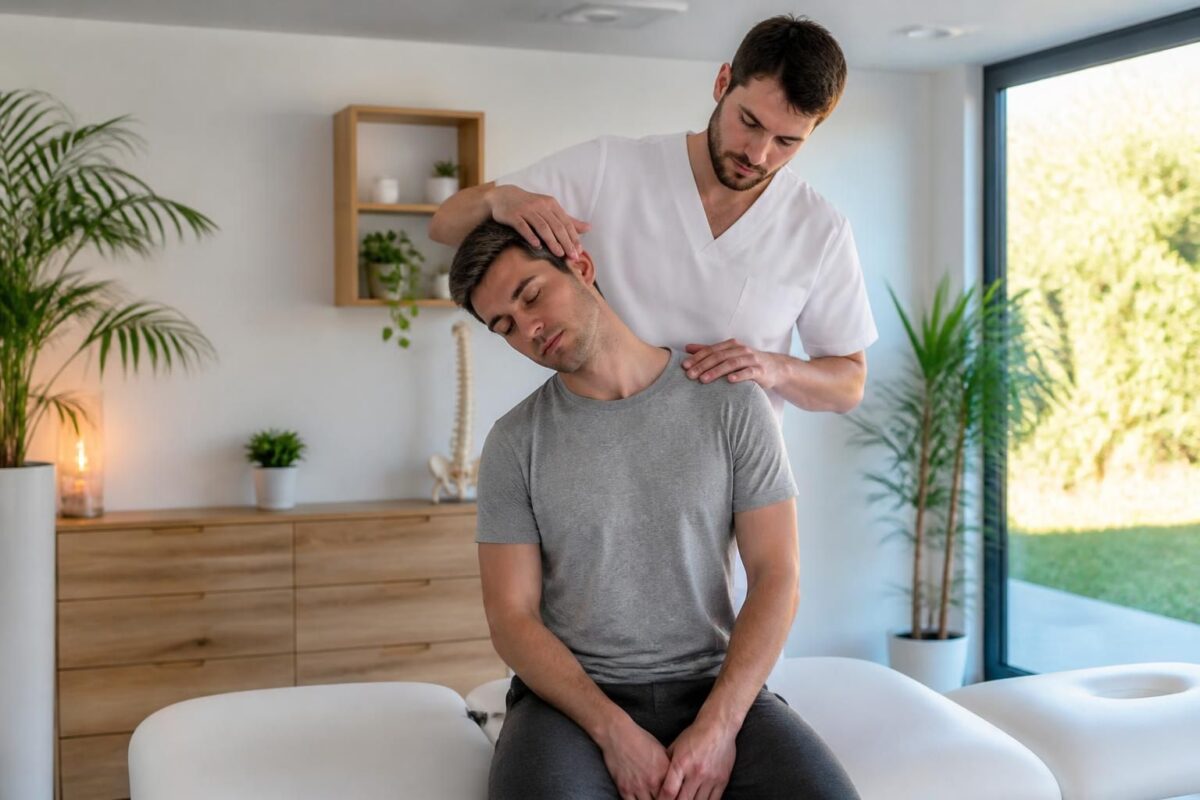
In short
| In short, theosteopathy is a global approach to recovery after an accident which acts on the soft goods and the fascias, and on the mobility body to reduce pain and restore balance. Its main advantages include a pain reduction, a Better mobility, a Postural balance found and a better Reduction of inflammation, while supporting the re-education through a personalized and coordinated approach with other health professionals. Operation is based on a Overall assessment And some Gentle techniques targeting the fascias, the joints and the nervous system, in order to release tension and relearn daily gestures without pain. In Montreal, this service is particularly recommended to accompany the recovery After a trauma and facilitate progressive rehabilitation while respecting the body. |
theosteopathy supports recovery after an accident by adopting an approach overall which is not limited to the injured area. Starting with a Full assessment And listening to your journey, the practitioner spots mobility imbalances, muscle tension and fascial system restrictions that can persist after the trauma.
through Gentle techniques and targeted, the osteopath acts on the fascias, joints and the diaphragm to restore the mobility, soothe the pain and promote circulation. The goal is to Reharmonize posture and support functional recovery, while taking into account emotional aspects and coordinating care with other professionals if necessary.
This article explains how Osteopathy supports the recovery After a accident. it acts on the body as a whole, releases tensions and restores the mobility, the posture and the functioning of the nervous system. Everything is done with gentle and adapted techniques, without medication or surgery.
After an accident, the body can show tension, residual pain and blockages. theosteopathy Identifies these mechanisms and acts on all tissues, including fascias, muscles and joints, in order to restore functional harmony and prevent recurrences.
A global and gentle approach
The practitioner performs a Osteopathic assessment complete and takes into account the history of the accident, the medical consequences and the way in which the pain manifests itself today. He uses techniques sweet and adapted, aimed at restoring the general mobility of the body rather than treating an isolated area. This global perspective promotes better recovery and limits the compensations that can take place over time.
The role of fascias and mobility
The fascias are networks that memorize trauma and can limit mobility. Osteopathy aims to release these restrictions and restore tissue elasticity. By improving the mobility of the chains that compensate each other, it contributes to reducing tension and pain, without forcing the injured area.
Pain management and inflammation
Through gentle mobilization and improvement of blood and lymph circulation, osteopathy can help reduce pain and moderate inflammation. This approach promotes oxygenation and supply of nutrients essential to tissue repair, while avoiding aggressive treatments when possible.
Emotional support and stress
Trauma can also trigger a reaction of the autonomic nervous system. Osteopathy acts on muscle tension and on the circulation of fluids to promote a feeling of safety and relaxation. This holistic approach takes into account emotional balance and general well-being, which supports recovery.
Rehabilitation and collaboration
Rehabilitation can benefit from a complementary approach between osteopathy and other rehabilitation disciplines. A coordinated collaboration makes it possible to adapt the interventions to the evolution of the patient, to preserve mobility and to improve the postural balance. This helps to reduce the risk of relapse and accelerate the return to normal activity.
When to consult and what to expect
The frequency of the sessions depends on the age of the trauma and its effects. In practice, one or two sessions are often provided for localized and light discomfort, then three to four sessions for old compensation. Regular monitoring can be useful in case of post-traumatic fragility. The treatment is personalized and respects the patient’s feelings.
Training in osteopathy is based on recognized institutes such as NUMSS, nao, National University of Medical Sciences and National Academy of osteopathy. Osteopaths can rely on professional associations such as acma, the College of Canadian Osteopaths and the College of Canadian Osteopaths. In the context of knowledge of practices and references, you can consult resources such as Osteopathy and sports pain — Prevent and treat effectively and The advantages of osteopathy to treat recurrent athletic pain. Complementary resources also address stress reduction and rehabilitation support after a sprain, for example This type of content and Rehabilitation after a sprain.
To explore further, you can also consult specialized resources on recovery mechanisms and interdisciplinary approaches, including Osteopathy and sports pain and Reduction of stress-related tensions, as well as specific content on rehabilitation support after a sprain on this theme. Other relevant references remain accessible via resources such as rehabilitation after an accident and general information about the post-traumatic osteopathic approach.
additional information and resources. For more details on mechanisms and practices, you can also consult extracts in areas dedicated to osteopathy and rehabilitation, for example via Tagmed Clinic and other specialized sources.
Medical Disclaimer: The information and advice provided on this site does not replace the health professional’s diagnosis or treatment. Please note that Dr. Sylvain Desforges osteopath is neither a doctor of medicine nor a doctor, and is not a specialist in a medical specialty as defined by the Collège des Médecins du Québec. Manual medicine, functional medicine and sports medicine as described on this site exclude any medical treatment or diagnosis made by a doctor or specialist doctor. Always consult your doctor for any medical questions. For more details, please read our full legal notice. »
- Overall assessment trauma and compensation
- Fascial release To restore tissue mobility
- Mobility and posture rebalanced to prevent relapses
- Recovery of the diaphragm and the nervous system with gentle gestures
- pain management with gentle and effective techniques
- Reduction of inflammation and acceleration of tissue repair
- Emotional support and post-traumatic stress management
- Coordinated rehabilitation With physiotherapist for a gradual return

Quick Summary: Theosteopathy Supports recovery after an accident by acting on soft tissues, fascias and the postural and nervous system. This gentle approach aims to restore the mobility, reduce the pain and promote a comprehensive and sustainable rehabilitation, adapting to each story and each recovery stage.
A global approach to recovery
After an accident, the objective of osteopathy is to rebalance the body as a whole. The evaluation takes into account the age of the event, any medical consequences and the compensations that have taken place. By analyzing posture, tissue mobility and muscle chains, the osteopath identifies areas that hinder return to normal function and adapts the treatment to your situation.
A personalized evaluation
The first session allows you to understand your story, the type of accident and the current events. The osteopathic assessment goes far beyond the painful area to spot tensions, blockages and body habits that can slow down healing. This targeted approach then guides the care plan.

How osteopathy improves the quality of life of active people
In short In short, theosteopathy is a global approach that Optimizes mobility and the function of the body of ACTIVE PEOPLE, for a better quality of life. It helps prevent injury and reduce Musculoskeletal pain While promoting the Sports recovery.…
The role of the fascial system and the fascias
The fascial system plays a key role in post-accident recovery. The fascias, membranes that envelop muscles and organs, can memorize trauma and limit freedom of movement. Osteopathy aims to release these restrictions through gentle and precise techniques, in order to restore mobility and comfort to the entire musculoskeletal chain.
Release from fascial tensions
Working on the fascias improves circulation, coordination of movement and breathing. This approach helps to reduce Chronic pain and prevent further compensation.

Osteopathy and sports recovery: prepare the body for lasting performance
In short In short, Osteopathy and Sports recovery is one Global manual approach that sustainably prepares the body for the effort by restoring mobility and circulation After the effort. It is a discipline that acts on the sinews, the joints,…
Pain management and inflammation
The gentle manipulative techniques specific to osteopathy promote muscle relaxation and joint mobilization. This stimulation improves blood and lymph circulation, accelerating the evacuation of metabolic residues and the reduction of inflammatory mediators. Result: pain Better controlled and facilitated tissue recovery, without the need for systematic use of drugs.
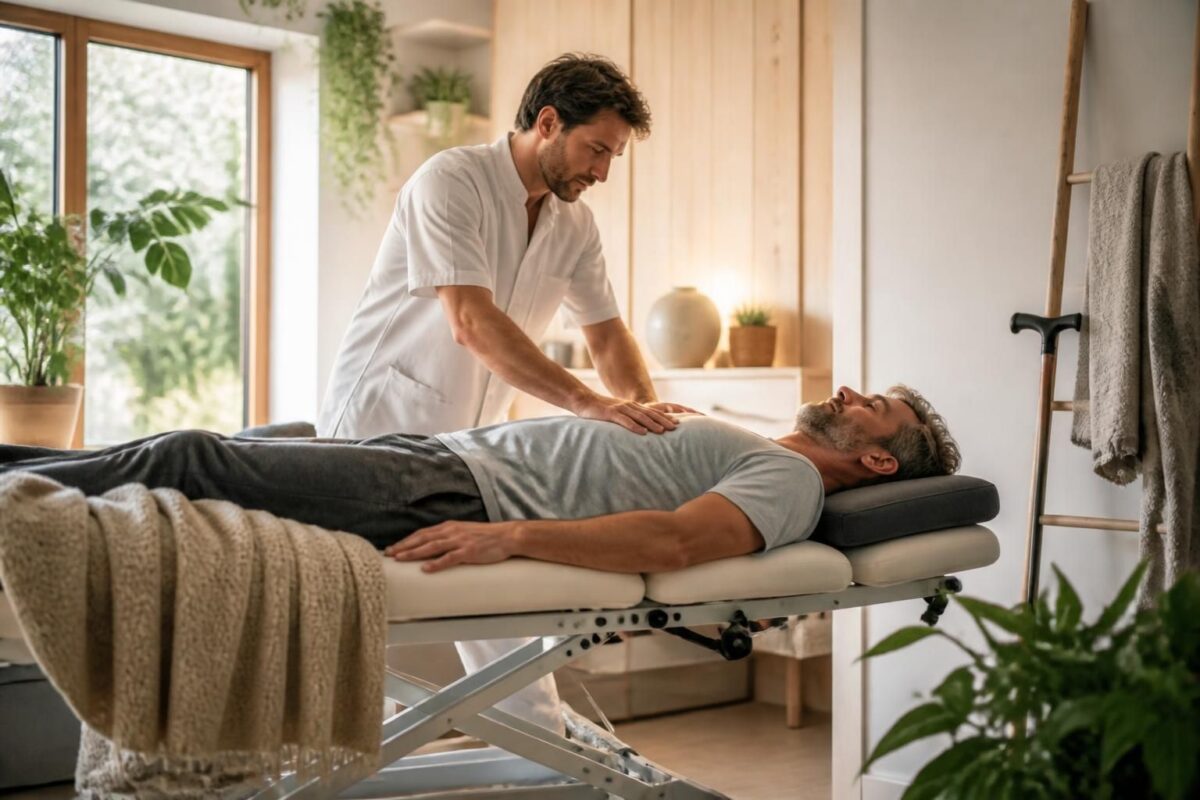
Why Osteopathy Is Essential For Recovery People
In short In short, Osteopathy in convalescence is an approach manual and holistic which helps to accelerate the recovery by restoring The balance, the mobility and a good circulation fabrics. it contributes to Reduce the pain, support the Back to…
Emotional support and nervous balance
The trauma can also leave traces on the autonomic nervous system. Osteopathy helps to release tensions orchestrated by post-traumatic stress, which can promote better quality sleep and better management of emotions. This work on the nervous system supports rehabilitation and improves overall well-being.

Osteopathic manipulations to strengthen post-traumatic muscles
In short In short, Osteopathic manipulations for Strengthen post-traumatic muscles constitute a gentle manual approach aimed at restoring the mobility, reduce the pain and facilitate the Functional rehabilitation After a injury. What is Is it? A series of precise gestures…
Rehabilitation and coordination
Rehabilitation is optimized when the osteopath collaborates with other professionals, in particular physiotherapists. Together, they adjust the protocols to gradually restore mobility, strengthen muscle chains and correct postural imbalances. This synergy aims to prevent relapses and accelerate the return to normal activity.

Osteopathy and prevention of work-related musculoskeletal disorders
In short theosteopathy is one Manual approach that restores body balance and prevents MSD related to work. Its advantages: reduction of tension, improvement of mobility and prevention of chronic pain. She is preventive and healing, suitable for office and trades…
Frequency and care plan
The number of sessions depends on the seniority of the trauma and its impact. In practice, localized discomfort may require a few sessions, while an old trauma may require support over several weeks. Regular monitoring can be useful to maintain functional gains and prevent recurrences.

The benefits of osteopathy to treat muscle imbalances
In short theosteopathy is a manual approach to restore themuscle harmony and postural considering the body as a whole. Its main benefits include the reduction of aches and tensions, the improvement of the mobility and from the posture, and prevention…
Practical advice and self-care
In addition to the sessions, adopt a posture adapted to everyday life, practice soft and progressive movements, and favor activities that respect your tolerance. Correct hydration, restful sleep and stress management support recovery. Ask for simple exercises to do at home to maintain flexibility and avoid residual tensions.
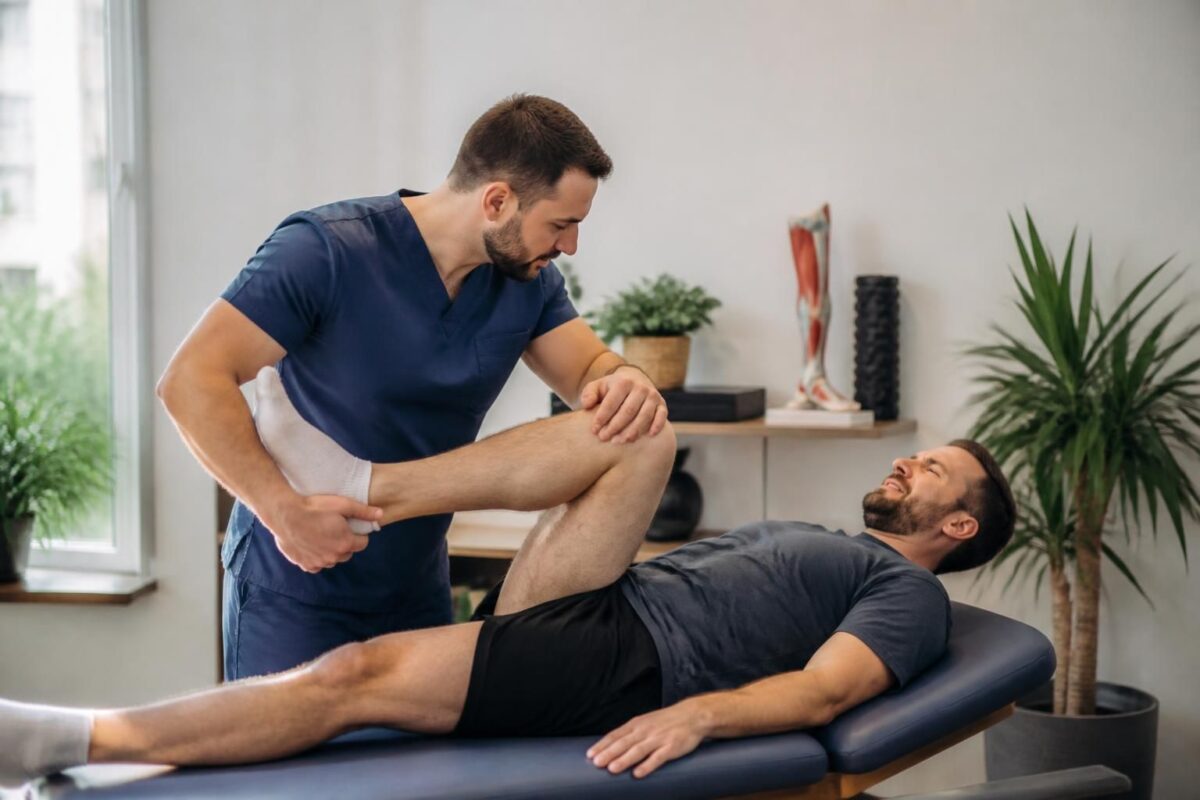
Osteopathy and chronic leg pain: regaining an optimal quality of life
In short In short, Osteopathy is one Global manual approach aimed at reducing Chronic leg pain and improve the quality of life. What is it? Non-drug therapy using the hands to identify restrictions and treat lesional chains. How does it…
When to consult
Consult quickly in case of aggravated pain, loss of control, fever, or signs that evoke a post-traumatic complication. If the pain persists despite self-management efforts and appropriate activities, an osteopathic assessment can help you identify subtle blockages and initiate more effective recovery.
| Aspect of recovery | Impact of osteopathy |
|---|---|
| Suffering and mobility | reduction of the pain and improvement of mobility thanks to gentle and targeted gestures on tension. |
| Posture and balance | Restoring a Postural balance and segment alignment to prevent relapses. |
| Fascia and tissue memory | Liberation of fascias and tensions recurring to facilitate movement. |
| Joints and local mobility | Mobilization fresh of joints and compensatory areas to restore the overall movement. |
| Breathing and diaphragm | Improvement of the breathing and diaphragmatic dynamics, reducing tensions. |
| Nervous system and tension | Rebalancing of the nervous system and reduction of Muscle tensions related to post-traumatic stress. |
| Inflammatory pain | Management of theinflammation and improved traffic to accelerate repair tissue. |
| Functional recovery and rehabilitation | Integration with the re-education In order to find a feature and a coordinated movement. |
| Monitoring and prevention | plan of monitoring and prevention to preserve the achievements and avoid relapses. |
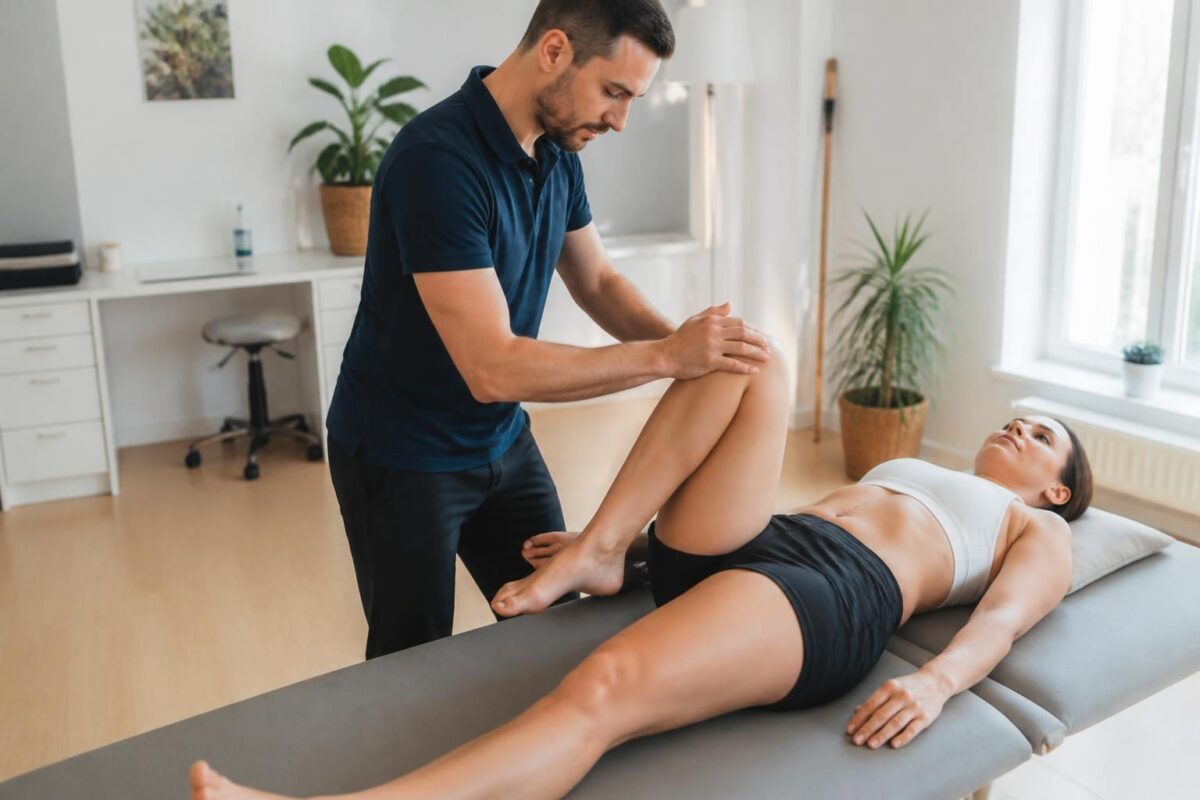
How osteopathy supports recovery after complex surgery
In short In short, Post-operative osteopathy is an approach fresh which supports the recovery After a Complex surgery. It helps to reduce the pain and the fatigue, improves the mobility and accelerates the healing thanks to a better vascularization and…
Testimonials: how osteopathy supports recovery after an accident
After a car accident, I started an osteopathic follow-up. The approach is gentle and focused, and work on fascias and the diaphragm made it possible to restore a better mobility And to reduce the lower back pain that came back regularly. In a few sessions, my posture improved and my nights subsided.
Following a sprained knee during a scooter ride, the pain remained present for years. Osteopathy first released tension around the knee and then rebalanced the muscle chain. My mobility came back and I regained my confidence to resume my daily activities without fear of pain.
While practicing a sport, I suffered a trauma to my shoulder. Three sessions were enough to free the fascias around the shoulder and readjust the the nervous system by gentle techniques. I found strength and above all a pain which did not come back, which allowed me to resume my training gently.
Since an accident, my neck was incessantly suffering. Osteopathy helped me to release muscle tension and restore mobility More homogeneous, which reduced the pain and improved my sleep. The work on the diaphragm and cranial tensions also brought an emotional balance and a real welfare.
A past trauma can leave invisible but real sequelae. After an osteopathic treatment focused on the fascial system, tensions ease and mobility returns. This approach rebalanced my posture And soothed the nervous system, with a positive impact on my daily life and my confidence in my body.
After the accident, osteopathy did not only relieve the pain of the moment: it supported my overall rehabilitation in coordination with physiotherapy. By acting on the Postural rebalancing And tissue mobility, it helped me prevent relapses and accelerate the return to my normal activities.
The objective of theosteopathy After an accident is to support recovery by acting on the whole body, and not only on the painful area. This global, gentle and personalized approach aims to restore the mobility, reduce tension and restore postural balance. By working on the tissues, joints and the nervous system, the osteopath accompanies the patient towards a gradual return to daily and sporting activity, while limiting the risks of recurrence.
After a trauma, even if the medical examinations seem normal, invisible traces can persist: Fasial adhesions, residual voltages, and a Body memory which can influence posture and pain. Osteopathy considers what is happening in the fascias and muscle chains, because they are the ones who transmit the constraints and compensations with an injuring gesture. gently, it helps the body to refocus and resume a Natural mobility.
During the first consultation, the practitioner listens to the history, the circumstances of the accident and the possible medical consequences. The osteopathic assessment examines the Tissue mobility, the alignment of the segments and the postural patterns, often far beyond the painful place. This approach makes it possible to identify the areas that hinder recovery and gestures that will promote the overall rebalancing of the body.
Osteopathic work may concern fascias, joints, diaphragm, and even the skull and sacrum, in order to improve communication between systems and release the stresses that disrupt the central nervous system. the techniques used remain sweet, adaptable to patient tolerance, and aim to re-harmonize movement, breathing and circulation.
In terms of pain and inflammation, osteopathy activates blood and lymph circulation, which promotes nutrient intake and the release of metabolic residues. This stimulation facilitates tissue healing and can reduce pain intensity. Acting early, it can also prevent chronification, by restoring smoother motion patterns.
Beyond the body, osteopathy takes into account the emotional aspect of the trauma. The autonomic nervous system can remain on high alert, generating tension, sleep disorders and anxiety. Through reassuring gestures and adjustments to the respiratory rate and tension, osteopathy helps to rebalance the nervous tone and promote a calmer and more lasting recovery. This global approach offers the patient a safe framework to go through the convalescence stages and gradually regain confidence and balance.
To optimize recovery, osteopathy is often part of a coordinated rehabilitation with other health professionals. By working in complementarity with physiotherapy or occupational therapy, it contributes to improving the mobility, stability and posture. This integrated approach provides more effective relapse prevention and supports a gradual resumption of activities, without overload.
During the recovery process, the patient can expect a personalized journey, adapted to the nature of the accident and its history. The number of sessions varies according to the age of the disorders and the rate of recovery, but the objective remains the same: to restore the mobility, soothe the nervous system and restore the body to its natural balance. Consult a qualified osteopath for a suitable assessment and start your way to well-being today.
This summary explains how Osteopathy supports the recovery After a accident by acting on the body as a whole, by releasing fascial tensions, by modulating the pain and theinflammation, and accompanying rehabilitation and return to normal activity. It highlights a gentle, personalized approach focused on rebalancing movement, posture and nervous system.
Overall role and assessment in recovery after an accident
After an accident, Osteopathy offers an approach overall which evaluates the mobility of tissues, joints and musculo-fascial chains, while considering the nervous system. This assessment makes it possible to identify the imbalances and compensations that hinder recovery, in order to establish a personalized care plan adapted to each individual.
The Fascial System and Trauma Memories
The fascial system plays a key role in recovery. Fascias can memorize the impact of trauma and limit freedom of movement. Thanks to gentle and targeted techniques, the osteopath free These restrictions, restore flexibility and allow better transmission of movements through the body.
Pain and inflammation management
manipulations sweet and osteopathic mobilizations promote the circulation blood and lymphatic, which helps to reduce the pain and control inflammation. This approach can decrease addiction to pharmacological treatments and accelerate the return to normal function.
Emotional support and nervous system balance
trauma can disrupt the autonomic nervous system and influence sleep, stress and muscle tension. Osteopathy aims to restore emotional balance and bodily tranquility, facilitating better post-traumatic stress management and a more lasting state of comfort.
Rehabilitation, mobility and relapse prevention
In addition to rehabilitation, osteopathy acts on the chains of movement and the posture to restore the mobility and coordination. This collaboration with other health professionals makes it possible to reduce the risk of relapse and to ensure a more reliable and sustainable functional recovery.
Additional resources
To deepen these points, consult these resources that present the role of osteopathy in post-traumatic recovery and posture and mobility improvement:
How Osteopathy Supports Post-Traumatic Recovery,
Why osteopathy following trauma,
Why osteopathy is essential to maintain good posture,
How Osteopathy Helps Restore Body Balance After Physical Shock,
How Osteopathy Improves Localized Blood Circulation,
Osteopathy after road accident,
How Osteopathy Contributes to Recovery After Trauma,
The benefits of osteopathy to relieve tension in the shoulders,
Technological advances applied to osteopathy,
Osteopathy and post-traumatic rehabilitation: additional treatment.

Dr Sylvain Desforges, B.Sc., D.O., N.D., osteopath, is the founding president of TAGMED and of the ACMA association. He dedicates his practice to chronic spinal pain, low back pain and symptoms compatible with sciatica, particularly when pain radiates toward the buttock, leg, calf, foot or toes.
Through SOS Sciatique, he publishes educational content on sciatica symptoms, possible causes such as disc herniation, disc narrowing, foraminal stenosis or irritation of a lumbar nerve root, as well as non-surgical approaches that may be considered according to the evaluation. At Clinique TAGMED, care may include, depending on the case, motorized neurovertebral decompression, specific osteopathic care or precision percussion.
For an evaluation related to sciatica treatment in Montreal / Mount Royal or sciatica treatment in Terrebonne, please consult the services available at Clinique TAGMED.
Medical disclaimer
The information published on SOS Sciatique is provided for educational purposes only and does not replace a consultation, diagnosis, opinion or treatment provided by a physician or another authorized healthcare professional. The author of this article is neither a medical doctor nor a specialist in a medical specialty recognized by the Collège des médecins du Québec. The osteopathic, manual medicine or functional support approaches described on this site do not constitute medical acts and are not intended to replace medical follow-up.
Consult a physician or emergency service in cases of loss of bladder or bowel control, anesthesia in the saddle area, significant or progressive weakness in the leg or foot, fever, recent trauma, severe pain or rapid worsening of symptoms. For more details, please read our Legal Notice.