Osteopathy and muscle pain: appropriate care
27/06/2026
Osteopathic approaches to treat recurrent postural imbalances
27/06/2026
In short In short, theosteopathy is an approach that aims to preserve and restore a good posture. What does this mean? a Adapted posture without pain and a balanced distribution of stresses. What are the advantages? reduction of aches, improvement of the breathing, better mobility and dysfunction prevention. How does it work? By evaluating and rebalancing the Postural sensors and muscle tension with gentle techniques, then giving practical advice to maintain the posture on a daily basis. In Illkirch-Graffenstaden, this treatment is adapted to everyday work and in domestic life for a mobility Durable and painless. |
Find out why theosteopathy is essential to preserve a good posture. It acts on the mechanisms that support the body and manage thebalance, in particular via the Postural sensors located in the muscles, joints and inner ear. By evaluating and correcting imbalances, it improves the mobility, the breathing and the coordination movements, favoring a homogeneous distribution of the constraints and a prevention daily musculoskeletal pain and dysfunction.
This summary presents why Osteopathy is a key approach to preserving a good posture, how the postural sensors guide the body towards balance and what osteopathic actions make it possible to prevent and soothe the pain related to the posture.
A painless posture is the foundation of physical well-being. It allows a balanced distribution of loads between bones, muscles and joints, without premature wear. A suitable posture may differ from person to person and remains effective as long as it does not generate pain.
Postural sensors play a central role in maintaining body balance. Located in the muscles, joints and the inner ear, they transmit information to the brain on the position of the body. A dysfunction of these sensors can lead to localized tension and pain, as well as musculoskeletal dysfunctions.
The role of osteopathy in postural optimization
My approach is based on a Full assessment of your posture and your imbalances. I use gentle techniques to restore mobility and recalibrate the signals sent by the postural sensors. The goal is to find a Functional mobility And a posture that supports your daily pain without pain.
Osteopathic practice aims to release tension, promote effective breathing and improve coordination of movements. This contributes to a more stable and lasting posture, both at work and at home.
Integrate posture into daily life
To maintain the benefits, adopt simple habits that support body alignment: adjust your workstation, favor conscious daily gestures and favor spaces that promote a natural position of the trunk and shoulders. Practical resources and general approaches on the subject can be consulted via articles dedicated to osteopathy and posture.
To deepen the links between stress, tension and posture, you can consult resources like those discussing theOsteopathy and stress management, and articles explaining how osteopathy helps Prevent musculoskeletal disorders.
Training and professional executive
Practitioners working in this field can rely on recognized training such as NUMSS, NAO, National University of Medical Sciences and National Academy of osteopathy. They can also be affiliated with professional associations such as ACMA, College of Canadian Osteopaths and College of Canadian Osteopaths.
Resources and links to deepen
To enrich your knowledge of posture and osteopathic action, these resources can be useful:
Osteopathy and stress,
Prevent musculoskeletal disorders,
Benefits of osteopathy for optimal recovery.
In addition, general posture resources and its impact on health can be consulted in the context of publications associated with osteopathy and postural posture.
Training and professional reference: NUMSS, NAO, National University of Medical Sciences, National Academy of Osteopathy. Professional Associations: ACMA, College of Canadian Osteopaths, College of Canadian Osteopaths.
Whether you are at work or at home, good posture is based on a combination of awareness, simple adjustments and appropriate support when necessary. Osteopathy offers an integrated approach to restoring postural balance and preventing chronic pain.
To learn more about the role of osteopathy in posture and movement, also consult specialized resources such as Osteopathy and sports pain and information from Tagmed Clinic.
“Medical disclaimer: The information and advice provided on this site does not replace the health professional’s benefit, diagnosis or treatment. Please note that Dr. Sylvain Desforges osteopath is neither a doctor of medicine nor a doctor, and is not a specialist in a medical specialty as defined by the Collège des Médecins du Québec. Manual medicine, functional medicine and sports medicine as described on this site exclude any medical treatment or diagnosis made by a doctor or specialist doctor. Always consult your doctor for any medical questions. For more details, please read our full legal notice. »
- Targeted evaluation To identify the imbalances that weigh on the column and the muscle chains.
- Muscle rebalancing In order to eliminate compensation and tensions that promote postural pain.
- Fascial and joint release To restore mobility and body alignment.
- gentle mobilizations of the spine and peripheral joints for a more natural posture.
- Trunk stability thanks to targeted techniques to improve daily maintenance.
- Improved breathing and diaphragmatic coordination, key factor in effective posture.
- Practical advice for work and daily activities to maintain postural gains.
- Sustainable prevention To limit relapses and optimize body performance.

In this article, find out why Osteopathy is essential to preserve a good posture. By working on the Postural sensors, the Muscle imbalances and the Joint mobility, it offers a global approach that prevents pain and optimizes daily comfort and performance.
Understanding the link between posture and well-being
The posture is not simply a frozen position: it organizes the distribution of stresses on the bones, muscles and joints. A neutral posture promotes movement and reduces wear, while a prolonged imbalance can generate pain and dysfunction. In osteopathy, the objective is to achieve a Functional posture which tolerates effort and adapts to daily activities, without chronic pain.

How osteopathy improves the quality of life of active people
In short In short, theosteopathy is a global approach that Optimizes mobility and the function of the body of ACTIVE PEOPLE, for a better quality of life. It helps prevent injury and reduce Musculoskeletal pain While promoting the Sports recovery.…
Postural Sensors: Motors of your balance
Postural sensors are mainly found in muscles, joints and inner ear. They collect and transmit to the brain information about the position and movement of the body. When these signals become inconsistent due to poor posture, tension and pain may appear in different regions. Putting these sensors back into a healthy synchrony is at the heart of osteopathic work.

Osteopathy and sports recovery: prepare the body for lasting performance
In short In short, Osteopathy and Sports recovery is one Global manual approach that sustainably prepares the body for the effort by restoring mobility and circulation After the effort. It is a discipline that acts on the sinews, the joints,…
How Osteopathy Restores Postural Balance
Full assessment
An accurate analysis of your posture helps identify areas of tension, compensation and weaknesses that affect postural sensors. This step, carried out standing, sitting and sometimes lying down, serves as a foundation for the personalized care plan.
Personalized treatment
Using gentle and targeted techniques, Losteopath seeks to remobilize the body and clarify the signals sent by the postural sensors. The objective is to restore harmonious mobility and to avoid pain during movement.
preventive advice
To maintain the gains obtained, practical advice and simple exercises on a daily basis are offered, in order to preserve the alignment and flexibility between the sessions.
Why Osteopathy Is Essential For Recovery People
In short In short, Osteopathy in convalescence is an approach manual and holistic which helps to accelerate the recovery by restoring The balance, the mobility and a good circulation fabrics. it contributes to Reduce the pain, support the Back to…
Impact on the spine and muscle chains
The spine Supports the whole body and transmits nerve signals. Poor posture can cause tension in the muscle chains of the back, hips and legs, generating pain that often affects far from their origin. Losteopathy acts on the joints and muscles to release adhesions, restore spinal mobility and associate structures for better dynamics of the body.
Release of tensions and rebalancing
By working on junctions and muscle masses, the osteopathic approach rebalances muscle chains and improves alignment, which reduces the risk of recurrence and prolongs the effects of treatments.

Osteopathic manipulations to strengthen post-traumatic muscles
In short In short, Osteopathic manipulations for Strengthen post-traumatic muscles constitute a gentle manual approach aimed at restoring the mobility, reduce the pain and facilitate the Functional rehabilitation After a injury. What is Is it? A series of precise gestures…
Why adopt a preventive and regular approach
A preventive approach makes theosteopathy a maintenance of the body: it helps to maintain mobility, support the effectiveness of sensors and avoid recurrent pain. Regular visits make it possible to adjust habits and prevent postural alterations related to work, stress and lifestyle. Make an appointment to discuss your posture and your personalized program.
Frequency and tracking
The pace of the visits depends on your posture and your activities, but the objective is clear: to intercept the imbalances early and to correct them durably.

Osteopathy and prevention of work-related musculoskeletal disorders
In short theosteopathy is one Manual approach that restores body balance and prevents MSD related to work. Its advantages: reduction of tension, improvement of mobility and prevention of chronic pain. She is preventive and healing, suitable for office and trades…
Practical tips for maintaining good posture on a daily basis
Adopt simple habits: Align shoulders, neck and pelvis; Adjust your seat and screen to avoid tension; Take active breaks, breathe with the diaphragm and perform gentle stretches; Favor various movements throughout the day. Each small adjustment contributes to strengthening your posture and support your overall well-being.
| Aspect | Impact |
|---|---|
| Holistic evaluation | Identifies imbalances that fuel tension and pain. |
| Joint mobility | Increases mobility for a natural and painless posture. |
| muscle balance | Releases tension and harmonizes muscle chains. |
| Postural sensors | Restores sensory signals for more accurate postures. |
| spine | Improves spinal alignment and stability. |
| Breathing | Optimizes the breathing-posture coordination of the chest. |
| pain prevention | Prevent chronic pain through preventive adjustments. |
| Hygiene and habits | Provides practical advice for maintaining progress. |
| Personalized approach | adapted to your morphology and your daily activities. |

The benefits of osteopathy to treat muscle imbalances
In short theosteopathy is a manual approach to restore themuscle harmony and postural considering the body as a whole. Its main benefits include the reduction of aches and tensions, the improvement of the mobility and from the posture, and prevention…
Testimonials: why osteopathy is essential to maintain good posture
Since my osteopathy sessions, my posture is more aligned and my lower back pain has decreased. The Postural sensors Communicate more effectively with the brain, which helps maintain effortless positions and prevent tension.
at the office, sitting for hours degraded my posture. Thanks to a suitable approach, my muscle imbalances have been reabsorbed and my Postural sensors work in a coordinated way again, reducing knots and pains in the neck and back.
As an active parent, I realized that the posture Influence my breathing and energy when I carry my children. Osteopathy strengthened my stability, improved my breathing And allowed me to stay focused all day without pain.
For the athlete that I am, the posture is the key to performance. Osteopathy corrects imbalances, releases tensions and puts in place Postural sensors For better coordination during training and competitions.
As you get older, preserve theautonomy goes through a posture reliable. Osteopathy acts on tensions and joints, improves mobility and prevents chronic pain that limits everyday gestures.
student and sometimes stressed, I notice that my posture During exams and presentations influences my confidence and clarity. With osteopathy, I gained in stability and energy, which transforms my way of speaking in front of others.
posture is not just a simple position of the body: it is the basis on which our physical well-being is based. It conditions the distribution of stresses through bones, muscles and joints and directly influences the way we move, breathe and feel the pain. When the posture is balanced, it unleashes body potential and prevents premature wear of musculoskeletal structures. Conversely, unequal tension and excessive compensation can create a vicious circle of pain and dysfunction, which calls for targeted corrections to regain functional harmony.
In this context, osteopathy stands out as a global and preventive approach. She considers posture to reflect the functional integration between muscles, joints and the nervous system. In practice, osteopathy acts on the muscle chains and on the joint flows in order to restore mobility, reduce tension and release cross-tensions that slow down movement. This discipline is not limited to treating occasional pain: it aims to restore the balance necessary so that the body can function autonomously, without pain and without persistent restriction.
Postural sensors play a central role in this process. Present mainly in the muscles, joints and the inner ear, these sensory mechanisms transmit information to the brain about the position and movement of the body. When their functioning is disturbed by poor posture, inaccurate messages can trigger painful responses in different areas. The osteopath, by evaluating these systems of perception, identifies imbalances and adjusts mobility so that the postural signals are precise, consistent and painless.
To preserve a lasting posture, an osteopathic intervention is based on three complementary axes. First, a Full assessment of your posture and your kinetic chains makes it possible to identify areas of tension, compensations and weaknesses that fuel the imbalance. Then a Personalized treatment Rely on gentle techniques of mobilization and re-engagement, in order to reharmonize the postural sensors and to promote a homogeneous distribution of the constraints. Finally, advice preventive And practical exercises help you maintain good posture on a daily basis, at home and at work, and reduce the risk of recurrence.
This approach is based on the principles of a practitioner with a career dedicated to health and therapeutic innovation. In addition to manual techniques, it incorporates relevant technological advances when appropriate, to support the postural rebalancing process and pain reduction. The desired result is a posture that supports the structural integrity of the body, improves breathing and allows daily activity without excessive limitation or fatigue.
In their office, professionals specializing in osteopathy highlight the importance of the spine, a true central axis of body alignment. By working on the vertebrae, joints and muscles around them, they aim to release accumulated tension and facilitate better transmission of nerve impulses. This approach leads not only to a lasting reduction in pain, but also to an overall improvement in mobility and quality of life.
Finally, remember that this expert is the founding president of a structure dedicated to innovation and therapeutic support, and that he works to offer proof-based care to optimize the health and well-being of his patients. Its commitment is based on a holistic view of the posture, where every gesture of daily life can become an opportunity to prevent pain and preserve a healthy spine in the long term. Therefore, osteopathy presents itself as a precious key for all those who wish to preserve an effective and lasting posture, in the service of a free and efficient body.
Quick summary: theosteopathy is essential to preserve a good posture because it acts on the Postural sensors, restore thebalance and prevents pain. By working on mobility, muscle tension and general alignment, it promotes well-being, protection of the joints and a better quality of life on a daily basis.
Osteopathy and chronic leg pain: regaining an optimal quality of life
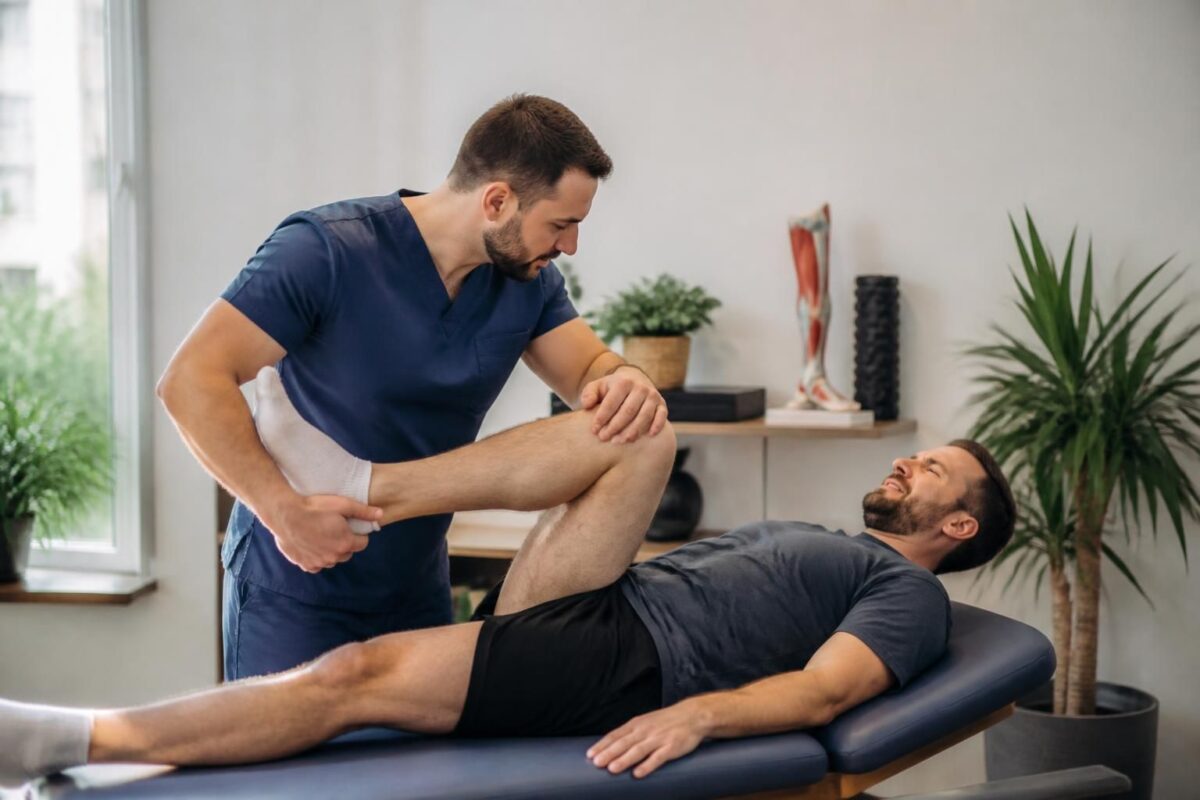
In short In short, Osteopathy is one Global manual approach aimed at reducing Chronic leg pain and improve the quality of life. What is it? Non-drug therapy using the hands to identify restrictions and treat lesional chains. How does it…
Understanding the link between posture and well-being
The posture Ideal is not necessarily consistent with a universal standard, but the one that avoids pain and ensures a homogeneous distribution of stresses on the bones, muscles and joints. A Inadequate posture Can generate unequal tension and dysfunction, leading to chronic pain and reduced mobility. Adopting and maintaining a suitable posture thus becomes a key lever to preserve the welfare and optimize body performance.
How osteopathy supports recovery after complex surgery
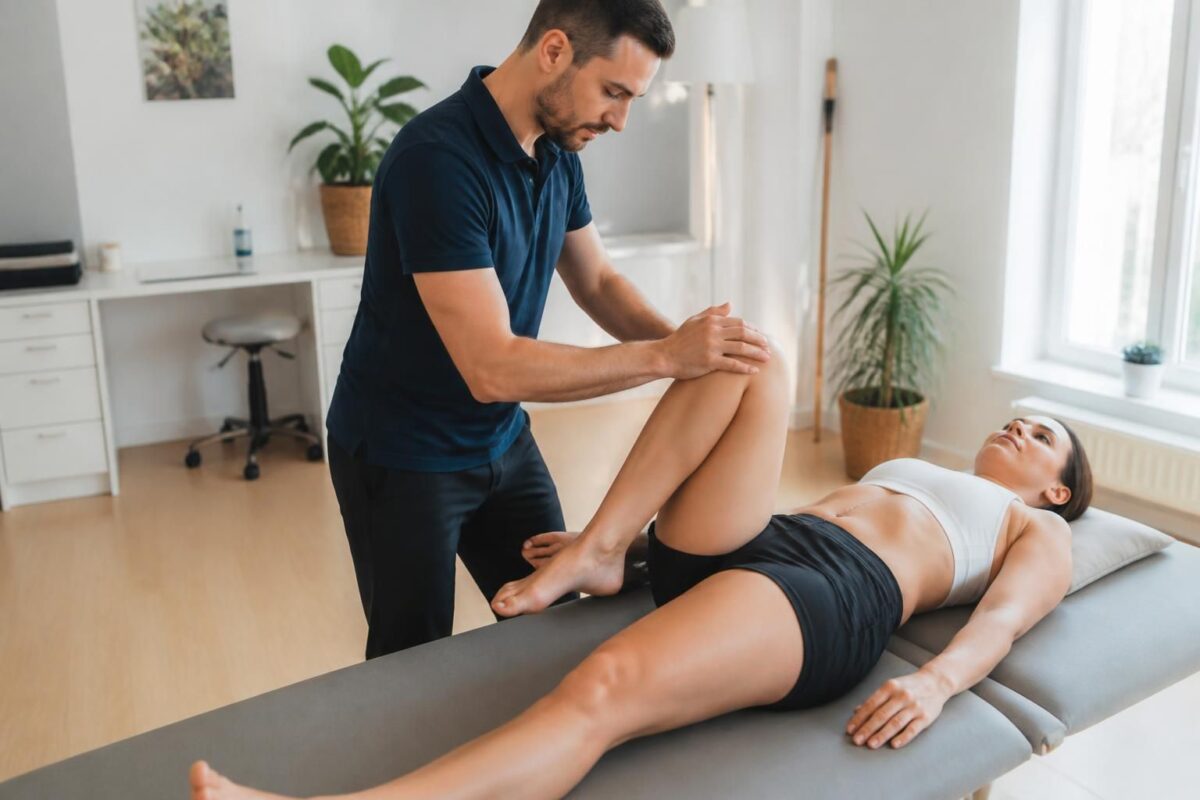
In short In short, Post-operative osteopathy is an approach fresh which supports the recovery After a Complex surgery. It helps to reduce the pain and the fatigue, improves the mobility and accelerates the healing thanks to a better vascularization and…
Postural sensors and their role
Postural sensors, located in the muscles, joints and inner ear, inform the brain about the position of the body. When receiving out of sync signals due to poor posture, painful responses and motion limitations may appear. theosteopathy aims to restore the accuracy of these signals and to restore mobility that supports a Posture without pain.
How Osteopathy Can Preserve Posture
An effective approach is based on a Full assessment, a Personalized treatment and preventive advice. The evaluation identifies the imbalances and constraints that weigh on the postural sensors, in order to apply gentle techniques that reshape biomechanics and rebalance muscle chains and joints. To deepen, discover relevant resources like Osteopathy and posture and Lasting effects of osteopathy, as well as Osteopathy to improve posture.
Practical advantages and expected results
By promoting a better mobility And by reducing tension, osteopathy acts on pain and triggering factors from postural imbalances. The goal is a Sustainable posture which supports all daily movements, improves the quality of life and reduces the risk of repeated injury. For those who wish to go further, resources like Body harmony and Overall well-being shed additional light.
Integrate osteopathy into a daily well-being approach
The key lies in a global approach that releases tension and clarifies the signals sent by the postural sensors. Osteopathy is not limited to treating current pain: it aims to prevent recurrences and to accompany lifestyle habits that support a healthy posture. To enrich your understanding, explore resources such as Prevention of muscle injuries and Mobility found.

Dr Sylvain Desforges, B.Sc., D.O., N.D., osteopath, is the founding president of TAGMED and of the ACMA association. He dedicates his practice to chronic spinal pain, low back pain and symptoms compatible with sciatica, particularly when pain radiates toward the buttock, leg, calf, foot or toes.
Through SOS Sciatique, he publishes educational content on sciatica symptoms, possible causes such as disc herniation, disc narrowing, foraminal stenosis or irritation of a lumbar nerve root, as well as non-surgical approaches that may be considered according to the evaluation. At Clinique TAGMED, care may include, depending on the case, motorized neurovertebral decompression, specific osteopathic care or precision percussion.
For an evaluation related to sciatica treatment in Montreal / Mount Royal or sciatica treatment in Terrebonne, please consult the services available at Clinique TAGMED.
Medical disclaimer
The information published on SOS Sciatique is provided for educational purposes only and does not replace a consultation, diagnosis, opinion or treatment provided by a physician or another authorized healthcare professional. The author of this article is neither a medical doctor nor a specialist in a medical specialty recognized by the Collège des médecins du Québec. The osteopathic, manual medicine or functional support approaches described on this site do not constitute medical acts and are not intended to replace medical follow-up.
Consult a physician or emergency service in cases of loss of bladder or bowel control, anesthesia in the saddle area, significant or progressive weakness in the leg or foot, fever, recent trauma, severe pain or rapid worsening of symptoms. For more details, please read our Legal Notice.