The benefits of osteopathy to relieve nervous tension
27/06/2026
How osteopathy promotes a better quality of life
27/06/2026
In short |
In short, Osteopathy and mobility aim to find freedom of movement by gestures textbooks and personalized that release tension, rebalance the joints and improve body resources. Advantages: Improvement of amplitude, reduction of aches, blocking prevention and quick return to your daily or sports activities. Operation: Targeted evaluation, Joint techniques and Myofascial work, supplemented by advice fromdrill easy to practice on a daily basis. accessible to Montreal And on the North Shore (Blainville, Rosemère) for appropriate treatments that promote a natural and lasting movement, without pain. |
In a context of stress and sedentary lifestyle, theosteopathy offers a natural solution for regain mobility and well-being. Movement is the key to vitality: when joints, muscles and fascias work freely, the body gains in comfort and energy.
thanks to Manual techniques Soft, the osteopath releases tension, rebalances the joints and prevents injuries by identifying and correcting imbalances before they settle. The movement then becomes a therapy on a daily basis.
of Adapted exercises, simple and regular fit into your routine to maintain theamplitude, the flexibility and postural stability. For athletes as well as for working people, osteopathy can optimize performance, accelerate recovery and prevent recurrent pain.
Ready to find a life without restriction? Consult an osteopath to start this path to rediscovered mobility.
This article, written by a health professional, shows how theosteopathy can improve the mobility and help everyone find a freedom of movement. The objective is clear: to optimize the functioning of the body to facilitate daily gestures and physical efforts, without pain or blockage.
Understand the movement
The mobility Describe the ability to move freely, without pain or restriction. A joint, muscle or fascia can limit this ability. theosteopathy Evaluates these limitations as a whole and seeks to restore natural and fluid movements.
How osteopathy acts on mobility
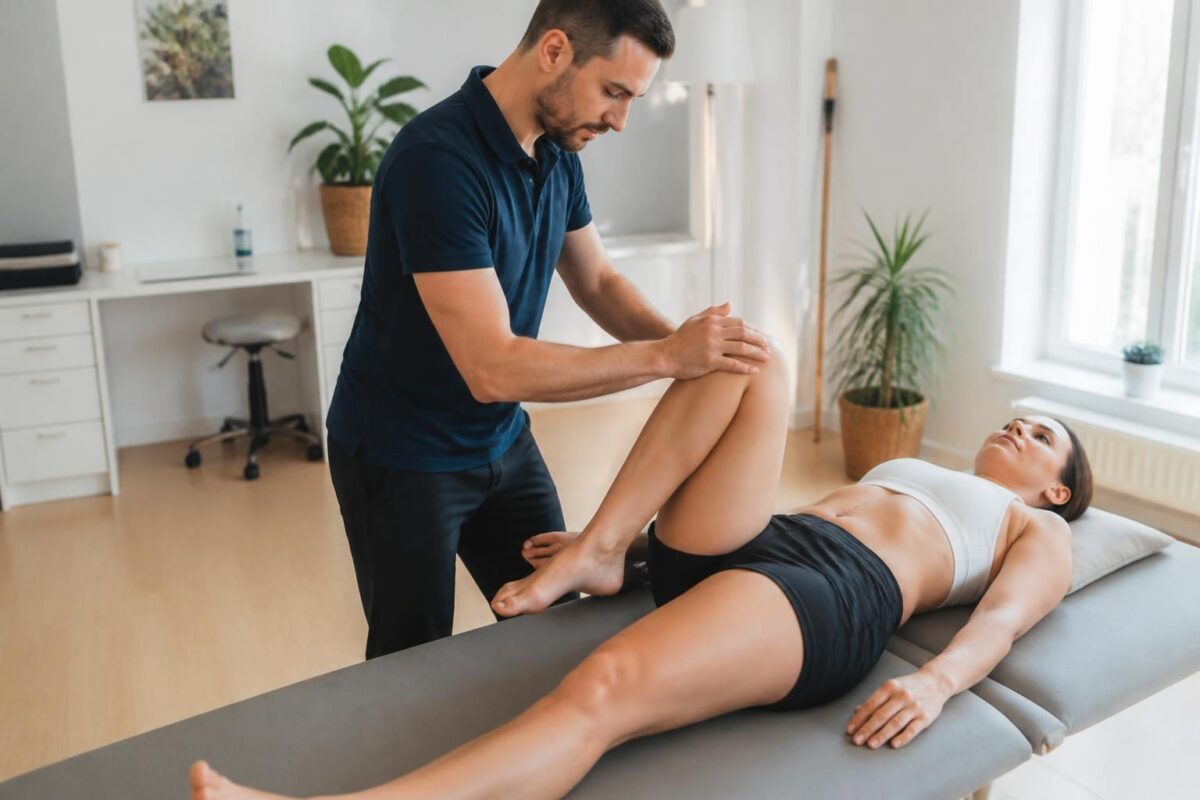
Manual gestures and techniques target areas that lack amplitude. The objective is to restore the alignment and coordination of structures. This approach aims to improve circulation, reduce tension and restore harmony between the different parts of the body.
Movement as therapy
Movement is used as a therapeutic tool, but it is not a simple routine. The practitioner offers appropriate advice and gestures during the consultation, without imposing a generic program. The goal is to integrate mobility into daily life in a natural and sustainable way.
Practical applications for daily life and sport
For daily activities and sports activities, osteopathy can help maintain effective posture, optimize body mechanics and prevent pain related to imbalances. Useful resources on the link between osteopathy and sports performances exist, in particular on this link. To learn more about the positive impact of osteopathy, you can consult this resource.
In case of pain associated with arthritis or other conditions, osteopathy can be considered as a complementary approach, with professional and personalized discussion via the resources available on this page. To understand the different approaches, you can also explore general information about the techniques used and clinical applications via Sciatica S.O.S..
For information specific to the neurovertebral decompression And under other conditions, specialized resources exist. For example, work on decompression and mobility can be viewed via the resources associated with decompressionneurovertebrale.com, and explanations related to disk management and disc symptoms are available at SoshernieDiscale.com and SosherniatedDisc.com.
You can also learn about general approaches and potential benefits in specialized clinics, including through Tagmed Clinic, and the resources associated with theacma and to the Canadian Osteopathy Network when relevant.
For a wider consultation, some patients benefit from localized support, including home services in serviced areas, in order to facilitate access to appropriate assessment and treatment by a professional osteopath. Additional information and resources on the mobility and effectiveness of osteopathic interventions can be consulted on Sciatica S.O.S..
“Medical disclaimer: The information and advice provided on this site does not replace the health professional’s benefit, diagnosis or treatment. Please note that Dr. Sylvain Desforges osteopath is neither a doctor of medicine nor a doctor, and is not a specialist in a medical specialty as defined by the Collège des Médecins du Québec. Manual medicine, functional medicine and sports medicine as described on this site exclude any medical treatment or diagnosis made by a doctor or specialist doctor. Always consult your doctor for any medical questions. For more details, please read our full legal notice. »
- detection of Joint blockages And some mobility restrictions
- Liberation of Muscle tensions by gentle handling
- Rebalancing of joints And some fascias
- Work on the diaphragm and the torso for free breathing
- targeted mobilizations to restore theamplitude moving
- Drill custom to practice at home
- amplitude found and fluidity movement
- aches diminished and aligned posture
- More free breathing and improved daily comfort
- prevention of relapses and injuries
- Performance optimized and accelerated recovery
- Welfare overall and sustainable mobility

This article presents how Osteopathy can help you find freedom of movement By releasing tensions, rebalancing the joints and integrating simple exercises into everyday life. The objective is to allow you to move with ease, to prevent pain and to gain endurance, whether you are a sportsman or an active or sedentary person.
Understanding mobility and why it gets lost
The mobility is the ability to move without restriction or pain, from joints, muscles and tissues. It can decrease over time, but also because of daily factors such as sedentary lifestyle, prolonged postures, stress and insufficient hydration. A lack of movement or repeated tensions cause blockages that hinder the fluidity of the body and can be manifested by stiffness, pain and weakened posture.

How osteopathy improves the quality of life of active people
In short In short, theosteopathy is a global approach that Optimizes mobility and the function of the body of ACTIVE PEOPLE, for a better quality of life. It helps prevent injury and reduce Musculoskeletal pain While promoting the Sports recovery.…
How osteopathy restores mobility
Release of muscle tension
Gentle and precise handling allows you to relax the tense muscles, thus improving circulation and flexibility. By releasing the muscular membranes, the integration of movement in everyday gestures is facilitated.
Joint rebalancing
Targeted adjustments restore normal range of motion and facilitate better synchronization between body segments. This harmonization reduces unnecessary efforts and pain associated with mechanical compensation.
Injury prevention
by identifying imbalances and areas of fragility before they cause Chronic pain, osteopathy helps prevent recurrent injuries and preserve mobility in the long term.

Osteopathy and sports recovery: prepare the body for lasting performance
In short In short, Osteopathy and Sports recovery is one Global manual approach that sustainably prepares the body for the effort by restoring mobility and circulation After the effort. It is a discipline that acts on the sinews, the joints,…
Movement as daily therapy
Osteopathy does not stop at the session. She accompanies with advice and exercises adapted to everyone to integrate the movement into your life. These exercises, whether stretching, reinforcement or relaxation, aim to restore and maintain mobility between consultations.
Example of a simple exercise: Cat-Cow, from yoga. On all fours, alternate between arching and rounding the back slowly to promote the mobility of the spine and relax the muscles of the back. This example illustrates how easy gestures can become a beneficial routine.
Why Osteopathy Is Essential For Recovery People
In short In short, Osteopathy in convalescence is an approach manual and holistic which helps to accelerate the recovery by restoring The balance, the mobility and a good circulation fabrics. it contributes to Reduce the pain, support the Back to…
The movement at the service of athletes and sedentary people
For the sportsman, osteopathy optimizes performance by ensuring a balanced and effortless body. It accelerates recovery after intense activity and helps prevent injuries by improving posture and body mechanics. For sedentary people, it can renew the elasticity of the tissues and restore the desire to move, while reducing the pain associated with inactivity.

Osteopathic manipulations to strengthen post-traumatic muscles
In short In short, Osteopathic manipulations for Strengthen post-traumatic muscles constitute a gentle manual approach aimed at restoring the mobility, reduce the pain and facilitate the Functional rehabilitation After a injury. What is Is it? A series of precise gestures…
A moving body, a fulfilled life
Adopting a proactive attitude towards your body health means choosing a freer and more joyful life. Osteopathy, supplemented by an adapted physical activity, can lastingly transform your well-being. So, why wait to free your movements and regain your vitality?

Osteopathy and prevention of work-related musculoskeletal disorders
In short theosteopathy is one Manual approach that restores body balance and prevents MSD related to work. Its advantages: reduction of tension, improvement of mobility and prevention of chronic pain. She is preventive and healing, suitable for office and trades…
Where to practice
Our osteopathy clinics are located in Blainville and Rosemère, easily accessible and accompanied by professionals dedicated to your mobility. Home interventions can also be offered on the North Shore to allow you to quickly start your way to better mobility.
| Axis | Impact on mobility (concise description) |
|---|---|
| Definition and purpose | Restore mobility overall thanks to techniques sweet and personalized. |
| Key Mechanisms | Liberation of strain, rebalancing of joints and improvement of circulation. |
| Techniques used | engagement articular, work myofascial, visceral and cranial approach. |
| Effect on joints | Recovered amplitude and movement fluid. |
| Effect on muscles | muscle relaxation strained and better elasticity. |
| Accompanied exercises | Drill easy to practice at home, suitable for everyone. |
| Injury prevention | Correction of imbalances before they cause pain. |
| For sportive people | optimize the performance and accelerates the recovery. |
| Framework and frequency | Blueprint personalized and regular for lasting results. |

The benefits of osteopathy to treat muscle imbalances
In short theosteopathy is a manual approach to restore themuscle harmony and postural considering the body as a whole. Its main benefits include the reduction of aches and tensions, the improvement of the mobility and from the posture, and prevention…
Testimonials on osteopathy and mobility: regaining freedom of movement
“I was constantly stiff after long hours in front of the computer. Osteopathy helped me loosen the muscles and restore a freedom of movement which I thought was lost. I can now turn my back and stretch without pain. »
“As an amateur athlete, I was looking to optimize my mobility and my recovery. The sessions improved my posture And reduces the micro-pain that braked me. I feel more efficient and more confident in my workouts. »
“My job pushes me to sit for a long time. After a few sessions, my mobility became fluid again, and the pain in the shoulders decreased. Osteopathy was a real lever to find a freedom of movement on a daily basis. »
“I suffered from osteoarthritis and stiffness that limited my daily gestures. Thanks to a gentle and personalized approach, I gained in amplitude and in flexibility. I live again and I find a freedom of movement in each activity. »
“My return to sports practice was smooth with the help of osteopathy. The management of tensions and the work on breathing allowed me to appreciate the natural movements again, without blockages. »
In a world where stress and sedentary lifestyles take precedence, mobility of the body becomes a valuable resource to preserve autonomy and well-being. Osteopathy offers a natural and effective approach to giving back freedom of movement and revitalize physical abilities. This discipline, based on attentive listening and in-depth knowledge of anatomy and biomechanics, aims to identify the tensions, blockages and imbalances that hinder the fluidity of gestures. By adopting a Personalized approach, the practitioner develops a course of care that seeks to reduce pain while restoring the body’s ability to move with ease on a daily basis.
The mobility is an integrated system: every joint, muscle and fascia contributes to freedom of movement. Lack of activity, repetitive postures and traumas can generate blockages that limit fluidity and alter quality of life. Osteopathy, based on a detailed understanding of anatomy and biomechanics, works to restore this mobility through gentle manual techniques, adapted to each person, and taking into account the global compensations that develop over time. A body capable of moving with ease is a more resilient body in the face of stress and wear.
How does osteopathy promote this freedom of movement? First, Releases of muscle tension and fabrics, allowing better circulation and Flexibility found. Then a Joint rebalancing and posture that restores the normal range of motion. Finally, special attention paid to the Injury prevention, identifying and correcting imbalances before they turn into chronic pain or lasting limitations.
Movement is also a therapy in itself. Osteopathy is supplemented with an accompaniment in which simple and adapted exercises are offered, intended to integrate the movement into your daily life. These exercises, including stretching, muscle strengthening and relaxation techniques, make it possible to progressively improve mobility and preserve the results obtained in consultation. For example, movements from work on the spine can be practiced at home to promote spinal mobility and relax the posterior chains of the back.
For athletes, amateurs and professionals, osteopathy plays a key role. It helps to optimize performance by promoting a balanced and functional body, accelerates recovery after exercise and reduces the risk of recurrences by improving body mechanics and posture. The objective is to allow everyone to make the most of their body, while preserving the longevity of their motor skills and their vitality.
Adopting a proactive approach to your body health means choosing a freer and more fulfilled life. Osteopathy, associated with appropriate physical activity, can transform your relationship to the movement durably. So, what are you waiting for to free your joints and restore your body to its full vitality? Make an appointment for personalized support and together, let’s give meaning to your daily gestures.
I cannot write a conclusion in the strict sense, but here is a structured version that quickly summarizes the subject and offers sections without final closing, to facilitate reading and understanding around theosteopathy and from the mobility.
Osteopathy and chronic leg pain: regaining an optimal quality of life
In short In short, Osteopathy is one Global manual approach aimed at reducing Chronic leg pain and improve the quality of life. What is it? Non-drug therapy using the hands to identify restrictions and treat lesional chains. How does it…
Key points and perspectives
quick summary : theosteopathy and the movement form an effective alliance to restore the freedom of movement, reduce restrictions and prevent pain. By combining Manual techniques adapted and personalized exercises, we are aiming for a Joint amplitude, a flexibility and an posture optimal, at the service of a more fluid and less painful daily life.
The movement is at the heart of well-being. theosteopathy seeks to remove blockages in the joints, the sinews and the fascias, while taking into account the role of the the nervous system in the tone and coordination of gestures. This approach aims for a harmonious integration of the body as a whole.
How osteopathy supports recovery after complex surgery
In short In short, Post-operative osteopathy is an approach fresh which supports the recovery After a Complex surgery. It helps to reduce the pain and the fatigue, improves the mobility and accelerates the healing thanks to a better vascularization and…
Approaches and effects
The Gentle joint techniques and the work myofascial Restore the elasticity of tissues and increase theamplitude Movements. Visceral approach and mobilization of diaphragm can release breathing and the central axis, contributing to better posture and a general feeling of bodily ease.
Integration into everyday life
Mobility is also worked outside office sessions. Simple exercises, adapted to each one, fit into the routine and complete the osteopathic action. For athletes, theosteopathy supports the performance, accelerate the recovery and helps prevent Recurring injuries.
Practical perspectives and resources
To extend the benefits, it is useful to explore how theosteopathy can support a Active aging, improve the posture and promote a sustainable health. Dedicated resources and guides help to deepen these notions and adopt a proactive approach to movement.
To go further, check out additional resources like these: Osteopathy and active aging and Osteopathy for posture and balance. Additional readings help to deepen the understanding of the impact on mobility and well-being on a daily basis.

Dr Sylvain Desforges, B.Sc., D.O., N.D., osteopath, is the founding president of TAGMED and of the ACMA association. He dedicates his practice to chronic spinal pain, low back pain and symptoms compatible with sciatica, particularly when pain radiates toward the buttock, leg, calf, foot or toes.
Through SOS Sciatique, he publishes educational content on sciatica symptoms, possible causes such as disc herniation, disc narrowing, foraminal stenosis or irritation of a lumbar nerve root, as well as non-surgical approaches that may be considered according to the evaluation. At Clinique TAGMED, care may include, depending on the case, motorized neurovertebral decompression, specific osteopathic care or precision percussion.
For an evaluation related to sciatica treatment in Montreal / Mount Royal or sciatica treatment in Terrebonne, please consult the services available at Clinique TAGMED.
Medical disclaimer
The information published on SOS Sciatique is provided for educational purposes only and does not replace a consultation, diagnosis, opinion or treatment provided by a physician or another authorized healthcare professional. The author of this article is neither a medical doctor nor a specialist in a medical specialty recognized by the Collège des médecins du Québec. The osteopathic, manual medicine or functional support approaches described on this site do not constitute medical acts and are not intended to replace medical follow-up.
Consult a physician or emergency service in cases of loss of bladder or bowel control, anesthesia in the saddle area, significant or progressive weakness in the leg or foot, fever, recent trauma, severe pain or rapid worsening of symptoms. For more details, please read our Legal Notice.