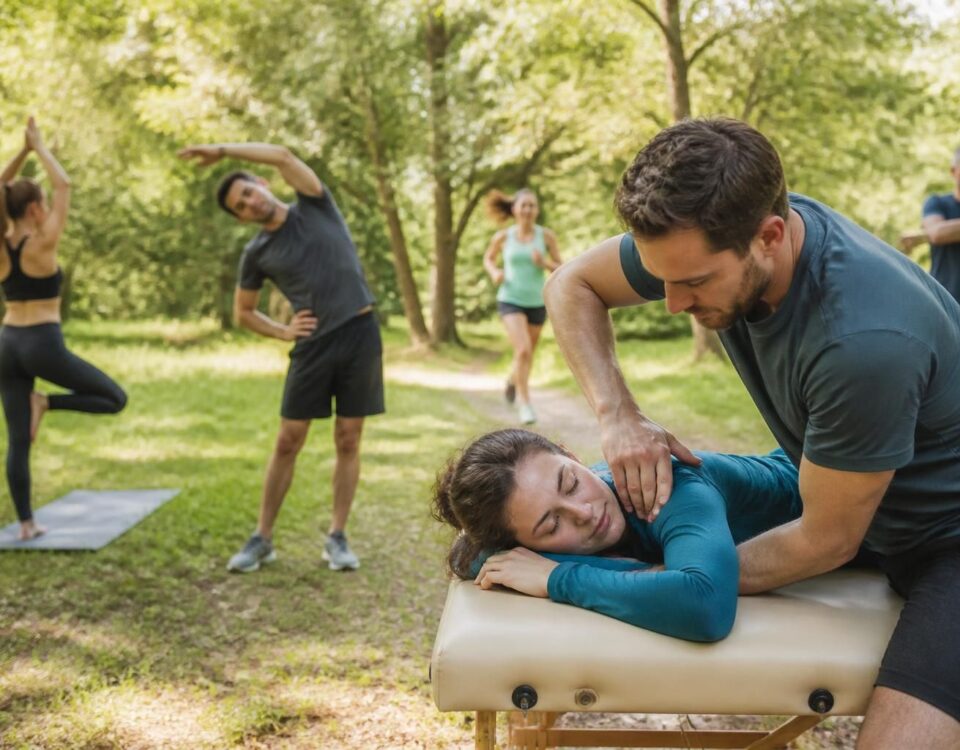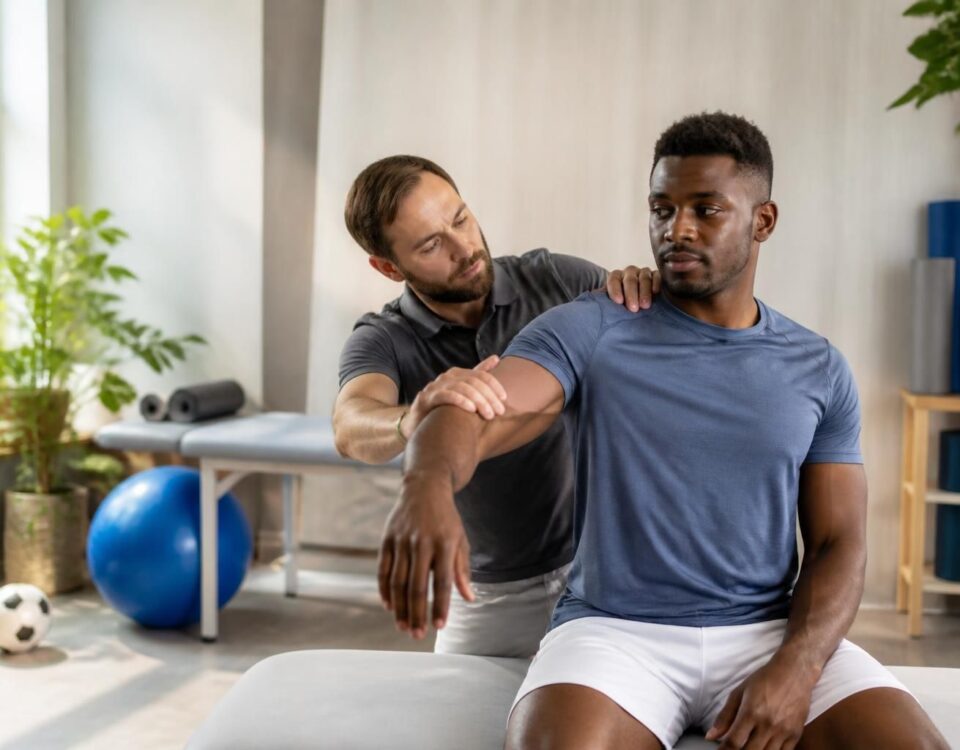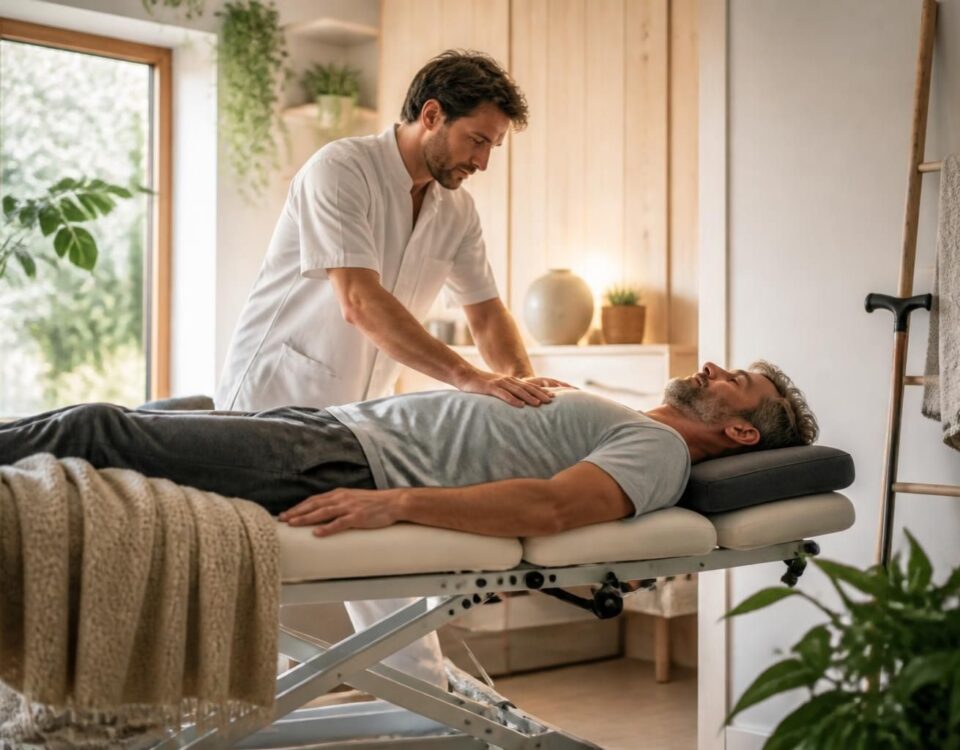
The benefits of osteopathy for optimal recovery
27/06/2026
Why osteopathy is essential to maintain good posture
27/06/2026
In short
| In short, theosteopathy for Muscle pain is one Appropriate support and overall who use Manual techniques Customized to improve mobility, reduce pain and prevent recurrences. It acts by releasing mechanical restrictions and promotingself-regulation of the body, without immediately resorting to drugs. Its advantages include a rapid decrease in symptoms, a Best function and a preventive effect on musculoskeletal disorders. At Lausanne, this type of care is particularly relevant for patients seeking an approach non-pharmacological and patient-centric. |
Find out how theosteopathy offers a Appropriate support of Muscle pain. By treating the body as a whole, it identifies the root causes and applies Custom manual techniques To release tensions, restore mobility and support self-regulation of the body. This integrated approach combines precise diagnosis, postural advice and targeted exercises to sustainably reduce pain and improve quality of life on a daily basis.
This summary is for anyone with chronic or recurrent muscle pain. She explains how theosteopathy can offer a Appropriate support, based on a global approach, precise manual techniques and respect for body mechanisms. The text describes the principles, indications, the course of a session and the resources available to better understand this approach.
The foundations of osteopathy for muscle pain
A comprehensive patient-centric approach
in theosteopathy, the body is seen as a united whole. Muscle, joint, visceral and nerve structures interact constantly. The practitioner uses the hands as the main tool to perceive areas of tension and mobility restrictions. This palpatory sensitivity makes it possible to identify the possible origins of the pain and to adapt the care to each person.
Self-management and physiological mechanisms
The concept of self-regulation guides the practice. By releasing mechanical restrictions and improving the circulation of fluids, the body can regain its balance. This approach respectful of physiological mechanisms Explain why some people feel improvements after a few sessions, even for well-established pain.

How osteopathy improves the quality of life of active people
In short In short, theosteopathy is a global approach that Optimizes mobility and the function of the body of ACTIVE PEOPLE, for a better quality of life. It helps prevent injury and reduce Musculoskeletal pain While promoting the Sports recovery.…
Indications and benefits of osteopathy for muscle pain
Muscle pain can affect the lumbar, dorsal and cervical regions, as well as the shoulders, hips and limbs. theosteopathy Is effective in reducing tension, improving mobility and correcting postural compensation. It can also prevent injuries and optimize recovery after sustained effort or prolonged period of inactivity.
Beyond mechanical pain, osteopathy can help reduce some functional discomfort related to stress, fatigue and minor functional disorders. You can consult resources on the Reduced stress-related muscle tension to better understand these effects.
To deepen the mechanisms and clinical outcomes, recent sources address the impact of osteopathy on Chronic pain and inflammation. For example, you can view analyzes on the Chronic inflammations and on the latest scientific data in osteopathy.

Osteopathy and sports recovery: prepare the body for lasting performance
In short In short, Osteopathy and Sports recovery is one Global manual approach that sustainably prepares the body for the effort by restoring mobility and circulation After the effort. It is a discipline that acts on the sinews, the joints,…
The course of an osteopathic session
The first consultation begins with a clear anamnesis. The practitioner looks for the history, aggravating factors and lifestyle habits that influence pain. This step makes it possible to adapt the approach and establish the care objectives.
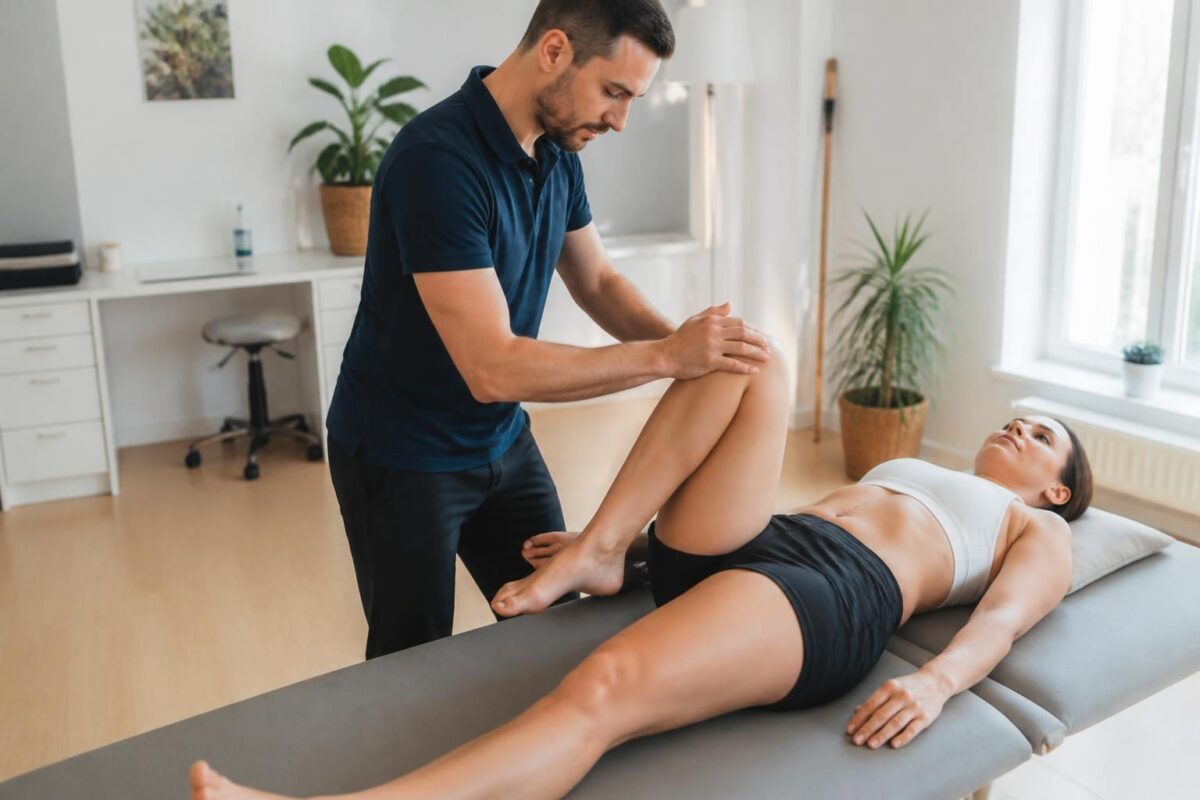
During the physical examination, the therapist assesses the overall posture and mobility of body segments. Precise tissue palpation helps identify areas of tension, densification and sensitivities. The treatment, carried out with the patient’s consent, can combine various manual techniques adapted to each case, without forcing the patient’s limits.
The role of the practitioner is also to inform the patient on the therapeutic level and to coordinate the care if necessary with other health professionals. Public and professional resources discuss the effectiveness and mechanisms of osteopathy in the management of chronic pain.
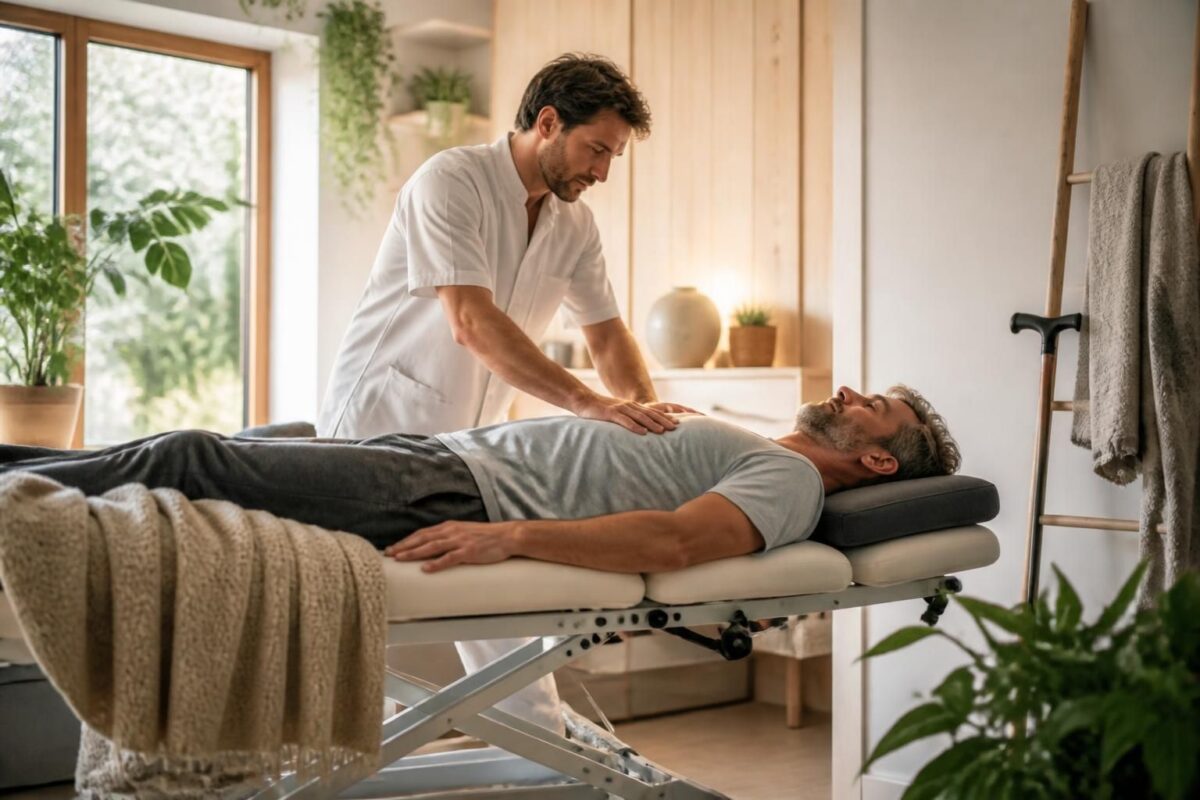
Why Osteopathy Is Essential For Recovery People
In short In short, Osteopathy in convalescence is an approach manual and holistic which helps to accelerate the recovery by restoring The balance, the mobility and a good circulation fabrics. it contributes to Reduce the pain, support the Back to…
Integration and professional framework
Osteopathy is not an alternative to conventional medicine, but a complementary approach. Many doctors refer their patients to osteopaths when the expected results are reinforced by manipulation and work on mobility and the tissue tensor. This collaboration aims to optimize comfort and functional recovery, while avoiding drug treatments when possible and appropriate.
Training in osteopathy is based on recognized and rigorous courses. Reference institutions in this area include NUMSS, NAO, National University of Medical Sciences and National Academy of osteopathy. These training courses ensure the acquisition of knowledge in specific anatomy, physiology and manual techniques, intended to practice in complete safety and efficiency. For professionals and patients, the clarity of these executives and standards is essential for the quality of care.

Osteopathic manipulations to strengthen post-traumatic muscles
In short In short, Osteopathic manipulations for Strengthen post-traumatic muscles constitute a gentle manual approach aimed at restoring the mobility, reduce the pain and facilitate the Functional rehabilitation After a injury. What is Is it? A series of precise gestures…
Practical resources and resources
To deepen, several online resources describe how osteopathy acts on muscles and tensions. For example, articles deal with mechanisms through which osteopathy can optimize the mobility and reduce the Muscle pain, without prescribing inappropriate exercises in specific cases. sites like Injury prevention in athletes And other specialized resources shed additional light. You can also consult recent analyzes on the effects of osteopathy in the management of chronic pain and musculoskeletal disorders.
For more information on approaches and clinical outcomes, refer to syntheses and feedback available through dedicated sites, including Clinical results proving the effectiveness of osteopathy and associated resources.

Osteopathy and prevention of work-related musculoskeletal disorders
In short theosteopathy is one Manual approach that restores body balance and prevents MSD related to work. Its advantages: reduction of tension, improvement of mobility and prevention of chronic pain. She is preventive and healing, suitable for office and trades…
Useful links and osteopathic care resources
To explore further, see the following resources that address mechanisms, applications, and results:
Muscle chain and trigger points in osteopathy
Osteopathy and mobility after surgery
Osteopathy and chronic pain – Latest scientific data
Medical Disclaimer: The information and advice provided on this site does not replace the health professional’s diagnosis or treatment. Please note that Dr. Sylvain Desforges osteopath is neither a doctor of medicine nor a doctor, and is not a specialist in a medical specialty as defined by the Collège des Médecins du Québec. Manual medicine, functional medicine and sports medicine as described on this site exclude any medical treatment or diagnosis made by a doctor or specialist doctor. Always consult your doctor for any medical questions. For more details, please read our full legal notice.
- Targeted evaluation and quick to identify causes and triggers.
- Multifactorial origin identified (posture, movement, stress).
- Precise mapping areas of tension and pain.
- Custom lens: Sustainable relief and improved mobility.
- Manual techniques Suitable for lifting tension and restoring mobility.
- Personalized therapeutic plan integrated into your daily life.
- Measurable progress: less pain, amplitudes found.
- Prevention and autonomy: Simple exercises and postural advice to do at home.

This series of recommendations explores how Osteopathy can offer a Appropriate support of Muscle pain, favoring an approach overall and personalized. The objective is to reduce pain, improve mobility and prevent recurrences thanks to a combination of manual techniques and practical advice directly applicable on a daily basis.

The benefits of osteopathy to treat muscle imbalances
In short theosteopathy is a manual approach to restore themuscle harmony and postural considering the body as a whole. Its main benefits include the reduction of aches and tensions, the improvement of the mobility and from the posture, and prevention…
What is Losteopathy for muscle pain?
from a perspective holistic, osteopathy considers the body as a whole where the muscles, fascias, joints and organs interact constantly. Muscle pain is not analyzed in isolation: it often reflects postural compensation or functional imbalances that amplify over time.
Osteopaths use their hands as the main diagnostic and therapeutic tool to identify areas of tension and restriction. This tactile sensitivity makes it possible to target the origins of the problem and to act on the muscle chains, the fascias and the joints, in order to restore a fluid and painless movement.
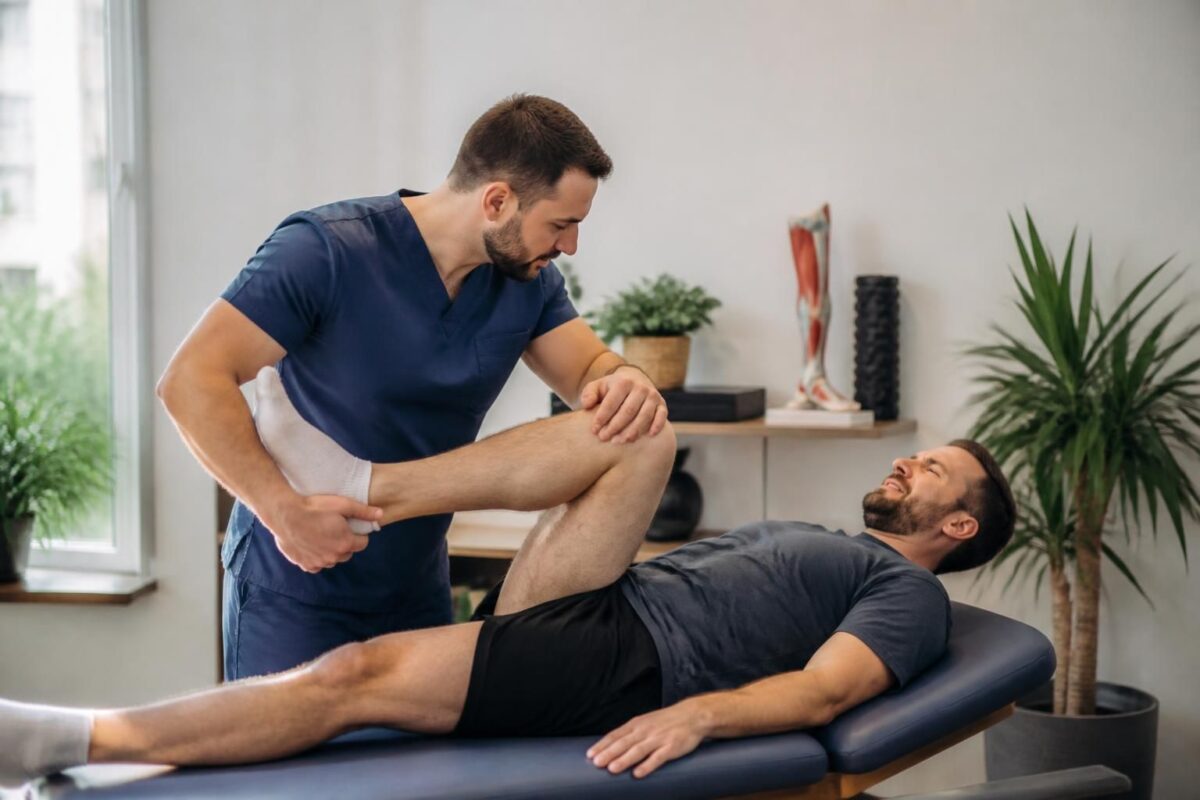
Osteopathy and chronic leg pain: regaining an optimal quality of life
In short In short, Osteopathy is one Global manual approach aimed at reducing Chronic leg pain and improve the quality of life. What is it? Non-drug therapy using the hands to identify restrictions and treat lesional chains. How does it…
Adapted and progressive support
The first session is based on a detailed anamnesis and a targeted examination of the painful areas, posture and repeated gestures that feed the pain. The therapeutic plan is then personalized and evolving, in line with the patient’s objectives and his pace of life.
The following sessions aim to restore mobility, release tension and correct functional imbalances. Each gesture is adjusted according to the progress observed, in order to obtain lasting improvements without overloading the body. This progressive approach maximizes efficiency and reduces the risk of post-treatment worsening.
How osteopathy supports recovery after complex surgery
In short In short, Post-operative osteopathy is an approach fresh which supports the recovery After a Complex surgery. It helps to reduce the pain and the fatigue, improves the mobility and accelerates the healing thanks to a better vascularization and…
Techniques and their objectives
Joint techniques and tissue work
Techniques employed may include soft joint mobilization and targeted soft tissue manipulation. The objective is to improve circulation, to release grips and to reharmonize muscle chains in tension. The work is adapted to each patient, respecting their comfort and personal limits.
Objectives and security
Beyond the mechanical action, osteopathy aims to promote the self-regulating activity of the body. By improving mobility and communication between systems, it contributes to better exercise tolerance and faster recovery after exercise or minor injury. The results vary according to the nature and chronicity of the pain, but many patients observe gains after a few sessions.
Tips for optimizing results between sessions
Between appointments, some simple habits support osteopathic work. Adopting ergonomic work and rest positions, performing gentle stretching and regular breathing exercises can improve mobility and decrease tension.
Maintaining an appropriate physical activity, staying hydrated and favoring a balanced diet stimulates tissue renewal and recovery. Avoiding abrupt gestures and excessive loads on sensitive areas, while remaining active, helps consolidate progress and prevent relapses.
When to consult and what to do while waiting
Consult quickly in case of pain that persists despite rest and general measures, or in the presence of warning signals. While waiting for the consultation, favor comfortable positions, limit painful activities and follow personalized advice can facilitate the start of treatment and optimize results.
| Element | Description |
|---|---|
| Objective | Reduce the pain and Restore mobility, thanks to a global patient-centric approach. |
| Approach and diagnosis | Touch evaluation and locating zones of tension, with adaptation of the gestures to the patient. |
| directions | Muscle pain, lumbar, cervical, torticollis and postural tensions. |
| Key Techniques | Joint manipulations, fasciatherapy and Visceral techniques adapted. |
| Benefits | diminished pain, Mobility found and Prevention of recurrences. |
| Security and collaboration | complementarity with medicine and sport; medical consultation In case of doubt. |
| Audiences concerned | sportsman and assets; Preparation and recovery. |
| Duration and frequency | 30–60 minutes per session; adapted frequency Depending on the pathology, typically 1–3 times/week. |
| Monitoring and results | lasting improvement when restrictions decrease; Custom Plan for follow-up. |
Testimonials on osteopathy and muscle pain: appropriate care
I suffered from Muscle pain chronicles that bothered my daily activities. After a few sessionsPersonalized osteopathy, I found lasting mobility and a clear decrease in pain, which has transformed my daily life.
On the first date, the practitioner listened to me attentively and adapted the treatment to my lifestyle and activities. This Appropriate support allowed me to feel an improvement quickly without feeling the treatment as invasive.
As an amateur athlete, I particularly appreciate this approach which combines prevention and recovery. Thanks to osteopathy, my performance are optimized and my risk of injury is reduced.
For pain related to an old injury, I noticed a progression progressive and comfortable. The manual work is respectful, and each session is part of a logic of global rebalancing of the body.
What convinced me the most was the perspective holistic Who considers the body as a whole and which gives me concrete tools to maintain my daily well-being, far from quick and temporary solutions.
Dr. Sylvain Desforges, Expert in osteopathy, naturopathy and manual medicine, occupies a central place in the development of care focused on men as a whole. As Founding President of TAGMED and the ACMA Association, he dedicated his practice to taking charge of Muscle pain and chronic, favoring an integrated and personalized approach. Its commitment aims to propose evidence-based interventions to optimize the health and well-being of its patients.
In his vision, theosteopathy Based on a holistic perception of the body: each element is connected and influences the others. The tissues, muscles, viscera and the nervous system continually dialogue, and the practitioner’s hands become the essential tool for listening to these exchanges. Through fine palpatory techniques, the osteopath identifies the limitation areas and develops a therapeutic strategy adapted to each individual, aiming to eliminate mechanical restrictions and improve the circulation of biological fluids. This philosophy, centered on self-regulation, is based on the body’s natural ability to rebalance when the brakes on its mobility are lifted.
The clinical indications for the osteopathic approach largely cover pain muscular, whether located or remotely due to postural compensation. Low back pain, cervical and back pain, shoulders and hips particularly benefit from manual techniques, but also postural disorders that fuel a lasting illness. Athletes, amateurs and professionals, find in this discipline a privileged partner to prevent injuries, optimize performance and promote faster recovery after exercise or injury.
Beyond the purely mechanical aspects, osteopathy shows a capacity for action on various functional disorders that can be manifested by musculoskeletal pain. Appropriate approaches make it possible to provide lasting relief and improve the extent of movement, without excessive dependence on analgesics or anti-inflammatory drugs. This overall care is particularly relevant when the factors of lifestyle, stress and work activities combine with a complex clinical expression of pain.
To offer tangible efficiency, Dr. Desforges integrates advanced technologies where relevant, including methods such as spinal decompression, the use of laser and shockwave therapy. These tools complement the manual techniques and make it possible to accompany the healing and regeneration processes more effectively. Each patient benefits from an individualized course, built from an in-depth evaluation, a progressive therapeutic plan and follow-up adapted to their objectives and their pace.
By favoring collaboration with other health professionals and pursuing continuing education, Dr. Desforges is committed to proposing an approach Evidence-based and patient-oriented. His approach is based on active listening, respect for personal limits and the transparency of therapeutic choices. This orientation aims to sustainably improve the quality of life of people suffering from Muscle pain and to promote robust and durable functional rehabilitation.
This article highlights how theosteopathy can offer a Appropriate support of Muscle pain, relying on a Global approach, a Palpatory diagnosis precise and targeted manual techniques to promote self-regulation of the body and sustainably improve the mobility and quality of life.
In a logic of Appropriate support, theosteopathy is based on an integrative vision of the body where the muscles, fascias, organs and the nervous system constantly interact. The treatment favors the reign of self-regulation: by removing mechanical restrictions and improving the circulation of fluids, there are conditions conducive to lasting functional recovery, even when muscle pain becomes chronic.
For chronic muscle pain, the objective is to reduce tension, restore overall mobility and prevent recurrences. This approach is based on manual techniques adapted to each patient, supplemented by practical advice on physical activity, posture and ergonomics, all in cooperation with other health professionals when necessary.
The indications cover musculoskeletal disorders such as lower back, cervical and joint pain, sport-related pain or repetitive postures, as well as functional disorders that respond to a suitable manual approach. Concrete examples show that athletes, amateurs or professionals, can benefit from injury prevention and personalized support to optimize their performance.
The practical context is also decisive: the choice of a well-located and accessible office strongly influences the regularity of the consultations and, consequently, the effectiveness of the treatment. To deepen this dimension, one can explore various resources and studies that discuss the mechanisms of action and clinical applications of osteopathy, as illustrated by the following resources: Academic study, articles pratiques, Natural solutions, and other additional resources listed below.
To go further and enrich your understanding of mechanisms and benefits, you can consult specialized resources such as the perspectives presented in Osteopathy and chronic pain, Appropriate support, and articles dedicated to the prevention and treatment of pain related to sport or musculoskeletal tensions.
Useful and additional resources to explore: Prevent and treat sport-related pain, Prevent muscle injuries, Benefits for shoulder tension, interest in care, and The importance of regular consultations.

Dr Sylvain Desforges, B.Sc., D.O., N.D., osteopath, is the founding president of TAGMED and of the ACMA association. He dedicates his practice to chronic spinal pain, low back pain and symptoms compatible with sciatica, particularly when pain radiates toward the buttock, leg, calf, foot or toes.
Through SOS Sciatique, he publishes educational content on sciatica symptoms, possible causes such as disc herniation, disc narrowing, foraminal stenosis or irritation of a lumbar nerve root, as well as non-surgical approaches that may be considered according to the evaluation. At Clinique TAGMED, care may include, depending on the case, motorized neurovertebral decompression, specific osteopathic care or precision percussion.
For an evaluation related to sciatica treatment in Montreal / Mount Royal or sciatica treatment in Terrebonne, please consult the services available at Clinique TAGMED.
Medical disclaimer
The information published on SOS Sciatique is provided for educational purposes only and does not replace a consultation, diagnosis, opinion or treatment provided by a physician or another authorized healthcare professional. The author of this article is neither a medical doctor nor a specialist in a medical specialty recognized by the Collège des médecins du Québec. The osteopathic, manual medicine or functional support approaches described on this site do not constitute medical acts and are not intended to replace medical follow-up.
Consult a physician or emergency service in cases of loss of bladder or bowel control, anesthesia in the saddle area, significant or progressive weakness in the leg or foot, fever, recent trauma, severe pain or rapid worsening of symptoms. For more details, please read our Legal Notice.