Osteopathy to treat work-related muscle pain
27/06/2026
The positive impact of osteopathy on sports performance
27/06/2026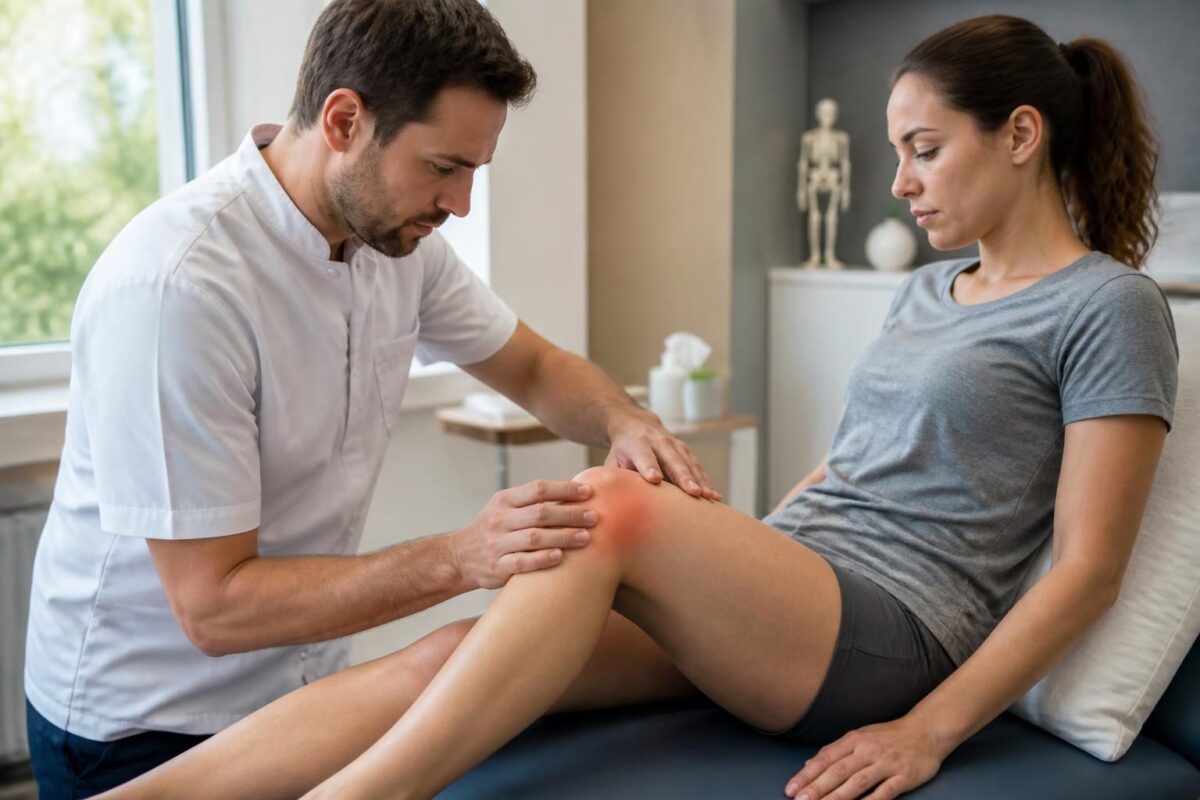
In short
| In short, the Osteopathic techniques for Reduce joint inflammation constitute a Soft manual approach aimed at releasing tensions and improving the Joint mobility. They promote the Blood and lymphatic circulation, reduce pain and accelerate recovery. Used as a complement to medical follow-up, they are aimed at joint pain linked to inflammatory rheumatism or occasional inflammation. To montreal, this service is particularly useful for those who wish to Non-drug approach and focused on General well-being. |
The Osteopathic techniques To reduce joint inflammation rely on a manual approach fresh and targeted, aimed at treating mechanical causes and promoting recovery. By working on the joints and surrounding tissues, they can help reduce pain and restore mobility.
- Soft joint mobilizations To improve mobility and reduce the stresses that fuel inflammation.
- Release of soft tissue tension and myofascial work to release restrictions and promote fluid drainage.
- Improved blood and lymph circulation In order to reduce edema and accelerate the resorption of pro-inflammatory substances.
- Relaxation techniques and stress reduction to support the overall recovery of the musculoskeletal system.
This article presents the osteopathic techniques used to reduce joint inflammation. It explains how the manual approach acts on the fabrics, the circulation and the nervous system to reduce inflammation and improve the Joint mobility. The objective is to relieve pain and improve the function of the joints without resorting to invasive gestures.
Overall assessment and targeting of inflammation
Osteopaths begin with a Overall assessment. They identify painful areas, movement restrictions and factors that fuel inflammation. This analysis considers the body as a whole and the impact of the constraints on the joints concerned. A clear understanding of the causes and effects guides the choice of appropriate techniques.
Mobilizations and gentle manipulations
The Osteopathic techniques include Tissue mobilizations And some Gentle manipulations aimed at releasing tensions and restoring the mobility. They aim to reduce painful sensations and improve joint function, while remaining compatible with the inflammatory state of patients.
Improved blood circulation and lymphatic drainage
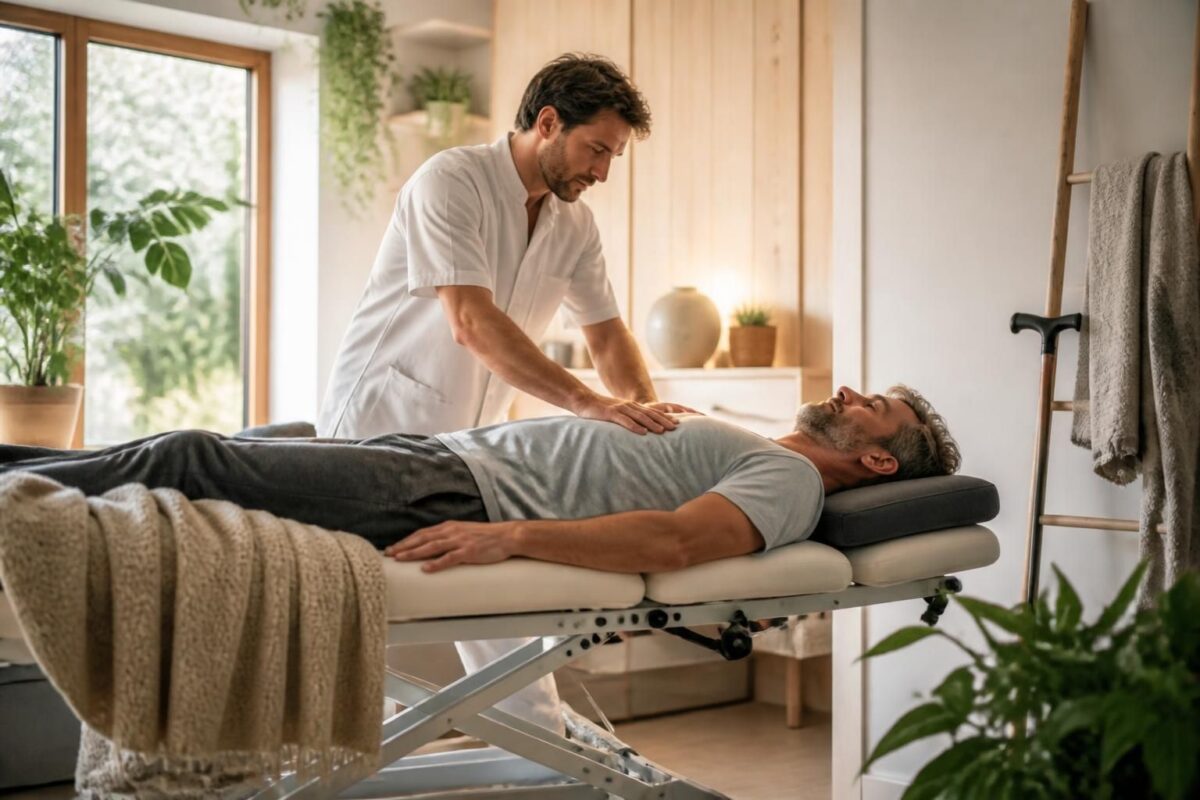
By working on the tissues, osteopathy can promote better bloodstream and one lymphatic drainage. This action helps to reduce edema and accelerate tissue recovery, which directly contributes to the reduction of inflammation and rehabilitation of the joints.
pain reduction and fatigue management
Decreasing tensions and improving mobility frequently lead to a pain reduction and better overall energy. A freer joint also contributes to a reduction in fatigue associated with the chronic pain.
Integration into the care pathway
Osteopathic techniques are an approach complementary and do not replace medical treatments. They are integrated into the medical follow-up and collaborate with health professionals. Recognized training exists, such as NUMSS, NAO, National University of Medical Sciences and National Academy of osteopathy. To enrich your understanding, consult resources on theGlobal approach to osteopathy and on the Benefits for lower back pain.
To learn more about the links between osteopathy and joint pain, you can consult additional resources available on specialized sites in the field.
Medical Disclaimer: The information and advice provided on this site does not replace the health professional’s diagnosis or treatment. Please note that Dr. Sylvain Desforges osteopath is neither a doctor of medicine nor a doctor, and is not a specialist in a medical specialty as defined by the Collège des Médecins du Québec. Manual medicine, functional medicine and sports medicine as described on this site exclude any medical treatment or diagnosis made by a doctor or specialist doctor. Always consult your doctor for any medical questions. For more details, please read our full legal notice.
Osteopathic techniques to reduce joint inflammation
- Soft tissue mobilizations – Release tension and quickly improve mobility.
- Circulatory drainage – Activates blood and lymph circulation and reduces edema.
- Myofascial release – Releases tension and reduces joint stress.
- Soft joint mobilizations – Restore movement without aggravating inflammation.
- Postural chain work – Corrects compensations that fuel inflammation.
- Postural preservation – Simple tips to limit inflammatory flare-ups.
- Relaxation and breathing – Reduced stress and inflammatory response.
- Adaptation to the inflammatory stage – Favor remote areas in the acute phase.

This article presents how the Osteopathic techniques can help reduce Joint inflammation. favoring gestures sweetness and adapted to each stage of inflammation, osteopathy acts on the mobility, the circulation and overall comfort, while integrating into an approach overall of the patient. You will discover practical recommendations on the techniques used, their interest in the joints and how to combine them with other areas of care to sustainably improve the quality of life.
Understanding inflammation and the role of osteopathy
Joint inflammation is a complex response to the body that can be of traumatic or chronic origin. The osteopathic approach is not intended to “cure” the disease itself, but to reduce the mechanical stresses that aggravated pain and mobility. During acute flare-ups, certain techniques may be limited or timed to avoid further irritating the joint; On the other hand, remote targeted gestures can free up compensation and promote the return to a mobility normal. The global assessment makes it possible to identify the source areas and the tension patterns that maintain the inflammatory circle. The goal is to establish a personalized and progressive plan, compatible with the medical treatment in progress.

How osteopathy improves the quality of life of active people
In short In short, theosteopathy is a global approach that Optimizes mobility and the function of the body of ACTIVE PEOPLE, for a better quality of life. It helps prevent injury and reduce Musculoskeletal pain While promoting the Sports recovery.…

Osteopathy and sports recovery: prepare the body for lasting performance
In short In short, Osteopathy and Sports recovery is one Global manual approach that sustainably prepares the body for the effort by restoring mobility and circulation After the effort. It is a discipline that acts on the sinews, the joints,…
osteopathic techniques and their effects on the joints
Tissue mobilization and articulation
The Tissue mobilizations and techniques sweet act on the fascias and peri-articular structures to restore a mobility harmonious between the articular surfaces. By releasing muscle tension and improving the elasticity of tissues, they reduce stretching resistance and reduce pain. This approach promotes better joint function and can help to limit repeated irritation of articular surfaces, without excessively straining the inflamed joint.
Fascia release and respiratory work
work on the fascias, associated with techniques of breathing, improves the lymphatic drainage and local blood circulation. a better one circulation Eliminates inflammatory residues more effectively, reduces edema and accelerates tissue recovery. In addition, conscious breathing promotes relaxation of the nervous system and can decrease pain perception, while contributing to better sleep quality and stress reduction.
Soft tissue management and pain reduction
The targeted relaxation of muscles and compensatory tensions makes it possible to break the vicious circle between pain and tension. By promoting a self-regulation Of the autonomic nervous system, osteopathy can decrease muscle protection responses and restore better coordination of movements. the techniques used remain sweet and adapted to the inflammatory state, in order to avoid any worsening while supporting the functional recovery.
Why Osteopathy Is Essential For Recovery People
In short In short, Osteopathy in convalescence is an approach manual and holistic which helps to accelerate the recovery by restoring The balance, the mobility and a good circulation fabrics. it contributes to Reduce the pain, support the Back to…

Osteopathic manipulations to strengthen post-traumatic muscles
In short In short, Osteopathic manipulations for Strengthen post-traumatic muscles constitute a gentle manual approach aimed at restoring the mobility, reduce the pain and facilitate the Functional rehabilitation After a injury. What is Is it? A series of precise gestures…
Practical action plan and advice
To make the most of osteopathic techniques against joint inflammation, favor a progressive approach adapted to the functioning of your body. Regularly practice sessions with a qualified practitioner and follow the postural and daily hygiene advice offered. Integrate gentle and appropriate exercises into your joint, maintain sufficient hydration and ensure a restful sleep to support inflammatory regulation and muscle recovery. A collaboration with your doctor or specialist remains essential to coordinate the treatments and adjust the plan according to the evolution.

Osteopathy and prevention of work-related musculoskeletal disorders
In short theosteopathy is one Manual approach that restores body balance and prevents MSD related to work. Its advantages: reduction of tension, improvement of mobility and prevention of chronic pain. She is preventive and healing, suitable for office and trades…

The benefits of osteopathy to treat muscle imbalances
In short theosteopathy is a manual approach to restore themuscle harmony and postural considering the body as a whole. Its main benefits include the reduction of aches and tensions, the improvement of the mobility and from the posture, and prevention…
When and how to do it
Consult at the first signs of joint inflammation or during persistent pain that limit mobility. During consultations, the practitioner assesses the overall balance of the body and proposes a personalized plan, with realistic objectives and techniques adapted to each inflammatory step. In practice, follow-up can include several sessions spaced out over time, supplemented by daily advice to maintain mobility and limit tensions. The goal is to restore a mobility lasting and reduce pain, while supporting the natural healing process.
Osteopathy and chronic leg pain: regaining an optimal quality of life
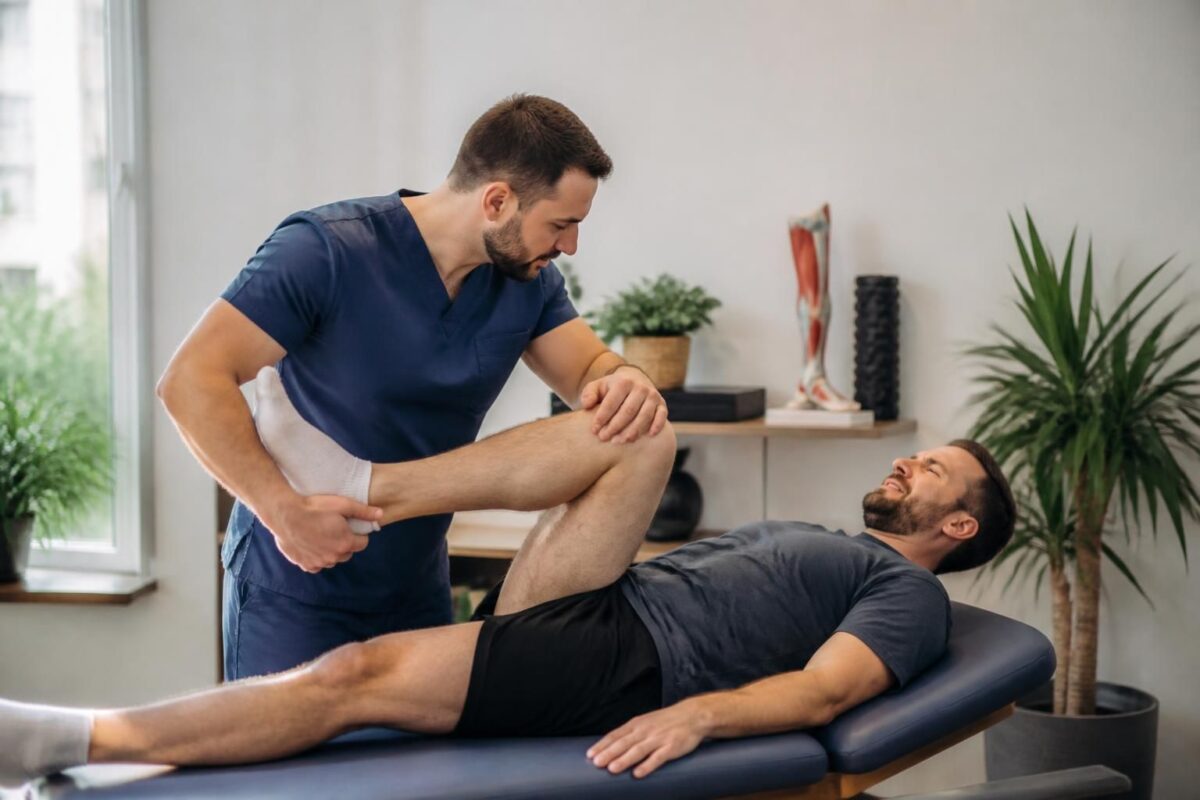
In short In short, Osteopathy is one Global manual approach aimed at reducing Chronic leg pain and improve the quality of life. What is it? Non-drug therapy using the hands to identify restrictions and treat lesional chains. How does it…
How osteopathy supports recovery after complex surgery
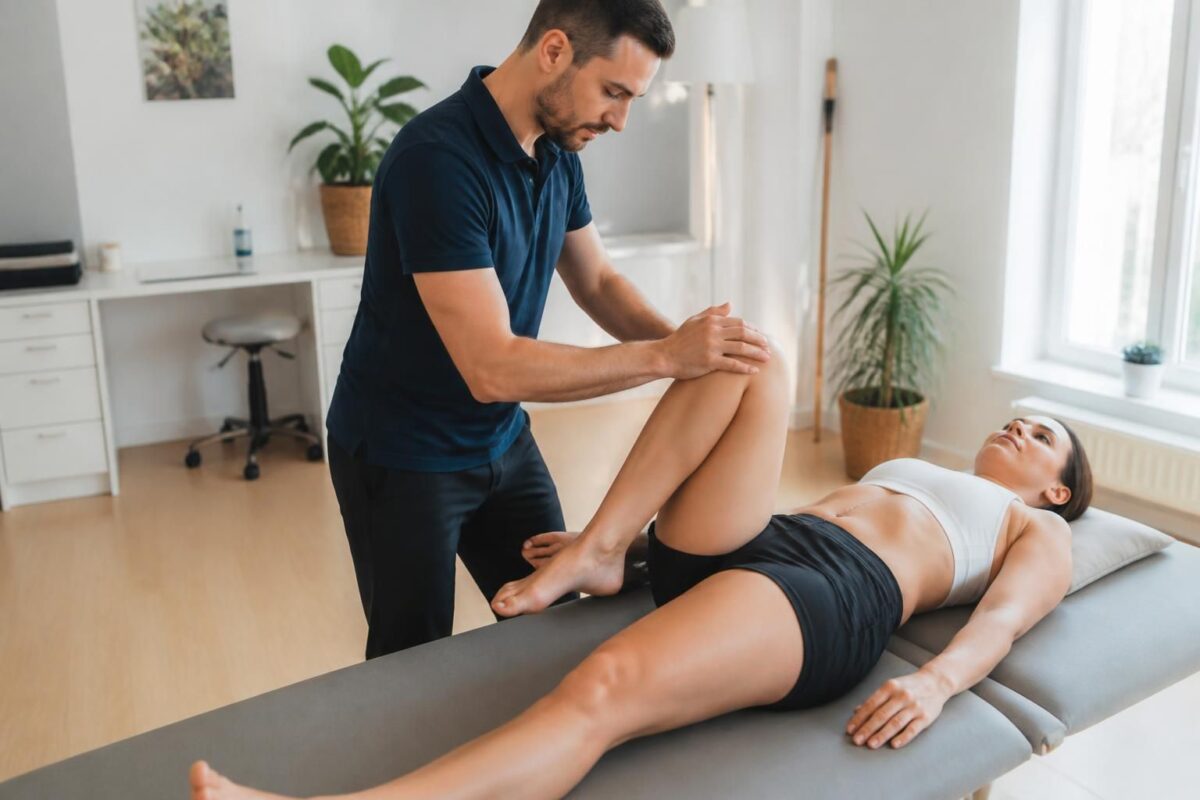
In short In short, Post-operative osteopathy is an approach fresh which supports the recovery After a Complex surgery. It helps to reduce the pain and the fatigue, improves the mobility and accelerates the healing thanks to a better vascularization and…
Osteopathic techniques to reduce joint inflammation
| Technical | Effect and principle |
|---|---|
| Soft tissue mobilizations | promotes the muscle relaxation and the circulation, reducing inflammation and pain. |
| neurovertebral decompression feathery | Reduces pressure on nerves and joints, promoting mobility and the evacuation of edema. |
| Myofascial release | Releases fascial tensions, improvesJoint amplitude and the local traffic. |
| Manual lymphatic drainage | accentuate theFluid removal and theTissue oxygenation, reducing edema. |
| Soft joint mobilizations | Restore it mobility and the function Articular without aggravation of inflammation. |
| Work on postural chains | Improve thealignment body and decreases irritated joint loads. |
| gentle neuromuscular techniques | Aim for the Neuromuscular responses to reduce tension and pain. |
| Nervous relaxation and diaphragm | Decreases irritation and promotes Effective breathing which helps in general relaxation. |
| Education and postural self-management | Advise simple steps to Prevent flare-ups and support the results. |
Testimonials on osteopathic techniques to reduce joint inflammation
Mary, 64 : “Since my first sessions, the Gentle osteopathic techniques mont allowed to see a Significant reduction in inflammation around my knee and a Improved my mobility on a daily basis. »
Julien, 52 years old : “Adaptive gestures and Targeted mobilizations mount helped to calm lumbar inflammation. I find freedom of movement And less pain. »
Sophie, 39 years old : “The Gentle manipulations And the functional advice decreased the inflammation of my wrist and allowed me to resume my activities without fear. »
Claire, 70 years old : “After several sessions, Jobserve a Inflammation reduction in the cervical region and a Better amplitude which alleviates my fatigue. »
Thomas, 28 years old : “For my inflammatory tendinopathy on the shoulder, the Soft manual techniques brought the inflammation back under control and I found a good amplitude of movement. »
Lea, 56 : “I appreciated the global approach that seeks the cause. Thanks to this, I noticed a Sustainable reduction of inflammation and an Better quality of life. »
Osteopathic techniques to reduce joint inflammation
The Dr Sylvain Desforges, recognized as an expert in osteopathy, naturopathy and manual medicine, holds the position of founding president of TagMed and the ACMA association. His career is guided by innovation in the service of health, with a marked specialization in the management of chronic pain and the integration of advanced technologies. Aware of the stakes of joint inflammation, he favors treatment evidence-based and adapted to each patient, in order to optimize health and well-being in the long term.
In the context of joint inflammation, the osteopathic approach goes beyond the simple relief of symptoms. It aims to identify trigger mechanisms and imbalances that promote inflammation and pain. an evaluation overall of the musculoskeletal system and biological, postural and behavioral factors makes it possible to design a treatment plan that affects both the cause and the effects, whether recent or chronic.
The osteopathic techniques used to reduce joint inflammation are based on Sweet mobilizations and approaches tissue which release tensions and restore joint mobility. The Myofascial release and targeted manipulations promote improved fluid circulation and decrease local edema. By favoring gestures adapted to the inflammatory stage, the objective is to rebalance the joint function without aggravating the inflammation, while respecting the natural healing process.
Moreover, thetraffic improvement Blood and lymphatic supports tissue repair and helps alleviate pain. Progressive and gentle techniques activate venous and lymphatic return, reducing stiffness and accelerating the recovery process. Added to this are postural advice and exercises at home that allow the patient to maintain the gains obtained in the session and to prevent relapses, while promoting a better quality of life.
The role of the practitioner also becomes to support the patient in the stress management and fatigue, factors that can amplify inflammation. A holistic approach combines breathing techniques, periods of relaxation and an appropriate pace of activity to support healing. This strategy is applied to all the joints concerned — lumbar, knee, pelvis, cervical, elbow or wrist — and can supplement medical treatment under the supervision of a doctor, by strengthening the function and resilience of the body.
In practice, the objective is a support Applied and measurable; Dr. Desforges favors an evaluation continue, personalized planning and adapted progression of techniques. It avoids too intense manipulation during inflammatory flare-ups and favors sessions that respect the acute stage. Integration of therapeutic technologies and monitoring of the results make it possible to quickly adjust the protocol and ensure a lasting improvement in mobility and pain.
This short article explains how Osteopathy can help to Reduce inflammation of joints and restore the mobility thanks to Soft tissue mobilizations and improving the circulation. You will discover why these techniques, used in a suitable way, can act on both mechanical causes and symptoms, in addition to medical follow-up when necessary.
The Osteopathic techniques favor gestures suitable in the inflammatory state, avoiding sudden movements and favoring Sweet mobilizations which release tensions and facilitate joint mobility. By working on body chains and muscle tension, the osteopath can act on mechanical causes and painful effects, contributing to a Sustainable reduction of symptoms.
The Blood and lymphatic circulation around the joints can be improved by targeted techniques, which promotes recovery and decreased edema. This approach supports the Joint function and can be integrated into a personalized rehabilitation program.
Beyond the technical gesture, osteopathy offers global support by acting on the stress reduction and the relaxation, elements that affect pain tolerance and recovery progression. This approach holistic Ideally combines with other medical follow-ups when necessary.
To deepen the mechanisms and results associated with osteopathic techniques, you can consult the following resources, where approaches and benefits are detailed in an accessible way:
Osteopathic techniques to reduce joint inflammation,
Effectiveness of osteopathy against joint pain,
Osteopathy and osteopathy: a manual approach to soothe joint pain,
Benefits for postural pain.
To go further, make an appointment with an osteopath to obtain a personalized evaluation and an action plan adapted to your situation. These links and complementary resources shed additional light on the differences with other manual approaches and on situations in which osteopathy can play a beneficial role.

Dr Sylvain Desforges, B.Sc., D.O., N.D., osteopath, is the founding president of TAGMED and of the ACMA association. He dedicates his practice to chronic spinal pain, low back pain and symptoms compatible with sciatica, particularly when pain radiates toward the buttock, leg, calf, foot or toes.
Through SOS Sciatique, he publishes educational content on sciatica symptoms, possible causes such as disc herniation, disc narrowing, foraminal stenosis or irritation of a lumbar nerve root, as well as non-surgical approaches that may be considered according to the evaluation. At Clinique TAGMED, care may include, depending on the case, motorized neurovertebral decompression, specific osteopathic care or precision percussion.
For an evaluation related to sciatica treatment in Montreal / Mount Royal or sciatica treatment in Terrebonne, please consult the services available at Clinique TAGMED.
Medical disclaimer
The information published on SOS Sciatique is provided for educational purposes only and does not replace a consultation, diagnosis, opinion or treatment provided by a physician or another authorized healthcare professional. The author of this article is neither a medical doctor nor a specialist in a medical specialty recognized by the Collège des médecins du Québec. The osteopathic, manual medicine or functional support approaches described on this site do not constitute medical acts and are not intended to replace medical follow-up.
Consult a physician or emergency service in cases of loss of bladder or bowel control, anesthesia in the saddle area, significant or progressive weakness in the leg or foot, fever, recent trauma, severe pain or rapid worsening of symptoms. For more details, please read our Legal Notice.