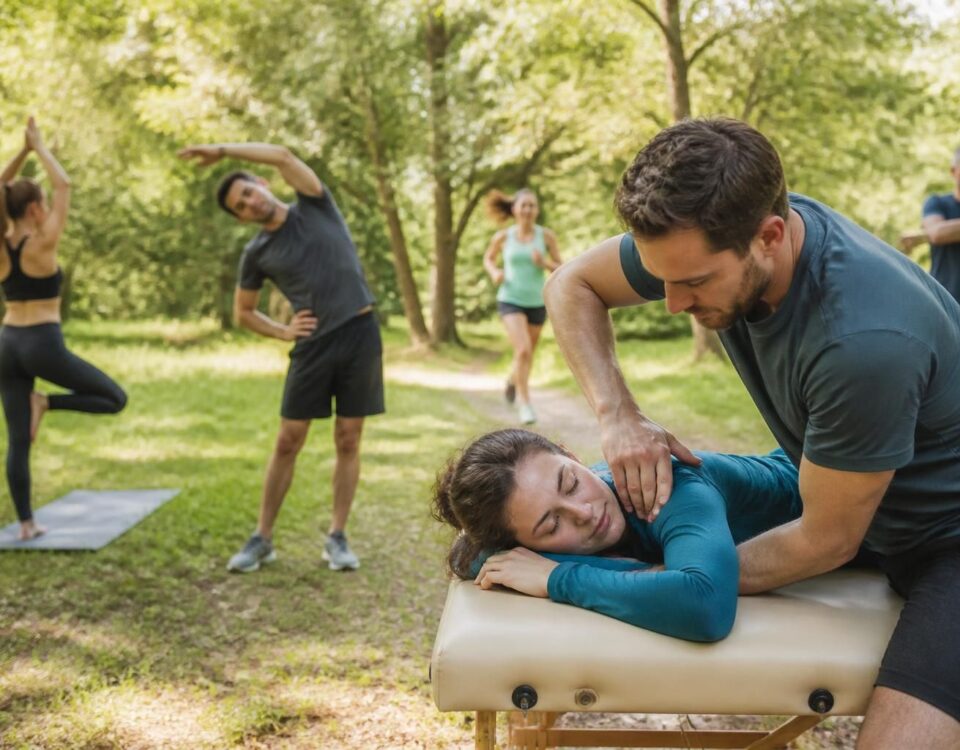
Why osteopathy is an essential tool for athletes
27/06/2026
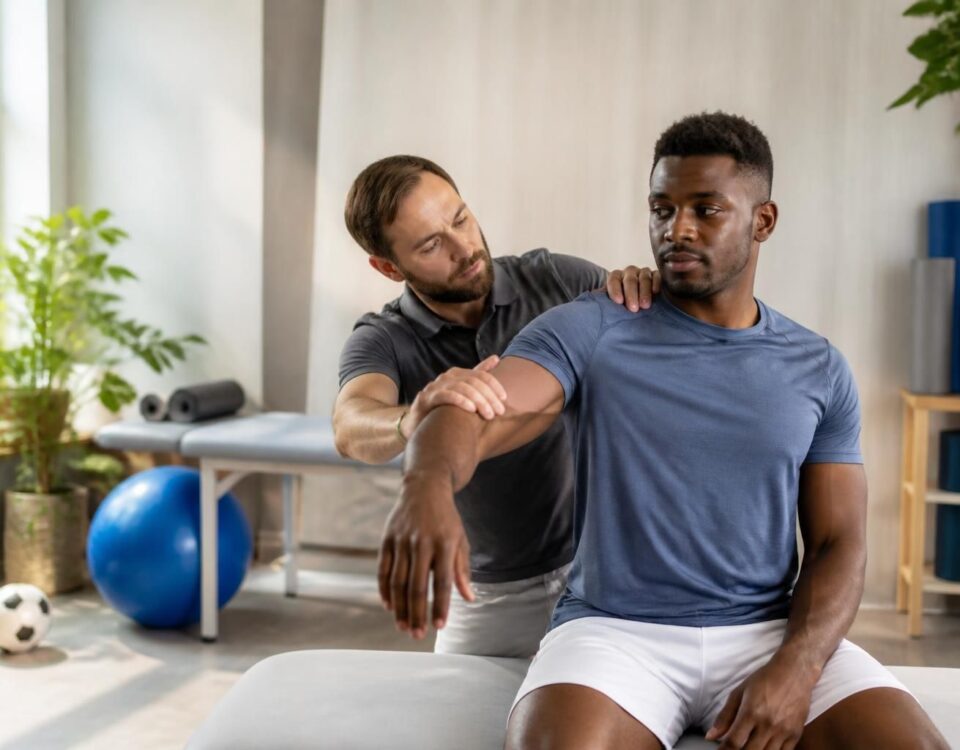
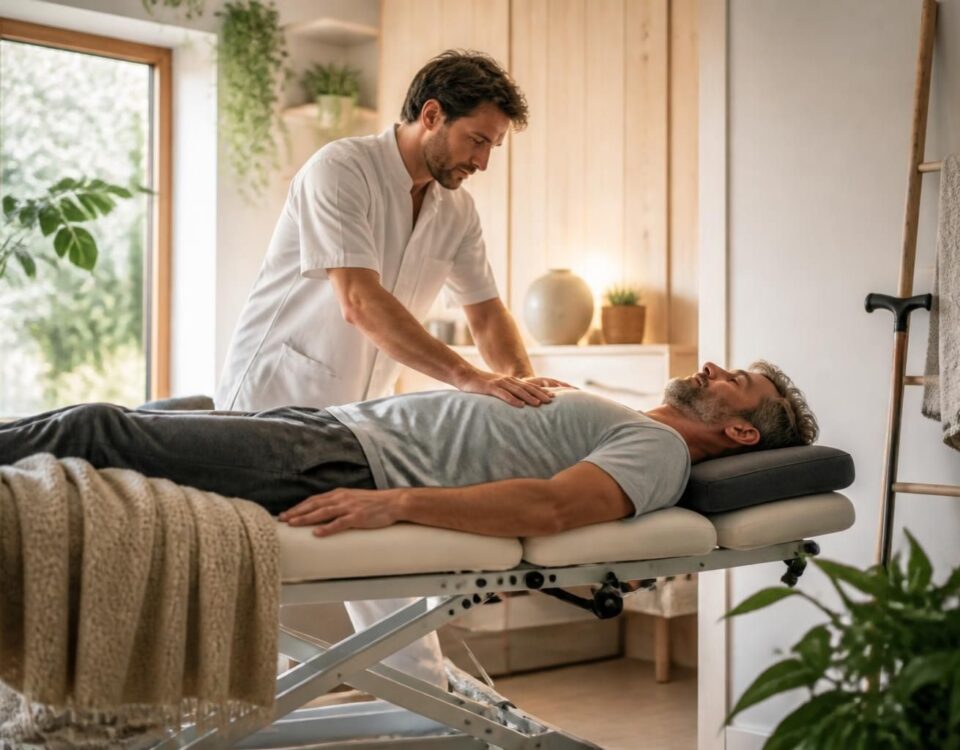
Osteopathic techniques to ease chronic muscle tension
27/06/2026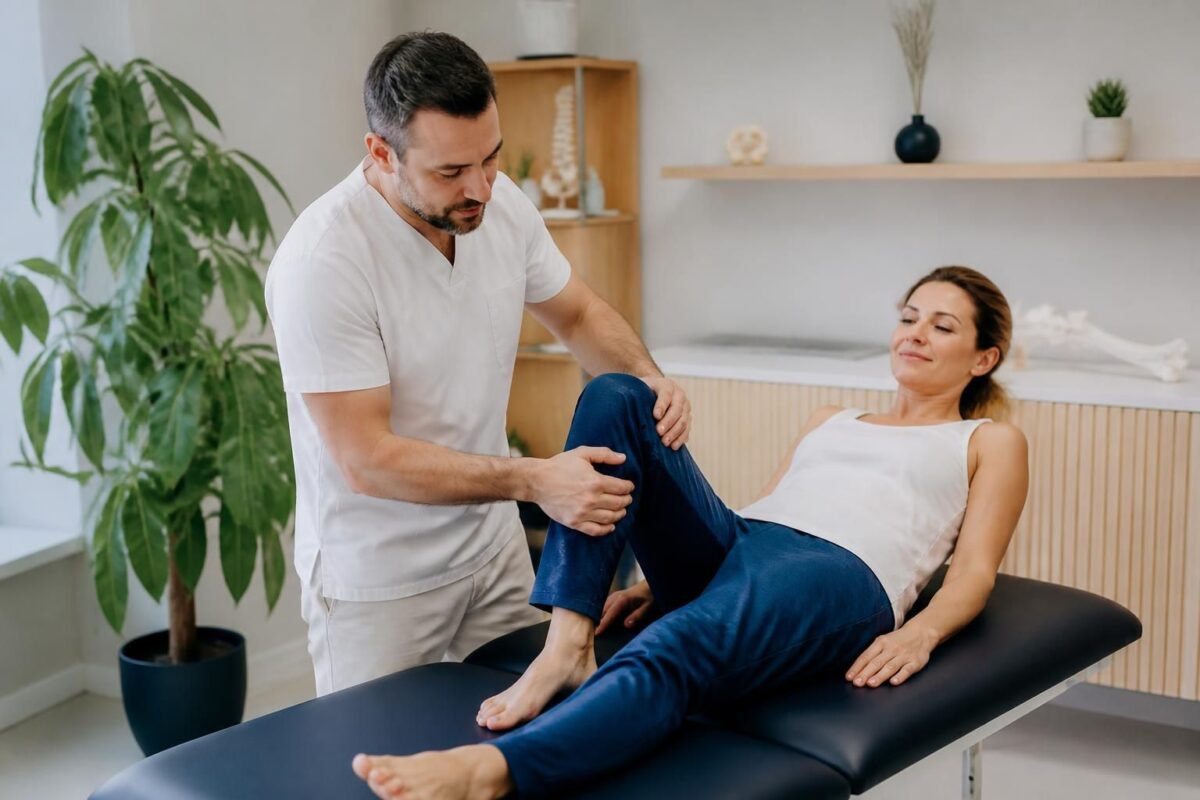
In short In short, theosteopathy and the Joint pain represent a Global approach To find a freedom of movement. It acts by releasing tensions, rebalancing axes and soft tissues, and improving mobility and the quality of life without surgery. This approach is effective in reducing the pain, prevent compensation and support the movement on a daily basis, particularly in Montreal and around. |
theosteopathy offers an approach overall of Joint pain To find a freedom of movement. By releasing tensions tissue, by restoring the mobility joints and by correcting postural imbalances, it reduces pain and improves the ease of everyday gestures.
The work favors the proprioception and coordination, with a Personalized support and tips fromAdapted physical activities. Result: less than stiffness, more fluidity in movements and better autonomy.
Summary : This article explains how theosteopathy can help reduce joint pain and restore freedom of movement. It describes the mechanisms of action, frequent locations and the principles of a global approach that combines movement, posture and lifestyle. The objective is to optimize mobility and daily comfort without systematically using invasive treatments.
Understand the basics of the osteopathic approach
Joint pain does not come only from the joint itself. They also result in soft tissue, neighboring joints and overall posture. theosteopathy aims to restore the balance of joint chains and tensions around the joint. This reduces mechanical stress and promotes smooth movement.
How osteopathy affects the joints
She acts in a way fresh and targeted for release tensions and rebalance the axes of movement. It improves the proprioception, decreases overload areas and helps reorganize muscle chains around the joint. The goal is to lighten the pain and restore mobility adapted to everyday life, without imposing repetitive or restrictive gestures.
Practical approach and clear principles
Each session is adapted to the person and their context. The evaluation focuses on the mobility of neighboring joints, muscle tension, and postural imbalances. Treatment may include myofascial techniques and decoaptations that improve the circulation and elasticity of tissues. The patient receives simple advice to maintain mobility gains between visits, including postural adjustments and easy-to-integrate daily gestures.
Frequent locations and outlook for action
The areas most affected by osteoarthritis and joint pain include the knee, hip, hands and spine. Each location presents specific biomechanical challenges. The osteopathic approach takes into account the joint chains and the compensations that develop around the painful joint. The goal is a Mobility found and one Durable comfort.
When to use osteopathy
Early consultation is recommended when joint pain appears or when stiffness and difficulty moving occurs. Osteopathic support can be part of a global approach, in addition to appropriate physical activity and a posture assessment. The approach aims to preserve the function and prevent future mechanical overloads.
Resources and training
For professionals, recognized training includes institutions such as Numss, NAO, National University of Medical Sciences and National Academy of osteopathy. As part of professional practice and standards, practitioners can rely on guidelines from professional organizations such as ACMA, College of Canadian Osteopaths and the College of Canadian Osteopaths.
Useful links and recommended resources
To deepen, here are resources accessible online on specialized sites:
Osteopathy and sciatic pain – complete management
How osteopathy improves circulation and reduces swelling
Vertebral neurov decompression and osteopathy
Osteopathy and pain related to herniated disc (adapted approaches)
Herniated disc and useful posture
Carpal tunnel syndrome and osteopathy
SOS Sciatica – General Resources
This approach is part of a practice based on professional rules and clear exchanges with the patient. To learn more about the mechanisms of osteopathy and its effects on mobility and pain, you can refer to the resources mentioned above.
Medical disclaimer: The information and advice provided on this site does not replace the advice, diagnosis or treatment of a healthcare professional. Please note that Dr. Sylvain Desforges osteopath is neither a doctor of medicine nor a doctor, and is not a specialist in a medical specialty as defined by the Collège des Médecins du Québec. Manual medicine, functional medicine and sports medicine as described on this site exclude any medical treatment or diagnosis made by a doctor or specialist doctor. Always consult your doctor for any medical questions. For more details, please read our full legal notice.
In articles dealing with neurovertebral decompression, disc herniation, disc bulge, foraminal stenosis, spinal stenosis, disc pinch or disc degeneration, avoid suggesting exercises or stretching.
The training information and professional associations mentioned below remain in line with current requirements and practice:
training institutions in osteopathy: NUMSS, NAO, National University of Medical Sciences, National Academy of Osteopathy.
Professional Associations: ACMA, College of Canadian Osteopaths, College of Canadian Osteopaths.
end of content.
Osteopathy and joint pain: regaining freedom of movement
Axis 1: Liberation and mobility
- rapid evaluation: Mechanical pain, stiffness, location.
- release of tensions: Muscles, fascias and adjacent joints.
- Biomechanical rebalancing: Basin, column and muscle chains.
- Improving mobility: amplitude and joint slips.
- Reduction of overloads: posture and daily gestures.
Axis 2: Practical support and prevention
- Sweet mobilizations: targeted release and decoaptation.
- proprioception and coordination: relearn the natural gesture.
- Lifestyle: adapted activity, controlled weight, sleep.
- Daily gestures: Simple tips to preserve the joint.
- Personalized follow-up: Progressive plan and regular reassessments.

osteopathy and Joint pain do not only mean relieving occasional pain: it is a question of restoring a freedom of movement sustainable. This article presents how an osteopathic approach can act on the axes, tissues and proprioception to reduce stress, correct imbalances and relaunch movement in everyday life, without being limited to the local symptom.
Understand joint pain and regain movement
The Joint pain result from a set of mechanical and biological factors: degradation of cartilage, heckling of tissues around the joint and repeated microtraumas, overload and postural alterations. they alter the mobility And wake up compensation that can cause pain from a distance. A global evaluation makes it possible to identify the over-solicited areas and the mechanical chains that maintain the phenomenon, in order to make targeted adjustments.

How osteopathy improves the quality of life of active people
In short In short, theosteopathy is a global approach that Optimizes mobility and the function of the body of ACTIVE PEOPLE, for a better quality of life. It helps prevent injury and reduce Musculoskeletal pain While promoting the Sports recovery.…
The role of osteopathy
Osteopathy offers an approach overall of the body: she seeks to release tensions and to restore the Mobility axes between joints and surrounding structures. By working on muscle chains, posture and coordination, it helps to reduce Biomechanical disturbances and relaunch the proprioception, which makes everyday gestures more fluid and less painful.

Osteopathy and sports recovery: prepare the body for lasting performance
In short In short, Osteopathy and Sports recovery is one Global manual approach that sustainably prepares the body for the effort by restoring mobility and circulation After the effort. It is a discipline that acts on the sinews, the joints,…
Techniques that promote freedom of movement
osteopathic techniques to find the freedom of movement are based on gentle and patient-friendly principles. The Joint mobilization and the Myofascial relaxation Release restrictions and improve glide of articular surfaces. The drainage And working on myofascial chains improve tissue irrigation and flexibility, reducing stress points that limit mobility. body consciousness and proprioception strengthen, making gestures more precise and secure.
Joint mobilization
This technique aims to restore an appropriate amplitude and prevent blockages. It is adapted to each joint and to the level of pain, in order to promote a fluid movement without aggressiveness.
Soft tissues and fascia
Work on the fascias and surrounding muscles relaxes overload areas and releases pain vectors, while preserving joint stability.
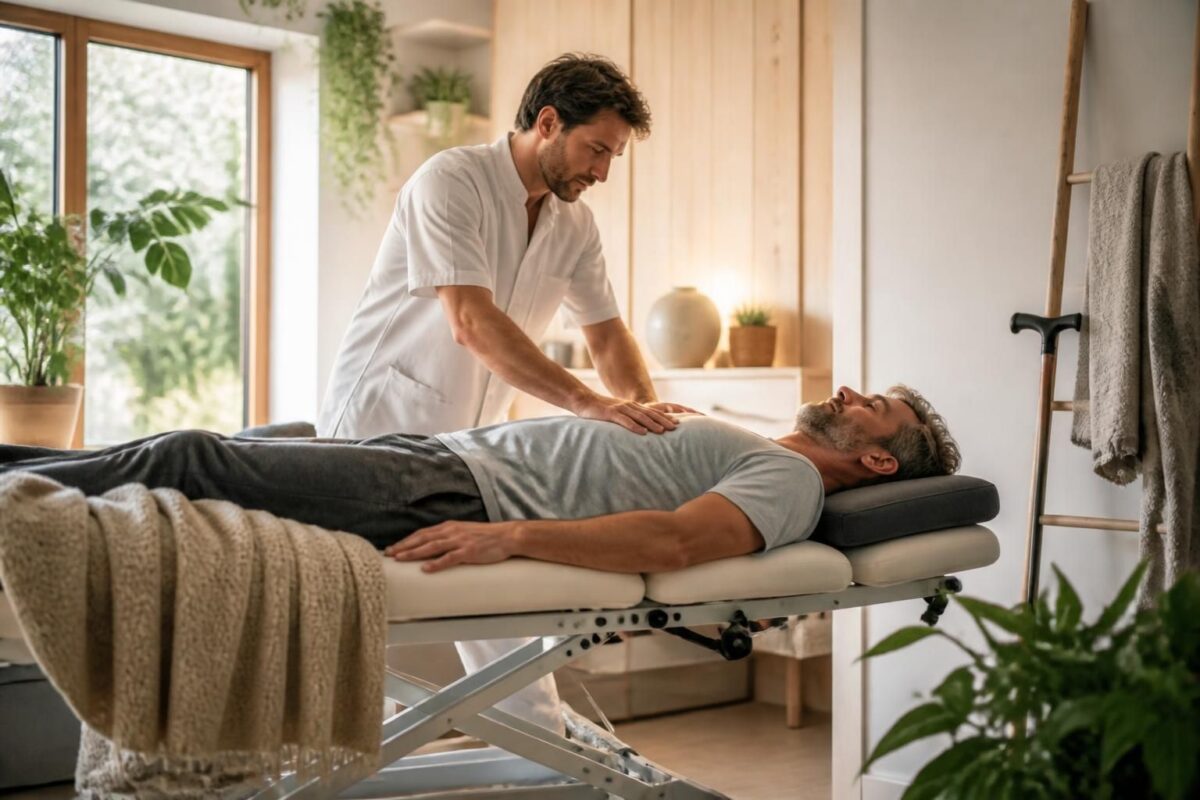
Why Osteopathy Is Essential For Recovery People
In short In short, Osteopathy in convalescence is an approach manual and holistic which helps to accelerate the recovery by restoring The balance, the mobility and a good circulation fabrics. it contributes to Reduce the pain, support the Back to…
The care pathway and the daily
Effective care is based on a personalized evaluation and a plan adapted to everyone’s activity. theAdapted physical activity Is recommended to maintain cartilage and muscles without causing over stress. thelifestyle And weight control soothes mechanical loads and mild inflammation that often accompanies joint pain. A collaboration with other professionals (physiotherapist, doctor, nutritionist) ensures a coherent and sustainable approach.

Osteopathic manipulations to strengthen post-traumatic muscles
In short In short, Osteopathic manipulations for Strengthen post-traumatic muscles constitute a gentle manual approach aimed at restoring the mobility, reduce the pain and facilitate the Functional rehabilitation After a injury. What is Is it? A series of precise gestures…
Preventing and maintaining freedom of movement on a daily basis
Prevention requires a Adapted posture, protective gestures during professional and domestic activities, and regular active breaks to avoid repeated microtraumas. Therapeutic education helps everyone to understand the mechanisms of their pain and to adopt habits that support the movement. The osteopath acts as a guide and partner, offering practical advice and progressive support to maintain a Sustainable mobility.

Osteopathy and prevention of work-related musculoskeletal disorders
In short theosteopathy is one Manual approach that restores body balance and prevents MSD related to work. Its advantages: reduction of tension, improvement of mobility and prevention of chronic pain. She is preventive and healing, suitable for office and trades…
Frequent locations and specific adjustments
Knee
For the knee, the approach aims to optimize support and release tensions around the quadri- and fascia lata, in order to reduce the stresses on the joint and restore smooth running.
Hip
The hip benefits from work on the lumbo-pelvic hinge and on the supports on the ground, in order to improve rotation and flexion without pain and without altering walking.
Column
For the column, the objective is to reduce stiffness and restore the flexibility of the segments, while reducing nerve and muscular tensions which aggravate pain and restrict movement.
| Axis | Concise advantages and results |
|---|---|
| Objective | Back to the mobility and reduction of pain by targeted manual work and personalized advice. |
| Action mechanisms | release of blockages, improvement of the proprioception and rebalancing joint chains for smooth movement. |
| Care process | Global evaluation, gentle mobilizations, postural advice and adapted exercises to act on everyday life. |
| Targeted locations | Knee, hip, spine and hands, with adaptations according to the postural chains. |
| Expected results | More manageable pain, regained amplitude and freer movement on a daily basis. |
| Sessions and duration | sessions of 45 to 60 minutes; 3 to 6 visits over 4 to 8 weeks depending on the evolution. |
| Security and tolerance | Gentle and personalized approach, without surgery, compatible with other treatments. |
| Integration with other care | Complementary approach to physiotherapy and medicine, focused on education and autonomy. |

The benefits of osteopathy to treat muscle imbalances
In short theosteopathy is a manual approach to restore themuscle harmony and postural considering the body as a whole. Its main benefits include the reduction of aches and tensions, the improvement of the mobility and from the posture, and prevention…
Testimonials: osteopathy and joint pain, regaining freedom of movement
Isabelle, 67, suffered fromOsteoarthritis of the knee and of Joint pain which limited his walk. After several sessions ofosteopathy, she found a freedom of movement found, and can walk without fear and resume her Sunday walks.
Marc, 52, suffered from Lower back pain and irritating sciatic pain. Thanks to the targeted intervention and work on the musculoskeletal chains, he now feels a real reduction in pain and a freedom of movement which allows him to play with his children and to resume light sport.
Sophie, 45, suffered from rhizarthrosis (Thumb osteoarthritis) which complicates opening pots and seizing objects. After a few sessions of osteopathy, she finds a good Motor coordination and an proprioception Improved, setting his daily gestures back in motion.
Jean-Pierre, 72, suffered fromcolumn osteoarthritis and stiffness that hindered the movements of everyday life. The osteopathic approach has improved the mobility segments and its posture Overall, offering him the ability to bend, turn and dress painlessly again.
Claire, 38, active and sports, felt Joint pain around the neck and shoulders. After targeted work on tensions and coordination, she finds a freedom of movement and can resume swimming and daily activities with comfort.
Luc, 65, had a hesitant approach to hip and knee osteoarthritis. Osteopathy has helped to reduce microtrauma repeated and improve the Motor coordination, which made him walks outdoors easier and more pleasant, with less pain and more movement.
If you too are looking to find a freedom of movement and say goodbye to Joint pain, make an appointment for a personalized osteopathic evaluation and start a course adapted to your needs.
in the field ofosteopathy, find a freedom of movement Goes through understanding the whole body, not just the occasional relief from pain. This approach is based on the idea that the joints, muscles, fascias and the nervous system dialogue through musculoskeletal chains. By evaluating posture, movement patterns and daily habits, the practitioner identifies overload areas and imbalances that fuel joint pain. The objective is clear: to restore a mobility Fluid and durable that allows you to perform life actions without pain or excessive protection.
The practitioner is trained in osteopathy, naturopathy and manual medicine, and is part of a process integrative care. His role goes far beyond a single treatment: he becomes an advisor, accompanying and course coordinator. With an experience dedicated to the management of chronic joint pain, it combines precise manual techniques with advice on lifestyle, diet and appropriate physical activity. This combination aims to reduce mechanical loads, moderate low-grade inflammation and support functional tissue regeneration.
At the heart of his approach, the evaluation begins with careful listening to the patient to understand the history of pain, then continues with the analysis of the mechanisms that limit mobility. The examination focuses on the quality of movement, the flexibility of the soft tissues, the alignment of the segments and the proprioception – this deep sense of the position of the body which guides each gesture. The diagnosis is based on simple tests, observations and, when necessary, targeted imaging or palpation tools to avoid contraindications to certain mobilizations.
The techniques used are intended to release the tension zones and to rebalance the musculoskeletal chains. We speak of myofascial relaxation, gentle mobilizations and, depending on the case, neuroproprioceptive work to improve the accuracy of gestures and motor coordination. The treatment can also extend to the joint concerned and its surrounding structures, in order to reduce pain, provide damping and improve stability. In some cases, the osteopath considers complementary approaches to optimize nerve recovery and circulation.
For the most common joint pathologies — knee, hip, spine, hand — the objective is to lighten loads by reorienting the supports, postural correction and proactivity in management. By working on the neighboring joints and the lumbopelvic chain, the practitioner promotes a more harmonious distribution of stresses and delays wear. Therapeutic education plays a central role: the patient learns to listen to his body, to adapt his activity and to integrate a routine of exercises that support mobility and strength.
Finally, the contribution of modern technologies completes manual action: spinal decompression, light laser And shockwave therapy can accelerate recovery when appropriate. These tools, used judiciously, reinforce the effectiveness of the sessions and offer additional options without surgery. The approach is always patient-centric, with a personalized and evolving journey that favors movement, comfort and quality of life. Thus, osteopathy offers a softer and more sustainable way to find a freedom of movement on a daily basis.
This detailed conclusion recalls that Osteopathy can help to Find freedom of movement It front of Joint pain, by acting on mechanical mechanisms, soft tissues and proprioception, while being part of a global and non-intrusive approach.
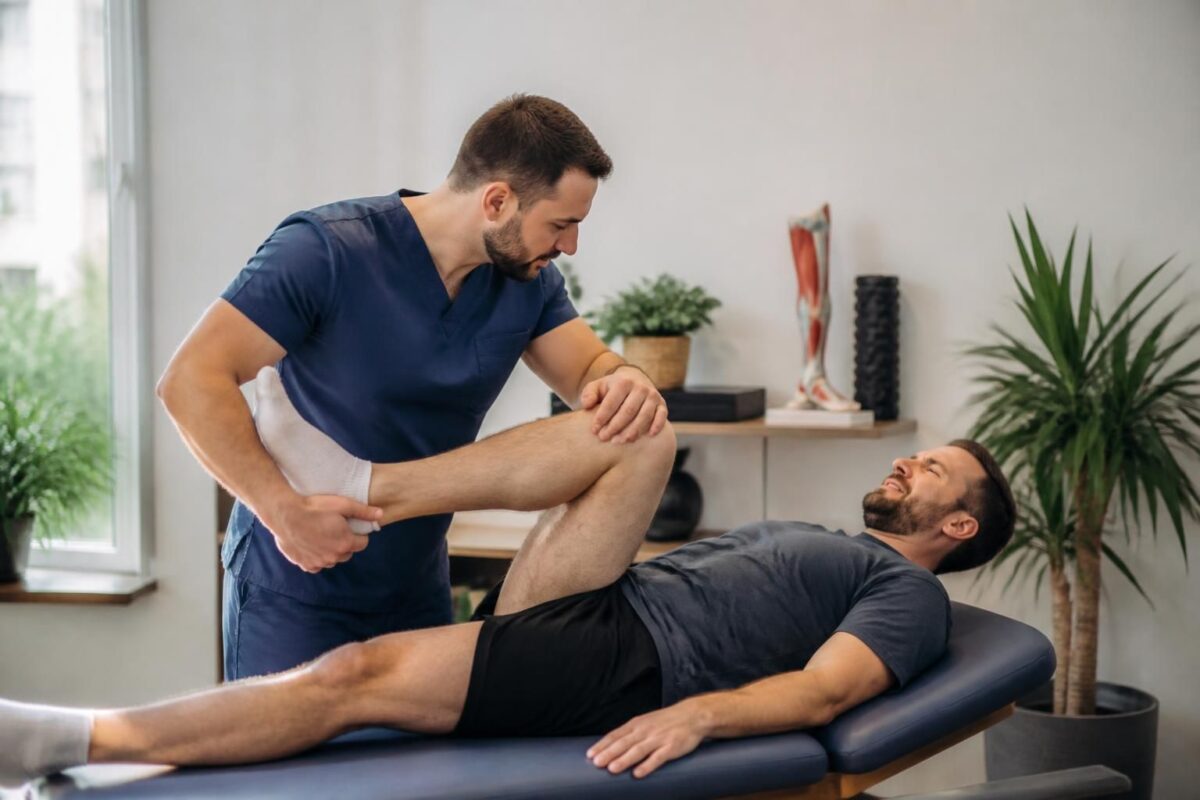
Osteopathy and chronic leg pain: regaining an optimal quality of life
In short In short, Osteopathy is one Global manual approach aimed at reducing Chronic leg pain and improve the quality of life. What is it? Non-drug therapy using the hands to identify restrictions and treat lesional chains. How does it…
Perspectives and practical implications
By working on muscle chains, fascias and neighboring joints, the osteopath can release tension and improve mobility painful areas. This approach contributes to reducing localized stress and rebalancing body movements, which results in decreased pain and increased gesture quality.
This is a complementary, non-exclusive approach, which is ideally articulated with a Adapted physical activity, a balanced diet andtherapeutic education. The objective is to preserve the carrier joints and improve overall function, while allowing the patient to take an active part in his care pathway. To explore these axes, you can consult resources such as the article on Osteopathy#ATFP_CLOSE_TRANSLATE_SPAN# and osteoarthritis – joint pain and the practical indications offered by SOS Sciatica.
In the context of osteoarthritis and other joint pain, osteopathy is a pathway to prevention and support for postoperative or post-traumatic rehabilitation. It contributes to limiting muscle imbalances and optimizing functional recovery after an intervention, as highlighted by resources dedicated to postoperative rehabilitation.
Frequent locations — knee, hip, hand and spine — benefit from personalized support, centered on the restoration of mobility axes and the reduction of compensation. Dedicated articles in osteopathy and mobility explain how to restore flexibility and motor coordination, especially after surgery or a period of immobilization.
Beyond manual care, the orientation towards a therapeutic education Allows the patient to understand the mechanisms of osteoarthritis, to adopt the right daily gestures and to recognize the precursor signs of a painful flare-up. This openness to a better doctor-osteopath-patient collaboration contributes to reducing wandering and strengthening motivation towards a more active and lasting life.
Current data and syntheses support the effectiveness of osteopathy for joint pain and mobility. For further research, research and reviews summarizing the effect of osteopathy in pain and functional limitations can be consulted, including available analyzes on specialized online resources.
To go further in the process, several resources offer pragmatic points and concrete implementations. For example, articles on the prevention of muscle imbalances and on the benefits in active people describe how osteopathy can optimize recovery and performance. Other links present the mechanisms by which mobility can be improved after surgery and the priority measures to maintain freedom of movement on a daily basis.
Finally, additional references illustrate how osteopathy fits into global management, in addition to conventional therapies and rehabilitation approaches, in order to preserve mobility and long-term joint functionality. To enrich your reading, you can access resources such as Les#ATFP_CLOSE_TRANSLATE_SPAN# Advantages of osteopathy to prevent muscle imbalances, Osteopathy#ATFP_CLOSE_TRANSLATE_SPAN# and recovery — Optimize muscle flexibility, or again META‑Analysis#ATFP_CLOSE_TRANSLATE_SPAN# on the effectiveness of osteopathy in joint pain.
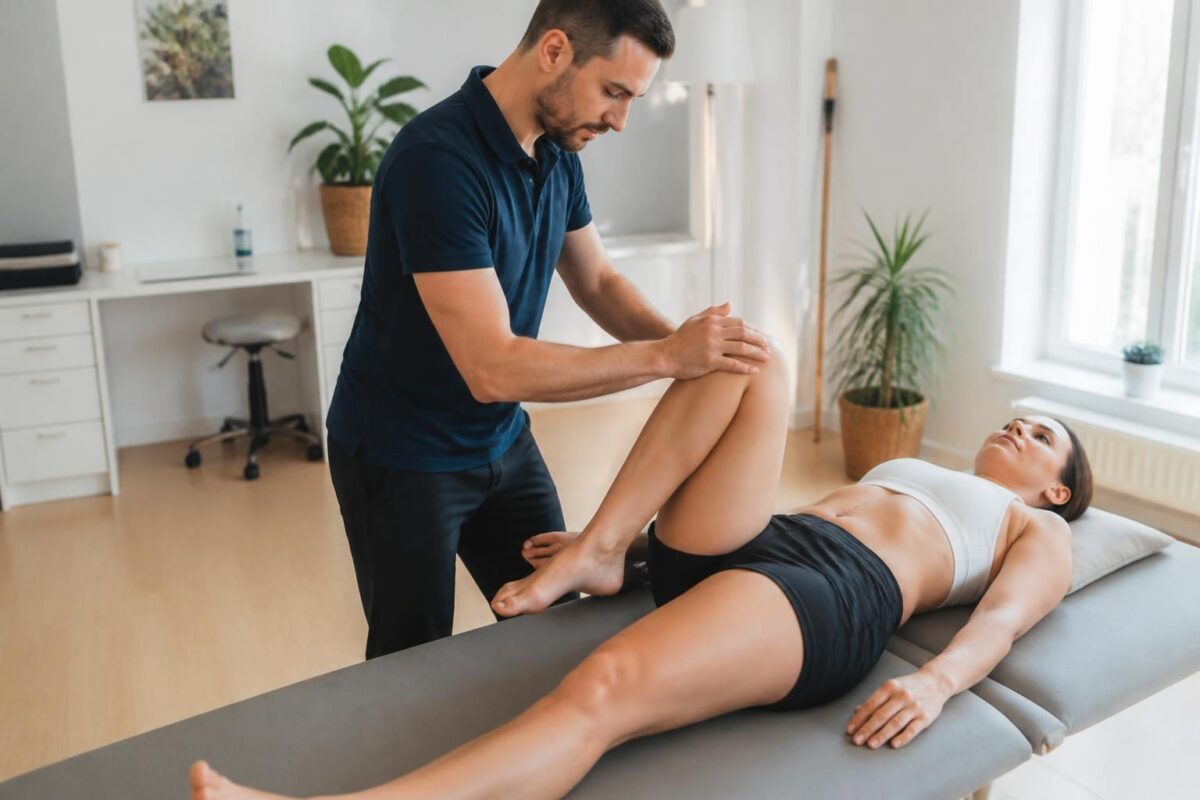
How osteopathy supports recovery after complex surgery
In short In short, Post-operative osteopathy is an approach fresh which supports the recovery After a Complex surgery. It helps to reduce the pain and the fatigue, improves the mobility and accelerates the healing thanks to a better vascularization and…

Dr Sylvain Desforges, B.Sc., D.O., N.D., osteopath, is the founding president of TAGMED and of the ACMA association. He dedicates his practice to chronic spinal pain, low back pain and symptoms compatible with sciatica, particularly when pain radiates toward the buttock, leg, calf, foot or toes.
Through SOS Sciatique, he publishes educational content on sciatica symptoms, possible causes such as disc herniation, disc narrowing, foraminal stenosis or irritation of a lumbar nerve root, as well as non-surgical approaches that may be considered according to the evaluation. At Clinique TAGMED, care may include, depending on the case, motorized neurovertebral decompression, specific osteopathic care or precision percussion.
For an evaluation related to sciatica treatment in Montreal / Mount Royal or sciatica treatment in Terrebonne, please consult the services available at Clinique TAGMED.
Medical disclaimer
The information published on SOS Sciatique is provided for educational purposes only and does not replace a consultation, diagnosis, opinion or treatment provided by a physician or another authorized healthcare professional. The author of this article is neither a medical doctor nor a specialist in a medical specialty recognized by the Collège des médecins du Québec. The osteopathic, manual medicine or functional support approaches described on this site do not constitute medical acts and are not intended to replace medical follow-up.
Consult a physician or emergency service in cases of loss of bladder or bowel control, anesthesia in the saddle area, significant or progressive weakness in the leg or foot, fever, recent trauma, severe pain or rapid worsening of symptoms. For more details, please read our Legal Notice.