How osteopathy affects chronic inflammation
27/06/2026
Osteopathy and chronic shoulder pain: a natural approach
27/06/2026
In short
| In short, theosteopathy is one manual medicine which aims to restore theBody balance and to Prevent muscle imbalances. Its main advantages include theImproving mobility, the pain reduction, the Posture preservation, and better management of the stress and of sleep. Operation is based on a Global approach which releases tension and harmonizes systems to stimulate theself-healing. Accessible to all and particularly adapted to working life, particularly in Montreal, this treatment helps athletes, professionals and seniors to maintain a Good body harmony without pain. |
In short, theosteopathy is one manual medicine which aims to Restore body balance and to Prevent muscle imbalances. By acting on the Joint mobility, the Muscle tensions and the posture, it avoids compensation, improves circulation and supports overall well-being. Suitable for all ages, it can become a key step in your prevention daily.
Summary: Osteopathy acts on the whole body to Prevent muscle imbalances. By soft manual techniques, it improves the mobility, optimizes the alignment of structures and supports a posture balanced. This approach promotes coordination of muscle groups and reduces tensions that can accumulate over time.
A comprehensive and integrated approach
Osteopathy considers the body as a whole. Each element influences the others. The practitioner looks for areas of tension and rebalances the links between muscles, joints and fascias. This method aims to restore a functional harmony that helps prevent imbalances, rather than treating local pain in isolation.
Strengthening muscle stability and mobility
By improving joint mobility and muscle flexibility, osteopathy supports better coordination of movements. This reduces compensation that, in the long term, can create imbalances. Regular sessions help maintain the stability of the trunk and shoulder and pelvic belts, essential for lasting posture.
The role of postural and breathing
Effective posture is based on muscle balance between the upper and lower body. Osteopathy works on muscle chains and breathing, which alone influences muscle tone and tone. Poorly managed respiratory tension can affect the diaphragm and muscles around the shoulders and chest. More fluid breathing supports better muscle organization.
Preventive techniques and mechanisms
Manual techniques and voltage regulation
Osteopathic techniques target mobility restriction areas. The goal is to release tensions that can pull other muscle groups. This tension regulation helps prevent imbalances and maintain optimal muscle function.
Influence on muscle and postural chains
The body is organized into functional chains. A tense muscle can change the length and action of other muscles. Osteopathy helps restore the harmony of the chains, which supports a more natural and less tiring posture.
Impact on recovery and sleep
By releasing tensions and improving circulation, osteopathy can promote more effective recovery after exercise. Better recovery limits the risk of imbalances caused by repeated efforts. It can also promote more restorative sleep, key in maintaining muscle balance.

How osteopathy improves the quality of life of active people
In short In short, theosteopathy is a global approach that Optimizes mobility and the function of the body of ACTIVE PEOPLE, for a better quality of life. It helps prevent injury and reduce Musculoskeletal pain While promoting the Sports recovery.…
Integration into daily life and sustainable prevention
For athletes and daily activities
Daily exercises, professional gestures and sports training can generate repetitive loads. Osteopathy helps align body segments and maintain appropriate mobility. This supports performance and reduces the risk of repetitive muscle tension.
Prevention suitable for all ages
Whether you are active, working in the office, patient in rehabilitation or senior, the osteopathic approach can be adapted. The techniques evolve according to age and lifestyle, with particular attention to the safety and comfort of the patient.
Resources and useful links
To deepen, discover the following resources that explain the preventive benefits of osteopathy and its impact on the body:
Osteopathy and prevention of musculoskeletal disorders,
Benefits for amateur athletes,
Allies of patients with osteoarthritis,
Recovery after surgery,
Strengthen mobility after surgery,
neurovertebral decompression.
Medical Disclaimer: The information and advice provided on this site does not replace the health professional’s diagnosis or treatment. Please note that Dr. Sylvain Desforges osteopath is neither a doctor of medicine nor a doctor, and is not a specialist in a medical specialty as defined by the Collège des Médecins du Québec. Manual medicine, functional medicine and sports medicine as described on this site exclude any medical treatment or diagnosis made by a doctor or specialist doctor. Always consult your doctor for any medical questions. For more details, please read our full legal notice.
Advantages of osteopathy to prevent muscle imbalances
- Early detection Imbalances and compensations
- Mobility Improved muscle chains
- Harmonization of the posture and thealignment vertebral
- Strengthening of the proprioception and control neuromuscular
- Prevention of injuries related to asymmetries
- Reduction of muscle tension and diffuse pain
- Optimization of the breathing and thoraco-abdominal coordination
- Hold therange of motion in daily activities
- Approach personalized According to activity and age
- support for recovery and re-education post-effort


Osteopathy and sports recovery: prepare the body for lasting performance
In short In short, Osteopathy and Sports recovery is one Global manual approach that sustainably prepares the body for the effort by restoring mobility and circulation After the effort. It is a discipline that acts on the sinews, the joints,…
First paragraph summary
In this article, you will find out how Osteopathy can prevent muscle imbalances By acting on the mobility of the joints, muscle tension and the energy circuits of the body. Thanks to a comprehensive and personalized approach, it aims to avoid compensation that leads to Chronic pain, while improving posture and coordination of movements.
Why Osteopathy Is Essential For Recovery People
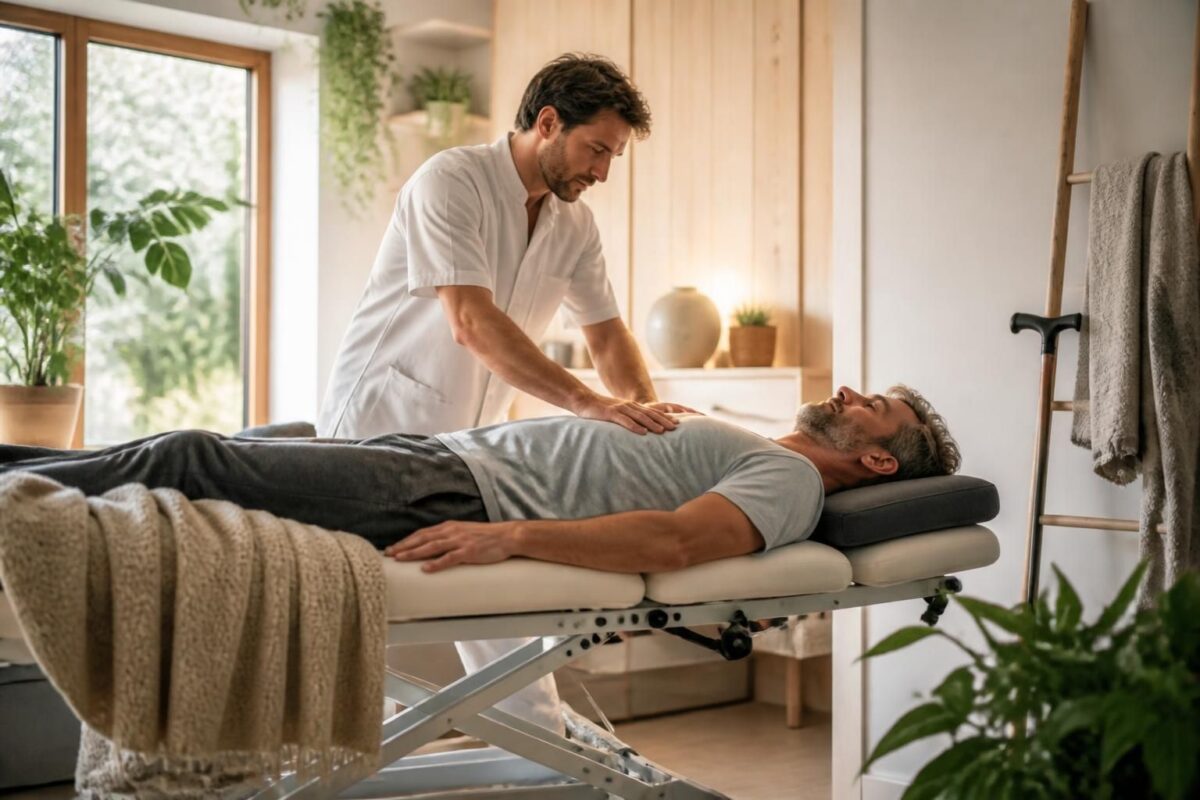
In short In short, Osteopathy in convalescence is an approach manual and holistic which helps to accelerate the recovery by restoring The balance, the mobility and a good circulation fabrics. it contributes to Reduce the pain, support the Back to…
Why osteopathy is effective in preventing muscle imbalances
Muscles and joints work as a unit. When one of them is solicited excessively or misaligned, other structures take over and end up overloading themselves. Osteopathy works to restore functional balance before tension turns into painful symptoms. By restoring harmonious mobility and releasing areas of tension, it limits the areas of jamming and prevents muscle chains that stiffen over time.

Osteopathic manipulations to strengthen post-traumatic muscles
In short In short, Osteopathic manipulations for Strengthen post-traumatic muscles constitute a gentle manual approach aimed at restoring the mobility, reduce the pain and facilitate the Functional rehabilitation After a injury. What is Is it? A series of precise gestures…
A global and personalized approach
Each person has a unique configuration of tensions and postures. The osteopath applies a systemic vision of the body, considering how each region influences the others. This approach promotes Proactive prevention Imbalances, as it targets root causes rather than treating symptoms only. By working on the links between muscle, fascia and joint, it helps to maintain smooth and lasting mobility.
Interconnection and self-healing
The body has a natural capacity for self-regulation. By relieving blockages and harmonizing tensions, osteopathy facilitates this self-healing process, which prevents the appearance of new imbalances. A gentle and progressive approach avoids sudden adjustments and promotes long-term adaptation.

Osteopathy and prevention of work-related musculoskeletal disorders
In short theosteopathy is one Manual approach that restores body balance and prevents MSD related to work. Its advantages: reduction of tension, improvement of mobility and prevention of chronic pain. She is preventive and healing, suitable for office and trades…
Targeted techniques to limit muscle compromises
the techniques used in osteopathy are diverse and chosen according to the patient’s profile. Structural manipulations, controlled stretching (myotensive techniques) and visceral or cranial approaches can be fully adapted to prevent imbalances. This variety makes it possible to act on both joint mobility and muscle tone, without aggression, in order to preserve the functional balance of the body.
prevent through targeted adjustments
By working on key areas such as postural muscles, spine and shoulder and pelvic belts, osteopathy decreases loads exerted on muscles and joints. This results in better posture, smoother movements and reduced risk of recurring pain associated with repeated loads.

The benefits of osteopathy to treat muscle imbalances
In short theosteopathy is a manual approach to restore themuscle harmony and postural considering the body as a whole. Its main benefits include the reduction of aches and tensions, the improvement of the mobility and from the posture, and prevention…
Impact on posture and performance
Better harmony of soft tissues and joint axes is manifested by a more balanced posture and improved range of motion. For working people and athletes, this translates into improved coordination, reduced overwork injuries and faster recovery. In the long term, osteopathy acts as a lasting prevention, by limiting the wear and tear of muscles and joints linked to repetitive patterns.
Osteopathy and chronic leg pain: regaining an optimal quality of life
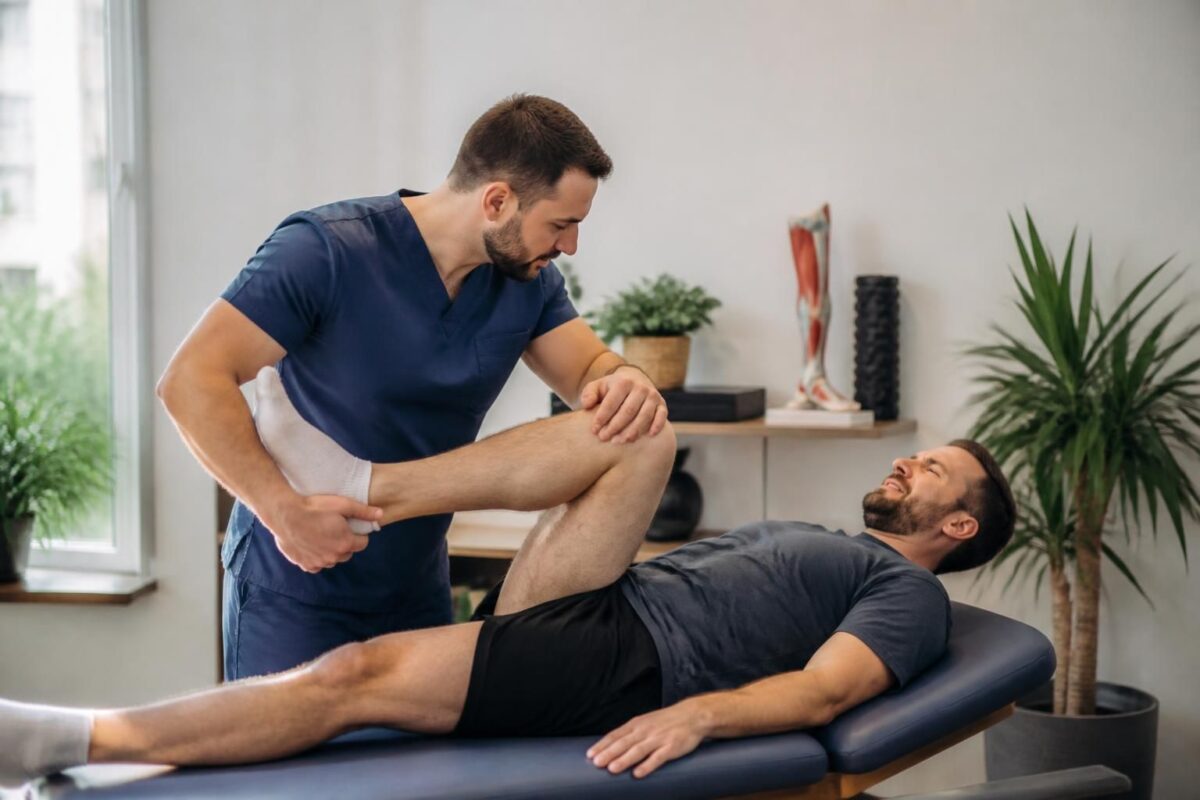
In short In short, Osteopathy is one Global manual approach aimed at reducing Chronic leg pain and improve the quality of life. What is it? Non-drug therapy using the hands to identify restrictions and treat lesional chains. How does it…
Integrate osteopathy into a preventive approach
To take full advantage of its preventive benefits, it is advisable to consider regular consultations adapted to your lifestyle, your activity and your age. The objective is not only to eliminate occasional pain, but to establish a solid basis for maintaining a Balanced muscle function and sustainable, while promoting a better quality of life and optimized mobility on a daily basis.
| Axis | Concise impact |
|---|---|
| Joint mobility and flexibility | Improvement of the mobility and reduction of freezing. |
| Muscle tensions | decrease in strain and prevention of aches related to imbalances. |
| Muscle tone balance | tone balanced and prevention of Postural compensation. |
| Neuromuscular coordination | Improvement of the Neuromuscular coordination and stability. |
| Breathing and posture | freer breathing and Chest posture optimized. |
| Sleep and recovery | Sleep repairer and accelerated recovery. |
| Sports prevention | prevention of imbalances at the sportsman and reduced risk of injury. |
| Intergenerational adaptability | Adaptability to all ages and continuity preventive. |
How osteopathy supports recovery after complex surgery
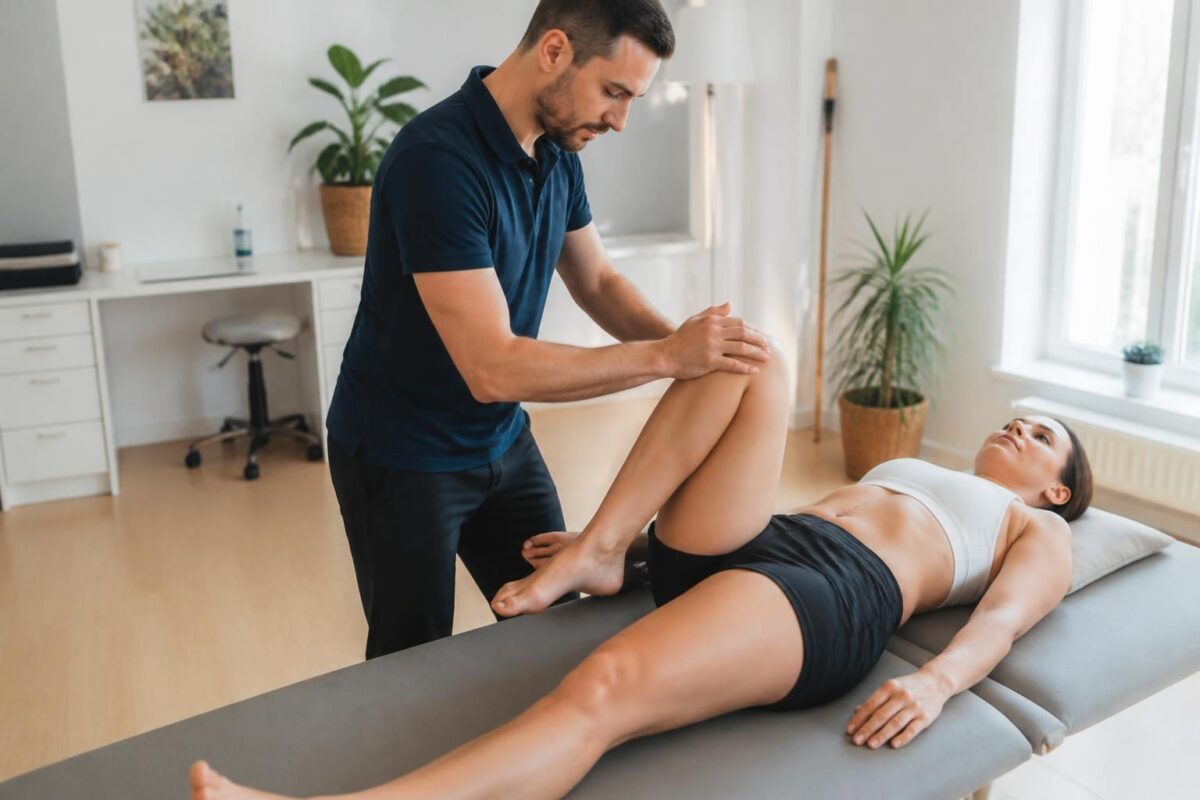
In short In short, Post-operative osteopathy is an approach fresh which supports the recovery After a Complex surgery. It helps to reduce the pain and the fatigue, improves the mobility and accelerates the healing thanks to a better vascularization and…
Testimonials: how osteopathy prevents muscle imbalances
“Since my first session, I have noticed that my Muscle imbalances dwindle, and my mobility improves on a daily basis thanks toosteopathy. The Manual techniques used target precisely the tight areas, and my posture is more stable. »
“As an athlete, I prevent injuries by maintaining a muscle balance constant. theosteopathy Help me keep a posture aligned and a mobility optimal between sessions. »
“My sleep has improved significantly, because the tensions that prevented me from sleeping dissipated. By remaining in a preventive framework, theosteopathy Protect my muscle balance and limits nocturnal pain. »
“Accumulated stress altered my posture and created imbalances. A preventive approachosteopathy acts on body and mind, lowering tensions and preventing Muscle imbalances before they get worse. »
“Even for young people and active adults,osteopathy is an effective preventive solution. It helps to maintain a muscle balance healthy, improves the mobility and supports an active life without pain. »
Dr. Sylvain Desforges is a recognized professional in the fields ofosteopathy, from the naturopathy and from the manual medicine, and he holds the position of Founding President of TagMed as well as President of the ACMA Association. His journey is guided by an approach centered on health innovation and the primacy of movement in maintaining health. His work focuses on the prevention of chronic pain and on the integration of advanced technologies in the service of a better quality of life, in order to optimize the health and the welfare patients.
From a preventive perspective, osteopathy is based on a vision of the body as a harmonious whole. By working on the interactions between muscles, joints, fascias and nervous systems, it aims to restore and preserve the functional balance of the body. This approach makes it possible to intervene before the tensions turn into visible muscle imbalances, by protecting the biomechanical chains that support posture and movement. The objective is to avoid compensation which, in the long term, can promote pain and mobility limitations.
The mechanisms by which osteopathy prevents muscle imbalances are multiple. By restoring joint mobility and releasing fascia tensions, the osteopath improves neuromuscular coordination and proprioception, the key to motor control. At the same time, targeted techniques act on myofascial chains and deep muscles, helping to rebalance tension and prevent overload points. This global reharmonization reduces the risk of imbalances that often develop from repeated micro-traumas on a daily basis or after a minor injury.
For active people and athletes, osteopathy offers particularly marked benefits in terms of prevention. An evaluation of postural patterns, mobility and dynamic balance makes it possible to adjust training, correct asymmetries and optimize performance while reducing the risk of injury. In adults and younger alike, regular practice helps to support a balanced posture in professional activities, leisure activities and daily gestures, thus helping to avoid premature wear and tear of musculoskeletal structures.
The techniques used in osteopathy, whether structural manipulations, myotensive techniques, or visceral and cranial approaches, are chosen for their ability to promote lasting harmony between body systems. By adapting to each patient, the approach focuses on mild, non-invasive interventions that support mobility, support the nervous system and improve the way the body handles mechanical stress. This blend of precision and customization is at the heart of preventing muscle imbalances and promoting painless movement.
By integrating prevention, education and adapted therapies, osteopathy presents itself as an essential pillar for an active and balanced life, where the muscles and joints find their right balance durably and where the body can better self-regulate in the face of everyday demands.
This summary presents how theosteopathy can act as a powerful lever for Prevent muscle imbalances. By working on theBody balance, the mobility and the Coordination of muscle chains, it promotes a more stable posture and limits compensations that lead to pain and dysfunction over time.
Preventing muscle imbalances through osteopathy
using techniques structural and myotensive Adapted, the osteopath acts on zones of tension and mobility restrictions to prevent the appearance of imbalances. This proactive approach makes it possible to maintain harmony between the different muscle groups and to avoid the chains of compensation which can lead to recurrent pain.
A global and personalized approach
The strength of osteopathy lies in its vision of the body as a system interconnected. By revaluing the Postural functioning and the Joint mobility, it helps to prevent micro-imbalances that settle insidiously during daily and sporting activities. This customization of techniques (structural, visceral or cranial, as needed) supports a Effective prevention and sustainable.
Lasting effects on prevention
by releasing tensions and improving the Tissue responsiveness, osteopathy helps prevent injuries related to repetition and wear and tear. a better one posture, a breathing Freer and optimized recovery promote a reduction in the risk of long-term muscle imbalances and a better quality of life on a daily basis.
Integrating osteopathy into your routine
For athletes, workers exposed to repetitive gestures or people in the aging phase, regular visits can act as a real prevention. These consultations help identify areas of tension before they get worse and adjust movement habits to maintain muscle balance and performance.
Additional resources
To learn more, see What is osteopathy and why consult?, Osteopathy – Health Magazine, The principles and benefits of osteopathy, Osteopathy and chronic inflammations, Osteopathy and shoulder blade pain, Recovery after muscle injury, Osteopathy and stress, Advantages of osteopathy to prevent muscle imbalances, Osteopathy and pain related to repetitive work, Health passport – Osteopathy.

Dr Sylvain Desforges, B.Sc., D.O., N.D., osteopath, is the founding president of TAGMED and of the ACMA association. He dedicates his practice to chronic spinal pain, low back pain and symptoms compatible with sciatica, particularly when pain radiates toward the buttock, leg, calf, foot or toes.
Through SOS Sciatique, he publishes educational content on sciatica symptoms, possible causes such as disc herniation, disc narrowing, foraminal stenosis or irritation of a lumbar nerve root, as well as non-surgical approaches that may be considered according to the evaluation. At Clinique TAGMED, care may include, depending on the case, motorized neurovertebral decompression, specific osteopathic care or precision percussion.
For an evaluation related to sciatica treatment in Montreal / Mount Royal or sciatica treatment in Terrebonne, please consult the services available at Clinique TAGMED.
Medical disclaimer
The information published on SOS Sciatique is provided for educational purposes only and does not replace a consultation, diagnosis, opinion or treatment provided by a physician or another authorized healthcare professional. The author of this article is neither a medical doctor nor a specialist in a medical specialty recognized by the Collège des médecins du Québec. The osteopathic, manual medicine or functional support approaches described on this site do not constitute medical acts and are not intended to replace medical follow-up.
Consult a physician or emergency service in cases of loss of bladder or bowel control, anesthesia in the saddle area, significant or progressive weakness in the leg or foot, fever, recent trauma, severe pain or rapid worsening of symptoms. For more details, please read our Legal Notice.