

How osteopathy acts on diffuse muscle pain
27/06/2026
Why osteopathy is an effective alternative to drugs
27/06/2026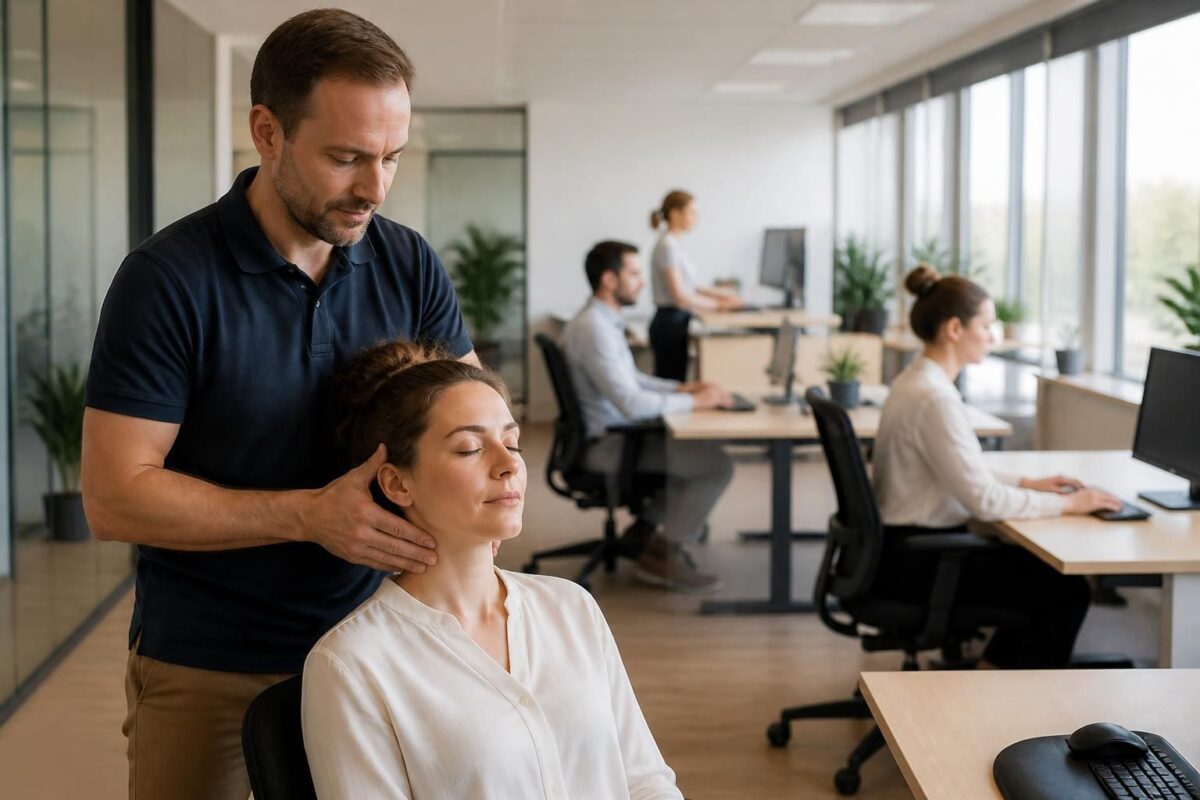
In short
| Losteopathy and the prevention of MSD (musculoskeletal disorders) constitute a Manual approach Aiming to maintain the mobility and reduce the aches At the level of the muscles, tendons and joints, often linked to repetitive work or poor posture. They make it possible to identify the causes (ergonomics, posture, stress) and to offer gentle techniques and practical advice to prevent recurrences and improve performance at work. To montreal, this service is particularly useful for professionals exposed to repetitive gestures or prolonged postures, promoting comfort and productivity without pain. |
The MSD group together pain and dysfunction affecting the muscles, tendons and joints, often linked to repetitive gestures, to a bad posture and professional stress. theosteopathy can play a key role in the prevention and managing these disorders by addressing the underlying causes rather than treating only the symptoms.
How does osteopathy act to prevent MSDs?
- Personalized evaluation postural imbalances and risk factors.
- Gentle techniques Aiming to restore mobility and release muscle tension.
- Ergonomic tips and lifestyle to limit aggravating factors and prevent recurrences.
To optimize prevention, it is recommended to combine appropriate physical activity, stress management and regular osteopathic consultations in order to maintain good mobility and functional stability on a daily basis.
This presentation shows how Osteopathy can prevent MSD. It describes the risk factors, preventive actions and the benefits of osteopathic follow-up in the professional and daily context.
What are musculoskeletal disorders?
The MSD affect muscles, tendons, joints and nerves. They often arise from repetitive efforts or from bad posture at work. Common manifestations include the Carpal tunnel syndrome, low back pain and tendonitis. They can decrease comfort and productivity on a daily basis.
To deepen, discover the resources dedicated to osteopathy and MSD prevention on recognized professional sites, such as The benefits of osteopathy for lower back pain and Osteopathy and post-injury recovery.
The role of losteopathy in prevention
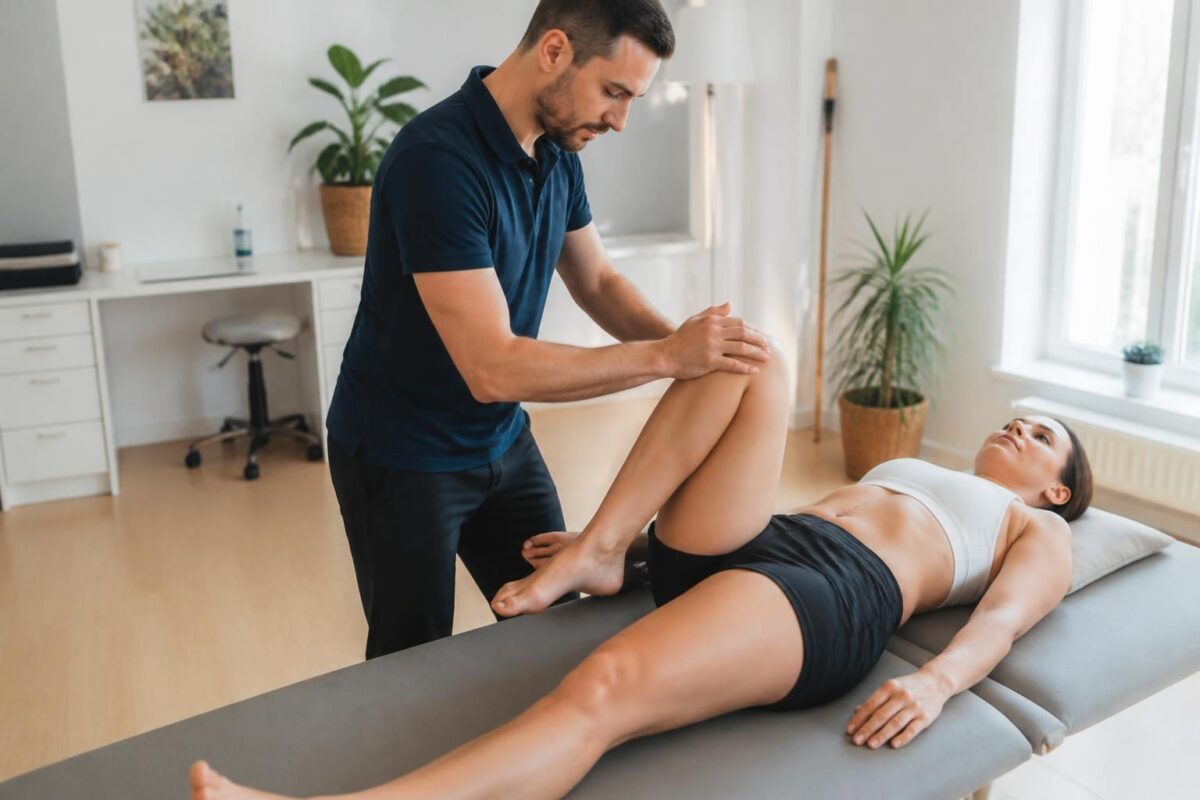
losteopathy Acts by gentle manual techniques that restore mobility and release muscle tension. It helps to identify the specific causes of MSDs and correct postural imbalances before the pain sets in.
In business, osteopathy can be integrated into prevention and well-being programs. It can be based on ergonomic evaluations, practical advice and appropriate preventive treatments.
Practical measures to prevent MSDs
Take regular breaks and vary the postures. Optimize your workstation (chair, screen, keyboard). Maintain appropriate and regular physical activity to strengthen muscles and flexibility. Manage stress and ensure quality sleep.
To complete your approach, consult relevant resources on osteopathy and MSD prevention, e.g. How osteopathy supports rehabilitation after a sprain and Osteopathy and osteoarthritis: regain functional mobility.
Institutional and technical resources can also guide prevention through ergonomics and good professional practices. For the general ergonomic context, you can explore dedicated and operational guides on neurovertebral decompression and associated osteopathic approaches.
Training and professional executive
Osteopaths rely on training recognized by organizations such as NUMSS, nao, National University of Medical Sciences and National Academy of osteopathy. This training covers anatomy, biomechanics and the manual approach.
Professionals can be affiliated with organizations such as ACMA, College of Canadian Osteopaths or College of Canadian Osteopaths.
Additional resources and useful links
To learn more, consult relevant resources on osteopathy and MSDs in areas supported by partner sites, including Osteopathy and post-operative rehabilitation and Osteopathy and osteoarthritis — regain functional mobility. Other useful resources can be viewed via Post-injury recovery.
For more general information on osteopathic approaches and mechanisms involved, you can also refer to specialized resources on Prevention of work-related MSDs.
- Preventive assessment of MSDs : Identifies postural risks and repetitive gestures.
- Biomechanical correction : Restores mobility and joint balance.
- Workplace ergonomics : Simple adjustments to prevent discomfort.
- Stretching routines : exercises to integrate on a daily basis.
- Exercise programs : Short and effective protocols.
- stress management : Reduce work-related muscle tension.
- Proactive follow-up : Regular visits to prevent recurrences.
- Prevention in business : Osteopathic sessions targeted at the workplace.

This article shows you how theosteopathy can play a key role in the Prevention of musculoskeletal disorders (TMS). You will understand what triggers MSDs, the mechanisms by which osteopathy helps to prevent them and how to put in place simple actions on a daily basis and in a professional environment to reduce risks.
Understanding musculoskeletal disorders and their connection to work
The MSD group together diseases of the muscles, tendons, joints, nerves and ligaments, often linked to repetitive gestures or bad posture at work. They can touch the wrist, shoulder, elbow, back, and manifest with pain, weakness or loss of mobility.
Causes and risk factors
The MSD generally result from repetitive movements, from a Unsuitable ergonomics, of a posture maintained over time and a lack of breaks. The stress And organizational constraints can also amplify symptoms. An osteopathic evaluation makes it possible to identify the mechanical loads and imbalances specific to each person.
Main TMS to monitor
Among the most frequent: Carpal tunnel syndrome with tingling and numbness, the tendinitis from the rotator cuff or to the epicondylar tendon, the back pain which radiates to the legs, and sometimes joint edema like theKnee hygroma.

How osteopathy improves the quality of life of active people
In short In short, theosteopathy is a global approach that Optimizes mobility and the function of the body of ACTIVE PEOPLE, for a better quality of life. It helps prevent injury and reduce Musculoskeletal pain While promoting the Sports recovery.…
Osteopathy and MSD prevention
Therapeutic approach and prevention
theosteopathy Uses gentle manual techniques to restore the mobility joints and reduce muscle tension. By treating the cause, it helps to Quickly relieve pain and to Prevent recurrences By correcting postural imbalances and improving blood circulation and muscle recovery.
Evaluation and personalized plan
A Individual assessment Identifies problematic professional gestures, repetitive postures and workstation constraints. The prevention plan can include exercises, ergonomic advice and a program of regular visits to monitor progress and adjust approaches.

Osteopathy and sports recovery: prepare the body for lasting performance
In short In short, Osteopathy and Sports recovery is one Global manual approach that sustainably prepares the body for the effort by restoring mobility and circulation After the effort. It is a discipline that acts on the sinews, the joints,…
Practical advice for daily prevention
Ergonomics and posture at the workstation
Set your chair, screen and keyboard to maintain a Neutral posture neck and back. Keep your shoulders relaxed, avoid prolonged repetitive gestures and plan Active breaks frequent to move and stretch the joints. Also adapt the equipment to limit rotational and twisting movements during common tasks.
Physical activity and stress management
Adopt a Regular physical activity Focused on muscle building, stretching and mobility. Integrate targeted exercises for risk areas and work on the breathing and stress management to limit muscle tension.
When to consult
Consult a osteopath When pain persists despite ergonomic adjustments or worsens. Early care can facilitate recovery and prevent progression to Chronic pain.
| Aspect | concise text |
|---|---|
| Objective | Reduce pain and limitations, restore mobility and prevent recurrences using techniques osteopathic targeted. |
| Role of osteopathy | Osteopathy identifies the causes and imbalances linked to repetitive gestures, posture and stress, then offers gentle and adapted interventions. |
| Approaches | gentle mobilizations, work of the fascias, postural advice and ergonomic recommendations. |
| Prevention in business | Ergonomic assessments, active breaks and prevention programs in the workplace. |
| Expected results | Less than pain, better circulation and recovery, productivity gains. |
| Support plan | Initial evaluation, personalized plan and actions to be carried out at home, adjustments according to the results. |
| Frequency and tracking | Frequency adapted to the risk: initial sessions then regular visits depending on the evolution. |
| Benefits | Approach non-surgical and non-drug, suitable for work and everyday life. |
| Limits and coordination | Coordination with the occupational physician and medical follow-up in case of acute symptoms; Does not replace an emergency consultation. |
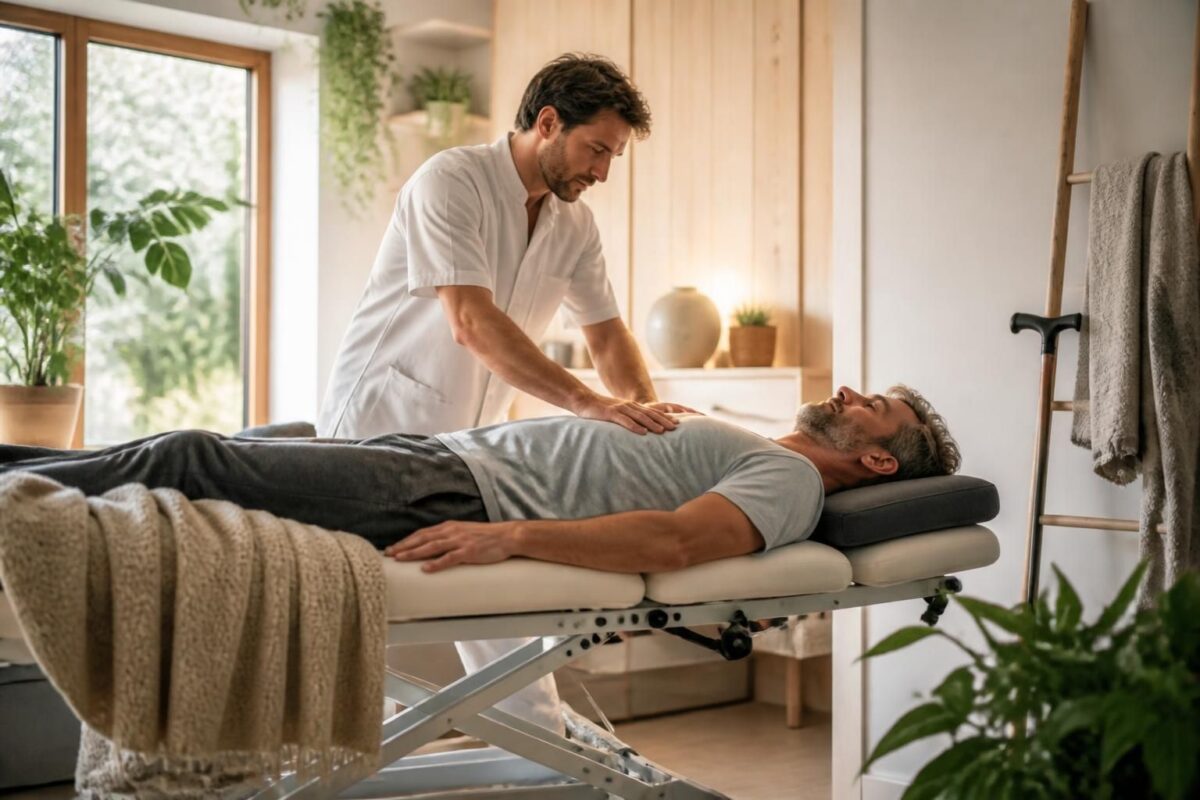
Why Osteopathy Is Essential For Recovery People
In short In short, Osteopathy in convalescence is an approach manual and holistic which helps to accelerate the recovery by restoring The balance, the mobility and a good circulation fabrics. it contributes to Reduce the pain, support the Back to…
Testimonials on osteopathy and the prevention of musculoskeletal disorders
“Since I’ve been stationed in front of the computer, my wrists and back reminded me of my repetitive gestures every day. After a series of sessionsosteopathy Focused on mobility and the release of tensions, I found better posture and my pain subsided. This approach also taught me simple gestures for prevention of MSD In the office, like micro-breaks and ergonomic adjustments. »
“As a technician, back pain and tendonitis sometimes prevented me from working without pain. The osteopathic procedure offered me quick relief and concrete advice for the prevention: adjustment of my position, daily exercises, and stress management. »
“My team noted a decrease in complaints related to MSD After the adoption of a program combining osteopathy and ergonomic advice. Professional gestures became more fluid and productivity followed. »
“In amateur sports, I was afraid of the tendonitis that interrupted my training. thanks to theosteopathy And to prevention advice, my tensions relax and I can train regularly without pain. »
“My employer encouraged me to take advantage of the sessions ofosteopathy In an approach of prevention of MSD. Result: early detected tensions and ergonomic adjustments that have changed the way I work on a daily basis. »
“I highly recommend theosteopathy For it to become a priority of prevention musculoskeletal disorders. Regular monitoring helps me maintain my mobility, prevent pain and preserve my quality of life at work. »

Osteopathic manipulations to strengthen post-traumatic muscles
In short In short, Osteopathic manipulations for Strengthen post-traumatic muscles constitute a gentle manual approach aimed at restoring the mobility, reduce the pain and facilitate the Functional rehabilitation After a injury. What is Is it? A series of precise gestures…
Osteopathy and prevention of musculoskeletal disorders: course and convictions
In the field of manual rehabilitation and physical well-being,osteopathy occupies a central place to prevent and treat musculoskeletal disorders (TMS). These affections affecting the muscles, tendons, joints and nerves, often result from repeated gestures, inadequate postures or psychosocial factors. A preventive approach, combining personalized evaluation and targeted interventions, can significantly reduce the incidence and chronicity of pain, while improving quality of life and performance at work.
This course is distinguished by a multidisciplinary expertise that makes the link between theosteopathy, naturopathy and manual medicine. In practice, this translates into careful listening to body patterns and daily solicitations, then into strategies adapted to each individual. The main objective is to prevent the lasting installation of pain and to promote optimal mobility, a key factor in an active and productive life.
As a leader in the field, this professional acts as a pioneer in health care innovation and holds leadership positions in organizations dedicated to the continuous improvement of practices. This involvement is reflected in the implementation of integrated programs that combine clinical approach, patient education and interdisciplinary collaboration. The desired result is clear: offer care tried, effective and personalized, accessible to all individuals exposed to occupational or domestic risks of TMS.
At the heart of its approach, the integration of advanced technologies is seen as a lever of precision and efficiency. tools such as vertebral decompression, targeted stimulation solutions and treatment protocols by laser or by shock waves Allows you to quickly improve mobility, reduce tensions and accelerate recovery. This combination of manual know-how and technological tools is anchored in a philosophy based on evidence: each therapeutic gesture is justified by a rigorous evaluation and adjusted to the patient’s life context.
prevention of MSD This is articulated around several preventive and sustainable axes: ergonomic analysis of the workstation, programs of postural exercises and reinforcement, adapted lifestyle and stress management. In practice, this translates into concrete action plans that aim to correct habits, establish active breaks and strengthen muscle and joint resilience. The objective is to limit triggering factors and optimize functional capacities on a daily basis, to prevent relapses and aggravations.
Ultimately, the approach combines clinical sensibility, scientific rigor and innovative tools to build strong prevention of musculoskeletal disorders. The expected results include lasting pain reduction, improved posture and better overall performance, while preserving autonomy and well-being. For those looking for complete, effective and prevention-oriented care, this representational approach offers a concrete way to more resilient and sustainable health.
This article presents how Osteopathy can play a key role in the Prevention of musculoskeletal disorders (MSD) and how simple and appropriate measures in business and on a daily basis reduce risk and pain.

Osteopathy and prevention of work-related musculoskeletal disorders
In short theosteopathy is one Manual approach that restores body balance and prevents MSD related to work. Its advantages: reduction of tension, improvement of mobility and prevention of chronic pain. She is preventive and healing, suitable for office and trades…
Conceptual framework and prevention objectives
The MSD include conditions affecting the muscles, tendons, nerves and joints, often linked to repetitive gestures or bad posture at work. The objective of the osteopathic intervention is to Restore mobility, of Reduce tension and ofAnticipate chronicity by treating the causes and not only the symptoms, which helps preserve well-being and performance at work.

The benefits of osteopathy to treat muscle imbalances
In short theosteopathy is a manual approach to restore themuscle harmony and postural considering the body as a whole. Its main benefits include the reduction of aches and tensions, the improvement of the mobility and from the posture, and prevention…
Role of osteopathy in prevention
Thanks to soft and adapted manual techniques, theosteopath Can identify and correct imbalances that fuel pain, improve joint mobility and optimize Muscle circulation. This approach promotes a rapid reduction in pain and, above all, the Prevention of recurrences by treating postural and functional origins.
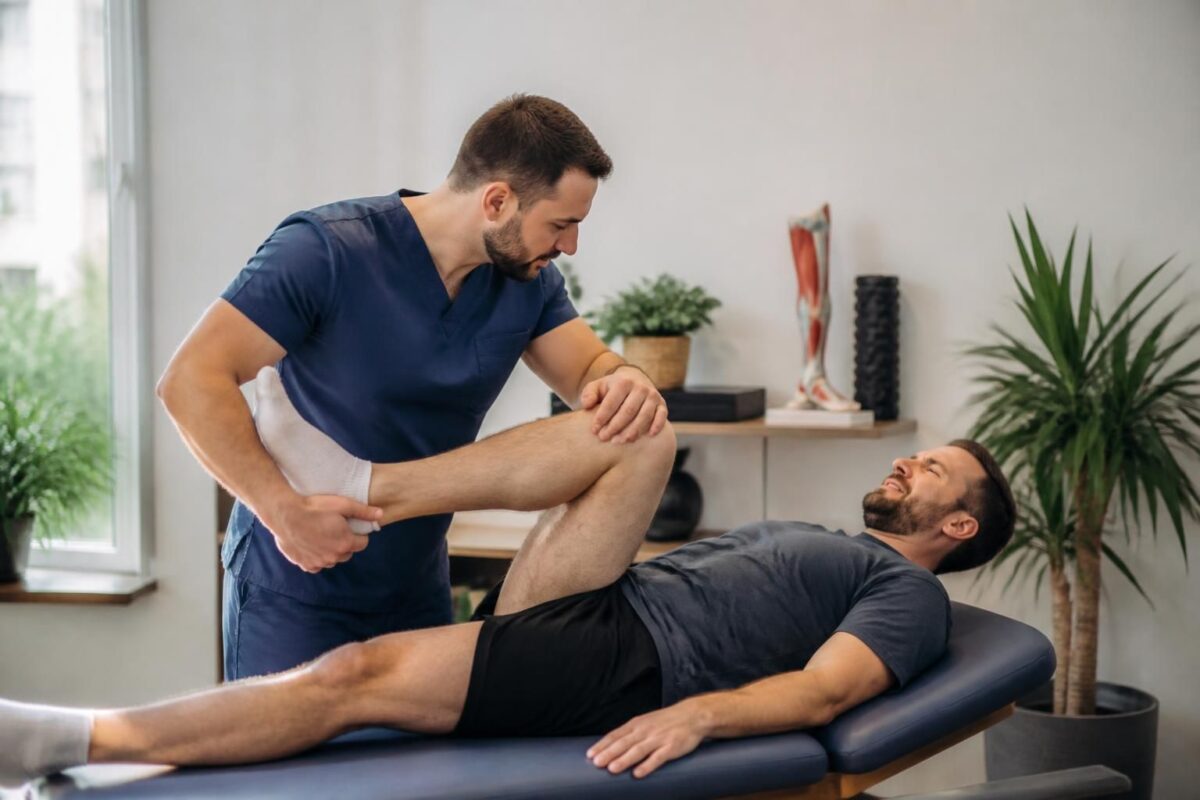
Osteopathy and chronic leg pain: regaining an optimal quality of life
In short In short, Osteopathy is one Global manual approach aimed at reducing Chronic leg pain and improve the quality of life. What is it? Non-drug therapy using the hands to identify restrictions and treat lesional chains. How does it…
Practical strategies to prevent MSDs
Around professional tasks, it is essential to adopt correct gestures and integrate active breaks. Osteopathy can offer relaxation and reinforcement exercises, advice from posture and recommendations on theergonomy from the workstation. Preventive planning, adapted to each person, maximizes efficiency and promotes better recovery.
How osteopathy supports recovery after complex surgery
In short In short, Post-operative osteopathy is an approach fresh which supports the recovery After a Complex surgery. It helps to reduce the pain and the fatigue, improves the mobility and accelerates the healing thanks to a better vascularization and…
Prevention in the workplace and on a daily basis
In the workplace, the implementation of ergonomic assessments and a prevention program makes it possible to limit risks and improve the Employee well-being. To deepen the benefits of osteopathy in prevention, consult resources such as
This dedicated reference.
The relationship between physical activity And TMS is another key axis: a suitable practice can strengthen muscle chains and prevent pain, as demonstrated by specialized analyses in this domain.
To understand how osteopathy can reduce pain related to a bad posture and support the Post-traumatic rehabilitation, refer to resources such as this content and this one.
For a strategic and global perspective, you can consult analyzes like Osteopathy and MSD prevention and To maintain good posture, which underline the importance of the preventive approach.
For enterprise applications, resources like Osteopathy in business and Chronic leg pain illustrate how to prevent pain before it sets in.
To deepen the technical aspects and associated evidence, see also this article and This additional content.

Dr Sylvain Desforges, B.Sc., D.O., N.D., osteopath, is the founding president of TAGMED and of the ACMA association. He dedicates his practice to chronic spinal pain, low back pain and symptoms compatible with sciatica, particularly when pain radiates toward the buttock, leg, calf, foot or toes.
Through SOS Sciatique, he publishes educational content on sciatica symptoms, possible causes such as disc herniation, disc narrowing, foraminal stenosis or irritation of a lumbar nerve root, as well as non-surgical approaches that may be considered according to the evaluation. At Clinique TAGMED, care may include, depending on the case, motorized neurovertebral decompression, specific osteopathic care or precision percussion.
For an evaluation related to sciatica treatment in Montreal / Mount Royal or sciatica treatment in Terrebonne, please consult the services available at Clinique TAGMED.
Medical disclaimer
The information published on SOS Sciatique is provided for educational purposes only and does not replace a consultation, diagnosis, opinion or treatment provided by a physician or another authorized healthcare professional. The author of this article is neither a medical doctor nor a specialist in a medical specialty recognized by the Collège des médecins du Québec. The osteopathic, manual medicine or functional support approaches described on this site do not constitute medical acts and are not intended to replace medical follow-up.
Consult a physician or emergency service in cases of loss of bladder or bowel control, anesthesia in the saddle area, significant or progressive weakness in the leg or foot, fever, recent trauma, severe pain or rapid worsening of symptoms. For more details, please read our Legal Notice.