

Osteopathy and prevention of musculoskeletal disorders
27/06/2026
Osteopathic approaches to optimize physical abilities
27/06/2026
In short
| In short, theosteopathy is one Non-pharmacological manual approach who seeks to restore mobility and tissue balance to Reduce the pain and improve the function. Its advantages include a pain reduction, a Drug addiction reduced and a Improving mobility, all without surgery or systemic drugs. This approach is personalized, non-invasive and can be integrated into conventional medicine. How does it work? After a Overall assessment, the practitioner applies Gentle techniques adapted to the patient and proposes a treatment plan over several sessions, coordinated with the attending physician. In Montreal, this service is particularly useful for Musculoskeletal pain and like alternative or complement drug treatments. |
Here’s why theosteopathy can represent a Effective alternative to pharmaceuticals in the management of musculoskeletal pain. By favoring a Global approach, it acts on the causes rather than on the symptoms, with a flap non-invasive and better tolerance for many patients.
- It aims at the pain reduction and theImproving mobility by targeted manual techniques.
- It can allow Reduce or avoid painkillers and the anti-inflammatory and their side effects.
- It is based on a Personalized approach and an collaboration with health professionals to ensure safety and efficiency.
- It promotes theautonomy of the patient and the maintenance of daily and sporting activities.
This article, written by a health professional, explains why Osteopathy can be an effective alternative to pharmaceuticals For musculoskeletal pain. It presents available evidence, mechanisms of action, patient benefits and limitations. It also highlights how osteopathy can be part of a coordinated care approach that respects patient safety.
theosteopathy Proposes a non-pharmacological approach that aims to restore mobility, reduce tension and restore body balance. This approach can decrease pain and improve function, while limiting repeated exposure to drugs that have side effects. It is distinguished by its overall patient perspective, not by targeting a single symptom.
Recent clinical evidence
Recent clinical trials show measurable beneficial effects on pain and function. For example, a study published in 2024 compared osteopathic treatment to a control group and observed an average pain reduction of about 40% In patients treated, with a significant improvement in mobility. These results remain variable depending on the pathologies and protocols used, but they support the idea that osteopathy can contribute to the management of musculoskeletal pain without systematically using drugs.
Evaluation criteria include validated pain scales and functional tests. Some research follows patients over extended periods to assess the sustainability of benefits. To deepen these points, you can consult additional resources on Why osteopathy is a natural alternative to drug treatments and on Osteopathy improves musculoskeletal health.
Advantages and mechanisms
Osteopathy acts on the structures and functions related to soft tissue, fascia and musculoskeletal coordination. This approach can lead to pain reduction and better mobility after several sessions. By limiting pain and improving function, it can reduce the use of certain drugs, in the context of an accurate diagnosis and appropriate medical supervision..
Online resources describe how osteopathy can help maintain mobility after surgery, without prescribing heavy or invasive exercises. For more information, see How Osteopathy Helps Enhance Mobility After Surgery.
Additional information evokes the benefits of osteopathy for musculoskeletal health, particularly in lower back and cervical pain. You can consult How Osteopathy Improves Musculoskeletal Health.
Advantages over medications
Osteopathy offers an alternative that can reduce addiction to analgesic and anti-inflammatory drugs when the diagnosis is made accurately and the treatment is appropriate. This approach promotes progressive function improvement and promotes general well-being, without exposing the patient to the risk of systematic adverse effects..
For situations of physical stress and associated nervous tension, some resources describe how osteopathy can help release tension and promote better stress response, useful dynamics in overall care. To see Osteopathy and stress – how to release physical tension.
In cases where the drugs remain necessary, osteopathy can be considered as a support to optimize the effectiveness of the treatments and limit the doses or the duration of prescription, under medical supervision. For a general perspective, refer to resources dedicated to integrating manual and pharmacological approaches into clinical practice.
Integration and security
Osteopathy is better part of a multidisciplinary approach. It requires clear diagnosis and coordination with traditional medicine. This collaboration ensures consistent and secure care, adapted to the particularities of each patient.
Discussions and online resources underline the importance of medical follow-up and informed choice of treatment options, in order to preserve patient safety. For specific contexts, see Resources related to pain and musculoskeletal health published by specialized associations and clinics.
Practical vision for patients
If you are considering osteopathy as an alternative or supplement to a drug treatment, choose a qualified practitioner and discuss with your attending physician beforehand. The goal is personalized, safe and effective care, adapted to your symptoms and your medical history. To learn more about the available resources, see the pages associated with osteopathy and the management of musculoskeletal pain.
To better understand the framework and potential benefits, see the following resources: How Osteopathy Helps Enhance Mobility After Surgery, Osteopathy and stress – Relieve physical tension, and Why osteopathy is a natural alternative to drug treatments.
Conclusion and framework for action
Osteopathy is a promising option for those looking to reduce their use of drugs without reducing the quality of care. Its effectiveness depends on precise diagnosis, therapeutic relationship and integration with other care. An osteopathic consultation can be part of a pain prevention and sustainable management approach, while remaining under medical supervision when necessary. For more information, explore the resources mentioned above and discuss with your doctor what approach is best for you.
For additional perspectives, see in particular public resources on The benefits of osteopathy for amateur athletes and How Osteopathy Improves Musculoskeletal Health.
Medical Disclaimer: The information and advice provided on this site does not replace the health professional’s diagnosis or treatment. Please note that Dr. Sylvain Desforges osteopath is neither a doctor of medicine nor a doctor, and is not a specialist in a medical specialty as defined by the Collège des Médecins du Québec. Manual medicine, functional medicine and sports medicine as described on this site exclude any medical treatment or diagnosis made by a doctor or specialist doctor. Always consult your doctor for any medical questions. For more details, please read our full legal notice.
- Global approach : Treat the underlying causes rather than the only symptom, which can reduce drug dependence.
- Non-invasive and safe : gentle techniques limiting risks and adverse effects.
- Drug risk reduction : Fewer side effects and interactions.
- Functional improvement : Mobility and amplitude found, facilitating daily activities.
- complementarity : integrates with conventional treatments and physical activity to optimize results.
- Personalization : Patient-friendly plan to maximize efficacy and compliance.
- Progressive clinical evidence : Studies have beneficial effects on musculoskeletal pain.
- Prevention and education : Postural advice and lifestyle to prevent recurrences without medication.

This article presents why osteopathy can be a credible and effective alternative to drugs for musculoskeletal pain and certain functional disorders. By favoring a non-pharmacological, personalized and prevention-centric approach, osteopathy can help reduce the use of drug treatments while improving mobility, function and quality of life. It is a question of exposing the possible mechanisms, the results observed in practice and the conditions for integrating this approach in safety into the care pathway.
1. A non-pharmacological and personalized approach
A solution adapted to the patient’s profile
The value of osteopathy lies in its character individualized and overall. Rather than acting on an isolated symptom, the intervention aims to restore the mobility of tissues, fascias and joints, while considering the influence of lifestyle and stress. This customization can lead to a gradual reduction in pain and a reduction in the use of drug substances necessary to manage the symptom.
Potential reduction in drug use
By favoring gentle techniques and functional approaches, osteopathy can help limit the use of analgesics and anti-inflammatory drugs in the long term. This approach can reduce the risk of adverse effects associated with certain drugs and support more sustainable pain management. However, it does not replace medical care when necessary.

How osteopathy improves the quality of life of active people
In short In short, theosteopathy is a global approach that Optimizes mobility and the function of the body of ACTIVE PEOPLE, for a better quality of life. It helps prevent injury and reduce Musculoskeletal pain While promoting the Sports recovery.…
2. Fields of application and clinical outcomes
Lumbar and cervical pain
Pain of musculoskeletal origin, particularly lumbar and cervical, are the areas where osteopathy shows notable results in practice. patients describe a Functional improvement and an pain reduction After several sessions, which can result in a decrease in the need for analgesic or anti-inflammatory drugs.
Other indications and potential benefits
Beyond the spinal pain, certain conditions related to the mobility and functioning of the tissues can also benefit from osteopathic interventions. Although the results vary between individuals, the objective remains to promote natural recovery and to support conventional treatments where relevant, in order to limit interruptions related to medication.

Osteopathy and sports recovery: prepare the body for lasting performance
In short In short, Osteopathy and Sports recovery is one Global manual approach that sustainably prepares the body for the effort by restoring mobility and circulation After the effort. It is a discipline that acts on the sinews, the joints,…
3. Mechanisms and security
How Osteopathy Can Support Drug Reduction
Through gentle manipulations, myofascial techniques and functional adjustments, osteopathy aims to restore mobility and reduce the stresses that feed the pain. This approach can decrease the intensity of the symptoms and optimize the natural healing mechanisms, which may decrease their dependence on medications in some patients.
Safety, precautions and limits
Security is a priority. Osteopathy is generally well tolerated when performed by a qualified practitioner and as part of a clear diagnosis. However, it is not suitable for all situations and must be integrated into overall care supervised by a health professional. In acute or complex cases, medical advice remains essential.
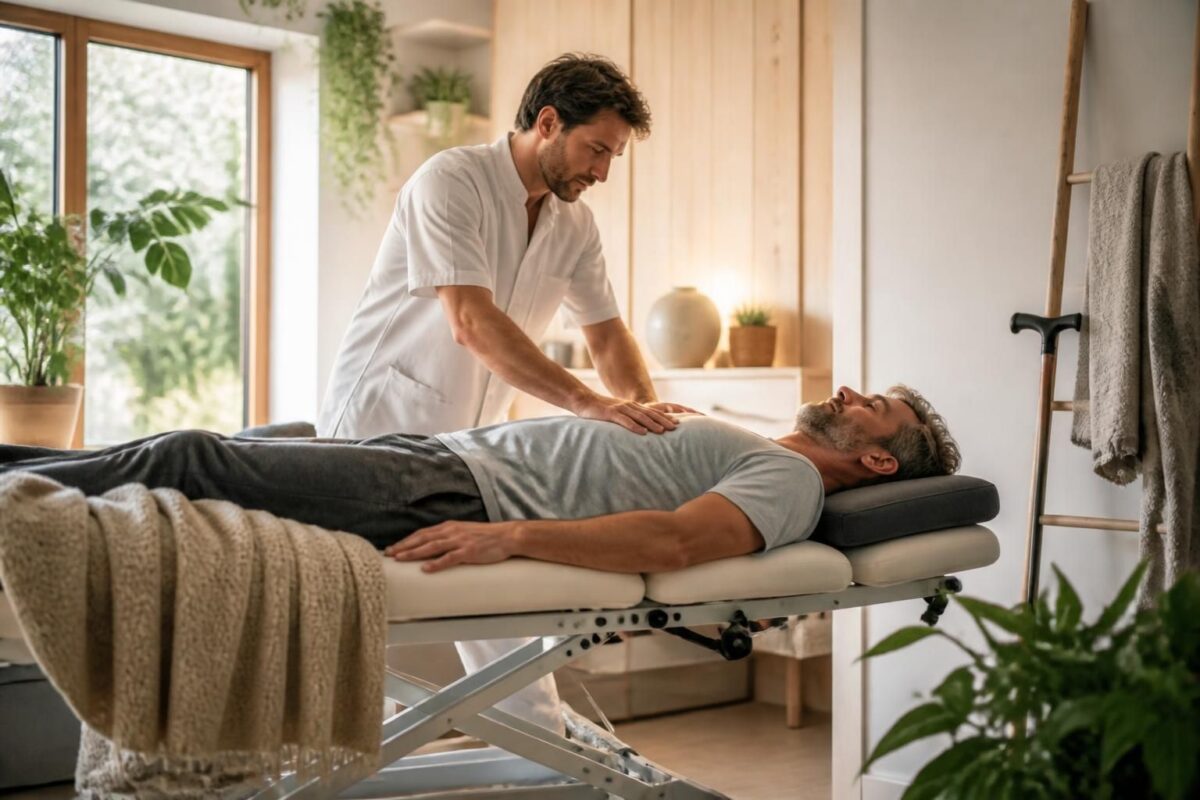
Why Osteopathy Is Essential For Recovery People
In short In short, Osteopathy in convalescence is an approach manual and holistic which helps to accelerate the recovery by restoring The balance, the mobility and a good circulation fabrics. it contributes to Reduce the pain, support the Back to…
4. Integration in the care pathway and good practices
When to ask the osteopath
In addition to the prescribed treatments, the osteopath can intervene to optimize the function, reduce pain and help limit the use of drugs when appropriate. It is recommended to discuss with your attending physician to coordinate the care and set realistic goals.
Collaboration and treatment plan
Success depends on a collaboration between the patient, the osteopath and the medical team. A clear plan, based on regular evaluations and progression criteria, allows to follow the progress of pain and mobility while adjusting the pharmacological treatments if necessary. To maximize profits, combining adapted physical activity and lifestyle is essential.
| Axis | concise statement |
|---|---|
| Mechanism of action | theosteopathy Acts through gentle manipulations that improve tissue mobility and nerve function, contributing to a pain reduction Without systematic recourse to pharmaceuticals. |
| Pain and mobility | Improves intensity and mobility, reducing the pain, especially for low back pain and neck pain. |
| Safety and side effects | overall low risk with side effects minors, generally less serious than pharmacological treatments. |
| Dependence | No dependence physical or psychological as with some analgesics. |
| Cost and accessibility | Cost and partial support according to theinsurance; Practice in office without prescriptions. |
| duration of profits | Variable benefits that may require several sessions for lasting improvement. |
| Adaptability by pathology | suitable for pain musculoskeletal and certain functional disorders, with an approach personalized. |
| Care course | complementary to medical treatments, with a coordination with the attending physician for safety and effectiveness. |
| Quality of life and autonomy | Improves the quality of life and theautonomy via better posture and rediscovered mobility. |

Osteopathic manipulations to strengthen post-traumatic muscles
In short In short, Osteopathic manipulations for Strengthen post-traumatic muscles constitute a gentle manual approach aimed at restoring the mobility, reduce the pain and facilitate the Functional rehabilitation After a injury. What is Is it? A series of precise gestures…
Why osteopathy can be an effective alternative to drugs
Marie, 42, chronic low back pain: “After years of taking pharmaceuticals To relieve my pain, osteopathy brought me a reduction of the pain and a better mobility without the adverse effects of pharmacological treatments. »
Jean, 58 years old, migraines: “Since I consulted, I have seen a drop in the frequency and theintensity crises, with less recourse to pharmaceuticals And without the usual side effects. »
Sophie, 34, pregnancy: “During my pregnancy, osteopathy allowed me to reduce pain without depending on pharmaceuticals, and I appreciated the character secured and personalized care. »
Marc, 65, cervical: “Regular sessions have improved my mobility and avoided an escalation of pharmaceuticals against the pain. It’s an approach overall which acts on body and mind. »
Claire, 50, musculoskeletal pain and sleep: “My sleep improved after the sessions and I saw less dependence on painkillers. theosteopathy gave me a alternative effective and sustainable. »
Dr Sylvain Desforges is recognized in the fields of osteopathy, naturopathy and manual medicine. As founding president of TagMed and the ACMA association, he devoted himself to developing an approach focused on innovation in health and on a better quality of life for his patients. His work is based on a simple but powerful conviction: when the pain is part of a functional whole, non-pharmacological management can reduce, or even replace, certain drug addictions while improving autonomy and well-being durably.
theosteopathy Acts on the structure and function interaction of the body. By favoring a global approach, it aims to restore the mobility of tissues, fascias and joints, in order to reduce tensions, improve circulation and free the mechanisms of self-healing. Thanks to specific manual techniques, it can contribute to reducing pain without systematically using analgesics, anti-inflammatory or opioids, and without exposing the patient to systemic side effects. This perspective particularly attracts people with Chronic pain, where drug treatments may become unsatisfactory or involve long-term risks.
For Dr Desforges, the goal is to offer a Safe and effective alternative which fits perfectly into a multidisciplinary care strategy. Osteopathy does not only seek to “adapt” pain, but to treat the underlying functional causes: postural imbalances, muscle tension, joint discomfort or visceral dysfunctions. This approach can, in many cases, lead to a gradual reduction in medications and a better ability of the patient to manage his daily life, his physical activity and his sleep.
The results observed in practice and part of the research support this non-pharmacological approach, especially for pain lumbar and cervical. Patients treated with osteopathic techniques often show a decrease in painful intensity and improved mobility, with gains in endurance and functionality. However, Dr. Desforges emphasizes the importance of a realistic framework: the benefits vary according to the individuals and the pathologies, and osteopathy is ideally part of individualized therapeutic planning rather than as a universal solution.
In addition to manual handling, the integration of advanced technologies—such as decompression, modalities laser and shockwave therapies—reinforces treatment efficacy and offers additional options to reduce drug intake. This combination aims to optimize recovery, promote healthier lifestyles and support patients in their rehabilitation and return to activity.
For patients, the approach proposed by Dr Desforges favors transparent communication, precise diagnosis and close collaboration with health professionals. The objective is to offer a credible and personalized alternative, which respects everyone’s needs, preferences and rhythm, while ensuring optimal security and measurable progress towards a better quality of life, without unnecessary drug addiction.
This analysis demonstrates why theosteopathy Maybe a Effective alternative to pharmaceuticals For some musculoskeletal pain, with evidence that builds up and a patient-centric approach. It details the test results, application areas and current limits, highlighting the importance of accurate diagnosis and coordination with medical treatments.

Osteopathy and prevention of work-related musculoskeletal disorders
In short theosteopathy is one Manual approach that restores body balance and prevents MSD related to work. Its advantages: reduction of tension, improvement of mobility and prevention of chronic pain. She is preventive and healing, suitable for office and trades…
Summary of evidence and practical implications
The clinical studies recent indicate a partial beneficial effect of osteopathic treatments on pain of musculoskeletal origin, in particular low back pain and neck pain. For example, some research reports an average pain reduction around 40% in treated patients, associated with a significant improvement in mobility. These results are observed when measuring pain intensity with standardized scales and the range of motion is evaluated by mechanical tests. They also highlight effects on functionality and quality of life on medium and long-term follow-ups.
However, these results do not constitute a panacea and their interpretation requires caution. Methods and protocols vary from one study to another, and some results remain moderate or limited to certain patient profiles. This reinforces the idea that osteopathy can play a significant role in a multimodal strategy, but not as a single substitute. For further scientific discussions and evaluations, see the specialized resources listed below.
These observations feed a practical framework where osteopathy is integrated as a complement to conventional treatments, with particular attention paid to diagnosis, safety and coordination with health professionals. To explore the scientific nuances and current debates, you can consult the sources dedicated to this subject.

The benefits of osteopathy to treat muscle imbalances
In short theosteopathy is a manual approach to restore themuscle harmony and postural considering the body as a whole. Its main benefits include the reduction of aches and tensions, the improvement of the mobility and from the posture, and prevention…
Limits and scientific context
The validity of the results is influenced by the diversity of osteopathic approaches and by the variability of patient inclusion criteria, which complicates the generalization of the conclusions. Some meta-analyses point out that the observed benefits can be equivalent to the placebo effect for certain pathologies, which encourages a measured interpretation and the continuation of methodologically rigorous studies. Skepticism persists on certain theoretical foundations and on the mechanisms proposed by osteopathy, in particular the notions of somatic dysfunction and certain specific manipulations. Nevertheless, the patient-centred approach and non-invasiveness remain strong arguments in favor of thoughtful and supervised use in the context of global care.
However, supporters of osteopathy highlight complementarity with traditional medicine and the importance of a safe and personalized practice. The debate between evidence and clinical practice continues to evolve, supported by the need for standardized protocols and more robust research to clarify indications and mechanisms of action.
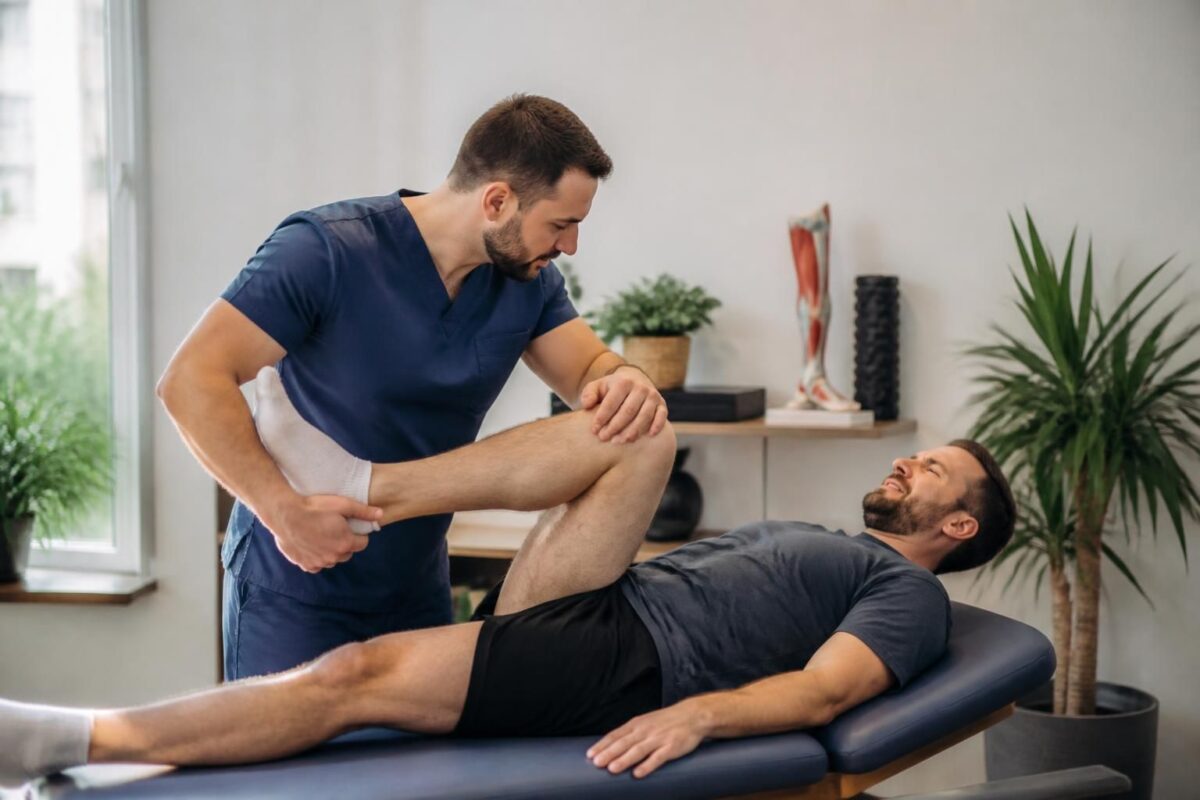
Osteopathy and chronic leg pain: regaining an optimal quality of life
In short In short, Osteopathy is one Global manual approach aimed at reducing Chronic leg pain and improve the quality of life. What is it? Non-drug therapy using the hands to identify restrictions and treat lesional chains. How does it…
Areas of application and potential benefits
The areas where osteopathy shows potential benefits are varied. Lower back pain is the most sought after field, with clinical feedback on improved mobility and pain reduction after several sessions. Chronic migraines and headaches also benefit from work exploring the decrease in seizure frequency and intensity through a gentle manual approach to tissues and related structures. In children, emerging tracks examine possible effects on some functional dysfunctions from a holistic perspective, although the results are still preliminary and require additional confirmations. In any case, osteopathy is best considered as a component of multidisciplinary and personalized care.
These areas testify to the ability of osteopathy to be part of a discipline complementary and flexible, able to be adapted to various situations while remaining non-invasive and patient-centric. The importance of a precise diagnosis and continuous dialogue with the medical teams is essential to ensure safety and therapeutic relevance.
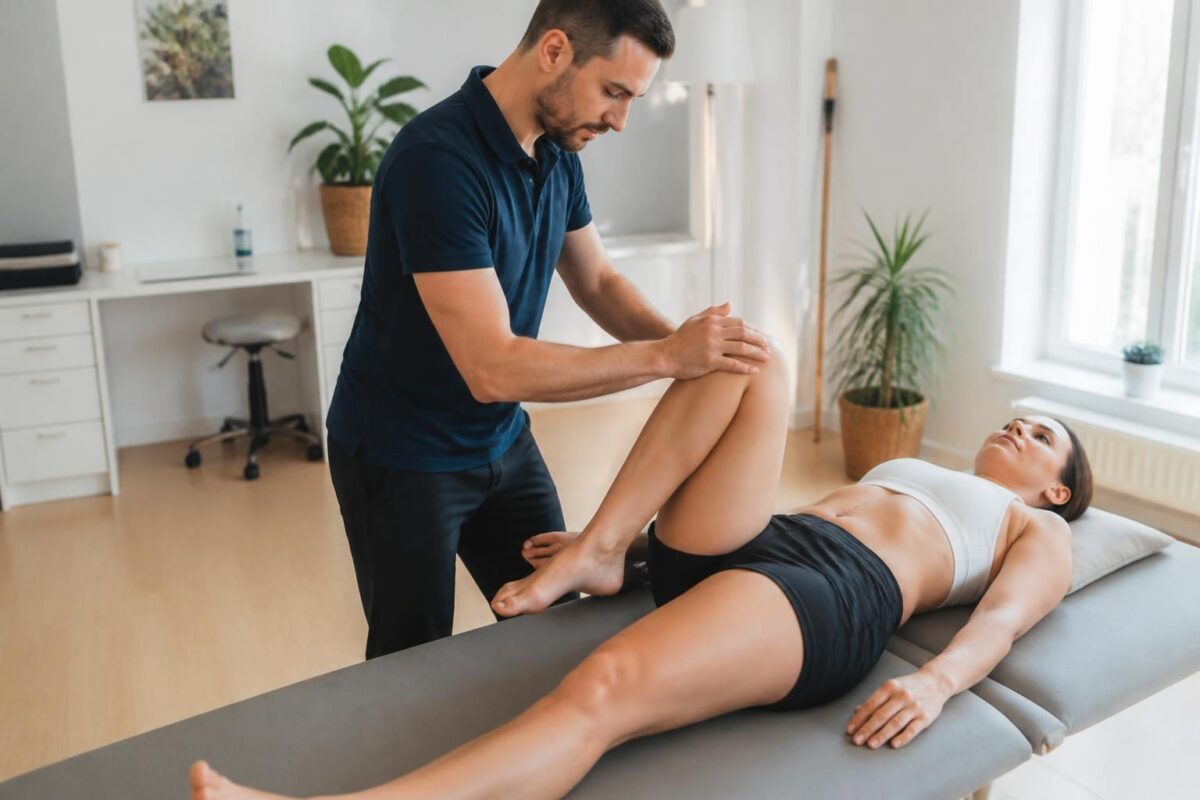
How osteopathy supports recovery after complex surgery
In short In short, Post-operative osteopathy is an approach fresh which supports the recovery After a Complex surgery. It helps to reduce the pain and the fatigue, improves the mobility and accelerates the healing thanks to a better vascularization and…
Integration into a drug-free treatment
To optimize the results and limit the use of pharmaceuticals, osteopathy must be integrated into a global approach to the patient, combining medical evaluation, lifestyle advice and appropriate physical activity. Osteopathic practices advocate non-invasive interventions and focus on improving mobility and general well-being, which can help reduce the consumption of pharmacologic treatments when appropriate and supervised by a doctor. However, in cases of acute pain, red flags or serious pathologies, conventional medical care remains essential.
Drug-free management is based on a relationship of trust between the patient and the practitioner, on regular follow-up and on coordination with the specialists in order to adjust the interventions according to progress and needs. For those who wish to deepen the mechanisms and results, useful resources address the benefits, limits and prospects of osteopathy as an alternative or complement to traditional medicine.
Resources and additional readings
To deepen, consult these resources that analyze the efficacy, limitations and areas of application of osteopathy as an option or complement to drug treatments:
Why is osteopathy an option for those who prefer to avoid medication,
Why osteopathy is an effective alternative to drugs,
Osteopathy: alternative or complement to classical medicine,
The advantages of osteopathy for top athletes,
Is osteopathy really effective? What the studies say,
Osteopathy and lower back pain: non-invasive care,
Osteopathy and overall well-being: a personalized approach,
How osteopathy acts on musculoskeletal imbalances,
Osteopathy and muscle tension linked to repetitive activities,
Osteopathy and scientific evidence.

Dr Sylvain Desforges, B.Sc., D.O., N.D., osteopath, is the founding president of TAGMED and of the ACMA association. He dedicates his practice to chronic spinal pain, low back pain and symptoms compatible with sciatica, particularly when pain radiates toward the buttock, leg, calf, foot or toes.
Through SOS Sciatique, he publishes educational content on sciatica symptoms, possible causes such as disc herniation, disc narrowing, foraminal stenosis or irritation of a lumbar nerve root, as well as non-surgical approaches that may be considered according to the evaluation. At Clinique TAGMED, care may include, depending on the case, motorized neurovertebral decompression, specific osteopathic care or precision percussion.
For an evaluation related to sciatica treatment in Montreal / Mount Royal or sciatica treatment in Terrebonne, please consult the services available at Clinique TAGMED.
Medical disclaimer
The information published on SOS Sciatique is provided for educational purposes only and does not replace a consultation, diagnosis, opinion or treatment provided by a physician or another authorized healthcare professional. The author of this article is neither a medical doctor nor a specialist in a medical specialty recognized by the Collège des médecins du Québec. The osteopathic, manual medicine or functional support approaches described on this site do not constitute medical acts and are not intended to replace medical follow-up.
Consult a physician or emergency service in cases of loss of bladder or bowel control, anesthesia in the saddle area, significant or progressive weakness in the leg or foot, fever, recent trauma, severe pain or rapid worsening of symptoms. For more details, please read our Legal Notice.