Osteopathic manipulations to treat pain in the lower limbs
27/06/2026
Osteopathy and trapezoid pain: a natural solution
27/06/2026
In short
| In short, theosteopathy is an approach holistic which supports the Postoperative rehabilitation By acting on the body as a whole: reduction of the pain, improvement of the mobility, stimulation of the circulation and from the healing, and support of the convalescence through better coordination with health professionals. available to Montreal, this treatment promotes faster recovery and a return to daily activities. |
Osteopathy is an approach essential complementary for the Postoperative rehabilitation. By treating the body as a whole, it contributes to Reduce the pain, to release tension and to Restore joint mobility. it stimulates the Blood and lymphatic circulation and promotes a Optimized healing as well as faster recovery. Thanks to a gentle and adapted approach, it helps to Rebalance the body, to secure rehabilitation exercises and improve overall well-being. Integrated into the care plan, it can support a more fluid and sustainable resumption of activities.
The use ofosteopathy After surgery is part of a process overall and secure. This approach aims to accelerate recovery, limit pain and preserve the mobility of structures requested by the operation. It is exercised in coordination with the medical team and without replacing the treatments prescribed by the surgeon or rehabilitation professionals.
A global and safe approach
theosteopathy is one manual medicine who considers the body as a unit. the techniques used target the soft tissues, the sinews, the joints and the bone To restore the mobility, soothe pain and promote better circulation blood and lymphatic. The objective is to support the body’s natural ability to heal while respecting the medical instructions and the limits associated with each surgery.

How osteopathy improves the quality of life of active people
In short In short, theosteopathy is a global approach that Optimizes mobility and the function of the body of ACTIVE PEOPLE, for a better quality of life. It helps prevent injury and reduce Musculoskeletal pain While promoting the Sports recovery.…
How Osteopathy Supports Recovery
During convalescence, osteopathic work aims to Reduce pain associated with the intervention and immobilization, Optimize healing by a better vascularization of the tissues, Restore mobility areas requested and to maintain a Balanced organic functioning who supports recovery. The process also contributes to reducing stress and improving overall patient well-being.
Phases of osteopathic follow-up
Initial assessment: The osteopath identifies the pain mechanisms and limitations related to the procedure, collecting medical and operative history.
Osteopathic treatment: The appropriate techniques aim to improve mobility and relax tensions, while giving general advice on recovery. In some cases, osteopathy can be supplemented by functional advice, but without prescribing unsuitable exercises for a pathology such as neurovertebral decompression or stenosis.
Follow-up and rehabilitation: The following sessions follow progress, and the osteopath adjusts the approach in collaboration with other health professionals to optimize the rehabilitation course.
When to call an osteopath after an operation
It is advisable to be accompanied by an osteopath as soon as possible after surgery, in particular in cases of orthopedic surgery, abdominal, thoracic or vascular interventions. However, each case is unique. It is advisable to respect the recommendations of the surgeon and to obtain his agreement before starting an osteopathic procedure. For situations involving decompressions or disc pathologies, the approach will be adapted and will not offer inappropriate exercises or stretching.

Osteopathy and sports recovery: prepare the body for lasting performance
In short In short, Osteopathy and Sports recovery is one Global manual approach that sustainably prepares the body for the effort by restoring mobility and circulation After the effort. It is a discipline that acts on the sinews, the joints,…
Key Techniques and Mechanisms
Osteopaths use techniques such as joint manipulation and tissue massage to release tension, improve the circulation and promote the pain reduction. Relaxation, breathing and stress management techniques can also be taught to improve well-being and tolerance to rehabilitation.
pain and mobility management
Postoperative pain can limit participation in rehabilitation. The osteopathic approach aims to reduce tensions and support a progressive range of motion without acting on surgical procedures or exceeding medical recommendations.
Collaboration with the medical team
Osteopathy does not replace medical treatments, it complements them. Osteopaths work in interdisciplinarity with surgeons, physiotherapists and nurses, to ensure consistent and appropriate care for each patient.
Why Osteopathy Is Essential For Recovery People
In short In short, Osteopathy in convalescence is an approach manual and holistic which helps to accelerate the recovery by restoring The balance, the mobility and a good circulation fabrics. it contributes to Reduce the pain, support the Back to…
Resources and useful links
To deepen this topic and see complementary approaches, you can view resources on the following sites:
Osteopathy and post-operative recovery and
neurovertebral decompression To understand general considerations related to post-operative recovery.
For specific information related to rehabilitation and results, see
The benefits of osteopathy to relieve tension and
Post-traumatic rehabilitation.
For information related to decompression and disc pathologies, you can consult the following resources:
Carpal tunnel and osteopathy and
herniated disc and osteopathy.
For additional information on integrating osteopathic care in a clinic, visit
The Tagmed Clinic and associated resources.
To deepen training aspects and professional executives, note relevant references such as NUMSS or NAO, and ACMA professional organizations, the College of Canadian Osteopaths or the College of Canadian Osteopaths.
IMPORTANT NOTE : In the event of specific pathologies mentioned above, referral to specialized resources is recommended and advice should not replace dedicated medical advice.
Medical Disclaimer: The information and advice provided on this site does not replace the health professional’s diagnosis or treatment. Please note that Dr. Sylvain Desforges osteopath is neither a doctor of medicine nor a doctor, and is not a specialist in a medical specialty as defined by the Collège des Médecins du Québec. Manual medicine, functional medicine and sports medicine as described on this site exclude any medical treatment or diagnosis made by a doctor or specialist doctor. Always consult your doctor for any medical questions. For more details, please read our full legal notice. »
- rapid pain reduction With gentle techniques facilitating the first movements.
- Amplitude and mobility found to limit stiffness and accelerate rehabilitation.
- Optimized healing thanks to better circulation and tissue drainage.
- Postural balance which prevents compensation and protects the operation.
- Adhesion prevention and complications related to immobilization.
- stress reduction and improvement of general well-being during convalescence.
- Coordination with the medical team for consistent support.
- Custom program exercises and advice adapted to each step.

This article explains why theosteopathy is a key component of the Postoperative rehabilitation. By combining body listening, gentle techniques and coordination with health professionals, it helps to reduce pain, accelerate the healing, restore the mobility and improve overall well-being during convalescence. The objective is to support the patient while respecting the medical protocol and the recovery phase, for a return to a faster and more serene active life.

Osteopathic manipulations to strengthen post-traumatic muscles
In short In short, Osteopathic manipulations for Strengthen post-traumatic muscles constitute a gentle manual approach aimed at restoring the mobility, reduce the pain and facilitate the Functional rehabilitation After a injury. What is Is it? A series of precise gestures…
Key elements of osteopathic intervention after surgery
The work begins with a Overall assessment which takes into account the intervention carried out, the medical history and the areas most impacted by the operation. This personalized approach targets tension points, movement limitations and postural imbalances that can slow rehabilitation. Each treatment plan is adapted to the patient’s healing status and recovery rate.
Overall assessment and treatment customization
During the evaluation, the osteopath identifies areas requiring special attention and establishes realistic goals. This step helps prevent adhesions and restrictions that could appear if the mobilization is too late or too aggressive. The plan is adjusted as the surgeon progresses and medical advice.
gentle and adapted techniques
the techniques used aim to restore the mobility joints, release muscle tension and improve blood and lymph circulation. The work can also incorporate advice on exercises and stretches to be performed at home, as well as breathing and relaxation methods to promote the healing process and reduce convalescence-related stress.
Monitoring, coordination and security
Post-operative osteopathy is done in close collaboration with doctors, physiotherapists and nurses. The therapist adjusts his approach according to the evolution of the healing and the recommendations of the surgeon, in order to preserve the safety of the patient and to avoid any overload in the operated area.

Osteopathy and prevention of work-related musculoskeletal disorders
In short theosteopathy is one Manual approach that restores body balance and prevents MSD related to work. Its advantages: reduction of tension, improvement of mobility and prevention of chronic pain. She is preventive and healing, suitable for office and trades…
Impact on target areas of recovery
This approach contributes to concrete gains in several major areas of rehabilitation. It promotes a pain reduction and an Increased exercise tolerance, which accelerates engagement in active rehabilitation programs. It also helps to Recover mobility operated areas and to maintain a Balanced posture.
Pain management and exercise tolerance
By working gently, osteopathy reduces muscle tension, improves circulation and can reduce pain associated with surgical immobilization or trauma. This pain reduction allows rehabilitation exercises to be carried out with better amplitude and greater safety.
Functional recovery and mobility
The resumption of movements is done gradually thanks to targeted manipulations and stretching tips. The goal is to restore the range of motion, to prevent stiffness and to optimize the effectiveness of physiotherapy or functional rehabilitation sessions.
Postural balance and organ functioning
By rebalancing tensions and improving circulation, osteopathy contributes to better posture, more effective diaphragmatic function and better internal organ dynamics, important elements for harmonious general recovery.

The benefits of osteopathy to treat muscle imbalances
In short theosteopathy is a manual approach to restore themuscle harmony and postural considering the body as a whole. Its main benefits include the reduction of aches and tensions, the improvement of the mobility and from the posture, and prevention…
When to start osteopathy after an operation?
It is recommended to schedule the first consultation as soon as the surgeon agrees or when the doctor considers that the patient is ready to receive gentle manual work. A quick post-operative care, adapted to the type of surgery and the healing stage, can prevent complications and promote more fluid and faster rehabilitation.
| Axis | Concise impact |
|---|---|
| pain and discomfort | Reduced pain and facilitates participation in exercises. |
| Joint mobility | Restore itrange of motion and accelerates rehabilitation sessions. |
| Circulation and edema | Improves the bloodstream and lymphatic, decreases edema. |
| Healing | Supports fabrics and stimulates regeneration local. |
| Posture and alignment | rebalances the positionURE to relieve operated areas. |
| Stability and coordination | strengthens the stability and improves coordination of movements. |
| Prevention of complications and safety | reduces the risk of complications related to immobilization and promotes a safe recovery. |
| Coordination with the medical team | Facilitates collaboration with health professionals for consistent follow-up. |
| Functional recovery | Accelerates the return to theautonomy and daily activity. |
“After a knee surgery, theosteopathy was a key to my Postoperative rehabilitation. She reduced the pain, restored my mobility and accelerated my recovery, allowing me to resume my daily activities faster than expected. »
“Following abdominal surgery,osteopathy helped manage tensions and grips, while optimizing the circulation and breathing. This gentle approach made the Postoperative rehabilitation more comfortable and more efficient. »
“After lumbar intervention, theosteopathy facilitated the mobility, aligned my posture and mitigated the pain around the scar. work on the nervous system and recovery reduced the stress and improved sleep, making the Postoperative rehabilitation more productive. »
“After a hip prosthesis, theosteopathy appeared to be essential for the Postoperative rehabilitation. She gradually restored my mobility, decreased aches and supported the balance of the body, facilitating the exercises and the return to autonomy. »
“Following prolonged immobilization and edema,osteopathy played a key role in restoring the circulation and supporting the Postoperative rehabilitation. Thanks to these gentle sessions, I regained confidence in my body and a smoother progression of my recovery. »
Dr. Sylvain Desforges, a reference osteopath, devoted himself to the promotion of a Postoperative rehabilitation efficient and secure. With its expertise in osteopathy, naturopathy and manual medicine, its practice is based on a holistic vision of the human body and on the idea that healing can be optimized when the systems are restored together. Based on evidence-based approaches, it also incorporates advanced technologies, such as spinal decompression, laser and shock waves, in order to support recovery while respecting the patient’s rhythm.
As part of the Postoperative rehabilitation, theosteopathy is distinguished by its global approach which considers that the structures of the body maintain a functional interdependence. The manual techniques used are intended to release soft tissue tension, restore joint mobility and optimize blood and lymph circulation. This approach aims not only to reduce pain but also to reactivate the natural healing mechanisms present in each organism, favoring a more harmonious and lasting recovery.
The concrete benefits appear from the first weeks of convalescence. Osteopathic work can reduce the discomfort associated with intervention and immobilization, while facilitating the drainage of inflammatory excesses and tissue regeneration. By acting on the muscle chains and on the operated areas, osteopathy contributes to re-establishing a mobility faster of the joints concerned and to prevent postural imbalances which weaken the spine, the back or the extremities. This approach promotes better tolerance of rehabilitation exercises and avoids excessive constraints on certain sensitive areas.
Another key dimension lies in the healing and adhesion prevention. Gently, the osteopath works to optimize the circulation local and release tensions surrounding scar tissue, which can reduce functional limitations and gradually improve range of motion. In addition, stress reduction and improvement of general well-being play a significant role in the effectiveness of rehabilitation, because a relaxed organization is more receptive to the rehabilitation program and better prepared to adapt to new limits and new body landmarks.
The postoperative osteopathic process is generally structured in three stages. A initial assessment global makes it possible to identify the problems associated with the intervention and to establish a personalized plan. The osteopathic treatment Expected can combine joint manipulation, work on the tissues and advice addressing the exercises to be carried out at home. Finally, the monitoring and the re-education Allows you to adjust the therapy according to progress and to coordinate actions with the other health professionals involved, in order to guarantee consistent and secure care.
The practice is particularly relevant after orthopedic, abdominal, thoracic or vascular surgeries, where goals include pain reduction, circulation improvement and postural rebalancing. However, any osteopathic intervention must be done under the agreement of the attending physician and the surgical teams, in order to secure the care pathway and adapt the techniques to each individual situation.
By integrating complementary tools and close work with health professionals, osteopathy stands out as a pillar of the Postoperative rehabilitation, promoting faster recovery, better quality of movement and lasting well-being for patients in convalescence.
Quick summary: theosteopathy Appears as a key element of postoperative rehabilitation, acting on pain, mobility and general well-being, while supporting natural healing mechanisms and integrating into the medical team to optimize healing and functional recovery.
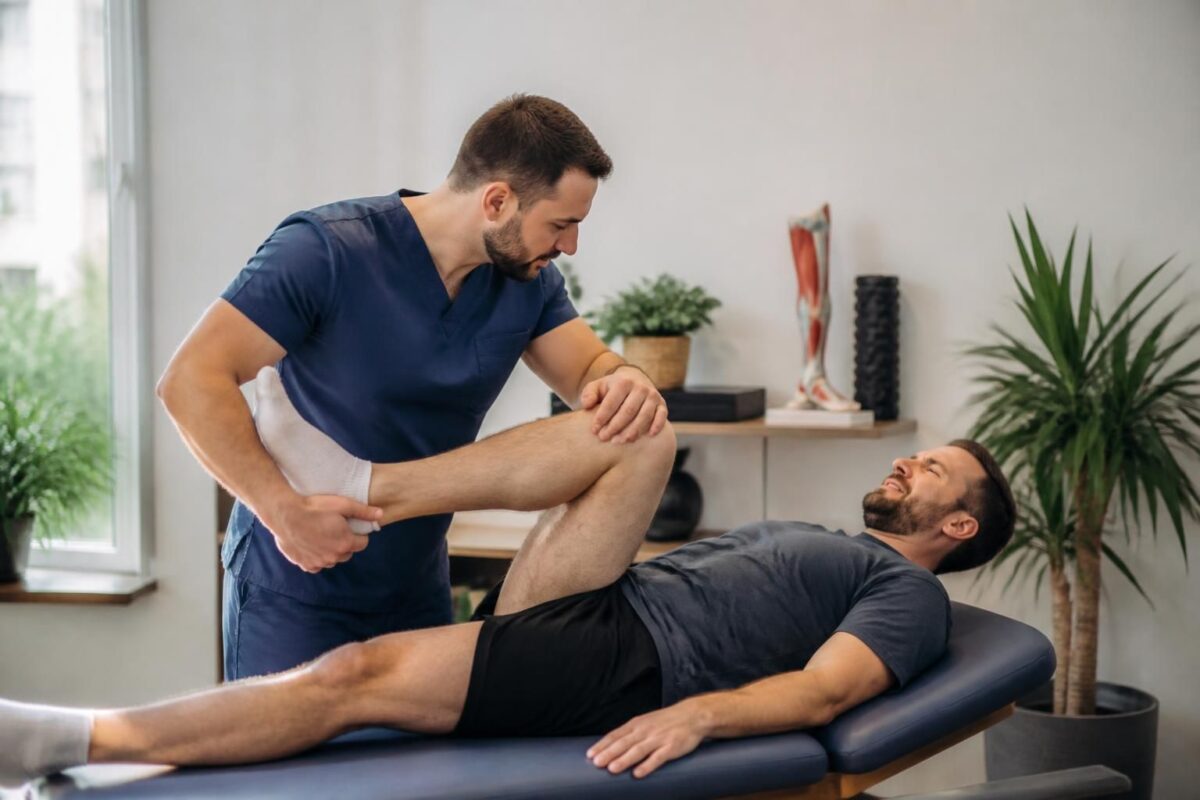
Osteopathy and chronic leg pain: regaining an optimal quality of life
In short In short, Osteopathy is one Global manual approach aimed at reducing Chronic leg pain and improve the quality of life. What is it? Non-drug therapy using the hands to identify restrictions and treat lesional chains. How does it…
Central role of osteopathy in postoperative rehabilitation
from a perspective holistic, theosteopathy Post-operative aims to restore the balance between the body structure and its functioning. Thanks to soft and targeted manual techniques on soft tissues, muscles and joints, it helps to release tension and promote better mobility, while stimulating the circulation blood and lymphatic and supporting tissue repair processes.
During convalescence, osteopathic action helps to reduce pain and limitations related to immobilization, thus facilitating progressive engagement in rehabilitation exercises and returning to function. By promoting a better healing By improving microcirculation and tissue drainage, it can accelerate the resumption of daily and sports activities according to medical indications.
The restoration of the mobility Joints and tissues solicited by the intervention is another major dimension. By working on the operated areas and the associated muscle chains, osteopathy helps prevent adhesions and find an amplitude of movement adapted to the rehabilitation protocol.
In addition to the purely physical aspect, osteopathy supports the Postural rebalancing and the functioning of the internal organs, which promotes a more harmonious recovery and better tolerance of therapeutic gestures. The recovery process is thus envisaged as a whole, which can improve sleep, energy and the level of stress related to convalescence.
The role of osteopathy cannot be conceived without a collaboration close to other health professionals. Coordination with the surgeon, the physiotherapist and the nursing teams ensures consistent care, adapted to the type of intervention and the progress of the convalescence.
To deepen, you can consult specialized resources that detail the mechanisms and benefits of osteopathy in the post-operative course. For example, the framework Post-operative and osteopathy presents practical orientations and concrete cases. Other resources address the link between osteopathy and Overall well-being and customizing the therapeutic approach. You will also find perspectives on the benefits of osteopathy in various phases of rehabilitation, especially after surgery, in articles such as Osteopathy and post-operative recovery.
For a more in-depth understanding of the role of osteopathy in rehabilitation, other useful resources cover the dynamics between manual techniques and post-surgical rehabilitation. You can explore The role of osteopathy in rehabilitation and the perspectives presented by professionals in the field, in particular Why osteopathy is essential.
In short, osteopathy represents a dynamic and complementary component of the post-operative course, acting gently on the musculoskeletal system, the circulatory system and stress, while integrating into a global and personalized therapeutic approach. Its objective is to promote faster and more complete recovery, while improving the quality of life during the recovery period.
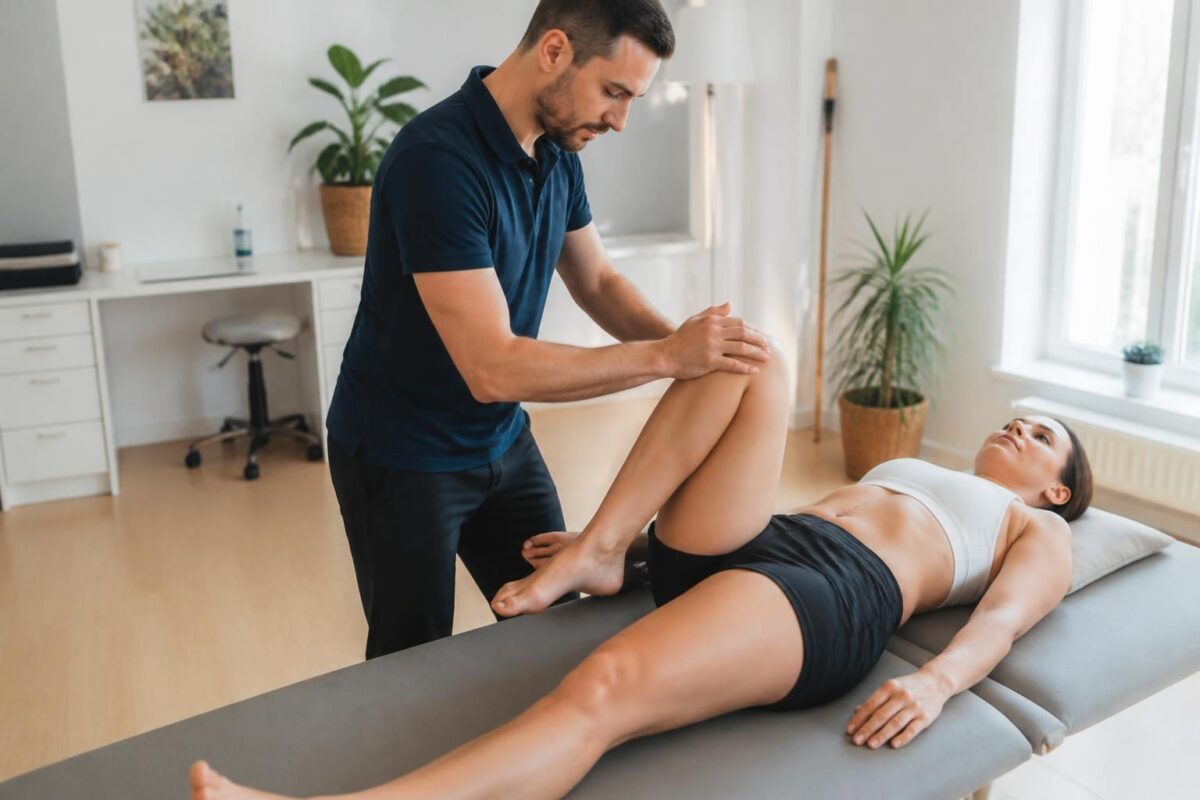
How osteopathy supports recovery after complex surgery
In short In short, Post-operative osteopathy is an approach fresh which supports the recovery After a Complex surgery. It helps to reduce the pain and the fatigue, improves the mobility and accelerates the healing thanks to a better vascularization and…

Dr Sylvain Desforges, B.Sc., D.O., N.D., osteopath, is the founding president of TAGMED and of the ACMA association. He dedicates his practice to chronic spinal pain, low back pain and symptoms compatible with sciatica, particularly when pain radiates toward the buttock, leg, calf, foot or toes.
Through SOS Sciatique, he publishes educational content on sciatica symptoms, possible causes such as disc herniation, disc narrowing, foraminal stenosis or irritation of a lumbar nerve root, as well as non-surgical approaches that may be considered according to the evaluation. At Clinique TAGMED, care may include, depending on the case, motorized neurovertebral decompression, specific osteopathic care or precision percussion.
For an evaluation related to sciatica treatment in Montreal / Mount Royal or sciatica treatment in Terrebonne, please consult the services available at Clinique TAGMED.
Medical disclaimer
The information published on SOS Sciatique is provided for educational purposes only and does not replace a consultation, diagnosis, opinion or treatment provided by a physician or another authorized healthcare professional. The author of this article is neither a medical doctor nor a specialist in a medical specialty recognized by the Collège des médecins du Québec. The osteopathic, manual medicine or functional support approaches described on this site do not constitute medical acts and are not intended to replace medical follow-up.
Consult a physician or emergency service in cases of loss of bladder or bowel control, anesthesia in the saddle area, significant or progressive weakness in the leg or foot, fever, recent trauma, severe pain or rapid worsening of symptoms. For more details, please read our Legal Notice.