Why osteopathy is essential for postoperative rehabilitation
27/06/2026
How Osteopathy Helps Prevent Chronic Disorders
27/06/2026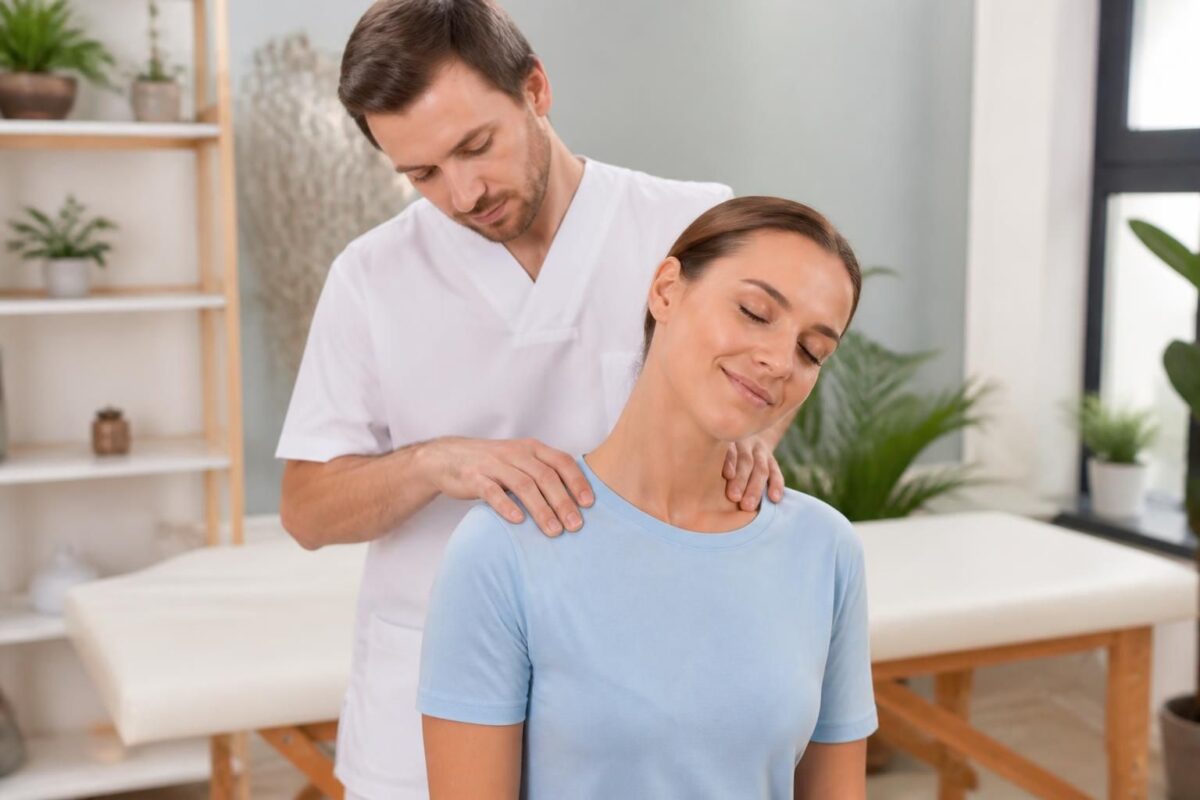
In short |
| In short, theosteopathy for the Trapeze pain is a natural approach that aims to defuse the Trigger Points and to restore theCervico-scapular balance. What is it? A gentle manual practice targeting tension zones and posture. Advantages: relief Local and referred, improved neck and shoulder mobility, stress reduction and recurrence prevention. How does it work? identification and release of Trigger Points, Myofascial relaxation, work on the cervical mobility and Postural corrections, and simple exercises to practice on a daily basis. In Montreal, this service is particularly recommended for people working on screen and in prolonged posture to improve comfort and productivity. |
osteopathy and Trapeze pain constitute a solution natural to regain comfort and mobility. By identifying and processing the Trigger points And tensions, the osteopath can promote muscle relaxation and restore the balance of the cervico-scapular system.
This approach combines Manual techniques sweet, Targeted exercises and tips ergonomic To tackle the causes: posture, stress and Professional overload.
Typical benefits include a pain reduction, a Improved neck and shoulder mobility, and a Prevention of recurrences thanks to better adapted lifestyle and breathing habits.
This sheet, written by a specialized health professional, presents how Osteopathy can help relieve Trapeze pain by an approach natural. It describes the causes, diagnosis, techniques used and practical advice to prevent tensions. The subject is based on clinical observation and osteopathic experience in the management of cervico-scapular tensions and trigger points.
Understanding trapezoids and associated pain
The trapeze is a large muscle that connects the skull, neck, shoulders and upper back. He supports the head and participates in the movements of the shoulders. When overloaded, it can form hypersensitive areas called Trigger Points. These points cause local pain and sometimes referred pain to the head, temple, eye or shoulder. The upper keystone is most often involved when you stay long in sitting or in front of a screen. A posture forward And a lack of breaks increase the load on this muscle. Emotional stress can also maintain a contraction of the shoulders and neck. Typical symptoms are cervical stiffness, tension headaches and Shoulder fatigue. The diagnosis is based on anamnesis and clinical examination, in particular the palpation of the tight bands and the mobility of the shoulders and neck.
The pain can be referred in other areas and imitate a pathology of the shoulder or cervical spine. In some cases, cervical radiculopathy or shoulder pathology should be excluded. An osteopathic evaluation looks for postural imbalances, mobility limitations and aggravating factors such as stress, lack of movement and repetitive gestures.
Role of osteopathy in management
Osteopathy offers a global approach. It acts on muscle, fascias, joints and breathing. The goal is to reduce the Muscle overload, promote myofascial relaxation and improve overall posture. Appropriate care can sustainably reduce pain and prevent recurrences. Osteopathy can be combined with ergonomic advice, simple exercises and stress management techniques to support recovery.
Osteopathic techniques and integrative approach
Techniques used in osteopathy for trapezoids include engagement soft joints, techniques for Myofascial release, and a targeted approach to cervico-scapular movement. The Ischemic compression Trigger points can be used gradually to decrease sensitivity and promote relaxation. The treatment aims to restore appropriate circulation, restore mobility and reduce tensions around the shoulder blades and neck. In practice, the therapist assesses the level of irritability and adapts the intensity of the gestures to avoid any muscle defense.
Exercises and posture on a daily basis
Exercises play a key role in completing manual work and preventing recurrences. Here are simple and easy actions to integrate during the day:
Upper trapeze stretch: When standing or sitting, tilts the head slowly to the right and lets the left shoulder relax. Hold 20 to 30 seconds and repeat on the other side.
Scapular retraction: Sitting or standing, slowly returns the shoulder blades to each other then downwards. Hold for 5 seconds and release. Repeat 10 to 15 times.
Diaphragmatic breathing: In sitting or lying down, inhale through the nose while swelling the abdomen, then exhale slowly. Realign the shoulders and calm the tension level.
Slip from shoulders down: on exhalation, let the shoulders lower without forcing. Repeats 10 breathing cycles slowly.
Regular active breaks and good ergonomics at work complete these exercises. Moves regularly, adjusts the screen to eye level and make sure the shoulders stay relaxed when working.
Preventing daily trapezoid tensions
Prevention is based on a holistic approach. Adopting good ergonomics and varying the postures reduce the loads on the trapezoid. It is also useful to manage stress and improve breathing. A restful sleep promotes muscle recovery and decreases pain sensitivity. Strengthening of the back muscles and scapular stabilizers helps to better distribute the forces around the shoulders. Finally, the osteopath can offer personalized advice and exercises adapted to your profile and your activity.
Resources and additional readings
To deepen, some useful resources include:
The benefits of osteopathy to relieve lower back pain.
Why osteopathy is essential to maintain good posture.
Osteopathy and pain in the shoulder blades – a targeted approach.
Osteopathy and overall well-being – a holistic approach.
For consultations and services, you can consult Tagmed Clinic or SOS SCIATIC.
Medical Disclaimer: The information and advice provided on this site does not replace the health professional’s diagnosis or treatment. Please note that Dr. Sylvain Desforges osteopath is neither a doctor of medicine nor a doctor, and is not a specialist in a medical specialty as defined by the Collège des Médecins du Québec. Manual medicine, functional medicine and sports medicine as described on this site exclude any medical treatment or diagnosis made by a doctor or specialist doctor. Always consult your doctor for any medical questions. For more details, please read our full legal notice.
Osteopathy and trapezoid pain: a Natural solution
Axis : Global approach and prevention For the trapezoids
- Evaluation Overall of trapezoids and posture
- Release myofascial targeted at Trigger Points
- adjustments Posturals for the head forward
- engagement Soft cervical and scapular
- Breathing and stress management To reduce the tone
- Drill Simple to do at home
- Ergonomy and active breaks at work
- Prevention and personalized follow-up to limit recurrences

This recommendation presents Osteopathy like a Natural solution Effective for trapezoid pain. By acting on mechanical causes (posture, tension, scapular imbalances) and stress factors (breathing, stress management), osteopathy offers comprehensive care that aims to reduce pain, improve mobility and prevent recurrences through exercises and Daily life advice.
Understanding the trapezoid and associated pain
The trapeze is a large muscle that ensures head support and shoulder movements. When overloaded with a Head forward posture, hours in front of a screen or prolonged stress, it can develop hypersensitive areas called Trigger Points. These points can cause local pain and referred pain to the neck, head or shoulder. Persistent pain can be accompanied by stiffness, fatigue and tension headaches.
In an osteopathic approach, we are looking not only for local pain but also the mechanisms that maintain it: scapular imbalances, limited thoracic mobility, superficial breathing and nervous tension. Recognition of close factors (ergonomics, work habits, sleep, breathing) is crucial to acting sustainably.

How osteopathy improves the quality of life of active people
In short In short, theosteopathy is a global approach that Optimizes mobility and the function of the body of ACTIVE PEOPLE, for a better quality of life. It helps prevent injury and reduce Musculoskeletal pain While promoting the Sports recovery.…

Osteopathy and sports recovery: prepare the body for lasting performance
In short In short, Osteopathy and Sports recovery is one Global manual approach that sustainably prepares the body for the effort by restoring mobility and circulation After the effort. It is a discipline that acts on the sinews, the joints,…
Osteopathy as a natural solution
The foundations of the approach
In osteopathy, the body is considered a global system where muscles, joints, diaphragm and nervous system interact. The treatment aims to restore muscle balance, release joint restrictions and promote better circulation of blood flow and harmful substances. For trapezoid pain, the objective is to reduce the tension, to release the trigger points and to reharmonize the postural function.
Techniques and areas of intervention
The techniques used may include Myofascial releases Targeting the stretched bands, engagement sweets of the cervico-scapular regions and thorax, as well as Targeted pressures On the trigger points to promote relaxation. The intervention may also include ergonomic advice and appropriate body exercises. The goal is a lasting improvement, not a simple ephemeral pain reduction.
Stress management and breathing
Stress can maintain and amplify tensions in the shoulders and neck. The osteopath integrates advice from Diaphragmatic breathing, relaxation techniques and simple strategies to reduce muscle tone in stress situations. An approach that combines manipulation, ergonomic advice and breathing techniques promotes faster recovery and prevention of recurrences.
Why Osteopathy Is Essential For Recovery People
In short In short, Osteopathy in convalescence is an approach manual and holistic which helps to accelerate the recovery by restoring The balance, the mobility and a good circulation fabrics. it contributes to Reduce the pain, support the Back to…

Osteopathic manipulations to strengthen post-traumatic muscles
In short In short, Osteopathic manipulations for Strengthen post-traumatic muscles constitute a gentle manual approach aimed at restoring the mobility, reduce the pain and facilitate the Functional rehabilitation After a injury. What is Is it? A series of precise gestures…
Daily exercises and gestures
Simple and regular exercises complete the osteopathic treatment and increase overall effectiveness. Among the most useful: gentle stretching of the upper trapeze, scapular retraction to strengthen the mid-back, and smooth cervical mobility exercises. Active breaks on screen days and slow, controlled breathing help maintain relaxation and limit muscle fatigue.

Osteopathy and prevention of work-related musculoskeletal disorders
In short theosteopathy is one Manual approach that restores body balance and prevents MSD related to work. Its advantages: reduction of tension, improvement of mobility and prevention of chronic pain. She is preventive and healing, suitable for office and trades…

The benefits of osteopathy to treat muscle imbalances
In short theosteopathy is a manual approach to restore themuscle harmony and postural considering the body as a whole. Its main benefits include the reduction of aches and tensions, the improvement of the mobility and from the posture, and prevention…
Prevent tensions and improve daily life
Prevention requires a Adapted ergonomics (Eye level screen, natural range keyboard, relaxed shoulders), regular breaks and increased body awareness. By promoting movement, controlled breathing and restful sleep, risk factors are reduced and cervico-scapular stability is supported in the long term. Self-massages and the use of massage balls can complete the program, remaining progressive and without forcing.
| Axis | Concise lighting |
|---|---|
| Objective | quickly and sustainably improve the pain and the mobility neck and shoulders thanks to the osteopathy and at Myofascial relaxation. |
| Mechanism of action | Action on the soft goods, the posture and the breathing; Myofascial release, mobilization and rebalancing scapulo-thoracic. |
| Key Techniques | use handling, massage and Targeted exercises To free the Trigger points and correct the alignment. |
| Security and tolerance | Approach fresh, adapted; low risk and without surgery. |
| Efficiency on a daily basis | reduction of the pain and back to your Daily activities with postural corrections and exercises. |
| Prevention | post ergonomics, Active breaks, Diaphragmatic breathing and regular physical activity to limit tension. |
| Accessibility and cost | flexible and interdisciplinary consultations; Variable cost but potential lasting gain. |
| warning signs and when to consult | Pain thoracic, loss of strength, numbness or fever require assessment; tension-related headaches can be muscular. |
| Complementarity with other approaches | Self-treatment and home exercises complete the osteopathy to prevent recurrences. |
“Before, I had Keystone pains And a stiffness that worsened after long days in front of the computer. theosteopathy gave me relief natural and sustainable, without drugs, and I found a Comfortable mobility in the upper back. »
“The Trigger Points of the trapezoid were identified and then treated with targeted techniques such as the Myofascial release and the Ischemic compression. The result: pain that gradually decreased and better tolerance to touch. »
“The simple exercises prescribed by my osteopath allowed me to correct my posture and optimize my Diaphragmatic breathing. Today, I feel my shoulders freer and less tension, even at the end of the day. »
“Work is not just manual: I was taught to adjust my workplace, take breaks and manage the stress. This global approach has reduced my tensions and headaches. »
“I had Tension headaches punctual returning constantly. After the sessions, the frequency decreased and I regain energy for my daily activities. »
“For me, osteopathy is a Natural solution Effective: No side effects, but personalized advice and exercises that strengthen the cervico-scapular area to prevent recurrences. »
“If you suffer from pain in the trapeze, I highly recommend a consultation in osteopathy: an approach overall and personalized which can transform your comfort and quality of life durably. »
The Dr Sylvain Desforges, expert in osteopathy, Naturopathy and manual medicine, is the founding president of TagMed and the ACMA association. His career is guided by a simple conviction: to provide evidence-based care to sustainably improve the health and well-being of his patients. Its approach combines diagnostic rigor, listening to the patient and the privileged use of soft manual techniques in order to treat the pain of the trapezoids without systematically resorting to surgery. It emphasizes the prevention and autonomy of the patient in the face of cervical and scapular tensions.
In the context of trapezoid pain, osteopathy acts on a complex dynamic between posture, stress and mechanical overload. The trapezoid, key muscle of stabilization of the cephalic spine and shoulders, can develop hypersensitive areas, called Trigger points or Trigger Points, which cause local pain and sometimes referred to the neck, temple or shoulder. This phenomenon can occur after long hours in front of a screen, a head forward position or increased emotional tension. Typical symptoms include cervical stiffness, tension headaches and feeling tired in the shoulders. Understanding this dynamic chain makes it possible to approach the problem as a whole rather than treating apparent pain only.
On the diagnostic level, the approach favors the clinical examination and palpation of the tense muscle bands, the evaluation of the mobility of the neck and shoulder blades, as well as the overall postural analysis. The practitioner looks for the mechanisms that maintain pain: postural overload, tense breathing, lack of recovery and scapular imbalances. The goal is to identify areas of tension and functional limitations in particular in order to offer appropriate and sustainable care.
The treatment is based on a combination of techniques manuals and targeted exercises. theosteopathy uses approaches such as Ischemic compression progressive trigger points, cervical and scapular mobilizations, and myofascial relaxations to reduce sensitivity and promote tissue relaxation. At the same time, ergonomic advice, postural exercises, stretching and diaphragmatic breathing techniques help rebalance shoulder work and improve neck mobility. The management of stress and daily habits is integrated to prevent recurrences and improve the quality of life on a daily basis.
To strengthen this natural approach, Dr. Desforges also incorporates advanced technologies where relevant. Vertebral decompression can be considered as support for the regulation of cervical tension, supplementing manual gestures with complementary acts worthy of modern osteopathy. Other non-invasive tools, such as light modalities or tissue stimulation techniques, can be mobilized to optimize recovery and muscle function.
Finally, the preventive dimension is at the heart of its approach. By favoring appropriate education, regular exercises and an adjusted work posture, it aims to avoid the lasting installation of trapeze pain. The objective is clear: to help everyone find a free neck, soft shoulders and better breathing, thanks to a global and natural approach that respects the body and promotes functional longevity.
To explore Dr. Desforges’ approach and the services offered, take the time to find out about consultation methods and personalized programs intended to reduce trapezoid tension and pain sustainably.
This summary explains how theosteopathy Addresses trapezoid pain in a natural and lasting way, treating both mechanical causes (posture, muscle overload, myofascial tension) and psychosocial factors (stress, breathing). It highlights the mechanisms of action, the techniques used and prevention strategies that allow you to quickly regain mobility and comfort, while preventing recurrences.
The Myofascial syndrome of the trapeze is frequently responsible for pain in the neck, shoulders and upper back. The origin often lies in Trigger Points hypersensitive located in the muscle, which can cause localized or referred pain to the head, eye or shoulder. Osteopathy offers a global approach: myofascial relaxation, light decompression of tight areas, and work on the posture and scapulo-thoracic mobility to reduce pressure on the trapezoid and promote sustainable recovery.
In this perspective, manual techniques and appropriate exercise play a key role. The Ischemic compression Trigger points help disable pain and improve local circulation, while soft mobilizations and myofascial releases restore tissue fluidity. The osteopathic approach also aims to improve the cervical mobility and scapular, a better Diaphragmatic breathing and a correction of the imbalances around the shoulder blades, in order to reduce the compensatory work of the trapeze.
Prevention is at the heart of the approach: ergonomic corrections, active breaks, and optimization of the sleep quality and stress management can limit painful episodes and repetitive tensions. Simple gestures such as targeted stretching, scapular retraction exercises and posture awareness during daily tasks can significantly reduce the load on the trapeze and prevent recurrences.
For those who wish to deepen, several resources offer practical and complementary perspectives on osteopathy, injury prevention and the management of trapeze-related pain. Consult in particular the articles dedicated to the prevention of injuries in athletes, postures and muscle recovery, and those who explore the role of osteopathy in maintaining a balanced and functional spine. Here you will find tips on office work, breathing strategies, and useful relaxation techniques for trapezoids.
To go further, you can explore these resources and informative pages: Injury prevention in athletes, Office work and cervical pain, Prevent musculoskeletal disorders, Recovery from muscle injuries, Advantages in amateur athletes, Why shoulder and trapeze pain, Reduce pain related to poor posture, Osteopathy and trapezoid pain, a natural solution, and Ultra contracted neck.
Osteopathy and chronic leg pain: regaining an optimal quality of life
In short In short, Osteopathy is one Global manual approach aimed at reducing Chronic leg pain and improve the quality of life. What is it? Non-drug therapy using the hands to identify restrictions and treat lesional chains. How does it…
How osteopathy supports recovery after complex surgery
In short In short, Post-operative osteopathy is an approach fresh which supports the recovery After a Complex surgery. It helps to reduce the pain and the fatigue, improves the mobility and accelerates the healing thanks to a better vascularization and…

Dr Sylvain Desforges, B.Sc., D.O., N.D., osteopath, is the founding president of TAGMED and of the ACMA association. He dedicates his practice to chronic spinal pain, low back pain and symptoms compatible with sciatica, particularly when pain radiates toward the buttock, leg, calf, foot or toes.
Through SOS Sciatique, he publishes educational content on sciatica symptoms, possible causes such as disc herniation, disc narrowing, foraminal stenosis or irritation of a lumbar nerve root, as well as non-surgical approaches that may be considered according to the evaluation. At Clinique TAGMED, care may include, depending on the case, motorized neurovertebral decompression, specific osteopathic care or precision percussion.
For an evaluation related to sciatica treatment in Montreal / Mount Royal or sciatica treatment in Terrebonne, please consult the services available at Clinique TAGMED.
Medical disclaimer
The information published on SOS Sciatique is provided for educational purposes only and does not replace a consultation, diagnosis, opinion or treatment provided by a physician or another authorized healthcare professional. The author of this article is neither a medical doctor nor a specialist in a medical specialty recognized by the Collège des médecins du Québec. The osteopathic, manual medicine or functional support approaches described on this site do not constitute medical acts and are not intended to replace medical follow-up.
Consult a physician or emergency service in cases of loss of bladder or bowel control, anesthesia in the saddle area, significant or progressive weakness in the leg or foot, fever, recent trauma, severe pain or rapid worsening of symptoms. For more details, please read our Legal Notice.