Osteopathic techniques to improve physical performance
27/06/2026
How osteopathy reduces pain related to poor posture
27/06/2026
In short
| In Sport osteopathy and in muscle recovery, manual accompaniment helps the body repair itself and prevent injuries after exercise. It can reduce post-exercise pain (doms), improve the mobility and promote a sleep Repairer, while supporting circulation and management of inflammation. Used in addition to reinforcement and nutrition, it is easily integrated into the sports program. In Montreal, this service is recommended to optimize recovery and performance without interrupting training. |
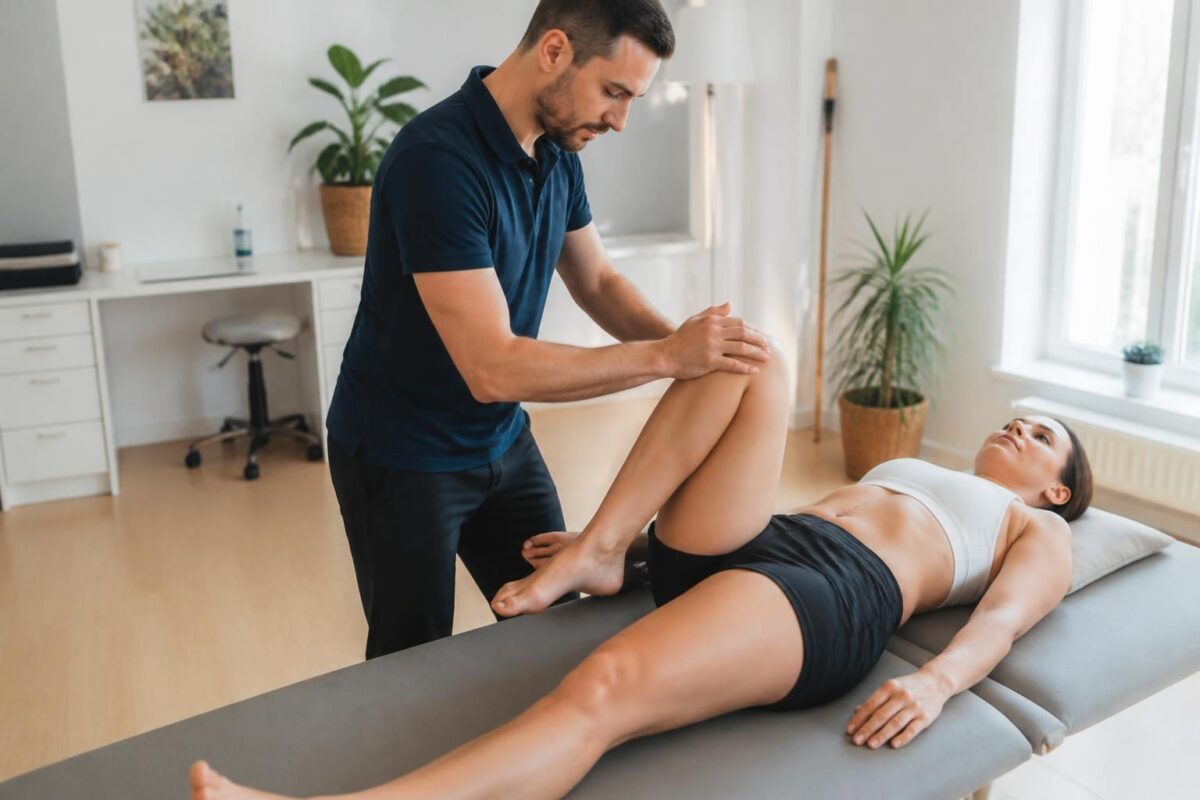
The Role of osteopathy in the Recovery after a muscle injury is based on a global approach aimed at relieving tensions, optimizing the circulation and support natural repair mechanisms. thanks to techniques such as engagement and the Myofascial techniques, the osteopath helps to reduce the pain, find the mobility and correct the postural imbalances that hinder healing.
Integrated into the rehabilitation course, this personalized approach complements the work of reinforcement and mobility, while promoting a better sleep quality and a gradual resumption of activity. Although scientific data is variable, clinical observations suggest potential benefits to accelerate recovery and prevent recurrences when follow-up is appropriate and regular.
This article, written by a health professional and expert in osteopathy sports, presents the role of osteopathy in the Recovery from muscle injuries. It explains key mechanisms, available evidence, techniques used and practical ways to integrate osteopathy into a rehabilitation program.
Define muscle recovery
The muscle recovery Refers to all the processes that allow the muscle to regain its abilities after exercise. It includes restoring energy stocks, eliminating waste, reducing inflammation, repairing microlesions and regeneration of tissues. The key elements of recovery include sleep, a Adapted feeding, thehydration, mobility and active techniques. Osteopathy is part of a global approach to optimize these mechanisms.
Osteopathic techniques and recovery
In sport osteopathy, preferred techniques aim to release tension and promote circulation. Common approaches include: Soft joint mobilizations, the techniques myofasciales, vertebral manipulation and Manual lymphatic drainage. Sometimes a cranial work can be considered. The goal is to improve local circulation, support repair mechanisms and harmonize muscle coordination.
What the studies and limits say
Available data suggests that osteopathy may reduce some post-effort muscle pain and improve range of motion. However, evidence on the direct impact on sports performance remains limited and variable depending on the individual. Indirect benefits are sometimes seen, such as better sleep quality and stress reduction. Unfortunately, the trials remain few in number and heterogeneous, which limits the robust conclusions. However, osteopathy can make a significant contribution when integrated into a global recovery and prevention course.
Practical integration and follow-up
Osteopathy does not replace classic recovery methods, but completes them. It makes it possible to identify and treat areas of fragility, improve posture and avoid certain compensations that lead to injury. A personalized approach, combining muscle strengthening, stretching, nutrition and active recovery, is recommended. Regular exchanges with the osteopath facilitate the adaptation of the care plan and optimize the results.
Supplements and nutrition
An optimal recovery is also based on the diet. Proteins, omega-3s, antioxidants, magnesium and vitamin D play important roles. Collagen, especially in hydrolyzed peptides with vitamin C, can support the regeneration of connective tissues. Adapted supplements, as needed, can be envisaged within the framework of global support.
Prevention and assessment
Osteopathy can help prevent injuries by identifying postural imbalances and biomechanical weaknesses before symptoms appear. Personalized advice on warming up, stretching and targeted reinforcement completes the therapeutic work. The goal is to improve movement, alleviate tensions and maintain a harmonious overall function.
To enrich your journey, some resources offer complementary approaches and feedback on osteopathy and recovery. For example, specialists describe how osteopathy can support rehabilitation after trauma and promote post-surgery mobility, without prescribing exercises in certain contexts. You can check out the pages dedicated to osteopathy and recovery at the following sites:
Osteopathy and post-traumatic rehabilitation,
How Osteopathy Helps Enhance Mobility After Surgery,
Osteopathy and overall well-being,
Benefits for lower back pain.
Services can be requested from the Tagmed Clinic or via recognized professional networks. For post-injury or blocking topics, additional resources may be useful:
neurovertebral decompression,
Mobility and ankle pain.
Medical Disclaimer: The information and advice provided on this site does not replace the health professional’s diagnosis or treatment. Please note that Dr. Sylvain Desforges osteopath is neither a doctor of medicine nor a doctor, and is not a specialist in a medical specialty as defined by the Collège des Médecins du Québec. Manual medicine, functional medicine and sports medicine as described on this site exclude any medical treatment or diagnosis made by a doctor or specialist doctor. Always consult your doctor for any medical questions. For more details, please read our full legal notice.
Axis: recovery course guided by sports osteopathy
- Targeted evaluation Tensions and limitations
- Myofascial release and gentle mobilizations
- traffic improvement blood and lymphatic
- Reduction of inflammation and pains
- Custom Plan rehabilitation and progression
- Functional recovery (Amplitude and Strength)
- pain reduction and quick recovery
- Prevention of recurrences By posture and movement
- Active recovery and nutrition and hydration advice
- Personalized follow-up and protocol adjustment

This article presents how Osteopathy can promote a muscle recovery After an injury, relying on the body-structure link and integrating into a complete care course. You will discover the mechanisms of action, key techniques and a practical action plan to accelerate the resumption of activities, while preventing relapses and optimizing future performance.
Understanding the role of osteopathy in recovery
Recovery muscular goes through the restoration of energy stocks, the elimination of metabolic waste and the reduction of inflammation. In this context, Osteopathy aims to release tensions, restore joint and fascial mobility, and promote effective fluid circulation to support micro-lesions repair and tissue regeneration. The goal is to accelerate recovery while preventing imbalances that could lead to a new injury.
In practice, the osteopathic approach considers the body as an interconnected whole. A muscle injury can impact other areas and limit recovery if hidden tensions remain. The mobility, posture and coordination oriented evaluation makes it possible to anticipate the root causes and to offer personalized follow-up adapted to your sport and your training intensity.

How osteopathy improves the quality of life of active people
In short In short, theosteopathy is a global approach that Optimizes mobility and the function of the body of ACTIVE PEOPLE, for a better quality of life. It helps prevent injury and reduce Musculoskeletal pain While promoting the Sports recovery.…

Osteopathy and sports recovery: prepare the body for lasting performance
In short In short, Osteopathy and Sports recovery is one Global manual approach that sustainably prepares the body for the effort by restoring mobility and circulation After the effort. It is a discipline that acts on the sinews, the joints,…
Key Techniques and Mechanisms of Action
Among the techniques commonly used are the Soft joint mobilizations, the Myofascial techniques and the Manual lymphatic drainage. These approaches aim to Improve mobility segments, Reduce residual voltages and to support a local traffic more efficient. This increased circulation facilitates the evacuation of waste and the supply of nutrients essential to repair, while reducing the pain and stiffness that slows the recovery.
Depending on the situation, additional techniques can be considered to optimize the Neuromuscular coordination and the posture, with always an approach adapted to the injury and the level of sports practice. The objective is to promote global recovery, without neglecting the specific needs of each muscle or muscle chain involved in the movement.
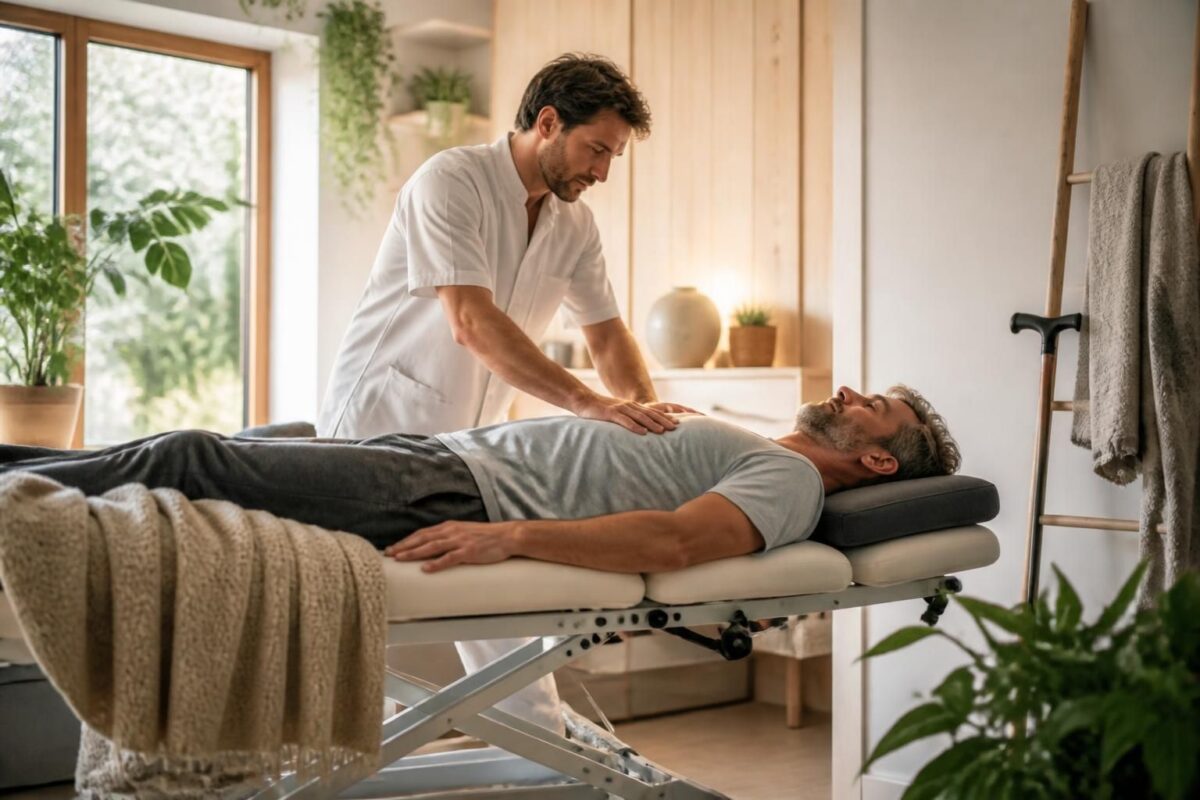
Why Osteopathy Is Essential For Recovery People
In short In short, Osteopathy in convalescence is an approach manual and holistic which helps to accelerate the recovery by restoring The balance, the mobility and a good circulation fabrics. it contributes to Reduce the pain, support the Back to…

Osteopathic manipulations to strengthen post-traumatic muscles
In short In short, Osteopathic manipulations for Strengthen post-traumatic muscles constitute a gentle manual approach aimed at restoring the mobility, reduce the pain and facilitate the Functional rehabilitation After a injury. What is Is it? A series of precise gestures…
Integration into a global recovery plan
An effective recovery is part of a multimodal approach combining Adapted nutrition, sleep, hydration and Progressive strengthening. Osteopathy helps identify areas of fragility and prevent compensation that could cause further pain or limit recovery.
When to start and how often
After a muscle injury, a first consultation can release tension and clarify the recovery steps. Depending on the sport and the level of commitment, regular sessions every 2 to 4 weeks can accompany the recovery, with an adaptation of the frequency in case of increased pain or recurrences.
Concrete action plan for effective recovery
Establish a plan combining Active rest and controlled movement, Targeted stretches and Progressive strengthening muscle groups concerned. Accompany these actions with a simple nutrition and sleep protocol, and benefit from osteopathic follow-up to adjust tensions, optimize mobility and ensure sustainable recovery in the best possible conditions.
| Aspect | Description |
|---|---|
| Main objective | Promotes overall recovery by releasing tensions and improving local traffic. |
| Approaches and Techniques | engagement, Myofascial techniques and drainage, to promote repair and movement. |
| Impact on pain and mobility | can reduce post-effort pain and improve range of motion. |
| Recovery and drainage | Help to venous drainage and at the Inflammatory regulation depending on the case. |
| relapse prevention | contributes to the posture and at themuscle balance to limit recurrences. |
| Integration in the course | integrates with a custom plan with strengthening, nutrition and sleep. |
| Scientific evidence | direct evidence on the performance remain limited; of Clinical benefits exist. |
| Cadence and follow-up | Regular sessions according to the activity, typically every 1 to 2 months. |
| Targeted benefits | targets the Muscle and fascial chains to release tensions and restore coordination. |

Osteopathy and prevention of work-related musculoskeletal disorders
In short theosteopathy is one Manual approach that restores body balance and prevents MSD related to work. Its advantages: reduction of tension, improvement of mobility and prevention of chronic pain. She is preventive and healing, suitable for office and trades…

The benefits of osteopathy to treat muscle imbalances
In short theosteopathy is a manual approach to restore themuscle harmony and postural considering the body as a whole. Its main benefits include the reduction of aches and tensions, the improvement of the mobility and from the posture, and prevention…
Testimonials on losteopathy and recovery after muscle injuries
After a tear in the calf, sports losteopathy accelerated my muscle recovery and reduces pain. the techniques used have released tensions, improved the circulation and facilitated gradual return to training.
As an athlete, I saw a significant decrease in doms and a better range of motion thanks to Myofascial techniques and to Joint mobilizations. The result: faster and more effective sessions.
the benefits also continue with a better quality of sleep and a reduction in stress, which makes osteopathic follow-up even more useful for remaining constant in training.
To prevent relapses, Losteopath assesses imbalances and offers targeted strengthening exercises and stretching. I like this part prevention and posture which avoids painful compensation.
The integration of these sessions in a rehabilitation course offers support overall and personalized which completes the work of strengthening and active recovery, and helps to return to his favorite sport more quickly.
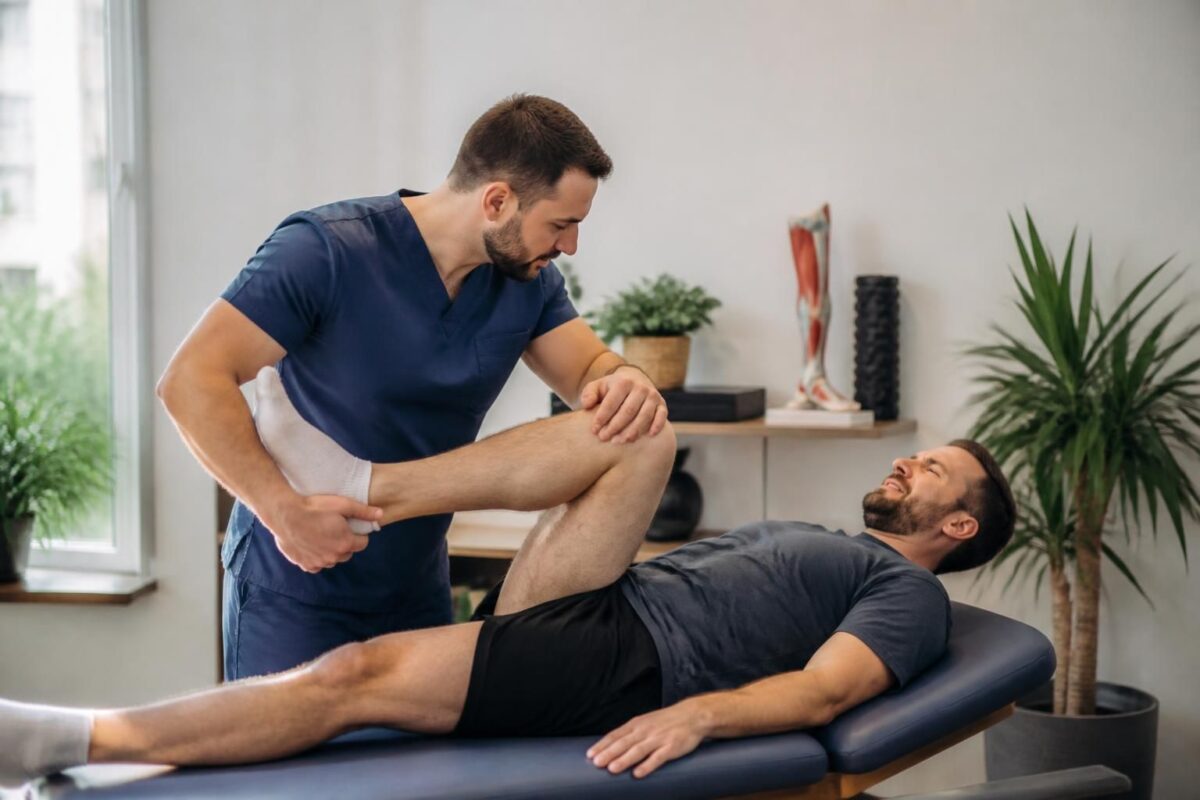
Osteopathy and chronic leg pain: regaining an optimal quality of life
In short In short, Osteopathy is one Global manual approach aimed at reducing Chronic leg pain and improve the quality of life. What is it? Non-drug therapy using the hands to identify restrictions and treat lesional chains. How does it…
How osteopathy supports recovery after complex surgery
In short In short, Post-operative osteopathy is an approach fresh which supports the recovery After a Complex surgery. It helps to reduce the pain and the fatigue, improves the mobility and accelerates the healing thanks to a better vascularization and…
Osteopathy and recovery after muscle injuries: an integrated approach
In intense or regular sports activities, the muscles support significant biomechanical loads that can lead to micro-tears and residual tensions. The muscle recovery Then becomes an art as much as a science: it aims to quickly regain function, to prevent recurrences and to preserve the overall health of the body. theosteopathy Du Sport is a privileged partner of this approach, relying on fine listening to the body and an approach focused on functional and prevention.
Muscle recovery breaks down into several stages: the restoration of energy deposits, the evacuation of metabolic waste, the reduction of inflammation, the repair of micro-lesions and the regeneration of tissues. The classic tools remain essential: restful sleep, adapted food, hydration, and activities such as stretching and mobility. Osteopathy brings a holistic dimension by acting not only on the muscles, but also on the joint chains, the fascias and the circulation, in order to strengthen the natural repair mechanisms and improve the overall coordination of the body.
The techniques commonly used in sports osteopathy include soft joint mobilizations, myofascial approaches, vertebral manipulations and manual lymphatic drainage. Sometimes a cranial work is considered depending on the case and the patient’s preferences. The objective is twofold: to release the residual tensions that slow down recovery and optimize local circulation to promote nutrient intake and evacuation of toxins. In addition, osteopathy aims to harmonize posture, restore fluid muscle coordination and prevent compensation that exposes to new injuries.
On the scientific level, the results remain variable and sometimes modest. Some studies show a reduction in delayed onset pain (DOMS) and an improvement in amplitude of movement, especially at the level of ligament and joints. However, research on the direct impact on sports performance remains weak and efficiency is often described as indirect: better sleep, decreased stress and better regularity of workouts. This dynamic underlines that sport osteopathy is ideally part of a multidisciplinary and personalized care course.
To optimize recovery, the integration of osteopathy with other levers is recommended. Regular sessions, adjusted to the training load and any pain, make it possible to anticipate the fragile areas and to make postural and functional corrections. At the same time, specific advice can be given: appropriate warming up, targeted strengthening exercises and active recovery protocols. The dialogue between the patient and the osteopath is crucial to adapt the treatment and maximize the results over time.
In addition to manual approaches, feeding and supplements play an important role in the muscle recovery. Protein, omega-3, antioxidants and magnesium intakes support tissue repair and inflammation reduction. Hydrolyzed collagen, associated with vitamin C, can promote connective and tendon tissue regeneration, while vitamin D and proteins contribute to muscle function and bone protection. Together, these elements form a coherent nutrition strategy that accompanies osteopathic sessions and re-athletic programs.
Would you like to activate a more effective recovery after your muscle injuries and optimize your performance sustainably? Sport osteopathy offers an integrated approach, centered on the body as a whole, to release tension, improve circulation and restore harmonious muscular dynamics, while being part of a personalized and sustainable plan.
This article explains how theosteopathy can promote the muscle recovery After injuries, articulating around reducing tension, improving circulation and supporting functional rehabilitation. It highlights mechanisms, evidence limitations and practical advice for a personalized and effective approach.
The muscle recovery breaks down into essential phases: the moment after the effort to begin the repair of micro-tears, a restorative phase where the biochemical processes reconstruct the tissues, then a regeneration phase that spreads over the days and weeks. The objective is to restore energy stocks, eliminate metabolic waste and reduce inflammation while promoting the repair and regeneration of muscle and connective tissues.
As part of theSport osteopathy, the objective is to optimize joint mobility and fascial chains to allow a more fluid and balanced recovery. The most common techniques aim to release tensions, improve local circulation and support natural repair mechanisms. They include soft joint mobilizations, myofascial approaches and, sometimes, vertebral manipulations as well as lymphatic drainage techniques.
The available scientific data shows variable results depending on the individual. Some studies indicate a reduction in post-exercise muscle pain and temporary improvement in range of motion, while the direct effects on sports performance remain less clear. On the other hand, indirect benefits – improvement in sleep quality, decreased chronic stress, reduction in recurrent pain and better regularity of training – give a favorable perspective to an integrated approach to recovery.
To optimize recovery, osteopathy can be considered as a component of a complete program including muscle strengthening, stretching, appropriate nutrition and active recovery. It helps to identify and treat areas of fragility, improve posture and prevent compensation that could lead to recurring injury. This work is part of a long-term approach to musculoskeletal well-being and performance.
Complementary resources make it possible to explore the mechanisms and benefits of osteopathy in the recovery and prevention of sports injuries. For example, you can check out the following resources to enrich your understanding and decision-making:
les#ATFP_CLOSE_TRANSLATE_SPAN# Osteopathic techniques to strengthen post-injury muscles,
les#ATFP_CLOSE_TRANSLATE_SPAN# Advantages of osteopathy to treat recurrent sports pain,
Sport#ATFP_CLOSE_TRANSLATE_SPAN# After osteopathy – how long to wait before resuming training,
Comment#ATFP_CLOSE_TRANSLATE_SPAN# Osteopathy reduces chronic inflammation,
Comment#ATFP_CLOSE_TRANSLATE_SPAN# Osteopathy supports rehabilitation after surgery,
Osteopathy#ATFP_CLOSE_TRANSLATE_SPAN# Sport prevention recovery,
les#ATFP_CLOSE_TRANSLATE_SPAN# Benefits of osteopathy to relieve chest pain,
Recovery#ATFP_CLOSE_TRANSLATE_SPAN# Muscular Osteopathy,
Comment#ATFP_CLOSE_TRANSLATE_SPAN# Osteopathy promotes better muscle flexibility,
LE#ATFP_CLOSE_TRANSLATE_SPAN# Role of osteopathy in recovery after a sports injury and progressive recovery.
Finally, theosteopathy Does not replace standard medical advice, but it can become a powerful lever in your recovery journey in addition to treatment and rehabilitation program supervised by health professionals. If you plan to integrate osteopathy into your recovery plan after a muscle injury, discuss it with your osteopath to develop a personalized and progressive plan, adapted to your physical condition and goals.
To start your recovery journey and optimize your return to activity, get in touch with a qualified osteopath and explore how an integrated approach can accelerate your recovery while preserving your general well-being.

Dr Sylvain Desforges, B.Sc., D.O., N.D., osteopath, is the founding president of TAGMED and of the ACMA association. He dedicates his practice to chronic spinal pain, low back pain and symptoms compatible with sciatica, particularly when pain radiates toward the buttock, leg, calf, foot or toes.
Through SOS Sciatique, he publishes educational content on sciatica symptoms, possible causes such as disc herniation, disc narrowing, foraminal stenosis or irritation of a lumbar nerve root, as well as non-surgical approaches that may be considered according to the evaluation. At Clinique TAGMED, care may include, depending on the case, motorized neurovertebral decompression, specific osteopathic care or precision percussion.
For an evaluation related to sciatica treatment in Montreal / Mount Royal or sciatica treatment in Terrebonne, please consult the services available at Clinique TAGMED.
Medical disclaimer
The information published on SOS Sciatique is provided for educational purposes only and does not replace a consultation, diagnosis, opinion or treatment provided by a physician or another authorized healthcare professional. The author of this article is neither a medical doctor nor a specialist in a medical specialty recognized by the Collège des médecins du Québec. The osteopathic, manual medicine or functional support approaches described on this site do not constitute medical acts and are not intended to replace medical follow-up.
Consult a physician or emergency service in cases of loss of bladder or bowel control, anesthesia in the saddle area, significant or progressive weakness in the leg or foot, fever, recent trauma, severe pain or rapid worsening of symptoms. For more details, please read our Legal Notice.