Osteopathy and trapezoid pain: a natural solution
27/06/2026
The benefits of osteopathy on repetitive work pain
27/06/2026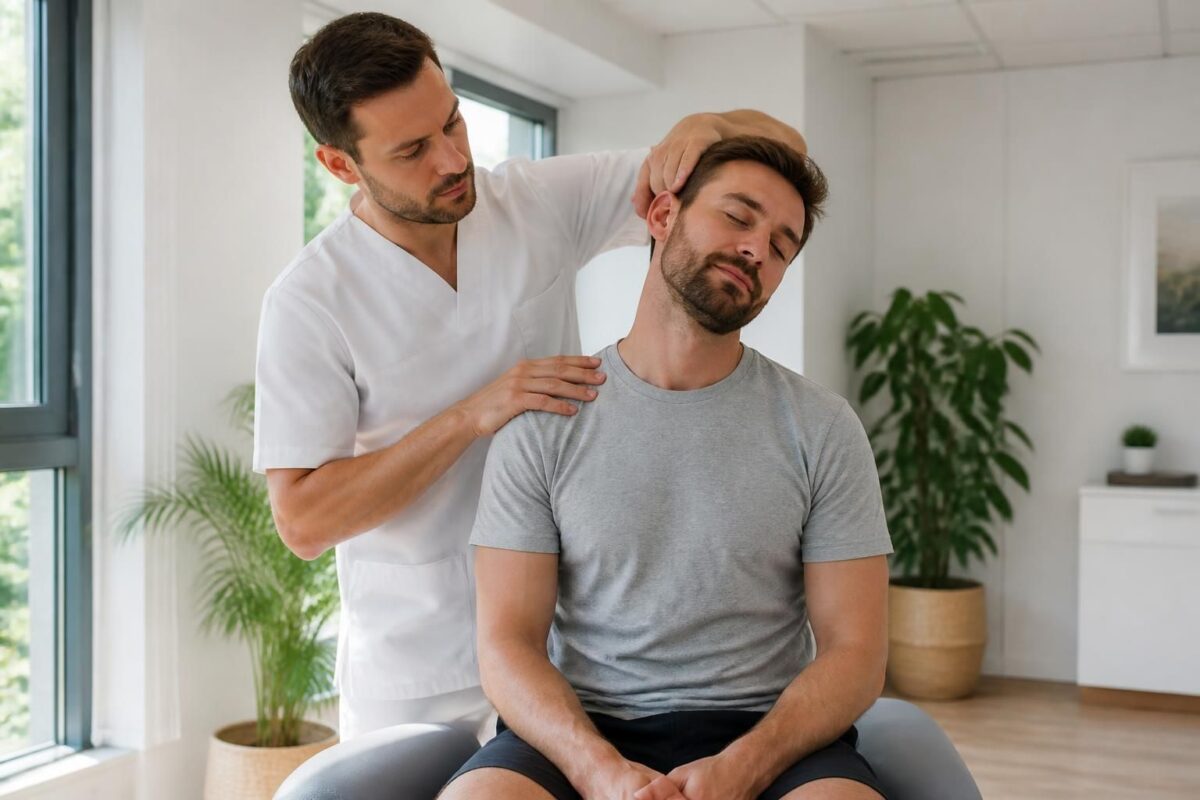
In short In short, theosteopathy is a manual approach that aims to prevent Chronic disorders by reharmonizing the mobility of body structures and improving neuromuscular coordination. She brings benefits such as the relief of Joint pain and muscular, improving the posture, and better stress management. Its operation is based on a global evaluation (anamnesis and palpation) then soft and adapted techniques to restore balance, without invasive recourse. Accessible at the local clinic, osteopathy can help reduce painful episodes and maintain welfare and daily mobility. |
theosteopathy is one Manual therapy focused on the diagnosis and treatment of Musculoskeletal dysfunctions. by preventing imbalances and restoring the mobility tissues and joints, it acts on the mechanisms that underlie the Chronic disorders. thanks to a anamnesis, targeted palpation and Gentle techniques, it improves the posture, the circulation and the nervous function, reducing the risk of recurrence and supporting active lifestyles while remaining complementary to medical follow-up.
This presentation explains how Osteopathy can prevent Chronic disorders By acting on functional mechanisms and body mobility. It sets out the simple principles, the appropriate techniques and the fields of application, while emphasizing the necessary safety and medical follow-up.
The heart of osteopathy is an approach holistic which considers the body as a connected whole. This vision makes it possible to identify early dysfunctions and act to prevent their progression to pain or functional limitations.
Clear and accessible mechanisms
An osteopath performs a anamnesis simple and a palpation Attentive to identify areas of tension and mobility restrictions. He favors Soft manual techniques aimed at restoring the overall balance without surgery. This action can improve joint mobility, reduce muscle tension and promote better nerve and visceral regulation.
Prevent without resorting to risky exercises
For spinal pathologies, such as disc conditions, the approach favors appropriate and safe. The objective is to avoid the appearance or aggravation of symptoms by respecting the physiology of the patient. In this context, osteopathy may be complementary to other treatments when indicated. To learn more about general perspectives, consult specialized resources such as The benefits of osteopathy for lower back pain and other informative articles.
Integration and security in a preventive approach
Prevention requires a lasting relationship with a trained practitioner in recognized institutions and respecting the limits of each pathology. osteopaths trained in establishments such as NUMSS, nao, National University of Medical Sciences and National Academy of osteopathy Acquire a solid basis for assessing risks and adapting care.
Professionals can complement other health approaches and rely on professional standards of organizations such as acma, College of Canadian Osteopaths, and College of Canadian Osteopaths.
Additional resources on the prevention and management of various chronic disorders are available on dedicated sites, for example How can osteopathy improve your health? and Osteopathy, stress and physical tension.
Application cases and related domains
In addition to general prevention, osteopathy can intervene in the context of the prevention of pain and repeated functional dysfunctions. It can help improve the quality of life By helping to prevent recurrences and support the body’s self-regulation mechanisms. To deepen, you can consult resources like Osteopathy: principles and benefits and How Osteopathy Helps Prevent Chronic Disorders.
For athletes or people exposed to repetitive efforts, osteopathy can contribute to injury prevention and muscle stress management. Learn more via Injury prevention in athletes.
For whom and why consult
Not everything is governed by the same reality. Osteopathy can be useful at all ages and in various contexts. It is not intended to replace medical advice, but to support body mechanisms and reduce risk factors for chronic disorders when performed by a qualified practitioner. For an overview, see resources such as What is osteopathy and why consult?.
For more orientation, additional articles and resources included here remain available on dedicated pages. for example, Muscle tensions related to repetitive activities and Prevention in athletes.
To deepen general concepts and principles of action, see also Osteopathy and stress.
Recommended path to information and resources: SOS SCIATIC.
Medical Disclaimer: The information and advice provided on this site does not replace the health professional’s diagnosis or treatment. Please note that Dr. Sylvain Desforges osteopath is neither a doctor of medicine nor a doctor, and is not a specialist in a medical specialty as defined by the Collège des Médecins du Québec. Manual medicine, functional medicine and sports medicine as described on this site exclude any medical treatment or diagnosis made by a doctor or specialist doctor. Always consult your doctor for any medical questions. For more details, please read our full legal notice.
Medical Disclaimer: The information and advice provided on this site does not replace the health professional’s diagnosis or treatment. Please note that Dr. Sylvain Desforges osteopath is neither a doctor of medicine nor a doctor, and is not a specialist in a medical specialty as defined by the Collège des Médecins du Québec. Manual medicine, functional medicine and sports medicine as described on this site exclude any medical treatment or diagnosis made by a doctor or specialist doctor. Always consult your doctor for any medical questions. For more details, please read our full legal notice.
- Mobility and alignment Optimized joints to prevent pain.
- Posture and Effective movements reducing the loads on the column.
- Tension prevention muscles by appropriate techniques.
- therapeutic education and lifestyle to avoid relapses.
- stress management and breathing to reduce nervous tension.
- Visceral functions and diaphragm better coordinated, digestive and respiratory support.
- Personalized follow-up and regular reassessment with the patient.
- Collaboration multidisciplinary for sustained well-being.

This article explains how Osteopathy can help prevent Chronic disorders By acting on the mobility, thebalance and the Overall function of the body. using soft manual techniques and a Personalized approach, it aims to limit the onset of pain and improve the quality of life on a daily basis. Here are the key mechanisms and practical advice for integrating osteopathy into a preventive approach.
A comprehensive approach to prevent chronic disorders
The fundamental principle is based on a comprehensive assessment and interventions that target Musculoskeletal structures (muscles, joints, ligaments) as well as viscera. by promoting the circulation of fluids and restoring the mobility Of the body, osteopathy acts as a prevention rather than a simple treatment of symptoms.
Improved mobility and alignment
By releasing movement restrictions, osteopathy provides better amplitude and more harmonious alignment of body segments. This limits compensation that accumulates over time and reduces the risk of recurring pain, especially in the back, neck and shoulders.
Reduction of tension and pain prevention
The decrease in muscle tension and points of tension helps to prevent the appearance of micro-lesions and wear. This proactive approach helps to maintain relaxed joints and a better Postural stability, which is crucial for daily and sporting activities.
Stimulating self-healing mechanisms
By supporting the body’s self-regulation capabilities, osteopathy seeks to improve the reactivity Faced with micro-traumas and stress. This activation of natural mechanisms helps to prevent the installation of chronic symptoms and to strengthen the resilience of the musculoskeletal system.
Role in maintaining posture and everyday life
practical advice from posture And daily gestures are provided during the sessions. These tips, combined with targeted adjustments, help preserve thealignment and the mobility Necessary for routine activities, thereby reducing the risk of pain triggering in the long term.

How osteopathy improves the quality of life of active people
In short In short, theosteopathy is a global approach that Optimizes mobility and the function of the body of ACTIVE PEOPLE, for a better quality of life. It helps prevent injury and reduce Musculoskeletal pain While promoting the Sports recovery.…

Osteopathy and sports recovery: prepare the body for lasting performance
In short In short, Osteopathy and Sports recovery is one Global manual approach that sustainably prepares the body for the effort by restoring mobility and circulation After the effort. It is a discipline that acts on the sinews, the joints,…
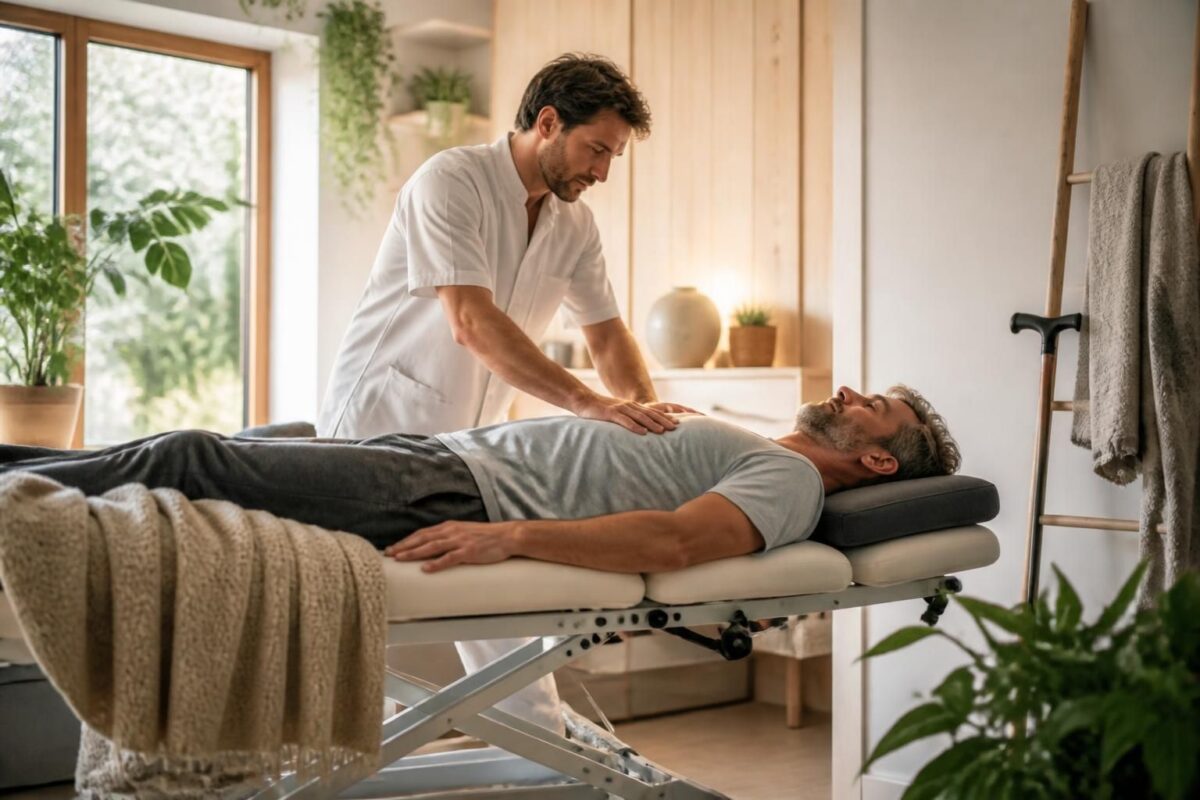
Why Osteopathy Is Essential For Recovery People
In short In short, Osteopathy in convalescence is an approach manual and holistic which helps to accelerate the recovery by restoring The balance, the mobility and a good circulation fabrics. it contributes to Reduce the pain, support the Back to…
Integrate osteopathy into a prevention plan
To optimize preventive benefits, osteopathy is envisaged within a global plan including a Regular physical activity, a Postural hygiene and appropriate follow-up. A first consultation makes it possible to identify the sensitive areas and to develop a personalized program that evolves with the needs.
When to consult
In case of recurring tension, pain that worsens over time or persistent postural discomfort, a preventive visit can be useful even if the pain is not acute. The goal is to act before the symptoms get worse.
Multi-professional collaboration
The use of a coordinated approach with doctor, physiotherapist and other professionals guarantees more effective and secure prevention, ensuring the continuity of care and the adaptation of the plan according to changes in the state of health.
| preventive axis | concise effect |
|---|---|
| Mobility and joint functioning | Restores and maintains the mobility joints and muscles, preventing disorders and Chronic pain. |
| Musculoskeletal balance | Rebalances muscle chains and articular surfaces to avoid recurring tension. |
| Posture and alignment | Improve it posture and reduces the stresses on the column, limiting recurrences. |
| Tension and stress management | Decreased tensions and better management of the stress and of sleep. |
| Prevention of lower back and sciatic pain | Targeted approach to the spine and nerves to limit lumbar and sciatic outbreaks. |
| Early screening and prevention | Detects malfunctions early and offers self-prevention advice to avoid the aggravation. |
| Multidisciplinary cooperation | Complete other treatments to prevent therapeutic calade and promote sustainable recovery. |
| Approach adapted to each | Technical fresh and personalized that adapts to your rhythm and your needs, in prevention. |

Osteopathic manipulations to strengthen post-traumatic muscles
In short In short, Osteopathic manipulations for Strengthen post-traumatic muscles constitute a gentle manual approach aimed at restoring the mobility, reduce the pain and facilitate the Functional rehabilitation After a injury. What is Is it? A series of precise gestures…

Osteopathy and prevention of work-related musculoskeletal disorders
In short theosteopathy is one Manual approach that restores body balance and prevents MSD related to work. Its advantages: reduction of tension, improvement of mobility and prevention of chronic pain. She is preventive and healing, suitable for office and trades…

The benefits of osteopathy to treat muscle imbalances
In short theosteopathy is a manual approach to restore themuscle harmony and postural considering the body as a whole. Its main benefits include the reduction of aches and tensions, the improvement of the mobility and from the posture, and prevention…
Testimonials: how osteopathy prevents chronic disorders
“Before, the lower back pain came back despite rest. thanks to an approach focused on prevention, I found a Sustainable mobility and periods without pain. Osteopathy taught me to listen to my body and act before the problem becomes chronic. »
“As an office worker, my shoulders and neck were constantly stretched. After a few visits, the objective was clear: to prevent Chronic disorders By rebalancing my posture and my movements. Today I benefit from a best posture and one Reduced risk of recurrence. »
“When I experienced recurrent migraines, I was advised to test osteopathy as a means of prevention. By working on tensions and circulation, we learn to prevent crises and improve the quality of life. My daily life is more fluid and less dependent on pain. »
“In my family, joint problems worsen with age. Osteopathy helped me Prevent chronic disorders maintaining a good mobility and an Balanced muscle function. I stay active and sleep better. »
“After a minor accident, I understood that prevention is key. Osteopathy allowed me to prevent the trauma from turning into chronic pain by working on the muscle chains and joints, with gentle and adapted techniques. »
“In sports practice, preventing injuries is essential. Osteopathy helps maintain prevention by aligning the body and improving the Muscle resilience. Result: less pain, more performance and easier daily life. »
theosteopathy is much more than a punctual relief from pain: it constitutes a real lever of prevention chronic disorders. By adopting a global vision of the body, she considers that each function influences the whole and that a local imbalance can, over time, turn into lasting symptoms. Thanks to a preventive approach, it aims to maintain theHarmony of musculoskeletal, nervous and visceral systems, in order to reduce the risk of relapse and progression of disorders.
What is theosteopathy Exactly? It is a manual therapy that focuses on diagnosing and treating Functional malfunctions affecting the muscles, joints, ligaments and organs. Its central principle is based on the idea that the body has a natural capacity toself-healing And that, when supported, this harmony promotes the prevention of long-term disorders. Osteopathy is exercised through different approaches — structural, cranial and visceral — in order to adapt the gestures to each patient and to each context.
The preventive mechanisms implemented by osteopathy are multiple. The practitioner seeks to restore the mobility joints, to release muscle tension and optimize the function of fascias and nerves. Better mobility and reduced tissue restrictions improve circulation and nerve irrigation, which can decrease recurrent painful sensations and prevent chronic episodes. At the same time, postural advice, exercises and adjustments to daily habits enhance the effectiveness of prevention and promote a healthier lifestyle.
The practitioner’s approach is rigorous and patient-centric. It begins with an in-depth interview to understand the history and triggers, followed by a gentle palpation to identify areas of tension and friction zones. After the diagnosis, a personalized plan is proposed, combining adapted manual techniques – gentle manipulations, mobilizations and stretching – and a program of exercises to be carried out at home. Regular visits allow you to adjust the treatment and check the progress in order to avoid the return of symptoms.
Nowadays, the osteopath can rely on modern tools to support this prevention, such as motorized spinal decompression, the use of laser and shockwave therapies, used with discernment and according to the evaluation. These approaches aim to reduce inflammation, promote tissue recovery and prevent relapses, while remaining anchored in an evidence-based approach adapted to each individual.
The benefits of preventive osteopathy are aimed at all ages and all situations, from active adults to seniors, including pregnant women and athletes. By working on the posture, the mobility And muscle tone, it can limit the onset of chronic pain and help better manage daily stress and tension. By favoring a preventive approach, it contributes to maintaining a quality of life high and to promote smoother and less painful movements on a daily basis.
Make an appointment with a qualified osteopath for a preventive evaluation and discover how your body can regain its balance lastingly. A suitable and progressive approach can help you prevent the appearance of chronic disorders and to live better, day after day.
This conclusion summarizes how theosteopathy May act to prevent chronic disorder. By working on the mobility and the posture of the body, it helps to strengthen the mechanisms of self-regulation and to reduce the risk of recurrence. Adopt a preventive approach with a Graduate osteopath not only to reduce current pain but also to preserve the quality of life and the ability to move freely in the long term.
The prevention of chronic disorders requires a global and personalized vision. Osteopathy offers an accurate assessment of areas of tension and dysfunctions, before these turn into persistent pain. By targeting the functional patterns that underlie the problems, it helps to stabilize the body and reduce the risk of chronicization. To deepen, you can consult resources dedicated to osteopathic prevention and its impact on overall health.
Physiologically, osteopathic action aims to restore the mobility of the joints, to dissolve muscle tension and to rebalance the links between musculoskeletal and visceral systems. This approach can prevent the appearance of lumbar, cervical pain, and functional disorders which, consumed over the long term, often evolve into chronic forms. Prevention and balance of the body win together.
Concretely, regular sessions, associated with advice in Postural hygiene and simple exercises, promote a lasting improvement in posture and mobility. These preventive actions limit repeated stresses and reduce painful episodes that could get worse over time. To learn more about these mechanisms, consult the resources dedicated to the posture and at the mobility on a daily basis.
Beyond the sessions, education and self-management play a key role. Osteopathy prevents relapses by helping you understand your body signals, adjust your activities and integrate beneficial movement habits into your daily life. You can explore practical approaches and examples that support this preventive approach, particularly in connection with guides and testimonials from experts.
To broaden your perspective and access additional resources, discover the following links: Osteopathic prevention, an asset for your health, Osteopathy and posture: correcting imbalances, Osteopathy and mobility: improving the quality of daily life, The benefits of osteopathy to relieve chest pain, Osteopathy and sports pain: preventing and treating effectively.
By integrating osteopathy into a global health approach, you benefit from support that aims not only to help out but above all to prevent the appearance of new disorders. For an approach focused on prevention and quality of life, do not hesitate to discuss with your osteopath and combine regular sessions with simple routines to do at home.
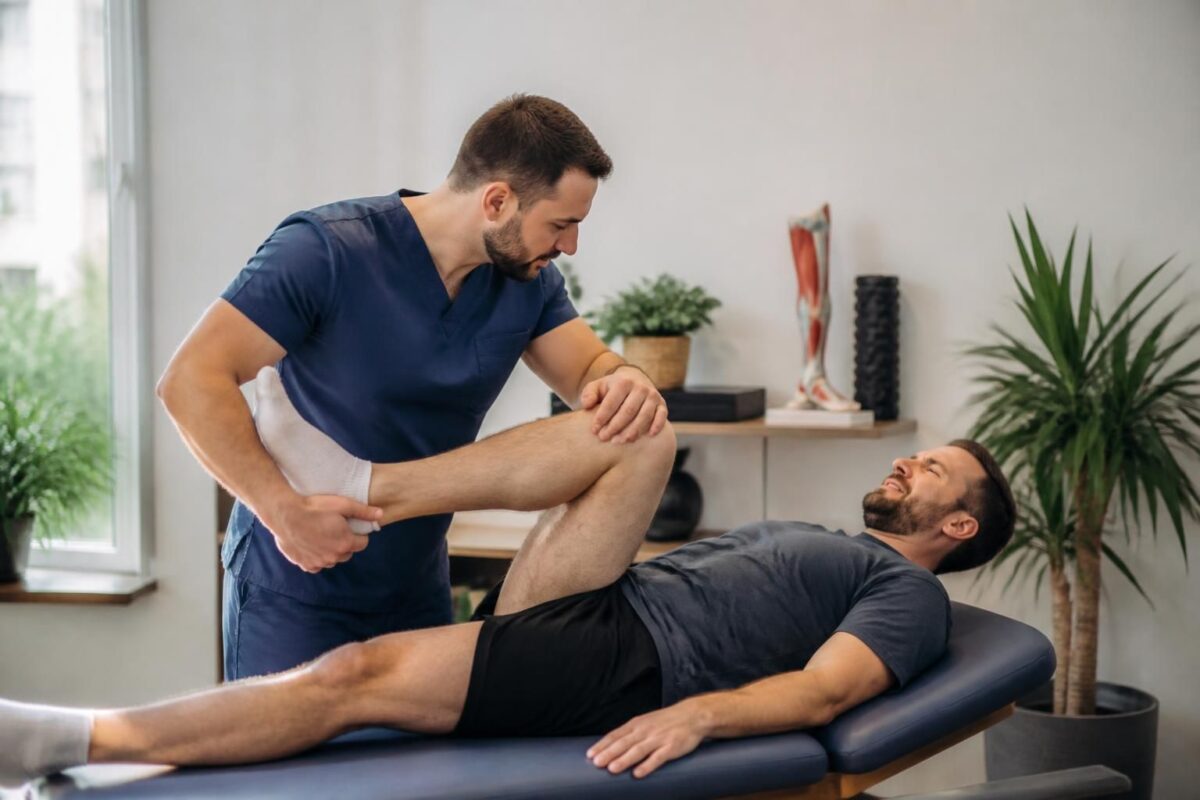
Osteopathy and chronic leg pain: regaining an optimal quality of life
In short In short, Osteopathy is one Global manual approach aimed at reducing Chronic leg pain and improve the quality of life. What is it? Non-drug therapy using the hands to identify restrictions and treat lesional chains. How does it…
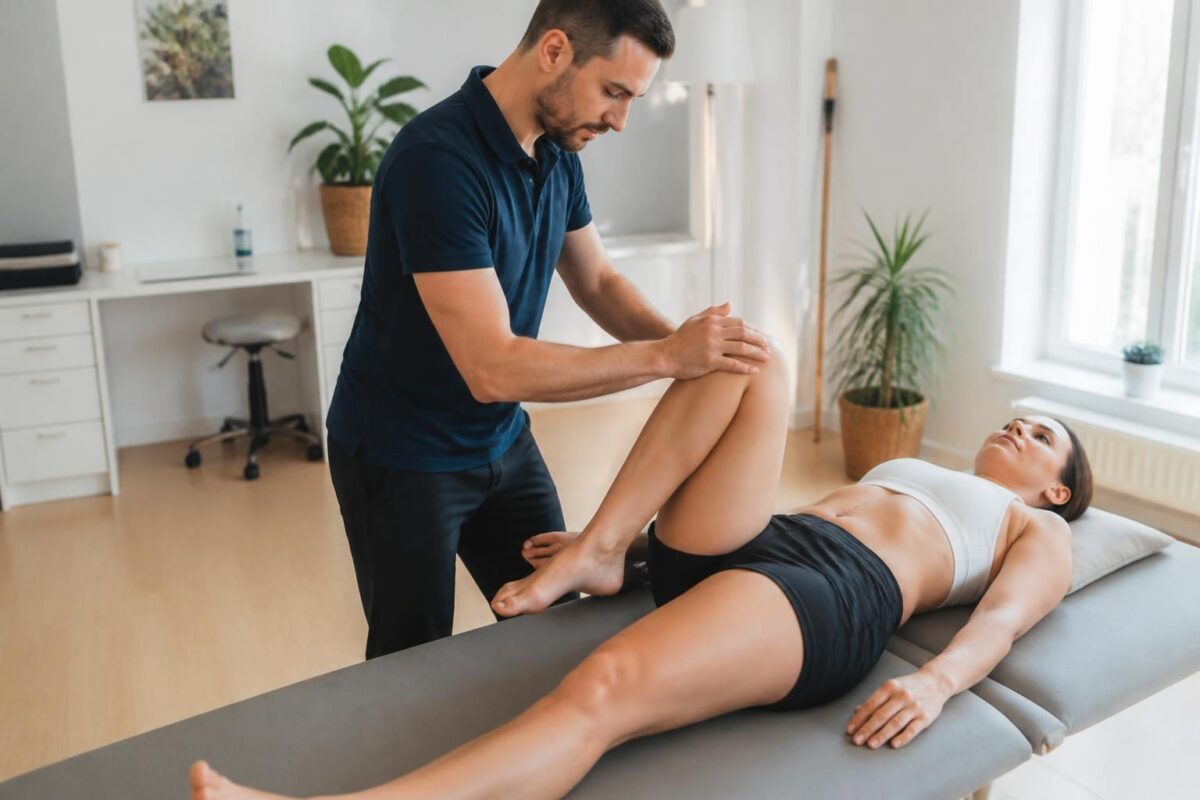
How osteopathy supports recovery after complex surgery
In short In short, Post-operative osteopathy is an approach fresh which supports the recovery After a Complex surgery. It helps to reduce the pain and the fatigue, improves the mobility and accelerates the healing thanks to a better vascularization and…

Dr Sylvain Desforges, B.Sc., D.O., N.D., osteopath, is the founding president of TAGMED and of the ACMA association. He dedicates his practice to chronic spinal pain, low back pain and symptoms compatible with sciatica, particularly when pain radiates toward the buttock, leg, calf, foot or toes.
Through SOS Sciatique, he publishes educational content on sciatica symptoms, possible causes such as disc herniation, disc narrowing, foraminal stenosis or irritation of a lumbar nerve root, as well as non-surgical approaches that may be considered according to the evaluation. At Clinique TAGMED, care may include, depending on the case, motorized neurovertebral decompression, specific osteopathic care or precision percussion.
For an evaluation related to sciatica treatment in Montreal / Mount Royal or sciatica treatment in Terrebonne, please consult the services available at Clinique TAGMED.
Medical disclaimer
The information published on SOS Sciatique is provided for educational purposes only and does not replace a consultation, diagnosis, opinion or treatment provided by a physician or another authorized healthcare professional. The author of this article is neither a medical doctor nor a specialist in a medical specialty recognized by the Collège des médecins du Québec. The osteopathic, manual medicine or functional support approaches described on this site do not constitute medical acts and are not intended to replace medical follow-up.
Consult a physician or emergency service in cases of loss of bladder or bowel control, anesthesia in the saddle area, significant or progressive weakness in the leg or foot, fever, recent trauma, severe pain or rapid worsening of symptoms. For more details, please read our Legal Notice.