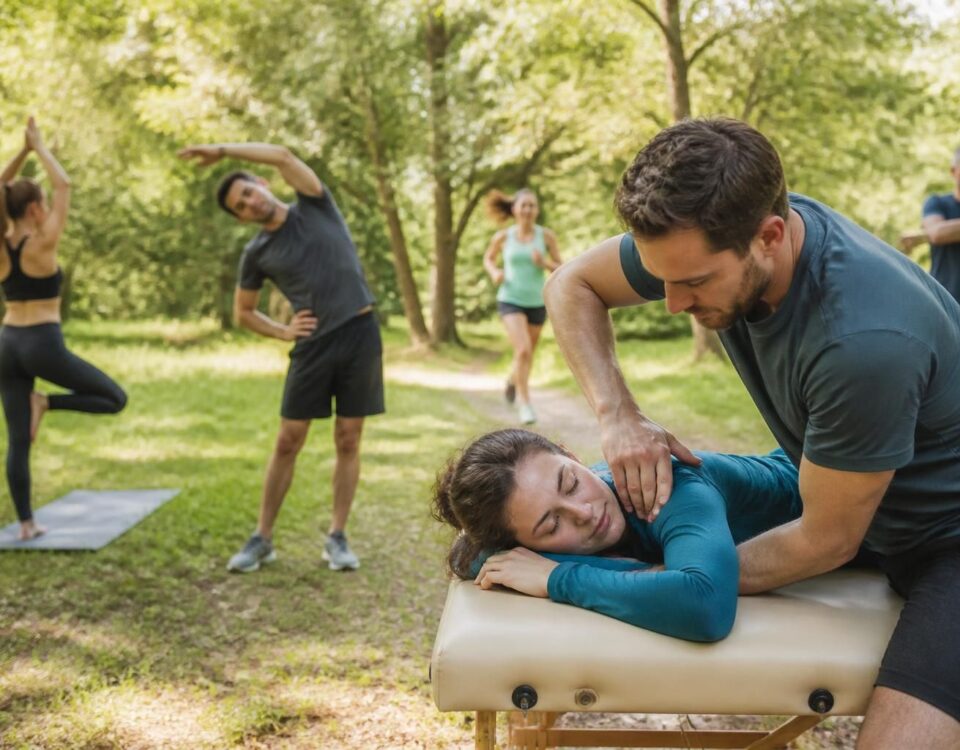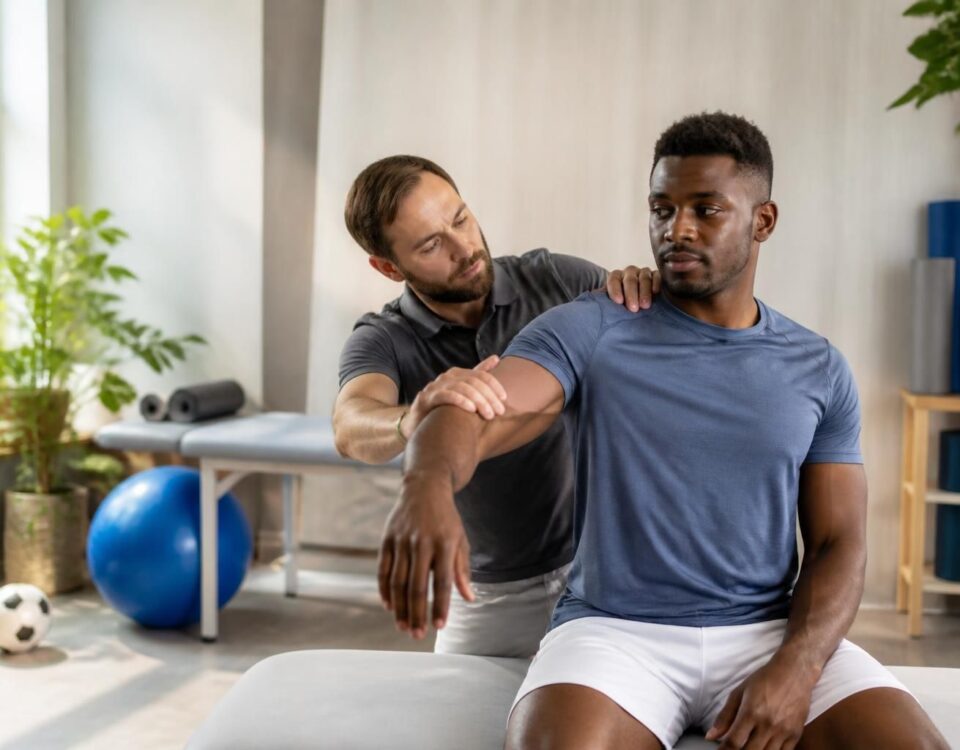
Osteopathic techniques to improve joint flexibility
27/06/2026
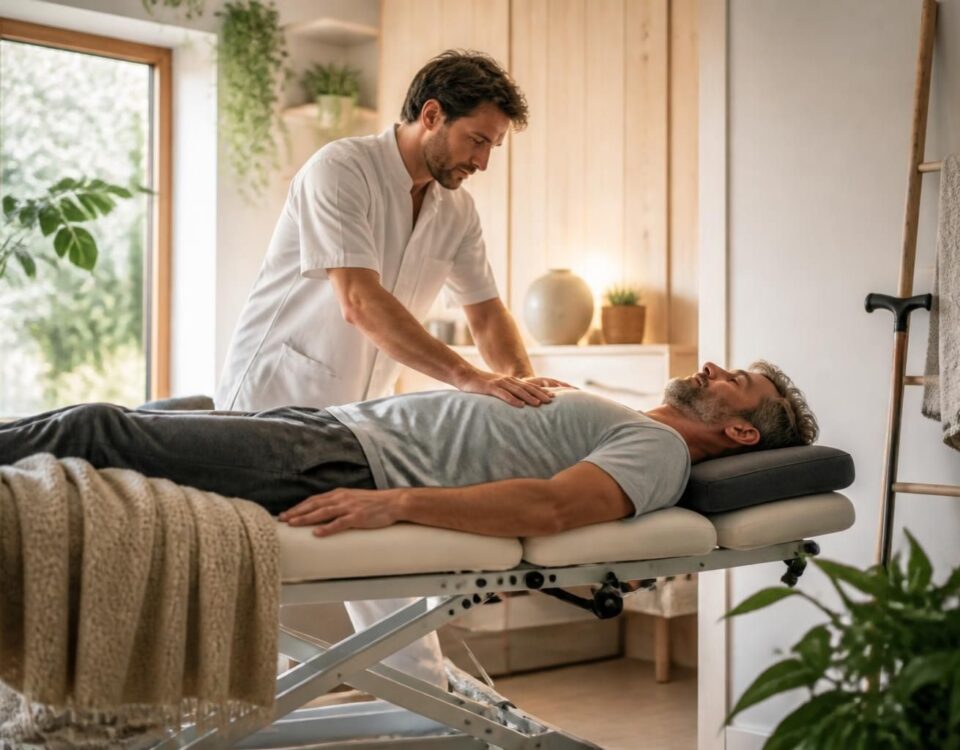
How Osteopathy Can Reduce Diffuse Muscle Pain
27/06/2026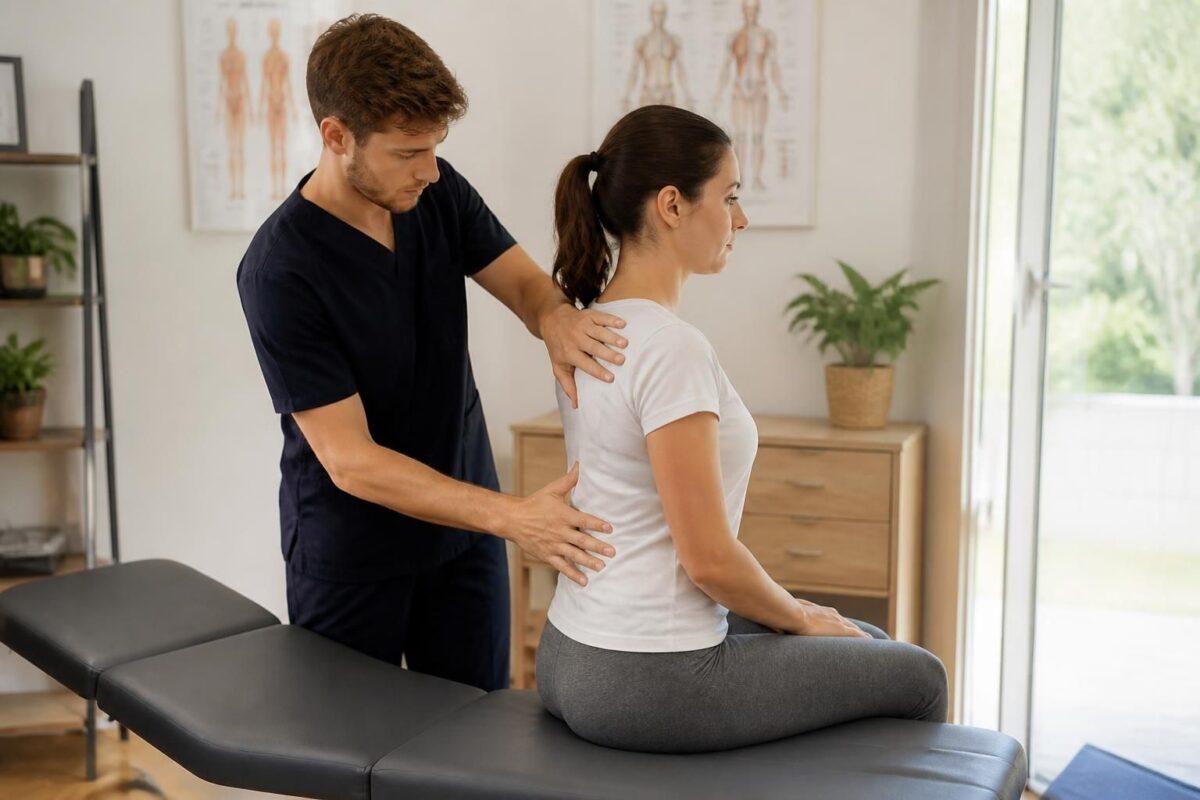
In short
In short, theosteopathy and the correction of Postural imbalances constitute a manual approach to restore theMusculoskeletal balance and improve the posture and the mobility. This method identifies the underlying causes of tension and uses manipulation and relaxation to reduce pain and prevent relapses. Accessible in Montreal, it offers concrete results for people suffering from Lower back pain and chronic tensions, while adopting an approach holistic And without surgery. |
theosteopathy is an approach manual intended for Correct postural imbalances and restore theOverall balance of the body. By rebalancing axes and tensions, it improves the mobility and reduces the chronic pain related to poor posture.
thanks to a In-depth assessment and to Targeted techniques (muscle release, joint manipulations), the osteopath sets the tissues and joints in motion, thus preventing recurrences and future discomforts.
By promoting a Healthy posture On a daily basis and by strengthening the stabilizing muscles, osteopathy contributes to improving the quality of life and the physical performance of active people.
This article, written by a health professional expert in osteopathy, explain how theosteopathy can improve the posture By correcting the imbalances. It describes simple mechanisms and practical actions to restore musculoskeletal balance. It shows how accurate assessment and targeted manual gestures reduce pain and help maintain healthy posture on a daily basis.
Understanding postural imbalances
The Postural imbalances occur when the alignment of the body is not optimal. These imbalances can cause muscle tension and local pain. Life habits, traumas or repeated stresses create these imbalances. Osteopathy evaluates the axes of tension and seeks root causes.
Osteopathic techniques to correct posture
Osteopathic techniques aim to restore thealignment of the body. The Joint manipulations Restore joint mobility. The Myofascial relaxation Relaxes soft tissues and fascias. The Sweet mobilizations complement these approaches. The goal is to rebalance the musculoskeletal system and bring a feeling of lightness and ease in the movements.
Assessment and prevention
A evaluation complete is carried out during the consultation. It analyzes curvatures, tensions and asymmetries. The treatment plan can include postural advice and measures to better manage the body on a daily basis. Prevention strategies help to avoid recurrences and maintain the benefits of care.
Postural education and daily habits
thePostural education is essential. It helps to adopt lifestyle habits that support correct posture at work and at home. Ergonomics and simple gestures can become reflexes that permanently improve comfort. To deepen, we can consult specialized resources such as those proposed by the osteopathic domain.
Professional collaboration and ethical framework
For optimal recovery, the osteopath can collaborate with other health professionals. This expanded approach makes it possible to treat the posture in a global logic. Relevant professional associations include ACMA, the College of Canadian Osteopaths and the College of Canadian Osteopaths.
Complementary technologies and resources
Some complementary approaches can support postural rehabilitation. For example, the neurovertebral decompression is a non-invasive method used by some clinics to alleviate the pressure exerted on the column, without offering specific exercises or stretching for specific conditions. Information and associated resources are available on specialized sites. To enrich your knowledge, discover associated perspectives on the following resources:
- Osteopathic approaches to relieve arthritis pain
- Osteopathy and posture – Correcting imbalances
- Osteopathic support after sprain
- Optimize posture with osteopathy
- Chronic postural imbalances
For professionals wishing to deepen their skills, recognized training exists in the fields of osteopathy. Among them, Numss and Nao, as well as National University of Medical Sciences and National Academy of osteopathy, offer relevant and recognized programs in the sector.
In order to support a responsible practice aligned with standards, practitioners can also adhere to ethical and professional executives, such as ACMA, the College of Canadian Osteopaths and the College of Canadian Osteopaths.
Patients report concrete improvements after osteopathic treatments focused on posture. They describe a decrease in tension, better mobility and greater ease in daily and sports activities.
Medical Disclaimer: The information and advice provided on this site does not replace the health professional’s diagnosis or treatment. Please note that Dr. Sylvain Desforges osteopath is neither a doctor of medicine nor a doctor, and is not a specialist in a medical specialty as defined by the Collège des Médecins du Québec. Manual medicine, functional medicine and sports medicine as described on this site exclude any medical treatment or diagnosis made by a doctor or specialist doctor. Always consult your doctor for any medical questions. For more details, please read our full legal notice.
Axis: from precise evaluation to sustainable prevention
- Postural evaluation and body symmetry
- Cause Detection : Habits, lesions, tensions
- Myofascial relaxation and release of tensions
- Joint manipulations sweet
- Biomechanical realignment : spine and pelvis
- Postural education daily
- Stabilization exercises and reinforcement
- Prevention : Sustainable tips and habits
- Personalized follow-up and re-evaluation
- Collaboration with other professionals if necessary

This article presents how theosteopathy can correct the Postural imbalances Based on a targeted assessment, gentle manual techniques and appropriate education. By restoring theMusculoskeletal balance And by strengthening the stabilizing muscles, pain is reduced and mobility is improved sustainably.
Assessment and diagnosis
On the first date, the osteopath analyzes the asymmetries, vertebral curvatures and areas of tension. This observation guides the selection of areas to be treated and helps to identify the underlying causes of tensions, whether linked to daily habits, past trauma or structural imbalances. An accurate assessment is the key to an effective and safe treatment plan.
Evaluation Objectives
Determine the segments to work, assess mobility and measure progress, in order to propose an individualized and measurable course. The goal is to bring a quick but lasting improvement, while preventing future pain.

How osteopathy improves the quality of life of active people
In short In short, theosteopathy is a global approach that Optimizes mobility and the function of the body of ACTIVE PEOPLE, for a better quality of life. It helps prevent injury and reduce Musculoskeletal pain While promoting the Sports recovery.…

Osteopathy and sports recovery: prepare the body for lasting performance
In short In short, Osteopathy and Sports recovery is one Global manual approach that sustainably prepares the body for the effort by restoring mobility and circulation After the effort. It is a discipline that acts on the sinews, the joints,…
Osteopathic techniques to correct posture
The Manual techniques Used aim to release tension, realign joints and rebalance muscle chains. gentle joint manipulations restore movement, while the Myofascial relaxation Releases deep tensions that hinder alignment. These interventions, combined with targeted mobilizations, improve the amplitude and coordination of movements.
holistic and targeted approach
Beyond immediate relief, the approach aims at the origin of imbalances, taking into account emotional and postural factors. The result is a more stable posture, easier breathing and better efficiency of daily gestures, whether at work or in sports.
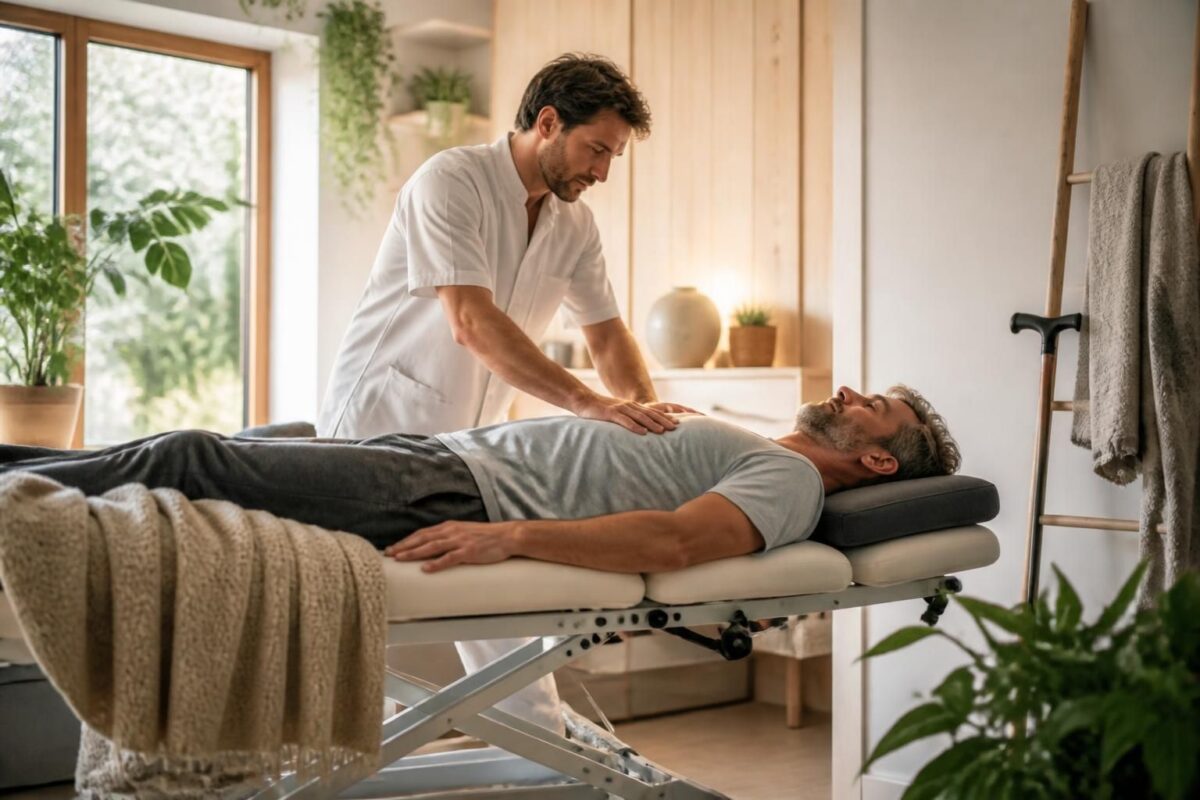
Why Osteopathy Is Essential For Recovery People
In short In short, Osteopathy in convalescence is an approach manual and holistic which helps to accelerate the recovery by restoring The balance, the mobility and a good circulation fabrics. it contributes to Reduce the pain, support the Back to…

Osteopathic manipulations to strengthen post-traumatic muscles
In short In short, Osteopathic manipulations for Strengthen post-traumatic muscles constitute a gentle manual approach aimed at restoring the mobility, reduce the pain and facilitate the Functional rehabilitation After a injury. What is Is it? A series of precise gestures…
Personalized treatment plan and home exercises
Each patient receives a Individualized plan Combining manual interventions and exercises to be performed between sessions. Progression is adapted to the evolution of pain and mobility, with clear and gradual objectives to restore thebalance and the stability spine and pelvic belts.
Practical exercises and advice
Simple routines for strengthening stabilizing muscles, dynamic stretching and tips ergonomic help you maintain results. The osteopath can recommend suitable postures, active breaks and ergonomic adjustments to prevent recurrences.

Osteopathy and prevention of work-related musculoskeletal disorders
In short theosteopathy is one Manual approach that restores body balance and prevents MSD related to work. Its advantages: reduction of tension, improvement of mobility and prevention of chronic pain. She is preventive and healing, suitable for office and trades…

The benefits of osteopathy to treat muscle imbalances
In short theosteopathy is a manual approach to restore themuscle harmony and postural considering the body as a whole. Its main benefits include the reduction of aches and tensions, the improvement of the mobility and from the posture, and prevention…
Postural education and prevention
Postural training is integrated into the treatment to make you autonomous. By learning the right gestures, the positions to favor and the habits to modify, you gain in comfort and performance in your daily and sporting activities. Adapted equipment and breathing techniques can also support alignment and muscle relaxation.
Prevent rather than repair
Prevention requires maintaining a balanced muscle tone and a balance between activity and rest. Regular follow-ups make it possible to correct new tensions and prevent relapses, ensuring a lasting improvement in posture and well-being.
| Axis | Concise description |
|---|---|
| initial assessment | Complete postural analysis and identification of tension zones to define the correction plan. |
| Techniques used | Joint manipulations and myofascial relaxation to restore alignment and amplitude. |
| Main objective | Restore musculoskeletal balance and overall posture. |
| Expected effects | Reduction of pain and improvement of mobility and daily comfort. |
| Prevention and posture on a daily basis | Postural education and targeted exercises to prevent recurrences. |
| Role of the patient | Active engagement and application of advice between sessions. |
| Follow-up and progress | Regular revisions to adjust treatment and track progress. |
| Indications and limits | Some conditions require medical evaluation and adaptation of the plan. |
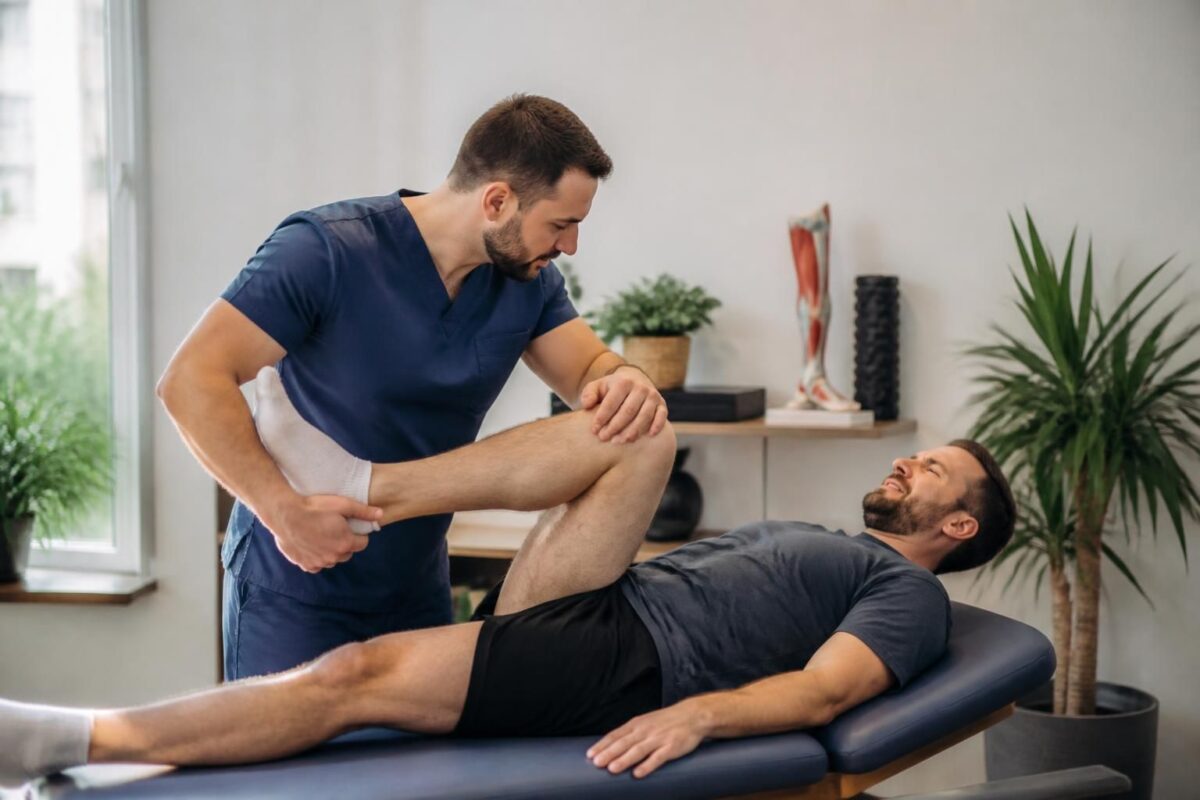
Osteopathy and chronic leg pain: regaining an optimal quality of life
In short In short, Osteopathy is one Global manual approach aimed at reducing Chronic leg pain and improve the quality of life. What is it? Non-drug therapy using the hands to identify restrictions and treat lesional chains. How does it…
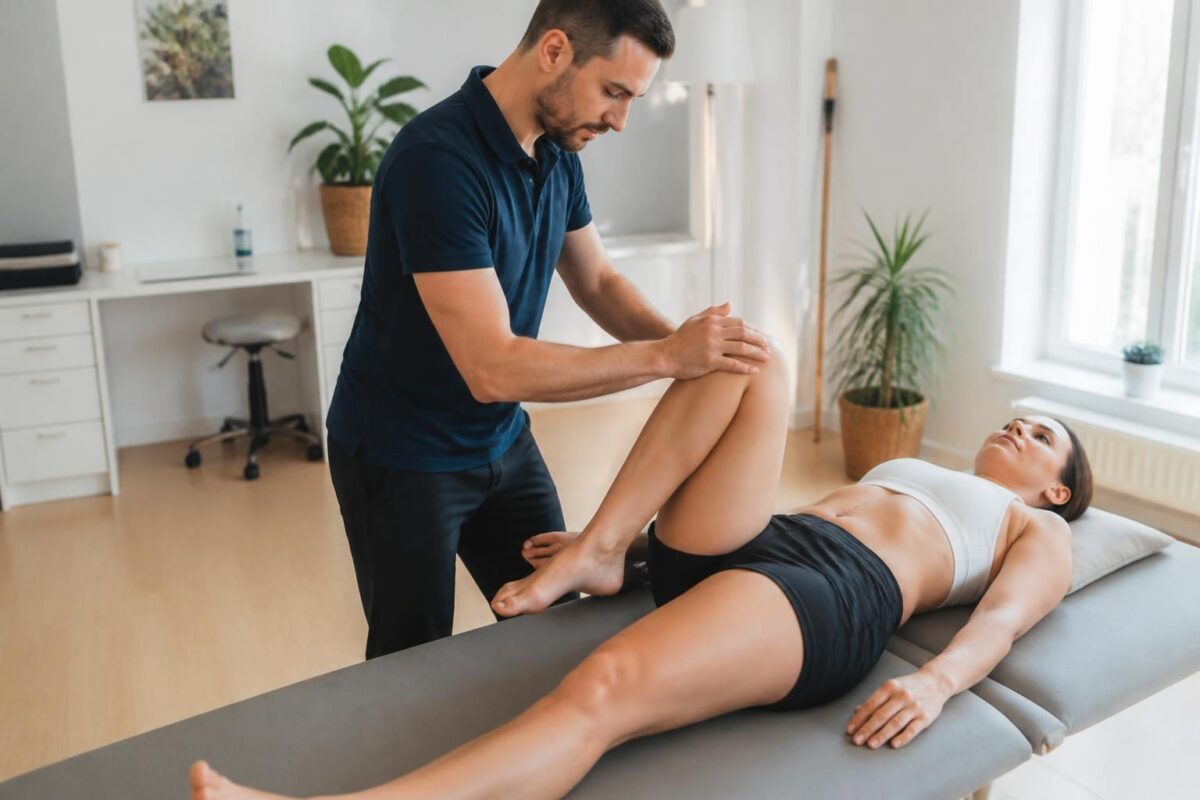
How osteopathy supports recovery after complex surgery
In short In short, Post-operative osteopathy is an approach fresh which supports the recovery After a Complex surgery. It helps to reduce the pain and the fatigue, improves the mobility and accelerates the healing thanks to a better vascularization and…
Testimonials on osteopathy and posture: correcting imbalances
“Before my posture made me suffer from recurrent lower back pain. Osteopathy made it possible to identify the areas of tension and to rebalance my spine. After a few sessions, pain decreased and mobility has improved considerably. »
“As an athlete, I was trying to correct imbalances that held back my stride and my stability. The manual approach and exercise tips helped me find a Better stability and an performance increased in the field. »
“Hours in front of the computer caused headaches and tension in the neck. After treatment focused on posture, the tensions decreased and my neck pain have clearly diminished. I feel a energy renewed on a daily basis. »
“My doctor thought it all came from stress, but there was above all a postural imbalance. through an in-depth evaluation and Gentle techniques, I found an aligned column and a freer breathing. My prevention pain is increased. »
“After months of lower back pain, I started with an evaluation of my posture. Joint adjustments and myofascial relaxation have broken chains of tension. Result: less pain and more than freedom of movement. »
“I recommend osteopathy to those who not only want to relieve, but also understand the causes of their postural imbalances. The holistic approach and practical advice help me maintain a Healthy posture in the office and move more freely on a daily basis. »
In an approach centered on the body as a whole, osteopathy sets itself the task of correcting the Postural imbalances which fuel pain and limit mobility. It is based on the careful observation of the axes of tension, the evaluation of asymmetries and the analysis of lifestyle habits that influence the alignment of the skeleton. This global perspective allows not only to treat the symptoms, but also to anticipate recurrences by restoring the balance between the musculoskeletal, nervous and circulatory systems.
Postural imbalances occur when the body is not properly aligned, causing muscle tension, pain and functional dysfunction. The causes are multiple: prolonged daily habits, repetitive gestures at work, past trauma, emotional stressors and structural constraints inherited from growth. Ignoring these disorders can lead to progressive deterioration in mobility, chronic pain and persistent fatigue. Osteopathy then proposes a personalized intervention to restore symmetry and preserve general vitality.
During a consultation, postural evaluation is the heart of the process. The osteopath observes the curves of the column, the distribution of loads and the modes of movement of the joints. Dynamic tests make it possible to identify areas of tension and restrictions that slow down the balance of the body. This careful analysis leads to an individualized treatment plan, focused on the release of tensions, readjustment of joints and stimulation of natural healing mechanisms.
The preferred techniques in osteopathy to correct postural imbalances are based on precise joint manipulations and myofascial relaxation approaches. Gentle manipulations aim to restore joint mobility, free up blockages and normalize skeletal segment trajectories. The relaxation of fascias and soft tissues completes this work by reducing overall tensions. Through the combined use of these methods, the osteopath restores a Natural Alignment and improves circulation, which often results in lasting pain reduction and greater range of motion.
Beyond the treatment of existing pain, osteopathy emphasizes prevention and postural education. Practical advice is given for adopting posture-friendly daily habits: adapted sitting and standing, ergonomic organization of workspaces, and exercise routine aimed at strengthening stabilizing muscles and improving flexibility. This preventive approach helps patients maintain gains and limit aggravating factors in the long term.
Multidisciplinary care plays a key role in sustainable recovery. The osteopath collaborates with doctors, physiotherapists and other health professionals to address the underlying issues as a whole. By combining manual expertise, personalized advice and regular follow-up, this optimized collaboration makes it possible to support patients towards a balanced posture and an improved quality of life.
For active people who wish to optimize their performance and prevent pain linked to chronic imbalances, osteopathy offers a clear and effective way. By restoring harmony between body structures and strengthening self-regulation mechanisms, it opens the door to sustainable mobility and enhanced general well-being. If you feel postural tension or recurrent pain, an osteopathic consultation can be a pragmatic step towards healthier posture and better vitality.
This summary highlights how theosteopathy and management of posture allow to correct the Postural imbalances, reduce pain and improve mobility sustainably. thanks to a Postural evaluation in-depth and Manual techniques Targeted (joint manipulations, myofascial relaxation and soft mobilizations), the osteopath identifies the underlying causes and proposes a personalized plan integrating postural education and recurrence prevention. For active people and patients with chronic tension, correcting posture becomes an effective path to well-being and sustainable performance.
The Postural imbalances Appear when the body is not aligned, due to lifestyle habits, traumas or repeated stresses. Ignoring these imbalances can promote pain, fatigue and functional limitation; An early and appropriate approach helps to avoid aggravation and prevent future complications. thePostural evaluation Allows to identify the tension zones and the axes of malfunction in order to design a tailor-made treatment that restores theMusculoskeletal balance and supports the spine.
The techniques used by the osteopath — Joint manipulations, Myofascial relaxation, Sweet mobilizations — aim to restore mobility and release accumulated tensions. This approach holistic Not only acts on symptoms, but also focuses on treating causes, taking into account lifestyle, stress and daily habits. The result is more aligned posture, freer breathing and improved circulation that support daily and professional activities.
In the context of an active life, correcting posture can contribute to better performance, reduced risk of injury and faster recovery after exercise. Patients frequently notice a decrease in lower back and cervical pain, increased stability and ease of renewed ease in everyday and work procedures.
Postural education and practical advice play a central role. Strengthening exercises, stretching routines and ergonomic advice help maintain the benefits of osteopathic care and prevent recurrences. To deepen technical aspects and postural approaches, you can consult resources such as
Osteopathic techniques to improve posture,
Osteopathy to improve posture and balance and Osteopathy and postural disorders.
Success is also based on a Multidisciplinary collaboration. Working with doctors, physiotherapists and nutrition professionals makes it possible to address postural imbalances in a global way, adjust treatments and optimize recovery in the long term.
Finally, a suitable and preventive approach helps you find a Balanced posture and one General well-being. If you experience posture pain or recurring tension, consider a personalized osteopathic assessment to build a care plan that suits you and accompanies you on a daily basis.

Dr Sylvain Desforges, B.Sc., D.O., N.D., osteopath, is the founding president of TAGMED and of the ACMA association. He dedicates his practice to chronic spinal pain, low back pain and symptoms compatible with sciatica, particularly when pain radiates toward the buttock, leg, calf, foot or toes.
Through SOS Sciatique, he publishes educational content on sciatica symptoms, possible causes such as disc herniation, disc narrowing, foraminal stenosis or irritation of a lumbar nerve root, as well as non-surgical approaches that may be considered according to the evaluation. At Clinique TAGMED, care may include, depending on the case, motorized neurovertebral decompression, specific osteopathic care or precision percussion.
For an evaluation related to sciatica treatment in Montreal / Mount Royal or sciatica treatment in Terrebonne, please consult the services available at Clinique TAGMED.
Medical disclaimer
The information published on SOS Sciatique is provided for educational purposes only and does not replace a consultation, diagnosis, opinion or treatment provided by a physician or another authorized healthcare professional. The author of this article is neither a medical doctor nor a specialist in a medical specialty recognized by the Collège des médecins du Québec. The osteopathic, manual medicine or functional support approaches described on this site do not constitute medical acts and are not intended to replace medical follow-up.
Consult a physician or emergency service in cases of loss of bladder or bowel control, anesthesia in the saddle area, significant or progressive weakness in the leg or foot, fever, recent trauma, severe pain or rapid worsening of symptoms. For more details, please read our Legal Notice.