Osteopathy and herniated discs: a gentle approach
27/06/2026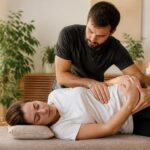
How Osteopathy Helps Manage Physical Stress
27/06/2026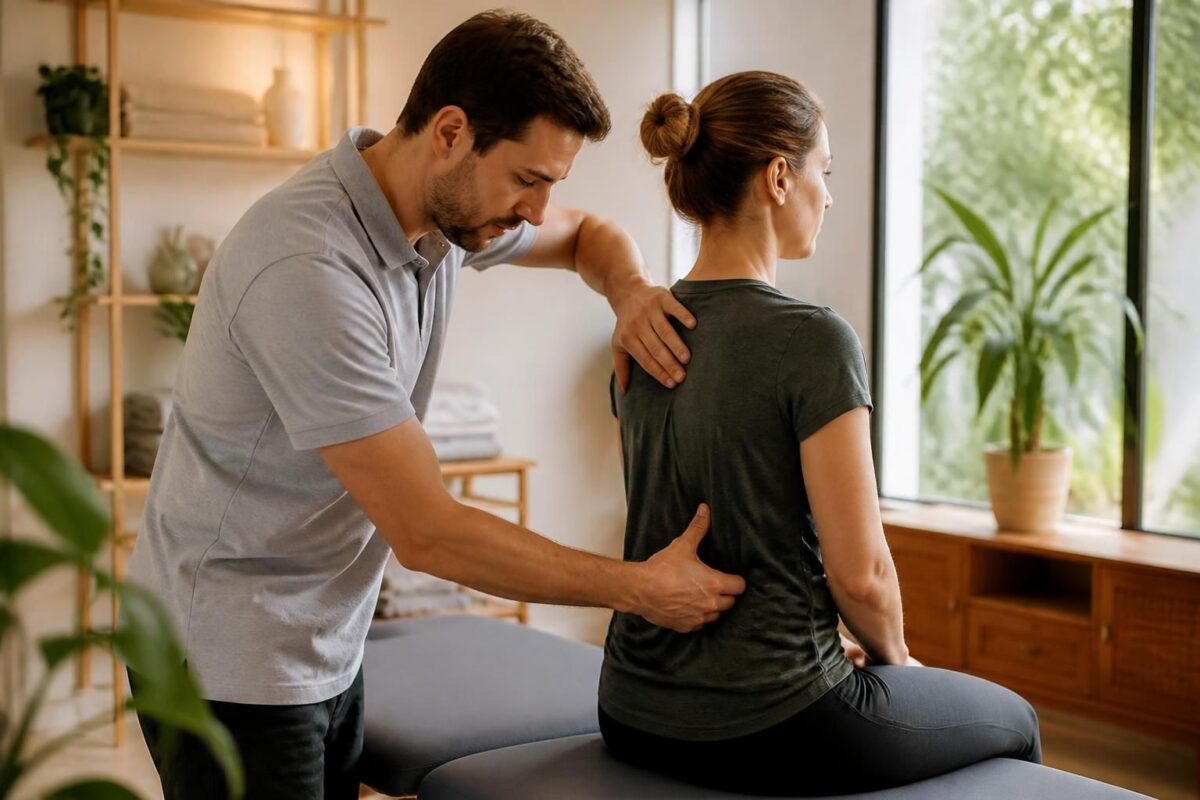
In short In short, the Osteopathic techniques To improve the posture use soft, targeted manual gestures to restore thealignment of the body and release the tensions that limit mobility. They associate engagement And some Joint manipulations To restore amplitude, as well as approaches cranial and, when necessary, visceral and fascial techniques to release restrictions in tissues and organs. The main benefit is better posture on a daily basis, with reduced pain and increased mobility, all without surgery. In Montreal, this service is particularly recommended for professionals in an extended sitting position and for those who wish to straighter posture and comfortable. |
The Osteopathic techniques dedicated to theposture improvement act on thealignment and the mobility overall body. The Joint mobilizations and the manipulation Target joints and surrounding tissues to restore range of motion and release restrictions. The Myotensive techniques release muscle tension and balance the Muscle chains. the approaches cranial Bring a softness that relaxes the nervous system, facilitating a more stable posture. Other techniques fasciales and visceral Release tensions in the fascias and organs to support a more harmonious postural balance. A Postural evaluation Initial allows you to adapt the treatment to your morphology and your lifestyle, promoting a lasting improvement in comfort on a daily basis.
Quick Summary: This article presents the osteopathic techniques used to improve posture. It describes structural, myotensive, cranial, visceral, fascial and tissue approaches. Each technique aims to release restrictions, rebalance muscle chains and promote overall body alignment, favoring patient safety and comfort.
The posture depends on the harmony between the bone structures, the muscles and the organs. The proposed osteopathic techniques aim to restore this harmony. They favor safe and patient-friendly gestures. The osteopathic doctor chooses the most relevant methods according to the individual assessment. To learn more about the benefits and risks, certain professional resources can be consulted via authorized domains, including sossciatica.com and clinicagmed.com.
Joint mobilizations and manipulations
The engagement are gentle movements that release joint restrictions. They improve the amplitude and relax the surrounding muscles. The Joint manipulations Consists of rapid and precise gestures, with low amplitude, to restore mobility. The possible noise does not indicate any damage, but a release of gas in the joint. These techniques act on the key areas of the spine and shoulders to support more natural alignment.
Myotensive approaches and muscle rebalancing
The Myotensive techniques Aim for muscles and their functional chains. They include targeted stretching that improves flexibility and muscle coordination. of Muscle energy techniques Allow the patient to slightly contract a muscle, which promotes relaxation and stretching. themuscle inhibition helps to erase local tensions, and Jones Techniques Place the patient in a comfort position to limit tension and promote their natural absorption.
cranial techniques
The cranial techniques Use very gentle gestures on the bones of the skull, relying on light mobility. They can reduce tension and promote sleep, free breathing and stress management. This approach can implicitly contribute to better postural alignment in everyday life.
Visceral techniques
The Visceral techniques mobilize the internal organs through fine and precise movements. They can improve diaphragmatic functioning and abdominal mobility, which indirectly affects posture and breathing comfort. These gestures are part of a global approach to the body.
Fascial and tissue techniques
The Fascial techniques and tissue Aim for the fascias and connective tissues that surround muscles and organs. With slight pressures and soft stretches, they release accumulated tension and facilitate more homogeneous alignment of the body.
Customization and coordination of care
Each person has particularities. The osteopath adapts the protocol according to the posture, history and rhythm of the patient. This personalized approach makes it possible to harmonize the posture while respecting the comfort and limits of the body. Ergonomic advice and appropriate exercises can be offered after evaluation, without replacing the necessary medical follow-ups.
To deepen the practical aspects, you can consult resources dedicated to osteopathy and posture on recognized areas such as The benefits of osteopathy for postural pain and How is an osteopathy session. For additional information on risks and limits, see Risks associated with osteopathy. the site Tagmed Clinic Presents examples of courses and support services. Resources related to neurovertebral decompression and other related approaches can also be found on decompressionneurovertebrale.com and on SoshernieDiscale.com.
Training references and professional associations: Professionals practice in training and organizations recognized by NUMSS, NAO, National University of Medical Sciences and National Academy of osteopathy. At the level of associations, professional coaching refers to ACMA, College of Canadian Osteopaths and College of Canadian Osteopaths. These references guide practices and safety standards.
For questions related to clinical wisdom and evaluation, additional information is available through the following resources: How Osteopathy Improves Joint Mobility and How Osteopathy Improves Quality of Life.
For people seeking specific approaches related to posture, some resources and technical articles can help to understand the general framework without proposing specific exercises for disc pathologies. Links to general information and professional guides remain available in the authorized areas mentioned above.
Medical Disclaimer: The information and advice provided on this site does not replace the health professional’s diagnosis or treatment. Please note that Dr. Sylvain Desforges osteopath is neither a doctor of medicine nor a doctor, and is not a specialist in a medical specialty as defined by the Collège des Médecins du Québec. Manual medicine, functional medicine and sports medicine as described on this site exclude any medical treatment or diagnosis made by a doctor or specialist doctor. Always consult your doctor for any medical questions. For more details, please read our full legal notice.
Osteopathic techniques to improve posture
Passive mobilizations — Release tensions and increase the range.
Joint manipulations — Quickly restore targeted mobility and flexibility.
Myotensive techniques — Unleash muscle chains and improve flexibility.
Muscle stretching — lengthen the contracted muscles and restore elasticity.
muscle energy — Guided light contraction to promote relaxation and mobility.
muscle inhibition — Targeted pressure to unravel tense areas.
cranial techniques — Soft movements of the skull bones for a freer posture.
Visceral techniques — Release organ restrictions and support posture.
Fascial release — Work of the fascias with gentle pressures to optimize alignment.

This text presents how the Osteopathic techniques can transform the posture By acting on the muscular, fascial and nervous balances. He details the large families of techniques and offers practical advice to integrate them into his life, in a gentle and progressive way, according to your rhythm and your needs.
Essential techniques to improve posture
Passive mobilizations and joint manipulations
The Passive mobilizations Aim to release joint restrictions and increase range of motion, which promotes more homogeneous alignment of the back and shoulders. The Joint manipulations, carried out with precision and softness, make it possible to correct blockages and to restore fluid mobility of the vertebral and peripheral segments. By adapting the intensity to your comfort, the practitioner soothes tensions and prepares the ground for a more natural and lasting posture.
Fascial and tissue techniques
the techniques fascia and tissues target the membranes that surround muscles and organs to release tensions that hinder postural balance. With light pressures and very soft stretches, they facilitate the glide of fabrics and the distribution of loads on the column. This approach helps to stabilize the trunk and prevent misalignments caused by chronic tensions, while respecting the rhythm of the body.
Cranial and visceral approaches
The Cranial approaches and visceral, soft and subtle, work on the relationships between the skull, membranes and internal organs to influence the nervous system and respiration. By harmonizing these areas, they can reduce the tensions that are projected on the neck, chest and upper back. This nervous regulation supports a more balanced posture and better coordination of daily movements.

How osteopathy improves the quality of life of active people
In short In short, theosteopathy is a global approach that Optimizes mobility and the function of the body of ACTIVE PEOPLE, for a better quality of life. It helps prevent injury and reduce Musculoskeletal pain While promoting the Sports recovery.…

Osteopathy and sports recovery: prepare the body for lasting performance
In short In short, Osteopathy and Sports recovery is one Global manual approach that sustainably prepares the body for the effort by restoring mobility and circulation After the effort. It is a discipline that acts on the sinews, the joints,…
Customization and security
Each session starts with an accurate assessment of your posture and movement patterns. The practitioner adapts the techniques according to your needs, first favoring gestures freshs and progressive, then adjusting the intervention according to your tolerance and reaction. The goal is to achieve a lasting painless rebalancing, while remaining within an approach non-invasive and secure when practiced by a qualified professional.
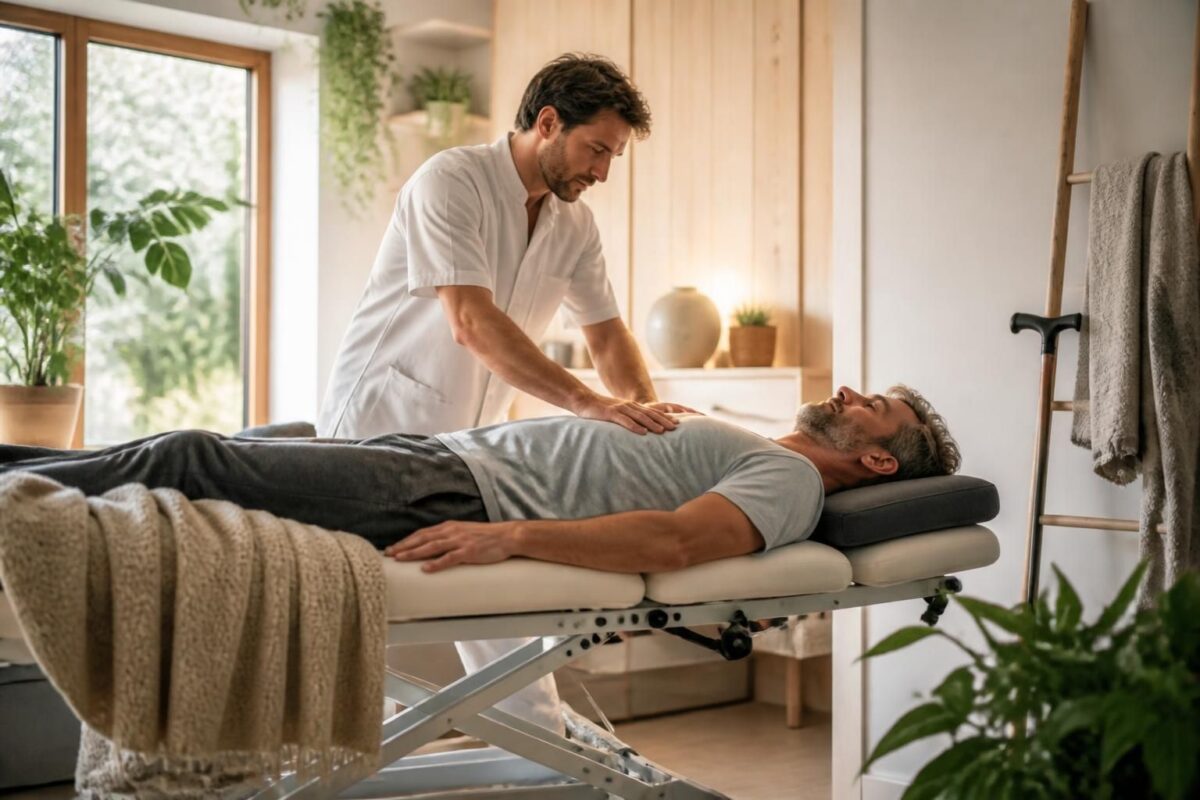
Why Osteopathy Is Essential For Recovery People
In short In short, Osteopathy in convalescence is an approach manual and holistic which helps to accelerate the recovery by restoring The balance, the mobility and a good circulation fabrics. it contributes to Reduce the pain, support the Back to…

Osteopathic manipulations to strengthen post-traumatic muscles
In short In short, Osteopathic manipulations for Strengthen post-traumatic muscles constitute a gentle manual approach aimed at restoring the mobility, reduce the pain and facilitate the Functional rehabilitation After a injury. What is Is it? A series of precise gestures…
Integration into everyday life
To optimize the results, combine these techniques with simple gestures ofergonomy and targeted exercises to strengthen and stretch the stabilizing muscles of the back and shoulders. Also work on breathing and postural habits in the office, during journeys and daily activities. Regular appointments allow you to maintain alignment and adjust the care plan according to the evolution of your posture and your comfort.

Osteopathy and prevention of work-related musculoskeletal disorders
In short theosteopathy is one Manual approach that restores body balance and prevents MSD related to work. Its advantages: reduction of tension, improvement of mobility and prevention of chronic pain. She is preventive and healing, suitable for office and trades…

The benefits of osteopathy to treat muscle imbalances
In short theosteopathy is a manual approach to restore themuscle harmony and postural considering the body as a whole. Its main benefits include the reduction of aches and tensions, the improvement of the mobility and from the posture, and prevention…
Osteopathic techniques to improve posture
| Technical | Concise description |
|---|---|
| Passive mobilizations | Gentle techniques applied to the joints to release restrictions and improve amplitude, promoting better posture. |
| Joint manipulations | Quick and precise joint adjustments to restore their mobility and postural alignment. |
| cranial techniques | A light approach focused on skull bones and membranes to ease tension and optimize spinal stability. |
| Visceral techniques | Subtle movements targeting internal organs to free restrictions and support overall postural functioning. |
| Myofascial release | Release of the fascias by gentle pressure to lighten the musculo-fascial chains and improve posture. |
| Muscle stretching | Targeted stretching to lengthen tense muscles, reduce tension and rebalance muscle chains. |
| muscle inhibition | Pressure on a tense muscle to promote relaxation and restore postural balance. |
| muscle energy | Voluntary contraction against slight resistance to facilitate relaxation and joint mobility. |
| Tissue/functional approaches | Soft technique that accompanies the natural movement of the body to rebalance the posture without forcing. |
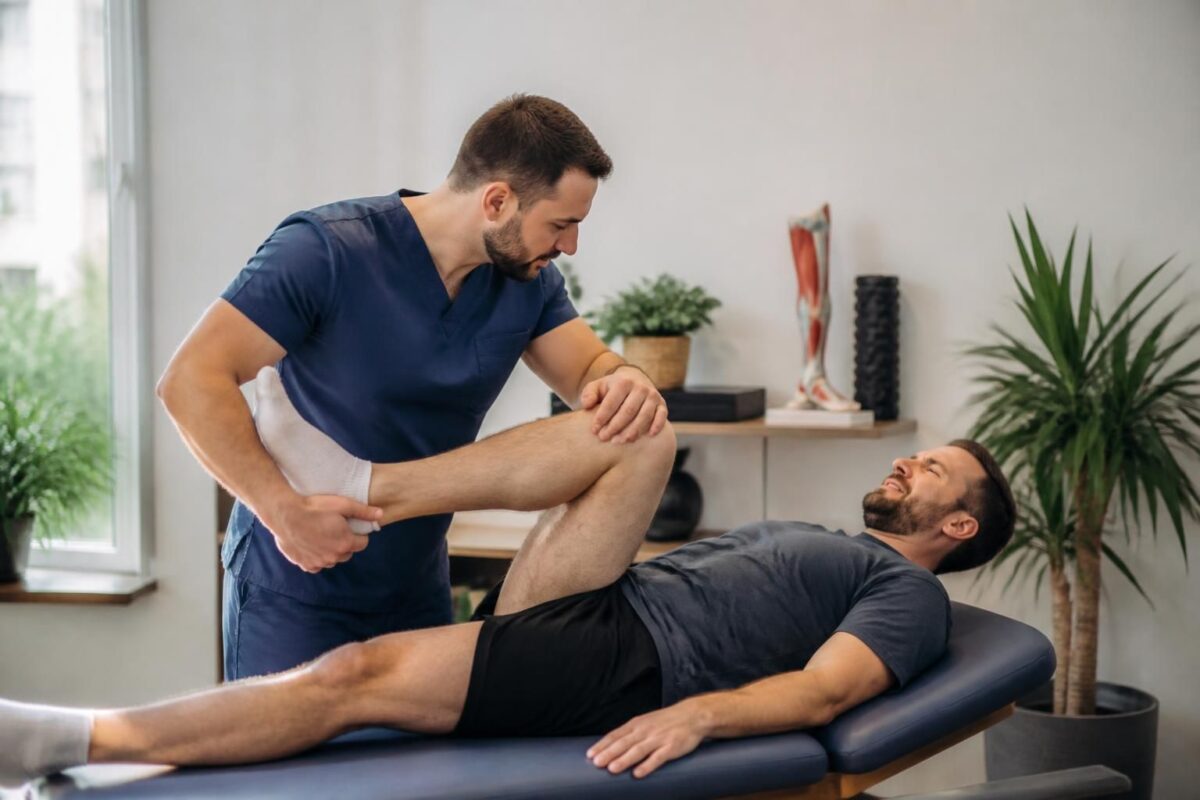
Osteopathy and chronic leg pain: regaining an optimal quality of life
In short In short, Osteopathy is one Global manual approach aimed at reducing Chronic leg pain and improve the quality of life. What is it? Non-drug therapy using the hands to identify restrictions and treat lesional chains. How does it…
How osteopathy supports recovery after complex surgery
In short In short, Post-operative osteopathy is an approach fresh which supports the recovery After a Complex surgery. It helps to reduce the pain and the fatigue, improves the mobility and accelerates the healing thanks to a better vascularization and…
Testimonials on osteopathic techniques to improve posture
Marie, 32, graphic designer: “Before coming, my posture in front of the computer was vaulted and my shoulders were blocked at the end of the day. After several sessions focused on Passive mobilizations and the Muscle rebalancing, I found an aligned column and better breathing. »
Jean, 45, executive: “I had a lumbar stiffness which worsened in the middle of the day. The Joint manipulations and the techniques ofmuscle inhibition allowed to release the blockages and restore a more natural posture, without continuous pain. »
Sophie, 28, teacher: “My back pain is relaxing thanks to cranial techniques and to cervical mobilizations. My posture is straighter, and my headaches have decreased, which improves my classroom performance. »
Marc, 50, athlete: “By working on the fascias and the Muscle rebalancing, my back straightened and my sports performance improved. I feel more stable and less prone to pain after training. »
Léa, 37, secretary: “I joined Targeted stretches and one Target reinforcement Trunk muscles in my routine. Result: better posture in the office and a feeling of lightness that lasts all day. »
The posture is the dynamic reflection of the internal organization of the body and its exchanges between the muscular, arterial, nervous and visceral systems. In an osteopathic approach, the objective is to restore a Overall balance By harmonizing muscle chains, releasing joint restrictions and improving tissue mobility. The practitioner relies on a comprehensive postural assessment and in-depth knowledge of anatomy and physiology to propose a personalized care plan, focused on a lasting improvement daily posture.
Among the most used techniques to act directly on the column and joint joints, we find the Structural techniques, which include joint manipulations and mobilizations. The former involve precise movements and low amplitude intended to restore the mobility of the joints and to free the blockages. Mobilizations, slower and progressive, aim to find a sufficient range of motion while relaxing the muscles that surround the worked joint. The goal is to get a more aligned posture and more free breathing.
The Myotensive techniques target muscles and their coordination. Among them, the targeted stretching makes it possible to lengthen the contracted muscles and improve their flexibility, promoting better postural stability. The “muscle energy” methods voluntarily require a muscle against a slight resistance in order to obtain relaxation and readjustment of the muscle chains, which helps to rebalance tension in the back and shoulders. Muscle inhibition, applied to points of tension, can decrease local resistance and facilitate body realignment. Finally, Jones’ techniques place the patient in a comfortable position for a long time so that tensions loosen naturally, supporting a gradual return to a healthy posture.
For subtle but beneficial effects on the skull and nervous system, cranial techniques are based on a delicate mobility of the bones of the skull and membranes. They aim to alleviate tensions related to stress, migraines and sleep disorders, indirectly contributing to better posture by reducing endolomph compensation and cervical tension patterns.
The Visceral techniques and fascials intervene when mobility restrictions manifest themselves at the level of the internal organs and fascias which envelop the muscles and deep structures. By working on visceral mobility and fascial tensions, the practitioner improves tissue elasticity and helps the body to regain overall postural balance, in particular around the diaphragm and the rib cage, key sources of stability.
The Tissue techniques and fasciales play a supporting role, accompanying the natural movements of the body and releasing grips that limit mobility. At the same time, functional approaches respect the patient’s comfort position and promote theSelf-slowing Imbalances with gentle and progressive gestures, in order to permanently install a better posture.
Why so many techniques? Because each person presents a unique anatomy and medical history that influences their posture. This variety makes it possible to personalize the treatment, to adapt the gestures to the age, the level of form and the preferences of the patient, and to act on the different interfaces of the body (musculoskeletal, visceral, nervous). The objective is not only to correct existing imbalances, but also to prevent future tensions and to improve the quality of life during professional and daily activities, through a Balanced posture and better body energy.
In addition to the manipulations, the osteopath offers postural education and appropriate exercise recommendations, so that the patient becomes an actor of his own stability. This integrative approach, applied in Montreal and beyond, aims to harmonize the body as a whole and to sustainably support an effective and comfortable posture on a daily basis.
This article gives you a clear overview of Osteopathic techniques used to improve the posture, by explaining how each approach contributes to restoring thealignment, the mobility and the balance of the body as a whole.
The engagement and the Joint manipulations constitute the base of osteopathic action on the posture, working both on the joints and on the muscle chains to regain an optimal range of motion and reduce tension. This structural approach is complemented by the Myotensive techniques, which aim to release muscle tension and rebalance muscle chains, thus promoting a more stable and lasting posture.
Beyond purely somatic methods, cranial techniques and visceral Bring a soft and precise dimension, helping to reduce stress, improve sleep and promote better nervous harmony. This combination makes it possible to act on the body as a whole, taking into account the interactions between the musculoskeletal, visceral and nervous systems, for a deeper and lasting postural rebalancing.
The variety of techniques allows the osteopath to adapt the treatment to each individual according to their needs, age and lifestyle. In practice, this can mean a progressive approach that combines structural techniques, targeted stretches and specific tension points, while respecting the patient’s comfort and pace. To learn more about the methods and their effects on posture, you can consult resources dedicated to this winning duo between osteopathy and posture in the following articles and guides:
To deepen the links between osteopathy and posture, consult resources like Osteopathy and postural disorders, Technical descriptions and Details of techniques. You will find explanations on the Osteopathic techniques used to improve the posture and mobility, with concrete examples. For questions of objectives and global approach, see also The objectives of osteopathy, and to The global approach to physical well-being.
For a discipline-based perspective and results, read Osteopathy and posture improvement and Osteopathy and posture – a winning duo. These resources complement the practical information and provide additional insight into the mechanisms involved and the expected results.
For concrete examples and practical tips to incorporate into your daily life, explore the following pages: The ability of osteopathy to correct posture, and Osteopathic techniques during a session.
Finally, to situate the effect of techniques within the framework of a holistic approach to well-being, you can consult content dedicated to postural evaluation and the influence of joint and tension springs on the posture, such as the resources listed above and Podcasts offered by SOS Sciatica. These supports help to understand how osteopathy can contribute to a more balanced posture and a better quality of life on a daily basis.

Dr Sylvain Desforges, B.Sc., D.O., N.D., osteopath, is the founding president of TAGMED and of the ACMA association. He dedicates his practice to chronic spinal pain, low back pain and symptoms compatible with sciatica, particularly when pain radiates toward the buttock, leg, calf, foot or toes.
Through SOS Sciatique, he publishes educational content on sciatica symptoms, possible causes such as disc herniation, disc narrowing, foraminal stenosis or irritation of a lumbar nerve root, as well as non-surgical approaches that may be considered according to the evaluation. At Clinique TAGMED, care may include, depending on the case, motorized neurovertebral decompression, specific osteopathic care or precision percussion.
For an evaluation related to sciatica treatment in Montreal / Mount Royal or sciatica treatment in Terrebonne, please consult the services available at Clinique TAGMED.
Medical disclaimer
The information published on SOS Sciatique is provided for educational purposes only and does not replace a consultation, diagnosis, opinion or treatment provided by a physician or another authorized healthcare professional. The author of this article is neither a medical doctor nor a specialist in a medical specialty recognized by the Collège des médecins du Québec. The osteopathic, manual medicine or functional support approaches described on this site do not constitute medical acts and are not intended to replace medical follow-up.
Consult a physician or emergency service in cases of loss of bladder or bowel control, anesthesia in the saddle area, significant or progressive weakness in the leg or foot, fever, recent trauma, severe pain or rapid worsening of symptoms. For more details, please read our Legal Notice.