Osteopathy and well-being: reducing pain on a daily basis
27/06/2026
The benefits of osteopathy to prevent muscle imbalances
27/06/2026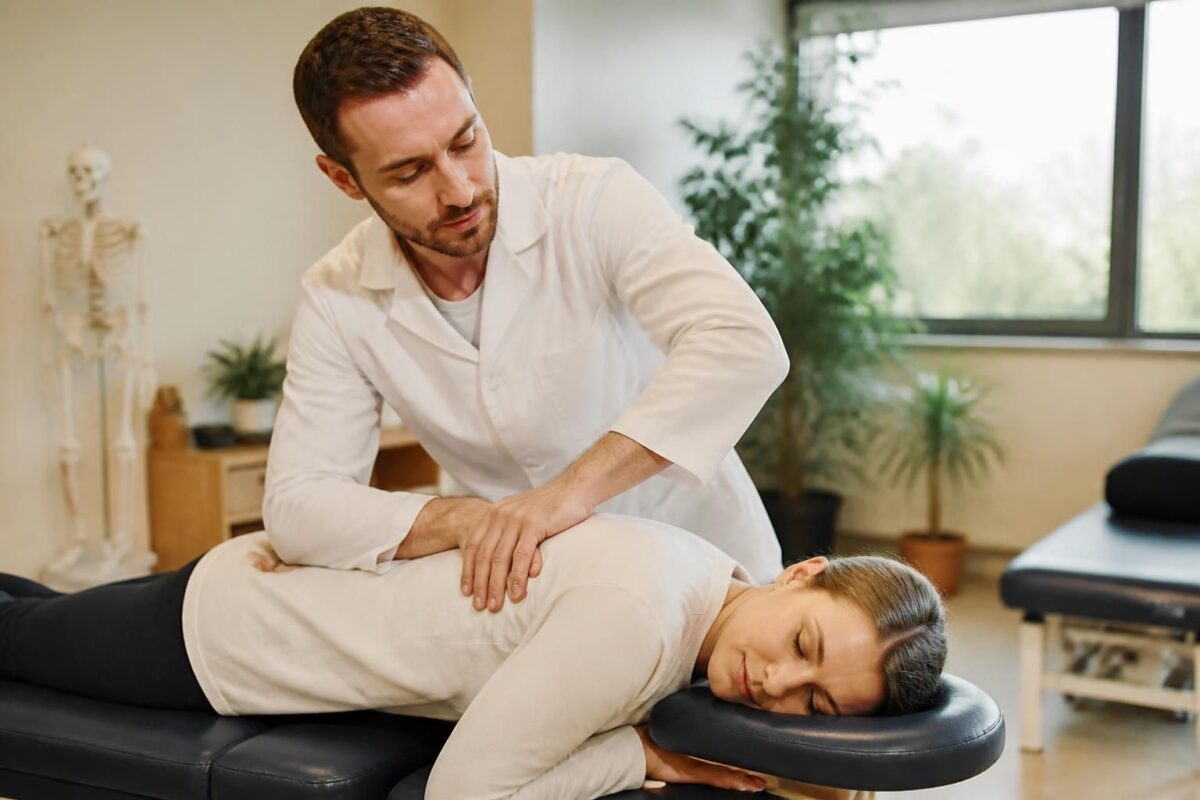
In short
| In short, theosteopathy and its global approach provide an answer to Chronic inflammations By acting on the mechanisms of Neurovegetative regulation and on physical tensions. Chronic inflammation is a prolonged immune activation that can reduce mobility and alter the quality of life. The objective is to reduce these tensions and to support recovery by the Lymphatic body drainage and gentle techniques. Key benefits include a decrease in the intensity of symptoms, a Better mobility and one comfort increased, as part of an approach multidisciplinary suitable for everyone. In Montreal, this service is particularly relevant for people with chronic inflammation pain and fatigue, who are looking for a comprehensive and sustainable approach without systematic use of medication. |
How osteopathy affects chronic inflammation : Osteopathy acts on chronic inflammations by modulating the Neurovegetative system and decreasing the Mechanical voltages which maintain the inflammatory circle. Thanks to gentle and appropriate techniques, the osteopath seeks to understand the pathology in its physiological dimension and its daily repercussions to provide comfort and support symptom reduction in addition to a multidisciplinary approach. The Lymphatic body drainage May help promote the elimination of toxins, reduce edema and improve tissue oxygenation. Finally, the adoption of a Anti-inflammatory lifestyle and nutritional support can amplify the effects and contribute to a Better mobility and to a quality of life sustainable.
This article explains how theosteopathy acts on the Chronic inflammations and how it can fit into a global approach focused on quality of life. It highlights targeted physiological mechanisms, nervous system and lymph interactions, as well as lifestyle factors that influence inflammation. The reader understands how osteopathic care can help reduce symptoms and maintain useful mobility on a daily basis.
In chronic inflammations, the body remains on high alert. theosteopathy seeks to restore balance through gentle approaches adapted to everyone. The goal is not to promise a quick recovery, but to improve the quality of life and the ability to move without excessive pain.
Regulation of the neurovegetative system
Osteopathic techniques aim to reduce the tensions that fuel the activation of the autonomic nervous system. This regulation can reduce the frequency and intensity of inflammatory seizures and promote more restorative sleep. The objective is to free the body from constraints that maintain inflammation and to facilitate better night recovery, while remaining in a patient-friendly practice.
To understand how osteopathy contributes to the regulation of tissues and nerves after an injury, see this illustrative article: How osteopathy improves joint function after injury.
Lymphatic drainage and microcirculation
Lymphatic body drainage complements osteopathic action by promoting waste disposal and improving tissue oxygenation. This approach can reduce edema and support the immune system, helping to decrease the inflammatory terrain. It is part of a logic of global support and not isolated treatment.
The following resources detail the benefits of osteopathy in the context of recovery and sustained support: The benefits of osteopathy for optimal recovery and Osteopathy and trapezoid pain: a natural solution.
Role of food and lifestyle
Chronic inflammation is favored by environmental and behavioral factors. A Anti-inflammatory diet and adapted physical activity support osteopathic action by moderating pro-inflammatory signals and improving metabolic regulation. Sleep, stress management and the intestinal microbiota also play a key role in the overall balance of the inflammatory terrain.
To explore complementary approaches and useful resources, you can view inflammation and recovery content, including through resources associated with osteopathy and rehabilitation: The benefits of osteopathy for optimal recovery and Osteopathy and recovery after a fracture.
Integration and limits
An osteopathic approach is naturally part of a multidisciplinary framework and can be associated with nutritional advice (for example, via a nutritionist), in order to strengthen the body’s anti-inflammatory response. Osteopathy aims for comfort and functional improvement, without promising universal healing. It must be adapted to each pathology and each patient.
The training of osteopaths is based on recognized courses, notably at NUMSS and NAO, as well as in the National University of Medical Sciences and National Academy of Institutions. osteopathy. These trainings provide an approach based on clinical evaluation and respect for patient limits.
The following complementary resources can be useful to understand the mechanisms and results observed in practice: SostunnelCarpal and SOS Herniated Disc.
Consult a licensed osteopath near you for a personalized assessment and to discuss possible avenues adapted to your situation.
Clinique TagMed offers additional services and specific assessments where relevant, especially in the contexts of osteopathic treatment and management of Chronic pain. To learn more about the services available, visit Tagmed Clinic.
To stay informed about the links between osteopathy and inflammation, also consult the following resources: Osteopathy and trapezoid pain, Benefits for amateur athletes.
Medical Disclaimer: The information and advice provided on this site does not replace the health professional’s diagnosis or treatment. Please note that an osteopath is neither a doctor nor a specialist in any medical specialty as defined by the Collège des Médecins du Québec. The manual medicine, functional medicine and sports medicine described on this site exclude any medical treatment or diagnosis carried out by a doctor or a specialist doctor. Always consult your doctor for any medical questions. For more details, please read our full legal notice.
Axis of action : Neurovegetative regulation and drainage to support inflammatory regulation.
- Neurovegetative regulation : Soothes the nervous system and decreases inflammatory signals.
- Improved microcirculation : better oxygenation and reduction of local mediators.
- Lymphatic body drainage : Waste disposal and immune support.
- Decreased mechanical voltages : Release of the stresses that feed the inflammation.
- Stimulation of anti-inflammatory mechanisms : reinforcement of adaptive responses of the body.
- Restoration of mobility : improvement of daily movements and reduction of pain.
- Multidisciplinary approach : complementarity with lifestyle advice.
- flare-up prevention : Reduction in the frequency and intensity of inflammatory episodes.

This article explains how theosteopathy can act on Chronic inflammations, favoring quality of life and a global approach that combines gentle techniques, Lymphatic body drainage and nutritional and lifestyle advice. The goal is to limit symptoms, improve mobility and provide additional support for healing when possible, without promising full healing.
Understanding chronic inflammation
Chronic inflammation is a prolonged immune response which, far from being useful in the long term, can become a ground conducive to various disorders. It is manifested by continuous activation of the immune system and elevation of markers such as CRP, cytokines and other indicators. Several factors contribute to its maintenance: a pro-inflammatory diet, stress, sedentary lifestyle, a disturbed microbiota and insufficient sleep. Understanding these mechanisms helps to act upstream to limit the impact on daily life.

How osteopathy improves the quality of life of active people
In short In short, theosteopathy is a global approach that Optimizes mobility and the function of the body of ACTIVE PEOPLE, for a better quality of life. It helps prevent injury and reduce Musculoskeletal pain While promoting the Sports recovery.…

Osteopathy and sports recovery: prepare the body for lasting performance
In short In short, Osteopathy and Sports recovery is one Global manual approach that sustainably prepares the body for the effort by restoring mobility and circulation After the effort. It is a discipline that acts on the sinews, the joints,…
The role of osteopathy in chronic inflammation
In this context, theosteopathy acts as an appropriate and complementary response. Its objective is to reduce the mechanical and neurovegetative tensions that maintain background inflammatory phenomena, while remaining attentive to your pathology in its physiological and functional dimension. This approach is part of a multidisciplinary dynamic aimed at preserving or rediscovering a better quality of life and functional mobility adapted to your daily life.
Regulation of the neurovegetative system
Osteopathic techniques target the regulation of Neurovegetative system, in order to reduce the physiological stress reactions that fuel inflammation. By improving the balance between the sympathetic and parasympathetic branches, the body can better manage inflammatory loads, which can result in less pain, less tension and better recovery.
Lymphatic body drainage
The Lymphatic body drainage is a complementary approach that supports toxins and metabolic waste removal pathways. By promoting lymphatic circulation and microcirculation, it helps to reduce edema, support the immune system and improve tissue oxygenation, which promotes better long-term inflammatory regulation.
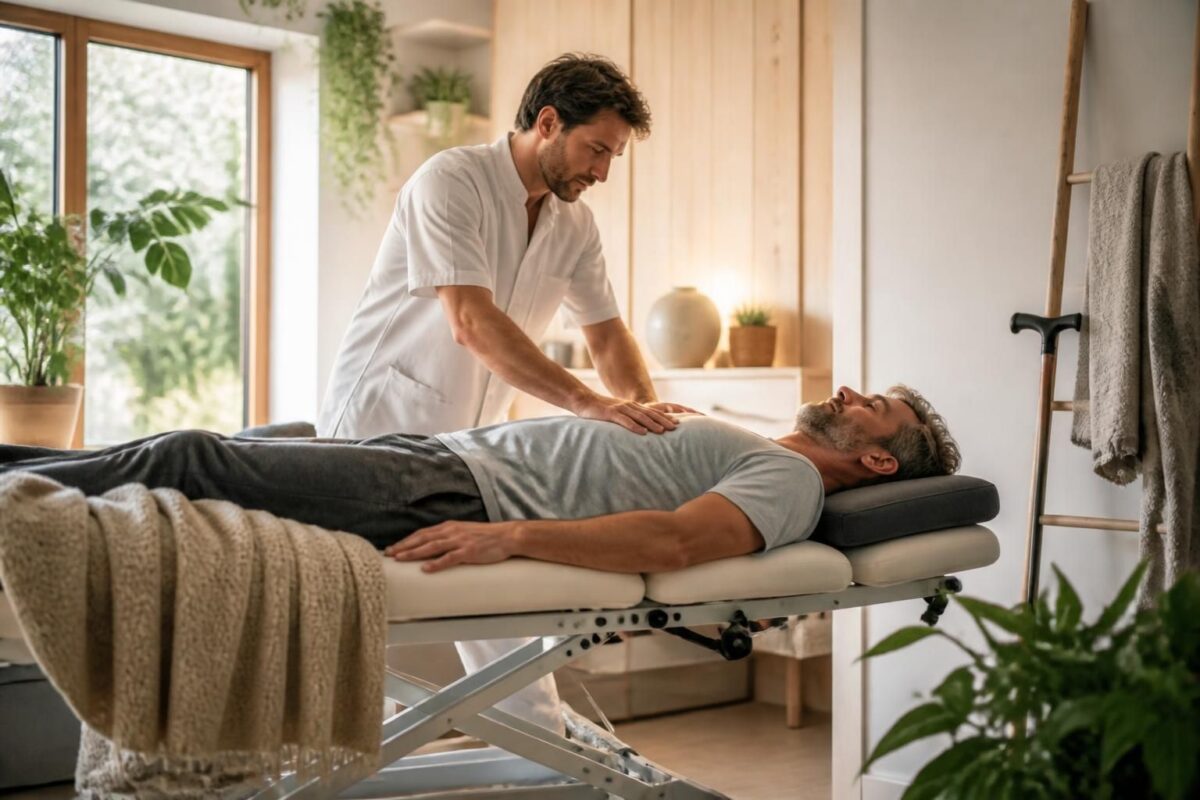
Why Osteopathy Is Essential For Recovery People
In short In short, Osteopathy in convalescence is an approach manual and holistic which helps to accelerate the recovery by restoring The balance, the mobility and a good circulation fabrics. it contributes to Reduce the pain, support the Back to…

Osteopathic manipulations to strengthen post-traumatic muscles
In short In short, Osteopathic manipulations for Strengthen post-traumatic muscles constitute a gentle manual approach aimed at restoring the mobility, reduce the pain and facilitate the Functional rehabilitation After a injury. What is Is it? A series of precise gestures…
Specific techniques and effects
The techniques used are gentle and appropriate, with an approach centered on patient comfort. In practice, they aim to release joint and fascial tension, to reharmonize areas of tension and to support the return to functional movements. This approach can be accompanied by light work on breathing and posture, contributing to an overall reduction in mechanical and neurovegetative stress that maintains inflammation.

Osteopathy and prevention of work-related musculoskeletal disorders
In short theosteopathy is one Manual approach that restores body balance and prevents MSD related to work. Its advantages: reduction of tension, improvement of mobility and prevention of chronic pain. She is preventive and healing, suitable for office and trades…

The benefits of osteopathy to treat muscle imbalances
In short theosteopathy is a manual approach to restore themuscle harmony and postural considering the body as a whole. Its main benefits include the reduction of aches and tensions, the improvement of the mobility and from the posture, and prevention…
Food and lifestyle in addition
Anti-inflammatory diet
adopt a Anti-inflammatory diet Consists of favoring colored vegetables, fresh fruits, legumes, oily fish and olive oil, while limiting simple sugars and ultra-processed products. It is useful to rebalance the omega-6/omega-3 ratio and integrate prebiotic fibers to feed the intestinal microbiota and support natural immunity.
Lifestyle
Regular physical activity, restful sleep and effective stress management are essential levers. Osteopathy can be combined with nutritional follow-up and relaxation practices (conscious breathing, cardiac coherence, meditation) in order to limit inflammatory loads and improve pain tolerance and mobility.
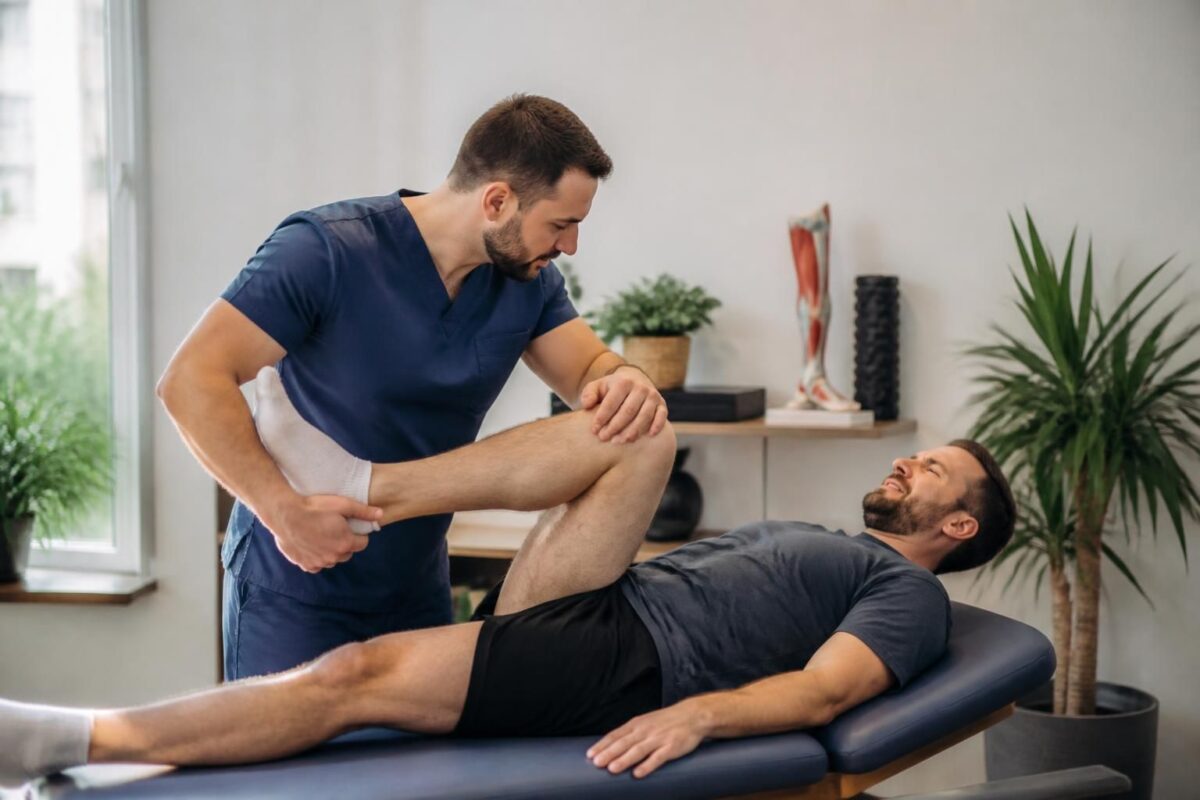
Osteopathy and chronic leg pain: regaining an optimal quality of life
In short In short, Osteopathy is one Global manual approach aimed at reducing Chronic leg pain and improve the quality of life. What is it? Non-drug therapy using the hands to identify restrictions and treat lesional chains. How does it…
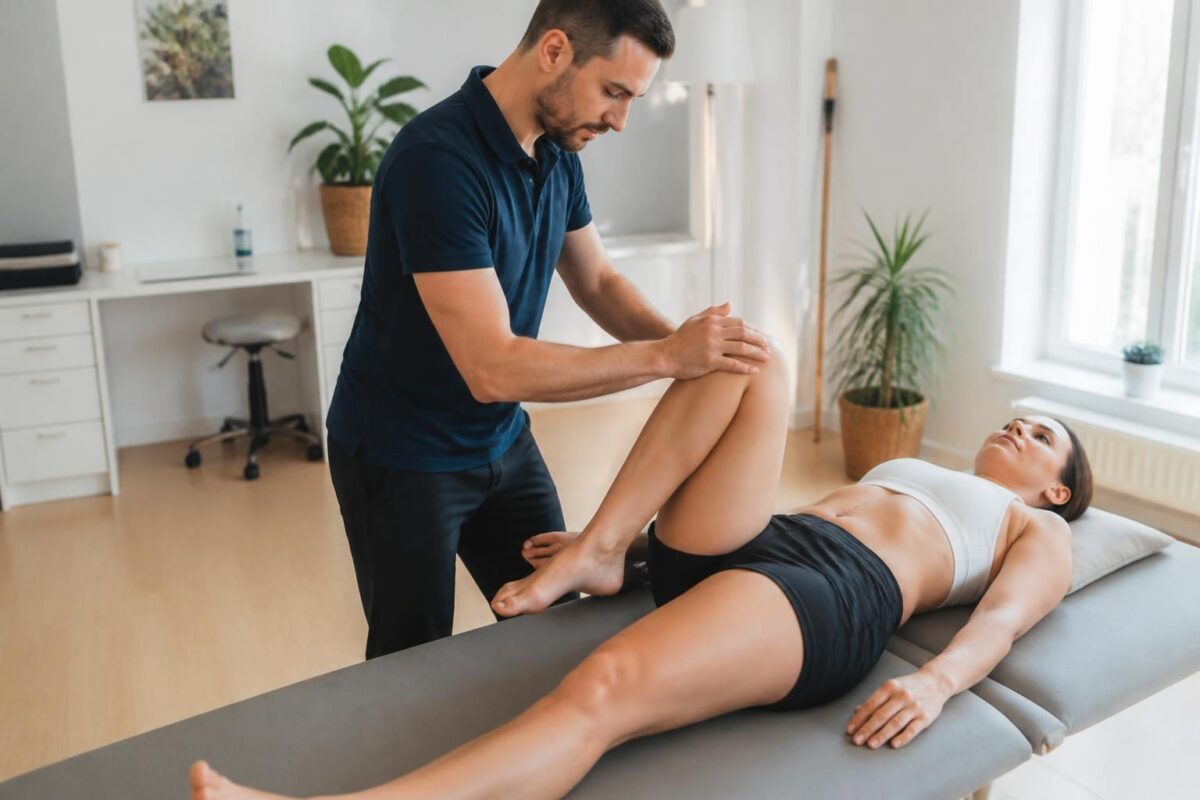
How osteopathy supports recovery after complex surgery
In short In short, Post-operative osteopathy is an approach fresh which supports the recovery After a Complex surgery. It helps to reduce the pain and the fatigue, improves the mobility and accelerates the healing thanks to a better vascularization and…
Multidisciplinary integration
For sustainable care, osteopathy can be integrated into a multidisciplinary team including nutritionists, doctors and specialized therapists. This collaboration aims to adjust nutritional intake, monitor inflammatory markers and adapt techniques according to each patient, in a logic of global and sustainable support.
| Analysis axis | Impact and results (concise text) |
|---|---|
| Framework and purpose | global approach aimed at daily comfort and the regulation of the inflammatory terrain. |
| Neurovegetative regulation | Reduced tension and balance of the autonomic nervous system. |
| Tissue mobility and circulation | Improved mobility and circulation to optimize the elimination of inflammatory waste. |
| Pain and Perception | Decreased hypersensitivity and better exercise tolerance. |
| lymphatic drainage | Drainage support and reduction of inflammatory congestion. |
| Sleep and recovery | Promotes restorative sleep and accelerates recovery. |
| Stress and immunity | Modulation of stress and the inflammatory axis. |
| therapeutic complementarity | affiliation osteopathy to a suitable diet and physical activity. |
| Indicators and monitoring | Evaluates pain, mobility and quality of life to adjust the plan. |
Testimonials: how osteopathy acts on chronic inflammation
“Before consulting, the Chronic inflammations braked me on a daily basis. After a series of sessionsosteopathy, I found a pain reduction. The approach focused on Nervous system regulation and the reactivation of the blocked areas. »
“What struck me was how theosteopathy Works in synergy with other professionals to improve The quality of life. thanks to Gentle techniques to release tensions and promote the lymphatic drainage, I found a better mobility and fewer inflammatory seizures. »
“I was told that thechronic inflammation is supported by the stress and an circulation unsuitable. theosteopathy targeted these mechanisms with actions on the Neurovegetative system and the local traffic. Result: periods ofappeasement longer and a decrease in the frequency of episodes. »
“I was told that the approach is not just one symptom but is looking for the cause and its Impact on daily life. by rebalancing the tone and promoting the Local immune regulation, I won in endurance and physical abilities. »
“The Body drainage, integrated into osteopathy, brought a real plus in decreasing edema and improving thetissue oxygenation. This allowed my body to better manage the Inflammatory reactions and promote more effective recovery after exercise. »
“Since my first sessions, I have seen a better ability to Move without pain and a general reduction in Inflammatory episodes, what changed my social and professional life. theosteopathy offer a Global approach who respects the body and sustains theinflammation. »
This biography traces the journey of a recognized practitioner in the fields ofosteopathy, from the naturopathy and from the manual medicine. Founder of a multidisciplinary clinic and committed to a professional association, he has been working for years in the innovation of care. Its field of action focuses on the management of Chronic pain and the integration of suitable technologies when it serves the patient. Its approach is based on a global assessment that links the patient’s body, mind and social context, in order to provide personalized and coherent support.
At the heart of his practice, thechronic inflammation is understood as a complex health issue that directly impacts the quality of life. The primary objective is to maintain and restore this quality of life By allowing the patient to move, of breathe and interact without the constant weight of the disease. The proposed route aims to reduce the intensity of the symptoms and reduce the frequency of inflammatory episodes, thanks to interventions Custom and measurable, aligned with everyone’s needs and pace.
How does osteopathy act concretely? First, it seeks to regulate the Neurovegetative system by techniques that release tensions and harmonize the physiological function. Second, it improves the microcirculation and promotes tissue oxygenation, which helps reduce inflammation at the cellular level. Third, she favors the lymphatic drainage and fascia mobilization to reduce edema and promote the elimination of inflammatory mediators. These mechanisms are based on an approach fresh and individualized, adapted to the profile of each patient and the evolution of his pathology.
from a perspective multidisciplinary, osteopathy coordinates with lifestyle advice and, if necessary, complementary therapies. The targeted assessment seeks to identify the Triggering factors (sleep, diet, stress, physical activity) and reduce Mechanical stresses that maintain pain and inflammation. The goal is to make a better Daily mobility and a decrease in functional restrictions, while respecting the patient’s healing pace and supporting the body’s self-regulation mechanisms.
For people with chronic inflammation, the orientation is clear: a Appropriate support by a Experienced osteopath Can transform daily disease management. By associating tactile attention, manual know-how and active listening, the therapist offers a path to a more active and less painful life, without systematic use of invasive treatments. This approach is based on a lasting alliance between the patient and the therapist, in order to optimize the mechanisms of self-regulation and to support tissue repair.
This presentation quickly summarizes how theosteopathy acts on the Chronic inflammations, by placing the quality of life of the patient at the heart of the action, and using gentle techniques that support body regulation, circulation and tissue recovery, in addition to a multidisciplinary approach.
theosteopathy considers chronic inflammation as an imbalance between stress and body regulation. It aims to reduce the mechanical and neurovegetative tensions that maintain this phenomenon and to facilitate the natural repair mechanisms, while preserving the mobility and comfort of daily activities.
The mechanisms of action are deployed on several axes. First, the Regulation of the neurovegetative system Helps to decrease tone and excessive responses of the autonomic nervous system that can amplify inflammation. Second, thetraffic improvement and of lymphatic drainage facilitated the distribution of nutrients and the elimination of metabolic waste, so as to reduce local and systemic inflammatory signals. Finally, the modulation of inflammatory mediators by targeted techniques can limit the action of pro-inflammatory cytokines and promote a more favorable ground for regeneration.
Practical approaches to osteopathy — soft and suitable — act in complementarity with medical methods and other health professionals. They contribute to reducing the intensity of the attacks, to space their frequency and to regain better mobility of the joints and soft tissues, which results in a concrete improvement in daily life.
To optimize the results, osteopathy can be associated with a lifestyle and to a Anti-inflammatory nutrition, while relying on the Lymphatic body drainage To support elimination pathways and tissue regeneration. This integrated approach makes it possible to restore homeostasis and sustainably support health, without being limited to a single modality.
Complementary resources illustrate these mechanisms and their clinical applications, including the benefits of osteopathy to ease localized muscle tension, the idea that osteopathy can represent an effective alternative to drugs, and publications explaining how osteopathy contributes reduction of chronic inflammation. To learn more, see the following links:
The benefits of osteopathy,
Osteopathy as an alternative,
Reduction of chronic inflammation.
To go further, other resources address the effectiveness of osteopathy in the management of inflammation and associated pain:
Healing inflammation through osteopathy,
Osteopathy and overall well-being,
Chronic leg pain.
In addition, you can explore the content on chronic inflammation and prevention and support mechanisms, in particular via specialized resources that describe the impact of inflammation on health and osteopathic and manual approaches to respond to them..

Dr Sylvain Desforges, B.Sc., D.O., N.D., osteopath, is the founding president of TAGMED and of the ACMA association. He dedicates his practice to chronic spinal pain, low back pain and symptoms compatible with sciatica, particularly when pain radiates toward the buttock, leg, calf, foot or toes.
Through SOS Sciatique, he publishes educational content on sciatica symptoms, possible causes such as disc herniation, disc narrowing, foraminal stenosis or irritation of a lumbar nerve root, as well as non-surgical approaches that may be considered according to the evaluation. At Clinique TAGMED, care may include, depending on the case, motorized neurovertebral decompression, specific osteopathic care or precision percussion.
For an evaluation related to sciatica treatment in Montreal / Mount Royal or sciatica treatment in Terrebonne, please consult the services available at Clinique TAGMED.
Medical disclaimer
The information published on SOS Sciatique is provided for educational purposes only and does not replace a consultation, diagnosis, opinion or treatment provided by a physician or another authorized healthcare professional. The author of this article is neither a medical doctor nor a specialist in a medical specialty recognized by the Collège des médecins du Québec. The osteopathic, manual medicine or functional support approaches described on this site do not constitute medical acts and are not intended to replace medical follow-up.
Consult a physician or emergency service in cases of loss of bladder or bowel control, anesthesia in the saddle area, significant or progressive weakness in the leg or foot, fever, recent trauma, severe pain or rapid worsening of symptoms. For more details, please read our Legal Notice.