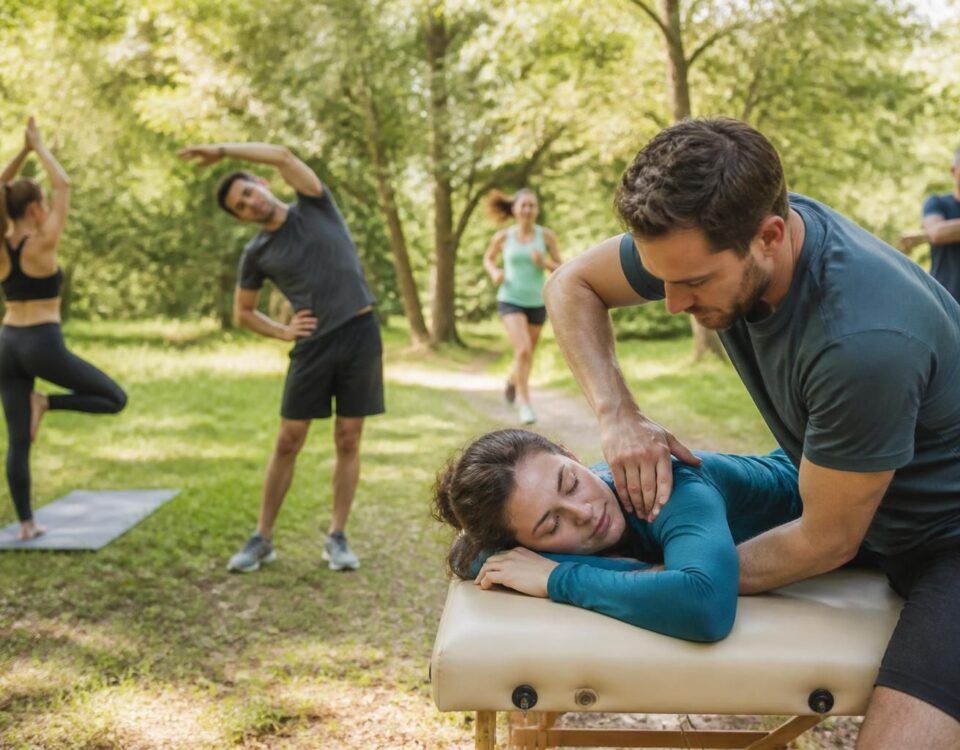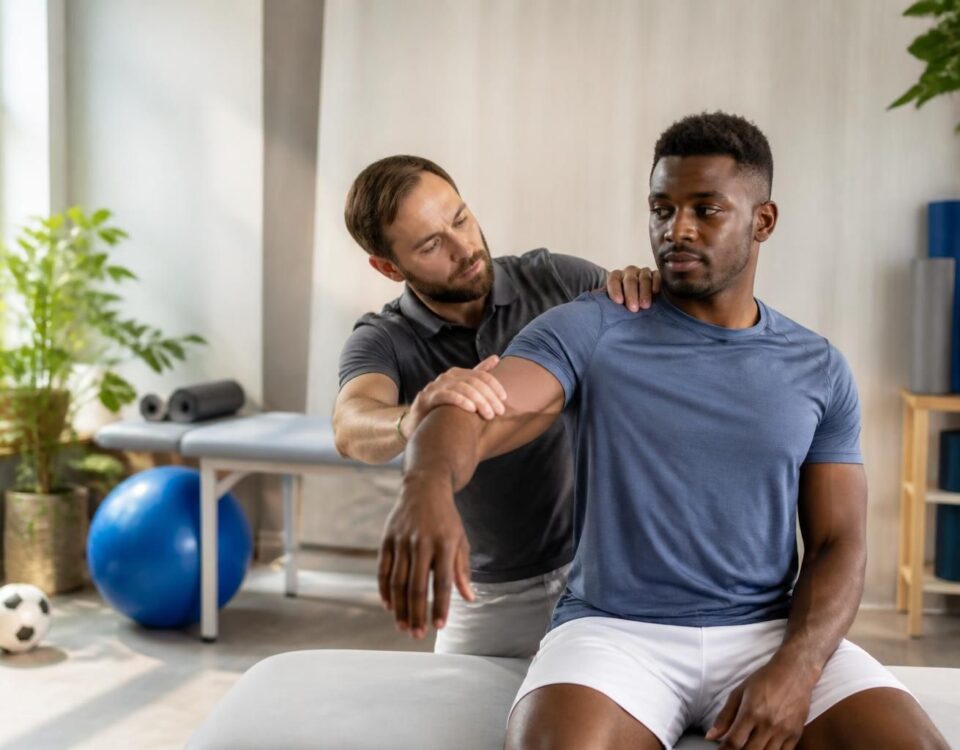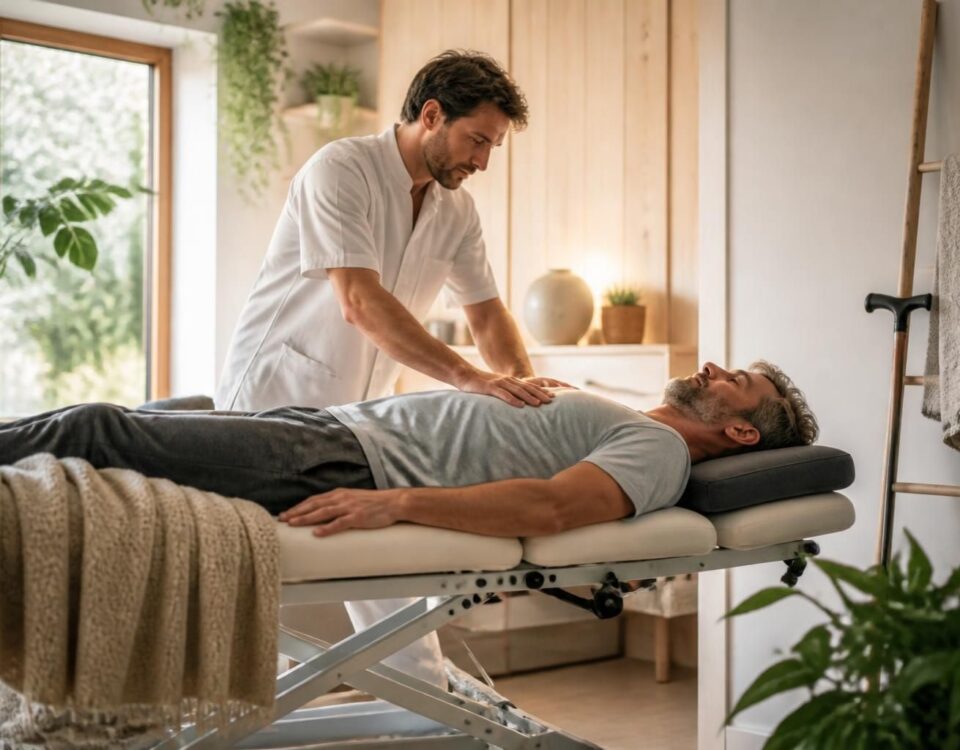
Osteopathic techniques to strengthen post-injury muscles
27/06/2026
Why osteopathy is essential for an active and painless life
27/06/2026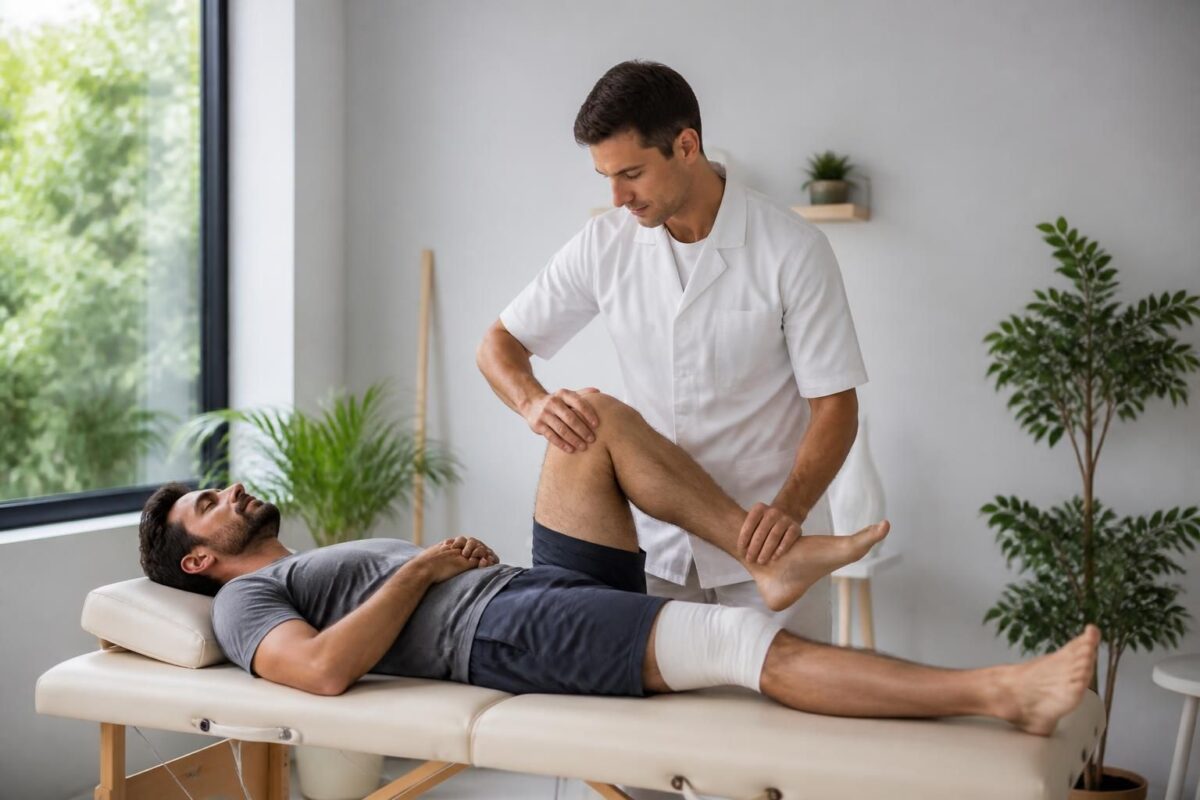
In short
| In short, theosteopathy applied to the Postoperative recovery is one Soft manual approach who helps to Reduce the pain, Restore mobility and stimulate healing without drugs. In Montreal, it is particularly effective in optimizing rehabilitation and promoting a rapid return to theautonomy. integrated into a global program, it can also improve the circulation and assist in the elimination of residues from anesthetic treatments, while respecting the individual needs of the patient. |
Osteopathy is a gentle approach that supports Post-operative recovery by Precise manual techniques. It helps to Reduce the pain, Restore mobility and Accelerate healing without the use of drugs. By promoting a Improved traffic and the elimination of anesthetic residues, it optimizes the functioning of the organs and helps to prevent adhesions. Each patient benefits from a Custom Plan which facilitates the rapid return to autonomy and daily life.
This summary describes how Osteopathy can support the recovery After a surgical intervention, thanks to techniques Soft manuals. She explains the mechanisms, the course of care and the importance of a Custom program. It also shows how to integrate osteopathy into a global rehabilitation without resorting to drugs.
Objectives and principles
After surgery, the main goal is to Reduce the pain, Restore mobility and Promote healing fabrics. Osteopathy acts on the soft tissues, joints and the nervous system to improve the circulation and the overall functioning of the body. This approach can also support the elimination of residues of substances used during the intervention and optimize the harmonization of the organs concerned.
Care process and process
The follow-up begins with a evaluation complete. The therapist determines a treatment plan adapted to the intervention undergone, to the general condition and to the rate of recovery. The sessions focus on targeted manipulations and gentle mobilizations. The number and frequency of visits depends on the type of operation and the patient’s response. Each patient benefits from a Custom Plan aligned with medical indications and functional objectives.
Integration into the rehabilitation course
Osteopathy is part of a global rehabilitation program. It can be combined with other non-pharmacological approaches and with complementary manual therapies, as part of a coordinated follow-up with health professionals. This approach aims to Optimize recovery, to Prevent adhesions and help the patient regain autonomy quickly. In some cases, it complements the care offered by specialized clinics and can be associated with appropriate technologies.
Resources and useful links
To deepen your knowledge, you can consult these resources:
– Osteopathy and chronic muscle pain — a natural solution
– neurovertebral decompression
– herniated disc and osteopathy
– Disc degeneration and associated pain
– Carpal tunnel and osteopathy
– Why osteopathy is essential for postoperative rehabilitation
For more information, consult the professional resources and training centers recognized as NUMSS, NAO, National University of Medical Sciences and National Academy of osteopathy.
the techniques used remain with a therapeutic vocation and must be practiced by qualified professionals as part of a rehabilitation plan supervised by your doctor.
It is important not to replace a medical consultation with online information. Always discuss with your doctor before starting a new post-operative therapy.
“Medical disclaimer: The information and advice provided on this site does not replace the health professional’s benefit, diagnosis or treatment. Please note that Dr. Sylvain Desforges osteopath is neither a doctor of medicine nor a doctor, and is not a specialist in a medical specialty as defined by the Collège des Médecins du Québec. Manual medicine, functional medicine and sports medicine as described on this site exclude any medical treatment or diagnosis made by a doctor or specialist doctor. Always consult your doctor for any medical questions. For more details, please read our full legal notice. »
- Personalized evaluation and adapted plan
- Gentle techniques for mobility and healing
- pain management without medication
- traffic improvement and removal of anesthetic residues
- Adhesion prevention and movement limitations
- Restoring autonomy and back to daily activities
- Restoration of mobility and functionality
- pain reduction and better tolerance
- stress reduction and psychosomatic support
- Integration with other therapies

This article presents how theosteopathy Can accompany recovery after surgery, reducing pain, restoring mobility and stimulating healing, thanks to Soft manual techniques and a personalized approach. It is part of a global course, in collaboration with health professionals, to optimize convalescence and promote a rapid resumption of autonomy.
What is losteopathy after surgery?
Post-operative osteopathy is a discipline that intervenes after medical validation. It is based on Soft manual techniques To mobilize fabrics, reduce tensions and promote the circulation and tissue oxygenation. The objective is to accompany the natural healing process without systematically using pharmaceuticals. It can also help optimize the removal of residues from anesthetic substances and prevent adherence.

How osteopathy improves the quality of life of active people
In short In short, theosteopathy is a global approach that Optimizes mobility and the function of the body of ACTIVE PEOPLE, for a better quality of life. It helps prevent injury and reduce Musculoskeletal pain While promoting the Sports recovery.…

Osteopathy and sports recovery: prepare the body for lasting performance
In short In short, Osteopathy and Sports recovery is one Global manual approach that sustainably prepares the body for the effort by restoring mobility and circulation After the effort. It is a discipline that acts on the sinews, the joints,…
Key benefits
Pain Reduction and Symptom Management
manipulations sweet may reduce postoperative pain and promote muscle relaxation around the operated area, while stimulating the production ofendorphins natural. This approach helps to improve comfort and reduce drug intake when possible.
Restoration of mobility
By releasing tension and rebalancing muscle chains, theosteopathy helps to gradually find the mobility joints and muscles, which accelerates the return to daily activities and prevents long-term stiffness.
Stimulation of healing and detoxification
Thanks to better vascularization and optimized tissue oxygenation, the processes of healing improve and residues of anesthetics or postoperative treatments can be better eliminated, contributing to a smoother recovery.
Why Osteopathy Is Essential For Recovery People
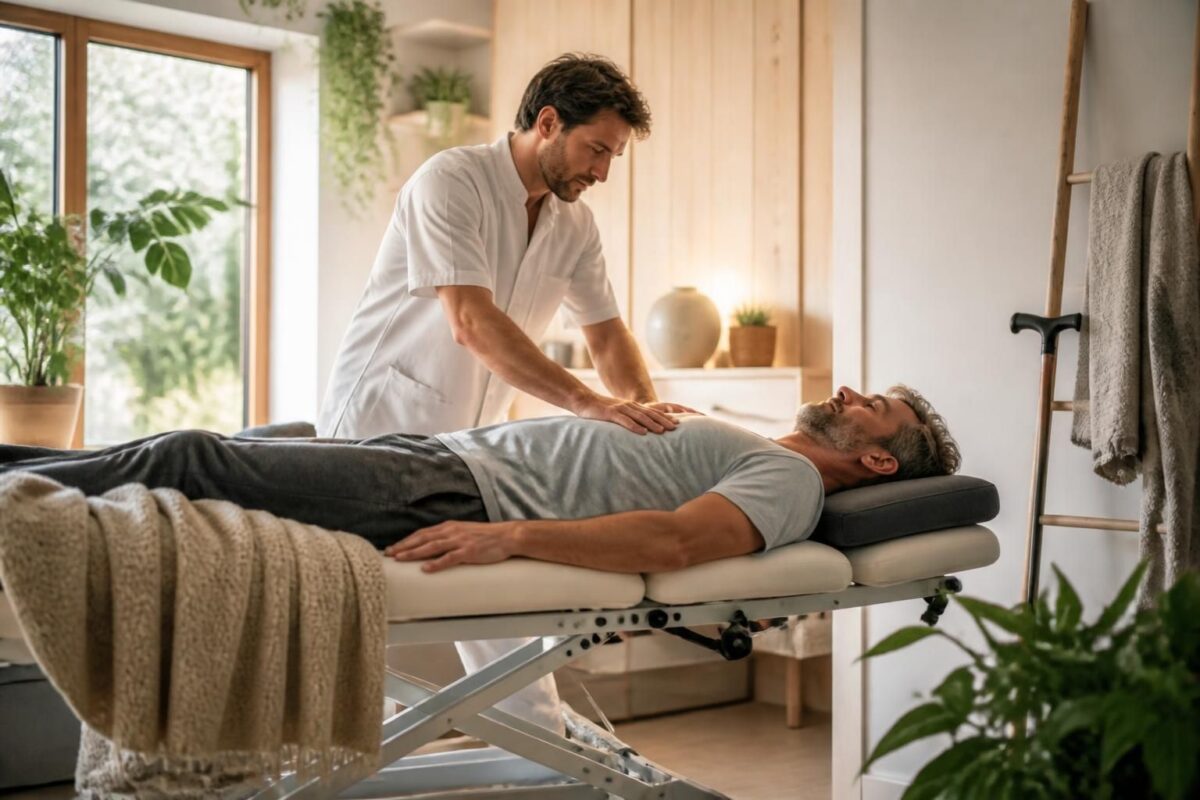
In short In short, Osteopathy in convalescence is an approach manual and holistic which helps to accelerate the recovery by restoring The balance, the mobility and a good circulation fabrics. it contributes to Reduce the pain, support the Back to…

Osteopathic manipulations to strengthen post-traumatic muscles
In short In short, Osteopathic manipulations for Strengthen post-traumatic muscles constitute a gentle manual approach aimed at restoring the mobility, reduce the pain and facilitate the Functional rehabilitation After a injury. What is Is it? A series of precise gestures…
rehabilitation plan
Always ask your doctor for consent before you start; Post-operative osteopathy is part of a Custom Plan and a global rehabilitation program. The practitioner establishes a schedule of sessions adapted to the evolution of your state and can combine Manual techniques and gentle exercise tips to do at home to maintain mobility and prevent grip.
Ideally, the pace of visits is adjusted to your surgery and convalescence: starting when the doctor allows it, then adjustments according to the progress. The goal is a Fast and sustainable recovery that makes you autonomous faster.

Osteopathy and prevention of work-related musculoskeletal disorders
In short theosteopathy is one Manual approach that restores body balance and prevents MSD related to work. Its advantages: reduction of tension, improvement of mobility and prevention of chronic pain. She is preventive and healing, suitable for office and trades…

The benefits of osteopathy to treat muscle imbalances
In short theosteopathy is a manual approach to restore themuscle harmony and postural considering the body as a whole. Its main benefits include the reduction of aches and tensions, the improvement of the mobility and from the posture, and prevention…
Security and collaboration
This approach does not replace conventional medical care and requires a collaboration close with your doctor and your physiotherapists. Report any new pain, fever, redness around the scar or increasing pain, so the team adjusts the treatment.
Osteopathy and chronic leg pain: regaining an optimal quality of life
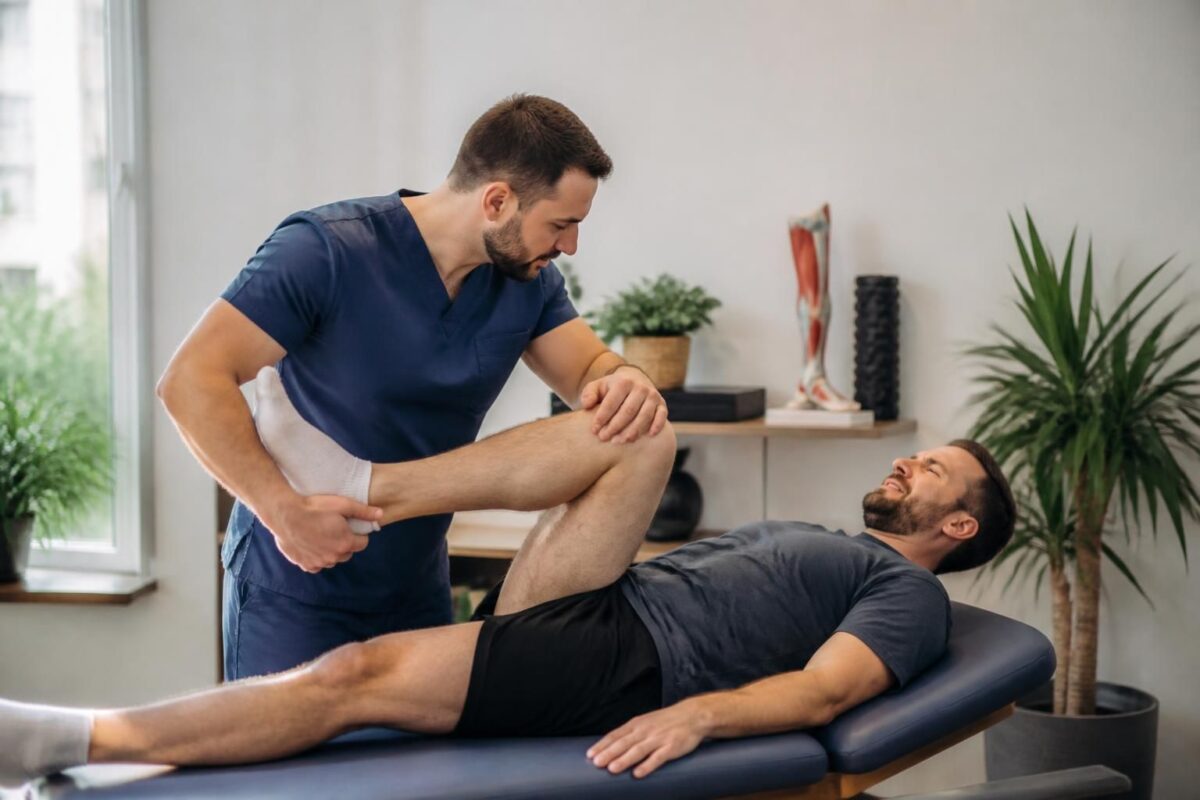
In short In short, Osteopathy is one Global manual approach aimed at reducing Chronic leg pain and improve the quality of life. What is it? Non-drug therapy using the hands to identify restrictions and treat lesional chains. How does it…
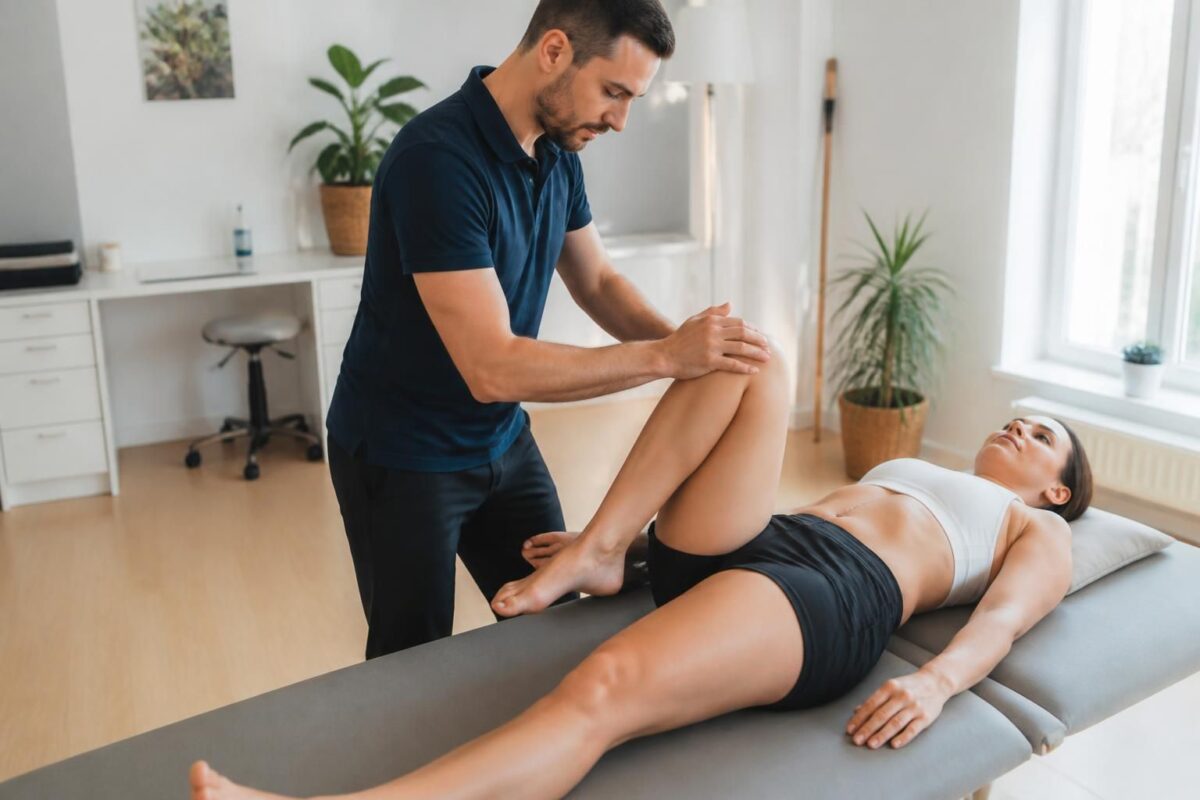
How osteopathy supports recovery after complex surgery
In short In short, Post-operative osteopathy is an approach fresh which supports the recovery After a Complex surgery. It helps to reduce the pain and the fatigue, improves the mobility and accelerates the healing thanks to a better vascularization and…
Expectations and practical advice
You can wait for a gradual pain reduction, a Improving mobility and more harmonious healing. To optimize the results, prepare your first consultation by listing the sensitive areas, the gestures that relieve you and your objectives. Finally, favor a balanced diet and sufficient hydration to support the healing process.
| Aspect | Concise impact |
|---|---|
| Definition | Use techniques sweet To support the Postoperative recovery without medication. |
| Main objective | Relieve pain, restore the mobility and optimize healing. |
| Techniques used | Joint manipulations sweet, work of fascias, stretching and drainage. |
| pain management | reduction of the pain without systematic use of painkillers. |
| mobility recovery | Recovery progressive joint movements and sinews. |
| Healing and adhesions | Prevention and reduction of adherence by targeted mobilization. |
| Circulation and disposal | Improvement of the circulation and support mechanisms forelimination residues. |
| Integration into the program | complementary to program rehabilitation; blueprint personalized. |
| precautions | RESPECT FOR precautions and medical agreement; adaptation of the rhythm. |
Testimonials on losteopathy and recovery after surgery
“After my knee surgery, Osteopathy reduced my pain and accelerated my recovery. the targeted sessions brought back the mobility And allowed me to resume my daily activities earlier than expected. »
“My hip surgery was accompanied by a significant postoperative gene. Thanks to osteopathy, I saw a decrease in tensions and a better circulation who supported the healing. I felt supported, with a personalized plan. »
“Before the sessions, I had trouble getting up and moving. Osteopathy worked smoothly on tissues and muscles, which improved my flexibility and my posture, while reducing pain. »
“After an abdominal surgery, I found my mobility Little by little thanks to stretching and gentle drainage. Personalized support made the difference and helped me regain my autonomy more quickly. »
“Osteopathy also helped to remove residues from drugs and optimize the functioning of the organs involved in recovery. Result: less fatigue, better energy and more confidence in my recovery. »
“In my case of cardiac intervention, the osteopathic sessions were a real moral and physical support. a holistic approach that has favored a healing and a more fluid resumption of activity, without medication necessary for pain. »
Osteopathy and recovery after surgery: a holistic and personalized approach
under Osteopathy, the Postoperative recovery is a key period when the body gradually regains its balance. Soft manual techniques, adapted to each patient, aim to relieve the pain, restore the mobility and energize healing mechanisms without systematically resorting to drugs. This approach aims not only to accelerate recovery, but also to limit the functional constraints that may persist after surgery.
The heart of this approach is a global vision of the body. After an intervention, the musculoskeletal system can develop tensions and imbalances that hinder the natural healing process. Osteopathy makes it possible to mobilize tissues, improve blood and lymphatic circulation and promote effective absorption of nutrients essential for tissue repair. By working on the fascias, joints and muscles, it helps to prevent adhesions and restore functional harmony of the body, while stimulating the detoxification and removal of residues from substances used during the operation.
The techniques used often complement each other with advanced technological approaches, offering effective synergy. interventions such as neurovertebral decompression non-invasive, associated with complementary therapies such as laser where the[ondes de choc], can be integrated into the rehabilitation program. These tools, when they are judiciously chosen and adapted to the patient’s profile, facilitate the pain reduction, improve the circulation and accelerate the recovery of operated tissue. The objective is to allow a quick and safe return to your daily and/or sports activities, while minimizing the risk of complications.
The rehabilitation course is personalized and progressive. From the initial assessment, the osteopath develops a targeted treatment plan, which can include joint manipulations, muscle stretching, fascia techniques and drainage gestures to support the circulation and elimination of toxins. Each session is adapted to your medical history, the location and extent of the intervention, in order to support optimal healing and to support your autonomy over time.
In addition to the physical benefits, osteopathy offers significant psycho-emotional support during convalescence. Relaxation and rebalancing of the nervous system helps improve sleep quality and pain perception, which facilitates engagement in exercises and rehabilitation activities. In addition, the collaboration between the osteopath, the attending physician and rehabilitation professionals, such as physiotherapists, ensures consistent and complete care, thus optimizing results and your general well-being.
This journey is part of a care philosophy that favors the efficiency, safety and sustainability of the results. The use of precise manual techniques, combined with complementary therapeutic approaches when necessary, provides a reliable way to promote quick recovery and an Feature found lasting after surgery. The course is continuously adjusted according to the evolution, in order to optimize the results and well-being.
This summary highlights how Osteopathy can accompany the Recovery after surgery, favoring mobility, by reducing the pain and stimulating the healing without the use of drugs. She also emphasizes the importance of a program personalized and integrated which optimizes the elimination of anesthetic residues and prevents adherence.
In a post-operative process, the techniques Soft manuals used in osteopathy act on tissues and musculoskeletal structures to release tensions, Improve traffic and promote a Healing + Quick. This approach aims to reduce pain, restore the mobility joints and to support a Efficient rehabilitation without drug dependence.
Osteopathic management can also contribute to Removal of residues from anesthesia and other substances administered during the operation, which participates in Optimization of the functioning of the organs concerned and a more fluid recovery. By associating strategies Custom, osteopathy facilitates progression towards autonomy and overall well-being.
Integrate osteopathy into a rehabilitation program Global, in collaboration with other professionals (physiotherapist, specialized therapists), offers a complementary and effective approach. This coordination makes it possible to better target individual needs and to adjust techniques to promote a Optimal recovery and a rapid resumption of daily activities. To deepen the mechanisms and benefits, consult the resources dedicated to the Joint mobility and optimization of post-operative recovery.
Additional resources illustrate the benefits and mechanisms of postoperative osteopathy. For example, articles explore how osteopathy helps maintain mobility and limiting pain, without medication, and how it can support the Recovery after surgery through targeted techniques. For a practical perspective and concrete advice, you can consult the pages dedicated to the Post-operative rehabilitation and improving overall well-being.
To enrich your understanding and access practical guides, here are several useful resources: Osteopathy and joint mobility, Why osteopathy is an effective alternative to drugs, Osteopathy and post-operative recovery, How osteopathy can support postoperative recovery, Osteopathy and surgery recovery, Osteopathy and trapezoid pain.
In short, osteopathy is an effective option to accompany convalescence after surgery. By combining appropriate manipulations, a global approach and personalized follow-up, it can accelerate the healing, reduce the pain, restore the mobility and support the rapid return to an active and autonomous life, while avoiding the adverse effects of drug treatments.

Dr Sylvain Desforges, B.Sc., D.O., N.D., osteopath, is the founding president of TAGMED and of the ACMA association. He dedicates his practice to chronic spinal pain, low back pain and symptoms compatible with sciatica, particularly when pain radiates toward the buttock, leg, calf, foot or toes.
Through SOS Sciatique, he publishes educational content on sciatica symptoms, possible causes such as disc herniation, disc narrowing, foraminal stenosis or irritation of a lumbar nerve root, as well as non-surgical approaches that may be considered according to the evaluation. At Clinique TAGMED, care may include, depending on the case, motorized neurovertebral decompression, specific osteopathic care or precision percussion.
For an evaluation related to sciatica treatment in Montreal / Mount Royal or sciatica treatment in Terrebonne, please consult the services available at Clinique TAGMED.
Medical disclaimer
The information published on SOS Sciatique is provided for educational purposes only and does not replace a consultation, diagnosis, opinion or treatment provided by a physician or another authorized healthcare professional. The author of this article is neither a medical doctor nor a specialist in a medical specialty recognized by the Collège des médecins du Québec. The osteopathic, manual medicine or functional support approaches described on this site do not constitute medical acts and are not intended to replace medical follow-up.
Consult a physician or emergency service in cases of loss of bladder or bowel control, anesthesia in the saddle area, significant or progressive weakness in the leg or foot, fever, recent trauma, severe pain or rapid worsening of symptoms. For more details, please read our Legal Notice.