Why osteopathy is essential for active aging
28/06/2026
Osteopathic approaches to manage chronic back pain
28/06/2026
In short In short, theosteopathy is a manual approach holistic which allows Prevent injury of overuse By rebalancing the body and improving the mobility, thePostural balance and the recovery. It relies on Joint mobilizations And some Myofascial techniques To resolve tensions, promote a better circulation and optimize tissue nutrition, reducing the risk of overwork and improving performance. Accessible in Montreal and in the region, this treatment is particularly suitable for athletes and active people who wish to prevent pain related to repetition of efforts. In fact, the assessment identifies the Risk areas and personalized follow-up incorporates advice fromPostural education, of Pre-workout and recovery to adapt training and recovery. |
theosteopathy warn them Overuse injuries By adopting an approach holistic which identifies the imbalances and risk areas via a Palpatory diagnosis.
- correction of imbalances and improvement of the mobility and from the flexibility by Joint mobilizations And some Myofascial techniques.
- Improvement of the bloodstream and nutrient intake to promote recovery.
- Education postural and tips fromtraining and ofwarming up.
- Monitoring personalized and adaptation of the exercises according to the evolution.
This article, written by a health professional expert in osteopathy, exposes how Osteopathy acts to prevent Overuse injuries. It is based on an approach holistic of the body and on a precise evaluation of the imbalances that lead to pain. The objective is to maintain the mobility, the posture and the ability to train without interrupting the progression.
Identification of risk areas
The main role of osteopathy isIdentify risk areas by a clear and simple diagnosis. A Palpatory assessment and an analysis of the posture Allow to identify the tensions and asymmetries that may precede an injury. The work focuses on musculoskeletal chains and joints in order to anticipate the points of overload during physical exertion.
holistic approach and techniques used
The osteopathic method considers the body as a linked set. It aims to restore the balance between musculoskeletal and nervous systems through targeted manual techniques. The Joint mobilizations and the Myofascial techniques improve the flexibility and the freedom of movement, facilitating a more fluid sports approach and less exposed to sprains or overloads. This approach also promotes better circulation and tissue nutrition, contributing to a recovery more efficient and lasting reduction of tensions.
To enrich your understanding, you can consult specialized resources on sites such as Healthy rhythms and SOS SCIATIC. Other useful references speak of the preventive role of osteopathy in sports injuries on Le Mans Osteopathy and on Charenton Osteopathy.
Personalized support and follow-up
Each athlete has a proper history and physical condition. One Personalized follow-up Allows you to adjust advice and interventions as needed. The practitioner may recommend adjustments related to training, warm-up and recovery, in coordination with coaches and sports professionals. This support aims to prevent imbalances and to support performance over time.
Preparation and recovery before and after exercise
Effective prevention works both before and after exercise. One warming up Structured prepares muscles and joints, increases circulation and prepares the nervous system for exercise. In post-training, sessions dedicated to recovery and at the release of tensions help restore tissue integrity and limit aches. The osteopath can guide on recovery protocols adapted to each sport and to each training season.
Lifestyle and sustainable prevention
Prevention also involves a healthy lifestyle. Regular hydration, an appropriate diet, and a restful sleep support recovery and muscle flexibility. Practical advice on posture and preventive exercises can be provided, in order to permanently stabilize the amplitudes and reduce the risk of overuse. Additional resources explore the link between osteopathy and overall well-being and show how to regain a healthy posture on a daily basis.
Benefits of osteopathy on performance and prevention
Profits include a Improving mobility and from the flexibility, which reduce restrictions during training. The approach also promotes stress reduction and a better quality of life, which helps the athlete to approach the sessions with greater confidence. Finally, the ability to Prevent injury is reinforced by regular checks and continuous adaptation of the care program.
Professional references and training
Osteopaths practice accredited training according to the standards such as Numss and NAO, and within the framework of the professional organizations ACMA, College of Canadian Osteopaths and College of Canadian Osteopaths. These references ensure a practice aligned with clear criteria of safety and ethics. In this area, training and guides remain focused on precise evaluation, appropriate technique and sustainable follow-up of the athlete.
Additional resources on injury prevention and the links between osteopathy and sports performance are available through various specialized sites, including SOS SCIATIC, Osteopath Jberrebi, and Osteopathy and physical stress.
Medical disclaimer
“Medical disclaimer: The information and advice provided on this site does not replace the health professional’s benefit, diagnosis or treatment. Please note that Dr. Sylvain Desforges osteopath is neither a doctor of medicine nor a doctor, and is not a specialist in a medical specialty as defined by the Collège des Médecins du Québec. Manual medicine, functional medicine and sports medicine as described on this site exclude any medical treatment or diagnosis made by a doctor or specialist doctor. Always consult your doctor for any medical questions. For more details, please read our full legal notice. »

This article presents how theosteopathy can act as an essential lever for Prevent overuse injuries among athletes and active people. By adopting a global approach, it identifies imbalances, optimizes mobility and facilitates faster recovery, while adapting advice to your practice and objectives.
Understanding the preventive role of osteopathy
An approach holistic Allows you to approach the body as an interconnected whole. By treating the root causes of tensions and limitations, osteopathy helps to strengthen joint stability and limit compensation that often leads to overuse pain. This ongoing prevention supports performance changes without increasing the risk of injury.

How osteopathy improves the quality of life of active people
In short In short, theosteopathy is a global approach that Optimizes mobility and the function of the body of ACTIVE PEOPLE, for a better quality of life. It helps prevent injury and reduce Musculoskeletal pain While promoting the Sports recovery.…

Osteopathy and sports recovery: prepare the body for lasting performance
In short In short, Osteopathy and Sports recovery is one Global manual approach that sustainably prepares the body for the effort by restoring mobility and circulation After the effort. It is a discipline that acts on the sinews, the joints,…
Diagnosis and identification of risk areas
Palpatory diagnosis and biomechanical assessment aim to identify sensitive areas before symptoms appear. Early detection of imbalances, tensions and asymmetries makes it possible to develop a targeted preventive plan. The objective is to correct posture defects and movement patterns that expose certain joints or muscles to excessive loads.
Postural and biomechanical evaluation
By analyzing posture, muscle chains and movement habits, we identify the points where simple reorientations can reduce tension and prevent sprains, tendinitis and other repetitive overloads.
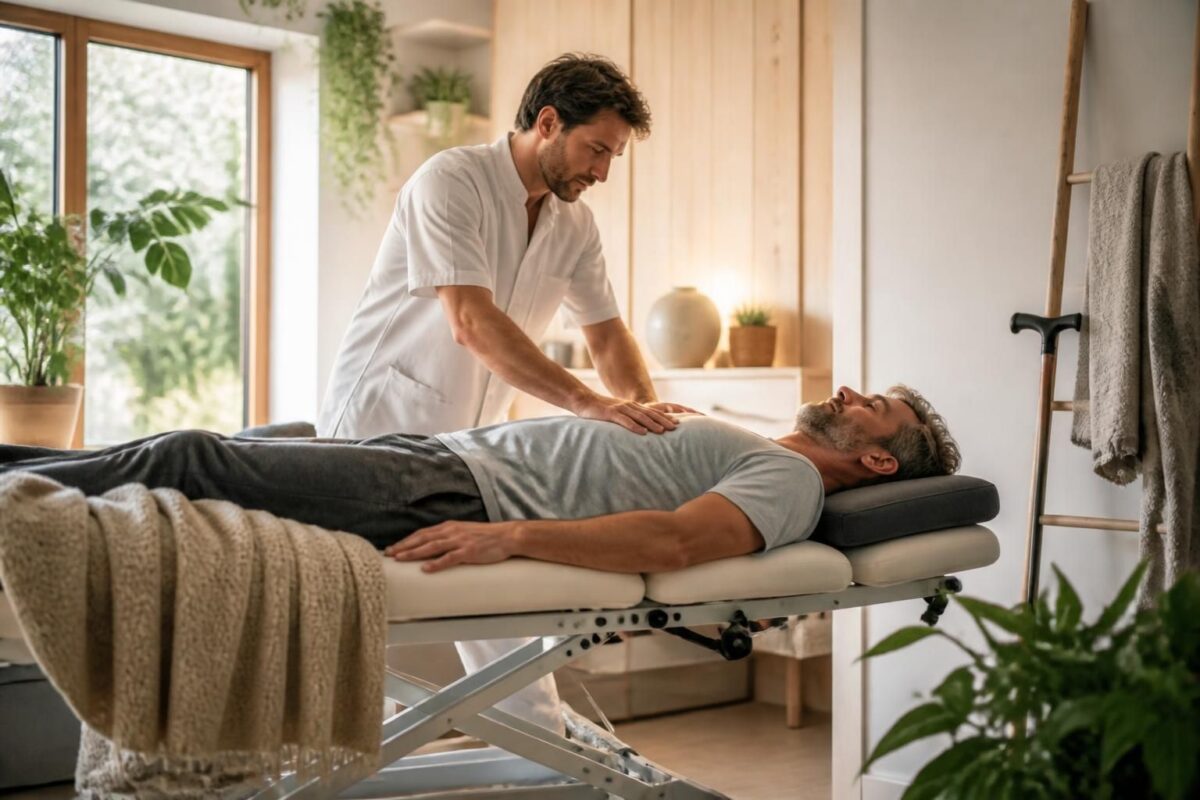
Why Osteopathy Is Essential For Recovery People
In short In short, Osteopathy in convalescence is an approach manual and holistic which helps to accelerate the recovery by restoring The balance, the mobility and a good circulation fabrics. it contributes to Reduce the pain, support the Back to…

Osteopathic manipulations to strengthen post-traumatic muscles
In short In short, Osteopathic manipulations for Strengthen post-traumatic muscles constitute a gentle manual approach aimed at restoring the mobility, reduce the pain and facilitate the Functional rehabilitation After a injury. What is Is it? A series of precise gestures…
Osteopathic techniques and preventive impact
osteopathic techniques, by their action manual, aim to restore mobility and release fascial tensions. They improve the circulation and oxygen supply of the tissues, which promotes better recovery and a smoother range of motion. This reduces the risks associated with repetition of gestures and prolonged effort.
Joint mobilizations
These delicate gestures restore freedom of movement and prepare joints for exercise, reducing limitations that could lead to injuries.
Myofascial techniques
Fascia work releases accumulated tension, avoiding tensions and grips that limit performance and promote overuse pain.

Osteopathy and prevention of work-related musculoskeletal disorders
In short theosteopathy is one Manual approach that restores body balance and prevents MSD related to work. Its advantages: reduction of tension, improvement of mobility and prevention of chronic pain. She is preventive and healing, suitable for office and trades…

The benefits of osteopathy to treat muscle imbalances
In short theosteopathy is a manual approach to restore themuscle harmony and postural considering the body as a whole. Its main benefits include the reduction of aches and tensions, the improvement of the mobility and from the posture, and prevention…
Personalized support and follow-up
Every athlete or practitioner has unique needs. Regular monitoring allows to adjust the preventive plan, exercises and training loads to maintain the musculoskeletal balance as the activity progresses. This customization is the key to sustainable progress without relapse.
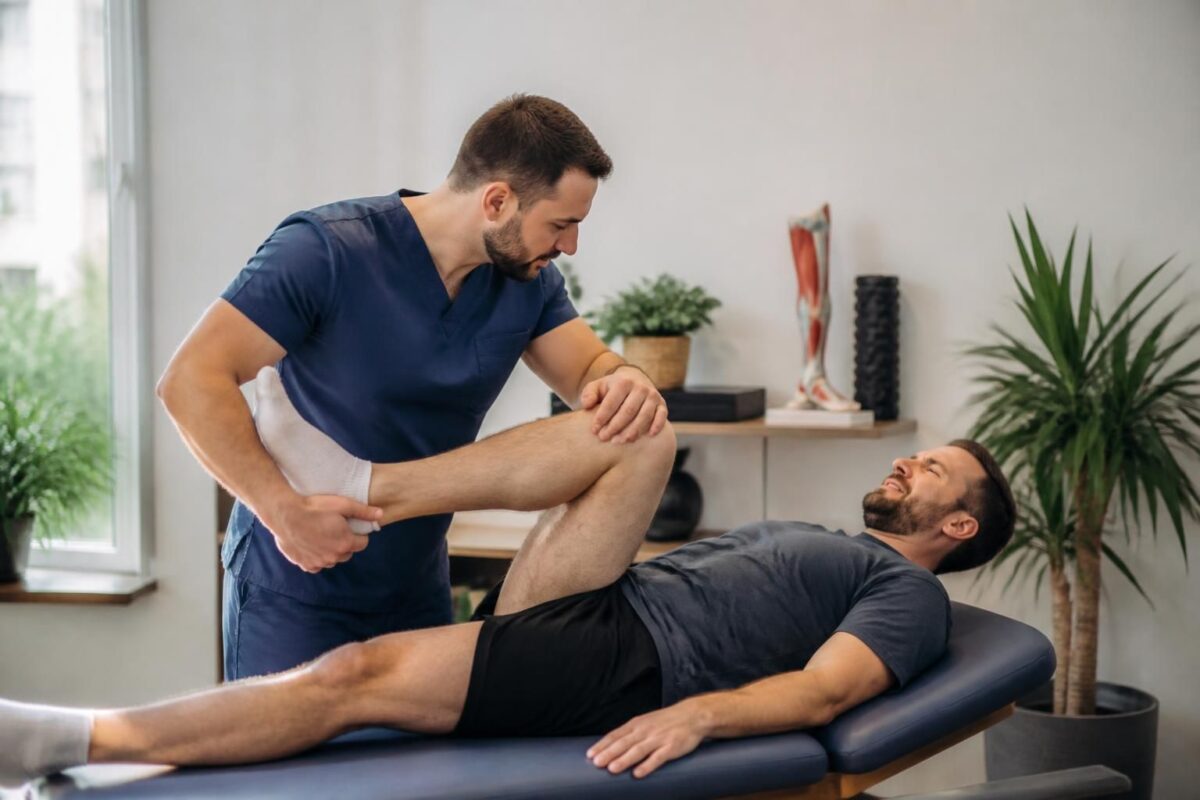
Osteopathy and chronic leg pain: regaining an optimal quality of life
In short In short, Osteopathy is one Global manual approach aimed at reducing Chronic leg pain and improve the quality of life. What is it? Non-drug therapy using the hands to identify restrictions and treat lesional chains. How does it…
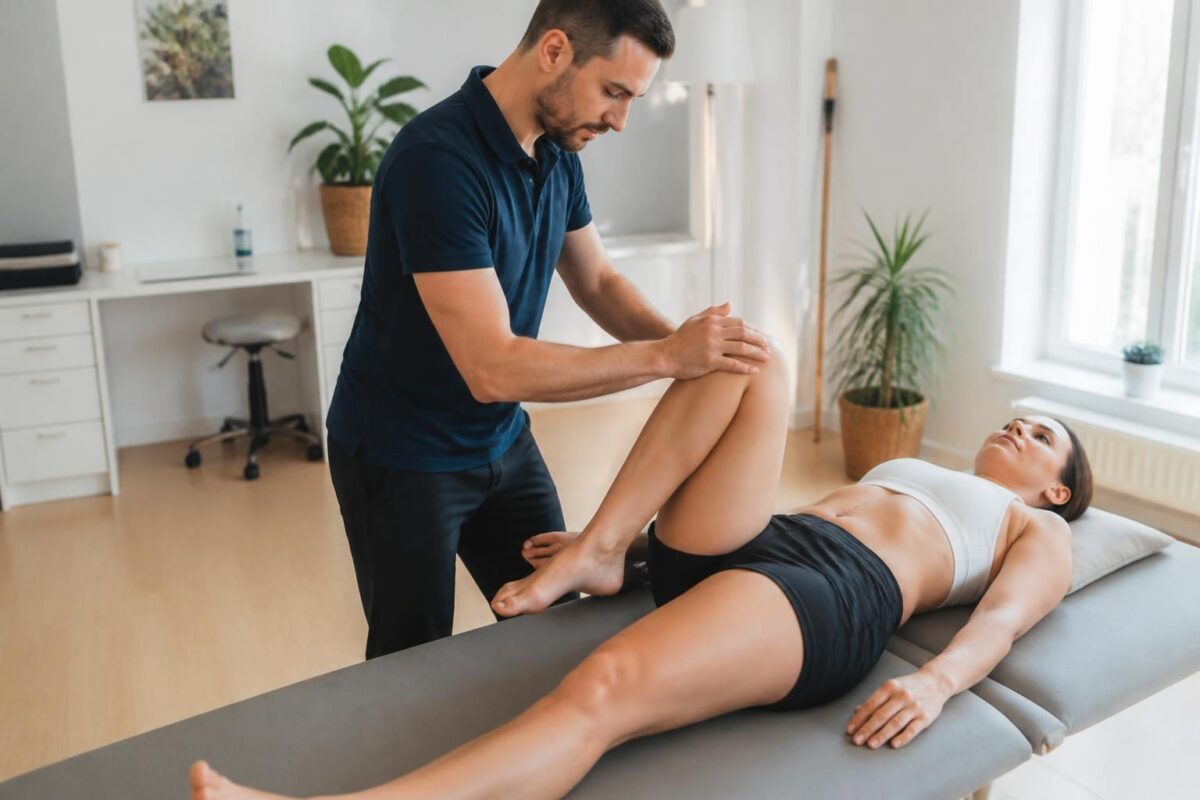
How osteopathy supports recovery after complex surgery
In short In short, Post-operative osteopathy is an approach fresh which supports the recovery After a Complex surgery. It helps to reduce the pain and the fatigue, improves the mobility and accelerates the healing thanks to a better vascularization and…
Practical advice pre and post effort
One warming up Targeted and guided recovery significantly reduces risk. Before exercise, favor progressive movements and specific activations prepares the muscles and joints. After exercise, appropriate stretching and a recovery phase supervised by an osteopath support the repair and limit deferred pain.
Warm up and activation
Set up a muscle chain activation routine minimizes abrupt loads and limits harmful compensation during training.
Recovery and lifestyle
Sufficient hydration, balanced diet and restful sleep support tissue repair and general resilience, essential elements to prevent overuse injuries.
For athletes, integrating osteopathy as a preventive tool helps maintain the performance and longevity of the practice by limiting the risk of overuse.
| Osteopathic action | snide profit |
|---|---|
| Diagnosis and overall assessment from the body | Detects imbalances and risk areas to prevent injury. |
| Joint mobilization and myofascial relaxation | Improves mobility and reduces compensation that leads to overloads. |
| Circulation and tissue nutrition | Accelerates recovery and decreases local inflammation. |
| Postural education and prevention gestures | Learns to adopt postures and protective movements during the activity. |
| Biomechanical heating and preparation | Activates muscle chains and prepares the body for effort without overload. |
| Personalized tracking and adjustments | Adjusts protocols according to training and training volume. |
| Stress management and neuromuscular balance | Strengthens the resilience and stability of the nervous system during efforts. |
| Post-effort recovery and targeted stretching | Decreased aches and faster recovery. |
| Integrated approach and collaboration | Completes care to prevent repeated overuse. |
Testimonials: How Osteopathy Prevents Overuse Injuries
“Thanks to theosteopathy, I learned to spot the first voltage signals and correct the imbalances before they turn into a overuse. The Palpatory diagnosis guided me to risk areas and I gained in mobility and in endurance. »
“The sessions targeted accumulated tensions and restored thePostural balance. By working on Joint mobilizations and techniques myofasciales, I reduced the painful episodes and I reduced the risk of overwork during long workouts. »
“The personalized follow-up was decisive. My osteopath adapted the advice according to my program and integrated preventive exercises that allowed me to avoid the small pains that break a whole season. »
“Before and after exercise, warm-up and recovery recommendations became rituals. Targeted releases at the joints and fascias improved my preparation and recovery, limiting the risk of injury from repetition of technical gestures. »
“Improving blood circulation and decreasing muscle tension accelerated my post-workout recovery. I am now able to link the sessions by minimizing the risks of overuse, while maintaining constant performance. »
“By regularly integrating theosteopathy In my routine, I saw a better mastery of my technical gestures and increased confidence in the field. An approach that aims not only to prevent injuries but also to sustainably support performance. »
In the field of sport, theosteopathy is recognized as an effective preventive approach to injuries from overuse. An experienced practitioner, specialist inosteopathy, from the naturopathy and manual medicine, intervenes upstream of the symptoms to preserve the health of the athletes and optimize their performance. Committed to therapeutic innovation, he holds the founding presidency of the Tagmed clinics and theacma, which gives him a global view of body mechanisms and sport-specific requirements. His approach is based on evidence-based methods and aims to accompany each athlete to a lasting and painless practice.
His approach is based on a vision holistic of the human body, where each structure is interconnected and can influence the performance and prevention of pain. The goal is to go beyond the symptom to treat the root causes of imbalances. The body is then apprehended as a whole in balance, and osteopathy becomes a functional rebalancing tool that supports the athlete’s ability to train intensely while preserving his joint, muscular and nerve structures.
The use of Palpatory diagnosis and a precise postural assessment helps to identify areas at risk and asymmetries that prefigure injuries. By scrutinizing the musculoskeletal chains, the osteopath determines the tensions, mobility limitations and postural habits that can overload certain joints or regions of the body during training. This key step makes it possible to design a prevention plan personalized which targets the relevant corrections before the alarm signals turn into injury.
The osteopathic techniques used cover a broad spectrum, ranging from Joint mobilizations And some Myofascial techniques gentle relaxation of muscle tension and work on the fascias. By promoting a better mobility and more fluid coordination of movements, they help restore thePostural balance and mitigate repetitive constraints. The bloodstream and tissue drainage also benefit from these interventions, which accelerates the recovery and reduces inflammation after exercise.
At the heart of prevention is a strong educational dimension. The osteopath gives advice on thePostural education, thewarming up optimal, targeted stretching exercises and recovery strategies adapted to each athlete’s profile and training schedule. Regular monitoring allows the program to be adjusted according to progress, training volume and fatigue signals, ensuring dynamic rather than reactive prevention. By integrating these practices, osteopathy supports not only injury prevention but also performance and the recovery overall athlete, while extending his sports career.
This presentation details how osteopathy can act upstream to prevent overuse injuries in athletes. By combining precise diagnosis, targeted manual techniques and personalized support focused on movement and recovery, it optimizes prevention and performance without resorting to invasive solutions. To deepen the approaches, see the external resources provided below.
Key Points on Osteopathy Injury Prevention
The heart of prevention is based on a Palpatory diagnosis Careful that identifies areas of tension and musculoskeletal imbalances that can lead to injury. By identifying these risk factors early, the osteopath can offer targeted interventions to correct movement patterns before they turn into injury.
One Personalized support is essential, because each athlete has a unique experience and physical condition. The plan may include training tips, appropriate warm-up protocols and post-effort recovery modalities, to sustainably prevent overload and repetitive pain. For practical perspectives, discover the advice integrating osteopathy in the prevention of sports injuries.
The Osteopathic techniques Used, from joint mobilizations to myofascial techniques, aim to improve mobility, reduce tension and promote a fluid range of motion. By releasing the tissues and restoring better muscle coordination, they reduce the risk of overuse during training and competitions.
Osteopathy is not content to act on the musculoskeletal system. It integrates a postural education and preventive movements, to help athletes adopt habits that limit repetitive constraints. This educational approach contributes to better protection against injuries linked to repeated gestures and rapid fatigue.
The blood circulation and tissue drainage are improved by osteopathic techniques, which promotes tissue nutrition and accelerates recovery after exercise. This improvement helps to keep the muscles and fascias in optimal condition, ready to withstand training loads and competition.
Integrate osteopathy into a Healthy lifestyle further enhances preventive efficacy. Sufficient hydration, balanced diet, restful sleep and regular stretching support the effectiveness of osteopathic care and reduce the risk of overuse injuries. For practical advice, consult the specialized resources on the links provided.
the benefits also result in a Improved resilience and recovery. By promoting better circulation, increased mobility and proactive tension management, osteopathy contributes to keeping athletes operational longer and with fewer stops.
To deepen these approaches and discover testimonials and analyzes on their effectiveness, you can explore the following resources: Osteopathic approaches to prevent overuse injuries, Osteopathy and sports recovery as a resilience tool, How osteopathy acts on chronic postural imbalances, and Why osteopathy is a lasting solution for chronic pain.
Additional resources show how to prevent injuries and optimize recovery after exercise, in particular through specific techniques and practical advice for resuming sport. For example, you can consult Essential tips to prevent injuries through osteopathy and other analyzes on performance optimization and prevention.
Finally, for a broader vision of the impact of osteopathy on injury prevention and the quality of life of athletes, see the additional resources on The importance of osteopathy in active aging and How Osteopathy Prevents Overuse Injuries.

Dr Sylvain Desforges, B.Sc., D.O., N.D., osteopath, is the founding president of TAGMED and of the ACMA association. He dedicates his practice to chronic spinal pain, low back pain and symptoms compatible with sciatica, particularly when pain radiates toward the buttock, leg, calf, foot or toes.
Through SOS Sciatique, he publishes educational content on sciatica symptoms, possible causes such as disc herniation, disc narrowing, foraminal stenosis or irritation of a lumbar nerve root, as well as non-surgical approaches that may be considered according to the evaluation. At Clinique TAGMED, care may include, depending on the case, motorized neurovertebral decompression, specific osteopathic care or precision percussion.
For an evaluation related to sciatica treatment in Montreal / Mount Royal or sciatica treatment in Terrebonne, please consult the services available at Clinique TAGMED.
Medical disclaimer
The information published on SOS Sciatique is provided for educational purposes only and does not replace a consultation, diagnosis, opinion or treatment provided by a physician or another authorized healthcare professional. The author of this article is neither a medical doctor nor a specialist in a medical specialty recognized by the Collège des médecins du Québec. The osteopathic, manual medicine or functional support approaches described on this site do not constitute medical acts and are not intended to replace medical follow-up.
Consult a physician or emergency service in cases of loss of bladder or bowel control, anesthesia in the saddle area, significant or progressive weakness in the leg or foot, fever, recent trauma, severe pain or rapid worsening of symptoms. For more details, please read our Legal Notice.