Osteopathic approaches to treat tendon pain
27/06/2026
How osteopathy helps prevent age-related pain
27/06/2026
In short |
In short, theosteopathy is a holistic approach that can naturally stimulate the bloodstream and support the cardiovascular health. What does this theme bring? better organ irrigation and Venous return Optimized, without drug use. How does it work? By Manual techniques which release tensions, improve the mobility of soft goods and activate the lymphatic system. For whom? Anyone seeking to reduce the stress and to Prevent cardiovascular imbalances. In Montreal, this service is particularly useful. |
Find out how theosteopathy may Naturally stimulate blood circulation by adopting a global approach to the body. By releasing tension and working the soft tissues, the osteopath facilitates the Venous return and organ oxygenation. Work on the nervous system and structures can help reduce stress and promote Optimized traffic, without invasive gestures and in addition to medical follow-up.
This sheet shows how Osteopathy can promote a bloodstream effective and natural. With a global approach, the practitioner identifies tensions and restriction areas, then applies gentle techniques to improve blood flow and venous return. The goal is to act on the body as a whole, in order to support cardiovascular health without resorting to invasive interventions.
traffic and its challenges
The bloodstream Depends on the volume of blood, the contraction force of the heart and the resistance of the vessels. Too high pressure may increase the risk of cardiovascular complications. A hypertension prolonged can influence the oxygenation and irrigation of organs. Good circulation supports the supply of oxygen and essential nutrients for tissues.
How osteopathy affects circulation
The practitioner evaluates the body as a whole and looks for tensions that slow down blood flow. By working on structures and tensions, the osteopath can improve The venous return and promote better organ perfusion. By reducing stress and muscle tension, the nervous system calms down, which can support a arterial pressure more stable and better blood distribution.
Relevant osteopathic techniques
The techniques used aim to free up mechanical restrictions and promote smoother circulation. This may include work on fascias, soft tissues, and targeted joint mobilizations. The goal is to improve the mobility of the arteries and to support the lymphatic system for the evacuation of metabolic waste, while facilitating blood flow to the tissues.
Prevent and optimize daily traffic
A prevention Effective goes through a regular consultation with an osteopath, combined with a healthy lifestyle. Stress management, appropriate physical activity and a balanced diet support cardiovascular health and circulation. Osteopathy can be a key component of a global approach, without the need for aggressive treatment.
Resources and references
For concrete examples and in-depth details, check out these resources:
Osteopathy and overall well-being — personalized approach.
Joint mobility and optimal health.
Neurovertebral decompression and circulation.
For additional information related to disc questions or associated pathologies, you can also consult specialized resources on SoshernieDiscale.com, SosherniatedDisc.com and sostunnelcarpien.com.
For regional services or additional information, you can also refer to the Tagmed Clinic.
Medical Disclaimer: The information and advice provided on this site does not replace the health professional’s diagnosis or treatment. Please note that Dr. Sylvain Desforges osteopath is neither a doctor of medicine nor a doctor, and is not a specialist in a medical specialty as defined by the Collège des Médecins du Québec. Manual medicine, functional medicine and sports medicine as described on this site exclude any medical treatment or diagnosis made by a doctor or specialist doctor. Always consult your doctor for any medical questions. For more details, please read our full legal notice.
- Relaxation of the nervous system and stress reduction For a better circulation.
- release of tensions and engagement To improve the Venous return.
- work on the fascias and the muscles to smooth the flow sanguine.
- Vascular elasticity and Arterial mobility for a smoother flow.
- Stimulation of the lymphatic system and oxygenation fabrics.
- Prevention To maintain a arterial pressure balanced and reduce risks.

Here is a practical guide on Osteopathy and blood circulation: How gentle and global approaches can naturally stimulate the body, reduce tension and support effective venous return without resorting to invasive treatments.
What does blood circulation and why losteopathy can help
The bloodstream Ensures the oxygenation of the tissues and the proper functioning of the organs. It depends on the coordination between muscles, vessels and nerves. losteopathy offers a global approach that takes into account the body as a whole. By identifying and working on tensions and restrictions, it can promote better tissue irrigation and smoother venous return.
In addition to lifestyle habits, osteopathic techniques seek to promote Structural balance and the harmonious functioning of the circulatory and nervous systems, without surgery or drugs. It is a preventive approach adapted to everyone, which can support better energy and better recovery.

How osteopathy improves the quality of life of active people
In short In short, theosteopathy is a global approach that Optimizes mobility and the function of the body of ACTIVE PEOPLE, for a better quality of life. It helps prevent injury and reduce Musculoskeletal pain While promoting the Sports recovery.…

Osteopathy and sports recovery: prepare the body for lasting performance
In short In short, Osteopathy and Sports recovery is one Global manual approach that sustainably prepares the body for the effort by restoring mobility and circulation After the effort. It is a discipline that acts on the sinews, the joints,…
Osteopathic approaches to stimulate circulation
Rebalance tensions and release fascias
restrictions in fascias And soft tissues can limit the mobility of structures that affect traffic. Targeted techniques make it possible to release these tensions and restore a Tissue mobility optimal, thus facilitating the passage of blood and the supply of oxygen to the organs.
Improve venous return and organ perfusion
gentle and adapted mobilizations aim to promote the Venous return and lymph circulation. By improving blood flow and perfusion of tissues, the osteopath can reduce congestion and support the oxygenation of vital organs, while relaxing areas that hold fluids.
Role of stress and breathing
The stress Chronic can activate the sympathetic nervous system and maintain lasting tension. By acting on the nervous system and working on the breathing, the osteopath helps to slow down the pace and promote a stress reduction, which contributes to a arterial pressure more balanced and better circulation.
Why Osteopathy Is Essential For Recovery People
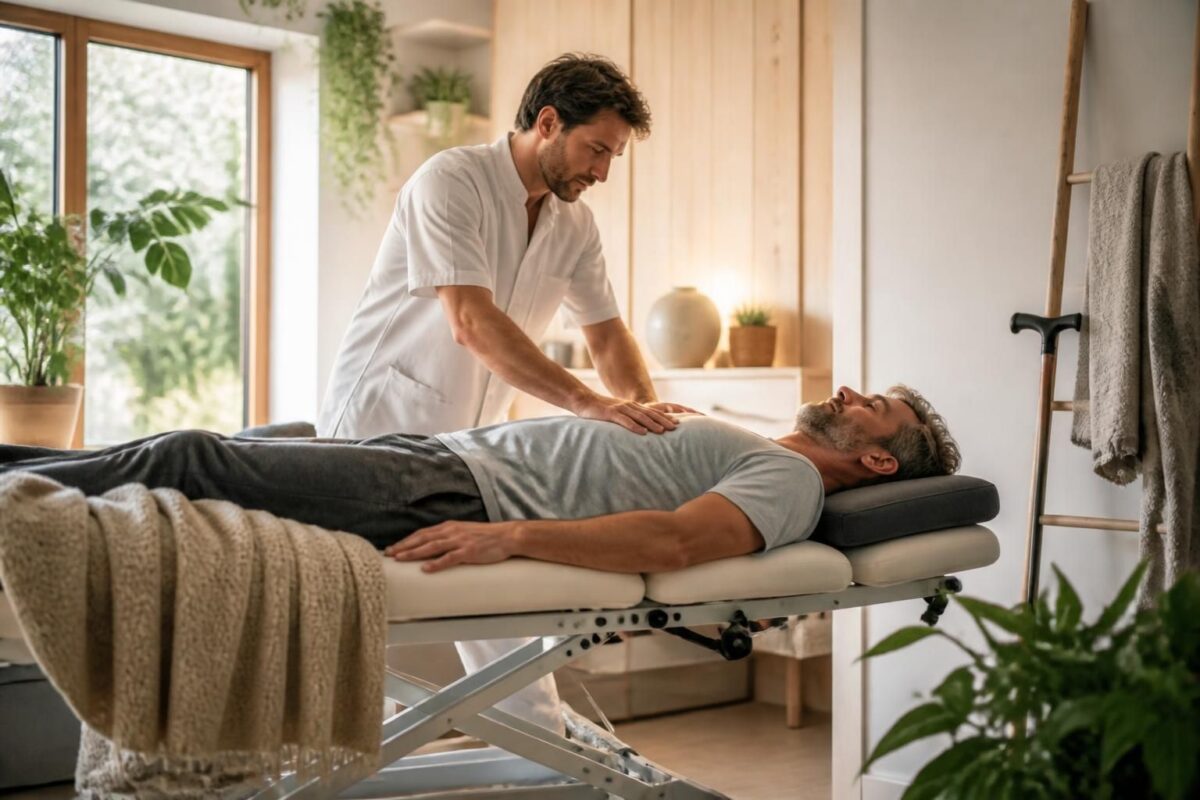
In short In short, Osteopathy in convalescence is an approach manual and holistic which helps to accelerate the recovery by restoring The balance, the mobility and a good circulation fabrics. it contributes to Reduce the pain, support the Back to…

Osteopathic manipulations to strengthen post-traumatic muscles
In short In short, Osteopathic manipulations for Strengthen post-traumatic muscles constitute a gentle manual approach aimed at restoring the mobility, reduce the pain and facilitate the Functional rehabilitation After a injury. What is Is it? A series of precise gestures…
Practical advice to accompany dosteopathy sessions
To optimize benefits, combine osteopathy sessions with simple and lasting habits. Regular physical activity (Walking, swimming, cycling) naturally stimulates circulation and complements manual effects.
Adopt a good posture and plan breaks during working days to avoid prolonged pressure on vessels and nerves.
work diaphragmatic breathing and stress management with simple techniques (slow breathing, relaxation exercises). This can diminish the work of the heart and promote more efficient circulation.
Hold a Sufficient hydration And ensure a restful sleep to support tissue renewal and fluidity of circulatory exchanges.
In terms of food, favor a balanced diet rich in fruits and vegetables, and limit excess salt and alcohol, in order to support vascular health and the regulation of tension.

Osteopathy and prevention of work-related musculoskeletal disorders
In short theosteopathy is one Manual approach that restores body balance and prevents MSD related to work. Its advantages: reduction of tension, improvement of mobility and prevention of chronic pain. She is preventive and healing, suitable for office and trades…

The benefits of osteopathy to treat muscle imbalances
In short theosteopathy is a manual approach to restore themuscle harmony and postural considering the body as a whole. Its main benefits include the reduction of aches and tensions, the improvement of the mobility and from the posture, and prevention…
When to consider a circulation-focused osteopathic consultation
If you experience persistent fatigue, feelings of heaviness in the legs, episodes of diffuse pain or slow recovery after exercise, an osteopathic consultation can help you identify overall tensions and rebalance circulation. Ask a qualified practitioner for advice to discuss a personalized plan that includes regular sessions and life tips that are tailored to your profile.
| Aspect | Impact / Profit |
|---|---|
| Main objective | Improve bloodstream and support the cardiovascular system through a global approach. |
| Mechanisms of action | release of tensions and stimulation of Venous return, promoting better tissue oxygenation. |
| Osteopathic techniques | targeted manipulations of the skull, spine and soft tissue to activate the relaxation and the circulation. |
| Impact on stress | reduction of voltages and stress, which reduces the efforts of the heart. |
| Effect on blood pressure | Moderation of mechanical stresses and improvement of dynamics circulatory local. |
| Prevention | Regular consultations to maintain balance and prevent imbalances circulatory. |
| Audiences concerned | Suitable for those looking for a non-drug approach to support the system cardiovascular. |
| Availability and accessibility | Approach holistic, drug-free, compatible with everyday life. |
| When to consult | Unexplained pain, heaviness or fatigue justifying an osteopathic evaluation. |
Osteopathy and chronic leg pain: regaining an optimal quality of life
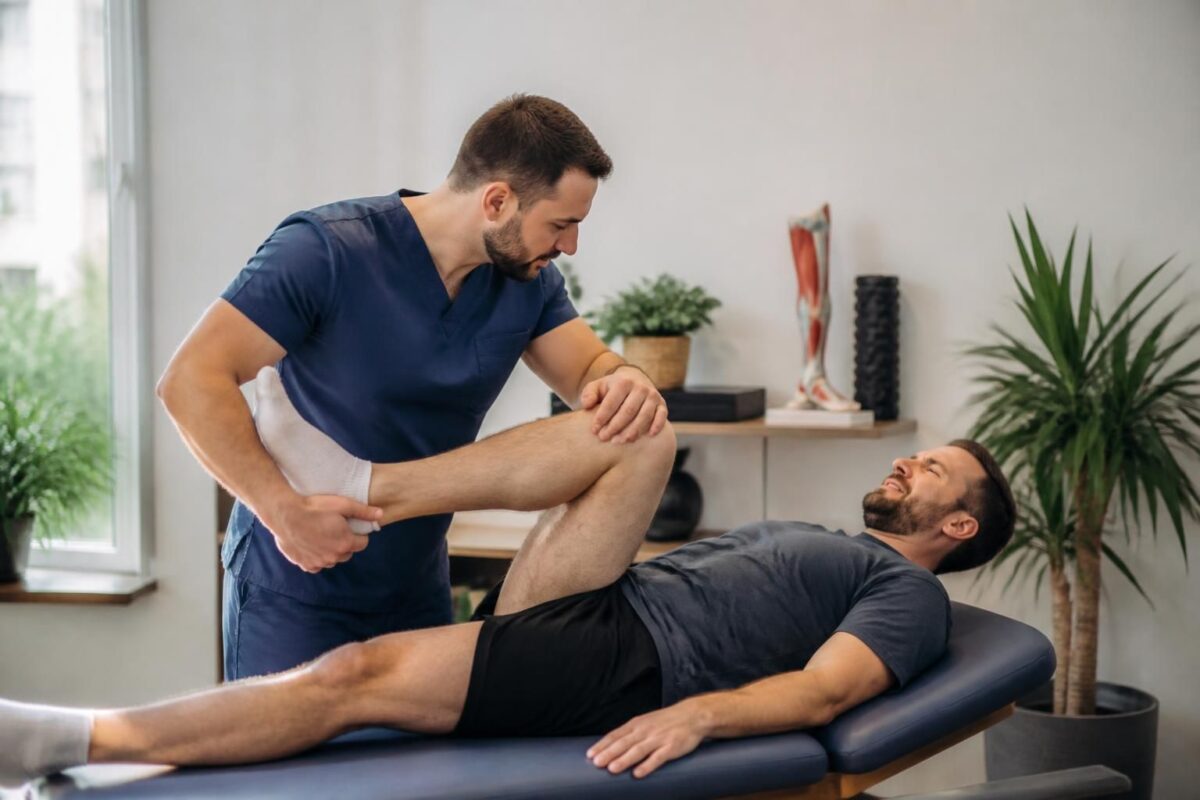
In short In short, Osteopathy is one Global manual approach aimed at reducing Chronic leg pain and improve the quality of life. What is it? Non-drug therapy using the hands to identify restrictions and treat lesional chains. How does it…
How osteopathy supports recovery after complex surgery
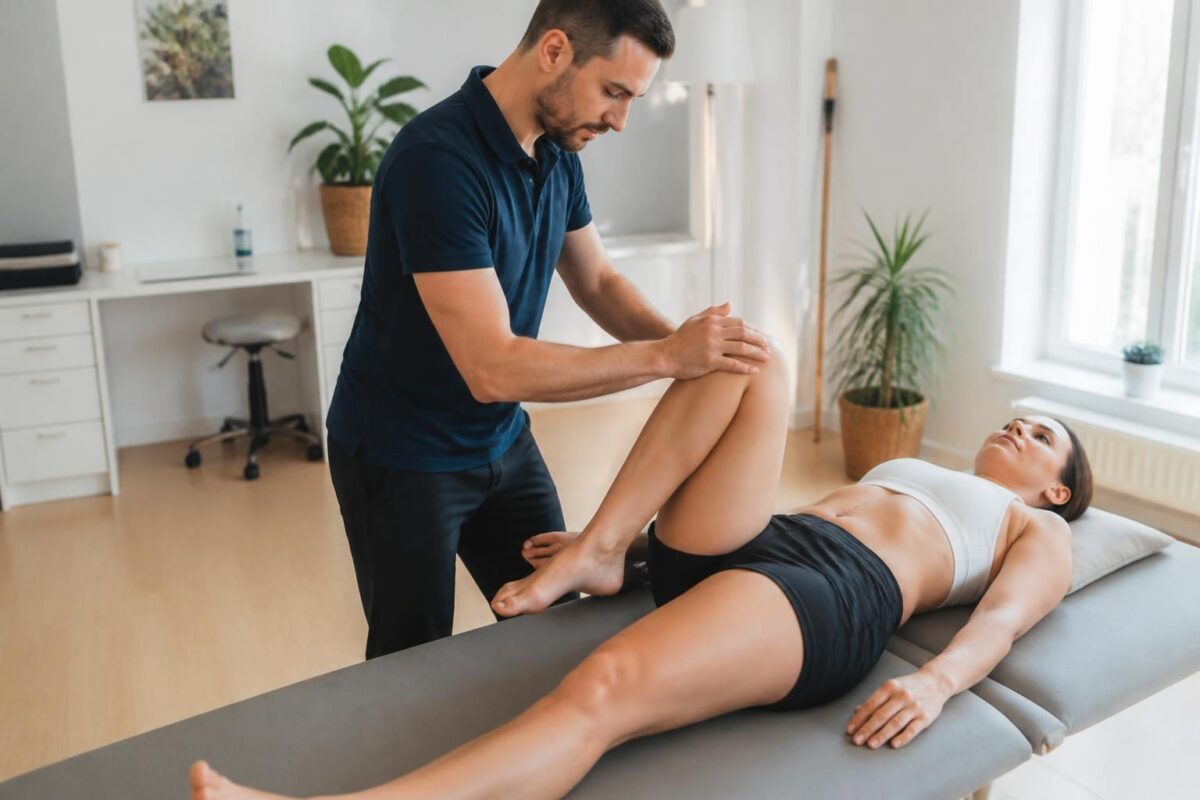
In short In short, Post-operative osteopathy is an approach fresh which supports the recovery After a Complex surgery. It helps to reduce the pain and the fatigue, improves the mobility and accelerates the healing thanks to a better vascularization and…
Testimonials on osteopathy and blood circulation: naturally stimulate the body
“After feelings of heavy legs and fatigue, I noticed a Significant improvement of my bloodstream and my general energy thanks to theosteopathy focused on drainage and muscle relaxation. »
“By working on the relaxation of tissues and on mobilizations that promote venous return, my bloodstream clarified and my stress-related migraines decreased, allowing me to approach my days with more serenity. »
“Regular sports, I noticed a better recovery and less cramps in the legs after the sessions that stimulate the bloodstream by osteopathy. »
“My doctor had advised me to exercise, but it is the use of techniques ofosteopathy Targeted on the bloodstream which helped me to regulate my stress and to feel lighter. »
“The sessions made me sleep better and feel more energetic throughout the day, thanks to a bloodstream improved and reduced stress throughosteopathy. »
“I highly recommend theosteopathy To naturally stimulate the body and optimize the bloodstream, which results in better vitality and a lesser feeling of heaviness. »
Dr. Sylvain Desforges is recognized for his expertise in osteopathy, in naturopathy and in manual medicine. Founding President of tagmed and association acma, he places innovation at the heart of his practice and guides his patients towards approaches that combine science and human approach. His approach is based on a global vision of health: promoting bloodstream and optimize the functioning of the body through personalized and evidence-based care. His journey illustrates a vocation to propose concrete and natural solutions to improve the well-being and quality of life on a daily basis, without neglecting the psychological and emotional aspects that accompany circulatory disorders. To discover his approach and the services available at the TagMed clinic, contact the establishment directly.
In this perspective, theosteopathy is considered as a holistic discipline capable of intervening on the mechanisms that regulate blood pressure and tissue perfusion. The body is perceived as a dynamic network where the bloodstream and the nervous system feed each other. By examining functional imbalances and releasing accumulated tensions, the practitioner can promote better organ oxygenation and more fluid blood flow, contributing to a more stable vital energy and better recovery after exercise.
Circulation-focused osteopathic treatment is based on targeted manual techniques, soft manipulation of soft tissues and appropriate joint mobilization. Work can decrease restrictions around vessels and fascias, improve venous return and support vessel elasticity. At the same time, action on the lymphatic system and areas of tension around the chest and skull contributes to better toxin filtration and a reduction in blood flow resistance. Together, these elements contribute to naturally stimulating the body and strengthening its self-regulation capacity.
The role of osteopathy in stress management and in the prevention of circulatory imbalances is central. By working on the spa relief mechanisms and on the regulation of the nervous system, the sessions can promote tension reduction and more effective breathing, two factors that directly influence blood pressure and general vitality. Precise and gentle gestures accompany the patient towards a relaxation conducive to better circulation, with effects accumulated over the course of the sessions.
Integrated into a global approach, the proposed approach combines manual techniques with advanced technologies such as motorized spinal decompression, laser and shockwave therapy. This arsenal, applied in a manner adapted to each profile, aims to optimize circulation, accelerate recovery and allow the body to function in a more favorable balance. The objective is clear: to support cardiovascular health through natural and sustainable stimulation, while respecting the limits and needs specific to each person.
To consider a personalized program and assess how these methods can improve your circulation and well-being, contact the TagMed clinic to plan a consultation dedicated to your situation.
This Detailed conclusion explore how Osteopathy may Naturally stimulate blood circulation and support health cardiovascular, by acting on stress, tissue mobility and lymphatic drainage. It is part of a holistic and non-invasive approach that can complement medical monitoring and promote better regulation of the circulatory system.
from a global perspective, Osteopathy Considers the body as a whole and can help release tensions that hinder blood flow. By working on the structures involved and restoring mobility, it can promote better venous return and more efficient organ oxygenation.
The anti-stress dimension is essential: chronic stress is a key factor in elevating the blood pressure. Osteopathic techniques, centered on nervous system relaxation and respiration, can help reduce loads on the heart, which can have positive effects on the arterial pressure.
The osteopathic mechanisms include the release of mechanical restrictions of the skull and spine, soft tissue manipulation and joint mobilizations that facilitate circulation and venous return. These approaches aim to reduce tensions and restore a structural balance.
Lymphatic drainage and the role of the lymphatic system are important components for the immunity and elimination of toxins, which can support general circulation and organ vitality. Specialized resources detail these links and associated techniques.
To deepen, several online resources address the relationship between osteopathy and circulation and explain the mechanisms at work. For example, dedicated articles describe how osteopathy can influence the bloodstream and the cardiovascular health (Osteopathy and blood circulation, Osteopathy and cardiovascular health).
Practical perspectives also show how musculoskeletal needs and recurrent pain can influence the circulatory system and how osteopathy can act in prevention and management of repetitive work-related pain. For more information, see the resources dedicated to these topics (Why osteopathy is effective for recurrent pain, Benefits on repetitive work pain).
For technical aspects and lymphatic aspects that support circulation and immunity, two complementary resources explain lymphatic drainage and underlying mechanisms (Lymphatic, circulation and immunity, Lymphatic drainage – gentle technique).
In addition, other resources explore how osteopathy acts on diffused muscle pain and how it can help prevent musculoskeletal disorders, which can indirectly influence circulation and daily comfort (How osteopathy acts on the muscle pain diffused, Prevention of musculoskeletal disorders).
These approaches demonstrate that Osteopathy can be registered as a complementary way to support the bloodstream and the cardiovascular health, without resorting to invasive treatments, in addition to appropriate medical follow-up.

Dr Sylvain Desforges, B.Sc., D.O., N.D., osteopath, is the founding president of TAGMED and of the ACMA association. He dedicates his practice to chronic spinal pain, low back pain and symptoms compatible with sciatica, particularly when pain radiates toward the buttock, leg, calf, foot or toes.
Through SOS Sciatique, he publishes educational content on sciatica symptoms, possible causes such as disc herniation, disc narrowing, foraminal stenosis or irritation of a lumbar nerve root, as well as non-surgical approaches that may be considered according to the evaluation. At Clinique TAGMED, care may include, depending on the case, motorized neurovertebral decompression, specific osteopathic care or precision percussion.
For an evaluation related to sciatica treatment in Montreal / Mount Royal or sciatica treatment in Terrebonne, please consult the services available at Clinique TAGMED.
Medical disclaimer
The information published on SOS Sciatique is provided for educational purposes only and does not replace a consultation, diagnosis, opinion or treatment provided by a physician or another authorized healthcare professional. The author of this article is neither a medical doctor nor a specialist in a medical specialty recognized by the Collège des médecins du Québec. The osteopathic, manual medicine or functional support approaches described on this site do not constitute medical acts and are not intended to replace medical follow-up.
Consult a physician or emergency service in cases of loss of bladder or bowel control, anesthesia in the saddle area, significant or progressive weakness in the leg or foot, fever, recent trauma, severe pain or rapid worsening of symptoms. For more details, please read our Legal Notice.