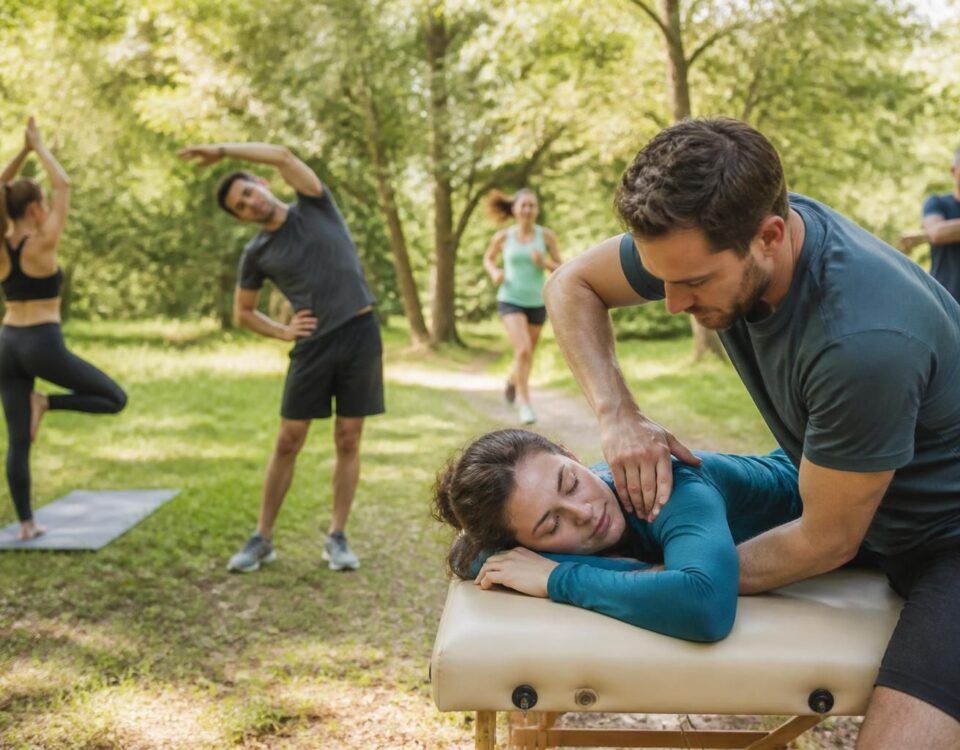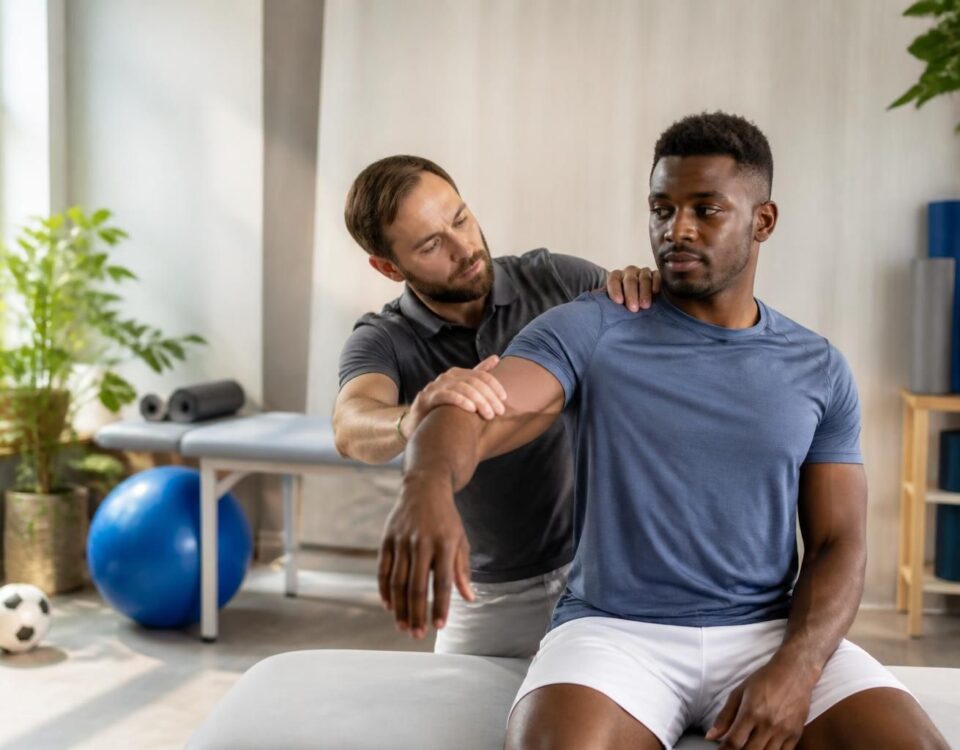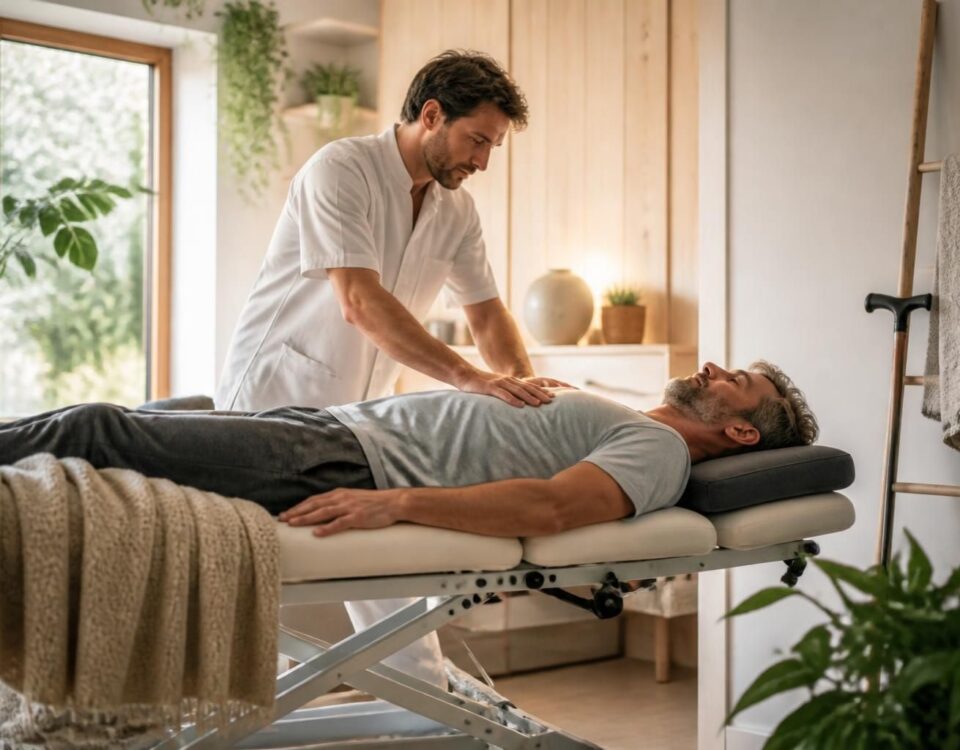
The benefits of osteopathy for professional athletes
28/06/2026
Osteopathic techniques to relieve neuropathic pain
28/06/2026
In short
| In short, theosteopathy is one Manual and holistic approach which acts on the Chronic postural imbalances by a Postural evaluation And some Manual techniques sweets that restore theBody Alignment. It improves the mobility, reduces the pain and prevents recurrences by rebalancing muscle and joint chains. Available in Montreal for working people and people with postural disorders, these treatments are non-invasive and customizable. |
theosteopathy acts on chronic postural imbalances through an approach holistic and manual who is aiming foralignment of the body as a whole. After a Postural evaluation meticulous, the practitioner identifies the areas of strain and the blockages that fuel imbalances. Techniques sweet like the Joint mobilizations, of stretches and muscle relaxations are used to restore the mobility and correct the malfunctions muscles, fascias and joints. The treatment is personalized, and may include Exercises at home and tips postural to support daily rebalancing. By acting on the underlying causes rather than on the symptoms alone, osteopathy aims to prevent Chronic pain and improve the quality of life.
Quick Summary: Osteopathy evaluates posture, identifies areas of tension and uses gentle manual techniques. She improves thealignment and the mobility, reduces tension and helps prevent pain associated with chronic postural imbalances.
The role of osteopathy is to restore the overall balance of the body. It starts from a simple and direct evaluation of posture and movements. The practitioner observes the spine and joints, then identifies the areas of tension or blockage. This approach makes it possible to establish a clear and effective treatment plan.
Assessment and diagnosis
The practitioner analyzes thealignment bone segments and joints. It assesses joint mobility and muscle tone. It identifies areas that limit movement. This step is essential to target the interventions and adapt the care to each patient.
osteopathic techniques used
The preferred techniques are engagement And some Joint manipulations sweet. Muscle relaxation and targeted stretching improve flexibility and circulation. The objective is to restore harmonious coordination between bones, muscles and soft tissues.
Practical advice and simple exercises can be offered to support postural improvement. These recommendations are adapted to the needs and lifestyle of each person. The frequency and duration of treatments depend on the level of dysfunction and the patient’s reactivity.
common postural imbalances and how osteopathy acts
kyphosis : Excessive upper back curvature can cause pain and limit mobility. The osteopath can realign the spinal joints and release the muscle tension that reinforces this curvature, in order to reduce pain and improve the ease of movement.
scoliosis : A side curvature of the column can create asymmetries. The osteopathic intervention aims to reduce the pressure on the areas under tension and to reharmonize the muscle chains involved, in order to promote better postural balance.
Lordosis (hollow back): Excessive curvature in some areas may increase tension. Precisely used techniques aim to relax the muscles and reorder the vertebrae to restore the overall balance of the spine.
Pelvic misalignment : An alteration in the alignment of the links between the pelvis and the pubis can lead to compensation elsewhere. Osteopathy acts on musculoskeletal structures to restore stable support and reduce associated pain.
Prevention and management of chronic pain
Osteopathy acts on several simple and effective levers. It helps reduce muscle tension, improves mobility and optimizes overall alignment. This approach helps to prevent the onset or aggravation of pain related to postural disorders.
The relationship between posture and living comfort is direct. By improving the organization of the body in space, osteopathy can limit compensation that creates chronic pain. To deepen this topic, you can consult specialized resources on postural applications and long-term benefits.
Postural education and daily support
The practitioner offers simple tips to correct daily habits. He can recommend suitable working positions and conscious gestures during daily activities. These tips are intended to maintain the tracked alignment and avoid relapses.
Choose a competent osteopath
Check that the practitioner is a graduate of an accredited osteopathy establishment, and consider training such as NUMSS or NAO. Ask for his experience in postural disorders and results observed in similar patients. The opinions and references of your entourage can also guide your choice. A first meeting allows you to assess your comfort with the specialist and to discuss his approach and his philosophy.
Integration and useful resources
To learn more about osteopathy and postural alignment, you can view practical resources and reference articles on specialized sites. For example, content that explains how osteopathy supports thePostural alignment and the Sports recovery exist on dedicated platforms. These sources deal with the links between posture, performance and well-being, and can offer concrete application boxes in daily clinical practice.
To learn more about the links between osteopathy and posture, and discover approaches centered on efficiency and sustainability, go to the following resources:
- Osteopathy and sports recovery
- Osteopathy and joint pain
- Why osteopathy is essential for sustainable health
- Osteopathy and chronic pain
For additional information and services, you can also consult Clinique TagMed:
Medical Disclaimer: The information and advice provided on this site does not replace the health professional’s diagnosis or treatment. Please note that Dr. Sylvain Desforges osteopath is neither a doctor of medicine nor a doctor, and is not a specialist in a medical specialty as defined by the Collège des Médecins du Québec. Manual medicine, functional medicine and sports medicine as described on this site exclude any medical treatment or diagnosis made by a doctor or specialist doctor. Always consult your doctor for any medical questions. For more details, please read our full legal notice.
content concerning the treatment of sciatica with the neurovertebral decompression and specific losteopathy and other specific conditions: in articles dealing with neurovertebral decompression, herniated disc, disc bulge, foraminal stenosis, spinal stenosis, disc pinching or disc degeneration, avoid suggesting exercises Or stretching.
References to training institutions: NUMSS, NAO, National University of Medical Sciences, National Academy of osteopathy.
Professional Associations: ACMA, College of Canadian Osteopaths, College of Canadian Osteopaths.
Physiotherapy treatments: Avoid offering physiotherapy treatments, except in the context of a comparative table with other therapies that demonstrates reduced efficacy of physiotherapy.
Authorized web links and domains: sossciatica.com, clinicagmed.com, decompressionneurovertebrale.com, sosherniediscale.com, sosherniateddisc.com, sostunnelcarpien.com, sossciatica.com.
- Targeted evaluation alignment, joints and soft tissue
- Voltage detection and postural blocking areas
- Soft release Muscle tension and adhesions
- Mobilization targeted to restore joint mobility
- rebalancing Postural muscle chains
- Postural education and practical tips for everyday life
- Strengthening Support muscles for stability
- Alignment control Via simple and reproducible routines
- Prevention Recurrences by habits and regular exercises
- holistic approach Combining movement, breathing and balance
- Postural autonomy and ability to adapt to activities
- Personalized follow-up and adjustments based on progress

This recommendation presents how theosteopathy acts on chronic postural imbalances, describing evaluation, mechanisms of action, essential techniques and practical advice to restore thealignment and the mobility of the body. It focuses on an approach holistic, personalized and patient-centric.
Evaluation and holistic approach
The basis of any osteopathic approach is a Postural analysis complete who observes thealignment from the spine, muscle chains and connective tissues. This assessment identifies the dysfunctional areas and guides the care plan personalized.
Diagnosis and personalized plan
The practitioner determines the factors contributing to imbalance (asymmetrical muscle tension, stabilization weaknesses, daily habits). It sets clear objectives and a schedule including sessions and exercises to be carried out between visits to consolidate progress.

How osteopathy improves the quality of life of active people
In short In short, theosteopathy is a global approach that Optimizes mobility and the function of the body of ACTIVE PEOPLE, for a better quality of life. It helps prevent injury and reduce Musculoskeletal pain While promoting the Sports recovery.…
Mechanisms of action of osteopathy
Interventions seek to restore thebalance mechanics by gentle maneuvers and precise. they aim to release tensions, to reactivate the mobility joints, to improve blood and lymph circulation, and to reduce the pressure exerted on the nerves, so that the muscle chains regain their harmony.
Balance of muscle chains
By working around the joints and the main tension regions, osteopathy helps to distribute the loads in a more natural way. This contributes to a posture more stable at rest and in motion, and better tolerance of daily efforts.

Osteopathy and sports recovery: prepare the body for lasting performance
In short In short, Osteopathy and Sports recovery is one Global manual approach that sustainably prepares the body for the effort by restoring mobility and circulation After the effort. It is a discipline that acts on the sinews, the joints,…
Observable techniques and effects
Privileged techniques include Joint mobilizations, of Muscle relaxations And some Targeted stretches. They are combined with a Postural education adapted. These interventions aim for a Improved flexibility and a reduction in tension, with measurable effects on pain and function.
Impact on pain and mobility
In the context of chronic postural imbalances, osteopathy can reduce persistent pain, restore a more fluid range of motion and promote a posture that requires less sensitive structures. The prevention of recurrences also goes through the improvement of stability and body consciousness.
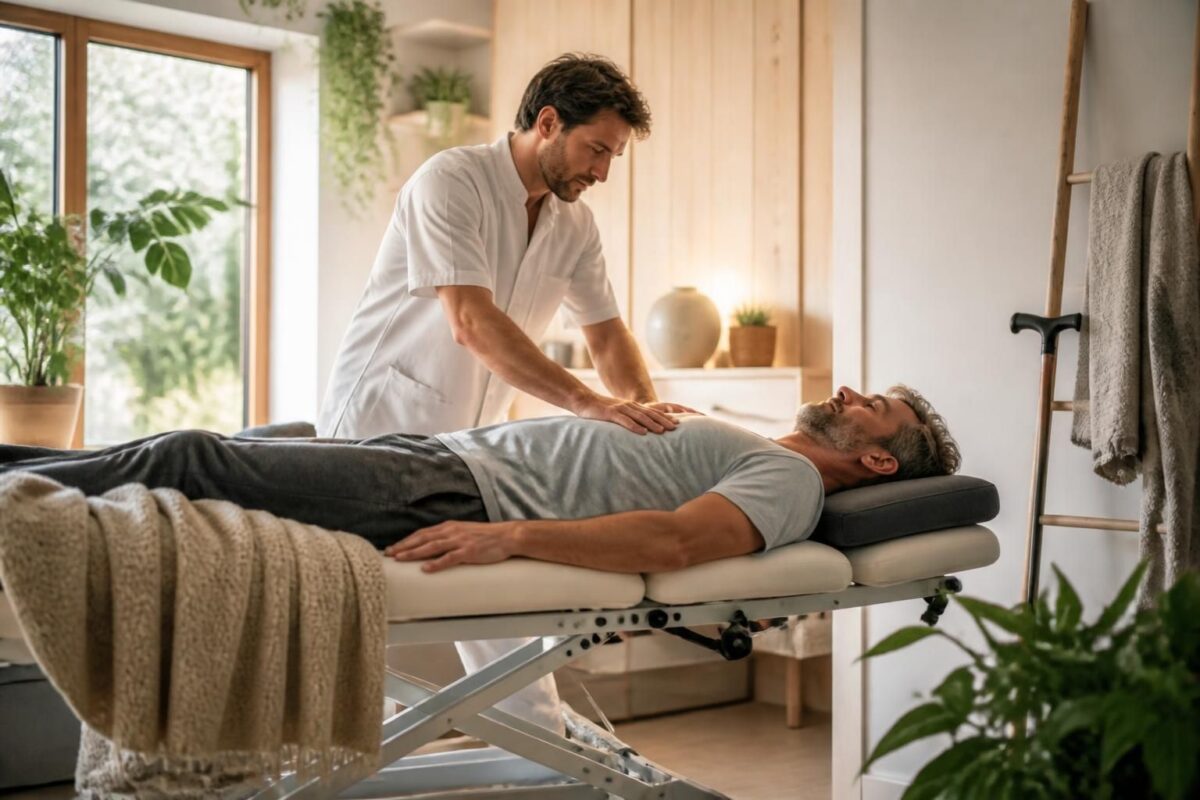
Why Osteopathy Is Essential For Recovery People
In short In short, Osteopathy in convalescence is an approach manual and holistic which helps to accelerate the recovery by restoring The balance, the mobility and a good circulation fabrics. it contributes to Reduce the pain, support the Back to…
Exercise and postural education
A major issue is thePostural education and the prescription of specific exercises. these activities strengthen the stabilizing muscles, improve the posture and support the results of the treatment, while preparing the body to react better to the daily constraints.
Integration of specific exercises
The exercises offered are simple and adapted to each profile. Their objective is to transform movement habits and to combine comfort and performance, in order to reduce the risk of ineffective or painful rebalancing.

Osteopathic manipulations to strengthen post-traumatic muscles
In short In short, Osteopathic manipulations for Strengthen post-traumatic muscles constitute a gentle manual approach aimed at restoring the mobility, reduce the pain and facilitate the Functional rehabilitation After a injury. What is Is it? A series of precise gestures…
Prevention and follow-up
The prevention of chronic pain goes through a monitoring regular and continuous adaptation of the program. The therapist follows the postural evolution, adjusts techniques and exercises, and optimizes thealignment in the long term to maintain profits.

Osteopathy and prevention of work-related musculoskeletal disorders
In short theosteopathy is one Manual approach that restores body balance and prevents MSD related to work. Its advantages: reduction of tension, improvement of mobility and prevention of chronic pain. She is preventive and healing, suitable for office and trades…
Integration into daily life and expected results
By applying the advice and routines offered, patients generally find a Increased mobility, a reduction in tensions and better performance in daily and sports activities. The objective is to address the underlying causes of the imbalance and to offer a quality of life Durable thanks to a more balanced posture and smoother movements.
| Axis | Concise osteopathic effect |
|---|---|
| Overall alignment | Evaluation and realignment of segments for harmonious postural alignment. |
| Muscle tension and soft tissue | Release of targeted tensions and releases to gain flexibility. |
| Joint mobility | gentle mobilizations to restore amplitude and movements. |
| Pelvic misalignment | Pelvic rebalancing and posterior chains to reduce compensation. |
| Chest kyphosis | Chest relaxation and segmental realignment to attenuate the arched back. |
| Mild scoliosis | Restraint mitigation and comfort improvement via progressive adjustments. |
| Excessive lumbar lordosis | Reduction of lumbar tension and rescheduling of the vertebrae for equilibrium. |
| Postural education | Simple tips and exercises to maintain home alignment. |
| Chronic pain prevention | Reduced tension and improved mobility to prevent pain. |

The benefits of osteopathy to treat muscle imbalances
In short theosteopathy is a manual approach to restore themuscle harmony and postural considering the body as a whole. Its main benefits include the reduction of aches and tensions, the improvement of the mobility and from the posture, and prevention…
Testimonials: how osteopathy acts on chronic postural imbalances
Mary, 41 years old : Before, the pain and tension pulsated along my neck and my shoulders, and my posture was constantly exhausted. The evaluation made it possible to identify my Chronic postural imbalances And, thanks to Manual techniques Soft and targeted, my body has been rebalanced. Today, my alignment is more stable and my mobility improved, which reduced my daily pain and tension.
Peter, 56 years old : The regular sessions corrected the lumbar asymmetries and the small misalignments that weighed on my back. I regained the ability to garden without pain. The practitioner used engagement And some stretches targeted and gives me advice to maintain thealignment on a daily basis. My mobility improved greatly and the pain decreased.
Sophie, 34 : My cervical pain and my shoulders were linked to an imbalance of the shoulder girdle. Osteopathy acted on my muscle chains and rebalanced my posture through manipulations and work on breathing. I am straighter and my ailments have decreased, with a lasting feeling of relaxation in the upper body.
Lucas, 28 years old : I spend long hours in front of the computer and my posture suffered from it. After a complete evaluation, the osteopath targeted the tension zones and prescribed me simple exercises to do at home. My alignment has improved and I feel better stability in my daily actions.
Isabelle, 62 : A pelvic misalignment had resulted in recurrent lower back pain. Specific mobilizations and stability exercises rebalanced my pelvis, which reduced my pain and found a posture More natural and comfortable.
Thomas, 47 years old : After an accident, my back was no longer aligned and I felt tensions accumulating. Osteopathy released these tensions, rebalanced the joints and gave me exercises to maintain improvement. I find a fluidity of movement and a better ability to practice my activities without pain.
Camille, 33 years old : My rhythm of life 影响 was my posture. In addition to the manipulations, I was given postural advice and exercises that helped me keep italignment and reduce tensions. I feel more confident in my movements at work and outside.
Jean-Pierre, 66 : the sessions had a preventive effect; they treated tensions and strengthened the muscles that support a Balanced posture. Since then, I have less chronic pain and I am less prone to painful episodes, which improves my quality of life on a daily basis.
Dr. Sylvain Desforges, expert in osteopathy, naturopathy and manual medicine, implements an integrated approach to address Chronic postural imbalances. As founding president of TagMed and ACMA structures, he places rigorous evaluation and personalization of care at the heart of his practice. Its objective is to help each patient recover a functional and lasting posture, while managing associated pain and preventing relapses.
In his approach, osteopathy is based on a holistic vision, where the body is perceived as an interconnected system. When posture deteriorates in the long term, muscle chains, joints and soft tissues can develop tensions that spread and alter overall alignment. The professional begins with a Postural evaluation Careful, analyzing movements, balances and tension zones through different directions and planes. This step makes it possible to identify the areas of dysfunction and the compensations that feed the imbalance.
The techniques used aim to restore structural harmony with an approach Smooth and precise. Work can include Joint mobilizations adapted, a muscle relaxation targeted and exercisesstretches Designed to restore flexibility and coordination. The objective is to release tension, improve circulation and promote a smoother movement of body segments. In addition, advice and exercises custom are proposed to allow the patient to maintain postural gains between sessions and to prevent relapses.
Several common postural imbalances can be addressed by this approach, such as excessive kyphosis (sloping back), scoliosis with lateral curvature, overly marked lordosis (hollow back) and pelvic misalignment. For each, the osteopath adjusts the techniques according to the anatomical and functional particularities of the patient, with particular attention paid to the interaction between posture, mobility and pain. In correlation with the evaluation, the interventions aim to reorganize the support, to balance the loads and to optimize the overall stability of the body.
Prevention occupies a decisive place. By acting on the muscle tension, by strengthening mobility and correcting thealignment, the osteopathic approach seeks to limit chronic pain linked to inadequate postures. Postural education is an integral part of care, with daily recommendations to adapt professional, sporting or domestic gestures and establish favorable long-term habits.
To enrich his support, the practitioner can integrate additional technological options, such as decompression processes or soft physical therapies, in order to support manual work and accelerate recovery. This multimodal approach makes it possible to adapt the treatment to each individual story and to meet the needs of patients suffering from pain and limitations linked to chronic postural imbalances.
Each consultation is part of a process continue evaluation and adjustment, in order to offer personalized care that aims for body harmony, mobility and overall well-being. The patient is guided step by step towards a more balanced posture and a better quality of life on a daily basis.
This detailed summary describes how Osteopathy Acts on chronic postural imbalances, relying on precise evaluation, gentle manual techniques and practical education to restore thealignment, improve the mobility and prevent future pain.
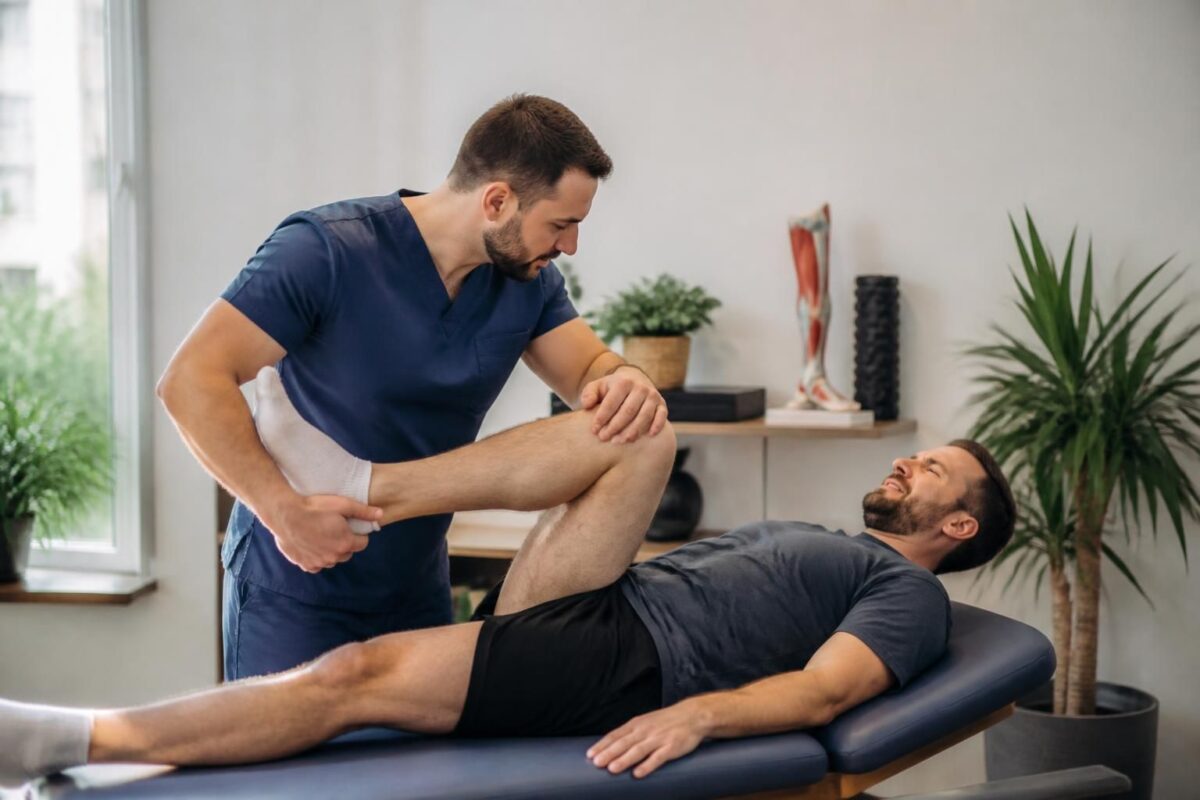
Osteopathy and chronic leg pain: regaining an optimal quality of life
In short In short, Osteopathy is one Global manual approach aimed at reducing Chronic leg pain and improve the quality of life. What is it? Non-drug therapy using the hands to identify restrictions and treat lesional chains. How does it…
Evaluation and osteopathic interventions
The treatment begins with a Postural evaluation complete which examines the alignment of the spine, joints and soft tissues in the different planes of movement. This approach makes it possible to identify the areas of tension and the blockages that feed the imbalances. The practitioner then uses Soft manual techniques and targeted, such as joint mobilization and muscle stretching, to release tension and promote Reharmonization of the musculoskeletal system. At the same time, specific exercises and personalized advice can be offered to anchor the results and support long-term alignment.
Osteopathic practice favors an approach holistic, which considers the body as a whole and takes into account the daily habits, activity level and history of the patient. This vision makes it possible to modulate the technical gestures according to individual responsiveness and to establish a progressive care plan focused on the sustainable improvement of posture and mobility.
To deepen the links between osteopathy and posture, you can consult resources explaining how osteopathy can help correct imbalances and prevent chronic pain, for example by reading dedicated analyzes on this subject and discovering practical cases via the links offered Below.
Complementary sources underline the interest of combining pharmacology and manual therapies with postural advice and exercises, in order to optimize the results and reduce persistent tensions in the ridges and pelvic belts.
To learn more about the links between osteopathy and posture, see the following resources:
- Comment#ATFP_CLOSE_TRANSLATE_SPAN# Osteopathy can help improve posture and prevent chronic pain
- Osteopathy#ATFP_CLOSE_TRANSLATE_SPAN# and postural disorders
- Osteopathy#ATFP_CLOSE_TRANSLATE_SPAN# and postural disorders
- Osteopathy#ATFP_CLOSE_TRANSLATE_SPAN# and overall well-being: restoring body balance
- Comment#ATFP_CLOSE_TRANSLATE_SPAN# Osteopathy acts on chronic postural imbalances
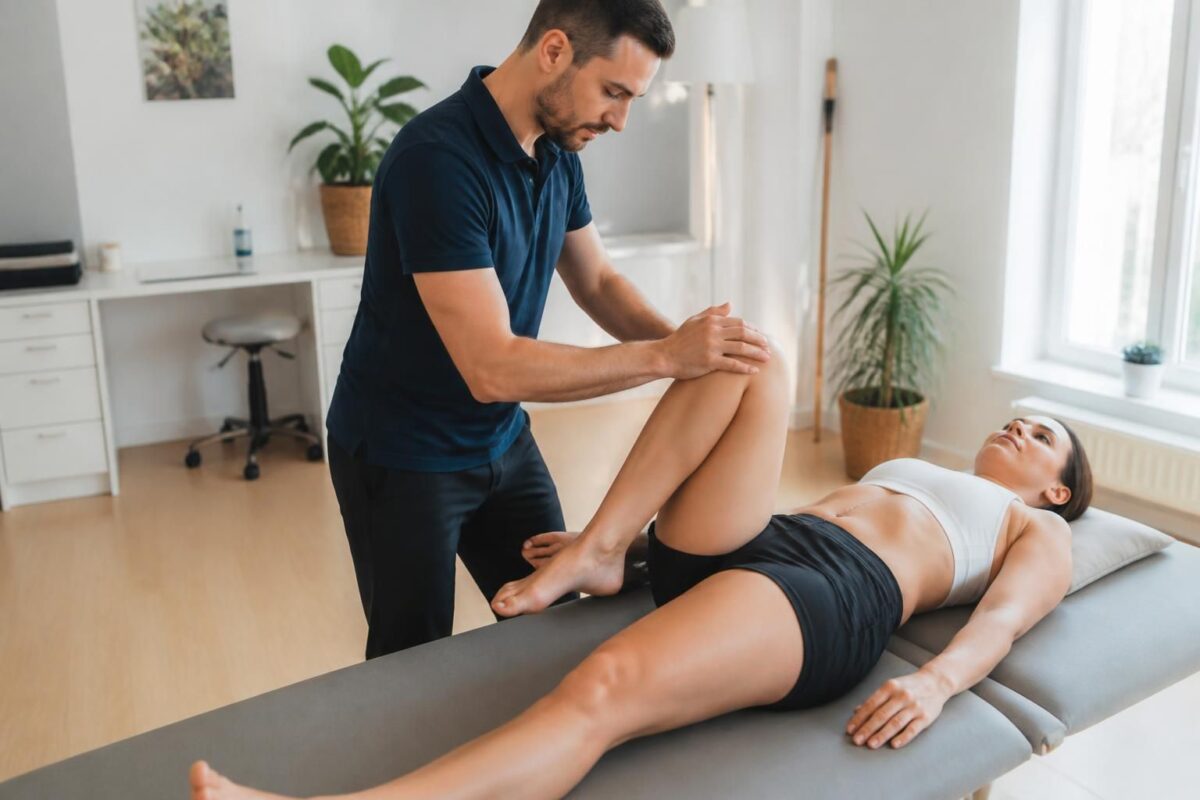
How osteopathy supports recovery after complex surgery
In short In short, Post-operative osteopathy is an approach fresh which supports the recovery After a Complex surgery. It helps to reduce the pain and the fatigue, improves the mobility and accelerates the healing thanks to a better vascularization and…
Corrigible postural imbalances and mechanisms of action
Common postural imbalances such as kyphosis, scoliosis and excessive lordosis are manifested by spinal deviations and associated muscle tension. Osteopathy acts on these mechanisms by rebalancing joint motions and releasing global tensions around the segments concerned. The objective is to restore a physiological curvature adapted to each region and to improve the stability of the trunk, while avoiding painful compensations elsewhere in the body.
Pelvic misalignment is also a frequent target, as it can alter the balance of the lumbar and pelvic belts and cause pain reflected in the hips, knees or back. Through targeted mobilization and early release, osteopathy can restore a more harmonious pelvis-butt position and prevent chronic tensions.
At the same time, postural education and serious exercises to strengthen the trunk and gluteal muscles play a key role in supporting the corrections made in session and preventing the reappearance of imbalances.
Prevention and improvement of the quality of life
By acting on muscle tension and improving alignment, osteopathy contributes to a Better mobility and to a Reduction of pain** related to inappropriate postures. The sessions promote a gradual reduction in joint stress and a more balanced weight distribution, which results in a reduction in painful episodes and an improvement in comfort during daily and sporting activities.
Over the course of treatments, patients benefit from more reliable sensory feedback and increased control over their posture, which promotes a more active lifestyle and less constrained by chronic pain. In this context, osteopathy can be associated with advice on work habits, repetitive gestures and postures adopted in front of a screen, in order to permanently include improvements in everyday life.
To expand your understanding of the overall effects of osteopathy on well-being and posture, explore the following resources:
- Osteopathy#ATFP_CLOSE_TRANSLATE_SPAN# and emotional well-being: an integrative approach
- Osteopathy#ATFP_CLOSE_TRANSLATE_SPAN# and recovery after intense physical exertion
- Pain#ATFP_CLOSE_TRANSLATE_SPAN# Joints and natural approach
- Recovery#ATFP_CLOSE_TRANSLATE_SPAN# of body balance
Choice of practitioner and follow-up
To maximize results, it is essential to choose a practitioner qualified and experienced, graduated and recognized for his approach to postural imbalances. Ask for information about his training, his experience with similar conditions and his treatment methods. A first meeting allows you to assess the relationship of trust and to check if the proposed approach corresponds to your posture and mobility objectives.
One Regular follow-up Is recommended to adjust treatments and track alignment over time. The objective is to permanently register the gains obtained in sessions in daily life and to prevent recurrences linked to bad postural habits.
To deepen the topic and access additional perspectives, you can view resources such as:
- Osteopathy#ATFP_CLOSE_TRANSLATE_SPAN# and postural disorders
- Osteopathy#ATFP_CLOSE_TRANSLATE_SPAN# and postural disorders – Practical perspectives
- Elements#ATFP_CLOSE_TRANSLATE_SPAN# Techniques on posture improvement and pain prevention

Dr Sylvain Desforges, B.Sc., D.O., N.D., osteopath, is the founding president of TAGMED and of the ACMA association. He dedicates his practice to chronic spinal pain, low back pain and symptoms compatible with sciatica, particularly when pain radiates toward the buttock, leg, calf, foot or toes.
Through SOS Sciatique, he publishes educational content on sciatica symptoms, possible causes such as disc herniation, disc narrowing, foraminal stenosis or irritation of a lumbar nerve root, as well as non-surgical approaches that may be considered according to the evaluation. At Clinique TAGMED, care may include, depending on the case, motorized neurovertebral decompression, specific osteopathic care or precision percussion.
For an evaluation related to sciatica treatment in Montreal / Mount Royal or sciatica treatment in Terrebonne, please consult the services available at Clinique TAGMED.
Medical disclaimer
The information published on SOS Sciatique is provided for educational purposes only and does not replace a consultation, diagnosis, opinion or treatment provided by a physician or another authorized healthcare professional. The author of this article is neither a medical doctor nor a specialist in a medical specialty recognized by the Collège des médecins du Québec. The osteopathic, manual medicine or functional support approaches described on this site do not constitute medical acts and are not intended to replace medical follow-up.
Consult a physician or emergency service in cases of loss of bladder or bowel control, anesthesia in the saddle area, significant or progressive weakness in the leg or foot, fever, recent trauma, severe pain or rapid worsening of symptoms. For more details, please read our Legal Notice.