How osteopathy acts on chronic postural imbalances
28/06/2026
Osteopathy and cervical pain: improving daily life without drugs
28/06/2026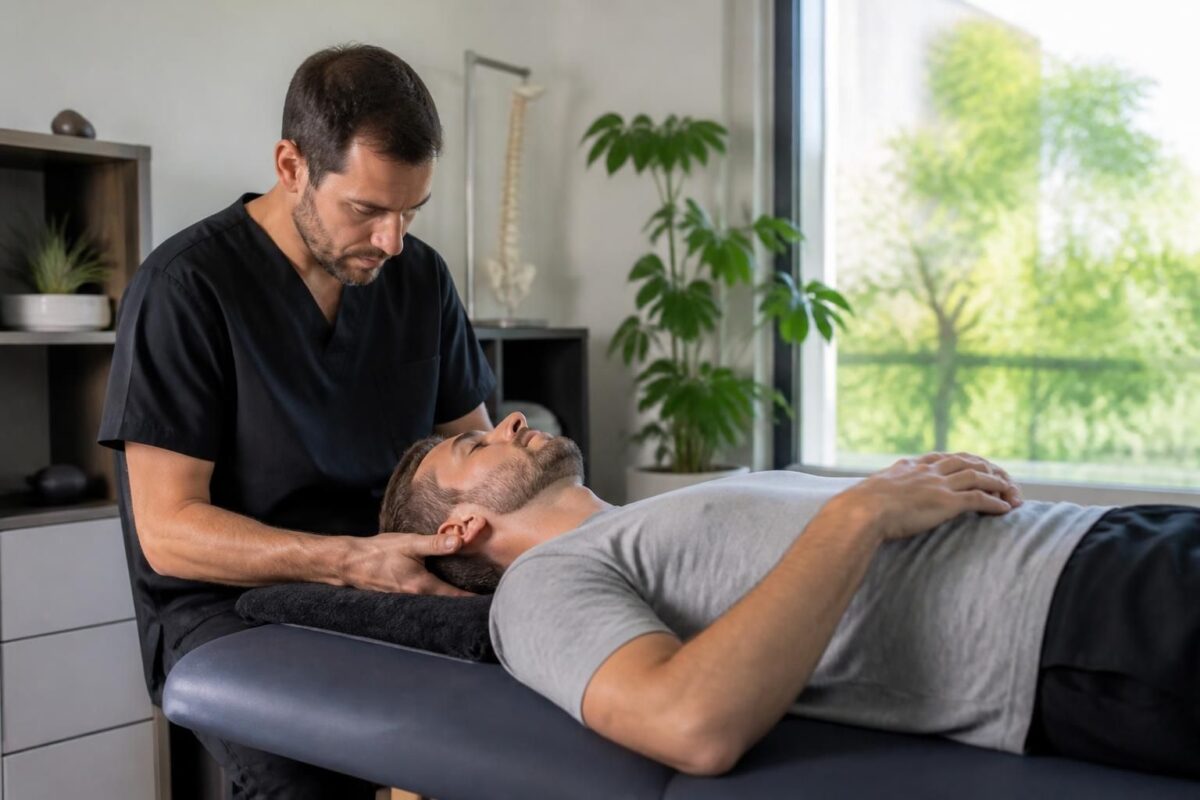
In short
| In short, the Osteopathic techniques for the Neuropathic pain constitute a manual approach fresh to Release irritated nerves and to restore thebalance of the body. What is it? A practice that acts on the tissues, joints and the nervous system to reduce symptoms and improve the mobility. Advantages: pain reduction, quality of life improvement and approach non-drug, suitable for everyone. How does it work? By combining techniques structural, functional and myotensive, as well as approaches craniosacral and visceral, the osteopath releases tensions, stimulates nervous circulation and restore the muscle tone and theTissue balance. painless and personalized. |
The Osteopathic techniques offer a natural approach to relieve Neuropathic pain Targeting causes and mechanisms that irritate the nerves. By adjusting joints, muscles and organs, they aim to reduce compressions and restore optimal nerve function.
- Structural techniques : Joint and vertebral manipulations, including HVBA impulses, to release nervous paths and restore mobility.
- Functional techniques : Soft stimulation of soft tissues and fascias to release tension and rebalance proprioceptive receptors.
- Visceral techniques : gentle mobilizations of the organs and their connections to promote neurovegetative harmony.
- Cranio-sacral techniques : Subtle gestures on the skull and sacrum to reduce nervous tension, useful for headaches and associated facial pain.
- osteopathic and myotensive general treatment techniques : Global approach to the body, muscle rebalancing and work on the extensibility of tissues to support the nervous system.
Osteopathic techniques To relieve the Neuropathic pain are based on a global and precise approach. This article describes the main families of techniques used by the osteopath, their objectives and indications, while recalling the importance of individual evaluation and appropriate follow-up. The objective is to promote mobility, reduce pain and improve nerve function without imposing excessive effort on the body.
Structural techniques
The Structural techniques group the manipulations of the joints and vertebrae. there are rapid impulses called thrust or hvba (High velocity, low amplitude). They aim to restore the mobility of dysfunctional areas and reduce tension around the nerves.
These techniques apply when joint pain or movement limitations occur in the spine or limbs, in particular in case of low back pain, neck pain, spinal pain and sciatica. They are practiced in a way fresh and lady of the night patient sensations. To deepen the mechanisms and results, you can consult this article.
Functional techniques
The Functional techniques use gestures soft and atraumatic To correct myofascial tensions linked to mechanical dysfunction. The practitioner acts on the points of support and areas of the fascias in order to promote neurophysiological reorganization and proprioceptive rebalancing.
They target the places of tension and the tissues around the dysfunction. They are useful for spinal and limb pain, functional muscle pathologies and joint pain. For additional information, see This preview.
Visceral techniques
The Visceral techniques Act on the organs and viscera (abdomen, thorax, pelvic cavity) when dysfunctions concern them. The objective is to restore mobility and exchanges between organs and surrounding structures to reduce the repercussions on the nerves and nerve circuits.
Gentle manipulations and targeted stretching of elements that bind organs and systems (ligaments, aponeurosis, bile ducts, etc.) may be proposed where relevant. For a global vision of osteopathic effects, see this article.
Cranio-sacral techniques
The Cranio-sacral techniques Aim for the joints, meninges and nerves of the skull. They are used to treat certain disorders in infants and adults and can help reduce headaches, dizziness and facial pain associated with skull and sacrum dysfunctions.
They favor very sweetness and respect body signals. To better understand the mechanisms, you can consult How Osteopathy Improves Sleep Quality.
General osteopathic and myotensive treatment techniques
The Osteopathic general treatment brings together rhythmic techniques that correct the extensibility restrictions of musculo-ligament and aponeurotic tissues. They involve moving joint manipulations in order to assess and treat global tensions.
The Myotensive techniques, or muscle energy, are aimed at the muscular balance of the body. The patient contracts certain muscles while the osteopath performs maneuvers to release stiffness and restore tone. These approaches complement support and can facilitate nerve recovery when appropriate.
Additional resources on the global approach and the results obtained in osteopathic practice are available on this article and This other article.
Training and Professional Framework: Osteopaths are trained in recognized institutions such as Numss, NAO, National University of Medical Sciences and National Academy of osteopathy. As part of the detection and treatment of neuropathic disorders, the assessment remains individual and patient-centric, with particular attention to safety and comfort.
For issues related to sciatica and neurovertebral decompression, it is better to move towards specialized resources and qualified practitioners. useful information about the associated approaches can be found on decompressionneurovertebrale.com, and practical aspects can be viewed via Tagmed Clinic.
For an overview of results and application areas, also check the following resources on nerve, function, and sleep themes: Functional capabilities and sleep quality.
Additional information on care and the role of osteopathy in overall well-being is available at Osteopathy and overall well-being.
For more options and details on techniques, the site SOS SCIATIC Gathers relevant resources and testimonials.
In order to deepen the technical aspects, the portal Osteo portal offers a presentation of osteopathic techniques and their purposes.
Medical disclaimer : The information and advice provided on this site does not replace the advice, diagnosis or treatment of a health professional. Please note that Dr. Sylvain Desforges osteopath is neither a doctor of medicine nor a doctor, and is not a specialist in a medical specialty as defined by the Collège des Médecins du Québec. Manual medicine, functional medicine and sports medicine as described on this site exclude any medical treatment or diagnosis made by a doctor or specialist doctor. Always consult your doctor for any medical questions. For more details, please read our full legal notice.
- Structural techniques — Release joint blockages and reduce nerve pressure.
- Functional techniques — Release myofascial tensions and rebalance proprioceptive receptors.
- Visceral techniques — Improve organ mobility and reduce nerve irritation associated with these areas.
- Cranio-sacral techniques — Soothe the nervous system and decrease associated neuralgia and migraines.
- Myotensive techniques — Balance muscle tone and release compressed nerves.
- General Osteopathic Techniques — Mobilize the tissues and restore extensibility for better nerve conduction.

This article introduces you to how osteopathic techniques can relieve neuropathic pain by tackling their mechanical and neurophysiological causes. By acting gently and personally, osteopathy aims to release pressure on the nerves, improve tissue mobility and restore the balance of the nervous system. You will discover the different types of techniques and how they apply concretely to pain such as neuralgia, sciatica or other nerve pain.
Understanding neuropathic pain and the role of osteopathy
Neuropathic pain often results from an irritated or compressed nerve, inflammation or disruption of the proprioceptive circuits. The osteopathic objective is to reduce nervous irritation by restoring the mobility of surrounding structures and harmonizing soft tissue tensions. This holistic approach helps reduce painful messages and improve the function of the nervous system.
Purpose of adapted techniques
Each patient has a unique combination of triggers. Osteopathic techniques are chosen according to the location of the pain, the physiology and the patient’s feelings, in order to avoid any aggravation and to promote a progressive relaxation of the irritated areas.

How osteopathy improves the quality of life of active people
In short In short, theosteopathy is a global approach that Optimizes mobility and the function of the body of ACTIVE PEOPLE, for a better quality of life. It helps prevent injury and reduce Musculoskeletal pain While promoting the Sports recovery.…
Structural techniques and reduction of neuralgia
The Structural techniques directly target the joints and vertebrae. By precise and controlled pulses, they restore mobility, release the blocking zones and reduce the pressure on the nerve roots. This has a positive effect on pain related to lumbar, cervical or spinal dysfunctions that can fuel neuropathic pain.
When to use them and what to expect
These gestures, carried out with gentleness and respect for safety rules, can be accompanied by postural rebalancing and better circulation of fluids around the nerves.

Osteopathy and sports recovery: prepare the body for lasting performance
In short In short, Osteopathy and Sports recovery is one Global manual approach that sustainably prepares the body for the effort by restoring mobility and circulation After the effort. It is a discipline that acts on the sinews, the joints,…
Functional techniques and myofascial relaxation
The Functional techniques And the fascia-ligament work aims to correct myofascial tensions that can amplify nerve irritation. By targeting support points and areas of tension, the osteopath seeks a neurophysiological rebalance that improves proprioception and tissue mobility. These gestures, often gentle, help reduce pain and associated tingling.
Concrete soft tissue approach
Through guided stretching, myofascial releases and targeted releases, the goal is to dissolve adhesions and restore muscle tone around the nerves.
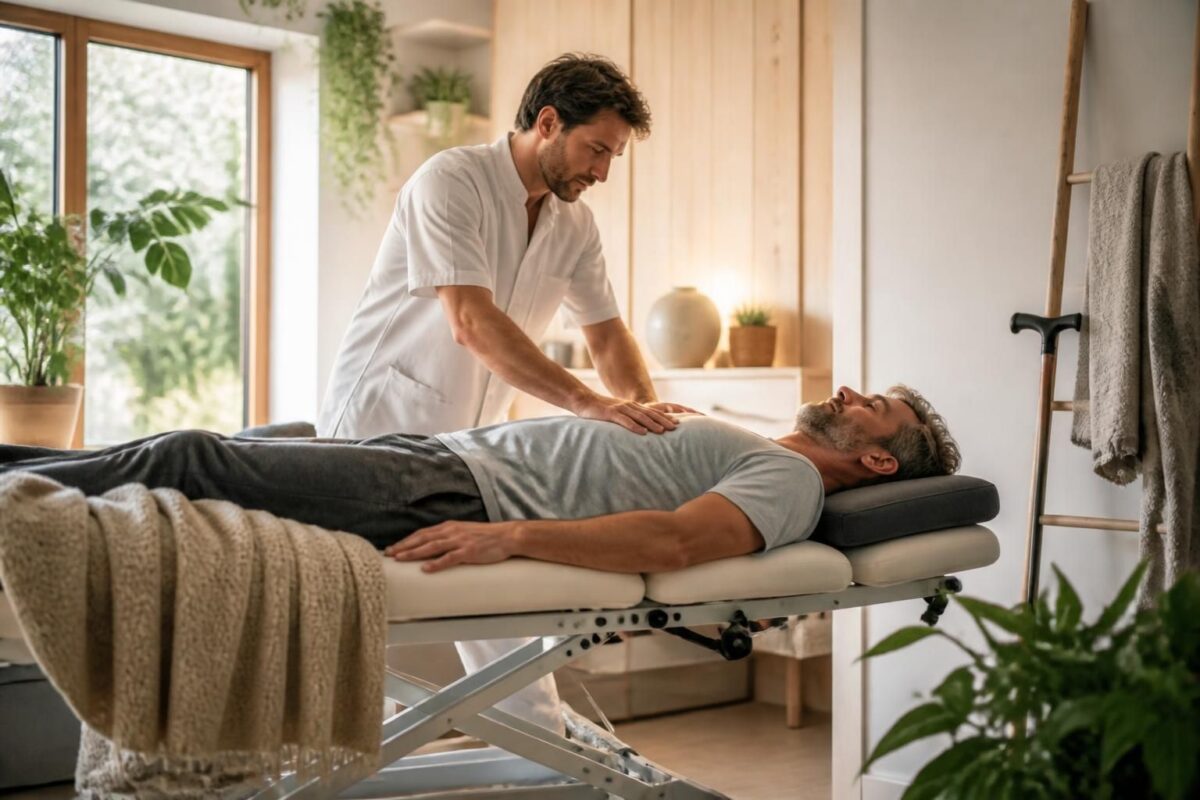
Why Osteopathy Is Essential For Recovery People
In short In short, Osteopathy in convalescence is an approach manual and holistic which helps to accelerate the recovery by restoring The balance, the mobility and a good circulation fabrics. it contributes to Reduce the pain, support the Back to…
Visceral techniques and global vision
The Visceral techniques are interested in the organs and their binding chains to prevent abdominal, thoracic or pelvic dysfunctions from negatively irrigating the neuro-vasculo-nervous system. The objective is to restore the mobility of organs and their links, in order to eliminate constraints that can nourish neuropathic pain.
Practical applications
Gentle manipulations and targeted stretches release tension around the viscera and improve the nervous and blood exchanges surrounding the nerves.

Osteopathic manipulations to strengthen post-traumatic muscles
In short In short, Osteopathic manipulations for Strengthen post-traumatic muscles constitute a gentle manual approach aimed at restoring the mobility, reduce the pain and facilitate the Functional rehabilitation After a injury. What is Is it? A series of precise gestures…
Cranio-sacral techniques and nervous balance
The Cranio-sacral techniques Act on the joints, meninges and nerves of the skull. They play an important role in the relief of migraines, facial neuralgia and pain related to stress or trauma. By restoring fluid mobility between the skull and the sacrum, these techniques help to soothe neuropathic symptoms and restore the overall functioning of the nervous system.
For whom and when to consider them
They are particularly useful in case of nerve pain associated with tension, headache or ENT disorders, and they complement other osteopathic approaches for a lasting effect.

Osteopathy and prevention of work-related musculoskeletal disorders
In short theosteopathy is one Manual approach that restores body balance and prevents MSD related to work. Its advantages: reduction of tension, improvement of mobility and prevention of chronic pain. She is preventive and healing, suitable for office and trades…
Global osteopathic treatment and patient journey
One Personalized osteopathic assessment Allows you to accurately identify the origins of neuropathic pain and plan a suitable course. The treatment can combine several techniques (structural, functional, visceral, craniosacral and myotensive) to act on root causes and symptoms. On average, a series of regular sessions achieves a clear reduction in pain and an improvement in the quality of life.
what you can expect
Expect a progressive approach, centered on your comfort, feeling and goals. Postural advice, simple exercises and daily adjustments complement care to prevent recurrences and support sustainable improvement.

The benefits of osteopathy to treat muscle imbalances
In short theosteopathy is a manual approach to restore themuscle harmony and postural considering the body as a whole. Its main benefits include the reduction of aches and tensions, the improvement of the mobility and from the posture, and prevention…
Osteopathic techniques to relieve neuropathic pain
| Osteopathic technique | Concise impact |
|---|---|
| Structural techniques | Rebalance the joints and vertebrae with precise impulses, releasing the nerves. |
| Functional techniques | relax tensions myofasciales and restore the proprioception to reduce pain. |
| Visceral techniques | Restores visceral mobility and limits influences on the nerves. |
| Cranio-sacral techniques | Very gentle manipulations of the skull and sacrum, beneficial for certain neuralgia and migraines. |
| Global rhythmic techniques | mobilize the fabrics and restore theextensibility, supporting the rebalancing of the the nervous system. |
| Myotensive techniques | restore the muscle tone and release the compressed nerves. |
| Soft tissue mobilization | relax the muscles and fascias To reduce adhesions and nervous compression. |
| Global approach and postural advice | Integrated approach that combines techniques and advice postural to prevent recurrences. |
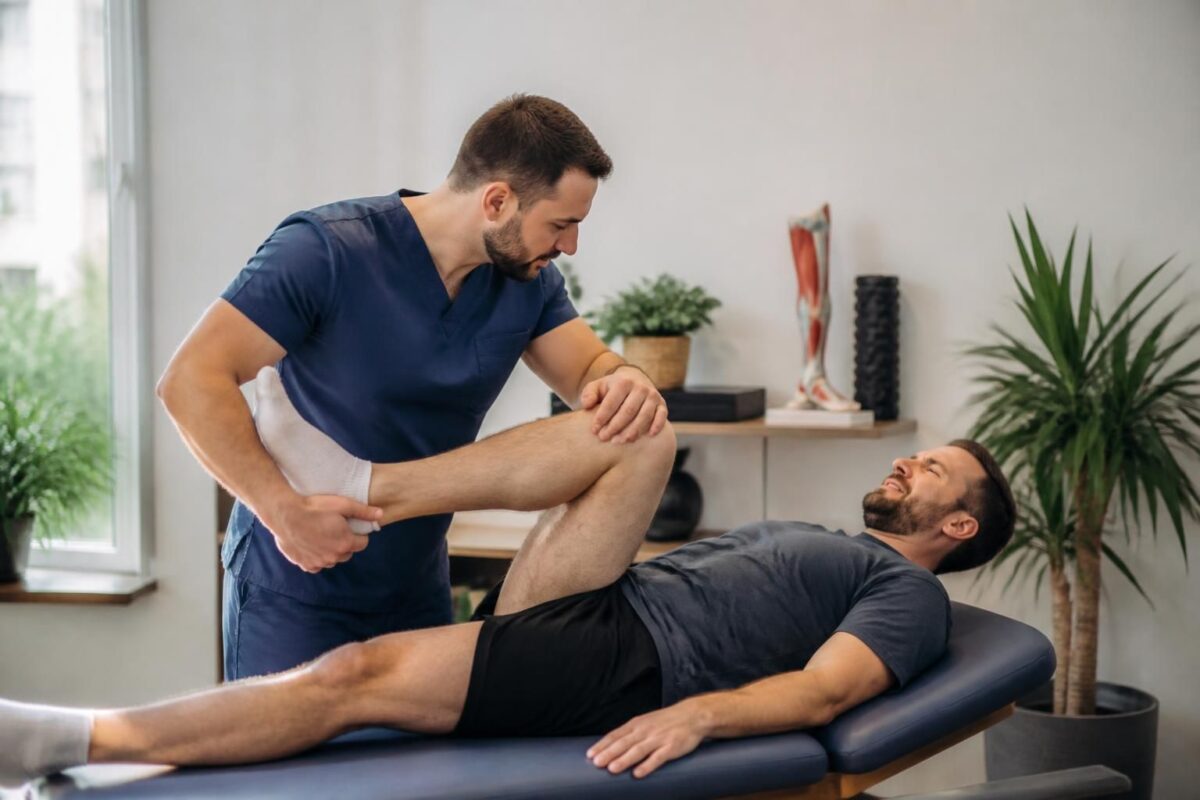
Osteopathy and chronic leg pain: regaining an optimal quality of life
In short In short, Osteopathy is one Global manual approach aimed at reducing Chronic leg pain and improve the quality of life. What is it? Non-drug therapy using the hands to identify restrictions and treat lesional chains. How does it…
Testimonials on osteopathic techniques to relieve neuropathic pain
“I was suffering from a Neuropathic pain lumbar that prevented me from sleeping. After discovering the Osteopathic techniques and, more specifically, the Structural techniques Who work the joints and the nerves, I found real mobility. The osteopath applied a gentle and painless approach, and the results were felt after a few sessions: less pain, less pressure and more restorative nights. »
“For my cervicobrachial neuralgia, the Functional techniques And myofascial releases released tensions around the nervous plexus. By acting on the fascias and tendon areas, this reduced paresthesia and regained better mobility of the arm. »
“The Visceral techniques Surprised me: gentle manipulations of the diaphragm and abdominal organs decreased nerve sensitivity locally and improved digestion, which contributed to better overall nerve stability. »
“The Cranio-sacral techniques helped me with my migraines and dizziness. They are extremely soft and respectful; After a few sessions, the seizures spaced out and the tension decreased. »
“Sessions including Myotensive techniques and muscular work have rebalanced overall tone. By working on muscle balance and releasing tension, my neuropathic pain subsided and my posture improved. »
“Finally, what convinced me was the global approach: the treatment adapts to my feelings and my physiology, and the Osteopathic techniques Do not seek to mask the pain but to treat the cause. I highly recommend for those who suffer from Neuropathic pain and want a natural and sustainable solution. »
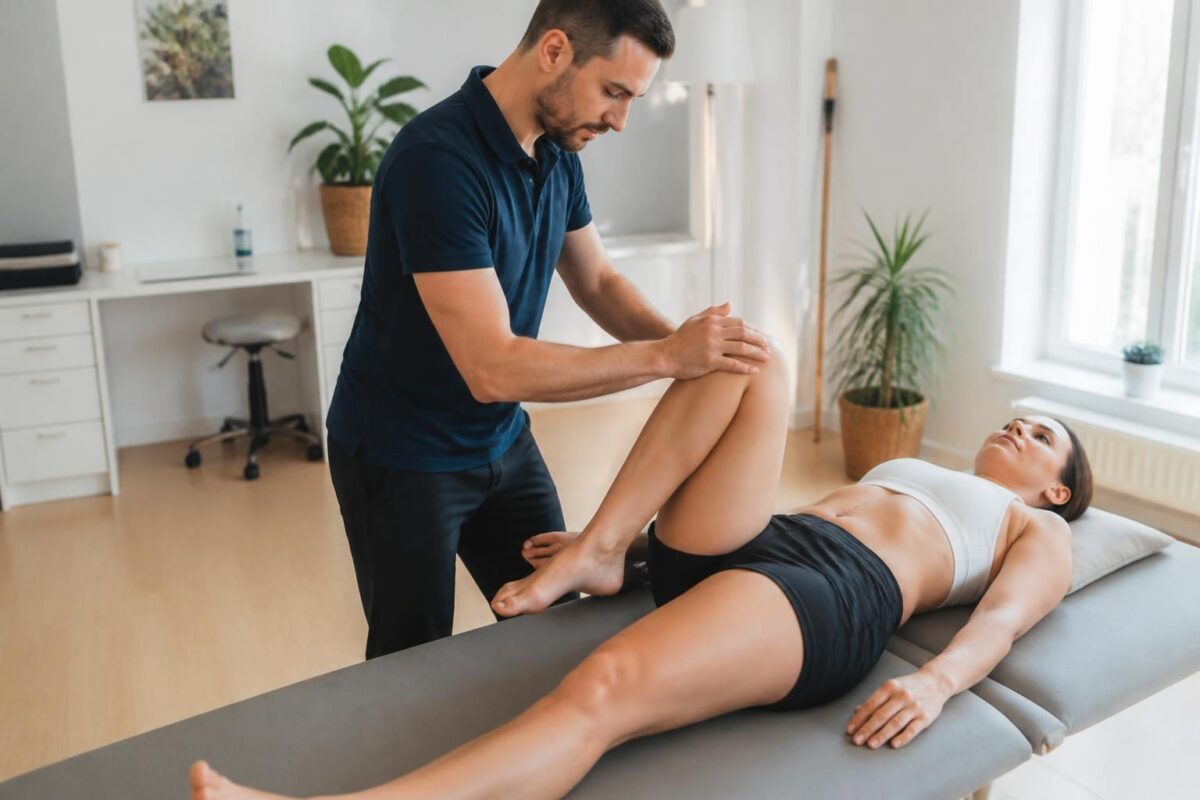
How osteopathy supports recovery after complex surgery
In short In short, Post-operative osteopathy is an approach fresh which supports the recovery After a Complex surgery. It helps to reduce the pain and the fatigue, improves the mobility and accelerates the healing thanks to a better vascularization and…
Osteopathic techniques to relieve neuropathic pain
Dr Sylvain Desforges, expert in osteopathy, naturopathy and manual medicine, is the founding president of tagmed and association acma. With a career dedicated to innovation in health care, he specializes in Management of Chronic pain and the integration of advanced technologies that complement the manual approach. Its objective is to offer support evidence-based In order to optimize the health and well-being of its patients, in particular when neuropathic pain affects quality of life and daily function.
In the field of neuropathic pain, osteopathy is based on an accurate assessment and a personalized approach. Dr. Desforges advises an approach that identifies the mechanical and functional origins of the symptoms, then proposes an adaptive and progressive plan. The goal is to improve nerve conduction, reduce painful sensations and restore a neuromusculo-visceral balance that supports the nervous system as a whole.
Osteopathic techniques unfurl into five essential families, each of them bringing specific effects on dysfunctions that can fuel neuropathic pain. The Structural techniques Involve precise joint and vertebral manipulations, sometimes called HVBA, intended to restore mobility and release areas of neural compression without pain or discomfort. They are indicated in the event of sciatica, lower back pain or dysfunctions of the joints which irrigate the nerves.
The Functional techniques Focus on myofascial tensions and areas of force transfer in tissues. Through gentle manipulations, they aim to rebalance the proprioceptive receptors of the fascias, to release tension and to promote better neuromuscular coordination, which can reduce pain associated with dysfunctions of the spine and limbs.
The Visceral techniques approach the mobility of the organs and their connections with the thoracic and abdomino-pelvic structures. By improving the mobility of the viscera and the elements that connect them, these techniques contribute to reducing referred pain and tensions that can radiate towards the nervous system, in particular in functional gastrointestinal syndromes which can influence overall comfort.
The cranio‑sacral techniques Act on the membranes and structures of the skull and sacrum. They are particularly effective for migraines, headaches and functional disorders related to stress and nervous balance. Gently, they promote better mobility of sutures and cranio-sacral links, thus contributing to the reduction of peripheral and central neuropathic symptoms.
Finally, the techniques of Osteopathic general treatment and the Myotensive techniques aim to restore the elasticity and balance of musculo-ligament chains. Global rhythms and muscle energy exercises help to release tension, harmonize muscle tone and optimize neuromuscular efficiency, providing lasting support for the reduction of nerve pain.
Beyond these techniques, Dr. Desforges’ approach is based on a measured integration of technologies such as spinal decompression, laser and shockwave therapy, used as supplements when the results of manual labor allow it and according to individual evaluation. This combination aims for a tangible improvement in the quality of life and the functional capacity of patients, while respecting the principles ofClinical evidence and security.
For appropriate and personalized treatment of neuropathic pain, contact the TagMed Clinic and discover a patient-centric approach, based on proven osteopathic techniques and thoughtful integration of modern technologies.
Osteopathic techniques Offer a global and gentle approach to relieving neuropathic pain by working on nerves, muscles and fascias. This article highlights the main technical aspects and how everyone can help reduce symptoms, improve mobility and promote patient well-being, in a suitable and progressive way.
The Structural techniques and the Functional techniques Play a central role in the release of compressed nerves and restoration of joint mobility. By combining targeted joint manipulations with gentle approaches to relax myofascial tensions, osteopathy can decrease nerve irritations and promote better nerve and vascular circulation. For example, you can discover how these techniques act on joint pain and dysfunction by reading specialized resources on the subject.
The Visceral techniques and the Cranio-sacral techniques bring a global vision of the organization. By restoring the mobility of organs and membranes and harmonizing the movements between skull and sacrum, they help reduce tension and improve nerve communication. This approach makes it possible to act on the triggering or aggravating factors of neuropathic pain, while respecting the rhythm of the patient. To deepen the mechanisms and indications, explore resources dedicated to these techniques and their impact on the nervous system.
The Osteopathic General Treatment Techniques and the Myotensive techniques complement the action by seeking muscle balance and the exteriority of tissues. By working on the musculo-ligament chains and gradually soliciting the muscles, the osteopath helps to release adhesions, restore tone and improve proprioception. This approach is particularly effective when nerve pain is accompanied by peripheral tensions and tissue restrictions associated with activity or stress.
To optimize the results, a personalized and progressive approach is recommended. Combining dedicated sessions with postural advice and daily habits can accelerate the reduction of neuropathic symptoms. Concrete examples and practical recommendations are available in the specialized resources, including on links dedicated to osteopathy and to support recovery after tension or injury.
To explore further, you can consult additional resources that explain how osteopathic techniques revolve around stress management, muscle comfort and joint mobility, in particular through approaches such as reducing stress-related muscle tension and stimulating the nervous system in a way natural. For example, the pages dedicated to osteopathy and the relief of nerve pain offer useful benchmarks on the mechanisms and expected results, and will guide you in the choice of techniques adapted to your situation. see more. To enrich your knowledge, also discover resources like This dedicated guide and the pages describing the effects of techniques on nerve pain and joint mobility See HERE.

Dr Sylvain Desforges, B.Sc., D.O., N.D., osteopath, is the founding president of TAGMED and of the ACMA association. He dedicates his practice to chronic spinal pain, low back pain and symptoms compatible with sciatica, particularly when pain radiates toward the buttock, leg, calf, foot or toes.
Through SOS Sciatique, he publishes educational content on sciatica symptoms, possible causes such as disc herniation, disc narrowing, foraminal stenosis or irritation of a lumbar nerve root, as well as non-surgical approaches that may be considered according to the evaluation. At Clinique TAGMED, care may include, depending on the case, motorized neurovertebral decompression, specific osteopathic care or precision percussion.
For an evaluation related to sciatica treatment in Montreal / Mount Royal or sciatica treatment in Terrebonne, please consult the services available at Clinique TAGMED.
Medical disclaimer
The information published on SOS Sciatique is provided for educational purposes only and does not replace a consultation, diagnosis, opinion or treatment provided by a physician or another authorized healthcare professional. The author of this article is neither a medical doctor nor a specialist in a medical specialty recognized by the Collège des médecins du Québec. The osteopathic, manual medicine or functional support approaches described on this site do not constitute medical acts and are not intended to replace medical follow-up.
Consult a physician or emergency service in cases of loss of bladder or bowel control, anesthesia in the saddle area, significant or progressive weakness in the leg or foot, fever, recent trauma, severe pain or rapid worsening of symptoms. For more details, please read our Legal Notice.