Osteopathy and overall well-being: regaining a healthy posture
28/06/2026
How osteopathy reduces localized inflammation
28/06/2026
In short In short, theosteopathy is one holistic approach which processes the Recurrent pain by Soft manual techniques and one Personalized diagnosis. She offers a Sustainable relief, improves the mobility and the quality of life, and contributes to relapse prevention Through follow-up and lifestyle advice. Accessible in Montreal and the surrounding area, this approach targets root causes to intervene where symptoms appear. |
theosteopathy is one Durable solution For recurring pain thanks to a Global approach and personalized.
- She treats the body as a whole and searches for root causes rather than being limited to the symptom alone.
- The Manual techniques Soft relieve tension, improve mobility and rebalance the nervous and muscular systems.
- One Personalized diagnosis and one Treatment plan Made to measure, prevent relapses and adapt the treatment to lifestyle.
- Regular sessions promote the movement maintenance, the quality of life and a better Resilience to pain.
By associating osteopathy with healthy habits (adapted activity, sleep and stress management), you give yourself the best chance of living without pain in the long term.
Quick summary: Osteopathy offers a global approach for recurrent pain. It aims for lasting relief by seeking root causes, proposing gentle techniques and preventing relapses. This article explains how this discipline can sustainably improve the quality of life and reduce repeated painful episodes.
osteopathy and recurring pain go together when the practitioner evaluates the body as a whole. The goal is to restore theOverall balance the patient and address the physical, postural and emotional factors that fuel pain. This approach aims not only for one-time relief, but also for the prevention of long-term recurrences.
A global and personalized approach
Each recurring pain arises from a unique context. theevaluation Takes into account history, lifestyle and postural habits. Personalized diagnosis helps identify imbalances and adapt treatment. This approach reduces the risk of relapse and promotes better tolerance to movement.
the techniques manuals Used aim to limit tension, restore mobility and regulate the nervous system. We can work on muscle tension, fascias and joints in order to restore a circulation of body energy and soothe the body.
To better understand this approach, you can consult resources on helping osteopathy in the prevention of age and posture pain, as well as its role in improving quality of life:
Preventing age-related pain,
Body alignment and posture,
quality of life.
The role of personalized diagnosis
An accurate diagnosis is essential for effective treatment. The osteopath identifies imbalances and proposes a suitable care plan. This approach contributes to preventing relapses by associating simple advice and gestures with the session. The therapeutic path is built with the patient and adapts to his daily life.
Adapted and safe techniques
The techniques used, such as mobilizations and manipulations, are chosen according to the patient’s condition and tolerance. The goal is to Restore mobility, to limit tensions and improve comfort. In some cases, osteopathy may be associated with complementary approaches to support recovery and relapse prevention.
Integrate osteopathy into a long-term strategy
For sustainable effectiveness, osteopathy is part of a global health strategy. It is based on regular sessions and on the adoption of simple gestures at home that reinforce the gains obtained in consultation.
Regularity of sessions and follow-up
The regularity of the visits makes it possible to monitor progress and to adjust the treatment. This helps maintain body balance and prevent recurrences. The relationship of trust between the patient and the practitioner is a key element of long-term success.
Complementary actions and lifestyle
Osteopathy can be integrated with simple everyday practices. It can be to adopt more suitable postures, to move with regularity and to manage stress. Some online resources explain how life choices sustainably influence pain and mobility. For example, content on the influence of posture and lifestyle on chronic pain can be consulted to shed light on the course:
Muscle tensions,
Scientific evidence,
Scientific evidence.

How osteopathy improves the quality of life of active people
In short In short, theosteopathy is a global approach that Optimizes mobility and the function of the body of ACTIVE PEOPLE, for a better quality of life. It helps prevent injury and reduce Musculoskeletal pain While promoting the Sports recovery.…
Resources and useful links
To deepen, here are relevant and recognized online resources in the field of osteopathy and recurring pain:
Prevention and aging,
Durable solutions,
Age-related pain.

Osteopathy and sports recovery: prepare the body for lasting performance
In short In short, Osteopathy and Sports recovery is one Global manual approach that sustainably prepares the body for the effort by restoring mobility and circulation After the effort. It is a discipline that acts on the sinews, the joints,…
Links to specialized approaches without prescribed exercises
In cases of neurovertebral decompression, herniated disc or other specific conditions, the focus remains on approaches that are aimed at relief and stabilization, without prescription of inappropriate exercises or stretching. To learn more about these indications and available options, specialized resources can be accessed through the following areas:
neurovertebral decompression,
Prevention and aging,
slipped disc.
For more information, you can explore the pages of ACMA, College of Canadian Osteopaths or College of Canadian Osteopaths to better understand the professional executives who support the practice in safety and effectiveness.
Medical Disclaimer: The information and advice provided on this site does not replace the health professional’s diagnosis or treatment. Please note that Dr. Sylvain Desforges osteopath is neither a doctor of medicine nor a doctor, and is not a specialist in a medical specialty as defined by the Collège des Médecins du Québec. Manual medicine, functional medicine and sports medicine as described on this site exclude any medical treatment or diagnosis made by a doctor or specialist doctor. Always consult your doctor for any medical questions. For more details, please read our full legal notice.
Axis : Approach overall and relapse prevention for a Sustainable quality of life.
- Global approach of the body to treat the root causes and not just the symptoms.
- Soft and personalized techniques that reopen mobility sustainably.
- Targeted diagnosis Identifying imbalances and habits to change.
- relapse prevention with practical advice and a follow-up schedule.
- Sustainable improvement in mobility and flexibility to limit stiffness.
- stress reduction and nervous tone via breathing and relaxation techniques.
- Increased quality of life : Improved sleep, regained energy and practice of found daily activities.
- Regular follow-up guaranteeing the adjustment of the treatment and the maintenance of the results.

This article explains why theosteopathy can be a solution lasting For recurring pain. treating the body as a whole, favoring gestures sweet and adapted, and by offering a Personalized diagnosis, it makes it possible to durably reduce nervous sensitivity, improve mobility and integrate lifestyle habits that preserve comfort on a daily basis.
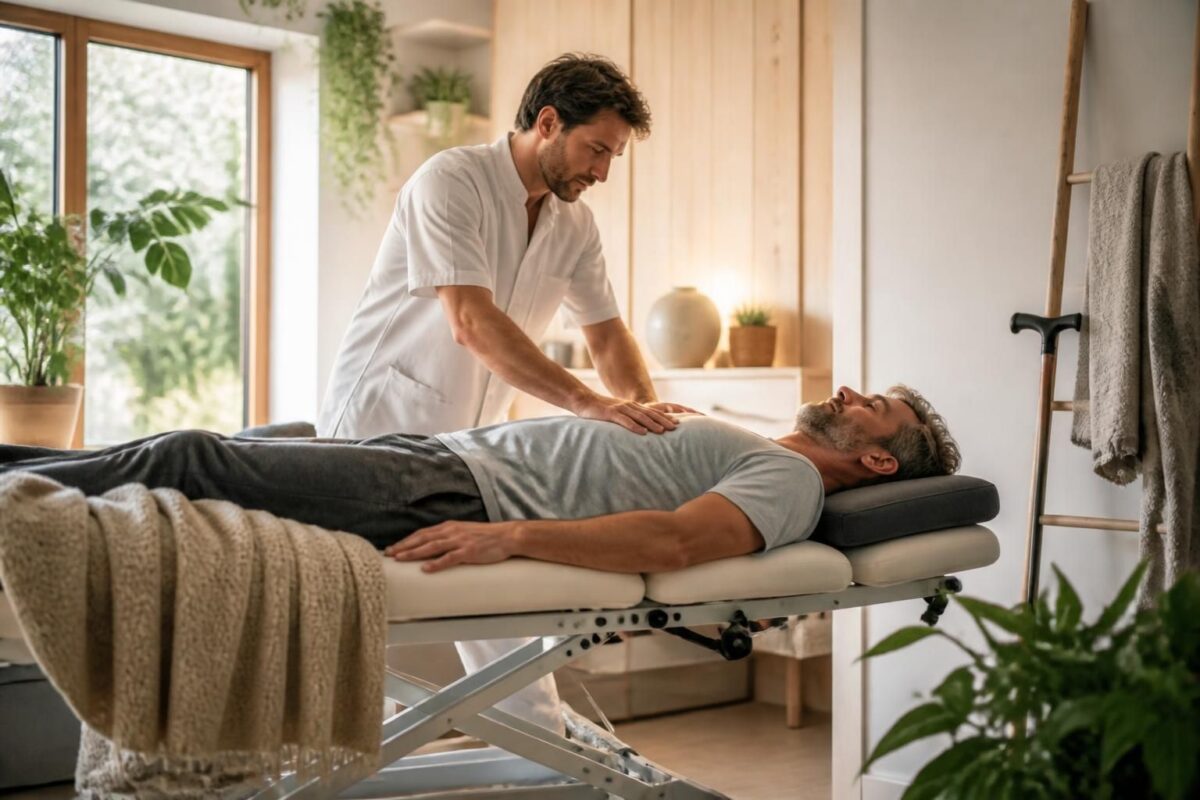
Why Osteopathy Is Essential For Recovery People
In short In short, Osteopathy in convalescence is an approach manual and holistic which helps to accelerate the recovery by restoring The balance, the mobility and a good circulation fabrics. it contributes to Reduce the pain, support the Back to…
A holistic and sustainable approach
The first asset of osteopathy is his overall view of pain. Rather than targeting a single symptom, it looks for the underlying causes, often linked to postural imbalances, muscle tensions or a little mobilized diaphragm. This approach holistic aims to restore the balance of the body, which can reduce recurrent pain in the long term and prevent relapses. By working on the nervous system and tissues, osteopathy contributes to a Durable rebalancing of the body and an overall improvement in well-being.

Osteopathic manipulations to strengthen post-traumatic muscles
In short In short, Osteopathic manipulations for Strengthen post-traumatic muscles constitute a gentle manual approach aimed at restoring the mobility, reduce the pain and facilitate the Functional rehabilitation After a injury. What is Is it? A series of precise gestures…
Adapted and non-invasive techniques
the techniques used are various and always adapted to the person. engagement sweet, Release of tensions and improvement of the mobility of the fascias and joints make it possible to release restrictions without attacking the tissues. This approach aims to reduce pain while restoring a normal function, which promotes a Sustainable impact On the ability to carry out daily and sporting activities without pain.

Osteopathy and prevention of work-related musculoskeletal disorders
In short theosteopathy is one Manual approach that restores body balance and prevents MSD related to work. Its advantages: reduction of tension, improvement of mobility and prevention of chronic pain. She is preventive and healing, suitable for office and trades…
Personalized diagnosis for effective treatment
Each course is unique. The osteopath takes the time to assess history, lifestyle, stress, postural habits and daily activities. This diagnosis personalized Allows you to build a suitable treatment plan and provide practical advice on ergonomics, exercises and habits that support the results between the sessions. This customization is essential to aim for a lasting reduction in pain and better tolerance to movement.

The benefits of osteopathy to treat muscle imbalances
In short theosteopathy is a manual approach to restore themuscle harmony and postural considering the body as a whole. Its main benefits include the reduction of aches and tensions, the improvement of the mobility and from the posture, and prevention…
The regularity of the sessions and the role of the patient
The regularity of visits plays a key role in maintaining body balance and preventing relapses. Spaced but regular sessions, combined with simple exercises at home, reinforce the stability of the musculoskeletal system and the nervous system. The patient becomes an actor in the process, and his commitment is determinant to confirm and extend the benefits obtained during the consultations.
Integrate osteopathy into a long-term management strategy
To obtain sustained results, osteopathy is part of a global strategy including appropriate physical activity, breathing techniques and restful sleep. This combination helps to reduce the sensitivity of the nervous system and restore natural mobility, a source of Sustainable well-being and of quality of life.
Concrete examples and convincing results
Many patients see a decrease in painful episodes and regained mobility after a few sessions, accompanied by improved sleep and better mood. These results reflect a Sustainable reduction the frequency and intensity of the pain, as well as a regained ability to resume activities without limitation.
| Element | Concise impact |
|---|---|
| holistic approach | Acts on the body as a whole and targets the causes, generating lasting gains. |
| Personalized diagnosis | Appropriate evaluation of imbalances to guide a tailor-made treatment. |
| gentle and adapted techniques | Mobilizations and light manipulations that release tension without attacking the tissues. |
| Improving mobility | Restores amplitude and posture, reducing recurrent pain. |
| Stress reduction and sleep | Relaxation techniques that calm the nervous system and promote rest. |
| relapse prevention | Follow-up and life advice to maintain improvements and avoid recurrences. |
| Regularity of sessions | Regular visits allow you to adjust the treatment and anchor the gains. |
| Patient autonomy | Practical exercises and advice to become an actor of your own health. |
| Management of the chronic pain | Reduced intensity and improved comfort on a daily basis. |
| Risk factors | Posture, adapted activity and stress management to support results. |
“After years of Recurrent pain, osteopathy brought me a Sustainable relief and regained mobility thanks to a Global approach and one Personalized diagnosis. »
“The Manual techniques Used by my osteopath are gentle but effective, they release tension and rebalance the body without systematically resorting to drugs. »
“I notice a constant improvement because it is a work on the causes, not just on the symptoms. Regular sessions allow Prevent relapses and stabilize my condition. »
“My sleep has improved and my quality of life Global is on the rise, because my body regains its balance and I feel more serene on a daily basis. »
“As an athlete, I am learning to adapt my gestures and my training. Osteopathy helps me stay active with less pain, thanks to a Custom Plan and practical advice. »
“The follow-up and listening to my practitioner give me confidence and motivation. This therapeutic relationship is essential for Prevent relapses And stay on track. »
“I discover that osteopathy acts on the body as a whole: regained mobility, reduced tensions and better stress management that accompanies recurrent pain. »
“For me, osteopathy is a lasting solution because it combines a Personalized diagnosis, of Gentle techniques and one Continuous support that change the relationship I have with my pain for a long time. »
Osteopathy is distinguished by an integrated vision of the body, considering that recurring pain often results from an overall imbalance rather than an isolated point. This art of care aims not only to soothe the symptoms, but also to restore the functional balance over the long term. The expert who articulates this approach directs a practice focused on the relapse prevention and on a lasting improvement in the quality of life, relying on tangible results and an evidence-based approach.
At the heart of this approach, the Personalized diagnosis occupies a central place. Each patient is assessed as a whole: history, posture, lifestyle, daily activity and pain patterns. This analysis makes it possible to establish an adapted care plan that targets the deep pain mechanisms rather than masking the symptoms. By favoring a fine understanding of triggering and aggravating factors, osteopathy offers a more lasting healing trajectory, aligning movement, posture and nervous balance.
The Manual techniques Used by the osteopath — gentle mobilizations, targeted manipulations and well-dosed stretching — aim to free up frozen areas, restore joint mobility and reduce muscle tension. This gentle and precise approach acts on the body as a whole, favoring a gradual resumption of activities and a reduction in painful phenomena. The objective is to reduce the sensitivity of the nervous system and to create the conditions for lasting comfort on a daily basis.
In a modern and holistic practice, osteopathy can be part of a synergy with other approaches and technologies depending on the evaluation. This expert integrates, where relevant, advanced tools and techniques to optimize results: spinal decompression, laser or shock waves, while remaining faithful to a manual philosophy centered on the person and his healing rhythm. This integration makes it possible to adapt the treatment to the nature and chronology of each pain.
This approach goes beyond immediate relief: it acts on the mobility, the posture and the the nervous system, with positive repercussions on sleep and stress level. By working on tensions, fascias and muscle and spinal structures, osteopathy restores a balance that supports recovery and reduces the risk of recurrence. Patients thus regain better exercise tolerance and confidence in their body abilities.
Ultimately, osteopathy remains a lasting approach to recurrent pain, because it seeks to rehabilitate the body as a whole and promote physical and functional autonomy. This philosophy, centered on individualized evaluation and adapted interventions, offers a proactive way to live painlessly and preserve long-term well-being.
This analysis demonstrates how theosteopathy Maybe a Durable solution For recurring pain by acting on the body as a whole, restoring mobility and balance, and preventing relapses thanks to a personalized and progressive plan. It is based on a holistic approach, adapted manual techniques and an accurate diagnosis to sustainably improve the quality of life.
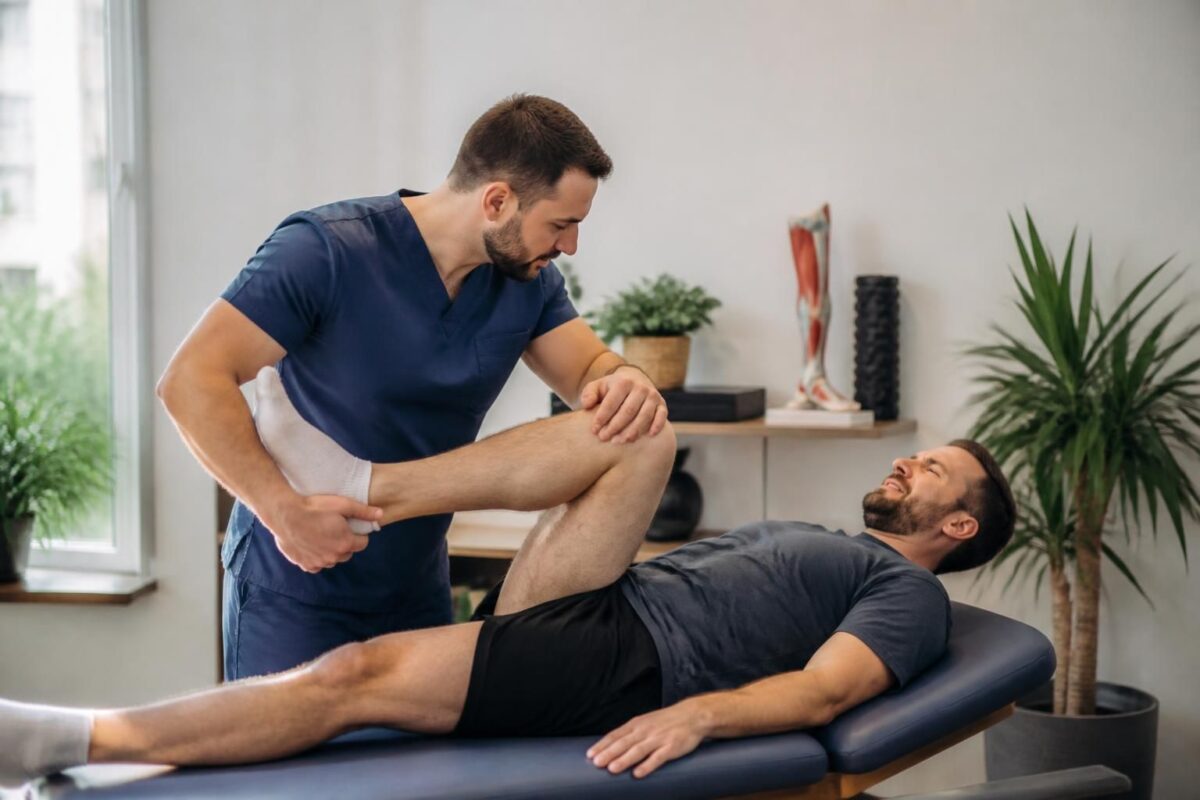
Osteopathy and chronic leg pain: regaining an optimal quality of life
In short In short, Osteopathy is one Global manual approach aimed at reducing Chronic leg pain and improve the quality of life. What is it? Non-drug therapy using the hands to identify restrictions and treat lesional chains. How does it…
A holistic and targeted approach
Release tensions, restore alignment and optimize overall body functioning allow you to treat root causes rather than simply masking symptoms. theFull assessment Takes into account medical history, lifestyle and postural habits, in order to propose a personalized care plan that aims for lasting results.
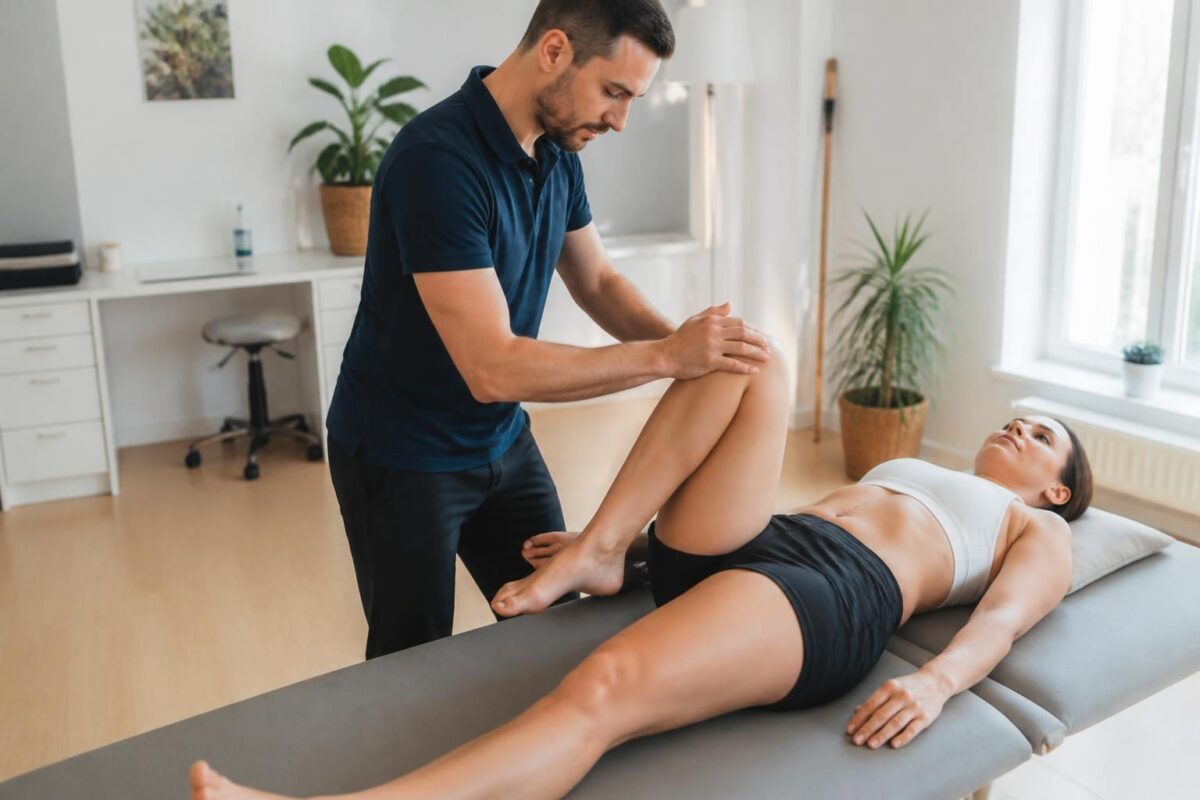
How osteopathy supports recovery after complex surgery
In short In short, Post-operative osteopathy is an approach fresh which supports the recovery After a Complex surgery. It helps to reduce the pain and the fatigue, improves the mobility and accelerates the healing thanks to a better vascularization and…
Manual techniques that promote sustainable improvement
The Sweet mobilizations, the manipulation and the stretches Targeted gradually improve mobility, release tension and normalize tissue functioning. This gentle approach acts on the sensory and nervous mechanisms, promoting pain reduction and better tolerance to movement.
Personalized diagnosis and relapse prevention
Each patient benefits from a Personalized diagnosis which identifies specific imbalances and triggering factors. By integrating advice on posture, ergonomics and adapted exercises, osteopathy makes it possible to reduce the risk of recurrence and to establish a care routine that is part of the long term. To understand how osteopathy acts on inflammation and the nervous system, consult these resources chronic inflammation.
A complementary role in a long-term management strategy
Beyond the sessions, osteopathy is part of an active approach including Mild physical activity, Conscious breathing and lifestyle. This combination helps maintain body balance, reduce stress, and enhance exercise tolerance. resources such as Benefits for active people illustrate these beneficial effects.
Measurable results on quality of life
By restoring mobility, reducing tension and modulating the nervous system, osteopathy contributes to a Improving mobility, better posture and stress reduction. This dynamic promotes more restorative sleep and more fluid daily activity, which corresponds to a quality of life increased and better long-term pain management.
To deepen the benefits of osteopathy on recurrent pain and their long-term treatment, you can consult additional resources such as Osteopathy for recurrent pain and Efficacy on chronic pain. Other useful readings evoke how osteopathy supports rehabilitation after an accident and the benefits for reducing joint stiffness right here and fight against stiffness.

Dr Sylvain Desforges, B.Sc., D.O., N.D., osteopath, is the founding president of TAGMED and of the ACMA association. He dedicates his practice to chronic spinal pain, low back pain and symptoms compatible with sciatica, particularly when pain radiates toward the buttock, leg, calf, foot or toes.
Through SOS Sciatique, he publishes educational content on sciatica symptoms, possible causes such as disc herniation, disc narrowing, foraminal stenosis or irritation of a lumbar nerve root, as well as non-surgical approaches that may be considered according to the evaluation. At Clinique TAGMED, care may include, depending on the case, motorized neurovertebral decompression, specific osteopathic care or precision percussion.
For an evaluation related to sciatica treatment in Montreal / Mount Royal or sciatica treatment in Terrebonne, please consult the services available at Clinique TAGMED.
Medical disclaimer
The information published on SOS Sciatique is provided for educational purposes only and does not replace a consultation, diagnosis, opinion or treatment provided by a physician or another authorized healthcare professional. The author of this article is neither a medical doctor nor a specialist in a medical specialty recognized by the Collège des médecins du Québec. The osteopathic, manual medicine or functional support approaches described on this site do not constitute medical acts and are not intended to replace medical follow-up.
Consult a physician or emergency service in cases of loss of bladder or bowel control, anesthesia in the saddle area, significant or progressive weakness in the leg or foot, fever, recent trauma, severe pain or rapid worsening of symptoms. For more details, please read our Legal Notice.