Why osteopathy is a lasting solution for recurrent pain
28/06/2026
Osteopathic approaches to treat neuropathic pain
28/06/2026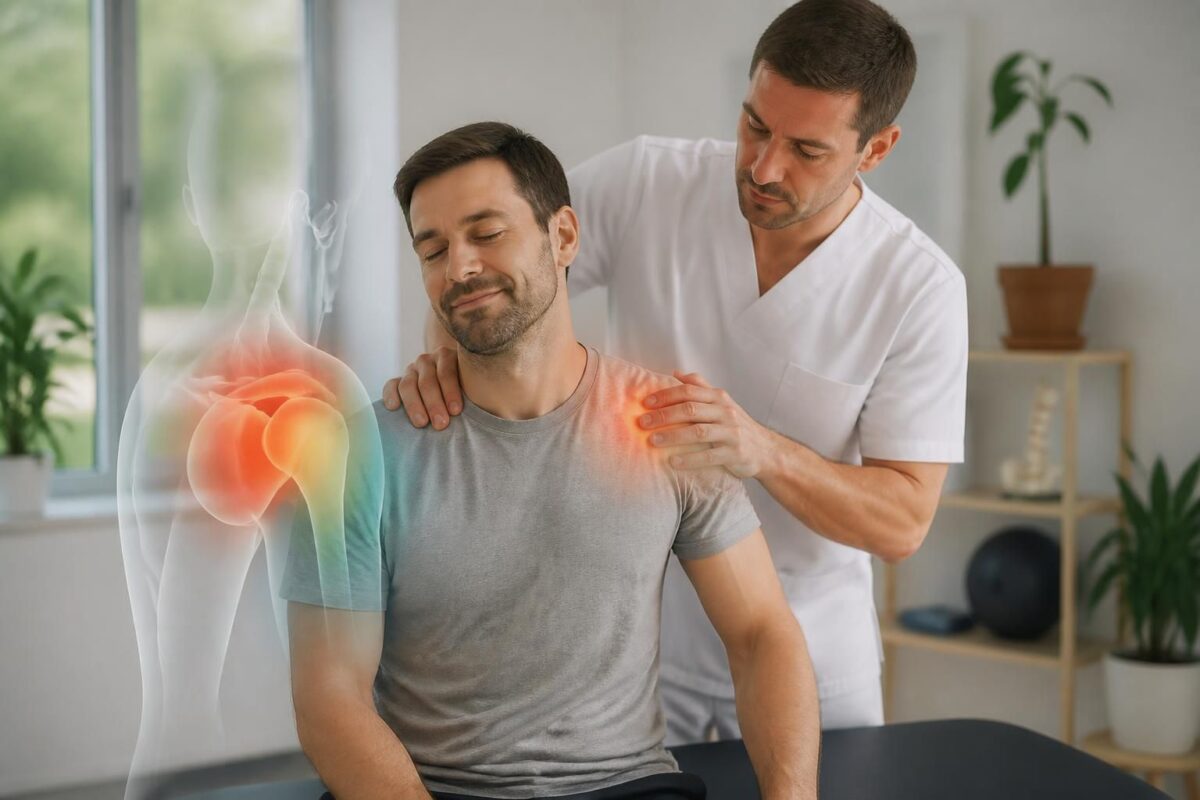
In short
| In short, theosteopathy is an approach holistic and non-invasive which helps to reduce Localized inflammations By improving the circulation and drainage, and restoring theStructural balance. Advantages: diminished pain, Improved mobility, Increased drainage and prevention of recurrences. Functioning: global evaluation, touch diagnosis and adapted manual techniques (mobilizations, myofascial relaxation), accompanied by posture and physical activity advice. Accessible in the region, particularly in Montreal, for localized inflammations affecting the back, joints and soft tissues. |
Find out how theosteopathy May reduce localized inflammation so fresh and non-invasive. favoring an approach holistic Patient-centered, the osteopath improves blood circulation and lymphatic drainage, releases muscle tension and restores the Tissue mobility, which decreases ischemia and inflammatory pain.
Techniques used—mobilizations, myofascial relaxation, and, if necessary, visceral/cranial approaches—promote healing by supporting the body’s self-healing capacity, with no typical drug side effects, and in addition medical follow-up if needed.
Quick summary: Osteopathy acts on localized inflammations by simple and direct mechanisms. It improves circulation and drainage, reduces local tension and moderates nerve response. This article explains how these effects take place, what techniques are used and how to choose a competent practitioner for this type of problem.
Mechanisms of action
theosteopathy Approaches inflammation as a problem withStructural balance and tissue function. By improving the mobility joints and fascias, it facilitates the blood flow and drainage of pro‑inflammatory substances. Manual work also aims to reduce muscle tension that fuels local ischemia and nociception. Through these paths, the body regains its capacity for self-healing more quickly and the pain decreases.
The circulation and lymphatic drainage benefit from better tissue mobility. Exchanges between blood and tissues are improving, accelerating the elimination of metabolic waste and inflammation mediators. In parallel, the effect on the autonomic nervous system Contributes to better regulation of vascular and muscular responses.
Techniques used to work on inflammation
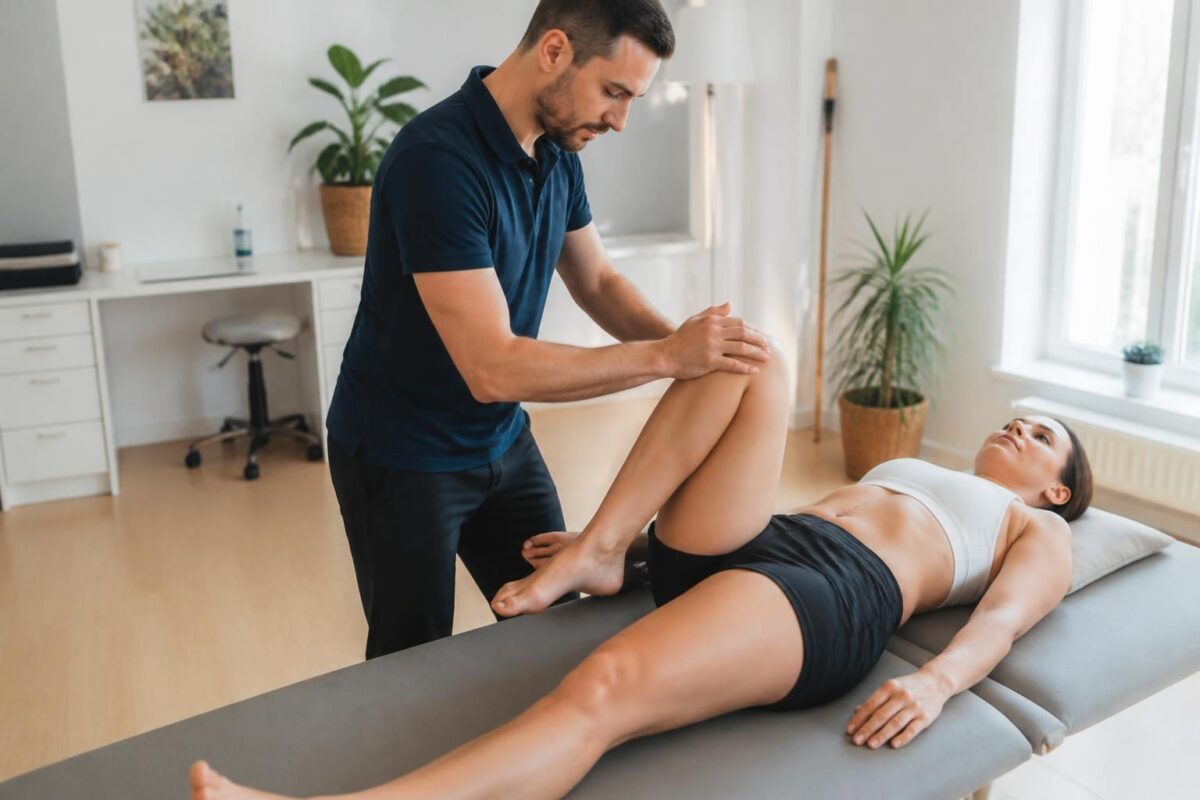
the techniques manuals used are varied and adapted to each patient. They include the Myofascial release, the gentle mobilization and the Joint mobilization To restore mobility and reduce tensions. Cranio-sacral and visceral techniques can be used where relevant, to promote overall balance without attacking inflamed tissues. In-depth assessment helps target areas to prioritize and adjust treatment.
The objective is to reduce the factors that maintain inflammation, without resorting to invasive interventions. The patient also receives advice on lifestyle and appropriate activities to support healing between sessions.
Safety and clinical results
theosteopathy is generally safe when practiced by a qualified professional. Before treatment, the osteopath evaluates the contraindications and adapts the techniques. Mild pain after session may occur, but it remains temporary and related to the rebalancing process. Open communication allows you to adjust the support based on patient outcomes and tolerances.
Integration with lifestyle and practical advice
The effectiveness of osteopathy increases when the patient follows the advice provided between sessions. This can include gentle exercises, a balanced diet and postural habits that support recovery. The objective is to maintain the gains obtained by the treatment and to prevent recurrences.
Choose a competent osteopath
To choose a competent practitioner, favor recognized training and supervised practice. Request a prior consultation to discuss your symptoms and goals. Observe if the practitioner takes a holistic approach and is willing to collaborate with other health professionals when necessary. Check the reimbursement terms with your insurance and find out about the techniques used and the adaptation to your case.
Resources and useful links
To learn more, you can consult the following resources, which deal with osteopathy and its role in managing inflammation and overall well-being:
Osteopathy and overall well-being: restoring body balance
Osteopathy and cervical pain: a natural solution
Osteopathy and recovery after a fracture
Osteopathy and inflammation discs
Medical Disclaimer: The information and advice provided on this site does not replace the health professional’s diagnosis or treatment. Please note that Dr. Sylvain Desforges osteopath is neither a doctor of medicine nor a doctor, and is not a specialist in a medical specialty as defined by the Collège des Médecins du Québec. Manual medicine, functional medicine and sports medicine as described on this site exclude any medical treatment or diagnosis made by a doctor or specialist doctor. Always consult your doctor for any medical questions. For more details, please read our full legal notice. »
- Improved local traffic: Better oxygenation and drainage of inflammatory.
- lymphatic drainage: support for venous return and reduction of edema.
- Myofascial relaxation: Decreased tensions and better vascularization.
- Joint mobilization and fascia: Renewed mobility and reduction of stasis.
- Stimulation of the autonomic nervous system: balance of inflammatory responses.
- Education and advice: posture, breathing and simple exercises.
- Non-drug approach: Effective supplement without adverse effects.
- Monitoring and reassessment: Adjustment of the plan according to the evolution.

This recommendation explains how theosteopathy Can reduce localized inflammation by acting on the body as a whole while targeting painful areas. It offers mechanisms, intervention principles and practical advice to get the most out of this non-invasive approach, in addition to medical treatments if necessary.
Understand localized inflammation and the role of osteopathy
theinflammation Localized is characterized by a local response of the immune system, with pain, heat, redness and limitation of mobility. Osteopathy does not aim to mask these symptoms, but to restore theStructural balance and functional body to facilitate healing and reduce inflammatory stimuli at the local level. By working on tissues, joints and fascias, the osteopath seeks to reduce the restrictions that maintain the inflammatory cycle and to promote better elimination of irritating substances.

How osteopathy improves the quality of life of active people
In short In short, theosteopathy is a global approach that Optimizes mobility and the function of the body of ACTIVE PEOPLE, for a better quality of life. It helps prevent injury and reduce Musculoskeletal pain While promoting the Sports recovery.…
The key mechanisms by which osteopathy acts on inflammation
Improved blood and lymph circulation
By restoring joint and fascial mobility, osteopathy optimizes circulation sanguine and drainage lymphatic. This increases the supply of oxygen and essential nutrients and improves the evacuation of inflammatory metabolites, contributing to the local decrease in inflammation and faster recovery.
Release of tensions and rebalancing of the fascias
work on fascias And the muscle chains lift the tensions that compress the vessels and irritate the local nerve endings. Myofascial relaxation and gentle mobilizations reduce tissue ischemia and create an environment conducive to repair, while decreasing the pain associated with inflammation.
Impact on the autonomic nervous system
certain osteopathic techniques act on the autonomic nervous system, which can modulate the inflammatory response. By promoting a balance between the sympathetic and parasympathetic branches, osteopathy can help regulate vascular tone and pain perception, thus facilitating local recovery.

Osteopathy and sports recovery: prepare the body for lasting performance
In short In short, Osteopathy and Sports recovery is one Global manual approach that sustainably prepares the body for the effort by restoring mobility and circulation After the effort. It is a discipline that acts on the sinews, the joints,…
Integrate osteopathy into localized inflammation management
To obtain lasting results, the osteopathic intervention must be adapted to each patient and his pathology. The treatment is based on a Overall assessment and an Local assessment, followed by a personalized plan that can combine different osteopathic techniques depending on the patient’s inflammatory state and tolerance. The objective is to support the self-regulation of the body and to improve mobility to prevent recurrences, without replacing medical care when necessary.
Custom plan and security
The practitioner chooses methods adapted to inflammation, favoring gentle techniques in the presence of an active inflammatory terrain. The progression is done gradually and the therapist remains attentive to the pain and comfort of the patient throughout the therapeutic process.
When to consult and how to prepare
Consulting a graduate osteopath assesses the root causes of local inflammation and illuminates treatment decisions. Prepare to describe symptom history, painful areas and aggravating activities to guide manual work and associated advice.
Why Osteopathy Is Essential For Recovery People
In short In short, Osteopathy in convalescence is an approach manual and holistic which helps to accelerate the recovery by restoring The balance, the mobility and a good circulation fabrics. it contributes to Reduce the pain, support the Back to…
Additional actions and practical advice
Between sessions, favor simple measures to support the action of osteopathy on inflammation: hydration sufficient, power supply anti-inflammatory natural (fruits, vegetables, omega-3), posture adapted, and Sweet exercises mobility and breathing. Adopt an active rest and avoid repeated overload on the inflamed area. Finally, consider osteopathy as a component of a global approach, in conjunction with your attending physician and, if necessary, other health professionals, in order to obtain complete and effective management of local inflammation.
| Axis of action | Concise impact |
|---|---|
| Circulation and drainage | Improves the contribution ofoxygen and facilitates the elimination of inflammatory metabolites. |
| lymphatic drainage | promotes the lymphatic drainage and resorption of edema. |
| Muscle tensions | release the Muscle tensions and reduce theischemia local. |
| Mobility and fascias | Free them fascias, decreases tension and improves the vascularization local. |
| The nervous system | modulation of autonomic nervous system to reduce pain and inflammation. |
| vertebral mobility | Restore it vertebral mobility and the posture, decreasing mechanical voltages. |
| Global approach | Guidance on advice onexercise, the nutrition and the posture to limit inflammatory factors. |
| Non-medicated option | Treats inflammation without pharmaceuticals and without digestive or renal side effects. |

Osteopathic manipulations to strengthen post-traumatic muscles
In short In short, Osteopathic manipulations for Strengthen post-traumatic muscles constitute a gentle manual approach aimed at restoring the mobility, reduce the pain and facilitate the Functional rehabilitation After a injury. What is Is it? A series of precise gestures…
Testimonials: how osteopathy reduces localized inflammation
Here are testimonials from patients who describe how Osteopathy made it possible to reduce Localized inflammations, to appease the pain and regain normal activity on a daily basis.
Mary, 38 years old : “For months, inflammation in the elbow prevented me from working and enjoying my children. After a few sessions focused on the painful area, the pain decreased sharply and the swelling declined. The practitioner worked on the tissues and tensions that maintained the inflammation, and I found a complete amplitude without medication.
Lucas, 55 years old : “I had lumbar inflammation accompanied by stiffness and pain after sports. The team targeted the area with gentle techniques and progressive mobilization. I felt a rapid reduction in inflammation and a marked improvement in my posture; I returned to my activities without pain. »
Chloe, 29 : “Following a sprained wrist, swelling and pain persisted. The osteopath used precise work on the tissues around the wrist and on the drainage of fluids. In a few visits, the inflammation decreased and the recovery was faster than expected. »
Paul, 63 : “The inflammatory carpal canal woke me up at night. The sessions made it possible to release tensions and improve local circulation. Less numbness, less inflammation and regained sleep. »
Emilie, 45 years old : “After a bursitis of the shoulder, the inflammation quickly decreased thanks to precise work on the joint cavity and the fascia. The sessions allowed me to remove the restrictions, improve my mobility and regain an active life without pain. »
This biography presents the background and approach of an influential practitioner in the field of osteopathy, naturopathy and manual medicine. A recognized expert, he is the founding president of TAGMED and the ACMA association, and he puts his experience at the service of innovation in health. With a career dedicated to the management of Chronic pain and the integration of advanced technologies such as spinal decompression, laser and shockwave therapy, it strives to offer evidence-based care in order to optimize the health and well-being of its patients..
His approach is based on the idea that localized inflammation can be modulated by working on the unity of the body, the relationship between structure and function, and the capacity for self-regulation. Osteopathy considers inflammation a complex phenomenon, often fueled by mechanical imbalances and tissue tensions that hinder the circulation and drainage of inflammatory substances. By treating the underlying causes rather than just symptoms, the approach aims to restore ground for natural healing of the body.
In practice, the reduction of localized inflammation goes through several complementary axes. First of all, improving blood and lymphatic circulation increases the supply of oxygen and nutrients while facilitating the evacuation of inflammatory metabolites and edema. Then, relaxing muscle tension and normalizing joint and fascia mobility reduce local ischemia and reduce nociceptive activation, which soothes pain and promotes recovery. Techniques employed – such as myofascial release, mobilization, joint manipulation and cranio-sacral or visceral approaches – are chosen with caution and adapted to the patient’s inflammatory state.
At the same time, osteopathy acts on the autonomic nervous system to promote a balance between the body’s responses to stress and relaxation. This regulation can help to reduce minor systemic inflammatory reactions and improve tolerance to physical exertion and daily activity. The education and advice provided by the osteopath also play a crucial role: prescribing targeted exercises, dietary advice and lifestyle recommendations that support local effects and promote sustainable prevention of inflammatory flare-ups.
The safety and effectiveness of the approach is based on early and continuous assessment, open communication with the patient and collaboration with other health professionals when necessary. Osteopathy is presented here as a non-drug option, complementary to conventional treatments, which can reduce local inflammation while improving overall function and quality of life. To learn more about the approach and services available, learn about the resources of the TagMed Clinic.
This summary details how theosteopathy can reduce Localized inflammations By acting on the mechanisms of the body, by promoting the circulation, drainage and relaxation of tissues, while remaining complementary to conventional medical treatments.

Osteopathy and prevention of work-related musculoskeletal disorders
In short theosteopathy is one Manual approach that restores body balance and prevents MSD related to work. Its advantages: reduction of tension, improvement of mobility and prevention of chronic pain. She is preventive and healing, suitable for office and trades…
The key mechanisms by which osteopathy acts on inflammation
Several axes explain the action of osteopathy on theinflammation located. By improving the circulation Blood and lymphatic, it promotes the supply of oxygen and essential nutrients while accelerating the evacuation of inflammatory metabolites. The Relaxation of muscle tension and the Mobilization of fascias Reduce local ischemia that maintains inflammatory pain. This approach can also modulate the autonomic nervous system, which helps to decrease the nociceptive response and promote relaxation, a key factor in tissue recovery.
In practice, the goal is to Rebalance structures and functions of the body to reduce mechanical stress and improve microcirculation around inflammatory areas. This global approach can be useful in situations such as sprains, tendinopathies or localized bursitis, where targeted manual work is often accompanied by exercise and lifestyle advice.
To deepen these mechanisms and concrete examples of application, you can consult resources dedicated to osteopathic inflammation and inflammation such as Osteopathy and inflammation, or the pages focused on recovery and lymphatic drainage in the osteopath.

The benefits of osteopathy to treat muscle imbalances
In short theosteopathy is a manual approach to restore themuscle harmony and postural considering the body as a whole. Its main benefits include the reduction of aches and tensions, the improvement of the mobility and from the posture, and prevention…
Adaptation of osteopathic treatment to the inflammatory state
Safety and efficiency go through a Complete pre-therapeutic assessment which identifies the contraindications and adjusts the techniques according to the inflammatory stage. The approach is then fresh and progressive, favoring Slow mobilization techniques, the Myofascial relaxation and low-amplitude manipulations to limit irritation and promote recovery.
The practitioner adapts the treatment plan according to progress: some sessions can only aim at changing tensions and circulation, others will include specific exercises to be carried out between visits to optimize results. This personalization is at the heart of an effective therapeutic relationship between the osteopath and the patient.
Osteopathy and chronic leg pain: regaining an optimal quality of life
In short In short, Osteopathy is one Global manual approach aimed at reducing Chronic leg pain and improve the quality of life. What is it? Non-drug therapy using the hands to identify restrictions and treat lesional chains. How does it…
Common techniques and effects on inflammation
Among the techniques used, we find the Joint mobilization and the Soft tissue release, which aim to free up mobility restrictions and improve local vascularization. approaches cranio-sacral or visceral can complete the action, remaining within the framework of a gentle intervention adapted to the inflammatory state. The goal is to rebalance the muscle chains and fascias to reduce the tensions that fuel inflammation.
At the same time, the osteopath offers advice on exercises, nutrition and lifestyle to support healing and prevent recurrences. For people with persistent inflammatory pain, osteopathy can be integrated as a non-drug approach that complements medical treatments and contributes to a better quality of life.
How osteopathy supports recovery after complex surgery
In short In short, Post-operative osteopathy is an approach fresh which supports the recovery After a Complex surgery. It helps to reduce the pain and the fatigue, improves the mobility and accelerates the healing thanks to a better vascularization and…
Integration with other approaches and resources
It is important to remember that theosteopathy Does not replace standard treatments when these are needed. However, it can significantly improve recovery and function when localized inflammation responds to mechanical and muscular mechanisms. To enrich your understanding and find relevant resources, see in particular articles and guides dedicated to inflammation and post-traumatic recovery, such as the following resources:
To deepen the link between osteopathy and inflammation and discover concrete approaches to reducing inflammatory pain, visit Osteopathy and inflammation – Understanding and relieving inflammatory pain. You can also explore the pages dedicated to recovery after trauma and osteopathic rehabilitation on Osteopathy and rehabilitation and other resources listed below for various aspects of inflammation and recovery:
https://osteopathie-saint-esteve.fr/soins-personnalises-8012-osteopathie-et-inflammation-comment-soulager-efficacement-les-douleurs-chroniques
#ATFP_CLOSE_TRANSLATE_SPAN#https://www.osteopathielog.com/blog/inflammation
#ATFP_CLOSE_TRANSLATE_SPAN#The benefits of osteopathy to reduce joint stiffness#ATFP_CLOSE_TRANSLATE_SPAN#
Osteopathy and well-being: reducing pain on a daily basis#ATFP_CLOSE_TRANSLATE_SPAN#
How osteopathy improves the functional capacities of the body#ATFP_CLOSE_TRANSLATE_SPAN#
Osteopathy and post-operative recovery: a natural approach#ATFP_CLOSE_TRANSLATE_SPAN#
Comment guérir une inflammation grâce à l’ostéopathie?#ATFP_CLOSE_TRANSLATE_SPAN#
L’ostéopathie peut-elle réduire l’inflammation ?#ATFP_CLOSE_TRANSLATE_SPAN#

Dr Sylvain Desforges, B.Sc., D.O., N.D., osteopath, is the founding president of TAGMED and of the ACMA association. He dedicates his practice to chronic spinal pain, low back pain and symptoms compatible with sciatica, particularly when pain radiates toward the buttock, leg, calf, foot or toes.
Through SOS Sciatique, he publishes educational content on sciatica symptoms, possible causes such as disc herniation, disc narrowing, foraminal stenosis or irritation of a lumbar nerve root, as well as non-surgical approaches that may be considered according to the evaluation. At Clinique TAGMED, care may include, depending on the case, motorized neurovertebral decompression, specific osteopathic care or precision percussion.
For an evaluation related to sciatica treatment in Montreal / Mount Royal or sciatica treatment in Terrebonne, please consult the services available at Clinique TAGMED.
Medical disclaimer
The information published on SOS Sciatique is provided for educational purposes only and does not replace a consultation, diagnosis, opinion or treatment provided by a physician or another authorized healthcare professional. The author of this article is neither a medical doctor nor a specialist in a medical specialty recognized by the Collège des médecins du Québec. The osteopathic, manual medicine or functional support approaches described on this site do not constitute medical acts and are not intended to replace medical follow-up.
Consult a physician or emergency service in cases of loss of bladder or bowel control, anesthesia in the saddle area, significant or progressive weakness in the leg or foot, fever, recent trauma, severe pain or rapid worsening of symptoms. For more details, please read our Legal Notice.