Osteopathic techniques to improve physical performance
28/06/2026
How osteopathy reduces pain related to physical stress
28/06/2026
In short
| In short, Osteopathy and the rehabilitation aim to optimize the recovery after trauma By restoring the mobility and the function of the body. This approach offers advantages such as pain reduction, theImproving mobility, the Prevention of sequelae and an Faster functional recovery. It is based on a Personalized evaluation, of Gentle techniques and global support that coordinates re-education, lifestyle and practical advice. Accessible in Montreal, this service is particularly useful for those seeking coordinated and sustainable recovery without excessively relying on drug treatments. |
theosteopathy Optimizes the rehabilitation after trauma thanks to a Personalized evaluation And some Targeted techniques adapted to each patient. This approach, which can mobilize Structural techniques, tissue, myotensive, as well as methods cranial or visceral as needed, aims to restore the mobility, reduce the pain and theinflammation, and prevent sequelae. She is part of a process overall, with a monitoring coordinated, a prevention recurrences and advice for a lifestyle adapted (sleep, feeding, management of the stress). The goal is a Gradual and sustainable recovery Daily and sports activities.
Here is a clear and practical summary on the impact of theosteopathy in the rehabilitation post-traumatic. The objective is to guide recovery, to promote mobility and prevent Chronic pain. The approach is based on personalized evaluation, adapted manual techniques and coordination with other health actors. The whole thing aims to ensure a secure recovery of activities and a lasting improvement in well-being.
After a trauma, recovery requires a precise understanding of the lesions and appropriate care. Osteopathy targets affected areas and mechanisms that limit mobility, while acting on inflammation and muscle tension to facilitate return to normal function. This proactive approach makes it possible to avoid deleterious compensation and to improve exercise tolerance over the sessions.
Understanding post-traumatic recovery mechanisms
A shock can affect bones, ligaments, muscles and joint tissues. A local inflammatory reaction may appear in the form of edema and protective spasms. The osteopath quickly identifies the links between affected structures and neighboring tissues. By mobilizing the areas concerned, inflammation is reduced, circulation is improved and tissue mobility is restored, which promotes repair and prevents future limitations.
Personalized osteopathic evaluation
The consultation begins with history, symptom assessment and movement observation. The palpatory assessment makes it possible to identify mobility restrictions and tensions that disrupt the overall balance. The objective is to develop an individual protocol, adapted to the age, state of health and medical path of the patient. This approach aims for effective and sustainable recovery taking into account the particularities of each one.
Specific care techniques
the techniques structural Restore joint mobility and correct mechanical restrictions. the techniques tissue Improve circulation and reduce soft tissue adhesions. the techniques myotensive Relax the contracted muscles to facilitate movement. approaches cranial and visceral can be proposed depending on the trauma and recovery goals. Each intervention is chosen for its relevance and effect on the overall function of the body.
role in prevention and follow-up
Osteopathy is not just about immediate pain. It relies on active prophylaxis to prevent chronic disorders and recurrences. Monitoring makes it possible to adjust the interventions according to the evolution and to ensure a harmonious reintegration of the functions.
Additional tips for optimal recovery
Adopting an adapted lifestyle supports healing. Prioritize quality sleep, a diet rich in protein and nutrients, and stress management techniques to improve sleep and recovery. The gradual resumption of activities, under supervision, is recommended to restore mobility and confidence in the movement. Hydration and a balanced posture complete this care setting.
Coordination and care pathway
Effective rehabilitation is based on collaboration between the osteopath and other health professionals. This multidisciplinary approach ensures an overview and appropriate progression. Additional resources and approaches exist, in particular for blood circulation, inflammation and joint mobility, which can be explored to enrich the therapeutic path.
To explore further, you can check out useful references and resources such as:
Why osteopathy is an essential tool for athletes
How Osteopathy Contributes to Recovery After Trauma
Functional recovery after trauma — What does osteopathy do?
Optimize recovery after trauma thanks to osteopathy
Osteopathy and recovery after injury — Safe recovery
Osteopathy and blood circulation — naturally stimulate the body
Osteopathy and inflammation — Soothe painful joints
Why osteopathy is an ally of patients with osteoarthritis
Osteopathy and joint mobility — Preserve flexibility
How osteopathy can help you recover from an injury
This approach is based on recognized training, including NUMSS, NAO, National University of Medical Sciences and National Academy of osteopathy. In practice, osteopathy is also part of professional executives supervised by ACMA, the College of Canadian Osteopaths and the College of Canadian Osteopaths. For areas of rehabilitation, osteopathy collaborates with professionals and can be presented in addition to other approaches, without substituting medical care when it is necessary.
Medical Disclaimer: The information and advice provided on this site does not replace the health professional’s diagnosis or treatment. Please note that Dr. Sylvain Desforges osteopath is neither a doctor of medicine nor a doctor, and is not a specialist in a medical specialty as defined by the Collège des Médecins du Québec. Manual medicine, functional medicine and sports medicine as described on this site exclude any medical treatment or diagnosis made by a doctor or specialist doctor. Always consult your doctor for any medical questions. For more details, please read our full legal notice. »
- Personalized evaluation — Targeted post-traumatic assessment
- Precise diagnosis — Tissue and systems interactions
- Individualized plan — protocol adapted to the individual
- pain management — gentle and effective approach
- Targeted manual techniques — Mobilization and fabric work
- Mobility and function — Rehabilitation of amplitudes
- Prevention and follow-up — Avoid recurrences
- Lifestyle — Sleep, nutrition, coordination

This article presents how theosteopathy can optimize the rehabilitation After a trauma, relying on a Personalized evaluation, targeted techniques and practical advice to improve the mobility, reduce the pain and prevent long-term sequelae.
Understanding post-traumatic recovery mechanisms
The recovery Depends on the understanding of the pathophysiology of shock, sprain or fracture. Different structures — bones, ligaments, muscles, tendons — may have lesions that trigger an inflammatory cascade: edema, protective spasms and limitation of mobility. Although painful, these reactions play a role in tissue defense and repair. theosteopathy Post-traumatic accompanies this phase by precisely identifying the lesions and using gentle manual techniques to reduce inflammation, promote edema resorption and restore mobility to neighboring tissues.

How osteopathy improves the quality of life of active people
In short In short, theosteopathy is a global approach that Optimizes mobility and the function of the body of ACTIVE PEOPLE, for a better quality of life. It helps prevent injury and reduce Musculoskeletal pain While promoting the Sports recovery.…
Personalized osteopathic evaluation
After trauma, the essential step is a Osteopathic evaluation deep. The assessment begins with the overall analysis of the patient, his history, his symptoms and the location of the pain. The Palpatory assessment makes it possible to identify the post-traumatic imbalances and the compensations that have set in, sometimes at a distance from the initial trauma. The goal is to build a protocol individualized, adapted to age, health and lifestyle, to promote rapid recovery and prevent future repercussions.

Osteopathy and sports recovery: prepare the body for lasting performance
In short In short, Osteopathy and Sports recovery is one Global manual approach that sustainably prepares the body for the effort by restoring mobility and circulation After the effort. It is a discipline that acts on the sinews, the joints,…
Adapted techniques and interventions
The Osteopathic techniques favor an approach focused on Functional recovery. Structural manipulation seeks to restore the Joint mobility, while tissue techniques improve circulation and reduce adhesions. Myotensive techniques relax tense muscles, facilitating the return to painless movements. Cranial and visceral approaches can be considered depending on trauma and rehabilitation goals. Each intervention is chosen in a way personalized and executed gently to respect the adaptability of the body.
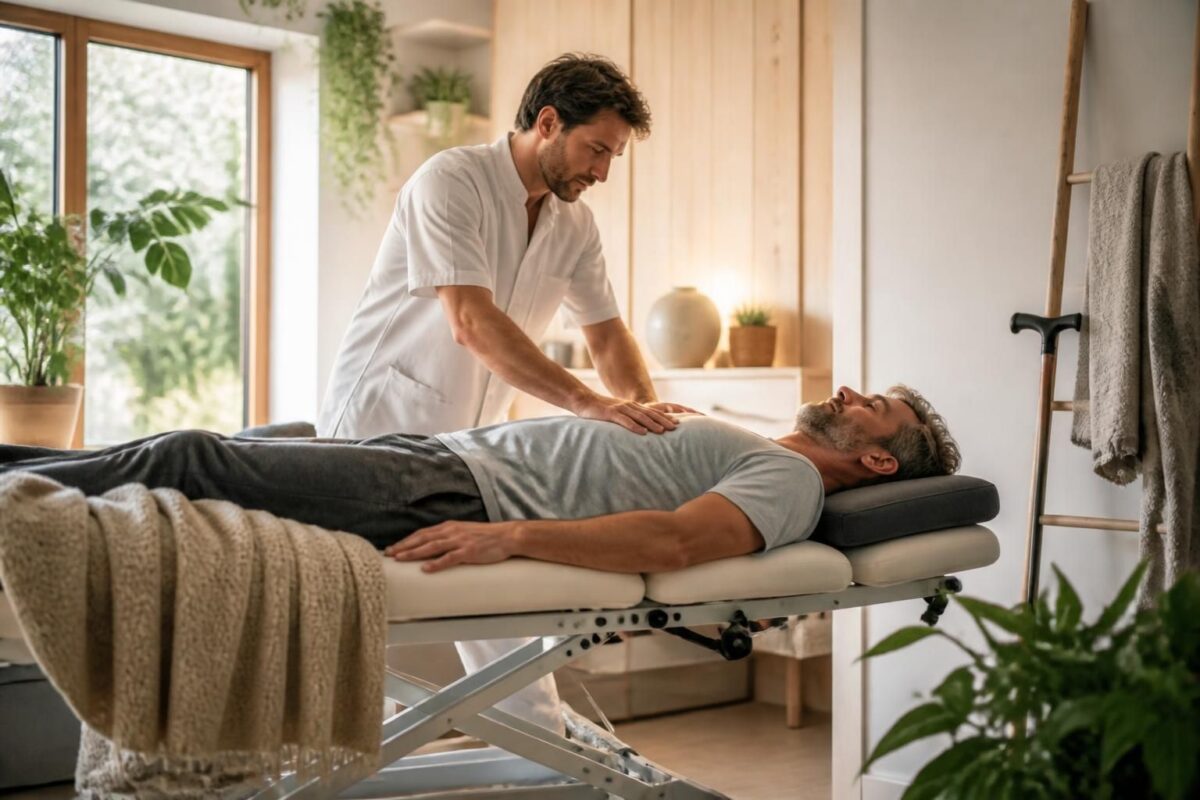
Why Osteopathy Is Essential For Recovery People
In short In short, Osteopathy in convalescence is an approach manual and holistic which helps to accelerate the recovery by restoring The balance, the mobility and a good circulation fabrics. it contributes to Reduce the pain, support the Back to…
role in prevention and follow-up
Beyond the initial relief, theosteopathy Acts in prevention by detecting imbalances likely to become chronic and treating the whole body to reduce the risk of recurrence. One therapeutic follow-up Coordinated with other health professionals makes it possible to adjust the protocol as recovery progresses and to support sustainable rehabilitation.

Osteopathic manipulations to strengthen post-traumatic muscles
In short In short, Osteopathic manipulations for Strengthen post-traumatic muscles constitute a gentle manual approach aimed at restoring the mobility, reduce the pain and facilitate the Functional rehabilitation After a injury. What is Is it? A series of precise gestures…
Practical tips for optimizing recovery
Sleep and lifestyle
One sleep Repairer and an adapted lifestyle support tissue repair and immune functioning. Favor a balanced diet, rich in proteins, vitamins and minerals, to nourish the tissues and strengthen the natural defenses.
Stress management and physical activity
Stress management through simple techniques (diaphragmatic breathing, slow breathing, meditation) improves sleep and motivation. The resumption of physical activity must be progressive and supervised, focusing first on mobility and flexibility, then reinforcement and endurance, in order to limit compensation and relapse risks.
| Aspect | Osteopathy and rehabilitation |
|---|---|
| Objective | Merge mobility and function With a personalized approach to speed up trauma recovery and prevent chronic pain. |
| Evaluation | Balance sheet overall and target To identify imbalances and compensations, adjusting the protocol at each step. |
| Approach | Approach overall synchronized mobility, force and posture, for robust and durable recovery. |
| Key Techniques | manipulation sweet, Techniques tissue and myotensive To release tension, improve the circulation and restore the mobility. |
| fascial system | release of tensions fasciales To improve the mobility and reduce post-traumatic pain. |
| Pain and inflammation | Management of pain and inflammation by stimulation of the circulation and reduction of mediators, often without drugs. |
| Prevention | early detection of Risk factors and global rebalancing to prevent recurrences and complications. |
| complementarity | collaboration with the physiotherapy and a follow-up multidisciplinary To optimize amplitudes and control engine. |
| Follow-up and progress | Program personalized and adaptive; Progress measured with clear objectives and continuous adjustment. |

Osteopathy and prevention of work-related musculoskeletal disorders
In short theosteopathy is one Manual approach that restores body balance and prevents MSD related to work. Its advantages: reduction of tension, improvement of mobility and prevention of chronic pain. She is preventive and healing, suitable for office and trades…
Testimonials on Losteopathy and rehabilitation: Optimizing recovery after trauma
As a top athlete, I suffered a severe sprain that slowed my career. losteopathy was decisive in accelerating my recovery and limit the pain. thanks to a Custom Protocol and to targeted techniques, I quickly found mobility And trust, and I was able to resume training earlier than expected.
After a car accident, my spine was subjected to a heavy load. losteopath identified the tension zones and set up a progressive plan, working on the Muscle chains and tensions. Today, the pain Sestompe and the sleep improves, thanks to better management of tensions and the reduction of inflammation.
For an elderly lady who suffered a fracture of the wrist, the osteopathic approach made it possible to restore the mobility joints and soft tissues without the need for surgery. The Personalized follow-up avoided the stiffness and accelerated the return to daily life.
A teenager was injured during a fall on a bicycle. The osteopathic intervention helped release tensions, particularly around the fascial system, and to restore a posture balanced. The results? Less pain, more comfort during school and sports activities.
A worker suffered from a back pain after a bad movement. lholistic approach and the Coordination with physiotherapy made it possible to move forward more quickly in the Functional rehabilitation and prevent relapses.
Beyond the pain, theosteopathy also improved the emotional well-being. The work on the autonomic nervous system And the post-traumatic stress has helped to regain calm, better sleep and greater confidence in the rest of the rehabilitation process.
In summary, these testimonies illustrate how losteopathy can become the heart of effective rehabilitation, with appropriate and lasting progression.
Dr Sylvain Desforges embodies excellence in osteopathy, naturopathy and manual medicine, and acts as the founding president of Tagmed and ACMA. With a trajectory punctuated by innovations in health care, it emphasizes the management of chronic pain and the integration of advanced technologies such as spinal decompression, laser and shockwave therapy. His approach aims to take care of evidence-based To optimize the health and well-being of each patient, especially during the critical phases following a trauma.
Recovery after shock or injury is based on a precise understanding of the pathophysiological mechanisms that activate after the event. Trauma can affect bones, ligaments, muscles, tendons or joint capsules, triggering an inflammatory cascade with edema and protective spasms. Posttraumatic osteopathy intervenes at this stage to soothe inflammation, promote edema resorption and restore mobility to surrounding tissues. This integrated approach aims not only to relieve pain, but also to prevent secondary disorders that could set in after the acute phase, by supporting lasting functional recovery.
Personalized osteopathic evaluation is the first essential step. During the consultation, a rigorous assessment takes into account the history of the patient, the symptoms and the location of the pain. The palpatory assessment makes it possible to identify post-traumatic imbalances, muscle tension and circulatory disorders, while revealing the compensations that have settled away from the initial zone. This diagnostic framework evolves towards a personalized protocol, adapted to age, health status and history, in order to optimize recovery and limit the risk of recurrence. The follow-up focuses on compensatory movements and postural adaptations, in order to restore a global and lasting balance.
The care techniques used in post-traumatic osteopathy cover a targeted range. Structural manipulation helps restore joint mobility and correct mechanical restrictions. Tissue techniques work on soft tissue to reduce adhesions and improve circulation, accelerating regeneration. Myotensive techniques relax the contracted muscles and facilitate the resumption of movements without pain. Cranial and visceral approaches can also be considered when the trauma impacts the nervous system or internal organs, always in a personalized logic that respects the adaptive capacities of each organism.
The role of osteopathy in prevention is key. Beyond the initial relief, the prophylactic approach assesses compensations and risk factors that may cause chronic pain. The therapeutic follow-up adapts the techniques and advice according to the evolution of the patient, in order to promote a return to autonomy and to maintain a functional harmony over the long term. This proactive prevention is based on gentle and targeted manipulations that rebalance musculo-osselettes and internal systems.
To optimize physical rehabilitation, osteopathy is combined with other disciplines such as physiotherapy. Together, they work to restore mobility, amplitude and coordination of the movement, while reducing the risk of relapse. The objective is a gradual resumption of daily and sports activities, under supervision, with an adapted program that respects the stages of healing. A smooth collaboration between osteopathic care and functional exercises guarantees effective, lasting and harmonious recovery.
This summary highlights how Osteopathy can optimize rehabilitation After a trauma, promoting functional recovery, modulating inflammation and supporting overall well-being. She describes a personalized evaluation, adapted techniques and practical advice to accompany each step of recovery, with a global and coordinated approach with other health professionals.

The benefits of osteopathy to treat muscle imbalances
In short theosteopathy is a manual approach to restore themuscle harmony and postural considering the body as a whole. Its main benefits include the reduction of aches and tensions, the improvement of the mobility and from the posture, and prevention…
Global approach to post-traumatic rehabilitation
The body is apprehended as an interconnected system, where an injury can generate offsets and spreading tensions. The goal is to release the Fascial restrictions and restore general mobility, in order to promote lasting healing and avoid repeated pain from the trauma.
The fascial system occupies a central place because it transmits tensions and can memorize impacts. unlocking these adhesions improves the circulation and muscular coordination, creating the conditions for harmonious recovery.
To deepen the mechanisms and appropriations of this approach, you can consult specialized resources such as Osteopathy and rehabilitation and Osteopathy and stress.
Interprofessional collaboration makes it possible to adjust interventions and prevent recurrences, by integrating knowledge of physiotherapy and other disciplines into a personalized plan.
Sometimes additional external resources like Why osteopathy is recommended after trauma or Joint mobility can enrich your understanding and motivation to undertake an effective rehabilitation.
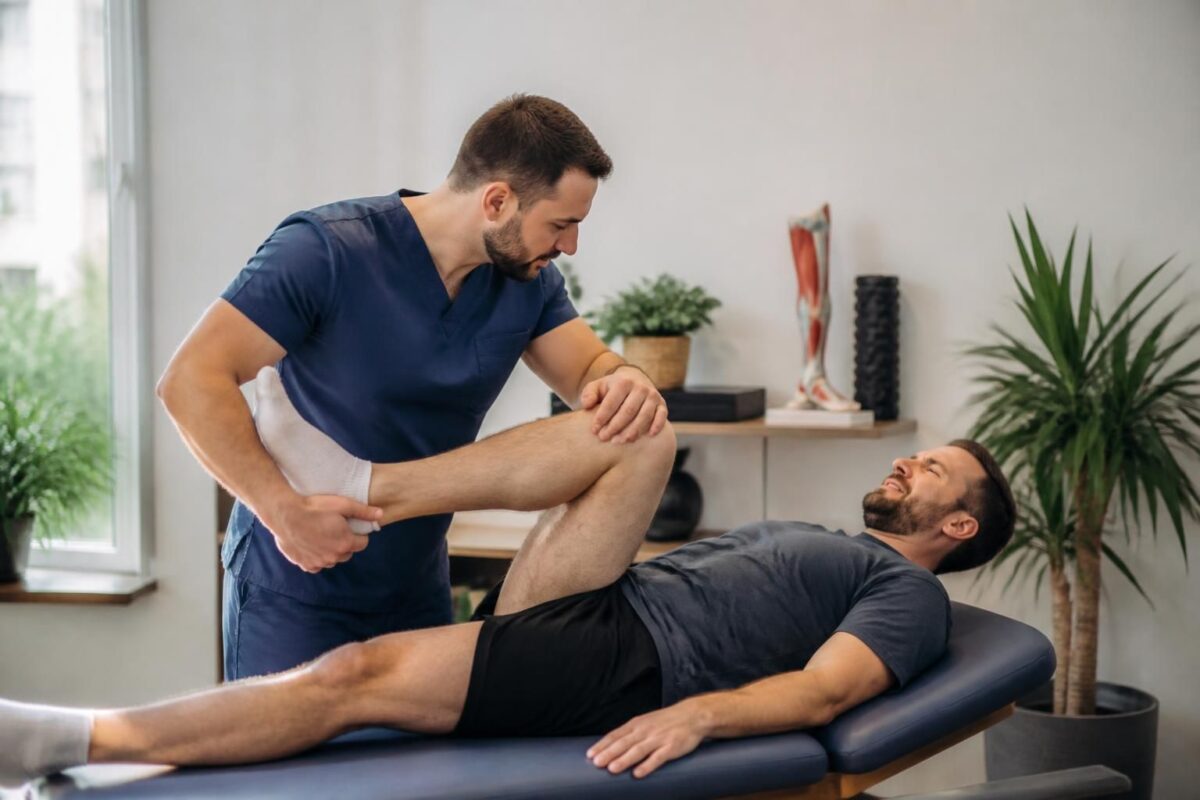
Osteopathy and chronic leg pain: regaining an optimal quality of life
In short In short, Osteopathy is one Global manual approach aimed at reducing Chronic leg pain and improve the quality of life. What is it? Non-drug therapy using the hands to identify restrictions and treat lesional chains. How does it…
Osteopathic evaluation and personalized protocol
The consultation begins with a history and a systemic analysis to identify risk areas and mobility restrictions which remain after the trauma. the palpatory assessment makes it possible to identify the Post-traumatic imbalances and adaptations that can settle away from the injured area.
Each protocol is tailor-made, because two people who have suffered the same trauma do not evolve in the same way. Custom Tracking adjusts techniques and advice based on evolution, to optimize recovery and limit discomfort during rehabilitation.
The consultation incorporates a detailed analysis of compensatory movements and posture patterns, in order to correct global imbalances and prevent new tensions. For more information on an osteopathic assessment after trauma and on the benefit of an individualized protocol, you can consult the dedicated resources below.
Discover relevant external resources such as Osteopathy and post-traumatic rehabilitation and Well-being and pain reduction.
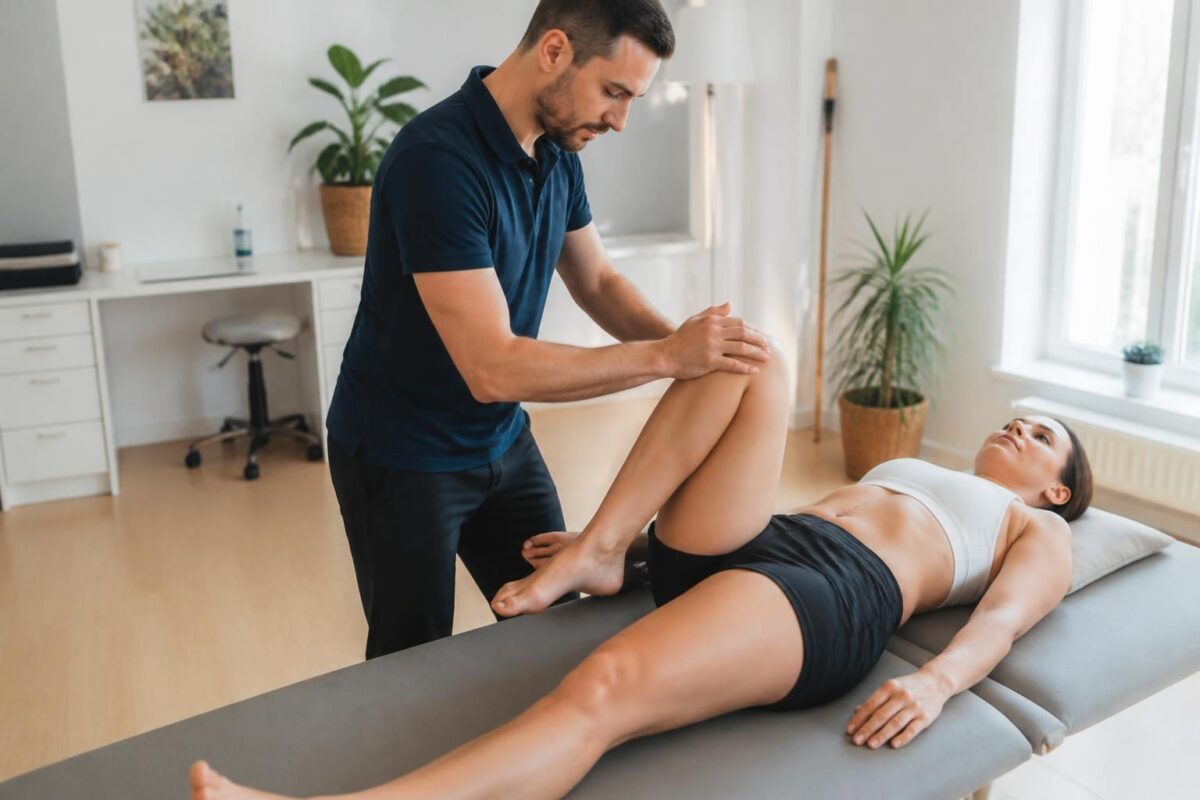
How osteopathy supports recovery after complex surgery
In short In short, Post-operative osteopathy is an approach fresh which supports the recovery After a Complex surgery. It helps to reduce the pain and the fatigue, improves the mobility and accelerates the healing thanks to a better vascularization and…
Adapted techniques and interventions
the techniques structural Aim to restore joint mobility and lift mechanical restrictions related to shock. the approaches tissue Target soft tissue to reduce grip and promote circulation.
THE METHODS myotensive Help to relax the muscles contracted, facilitating the resumption of movements without pain. Techniques cranial and visceral Can also be used judiciously when the trauma affects the nervous system or organs, depending on the patient’s profile and recovery goals.
Each intervention is carefully chosen to respect the body’s adaptability and optimize healing, while favoring gentle and progressive manipulations.
To deepen the relationship between osteopathy, rehabilitation and emotional support, consult resources such as Osteopathy and stress and Rehabilitation and trauma.
Pain management, inflammation and prevention
The osteopathic approach helps manage pain and inflammation through gentle manipulations and better circulation, promoting the oxygenation and nutrition of injured tissue. This approach can reduce medication needs and accelerate functional recovery.
Early management makes it possible to limit pain chronification and to establish a solid basis for the return to activity. For those who want to know more about benefits and mechanisms, refer to resources on the role of trauma osteopathy and the importance of stress and sleep management.
Role of lifestyle and multidisciplinary coordination
An optimal recovery is also based on a lifestyle Suitable: restful sleep, balanced diet and stress management via techniques like deep breathing or cardiac coherence. These elements support tissue regeneration and strengthen the results of osteopathic care.
rehabilitation benefits from work in synergy with physiotherapists and other health professionals. The progression program promotes renewed mobility, postural stability and resumption of activities, while minimizing the risks of relapse.
To enrich your journey, you can consult resources dedicated to mobilization and post-traumatic recovery, such as Mobility and joint movements and Post-traumatic support.
If you are considering a rehabilitation process after a trauma, do not hesitate to discuss with a qualified osteopath to establish a personalized and coordinated protocol with your care team. Additional resources and example routes can be viewed via the links below.
To go further and discover how osteopathy can accompany your post-traumatic rehabilitation, you can explore articles and guides such as Osteopathy and post-traumatic rehabilitation and Cervical pain – natural solution.

Dr Sylvain Desforges, B.Sc., D.O., N.D., osteopath, is the founding president of TAGMED and of the ACMA association. He dedicates his practice to chronic spinal pain, low back pain and symptoms compatible with sciatica, particularly when pain radiates toward the buttock, leg, calf, foot or toes.
Through SOS Sciatique, he publishes educational content on sciatica symptoms, possible causes such as disc herniation, disc narrowing, foraminal stenosis or irritation of a lumbar nerve root, as well as non-surgical approaches that may be considered according to the evaluation. At Clinique TAGMED, care may include, depending on the case, motorized neurovertebral decompression, specific osteopathic care or precision percussion.
For an evaluation related to sciatica treatment in Montreal / Mount Royal or sciatica treatment in Terrebonne, please consult the services available at Clinique TAGMED.
Medical disclaimer
The information published on SOS Sciatique is provided for educational purposes only and does not replace a consultation, diagnosis, opinion or treatment provided by a physician or another authorized healthcare professional. The author of this article is neither a medical doctor nor a specialist in a medical specialty recognized by the Collège des médecins du Québec. The osteopathic, manual medicine or functional support approaches described on this site do not constitute medical acts and are not intended to replace medical follow-up.
Consult a physician or emergency service in cases of loss of bladder or bowel control, anesthesia in the saddle area, significant or progressive weakness in the leg or foot, fever, recent trauma, severe pain or rapid worsening of symptoms. For more details, please read our Legal Notice.