How osteopathy reduces pain related to physical stress
28/06/2026
Osteopathic manipulations to treat chronic hip pain
28/06/2026
In short
| In short, Post-operative osteopathy is one Natural approach which supports the Postoperative recovery by rebalancing the body and facilitating the re-education. What is it? Global manual support focused on mobility, the pain and the welfare After surgery. Its key benefits include Residual pain relief and theImproving mobility, the Reduction of adhesions and improving theScar elasticity, the Visceral drainage support and theRemoval of anesthetic residues, as well as a better sleep and better management of stress. How does it work? Scar and adhesion assessment, gentle manual techniques and mobilizations, visceral approach and coordination with the medical team to optimize recovery. Available in Montreal and in the region, this recourse facilitates a faster and safer resumption of activity without substituting medical treatment. |
theosteopathy offers an approach natural post-operative recovery, with MANUAL CARE Aiming the mobility, the pain and the welfare overall patient. It integrates with rehabilitation to optimize the natural mechanisms of healing and elimination of anesthetic residues.
Its practical benefits include reducing residual pain, improving mobility, adhesion prevention and scar elasticity, as well as sleep and emotional balance support for a gradual resumption of activities.
This page shows how Osteopathy accompanies Post-operative recovery by MANUAL CARE who target mobility, pain and the welfare of the patient. The text describes how this non-invasive and complementary approach can support rehabilitation, optimize the natural mechanisms of healing and assist in the elimination of anesthetic residues while contributing to sleep and stress management. It details practical applications and concrete benefits for a more harmonious recovery.
Principles and objectives
After surgery, the goal is to restore the overall balance of the body. theosteopathy acts on the body as a whole to improve mobility, mitigate tensions and promote circulation sanguine and lymphatic effective. It aims to support natural healing mechanisms and reduce the risk of residual tensions that can hinder rehabilitation.
This approach is in addition to medical prescriptions and rehabilitation care. It does not replace medical follow-up, but it can contribute to a more comfortable and coordinated recovery with the other professionals involved.
Scar assessment and management
The osteopathic evaluation begins with an examination of the scar and the Tissue flexibility. The practitioner identifies adhesions and slippage losses, then offers targeted manual techniques to restore tissue movement around the scar. The objective is to improve the elasticity of the tissues and to prevent adhesions likely to hinder mobility.
Tissue management around the scar can also include approaches to lymphatic drainage and visceral support to promote better integration of operated tissue in the body.
Typical postoperative osteopathic interventions
After a laparotomy, peritoneal adhesions are common. Osteopathy offers a Soft tissue release and an Visceral mobilization Suitable for the first two post-operative weeks.
In case of Caesarean, the work focuses on scars, abdominal tension and lymphatic drainage, with an approach adapted to the advancement of skin healing.
After a laparoscopy, the goal is to release areas of tension and progressive follow-up over a few weeks depending on the symptoms.
For a hysterectomy, the focus is on pelvic tension and postural compensation, with visceral techniques and global rebalancing over a suitable period.
Prevention and optimal time of osteopathic consultation
Osteopathic consultation, when considered early, can promote healing and mobility. In practice, a first session in the first weeks following the procedure is often beneficial, then follow-up is adjusted according to the course and type of surgery.
The objective is to prevent adhesions and support a more active and targeted rehabilitation, while remaining aligned with medical recommendations and surgical protocols.
Visceral approach and mobility
The visceral approach works on organ mobility to reduce compensation and improve exercise tolerance. Visceral relaxation can also promote sleep and energy recovery, and stimulate circulation around the scar.
This approach aims for better posture and a reduction in the risk of secondary pain, preparing for more effective and active rehabilitation.
Supervised mobilization and breathing
Supervised mobilization can include simple breathing exercises to release the diaphragm and promote thoraco-abdominal mobility. Soft mobilizations of the pelvic myofascial lines and tissue-friendly scar massages complete this accompaniment.
Clinical cases and limits
Osteopathy can better complement physiotherapy when specific muscle strengthening or rehabilitation protocols are needed. In the presence of persistent mechanical pain or significant mobility limitations, the osteopath may recommend postural rebalancing and gradual return to activity, while referring to competent professionals if surgery or resumption of treatment is indicated.
Integrated care and coordination
Rigorous multidisciplinary work and regular communication with the medical team ensure the safety and consistency of the course. Osteopathy completes rehabilitation with targeted manual care, respecting medical prescriptions and operating protocols.
This coordination promotes a gradual return to daily activities and promotes sustainable well-being after the operation.
Practical points for preparing a session
Bring the operative report and the list of drugs. Clearly indicate areas of pain and associated symptoms. Plan a gentle session and an adapted follow-up according to the evolution.
To deepen, you can consult the following resources and authorized specialized sites:
Why osteopathy is an essential approach for athletes,
Osteopathy and joint pain,
Osteopathy and post-operative recovery,
How osteopathy can support postoperative recovery,
Tagmed Clinic.
For more information, additional resources are available on the following pages:
Osteopathy and post-operative recovery: a natural approach,
Osteopathy and general well-being,
Osteopathy and arthritis.
Where relevant, resources can also be consulted on specialized training sites in osteopathy, including NUMSS, NAO and National University of Medical Sciences, National Academy of Osteopathy, to better understand the approaches used by graduate practitioners.
Medical Disclaimer: The information and advice provided on this site does not replace the health professional’s diagnosis or treatment. Please note that Dr. Sylvain Desforges osteopath is neither a doctor of medicine nor a doctor, and is not a specialist in a medical specialty as defined by the Collège des Médecins du Québec. Manual medicine, functional medicine and sports medicine as described on this site exclude any medical treatment or diagnosis made by a doctor or specialist doctor. Always consult your doctor for any medical questions. For more details, please read our full legal notice.
“Medical disclaimer: The information and advice provided on this site does not replace the health professional’s benefit, diagnosis or treatment. Please note that Dr. Sylvain Desforges osteopath is neither a doctor of medicine nor a doctor, and is not a specialist in a medical specialty as defined by the Collège des Médecins du Québec. Manual medicine, functional medicine and sports medicine as described on this site exclude any medical treatment or diagnosis made by a doctor or specialist doctor. Always consult your doctor for any medical questions. For more details, please read our full legal notice. »
- Natural: Non-invasive approach focused on the body as a whole.
- Postural balance: readjusts tensions and posture after the procedure.
- Scar mobility: Improves the elasticity of tissues and decreases adhesions.
- Circulation and drainage: Stimulates blood and lymph flow around the scar.
- Sleep and well-being: rest support and stress reduction to promote recovery.
- Security: Coordination with caregivers for a safe therapeutic journey.
- Targeted evaluation: analysis of the scar and the areas to be released by precise gestures.
- Adapted techniques: Visceral and fascial interventions depending on the operative type.
- pain management: gentle and progressive gestures to limit discomfort.
- non-aderences: Prevention of adhesions through early and regular care.
- Optimal drainage: Improved drainage around the operated area to support healing.
- progressive activity: Tips and guided exercises to prepare for the return to the activity.

This article presents how Osteopathy can accompany a Postoperative recovery so natural, by acting on the mobility, the pain, the healing and the welfare overall patient. Through gentle and global interventions, she participates in the reduction of grips, the optimization of circulation and the support of sleep and stress. This set aims to resume activities faster and more sustainable, while respecting medical prescriptions.
Understanding the role of osteopathy after surgery
After an intervention, the body undergoes constraints that can disturb the balance. Osteopathy offers an approach overall which takes into account the links between organs, muscles and fascia. By working with techniques sweet, the practitioner aims to restore the mobility tissues, reduce tension and support natural healing mechanisms. The goal is to accompany healing without invasive intervention, while respecting safety margins and medical indications. The goal is a smoother and less painful recovery.

How osteopathy improves the quality of life of active people
In short In short, theosteopathy is a global approach that Optimizes mobility and the function of the body of ACTIVE PEOPLE, for a better quality of life. It helps prevent injury and reduce Musculoskeletal pain While promoting the Sports recovery.…

Osteopathy and sports recovery: prepare the body for lasting performance
In short In short, Osteopathy and Sports recovery is one Global manual approach that sustainably prepares the body for the effort by restoring mobility and circulation After the effort. It is a discipline that acts on the sinews, the joints,…
Concrete osteopathic applications after an operation
Scar Assessment and Adhesion Management
The osteopathic assessment begins with the examination of the tissues around the scar and adjacent areas. We spot the adhesions, the lack of tissue slip and the local tensions. Tissue release and delicate mobilization techniques help restore tissue elasticity and prevent adhesions that could limit long-term mobility.
Visceral osteopathy and lymphatic drainage
The visceral approach aims to release the connections between organs and walls, promoting lymphatic drainage and improved visceral circulation. This can help reduce the feeling of abdominal heaviness, improve transit and support the elimination of postoperative or anesthetic residues, while facilitating rest and sleep.
Soft mobilizations and breathing
Soft and guided mobilizations, combined with breathing exercises, help to release myofascial tensions and promote diaphragm-thoracic functioning. This synchronization supports ventilation, improves tissue oxygenation and helps reduce postoperative stress.
Why Osteopathy Is Essential For Recovery People
In short In short, Osteopathy in convalescence is an approach manual and holistic which helps to accelerate the recovery by restoring The balance, the mobility and a good circulation fabrics. it contributes to Reduce the pain, support the Back to…

Osteopathic manipulations to strengthen post-traumatic muscles
In short In short, Osteopathic manipulations for Strengthen post-traumatic muscles constitute a gentle manual approach aimed at restoring the mobility, reduce the pain and facilitate the Functional rehabilitation After a injury. What is Is it? A series of precise gestures…
Benefits and Monitoring Indicators
The observed benefits include a relief residual pain, Improving mobility, adhesion reduction and better elimination anesthetic residues. In addition to the physical aspects, osteopathic intervention can promote a Improved sleep and a decrease in stress, key elements for a comprehensive and lasting recovery.

Osteopathy and prevention of work-related musculoskeletal disorders
In short theosteopathy is one Manual approach that restores body balance and prevents MSD related to work. Its advantages: reduction of tension, improvement of mobility and prevention of chronic pain. She is preventive and healing, suitable for office and trades…

The benefits of osteopathy to treat muscle imbalances
In short theosteopathy is a manual approach to restore themuscle harmony and postural considering the body as a whole. Its main benefits include the reduction of aches and tensions, the improvement of the mobility and from the posture, and prevention…
Coordination and safety of the course
Security goes through a close collaboration with the surgical team and the physiotherapist. The osteopath aligns with the prescriptions and adapts the techniques according to the type of intervention and the stage of healing. This coordination ensures progressive rehabilitation and avoids contraindications.
Osteopathy and chronic leg pain: regaining an optimal quality of life
In short In short, Osteopathy is one Global manual approach aimed at reducing Chronic leg pain and improve the quality of life. What is it? Non-drug therapy using the hands to identify restrictions and treat lesional chains. How does it…
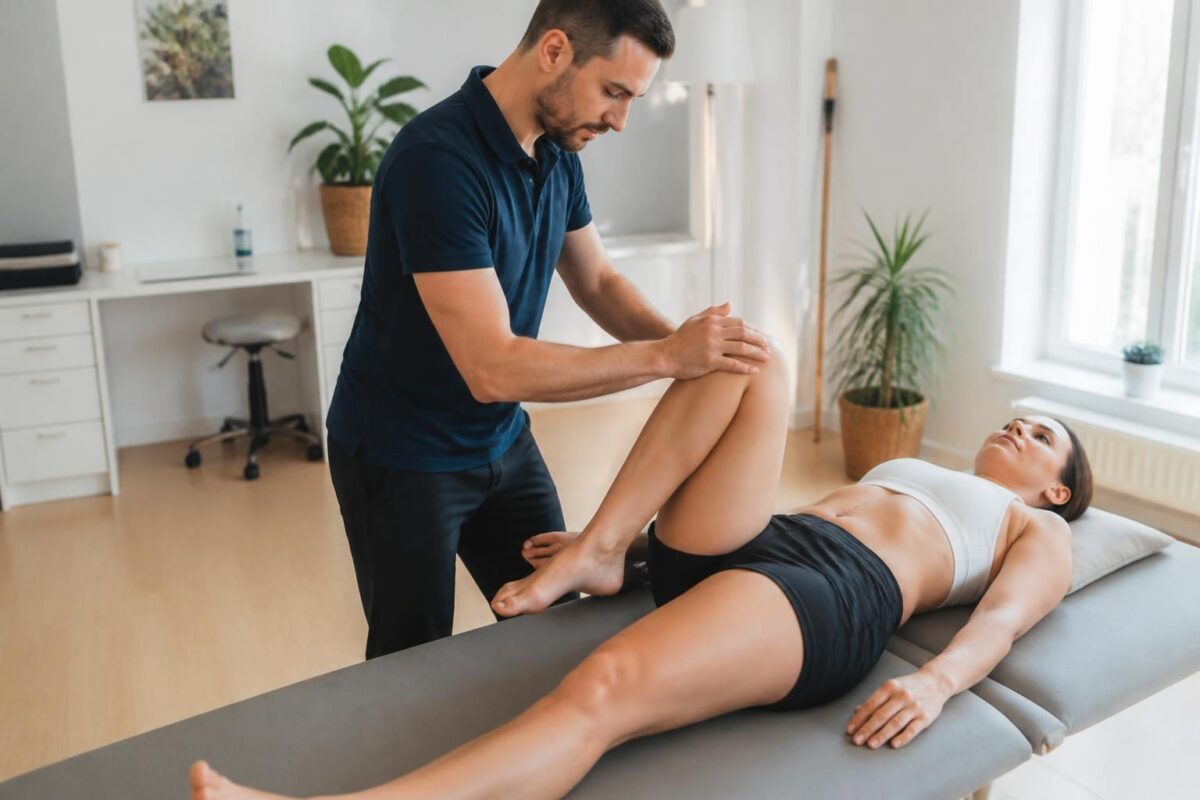
How osteopathy supports recovery after complex surgery
In short In short, Post-operative osteopathy is an approach fresh which supports the recovery After a Complex surgery. It helps to reduce the pain and the fatigue, improves the mobility and accelerates the healing thanks to a better vascularization and…
Prepare your session and post-operative habits
Before the session, bring the operative report and the list of medications, and clearly indicate the painful areas and associated symptoms. Plan a session feathery and progressive, and follow advice on sleep, hydration and daily activities. The goal is to install a routine that supports natural healing mechanisms and active resumption of activities.
Osteopathy and post-operative recovery: a natural approach
| Element | Concise impact |
|---|---|
| Global approach and non-invasive | osteopathy offers a Global approach Focused on mobility, the comfort and the welfare without medication. |
| routes of action | Support visceral and tissue, work on scars and the circulation. |
| Earnings concrete | reduction of aches residuals, improvement in mobility, increased scar elasticity. |
| Impact on adhesions | Prevention and reduction of adherence peritoneal by release tissue. |
| Disposal and drainage | Support for residue removal mechanisms anesthetics and drainage visceral. |
| Sleep and stress | improvement of sleep and reduction of stress Visceral relaxation and breathing. |
| Evaluation and protocol | Evaluation of the Scarring flexibility and gentle protocol suitable for each surgery. |
| When to consult | consultation recommended in first two weeks Post-operative, depending on the type of intervention. |
| coordination With the team | Collaboration with the doctor and the physiotherapist for safety and progress. |
Testimonials: osteopathy and post-operative recovery, a natural approach
“Losteopathy turned out to be a real Natural approach for my Postoperative recovery. After my operation, the sessions were gentle but targeted, and they helped me to resume my activities with more serenity and less pain. »
“I found a relief residual pain and Improving mobility general from the first sessions. In addition to medical care, osteopathy supported my natural healing mechanisms and allowed me to resume my movements more quickly. »
“Work on adherence and the healing was decisive. I felt a better elasticity Fabrics and less tightness during my daily actions, which facilitated my rehabilitation without compromise. »
“The approach visceral Associated with lymphatic drainage boosted my recovery: I slept better and foundenergy throughout the process. This allowed me to approach each step with more calm and vitality. »
“. »
“After a hysterectomy, the sessions particularly helped to release tensions in the upper back and neck, areas often affected by stress and postural compensation. I have seen better mobility and overall well-being. »
“This support holistic allowed me to approach recovery from all angles: controlled pain, improved sleep and stress management. It is a real natural breathing to accelerate the return to working life. »
“I had the opportunity to try osteopathy shortly after orthopedic surgery and the results were convincing: less pain, better circulation around the scar and a more fluid progression of my daily exercises. I highly recommend this natural approach. »
Dr. Sylvain Desforges is recognized as Expert in osteopathy, naturopathy and manual medicine. Founding President of TAGMED and the ACMA association, he puts his experience at the service of an approach Natural and holistic recovery after surgery. With a course dedicated to health innovation, it has made it its mission to offer evidence-based care to optimize the health and well-being of its patients, by integrating advanced technologies when relevant.
Its practice is based on a global vision of the Postoperative recovery. After an intervention, the body undergoes adjustments that can impact mobility, pain and sleep. Osteopathy offers MANUAL CARE Soft and targeted, focused on tissue mobility, tension reduction and overall support for the healing process. This approach aims to facilitate natural healing mechanisms while improving comfort and quality of life on a daily basis.
The practical benefits of this approach are manifested by the Residual pain relief and an Improved general mobility. At the same time, it contributes to the Reduction of adhesions and better elasticity of scars. By a Visceral support And gentle manipulations, the elimination of anesthetic residues can be optimized, favoring a more fluid metabolic recovery. Finally, support for sleep and emotional well-being is at the heart of the approach, because stress and anxiety can influence the speed and quality of healing.
When we address specifically scar assessment, the osteopath will measure the Scarring flexibility and identify adhesions or lack of tissue slip. The clinical examination then guides a localized and targeted manual treatment, in order to improve the mobility of the tissues around the scar and to prevent future tensions.
In practice, the osteopathic intervention adapts to the type of surgery. For a laparotomy, frequent peritoneal adhesions benefit from soft tissue release and visceral mobilization in the first weeks. In case of Caesarean or of hysterectomy, the work focuses on the scar, abdominal tension and lymphatic drainage, with an approach adapted to healing speed. For a laparoscopy, the protocol aims to release areas of tension and ensure progressive monitoring. These different interventions illustrate the need for personalized and progressive support.
Prevention and the optimal moment of consultation remain key axes. Early management, ideally in the first two weeks, can promote healing and mobility, while limiting post-operative complications related to adhesions. Clinical observations show that the results are often better when visceral osteopathy and adhesion management are integrated into the rehabilitation course, in coordination with the medical team.
In addition, the visceral approach focuses on organ mobility to improve digestive function and exercise tolerance. Visceral relaxation, mobilization of pelvic myofascial lines and tissue-friendly scar massage techniques promote better posture, more effective breathing and increased energy recovery. This dynamic can also improve sleep quality and reduce postoperative fatigue.
Finally, an approach integrated and multidisciplinary Ensures optimal safety and continuity of care. The regular dialogue between osteopath, surgeon and physiotherapist makes it possible to adjust the functional objectives and to orchestrate a gradual resumption of activities, while preserving the well-being of the patient in the long term.
In summary, this article demonstrates that Osteopathy offers a Postoperative recovery Guided by an approach natural and holistic. It acts on scar, adhesion, mobility and drainage, while supporting sleep and emotional well-being to facilitate progressive and effective rehabilitation.
This discipline offers a Global approach which optimizes the natural healing mechanisms after surgery. By working on tensions and imbalances, osteopathy contributes to Reduce the pain, to improve the mobility structures and to prevent adhesions around the operated areas, thanks to gentle and targeted techniques.
A central axis lies in thescar assessment And some adherence, in order to identify tissue slip losses and guide a treatment that gradually releases problematic areas. The visceral approach complements this work by promoting organ release and drainage, which can improve exercise tolerance and circulation local around the scar.
Beyond the locomotor aspect, osteopathy aims to Overall well-being: it can facilitate the sleep, decrease the stress and supporting general energy, key elements of recovery. Breathing exercises and gentle mobilizations are part of a dynamic of Active rehabilitation and progressive, compatible with medical prescriptions and associated therapies.
The Interprofessional collaboration Between osteopath, doctor and physiotherapist ensures maximum safety and continuity of the care pathway. This coordination promotes realistic recovery times and rehabilitation adapted to each type of intervention, while preventing potential complications related to surgery.
To deepen certain aspects, you can consult resources that address the effectiveness of osteopathy against muscle tension, its role in inflammation and daily well-being, and its usefulness in postoperative recovery. for example, Why osteopathy is effective against muscle tension, Osteopathy and inflammation, Post-operative recovery, and Well-being and reduction of daily pain. Other useful resources include Post-operative approaches and Practical advice on recovery after surgery.
In summary, theosteopathy constitutes an option natural and effective to support the Post-operative recovery, by acting not only on tissues and mobility, but also on sleep, stress and overall well-being of the patient. It naturally integrates into a multidisciplinary rehabilitation approach and can promote a gradual and sustainable resumption of daily and professional activities.

Dr Sylvain Desforges, B.Sc., D.O., N.D., osteopath, is the founding president of TAGMED and of the ACMA association. He dedicates his practice to chronic spinal pain, low back pain and symptoms compatible with sciatica, particularly when pain radiates toward the buttock, leg, calf, foot or toes.
Through SOS Sciatique, he publishes educational content on sciatica symptoms, possible causes such as disc herniation, disc narrowing, foraminal stenosis or irritation of a lumbar nerve root, as well as non-surgical approaches that may be considered according to the evaluation. At Clinique TAGMED, care may include, depending on the case, motorized neurovertebral decompression, specific osteopathic care or precision percussion.
For an evaluation related to sciatica treatment in Montreal / Mount Royal or sciatica treatment in Terrebonne, please consult the services available at Clinique TAGMED.
Medical disclaimer
The information published on SOS Sciatique is provided for educational purposes only and does not replace a consultation, diagnosis, opinion or treatment provided by a physician or another authorized healthcare professional. The author of this article is neither a medical doctor nor a specialist in a medical specialty recognized by the Collège des médecins du Québec. The osteopathic, manual medicine or functional support approaches described on this site do not constitute medical acts and are not intended to replace medical follow-up.
Consult a physician or emergency service in cases of loss of bladder or bowel control, anesthesia in the saddle area, significant or progressive weakness in the leg or foot, fever, recent trauma, severe pain or rapid worsening of symptoms. For more details, please read our Legal Notice.