Osteopathic manipulations to relieve lower back pain
27/06/2026
Osteopathy and general well-being: a global approach
27/06/2026
In short
| In short, theosteopathy is one Manual approach which aims to free Muscle tensions By working on the structures and the fascias, in order to restore thebalance and the mobility of the body. Its main advantages include a Quick relief, a better Joint mobility, a reduction in stress and prevention of recurrences by treating the root causes rather than the only symptoms. The operation is based on Gentle manipulations, targeted mobilizations and action on the system nervous and the circulation, favoring the relaxation of fascias and harmonization of the body. At Montreal, this service is particularly useful for tensions related to the stress and bad postures at work. |
theosteopathy offers an approach fresh and personalized To relieve the Muscle tensions. By working on the sinews, the fascias and the joints, it promotes relaxation and the restitution of the mobility.
It also acts on the the nervous system and the circulation, contributing to decrease the pain and to Accelerate recovery.
By tackling the causes like the Postural imbalances and the stress, osteopathy helps prevent relapses and maintain welfare.
It’s a Natural approach and without medication that can complete other treatments when necessary.
This article, written by a health professional and expert, explains why osteopathy is effective against muscle tension. It presents the mechanisms of action, the simple scientific bases and the way in which this approach fits into a body rebalancing approach. You will discover clear explanations and useful resources to better understand and support muscle relaxation on a daily basis.
How osteopathy affects muscle tension
Osteopathy is based on a complete assessment of posture, mobility and exchanges between body systems. The practitioner uses gentle manipulations and fascial techniques to release areas where the muscle is tense. This approach promotes blood and lymph circulation, which helps reduce pain and stiffness. The work is done on the muscles, the fascias and the nerves, in order to restore a synchrony between the different parts of the body.
In addition to manipulations, the osteopath provides advice on postures and daily habits. These tips are aimed at limiting repeated tensions and supporting the lasting relaxation of the musculoskeletal system. To better understand the overall interest of this approach, you can consult dedicated resources on our reference pages.
The mechanisms involved
Muscle tension is rooted in local imbalances and increased nervous tension. Osteopathy acts on three main axes: tissue release, improved joint mobility and modulation of the autonomic nervous system. This triad reduces pain, increases flexibility and reduces mild inflammation associated with chronic tension.
Osteopathic techniques aim to rebalance body chains. They improve the elasticity of the tissues and the effectiveness of movements. The result can be a feeling of lightness and a better ability to perform everyday gestures without pain.
When to consult and what to expect
Consult when muscle tension persists despite an appropriate activity and a healthy lifestyle. Stiffness in the neck, back or shoulders, a feeling of permanent tension or spreading pain can be reasons for evaluation. The osteopath performs an anamnesis and a targeted examination, then proposes a suitable treatment plan. A session can help to quickly reduce certain feelings of discomfort and restore better mobility.
Resources and useful links
To understand the benefits of osteopathy and its natural alternatives, consult the following resources:
- Why osteopathy is an effective alternative to drugs
- Osteopathy and trapezoid pain — a natural solution
- How osteopathy improves circulation and reduces swelling
- How osteopathy improves mobility after surgery
Additional resources and application examples can also be found in TagMed Clinic pages and establishments that offer recognized training. To learn more about the care offer and areas of collaboration, you can visit Tagmed Clinic.
Natural approaches can accompany the relaxation process, in particular in addition to osteopathy sessions. Some people find support via resources that describe the relationship between stress, muscle tension and relaxation, without drug use. To deepen this point, refer to our dedicated resources on tensions and the soothing role of osteopathy.
For professionals and patients, it is possible to train with recognized institutes in the field of osteopathy, such as NUMSS, NAO, National University of Medical Sciences and National Academy of osteopathy.
Finally, osteopathy can be useful after events that impact mobility or posture. It contributes to maintaining optimal health and preventing recurrences by working on movement mechanisms and muscle reactions.
Medical Disclaimer: The information and advice provided on this site does not replace the health professional’s diagnosis or treatment. Please note that Dr. Sylvain Desforges osteopath is neither a doctor of medicine nor a doctor, and is not a specialist in a medical specialty as defined by the Collège des Médecins du Québec. Manual medicine, functional medicine and sports medicine as described on this site exclude any medical treatment or diagnosis made by a doctor or specialist doctor. Always consult your doctor for any medical questions. For more details, please read our full legal notice.
Analysis axis: The body as a balance lever — Targeted and gentle actions to release tension, restore mobility and promote well-being.
- osteopathy : release of blockages and restoration of muscular and joint mobility.
- fascias and connective tissues: deep relaxation to improve the elasticity and circulation of tensions.
- self-healing : Stimulation of self-regulation of the body and reduction of spasms.
- Posture and movement: mechanical rebalancing to prevent painful postures.
- The nervous system : Action on the autonomic nervous system to reduce tone and sensory stress.
- Non-invasive approach : Gentle techniques without medication, adapted to each patient.
- personalized : Treatments adjusted to individual imbalances and recovery objectives.
- Prevention : Target root causes to limit recurrences and promote muscle longevity.

This article presents why theosteopathy is effective against Muscle tensions Based on simple principles: Gentle techniques and targeted, taking into account the posture and of stress, and observable results in terms of mobility and comfort. By combining muscle relaxation, work of the fascias and nervous regulation, osteopathy acts on the mechanisms that maintain tension and promote theself-healing of the body.
Key Mechanisms That Explain Efficiency
In the context of osteopathy, tensions are not seen as a simple local symptom, but as a functional imbalance that can involve muscles, fascias, joints and nerves. This holistic approach makes it possible to obtain a muscle relaxation Sustainable by improving tissue mobility and facilitating blood and lymph circulation around painful areas. Fascial work, in particular, helps to release adhesions and restore a range of movement more fluid, which reduces stiffness and diffuse pain.
Another key element is the action on the the nervous system. with precise gestures and sweetness, the osteopath can decrease nociceptive activation and promote better regulation of muscular tone and stress. This local neuromodulation can explain the rapid improvement of sensations and the reduction of tensions after a session.
The posture And the translated movement mechanisms also play an important role. By correcting inadequate postural patterns and releasing joint restrictions, osteopathy helps to distribute loads differently and prevent recurrent tensions associated with daily gestures or prolonged posture.

How osteopathy improves the quality of life of active people
In short In short, theosteopathy is a global approach that Optimizes mobility and the function of the body of ACTIVE PEOPLE, for a better quality of life. It helps prevent injury and reduce Musculoskeletal pain While promoting the Sports recovery.…

Osteopathy and sports recovery: prepare the body for lasting performance
In short In short, Osteopathy and Sports recovery is one Global manual approach that sustainably prepares the body for the effort by restoring mobility and circulation After the effort. It is a discipline that acts on the sinews, the joints,…
How osteopathy acts concretely on tensions
Muscle relaxation and fascial work
Osteopathic techniques target both muscles and fascias to obtain a Deep relaxation. This approach allows you to release points of tension, improve mobility and reduce pain that limits physical activity or daily gestures.
Improved circulation and oxygenation
By promoting better blood and lymph circulation, osteopathy facilitates the supply of oxygen and nutrients to the muscles involved. This accelerates recovery after exercise and helps reduce the phenomena of fatigue and associated pain.
Stress regulation and nervous balance
Reducing stress and calming the nervous system contributes to reducing tension. Quieter breathing, mechanical adjustments and gentle stimulation can bring back a physiological balance conducive to well-being and better exertion tolerance.
Why Osteopathy Is Essential For Recovery People
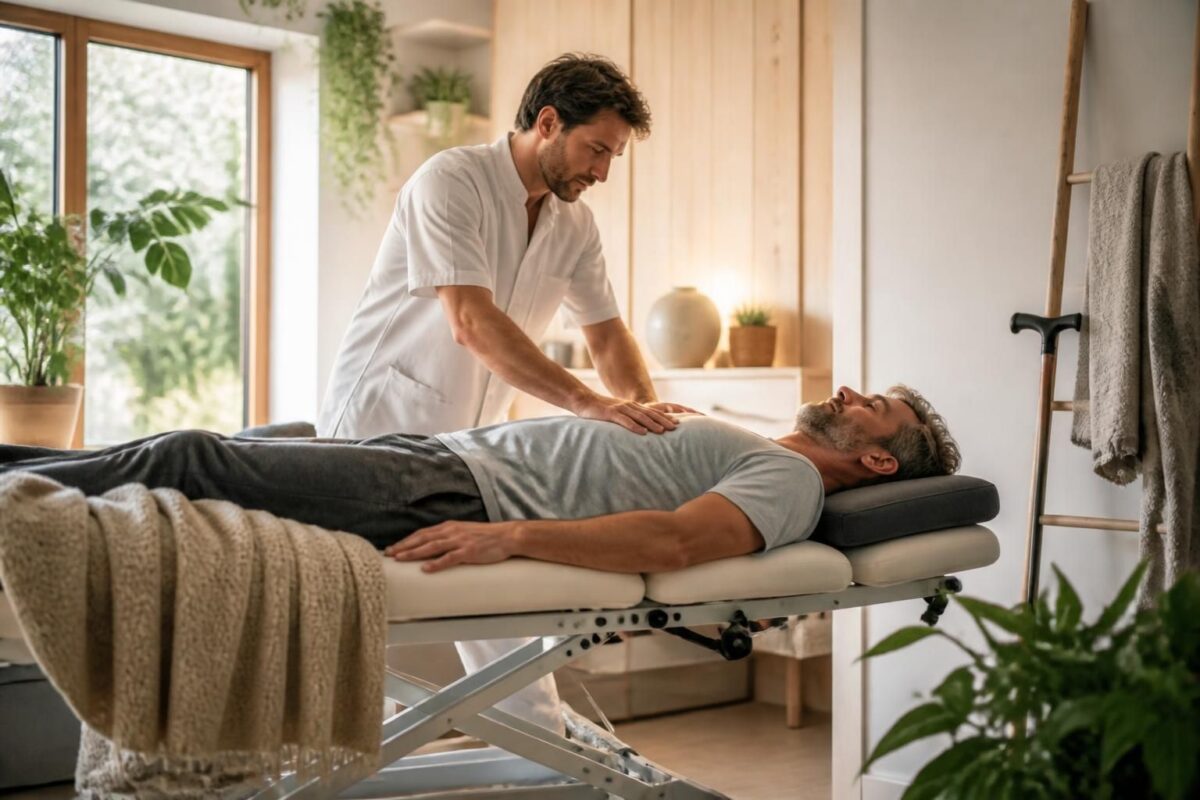
In short In short, Osteopathy in convalescence is an approach manual and holistic which helps to accelerate the recovery by restoring The balance, the mobility and a good circulation fabrics. it contributes to Reduce the pain, support the Back to…

Osteopathic manipulations to strengthen post-traumatic muscles
In short In short, Osteopathic manipulations for Strengthen post-traumatic muscles constitute a gentle manual approach aimed at restoring the mobility, reduce the pain and facilitate the Functional rehabilitation After a injury. What is Is it? A series of precise gestures…
Practical integration and prevention
Personalization and prevention
One of the advantages of osteopathy is its ability to personalize treatments according to individual imbalances. By working on the underlying mechanisms (posture, mobility, stress), it helps to prevent recurrences and to establish a sustainable basis of comfort and physical performance.
Simple gestures and continuity of results
In addition to the sessions, osteopathy encourages simple daily gestures (soft stretches, active breaks, ergonomics adapted from the workstation) and a lifestyle that supports therapeutic effects. This continuity is essential to maintain flexibility, avoid accumulated tensions and promote a general feeling of well-being.
| Aspect | concise effect |
|---|---|
| muscle relaxation | Gentle manipulations release local tensions and promote lasting relaxation. |
| Joint mobility | Improves range of motion and decreases stiffness for better function. |
| Nervous rhythm | Reduces nervous tone and stimulates the parasympathetic for more comfort. |
| Circulation | Improves tissue irrigation and accelerates venous and lymphatic return. |
| Personalized approach | appropriate treatments, targeting specific areas of tension in the patient. |
| Prevention | Treats root causes and advises on postures and stretches to limit recurrences. |
| Security | Low risk and high tolerance when performed by a qualified professional. |
| mental well-being | Reduced stress and improvement of general comfort after the sessions. |
| Therapeutic integration | Complements other approaches and supports drug-free recovery. |
“Before my consultation, my shoulders and neck were constantly tense after long hours in front of the computer. Osteopathy, with gestures soft and precise manipulations, allowed the muscle relaxation and a better mobility. »
“As an athlete, the tension in the shoulders and back slowed my performance. After a few sessions, I felt a Improving mobility and an pain reduction, which allowed me to resume training serenely. »
“As a young mom, carrying my baby gave me lumbar tensions. Osteopathy helped me Unlock the fascias and to loosen muscles, with advice to practice at home. My back became more flexible And my days went without pain. »
“For someone who spends hours sitting, the posture and the cervical tension become a real burden. After a few sessions, I found a Better circulation And a decrease in stiffness, which changed my way of working on a daily basis. »
“Daily stress can cause nervous tension. Osteopathy helped me Reduce stress and sleep better by acting on the nervous system and body mobility. »
“Formerly limited by lower back pain, I found a freedom of movement and a better quality of life thanks to regular sessions and appropriate stretching advice. »
The phenomenon of Muscle tensions results from a set of factors that go far beyond a simple overwork. theosteopathy Considers the body as a dynamic unit where structure and function influence each other. By treating the links between muscles, fascias, joints and nerves, it aims not only to relieve pain, but also to restore a harmony that allows the muscle to function fluidly and adapted to daily exertion. This approach not only consults the painful areas, but explores the mobility chains that feed them, in order to avoid rebound effects and recurrences.
The techniques used by osteopaths target the soft tissues, fascias and joints to release points of tension and rebalance muscle chains. Gentle manipulations, controlled stretching and work on the fascias help restore the elasticity of structures, improve blood and lymph circulation, and promote better tissue nutrition. Result: the tense muscles regain a normal range of motion, stiffness decreases and posture returns more natural, which mechanically reduces the risk of new tensions during everyday gestures.
Beyond the purely mechanical role, theosteopathy Also affects the nervous system and inflammation. By releasing restriction areas, it can modulate pain perception and decrease reflex muscle tone. This neuromodulation local contributes to a feeling of deep relaxation and an acceleration of the recovery process. In addition, by promoting more fluid breathing and better synchronization between diaphragm and abdominal muscles, it participates in a stabilization of the trunk, a key element to reduce lumbar and cervical tension linked to stress and prolonged postures.
The value of theosteopathy also lies in its preventive approach. By identifying postural imbalances, repetitive constraints and lifestyle habits, the osteopath offers simple exercises and practical advice to maintain mobility and prevent tension from accumulating again. Even without intensive sporting activity, a light and regular routine can transform muscle balance and limit the appearance of associated pain, such as cervical, dorsal or lumbar pain.
By combining careful listening to the body, adapted gestures and a personalized recommendation, theosteopathy Offers a natural, non-drug approach to ease muscle tension. It acts on the root causes rather than treating only the symptoms, and is part of a global approach to well-being, where mobility, posture and mental relaxation are mutually reinforced.
quick summary : Osteopathy acts against muscle tension by Soft manual techniques which aim to relax the muscles, release the fascias and restore the balance between the structure and function of the body. By promoting mobility, improving circulation and modulating the nervous system, it reduces pain and improves well-being without systematically using drugs. This approach is supported by clinical research and feedback that underscore its benefits for muscle tension, stress and general mobility. To learn more, you can consult resources on the following links.

Osteopathy and prevention of work-related musculoskeletal disorders
In short theosteopathy is one Manual approach that restores body balance and prevents MSD related to work. Its advantages: reduction of tension, improvement of mobility and prevention of chronic pain. She is preventive and healing, suitable for office and trades…

The benefits of osteopathy to treat muscle imbalances
In short theosteopathy is a manual approach to restore themuscle harmony and postural considering the body as a whole. Its main benefits include the reduction of aches and tensions, the improvement of the mobility and from the posture, and prevention…
Key Mechanisms
theosteopathy acts on the Body Mechanisms that fuel muscle tension. By Joint mobilizations, fascial techniques and, when necessary, targeted manipulations, it improves range of motion, releases the tension points and optimizes the circulation blood and lymphatic. This approach also helps to regulate the the nervous system, which contributes to the reduction of painful sensations and better tolerance to daily stress. To understand how osteopathy is part of the management of nervous tensions and stress, see this dedicated presentation: Osteopathy and stress – Release accumulated tensions.
By promoting muscle relaxation and improving mobility, osteopathy also acts on the fascias, these “mats” that surround the muscles and influence their length and effectiveness. This integrated action helps prevent stiff breads and relapses by correcting the functional imbalances that take place over time. To better understand the basics and benefits, also check out the resources that explain the principles and mechanisms of osteopathy and how it can improve mobility: The health center – Understanding its principles and benefits and Osteopathy and mobility – Improve joint movements.
Osteopathy and chronic leg pain: regaining an optimal quality of life
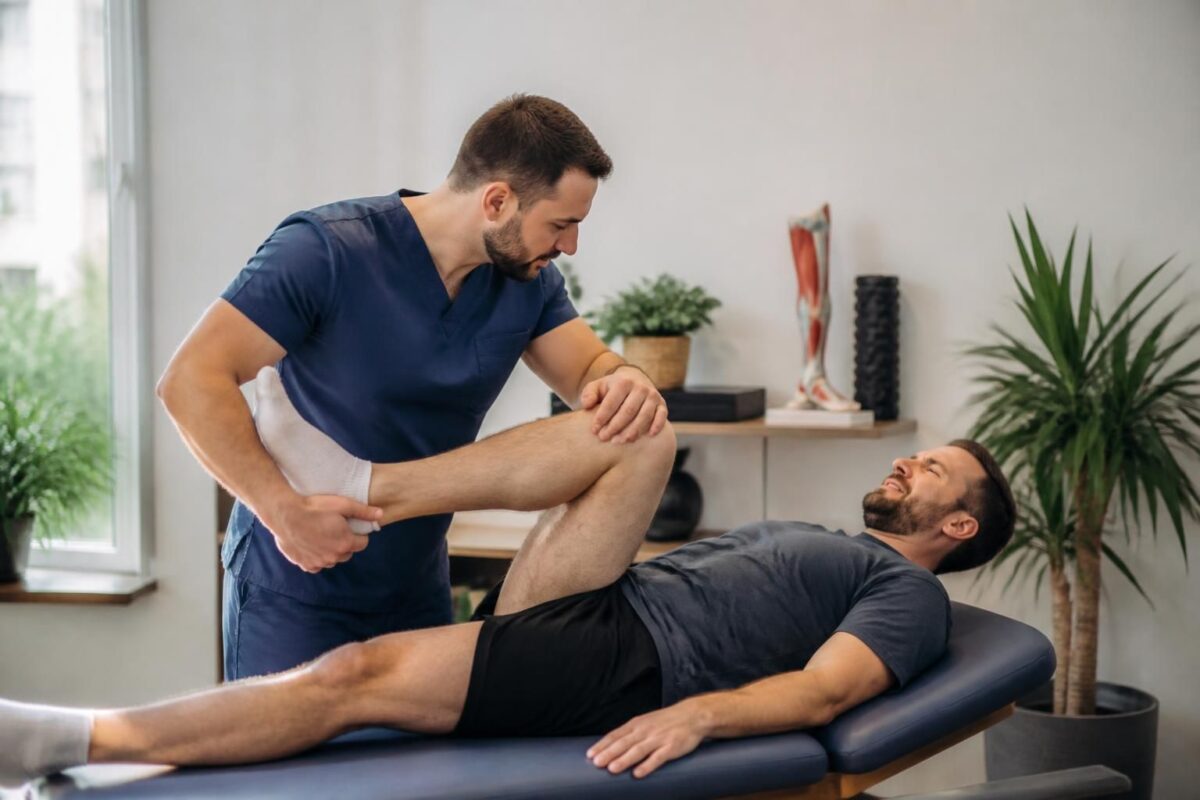
In short In short, Osteopathy is one Global manual approach aimed at reducing Chronic leg pain and improve the quality of life. What is it? Non-drug therapy using the hands to identify restrictions and treat lesional chains. How does it…
How osteopathy supports recovery after complex surgery
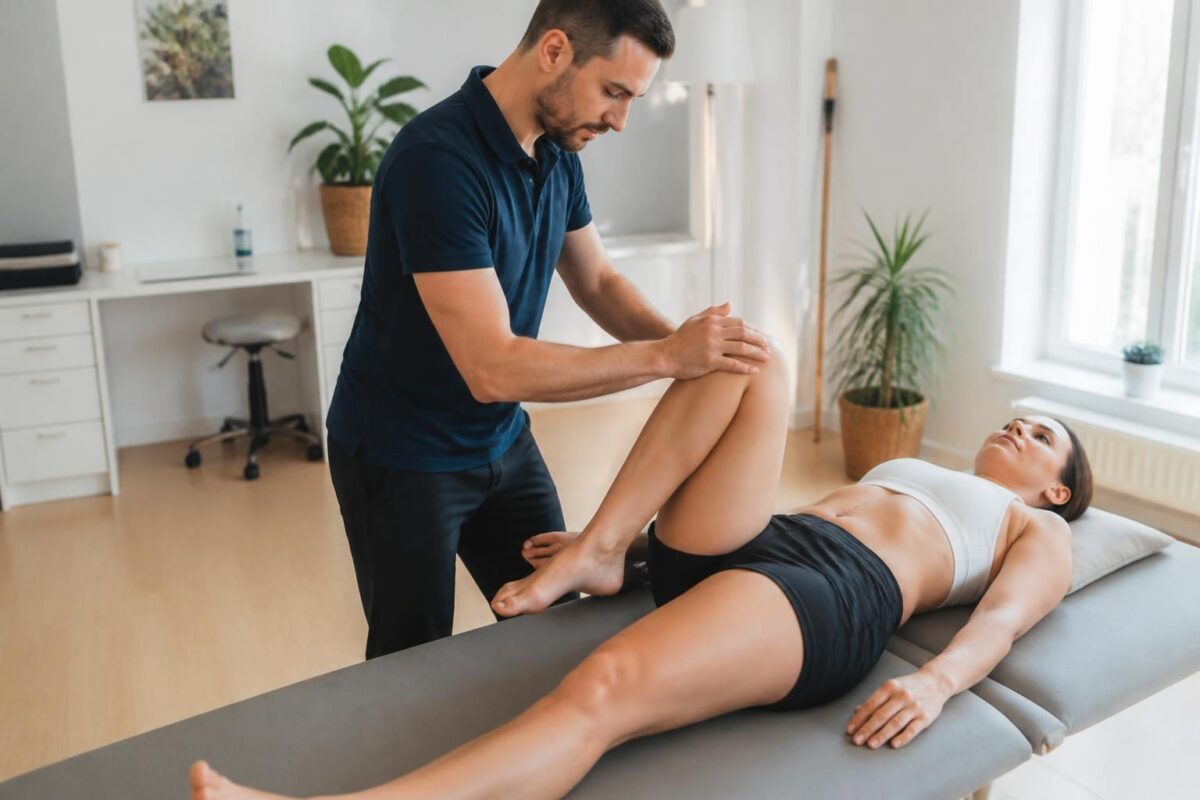
In short In short, Post-operative osteopathy is an approach fresh which supports the recovery After a Complex surgery. It helps to reduce the pain and the fatigue, improves the mobility and accelerates the healing thanks to a better vascularization and…
Clinical evidence and observed benefits
Several clinical data sets and reviews support the effectiveness ofost in reducing pain and improving mobility in people with muscle tension and low back pain. These results are part of a holistic vision that favors treatments non-drug and a patient-centric approach. For a general perspective on efficiency and mechanisms, see the DDR Desforges view: Why osteopathy is effective against muscle tension and The benefits of osteopathy to ease muscle tension.
Examples of scientific productions and syntheses describe a reduction in pain and an improvement in function after osteopathy sessions, with favorable effects on sleep and anxiety in certain contexts of chronic tension. For recent searches and specific analytics, see the following resources: Muscle Tensions – Natural Solutions Osteopathy and Impact on stress and tension.
Practical applications and advice
To make the most of OST in the management of muscle tension, it is useful to associate the sessions with simple habits: posture adapted, Regular physical activity and Stretching/Strengthening targeted. The objective is to establish a routine that maintains mobility and limits relapses. Practical file and additional resources on tension prevention and the essential role of osteopathy in mobility: Why osteopathy is essential to maintain good posture, How osteopathy helps treat neuropathic pain, and Muscle Relaxation – The Benefits of Osteopathy.
Resources and additional links
To deepen, additional resources and articles address the mechanisms, benefits and practical applications of osteopathy in the management of muscle tension: Osteopathy and mobility, The benefits of osteopathy for athletes and amateurs, and Understanding its principles and benefits. For a medical and technical perspective, Why osteopathy is effective against muscle tension and Osteopathy and stress – Relationship tensions and stress.

Dr Sylvain Desforges, B.Sc., D.O., N.D., osteopath, is the founding president of TAGMED and of the ACMA association. He dedicates his practice to chronic spinal pain, low back pain and symptoms compatible with sciatica, particularly when pain radiates toward the buttock, leg, calf, foot or toes.
Through SOS Sciatique, he publishes educational content on sciatica symptoms, possible causes such as disc herniation, disc narrowing, foraminal stenosis or irritation of a lumbar nerve root, as well as non-surgical approaches that may be considered according to the evaluation. At Clinique TAGMED, care may include, depending on the case, motorized neurovertebral decompression, specific osteopathic care or precision percussion.
For an evaluation related to sciatica treatment in Montreal / Mount Royal or sciatica treatment in Terrebonne, please consult the services available at Clinique TAGMED.
Medical disclaimer
The information published on SOS Sciatique is provided for educational purposes only and does not replace a consultation, diagnosis, opinion or treatment provided by a physician or another authorized healthcare professional. The author of this article is neither a medical doctor nor a specialist in a medical specialty recognized by the Collège des médecins du Québec. The osteopathic, manual medicine or functional support approaches described on this site do not constitute medical acts and are not intended to replace medical follow-up.
Consult a physician or emergency service in cases of loss of bladder or bowel control, anesthesia in the saddle area, significant or progressive weakness in the leg or foot, fever, recent trauma, severe pain or rapid worsening of symptoms. For more details, please read our Legal Notice.