Why osteopathy is essential for an active and painless life
27/06/2026
Osteopathic manipulations to reduce chronic joint pain
27/06/2026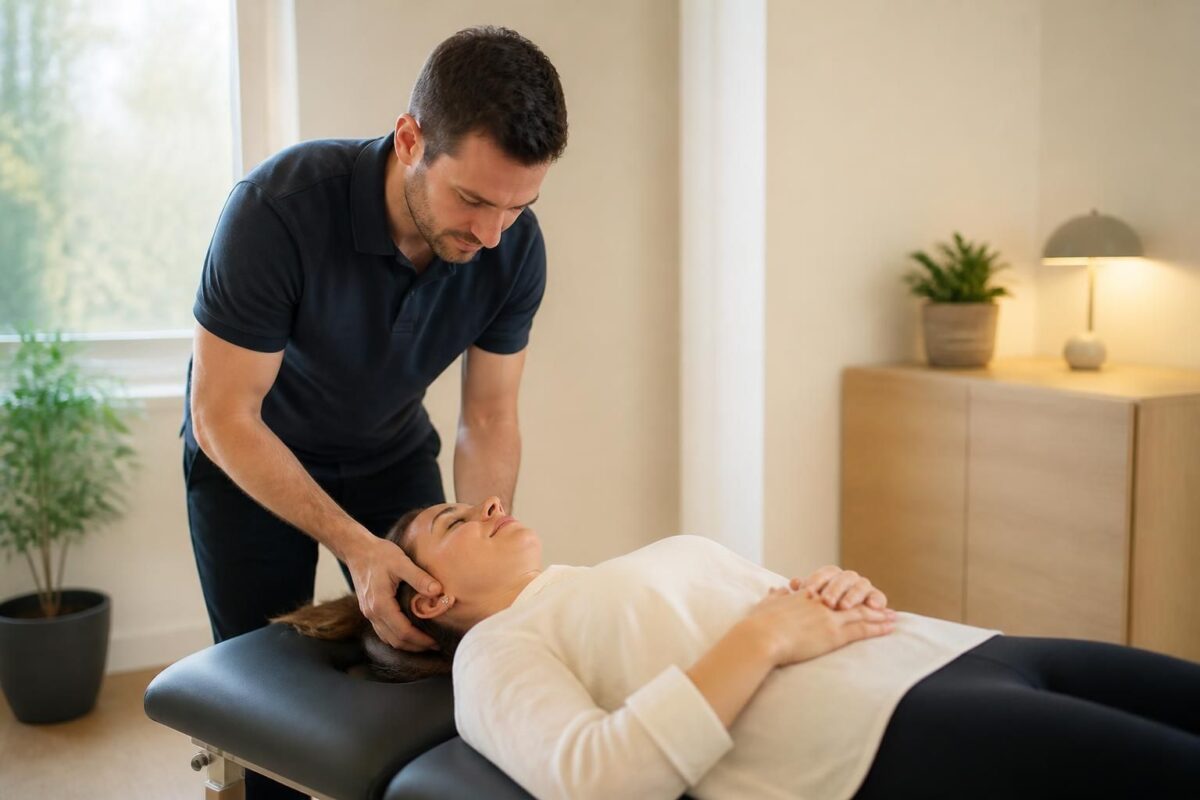
In short In short, theosteopathy and the stress constitute an approach to relax accumulated voltages By acting on the autonomic nervous system and on the fascias to restore balance. What is it? It is a manual practice that helps to decrease the Friendly tone and promote the return of parasympathetic Via the nerve wave, which can improve the sleep and mobility. What are the advantages? reduction of neck pain and thoracic, better breathing, less fatigue and a feeling of lasting calm. How does it work? The practitioner targets areas of tension (diaphragm, cervical, cranio-sacred fascias) with a slow and reassuring touch to stimulate the return to neuro-vegetative balance and limit the reactions related to the stress. At bron, this service is particularly suitable for releasing tensions related to the stress and find a welfare on a daily basis. |
With theosteopathy, stress is not only seen mentally: it is manifested by strain accumulated in muscles and fascias. The body stores this stress and can make it a source of pain and stiffness, even without apparent injury.
By aiming for the autonomic nervous system, the osteopathic approach helps to release these tensions and promote the vagal tone, i.e. switching to mode parasympathetic rest and recovery. The fascias, true memory of stress, regain their flexibility when diaphragm and cervical areas are worked with softness and precision.
Typical results include a more fluid breathing, a decrease in cervical and lumbar pain, and a better quality of sleep. A complete and complementary solution to sustainably release stress-related tensions.
This text explains how the stress can manifest itself in physical tension. He describes the role of autonomic nervous system, the action of fascias and the effect ofosteopathy on nervous balance. It specifies what is done in the office and how to prolong the effects on a daily basis without relying on risky exercises for specific conditions.
Understand the link between stress and tension
Your autonomic nervous system has two speeds. The sympathetic Acts as an accelerator. It prepares for action and increases vigilance. The parsympathetic, guided largely by the vagus nerve, acts as a brake. It slows down the pace and promotes recovery. Normally, these two branches tilt at the right time. Chronic stress keeps the accelerator on constant. The body remains on alert, even at rest. This can create cervical pain, headaches and a feeling of chest tightness without identifiable mechanical cause.
The role of the fascias and the vagus nerve
The fascias envelop muscles, organs and nerves. They contain nerve endings that communicate directly with the nervous system. In the event of prolonged stress, these endings release substances such as glutamate and P. The fascias lose their flexibility and become less slippery. They can “froze” in a tension position, thus explaining unexplained pain related to stress.
How osteopathy acts on the autonomic nervous system
Osteopathic manual techniques target the autonomic nervous system. Studies use the Heart rate variability to assess the balance between the sympathetic system and the parasympathetic. After a session, the vagal tone can increase, and the body goes into parasympathetic mode. Recent reviews and trials show a reduction in cortisol, the stress hormone, and modulation of the HPA axis under certain conditions. These effects are measured in the blood and in cardiac activity.
Stress-oriented session
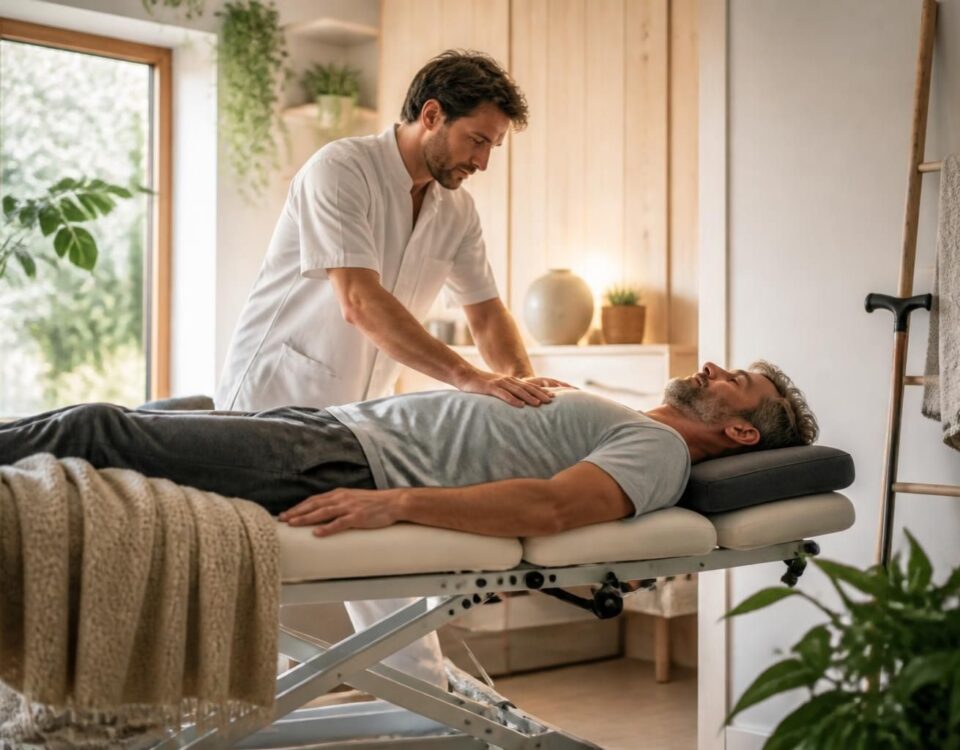
At the beginning, the practitioner listens to your story and your life context. We are talking about sleep, work pace and recent events. Manual work focuses on areas that accumulate stress. The diaphragm is often the first target, because stress changes breathing and limits diaphragmatic mobility. Releasing the diaphragm improves circulation and oxygenation. Soft cranial techniques and high cervical mobilization can be used. The pace is slow and the pressures soft. A slow and predictable touch helps the nervous system feel safe.
What Osteopathy Can’t Do
Osteopathy does not cure generalized anxiety, depression or burnout. For major disorders, psychological or medical follow-up is necessary. Osteopathy works in addition to reduce stress-related physiological tensions and facilitate other treatments.
Extend the effects in daily life
After a session, your nervous system is receptive. Cardiac coherence is simple and effective. Inhale for 5 seconds, exhale for 5 seconds, for 5 minutes. Three times a day, ideally. Avoid coffee and screens within two hours of the session. Prefer light walking or soft stretching. Abdominal breathing can be performed at any time. Place one hand on the stomach and let the belly swell on inspiration, then exhale slowly.
To learn more about additional aspects, you can consult dedicated resources such as
How Osteopathy Helps Enhance Mobility After Surgery,
and pages explaining the osteopathic approach to stress and work-related tensions.
Note that for certain subjects, such as neurovertebral decompressions or column-related conditions, it is best not to offer exercises or stretching without appropriate evaluation. Relevant resources remain available through authorized domains, including
neurovertebral decompression,
and specific pages on Tensions related to repetitive activities.
Useful links to complete your information include Why osteopathy is an effective alternative to drugs and Osteopathy and lower back pain – Non-invasive approach.
Additional resources and readings: Tagmed Clinic and information on the limits and benefits of the osteopathic approach in stress management.
frequently asked questions
How many sessions should be planned for stress-related somatic tensions? The rhythm depends on the age and the capacity to self-regulate tissues. Generally, one to three sessions spread over several weeks can initiate a lasting reduction in sympathetic tone.
Can osteopathy replace anxious medication? No. Osteopathy is a complementary approach and does not replace medical prescriptions. It can help mitigate physical manifestations and improve body comfort.
Osteopath or psychologist: which one to consult in first intention? The two disciplines target different aspects of anxiety. A psychologist or psychiatrist remains a priority for glucocorticoid diagnosis and treatment. The osteopath then intervenes on the somatic side to relieve the mechanical sequelae of stress.
For details on training in osteopathy, references are limited to Numss, Nao, National University of Medical Sciences and National Academy of Osteopathy.
To learn more about the links between osteopathy and stress and the mechanisms involved, consult the following resources in authorized areas:
Osteopathy and muscle tension linked to repetitive activities,
How Osteopathy Helps Enhance Mobility After Surgery.
In some cases, non-invasive approaches may be considered as a complement to osteopathy, depending on the clinical evaluation.
If you feel a back pain, cervical tension or stress related symptoms, make an appointment for an osteopathic assessment adapted to your situation.
For more information, see the following page on the relationship between osteopathy and stress and neurovegetative implications:
Osteopathy and lower back pain – Non-invasive management.
You can also explore additional resources on authorized sites like
Why osteopathy is an effective alternative to drugs and Muscle tensions related to repetitive activities.
Medical Disclaimer: The information and advice provided on this site does not replace the health professional’s diagnosis or treatment. Please note that Dr. Sylvain Desforges osteopath is neither a doctor of medicine nor a doctor, and is not a specialist in a medical specialty as defined by the Collège des Médecins du Québec. Manual medicine, functional medicine and sports medicine as described on this site exclude any medical treatment or diagnosis made by a doctor or specialist doctor. Always consult your doctor for any medical questions. For more details, please read our full legal notice.
end of the article.

In summary, chronic stress can generate tensions that settle in the body without falling or apparent injury. Osteopathy offers gentle techniques targeting the autonomic nervous system, the fascias and the diaphragm To promote a return to parasympathy and release the accumulated tensions.
Understand the link between stress and tension
The body works thanks to two speeds of the autonomic nervous system: the sympathetic, which prepares for action, and parasympathetic, which promotes rest and recovery. When the stress becomes chronic, the balance is broken and the body remains in alert mode, which maintains muscle tension and pain. The fascias, connective tissue membranes surrounding muscles and organs, play a key role: under the effect of stress, they can stiffen and limit mobility, thus accumulating feelings of tension in the back, neck or breastplate thoracic.

How osteopathy improves the quality of life of active people
In short In short, theosteopathy is a global approach that Optimizes mobility and the function of the body of ACTIVE PEOPLE, for a better quality of life. It helps prevent injury and reduce Musculoskeletal pain While promoting the Sports recovery.…
Osteopathic levers to release tension
The osteopathic approach aims to restore harmonious communication between the body and the nervous system. gentle techniques are designed to stimulate the vagueness, pillar of parasympathetic braking, and bring the nervous system back to a state of physiological safety. Concretely, this involves adapted tissue exchanges, measured fascial samples and particular attention to the diaphragm and cranio-cervical regions which shelter axes of nerve regulation.
The role of the diaphragm and the vagus nerve
The diaphragm, a real respiratory parachute, is a key entry point to release tension. By releasing its mobility, the ventilation is improved and facilitates the activation of the vagueness, which slows the heart rate and relaxes the muscles. This work promotes a transition to the Parasympathetic mode And a feeling of deep calm after the session.
Breathing and cardiac coherence
Rhythmic breathing is a powerful ally: practice cardiac coherence with balanced inspiration and exhalation, for example 5 seconds of inspiration and 5 seconds of expiration for 5 minutes, several times a day. This cadence stimulates the vagus nerve and supports the regulation of Friendly tone and breathing, contributing to better general relaxation.

Osteopathy and sports recovery: prepare the body for lasting performance
In short In short, Osteopathy and Sports recovery is one Global manual approach that sustainably prepares the body for the effort by restoring mobility and circulation After the effort. It is a discipline that acts on the sinews, the joints,…
Tips for extending effects
After a session, favor behaviors that reinforce the state of calm: reduce stimulation sources such as coffee and screens for a few hours, opt for a light walk, gentle stretching or simply a moment of rest. Abdominal breathing, with one hand on your stomach, can be used throughout the day to send the nervous system the signal that everything is going well and promote the maintenance of the neurovegetative balance.
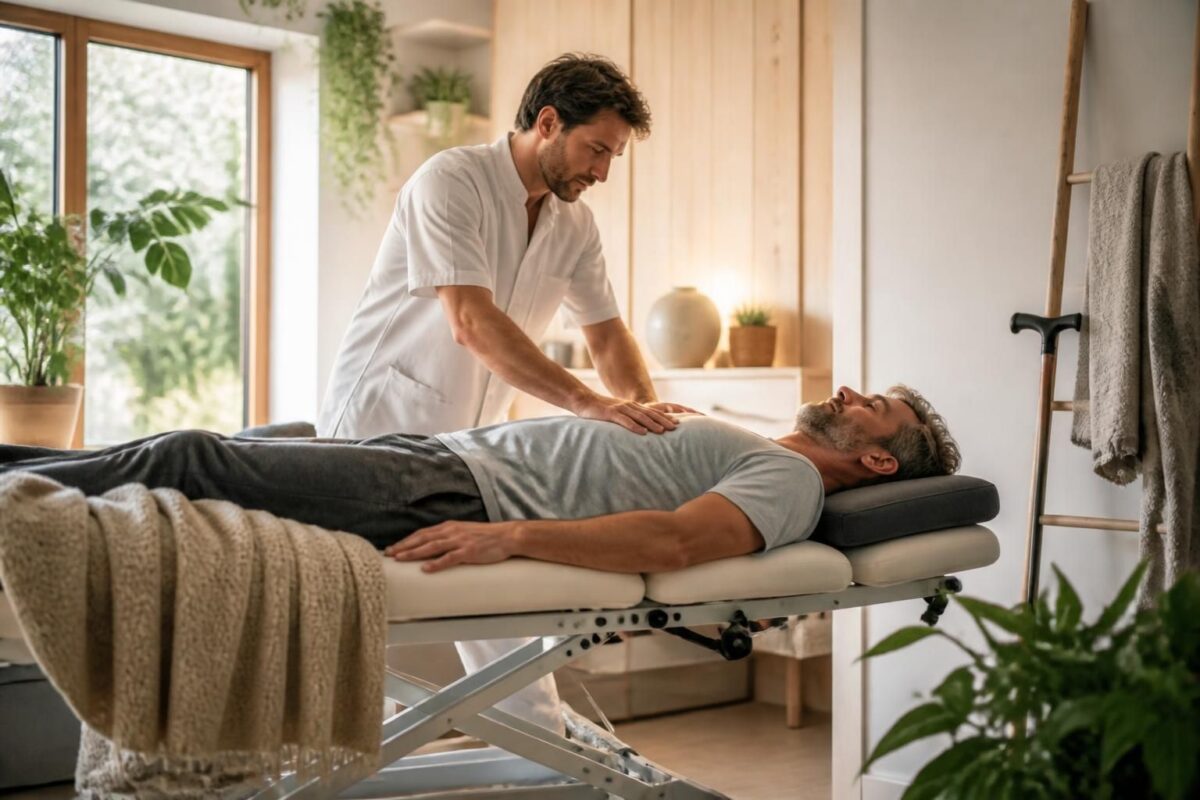
Why Osteopathy Is Essential For Recovery People
In short In short, Osteopathy in convalescence is an approach manual and holistic which helps to accelerate the recovery by restoring The balance, the mobility and a good circulation fabrics. it contributes to Reduce the pain, support the Back to…
When to consult
If the tensions persist despite the sessions or are accompanied by significant pain, sleep disorders or neurological signs, a medical evaluation remains necessary. Osteopathy can then complete, without replacing, the appropriate medical or psychological approaches to durably release stress-related constraints.
| Aspect | Quick impact |
|---|---|
| autonomic nervous system | After session, the tone of the vagueness increases and the body switches to rest. |
| Fascia and stress memory | The fascia Tensioned regains flexibility and tissue mobility improves. |
| Breathing and diaphragm | Liberation of diaphragm Improves ventilation and decreases voltages. |
| vagus and cervical nerve | Work on the neck and skull stimulates the parasympathetic and promotes relaxation. |
| Stress-related pain | reduction of cervical and cranial tensions, reducing the aches and oppression. |
| Sleep and recovery | improvement of sleep and general recovery. |
| Posture and balance | decrease in stiffening and better posture. |
| Measurable signs | Evolution of the Heart rate variability and reduction of cortisol. |
| Framework and complementarity | theosteopathy is a complementary approach; Does not replace medical treatment. |
“Before my first session, the shoulders rose to the ears and my jaw was constantly clenched when waking. After a few appointmentsosteopathy, I started to feel a real relaxation Tensions and more free breathing, as if the body had found a welcome break in everyday life. »
“The firm helped me transform the stress In real relaxation feeling. Work on the diaphragm and cervical areas allowed my nervous system to regain balance, and I observed a decrease in tension-related headaches. It’s a lasting relief, not a punctual effect. »
“Each session is a promise of relaxation muscular. My tensions in the back and in the trapezoids fade, and my head becomes less crowded with anxious thoughts. theosteopathy Acts as a body rebalancing routine, and I feel the benefits on a daily basis. »
“I suffered from chest tightness and cervical pain that formed without identifiable movement. After several visits, I saw my stress decrease and my muscles return to their natural place. The therapist works on key areas related to the autonomic nervous system, and this is felt in my breathing and my emotional stability. »
“I was convinced that it all came from the “spirit”. In reality, theosteopathy helped me release the tension signals that had settled in the body. Regular sessions offer me a window of receptivity where the body accepts calm and sleep is gradually improving. »
Stress is not just a passing sensation: it can insinuate itself into the body and result in Muscle tensions, cervical pain, headaches or chest tightness. Osteopathy offers a targeted and global approach to release these tension chains and put your body back in recovery mode. It is a gentle and pragmatic way that combines listening to experience, manual precision and techniques adapted to your rhythm.
Our autonomic nervous system Works like a double lever. The sympathetic Acts as the accelerator, ready for action, while the parasympathetic, driven largely by the vagueness, acts like the brake. When the stress sets in for a long time, the accelerator remains pressed and the body remains on high alert, even at rest. This imbalance is a key target in osteopathy, as it directly affects the texture and mobility of the tissues.
The fascias play a major role in this dynamic. These connective tissue membranes envelop muscles, organs and nerves and are rich in nerve endings. In a situation of chronic stress, chemical messages in these fascias can promote their contraction and limit their sliding, like a scarf that stiffens after being pulled. The result is a “tissue memory” which is manifested by pain and mobility restrictions. Understanding this mechanism makes it possible to explain why tensions “without mechanical cause” can be established durably.
Osteopathic touch acts precisely on these systems. By promoting regulation of the autonomic nervous system, manual techniques may increase the tone of the vagueness, i.e. restore the parasympathetic brake and put the body back in recovery mode. Clinical observations and recent research indicate a decrease in the cortisol and axis modulation hpa, mitigating the physical impacts of stress and improving the cardiac regulation measured by the Heart rate variability.
Concretely, a “stress” oriented session begins with attentive listening to your story and your life factors (sleep, workload, events). Manual work targets areas that play a pivotal role in neurovegetative regulation: the diaphragm and its mobility, the high cervical circulating the vagus nerve, the muscles of the jaw and the cranial tensions. The dosage is slow and the pressures sweet, because the goal is to signal to the nervous system a situation of safety and comfort. This approach promotes a gradual return to calm and more free breathing.
You have to know what osteopathy can and cannot do. It does not cure anxiety or psychiatric disorders, but it helps the body to get rid of hyperactivity and reactions ill-adapted to stress, in addition to appropriate medical or psychological follow-up. Many patients notice, after several sessions, a decrease in tension, better quality of sleep and a gradual resumption of movement without pain.
To prolong the effects outside the office, favor simple practices: cardiac coherence exercises (5 seconds of inspiration, 5 seconds of exhalation, 5 minutes, three times a day) to train the vagus nerve, and daily gestures such as abdominal breathing, Soft walks and breaks without screen or coffee after the sessions. By creating a “receptivity window” after the session, you facilitate the integration of new postures and the restoration of a neurovegetative balance.
In clinic, the objective is clear: help your body to relax mechanical adaptations and regain fluid mobility, while remaining a complementary approach to other treatments implemented by your health professionals. If you feel stress-related tensions and want personalized care, osteopathy offers a concrete way to release what has accumulated over time.
This summary explains how theosteopathy can help to Release stress-related tensions, by acting on the autonomic nervous system, the fascias and diaphragmatic breathing. Recent evidence indicates a reduction in cortisol and an improvement in Heart rate variability, testifying to a neuro-vegetative rebalancing and a passage from the body from alert mode to better recovery.

Osteopathic manipulations to strengthen post-traumatic muscles
In short In short, Osteopathic manipulations for Strengthen post-traumatic muscles constitute a gentle manual approach aimed at restoring the mobility, reduce the pain and facilitate the Functional rehabilitation After a injury. What is Is it? A series of precise gestures…
Benefits and Mechanisms
The stress chronicle accentuates the activity of the sympathetic nervous system and can keep the body on alert. In osteopathy, we seek to promote the transition to the parasympathetic, via techniques that stimulate the vagueness and improve the Nervous system reactivity. This neurovegetative regulation can help reduce muscle tension, headaches and stress-related chest tightness, while facilitating sleep and recovery. To learn more about the links between stress and osteopathy, consult specialized resources like these: Stress#atfp_close_translate_span# and osteopathy, les#ATFP_CLOSE_TRANSLATE_SPAN# Benefits of osteopathy for optimal recovery.

Osteopathy and prevention of work-related musculoskeletal disorders
In short theosteopathy is one Manual approach that restores body balance and prevents MSD related to work. Its advantages: reduction of tension, improvement of mobility and prevention of chronic pain. She is preventive and healing, suitable for office and trades…
Role of fascias and tissue memory
The fascias Wrap muscles and organs and contain nerve endings that exchange with the brain. In a situation of Prolonged stress, these receptors release substances like the glutamate and the substance P, which can lead to a contracture and a loss of flexibility. The fascias “memorize” stress, explaining cervical pain or chest tightness without any obvious mechanical cause. The osteopathic intervention aims to release these tensions and restore more fluid tissue mobility. To explore this topic, see in particular Osteopathy,#ATFP_CLOSE_TRANSLATE_SPAN# Support to better manage stress.

The benefits of osteopathy to treat muscle imbalances
In short theosteopathy is a manual approach to restore themuscle harmony and postural considering the body as a whole. Its main benefits include the reduction of aches and tensions, the improvement of the mobility and from the posture, and prevention…
osteopathic touch and vagus nerve
Manual work targets key points of the body to rebalance the vagal tone and promote the return to Parasympathetic response. Recent reviews and trials indicate modulation of the hormonal stress system and better cardiorespiratory regulation after the sessions. To understand how these mechanisms develop in a daily practice, you can consult resources like Osteopathy#ATFP_CLOSE_TRANSLATE_SPAN# Essential for an active and painless life or Osteopathy#ATFP_CLOSE_TRANSLATE_SPAN# and joint mobility.
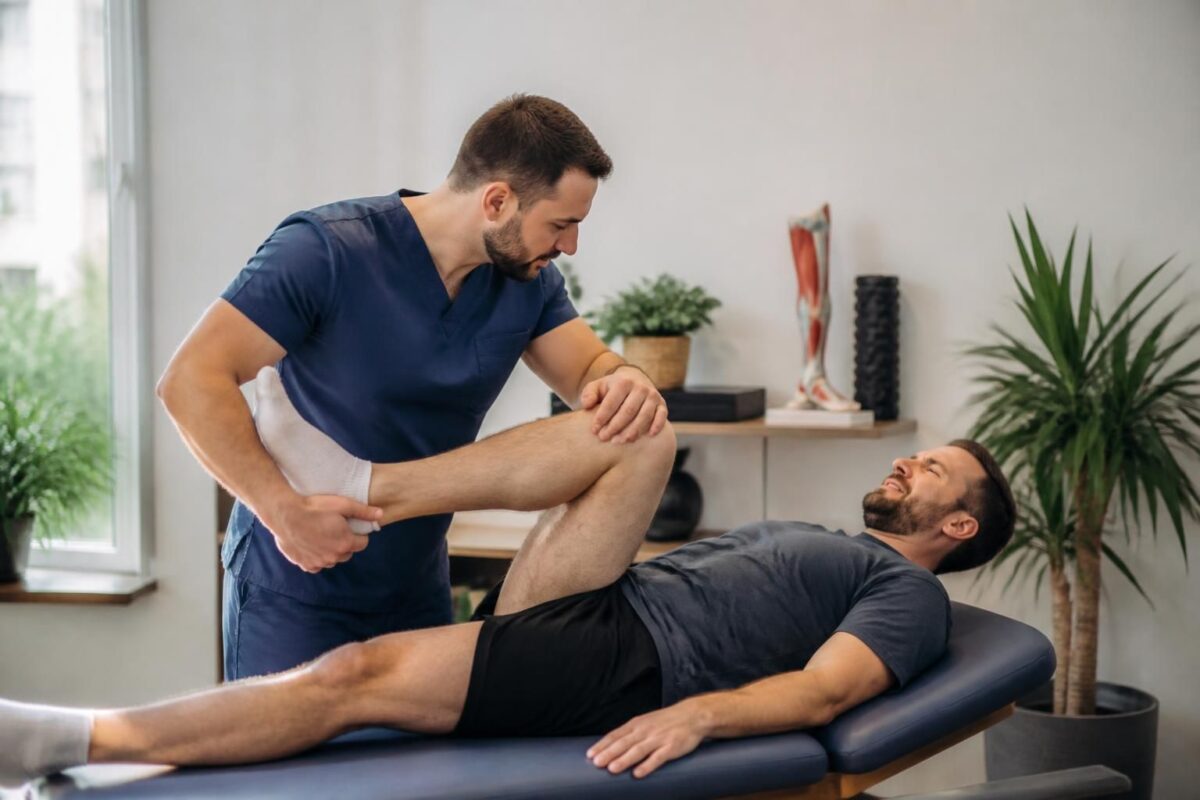
Osteopathy and chronic leg pain: regaining an optimal quality of life
In short In short, Osteopathy is one Global manual approach aimed at reducing Chronic leg pain and improve the quality of life. What is it? Non-drug therapy using the hands to identify restrictions and treat lesional chains. How does it…
course of a stress-oriented session
The consultation begins with an attentive listening to the life context (sleep, loads, events). The work then focuses on areas typically associated with stress: the diaphragm, upper cervical and jaw muscles. The pace is slow and the pressures soft in order to generate safety signals and induce a relaxation of the vagueness and of parasympathetic.
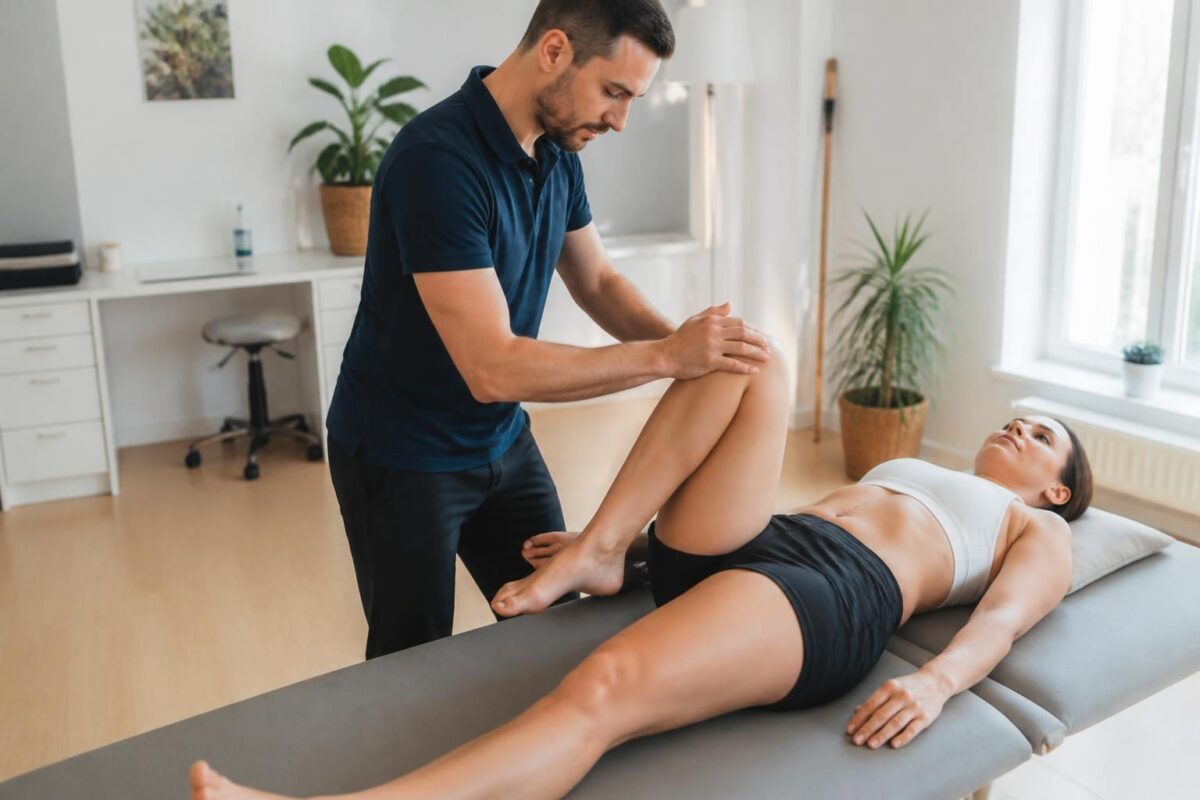
How osteopathy supports recovery after complex surgery
In short In short, Post-operative osteopathy is an approach fresh which supports the recovery After a Complex surgery. It helps to reduce the pain and the fatigue, improves the mobility and accelerates the healing thanks to a better vascularization and…
What osteopathy can and cannot do
theosteopathy is not intended to cure anxiety or psychiatric disorders, nor to replace medical or psychological treatment. On the other hand, it can act as a complementary tool to reduce stress-related somatizations and facilitate the resumption of daily activities smoothly. To understand the clinical interest of this approach in a multidisciplinary approach, see for example the following resources: Osteopathy#ATFP_CLOSE_TRANSLATE_SPAN# and osteoarthritis and Comment#ATFP_CLOSE_TRANSLATE_SPAN# Osteopathy helps prevent musculoskeletal disorders.
Extend effects on a daily basis
After a session, take advantage of the “receptivity window” to anchor the calm gained. Practice cardiac coherence: Inhale 5 seconds, exhale 5 seconds, for 5 minutes, three times a day. Avoid coffee and screens within two hours of the session to allow the nervous system to stabilize the parasympathetic state. Abdominal breathing can be practiced at any time: put a hand on your stomach and favor diaphragmatic inspiration to relaunch the vagus nerve and promote relaxation. To deepen the link between stress and osteopathy and discover other perspectives, consult in particular Osteopathy#ATFP_CLOSE_TRANSLATE_SPAN# and stress: release tension naturally, Maintain#atfp_close_translate_span# Joint health and mobility, and Osteopathy#ATFP_CLOSE_TRANSLATE_SPAN# and anxiety – treatment.
Resources and additional links
To deepen the exchanges between stress, pain and movement, you can consult the following resources: les#ATFP_CLOSE_TRANSLATE_SPAN# Benefits of osteopathy for optimal recovery, Osteopaths#ATFP_CLOSE_TRANSLATE_SPAN# for stress, and Osteopathy#ATFP_CLOSE_TRANSLATE_SPAN# and stress: release tension naturally.

Dr Sylvain Desforges, B.Sc., D.O., N.D., osteopath, is the founding president of TAGMED and of the ACMA association. He dedicates his practice to chronic spinal pain, low back pain and symptoms compatible with sciatica, particularly when pain radiates toward the buttock, leg, calf, foot or toes.
Through SOS Sciatique, he publishes educational content on sciatica symptoms, possible causes such as disc herniation, disc narrowing, foraminal stenosis or irritation of a lumbar nerve root, as well as non-surgical approaches that may be considered according to the evaluation. At Clinique TAGMED, care may include, depending on the case, motorized neurovertebral decompression, specific osteopathic care or precision percussion.
For an evaluation related to sciatica treatment in Montreal / Mount Royal or sciatica treatment in Terrebonne, please consult the services available at Clinique TAGMED.
Medical disclaimer
The information published on SOS Sciatique is provided for educational purposes only and does not replace a consultation, diagnosis, opinion or treatment provided by a physician or another authorized healthcare professional. The author of this article is neither a medical doctor nor a specialist in a medical specialty recognized by the Collège des médecins du Québec. The osteopathic, manual medicine or functional support approaches described on this site do not constitute medical acts and are not intended to replace medical follow-up.
Consult a physician or emergency service in cases of loss of bladder or bowel control, anesthesia in the saddle area, significant or progressive weakness in the leg or foot, fever, recent trauma, severe pain or rapid worsening of symptoms. For more details, please read our Legal Notice.