How Osteopathy Helps Prevent Musculoskeletal Disorders
27/06/2026
Why osteopathy is an effective approach to sciatica
27/06/2026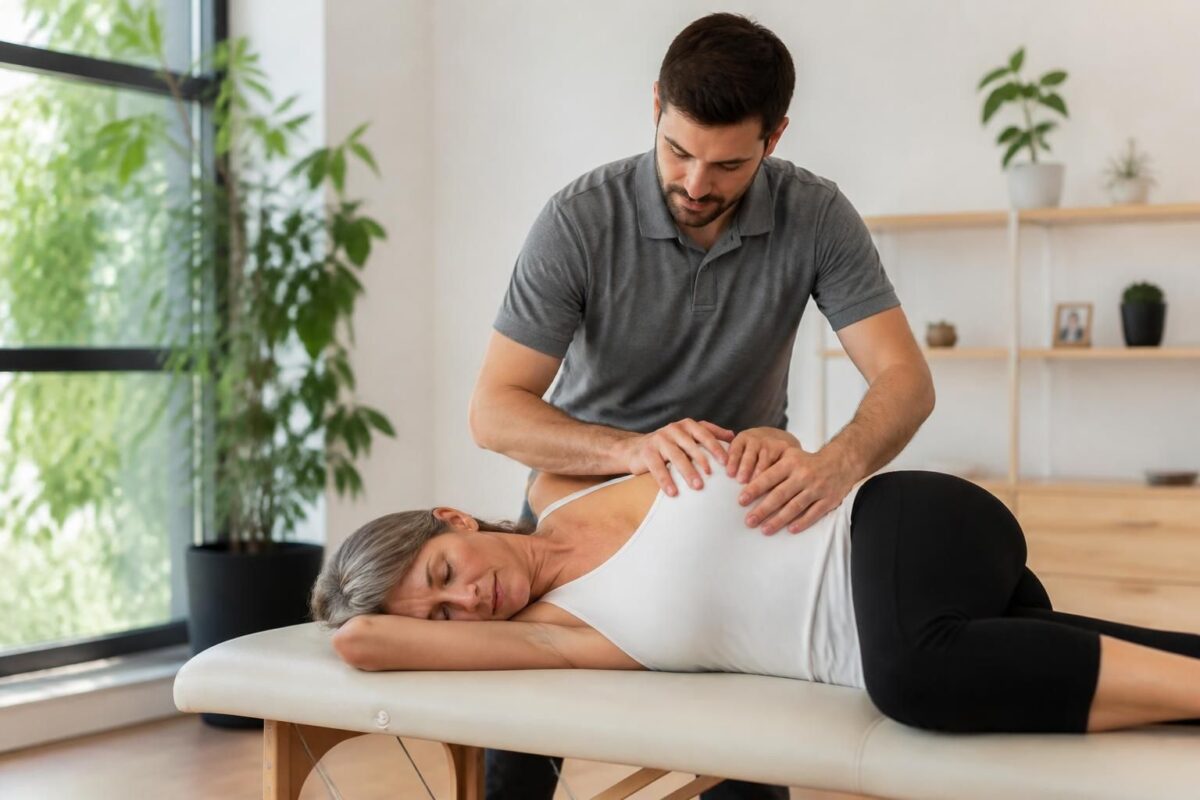
In short
|
In short, theosteopathy and theosteoarthritis designate an approach non-drug which complements medical treatments to relieve pain and restore the mobility on a daily basis. Key benefits include better mobility, a reduction in pain, the Strengthening the muscles around the joints and the possibility of maintaining a Adapted physical activity without systematically resorting to pharmaceuticals. how it works: targeted sessions and a Secure program allow you to integrate adapted exercises and to practice a Adapted physical activity, while remaining Without medication. In Montreal, this service is particularly recommended for people with osteoarthritis seeking to improve their quality of life and their mobility without medication. |
For theosteoarthritis, Osteopathy OFFER A Relief without medication, in addition to medical treatments to improve the comfort and the mobility. Follow-up may vary depending on pain and progress, but regular support helps preserve mobility in the long term. Furthermore, Adapted exercises and one Secure program Allows you to practice physical activity, strengthen the muscles around the joints and reduce pain.
Quick summary: theosteopathy can help to relieve Symptoms of theosteoarthritis without systematically relying on drugs. It aims to improve mobility, reduce tension and promote better daily comfort. It does not replace medical treatments, but completes them. This article explains how this translates into practice, when to consult and what an osteopathic program can offer.
How does osteopathy work on osteoarthritis?
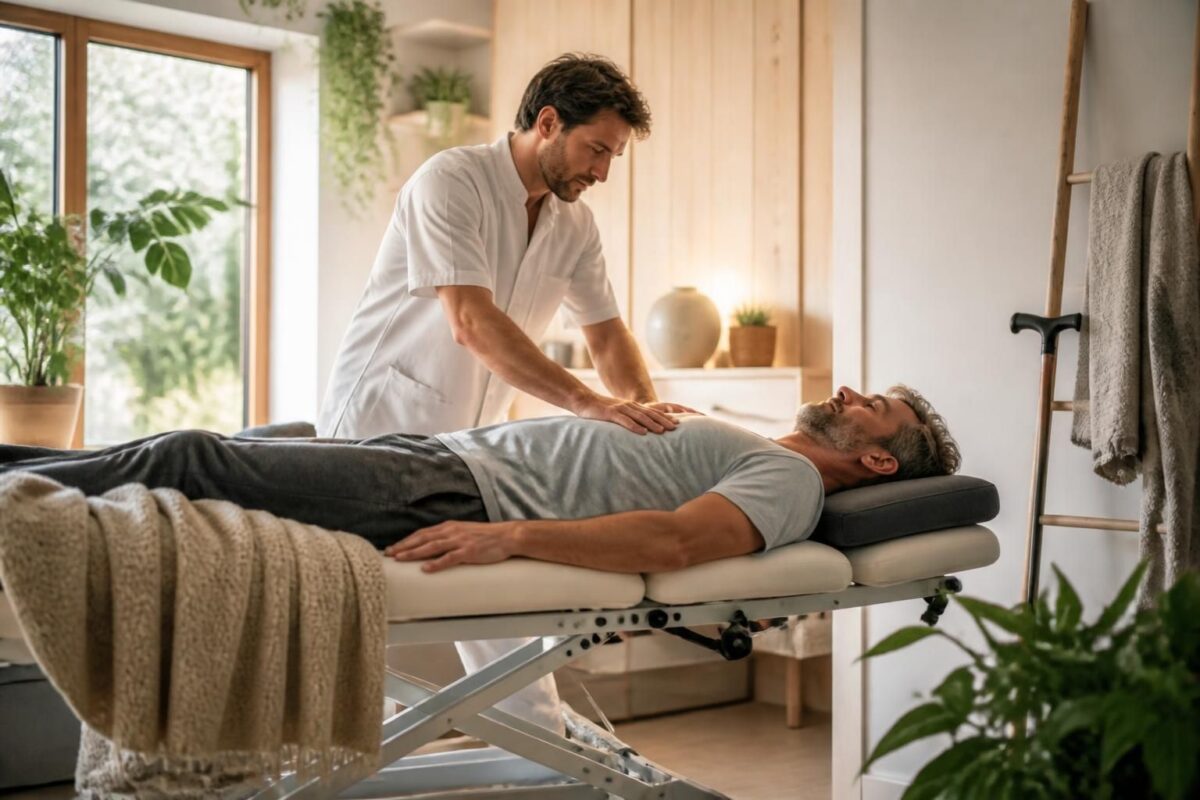
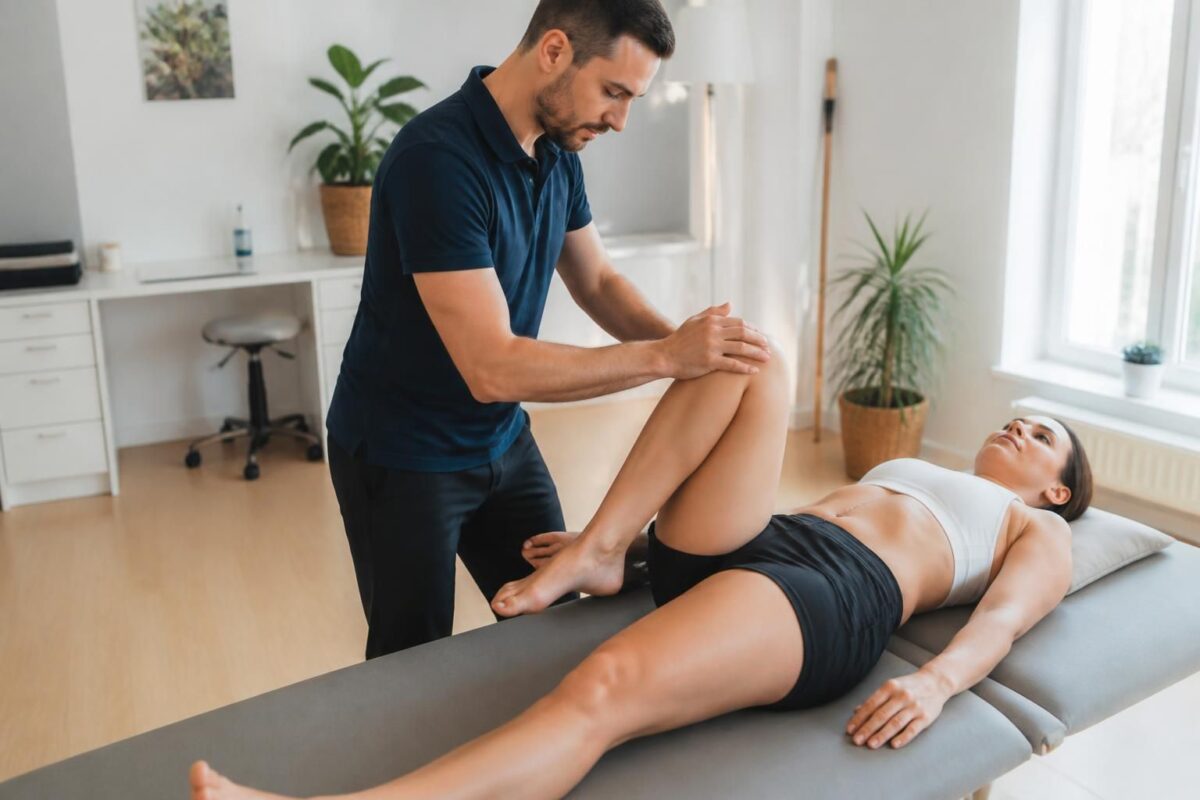
After an evaluation, osteopathy uses manual techniques to promote joint movement and reduce muscle tension. The goal is to improve function and comfort, without upsetting the treatments in progress. The approach is based on clinical observations and a cautious and safety relationship with the patient. To learn more about the positive effects of osteopathy, see the article The lasting effects of osteopathy on physical well-being.
Frequency and tracking
The frequency of visits depends on the pain and the progression of osteoarthritis. Regular follow-up can help maintain the mobility and quality of life. The osteopath adjusts the plan according to the symptoms and progress observed. The application of osteopathy in functional rehabilitation can shed light on this approach: Functional rehabilitation.
Adapted physical activity and safety
Yes, it is possible to practice physical activity with osteoarthritis. Appropriate exercises strengthen the muscles around the joints and reduce pain. The osteopath can offer a Secure program and personalized, without imposing risky gestures. For an overview of the benefits of osteopathy on muscle flexibility, see: How osteopathy promotes better muscle flexibility.
Who is osteopathy for osteoarthritis for?
This approach is mainly suitable for adults with signs of osteoarthritis and seeking an alternative or natural supplement to drug treatments. Trained osteopaths follow recognized courses and can be affiliated with relevant professional organizations. Trainings like Numss, NAO, National University of Medical Sciences or National Academy of osteopathy are recognized in the field. They can also be members of organizations such as ACMA, College of Canadian Osteopaths or College of Canadian Osteopaths.
For situations affecting the spine and associated structures, evaluation and management remain individualized. In some cases, specific protocols exist and require an appropriate medical consultation. Useful resources on osteopathy and functional rehabilitation can be found in the associated pages of Functional rehabilitation and other specialized guides.

How osteopathy improves the quality of life of active people
In short In short, theosteopathy is a global approach that Optimizes mobility and the function of the body of ACTIVE PEOPLE, for a better quality of life. It helps prevent injury and reduce Musculoskeletal pain While promoting the Sports recovery.…
What osteopathy can and cannot do
Osteopathy can help relieve pain and improve the mobility overall. It does not replace medical treatment or surgery when these options are indicated. It constitutes a complementary and personalized approach, adapted to each situation after evaluation.
To demystify certain received ideas, you can consult Misconceptions about demystified osteopathy.

Osteopathy and sports recovery: prepare the body for lasting performance
In short In short, Osteopathy and Sports recovery is one Global manual approach that sustainably prepares the body for the effort by restoring mobility and circulation After the effort. It is a discipline that acts on the sinews, the joints,…
Limitations and additional treatments
In cases where mirror intervention is needed, some patients may be referred to more specialized options. For aspects related to neurovertebral decompression or under conditions such as herniated discs and stenosis, professionals favor in-depth evaluation and appropriate protocols, without proposing inappropriate exercises or stretching in these frameworks.
Thus, osteopathy is part of a global care pathway, and can be associated with additional resources and treatments available via the reference pages SOS SCIATIC and clinical information from the TagMed Clinic: Tagmed Clinic.
Disclaimer: For personalized details and advice, always chat with your attending physician and osteopath. For more information about options and boundaries, see the recognized resources and sites listed above.
Medical Disclaimer: The information and advice provided on this site does not replace the health professional’s diagnosis or treatment. Please note that Dr. Sylvain Desforges osteopath is neither a doctor of medicine nor a doctor, and is not a specialist in a medical specialty as defined by the Collège des Médecins du Québec. Manual medicine, functional medicine and sports medicine as described on this site exclude any medical treatment or diagnosis made by a doctor or specialist doctor. Always consult your doctor for any medical questions. For more details, please read our full legal notice. }
- Targeted evaluation to adapt the non-drug treatment.
- Comfort and mobility gradually improved, without systematic use of a drug.
- Custom program safe and adapted exercises.
- muscle building Around the joints to stabilize movement.
- Osteopathic techniques To relieve pain and improve amplitude.
- Load management and adaptation of daily activities.
- Regular follow-up to assess progress and adjust the program.
- Education On osteoarthritis and the role of osteopathy in the course without medication.

quick summary : This article presents how theosteopathy can contribute to relieve theosteoarthritis without systematically resorting to the medication nor at the surgery, by betting on maintaining the mobility and comfort by soft and secure approaches. He explains when to consult, the principles of exercise programs and the importance of a Secure program personalized.
Why Osteopathy Is Essential For Recovery People
In short In short, Osteopathy in convalescence is an approach manual and holistic which helps to accelerate the recovery by restoring The balance, the mobility and a good circulation fabrics. it contributes to Reduce the pain, support the Back to…
Understanding osteoarthritis and the role of osteopathy
For the osteoarthritis, theosteopathy is not an alternative to medical treatment, but a Complementary approach which aims to reduce the pain and restore the mobility. By working on muscle stress, joints and surrounding tissues, the osteopath can promote a smoother movement and reduce tensions that aggravate discomfort. This approach focuses on the body’s ability to self-regulate and on the rebalancing of the chains responsible for everyday gestures.

Osteopathic manipulations to strengthen post-traumatic muscles
In short In short, Osteopathic manipulations for Strengthen post-traumatic muscles constitute a gentle manual approach aimed at restoring the mobility, reduce the pain and facilitate the Functional rehabilitation After a injury. What is Is it? A series of precise gestures…
Techniques and approaches to relieve drug-free
The osteopathic techniques used in the context of osteoarthritis target the Articulate function, the Muscle stability and the Fabric quality. The work can include gentle mobilizations, muscle relaxation and postural advice, in order to free up areas that limit movement and improve the fulfillment of daily gestures. The goal is to optimize the function joints and promote a Durable comfort without resorting to pharmacological treatments when possible.

Osteopathy and prevention of work-related musculoskeletal disorders
In short theosteopathy is one Manual approach that restores body balance and prevents MSD related to work. Its advantages: reduction of tension, improvement of mobility and prevention of chronic pain. She is preventive and healing, suitable for office and trades…
Role of osteopathy in osteoarthritis management
The role of osteopathy is to support the overall management of osteoarthritis by supplementing medical measures and prescribed exercises. A personalized program can be proposed to improve the mobility, reduce the pain and facilitate the maintenance of an active lifestyle. The relationship with the patient is based on listening, targeted evaluation and the development of a progressive plan that focuses on safety and comfort.

The benefits of osteopathy to treat muscle imbalances
In short theosteopathy is a manual approach to restore themuscle harmony and postural considering the body as a whole. Its main benefits include the reduction of aches and tensions, the improvement of the mobility and from the posture, and prevention…
Frequency of consultations and follow-up
The frequency of visits depends on pain, stage of illness and personal goals. In general, a first set of sessions can be considered over a period of several weeks to assess the reactions and adjust the plan. Regular monitoring can be beneficial in maintaining the mobility and prevent aggravations. The osteopath adjusts the number of sessions and the rhythm according to the evolution and the daily needs.
Osteopathy and chronic leg pain: regaining an optimal quality of life
In short In short, Osteopathy is one Global manual approach aimed at reducing Chronic leg pain and improve the quality of life. What is it? Non-drug therapy using the hands to identify restrictions and treat lesional chains. How does it…
Adapted physical activity and secure program
Yes, theAdapted physical activity is recommended to support joints affected by osteoarthritis. Exercises designed to strengthen the muscles around the joints and improve stability can reduce pain and improve function. The osteopath can offer a Secure program which takes into account the level of fitness, pain and limitations, in order to progress without risk and without overloading the sensitive areas.
EXAMPLE EXAMPLE AND PROGRESSION
Low impact activities, such as swimming or walking, are preferred, with progressive adjustments in intensity and duration. Exercises targeting the support muscles (trunk muscles, thighs and glutes) can be integrated, favoring short and regular series. The program evolves according to the improvement of mobility and individual tolerance, with regular renewals of objectives and posture advice.
How osteopathy supports recovery after complex surgery
In short In short, Post-operative osteopathy is an approach fresh which supports the recovery After a Complex surgery. It helps to reduce the pain and the fatigue, improves the mobility and accelerates the healing thanks to a better vascularization and…
Practical tips for daily medicine without medication
Adopting simple daily habits can reduce symptoms. Prefer overheating before any activity, alternate periods of effort and rest, and adopt postures that respect the joints. Sleep on a suitable mattress and ensure a balanced diet that supports joint health. Take care of your column and posture during domestic and professional activities, and feel free to ask for ergonomic adjustments when needed.
| Axis | Concise lighting |
|---|---|
| Objective main | Sustainably relieves pain and improves drug-free mobility. |
| Approach therapeutic | Osteopathic techniques focused on movement, alignment and targeted reinforcement. |
| Frequency and progression | Consultation adapted to pain and progress to remain active without medication. |
| Activity adapted physique | Safe exercises that strengthen the muscles around the joints. |
| directions and limits | complementary to medical treatment, without replacing the necessary care. |
| Prevention and posture | Advice and postural adjustments to reduce joint stress. |
| Effects and security | no drug side effects; gradual improvement in mobility. |
| Results expected | Progressive improvement in flexibility and comfort during daily gestures. |
| Adaptability of the program | Personalized program according to pain, progression and functional objectives. |
Since I startedosteopathy for my osteoarthritis, my pains decreased and my mobility came back, without recourse to the medication.
I was told that theosteopathy Does not replace drugs or surgery, it complements medical treatments to improve comfort and mobility.
The frequency visits depends on pain and evolution, but a Regular follow-up help to preserve my mobility day after day.
thanks to Adapted exercises and to a Secure program Proposed by Losteopath, I can practice physical activity and strengthen the muscles around the joints.
Since the start of the treatment, I have noticed a decrease in morning pain and more fluid movements during daily gestures, without medication.
This follow-up gave me a lasting routine that preserves my quality of life without depending on heavy drug treatments.
As part of theosteoarthritis, theosteopathy stands out as an approach that backing global treatment without seeking to replace treatments medicinal nor surgical procedures. It acts as a precious complement, aiming to reduce discomfort and restore joint mobility by gentle manual techniques, better posture and better knowledge of your body. The goal is to improve the function on a daily basis while respecting the individual rhythm of each patient.
An essential part of this approach is the integration of adapted exercises. Personalized programs designed to strengthen the muscles that support the joints and stabilize movement, can reduce pain and improve stability. These activities, when they are well dosed, make it possible to maintain mobility without systematically using drugs, and they are part of a proactive and sustainable approach.
The frequency of visits depends on the pain felt and the progression of the disease. Regular monitoring, adjusted to the evolution of symptoms, can help to preserve mobility and prevent outbreaks. The objective is to establish a clear and evolving plan, which guides the patient throughout his journey, favoring lasting results rather than temporary solutions.
Finally, the practice integrates state-of-the-art technologies when it is adapted and secure. Protocols such as spinal decompression, laser interventions and shock wave therapies can complement manual work to optimize comfort and joint function. The set aims to provide support obvious and personalized that focuses on daily safety, efficiency and well-being.
This article demonstrates that Osteopathy can bring a relief of theosteoarthritis without systematically using drugs or surgery, registering as a complement to medical treatments to improve the comfort and the mobility, thanks to a personalized and secure approach.
Osteopathy Does not replace medical treatments or surgery; She acts like a complement which can improve the comfort and the mobility when integrated into the care plan. To learn more, find out how osteopathy can relieve lower back and joint pain: The benefits of osteopathy to relieve lower back pain and Osteopathy and osteoarthritis – Relieve without medication.
For theosteoarthritis, the frequency sessions depend on pain and progression, but a Regular follow-up can help maintain the mobility and slow down progress. An osteopath can offer adjustments as progress and symptoms progress: Osteoarthritis – advice and solutions.
Regarding physical activity, Adapted exercises strengthen the muscles around the joints and reduce pain; theosteopath can design a Secure program To allow regular and secure practice: Exercise program and safety.
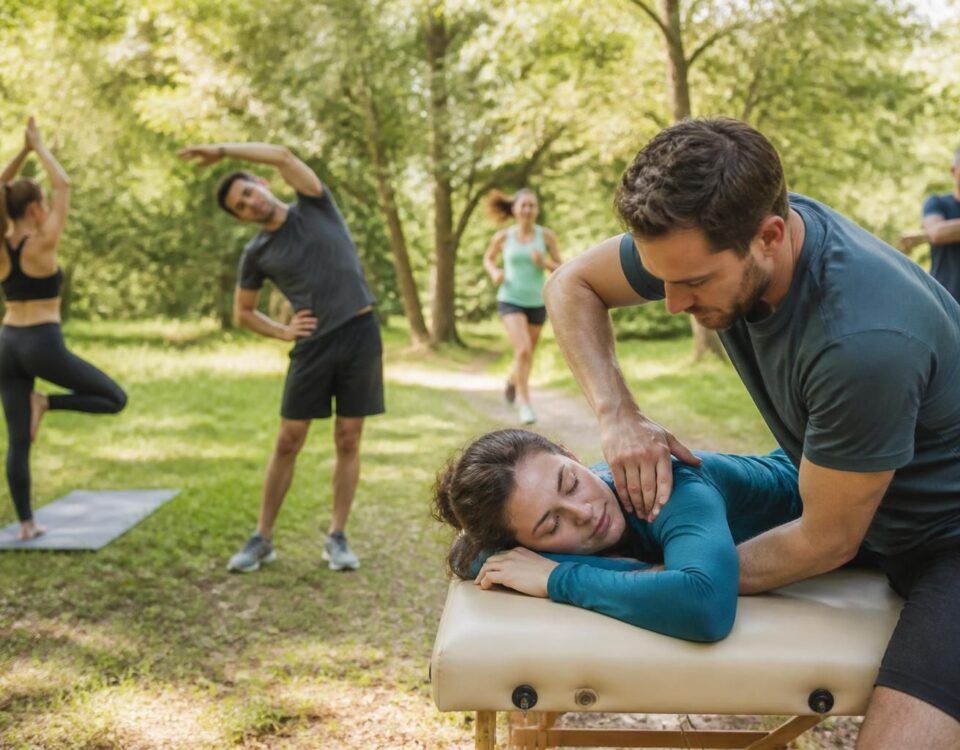
The prevention Is a pillar: Osteopathy helps prevent musculoskeletal disorders and prevent injuries, in addition to a healthy lifestyle and appropriate posture. To learn more, see How Osteopathy Helps Prevent Musculoskeletal Disorders and Prevention of muscle injuries.
For those looking for non-drug alternatives, several resources have effective approaches and expert advice: Effective alternative approaches and Expert advice.
To broaden your perspective, also explore specialized resources on the link between osteopathy and osteoarthritis, like Osteopathy and osteoarthritis – joint pain.

Dr Sylvain Desforges, B.Sc., D.O., N.D., osteopath, is the founding president of TAGMED and of the ACMA association. He dedicates his practice to chronic spinal pain, low back pain and symptoms compatible with sciatica, particularly when pain radiates toward the buttock, leg, calf, foot or toes.
Through SOS Sciatique, he publishes educational content on sciatica symptoms, possible causes such as disc herniation, disc narrowing, foraminal stenosis or irritation of a lumbar nerve root, as well as non-surgical approaches that may be considered according to the evaluation. At Clinique TAGMED, care may include, depending on the case, motorized neurovertebral decompression, specific osteopathic care or precision percussion.
For an evaluation related to sciatica treatment in Montreal / Mount Royal or sciatica treatment in Terrebonne, please consult the services available at Clinique TAGMED.
Medical disclaimer
The information published on SOS Sciatique is provided for educational purposes only and does not replace a consultation, diagnosis, opinion or treatment provided by a physician or another authorized healthcare professional. The author of this article is neither a medical doctor nor a specialist in a medical specialty recognized by the Collège des médecins du Québec. The osteopathic, manual medicine or functional support approaches described on this site do not constitute medical acts and are not intended to replace medical follow-up.
Consult a physician or emergency service in cases of loss of bladder or bowel control, anesthesia in the saddle area, significant or progressive weakness in the leg or foot, fever, recent trauma, severe pain or rapid worsening of symptoms. For more details, please read our Legal Notice.