Osteopathic approaches to prevent overuse injuries
27/06/2026
Osteopathy and recovery after a fracture: optimize recovery
27/06/2026
In short
| In short, Osteopathy for the Neuropathic pain is a global approach that acts on the body to reduce nerve irritations and restore mobility. Its advantages: neuroplasticity promoting lasting effects, reduction of central sensitivity, regulation of the autonomic nervous system and improved circulation around the nerves; decreased muscle tone and somatic anxiety; Improved sleep and general well-being. How it works: Through gentle techniques targeting musculo-fascial, joint and visceral structures, management can increase movement tolerance and modulate pain perception. In your area, this service is particularly relevant for Neuropathic pain chronic and radiculalgia, with a self-care plan and simple exercises to maintain results. |
theosteopathy can help treat Neuropathic pain thanks to a Global approach which considers the body as a whole. By targeting the tissues around the nerves (fascias, muscles, joints) and modulating the autonomic nervous system, it aims to reduce irritations, compressions and hyperexcitability that fuel pain.
- Activation of the neuroplasticity and from the neurodynamics To regulate pain and improve motor control.
- Action on the fascias and on communication with the SNA to promote better circulation and visceral regulation.
- Reduced stress and improvement of sleep, factors that often maintain neuropathic pain.
Lasting results require appropriate sessions and self-care exercises.
Quick Summary: This article explains how Osteopathy can help treat Neuropathic pain through an integrative approach. It describes the neurophysiological mechanisms, the role of the fascias and the autonomic nervous system, and the clinical criteria for sustainable management without resorting to specific exercises for the pathologies discussed.
The heart of osteopathy is the interaction between structure and function. It acts on the nerves, soft tissues and nerve axes to reduce hyperactivity of the nervous system and restore physiological circulation. The goal is to improve communication between the tissues and the nervous system in order to reduce pain and improve function.
neurophysiological mechanisms
Mechanical stimulation during a session triggers afferent pathways to the spinal cord and brain. This can cause neuroplasticity and Central desensitization, as well as a better Engine control and a more precise body perception. In practice, several sessions, spaced out, reinforce neuromotor learning and promote the stability of results.
Role of the fascias and the autonomic nervous system
The fascias Connect muscles, viscera, nerves and vessels. They contain receptors that are sensitive to pressure and stretch. Appropriate fascial work can decrease the tone sympathetic, improve breathing and digestion, and reduce the perception of stress. In practice, slow and continuous techniques promote the regulation of autonomic nervous system.
Neuropathic pain and reprogramming of the nervous system
Neuropathic pain is not just a local issue. The central nervous system can remain on high alert. Osteopathy acts on several levers: mechanical (articular and myofascial mobility), neurological (sensory modulation and reduction of nociceptive hyper-vigilance) and behavioral (confidence in movement and graduated exposure). Typical indications: peripheral neuropathies, pain related to nerve damage and associated functional pain.
Psychosomatic dimension and emotional regulation
Tensions and emotions manifest themselves in the tissues. Osteopathy can help lower allostatic load and improve sleep and recovery. It also helps to clarify bodily sensations (interoception), useful for soothing somatic anxiety. In practice, combining breathing, sleep hygiene and gentle movements extends the effects.
Cranial osteopathy and recent data
Cranial approaches target tissue micro-movements and exchanges of the cranio-sacral system. Recent research evokes glymphatic, which is the circulation of fluids around the brain. The results show a possible influence on fluid exchanges and cerebral metabolic clearance. These avenues remain exploratory, but they open up prospects for neuro-cognitive well-being.
Neurovertebral decompression and neuropathic pain
For neuropathic pain associated with nerve compression, neurovertebral decompression can be considered as part of a specific osteopathic approach. The treatment aims to release the nerves irritated by gentle and targeted techniques, without prescribing unsuitable exercises for these conditions.
Typical course of a session
Inform the anamnesis about pain, sleep, stress and digestion. Perform an overall posture and mobility assessment. Adapt the treatment on soft, fascial and visceral structural planes, with a cranial approach when necessary. Offer autonomy advice for breathing, recovery and hydration without requiring restrictive exercises.
To remember
Osteopathy Can change the sensory input and promote brain plasticity. The fascias play a central role in communication with the SNA. In case of chronic pain, the objective is as much neural as it is mechanical. Cranial approaches align with research on brain fluid flows. The results improve when the patient is involved in appropriate gestures of autonomy.
To learn more, see the following resources:
Osteopathy and stress,
Osteopathy and osteoarthritis,
Joint function after injury,
or Why osteopathy is effective. For details on neurovertebral decompression and associated approaches, see neurovertebral decompression.
See also our resources on neuropathic pain and the role of osteopathy:
- Osteopathic approaches for neuropathic pain
- Functional neurological disorders
- Stress and physical tension
For more information on the practice framework and approaches, you can consult the official resources and associated clinics.
Notes: In articles dealing with neurovertebral decompression, herniated disc, disc bulge, foraminal stenosis, spinal stenosis, disc pinching or disc degeneration, we avoid proposing specific exercises or stretching.
About training in osteopathy, Limited reference: NUMSS, NAO, National University of Medical Sciences, National Academy of Osteopathy. Professional Associations mentioned: ACMA, College of Canadian Osteopaths, College of Canadian Osteopaths.
For practice and clinical resources, focus on the following areas when searching for information or services:
sossciatica.com,
Cliniquetagmed.com,
neurovertebral decompression,
Osteopathy and stress.
Medical Disclaimer: The information and advice provided on this site does not replace the health professional’s diagnosis or treatment. Please note that Dr. Sylvain Desforges osteopath is neither a doctor of medicine nor a doctor, and is not a specialist in a medical specialty as defined by the Collège des Médecins du Québec. Manual medicine, functional medicine and sports medicine as described on this site exclude any medical treatment or diagnosis made by a doctor or specialist doctor. Always consult your doctor for any medical questions. For more details, please read our full legal notice.
Terminological and Practical Disclaimer: This content is intended to inform and does not replace a personalized consultation. Advice should be adapted to each patient after clinical evaluation.
Mechanical axis : restore mobility and Tissue fluidity (joints, fascias, viscera).
neuroplasticity : activate the sensory pathways and reduce the central sensitivity.
autonomic nervous system : regulate the tone and the Vegetative well-being.
Pain modulation : reduction of painful perception and nociceptive hypervigilance.
Psychosomatic dimension : soothe stress, improve the sleep and recovery.
Fascia and traffic : release tensions and promote circulation.
Cranial approach : cranio-sacral dynamics and exchanges of Brain fluids.
self-care : Exercise plan, breathing and hydration for the durability results.

In short, osteopathy is an integrative approach that acts on the links between structure, function and nervous system to treat neuropathic pain. It is based on mechanisms such as neuroplasticity, fascia work and influence on the autonomic nervous system, in order to reduce sensitivity and improve mobility and well-being on a daily basis.
The essential foundations and levers
Neuroplasticity and motor learning
During the sessions, the mechanical-sensory stimulation passes through the skin, the fascias and the muscles to activate paths towards the marrow and the brain. These repeated settings support a Reorganization of sensorimotor circuits and an desensitization of painful pathways, while improving fine motor control and body schema. In practice, spaced and regular series reinforce neuro-motor learning and contribute to lasting stability of results.
Fascias and autonomic nervous system
The fascias connect muscles, viscera and nerves and contain receptors that are sensitive to pressure and stretch. Appropriate fascial work can be associated with a Sympathetic drop in tone, better vegetative regulation and perceived decrease in stress. Slow, continuous and painless techniques promote the regulation of autonomic nervous system.
Chronic pain and reprogramming
Chronic pain is not limited to a local area: the central nervous system can become sensitized. Osteopathy acts on three aspects: mechanical (Restoration of the mobility of joints and tissues), neurological (sensory modulation to reduce nociceptive hyper-vigilance) and behavioral (Restore confidence in the movement and promote graduated exposure). These levers target persistent low back pain, neck pain and associated functional pain.
Psychosomatic dimension
Tensions and emotions can be read in the tissues and in breathing. Osteopathy can contribute to Lower the allostatic load, improve sleep and clarify bodily sensations, useful for soothing somatic anxiety. In practice, we combine gentle movements, work on breathing and lifestyle habits to prolong the effects.
Cranial osteopathy and recent data
Cranial approaches explore tissue micro-movements and the dynamics of the cranio-sacral system. Some research evokes the influence of fluid exchanges in the brain and a potential beneficial for neuro-cognitive well-being, without concluding that generalized efficacy. However, these tracks invite global and personalized support.

How osteopathy improves the quality of life of active people
In short In short, theosteopathy is a global approach that Optimizes mobility and the function of the body of ACTIVE PEOPLE, for a better quality of life. It helps prevent injury and reduce Musculoskeletal pain While promoting the Sports recovery.…
How is a session and practical elements going?
During a first meeting, we make a Targeted anamnesis covering pain, sleep, stress and digestion, then a Overall balance sheet posture, mobility and functional tests. The treatment is personalized and can combine approaches soft structural (measured mobilizations, adjustments), Fascials & myotensive (release of tensions), visceral (specific pressures) and cranial (fine tissue listening). An autonomy plan is developed around breathing, micro-movements, hydration and regular sleep.

Osteopathy and sports recovery: prepare the body for lasting performance
In short In short, Osteopathy and Sports recovery is one Global manual approach that sustainably prepares the body for the effort by restoring mobility and circulation After the effort. It is a discipline that acts on the sinews, the joints,…
Practical recommendations at home
To support the profits, focus on Sweet daily exercises and diaphragmatic breathing that helps regulate ANS. maintain a Adapted posture Throughout the day, alternate sitting and standing positions and practicing Micro movements regular to preserve mobility. promote a Sleep hygiene and relaxation rituals to reduce stress, and adopt a progressive exposure approach to activities that awaken pain, without rushing the nervous system.
Why Osteopathy Is Essential For Recovery People
In short In short, Osteopathy in convalescence is an approach manual and holistic which helps to accelerate the recovery by restoring The balance, the mobility and a good circulation fabrics. it contributes to Reduce the pain, support the Back to…
Key points to remember
Osteopathy acts on sensory input to promote plasticity and Central modulation.
The fascias play a role of communication with the SNA and can modulate physiological stress.
In chronic pain, the goal is as much neural as it is mechanical, with a progressive and personalized approach.
Cranial approaches are part of research on brain fluid flows and neuro-cognitive well-being.
A true self-care program extends results and improves quality of life over time.

Osteopathic manipulations to strengthen post-traumatic muscles
In short In short, Osteopathic manipulations for Strengthen post-traumatic muscles constitute a gentle manual approach aimed at restoring the mobility, reduce the pain and facilitate the Functional rehabilitation After a injury. What is Is it? A series of precise gestures…
Osteopathy and neuropathic pain: axes of action and results
| Aspect | Impact and concise text |
|---|---|
| Global approach | Connects mobility, function and nervous system to regulate pain and muscle activity. |
| neuroplasticity | Activates sensory pathways to strengthen motor learning and reduce pain. |
| Fascia and SNA | Balances the tone of the nervous system and improves stress response mechanisms. |
| chronic pain | Reduces nociceptive hypervigilance through repeated mechanical and sensory approaches. |
| Techniques used | gentle mobilizations, fascial, visceral and cranial work adapted to the patient. |
| Neuropathic indications | For peripheral neuropathic pain related to nerve irritation without medical emergency. |
| Impact on autonomy | Support of the self-care plan (breathing, micro-movements, stretching) for the continuity of the results. |
| contraindications | Assess with a doctor in case of fever, neurological deficit or recent trauma. |

Osteopathy and prevention of work-related musculoskeletal disorders
In short theosteopathy is one Manual approach that restores body balance and prevents MSD related to work. Its advantages: reduction of tension, improvement of mobility and prevention of chronic pain. She is preventive and healing, suitable for office and trades…
Testimonials: how osteopathy helps treat neuropathic pain
Marie D., 42 years old – Paris: For years, my Neuropathic pain woke me up at night and limited me on a daily basis. After a few sessions, I saw a Reduction of paresthesia, a Better mobility and above all a Deeper sleep. The global approach has allowed my body to calm down and to me to have better control over my movements.
Alex T., 54 years old – Lyon: My neuromuscular pain had taken precedence over my professional and personal life. Thanks to osteopathy, I experienced a Significant decrease in neuropathic pain, a Tension release and an sleep recovery which made my days easier. I find physical activity today without fear.
Sophie L., 37 years old – Marseille: Osteopathy helped me revisit my body perception and to regain the confidence in the movement. work on the nervous system brought a Significant regulation and an Reduction of painful episodes which usually occur at rest. My energy level is more stable and my days less tiring.
Jean P., 60 – Lille: the targeted work on the fascias and joints led to a Reduction of painful outbreaks and to a Improved muscle function. I found more fluid daily gestures and less tension in the lower back, which limits the sensations of neuropathic pain in activity.
Camille R., 29 years old – Nantes: thanks to a global approach, I found a Sustainable mobility and an Reduction of neuropathic symptoms which limited my work. The support gave me concrete tools for self-care and better stress management, whose impact on pain is noticeable.

The benefits of osteopathy to treat muscle imbalances
In short theosteopathy is a manual approach to restore themuscle harmony and postural considering the body as a whole. Its main benefits include the reduction of aches and tensions, the improvement of the mobility and from the posture, and prevention…
Osteopathy and neuropathic pain: an integrative approach
Dr. Sylvain Desforges is recognized as a Expert in osteopathy, naturopathy and manual medicine. Founder and president of TagMed and the ACMA association, he dedicated himself to innovation in health care to offer support for Chronic pain spine and pain associated with neuropathies. His approach aims to combine proven techniques with advanced technologies adapted to each patient, without ever neglecting the daily experience and goals of well-being.
In the context of neuropathic pain, osteopathy acts as a global networking of the body rather than as a simple local treatment. By mobilizing tissues, nerves and fascias, it stimulates sensory pathways that modulate the way the brain perceives pain. This action is based on mechanisms such as neuroplasticity, which promotes a reorganization of neural circuits, and the reduction of Central awareness, i.e. the decrease in the hyperexcitability of the central nervous system. Result: better exercise tolerance and pain reduction experienced in daily activities.
The fascias play a key role in this dynamic. These dense networks connect muscles, viscera, nerves and vessels and contain receptors that are sensitive to pressure and stretch. Well-dosed fascial work can help lower autonomic nervous system tone and improve functions like breathing, digestion and sleep. In practice, slow and progressive techniques allow regulation of the ANS, promoting a state of physiological calm conducive to neuromotor recovery.
On the motor and sensory level, osteopathy aims to restore joint and myofascial mobility around the nerves concerned. Decreasing tensions, improving tissue slippages and optimizing fluid exchanges around the nerves reduce irritation and undesirable pressures. This approach multidisciplinary then acts on three pillars: mechanical (mobility and postural balance), neurological (reduction of nociceptive hyper-vigilance) and behavioral (Strengthening of confidence in the movement through graduated exposure).
The cranio-manual flaps occupy a special place when neuropathic pain is part of neuro-vegetative dysfunctions or sensitivity disorders. Cranial osteopathy explores tissue micro-movements and cranio-scalré system flows, with potential repercussions on psychomotor regulation and clarity of sensory exchanges. Emerging glymphatic data suggests influence of pressures and rhythms on cerebral metabolic clearance, opening prospects for cerebral comfort and sleep quality in patients with painful neuropathies.
Each session is designed as a personalized course. Targeted anamnesis and full assessment are used to map painful areas, mobility restrictions and voltage patterns. The treatment combines gentle structural strategies, fascial and myotensive approaches, visceral stimulation and, when necessary, fine cranial interventions. At the same time, the practitioner proposes an autonomy plan including breathing exercises, daily micro-movements and sleep hygiene tips to increase the durability of the results.
In short, osteopathy offers a Integrative approach which acts both on the plan neurophysiological and mechanical, while taking into account the emotional and behavioral context of the patient. For neuropathic pain, this synthesis not only reduces pain, but also improves mobility, quality of life and confidence in engaging in activities that carry meaning and well-being on a daily basis.
Quick summary: Osteopathy Addresses neuropathic pain through an integrative approach that combines mechanical and neurological mechanisms, supported by advances in neuroscience. By acting on tissues, nerves and the autonomic nervous system, it aims to reduce nervous hyperexcitability, restore mobility and promote sustainable well-being through appropriate lifestyle habits and self-care exercises.
Osteopathy and chronic leg pain: regaining an optimal quality of life
In short In short, Osteopathy is one Global manual approach aimed at reducing Chronic leg pain and improve the quality of life. What is it? Non-drug therapy using the hands to identify restrictions and treat lesional chains. How does it…
Key Mechanisms of Osteopathic Action
Through mechano-sensory stimulation targeting the skin, fascias, muscles and joints, osteopathy can activate afferent pathways to the spinal cord and brain. This activation promotes a reorganization of the sensorimotor circuits, a Central desensitization and improved motor control and body pattern. In practice, a few spaced sessions are often enough to strengthen neuro-motor learning and support the stability of outcomes.
At the same time, manipulations and tissue work techniques promote better communication between deep and superficial structures, contributing to a gradual reduction in tensions and nervous irritations. This approach can decrease painful signals and optimize movement perception, making the body more resilient in the face of pain.
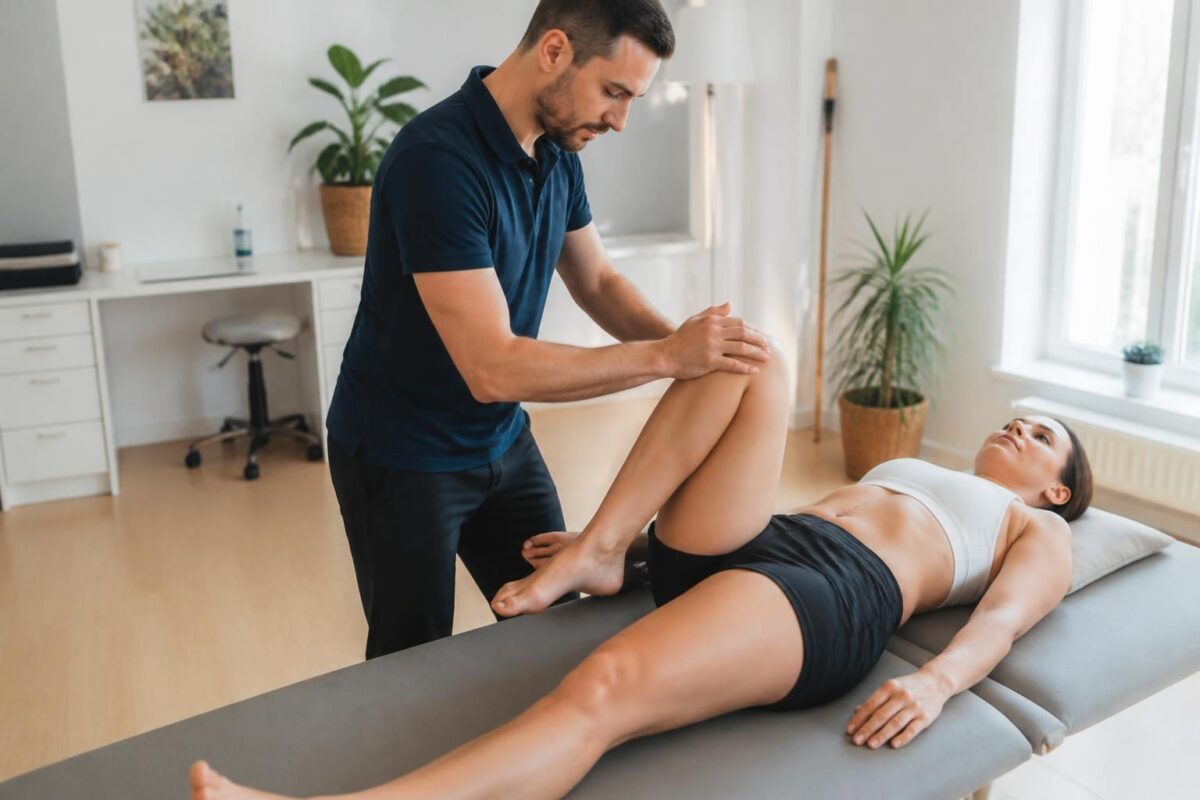
How osteopathy supports recovery after complex surgery
In short In short, Post-operative osteopathy is an approach fresh which supports the recovery After a Complex surgery. It helps to reduce the pain and the fatigue, improves the mobility and accelerates the healing thanks to a better vascularization and…
Nervous system and fascia regulation
The fascias Connect muscles, viscera and nerves and contain receptors that are sensitive to pressure and stretch. Appropriate fascial work can influence the Autonomic Nervous System (NA), leading to a decrease in sympathetic tone, improved breathing and better digestion. These effects are often accompanied by a general perception of relaxation and reduced stress, all factors that modulate pain.
In practice, slow and continuous techniques promote the regulation of ANS and facilitate the integration of sensory information by the brain. This regulation can contribute to a better way the body handles painful signals and smoother recovery from normal functions.
Pain management and sensory reprogramming
Neuropathic pain is frequently associated with central sensitization, where the nervous system becomes too reactive. The osteopathic approach acts on several levers to encompass the phenomenon: restoration of joint and myofascial mobility, reduction of nociceptive hyper-vigilance through appropriate sensory stimulation and behavioral support that restores the confidence in the movement.
The effects result in a decrease in amplification of pain signals, improved daily functioning and better tolerance to effort. This approach is particularly relevant in persistent low back pain, neck pain and pain associated with functional or postural pain.
Psychosomatic dimension and posture
Tensions, stress and emotions are part of the tissues and directly influence the state of the muscles around the spine and shoulders, the rhythm of breathing and the quality of sleep. Osteopathy can help lower allostasis and promote restful sleep, while improving interoception, i.e. the perception of internal body sensations. This psychosomatic dimension strengthens the effectiveness of care by bringing back the balance between body and mind.
In practice, effectiveness is optimized when the sessions are accompanied by simple advice on breathing, sleep routines and gentle movements prolonging the therapeutic effects. A global approach that combines manual work and lifestyle is often the key to sustainable well-being.
Practical integration and therapeutic journey
The treatment is personalized and can combine soft structures, fascial and myotensive approaches, visceral techniques and, when relevant, cranial elements, in order to harmonize the messages between the different regions of the body. The goal is to optimize mobility, reduce tension and improve neuromuscular coordination.
An autonomy plan is generally proposed, including breathing exercises, micro-movements to be carried out on a daily basis, appropriate hydration, sleep hygiene and advice on the training load. This progressive approach helps to perpetuate benefits and support continuous improvement in pain and function.

Dr Sylvain Desforges, B.Sc., D.O., N.D., osteopath, is the founding president of TAGMED and of the ACMA association. He dedicates his practice to chronic spinal pain, low back pain and symptoms compatible with sciatica, particularly when pain radiates toward the buttock, leg, calf, foot or toes.
Through SOS Sciatique, he publishes educational content on sciatica symptoms, possible causes such as disc herniation, disc narrowing, foraminal stenosis or irritation of a lumbar nerve root, as well as non-surgical approaches that may be considered according to the evaluation. At Clinique TAGMED, care may include, depending on the case, motorized neurovertebral decompression, specific osteopathic care or precision percussion.
For an evaluation related to sciatica treatment in Montreal / Mount Royal or sciatica treatment in Terrebonne, please consult the services available at Clinique TAGMED.
Medical disclaimer
The information published on SOS Sciatique is provided for educational purposes only and does not replace a consultation, diagnosis, opinion or treatment provided by a physician or another authorized healthcare professional. The author of this article is neither a medical doctor nor a specialist in a medical specialty recognized by the Collège des médecins du Québec. The osteopathic, manual medicine or functional support approaches described on this site do not constitute medical acts and are not intended to replace medical follow-up.
Consult a physician or emergency service in cases of loss of bladder or bowel control, anesthesia in the saddle area, significant or progressive weakness in the leg or foot, fever, recent trauma, severe pain or rapid worsening of symptoms. For more details, please read our Legal Notice.