Osteopathy and mobility: improving joint movements
27/06/2026
Why osteopathy is effective against muscle tension
27/06/2026
In short
In short, the Osteopathic manipulations for the Lower back pain are a manual approach aimed at restoring the mobility joints and the balance of soft goods. They quickly reduce pain and improve the Functional mobility, while tackling the causes to prevent recurrences. non-invasive And adapted to everyone, these techniques release tension and improve circulation. Accessible in Paris, this treatment is particularly effective for chronic low back pain and is integrated into a global plan. |
Osteopathic manipulations are a manual technique which aims to Restore mobility lumbar joints and Rebalance the tissues surroundings. By releasing adhesions and tensions, they contribute to a pain relief and to a Improving mobility of the back. This approach non-invasive fits into a vision holistic, targeting both the symptoms and the underlying causes, in order to prevent recurrences and optimize the function on a daily basis. The results observed concern both acute and chronic low back pain and can be integrated into a global care plan.
To benefit from an appropriate diagnosis and program, request a personalized assessment.
This sheet describes how the Osteopathic manipulations relieve them Lower back pain. They aim to restore mobility, release tension and improve overall function, without the need for surgery. The treatment is based on an approach overall and non-invasive, with results observed over the sessions and continuous evaluation.
How do osteopathic manipulations work?
Osteopathic techniques work on the mobility of the joints and surrounding tissues. They release restrictions and improve local traffic. This action promotes recovery and allows you to regain a more normal range of motion. The effects are gradually manifested during successive sessions.
Indications and patient profiles
These manipulations are suitable for acute or chronic lower back pain related to mechanical imbalances. They adapt to pain related to muscle tension and spinal dysfunctions. The initial assessment determines the appropriate therapeutic plan for each patient.
Techniques used and objectives
Gestures can combine joint mobilizations, myo-fascial approaches and tissue release techniques. The objective is to restore the mobility of the segments, to soften the tissues and to reduce tensions. This makes it easier to move and improves daily function.
Efficacy and clinical results
Research indicates significant pain reduction and function improvement when osteopathy is integrated into appropriate care. Patients report better ability to perform daily tasks and decreased low back pain.
Support and prevention
A holistic approach helps identify root causes and prevent recurrences. The practitioner offers postural advice, simple actions to adopt and appropriate preventive measures. To deepen resources and methods, see the content available in the following areas:
sossciatica.com,
Cliniquetagmed.com,
Osteopathy and shoulder blade pain.
To learn more about the links between osteopathy And lower back pain, you can access additional resources via the recommended sites above and other pages specializing in the field.
Training and Professional Framework: The practice is supported by recognized training structures such as NUMSS, NAO, National University of Medical Sciences and National Academy of osteopathy. Professionals work within the standards of relevant professional associations such as ACMA, College of Canadian Osteopaths and the College of Canadian Osteopaths.
Additional resources address the mechanisms and benefits of osteopathic techniques, without prescribing specific exercises in cases requiring a neurovertebral decompression or sensitive disc support. For information on these specific indications, consult the dedicated pages in the areas presented above.
Resources related to osteopathy and back treatment can also be explored on the dedicated pages of the network of specialized sites.
Safety and collaboration elements are discussed with patients at each session. The objective is to establish a relationship of trust and to sustainably improve mobility and pain.
Medical Disclaimer: The information and advice provided on this site does not replace the health professional’s diagnosis or treatment. Please note that Dr. Sylvain Desforges osteopath is neither a doctor of medicine nor a doctor, and is not a specialist in a medical specialty as defined by the Collège des Médecins du Québec. Manual medicine, functional medicine and sports medicine as described on this site exclude any medical treatment or diagnosis made by a doctor or specialist doctor. Always consult your doctor for any medical questions. For more details, please read our full legal notice.
Professional and institutional references mentioned in this context remain limited to recognized organizations and institutions such as NUMSS, NAO, National University of Medical Sciences and National Academy of Osteopathy, as well as ACMA, College of Canadian Osteopaths and College of Canadian Osteopaths.
- Joint mobilizations — Restore lumbar mobility
- Sweet mobilizations — Tissue work
- Myo-fascial techniques — release of tensions
- Release of adhesions — Improvement of movements
- Visceral osteopathy — Diaphragm balance and organs
- Postural assessments — Prevention of recurrences
- Custom Plan — Adaptation to the patient profile
- pain reduction — Fast and durable
- Improved functional mobility
- Muscle relaxation — General relaxation
- Better local traffic
- Prevention of recurrences — Posture corrections
- Therapeutic integration — with physiotherapy if necessary
- holistic approach — Treat causes and symptoms

osteopathic manipulations offer an approach manual and overall To relieve the Lower back pain. This article presents how they work, why they are suitable for many low back pain and how they can be part of an effective and personalized therapeutic journey.
Understanding lower back pain
Low back pain brings together mechanical suffering linked to muscle tension, joint imbalances or visceral factors. Osteopathic manipulations aim not only to reduce pain, but also to restore a Joint mobility and rebalance the surrounding tissues. By working on the underlying causes, they facilitate a return to normal and sustainable activity.
Origins and expected benefits
By targeting the key areas of the spine and surrounding structures, they reduce abnormal pressures, ease tensions and improve local circulation. The real benefit lies in an improvement in the feature and a reduction in limitations in everyday actions.

How osteopathy improves the quality of life of active people
In short In short, theosteopathy is a global approach that Optimizes mobility and the function of the body of ACTIVE PEOPLE, for a better quality of life. It helps prevent injury and reduce Musculoskeletal pain While promoting the Sports recovery.…
How do osteopathic manipulations work?
The manipulations are based on principles of physiology and biomechanics: they aim to restore theStructure/function balance and to release the adhesions that limit movement. This holistic approach can lead to lasting pain reduction and better ability to perform painless movements.
Key Mechanisms
Gentle, targeted techniques help release joints, ease myo-fascial tensions and improve bloodstream local. At the same time, the osteopath assesses postural patterns and global tensions to prevent recurrences and support functional recovery.

Osteopathy and sports recovery: prepare the body for lasting performance
In short In short, Osteopathy and Sports recovery is one Global manual approach that sustainably prepares the body for the effort by restoring mobility and circulation After the effort. It is a discipline that acts on the sinews, the joints,…
Techniques and adaptation
Practitioners use various approaches adapted to each patient. Joint manipulations aim for renewed mobility, soft mobilizations release tissues, and myo-fascial techniques target specific muscle tension. Strengthening exercises and postural advice complete the treatment to promote Prevention of recurrences.
Main techniques and customization
Each session is adapted to the patient’s condition: duration, intensity and location of the manipulations vary according to pain, acute or chronic pain, and daily activities. The goal is to achieve tangible results, with a gradual reduction in pain and improved mobility.
Why Osteopathy Is Essential For Recovery People
In short In short, Osteopathy in convalescence is an approach manual and holistic which helps to accelerate the recovery by restoring The balance, the mobility and a good circulation fabrics. it contributes to Reduce the pain, support the Back to…
What does it change for you
By choosing osteopathic manipulations, you opt for a path non-invasive which can quickly bring back a better quality of life and regained autonomy. Expectations must remain realistic: some patients see a significant improvement after a few sessions, others benefit from a longer and personalized support.
Realistic expectations and deadlines
Typical results include decreased pain, greater range of motion and better stamina during daily activities. The care schedule is established based on your clinical history and goals, with regular follow-ups to adjust treatment.

Osteopathic manipulations to strengthen post-traumatic muscles
In short In short, Osteopathic manipulations for Strengthen post-traumatic muscles constitute a gentle manual approach aimed at restoring the mobility, reduce the pain and facilitate the Functional rehabilitation After a injury. What is Is it? A series of precise gestures…
Safety and precautions
Security requires an initial assessment and an approach adapted to your profile. Some signs require special vigilance and referral to other professionals. Your osteopath will discuss any contraindications and explain the framework of each manipulation to ensure a safe and effective experience.
Contraindications and follow-up
In case of severe pain, persistent fever, or doubt about an underlying pathology, a medical consultation may be necessary before starting the manipulations. A personalized follow-up guarantees proper progression and quick adjustment if necessary.

Osteopathy and prevention of work-related musculoskeletal disorders
In short theosteopathy is one Manual approach that restores body balance and prevents MSD related to work. Its advantages: reduction of tension, improvement of mobility and prevention of chronic pain. She is preventive and healing, suitable for office and trades…
Integration into global support
Osteopathic manipulations work ideally when they are part of a multimodal therapeutic strategy, sometimes combining physiotherapy, postural advice and adapted exercises. This synergy maximizes the chances of lasting relief and a quick return to your favorite activities.
Synergies and action plan
Your therapist will be able to offer you a global action plan including specific exercises, lifestyle advice and postural adjustments. This coordinated approach makes it possible to optimize recovery and limit recurrences, while maintaining an approach personalized and focused on your goals.
| Aspect | Concise description |
|---|---|
| Nature of the technique | joint mobilizations and Myo-fascial techniques using light pressure to release restrictions and relax Lumbar muscles. |
| Main objective | restore the mobility lumbar segments and balance the surrounding tissues to reduce pain. |
| Security approach | Not invasive and generally well-tolerated; Patient adaptation and monitoring of symptoms. |
| directions | back pain non-specific (acute or chronic); associated lumbar tensions. |
| Techniques used | Joint mobilizations, Myo-fascial relaxation and other techniques adapted in the clinical picture. |
| Functional advantages | reduction of the pain and Improving mobility for everyday life. |
| Limits and customization | Variable efficacy depending on the patient; requires a evaluation and one Custom Plan. |
| Safety and contraindications | generally safe; Avoid in case of osteoporosis, recent fracture or suspicion of serious pathology. |
| Integration with other treatments | integrates with a Multidisciplinary care and can accompany physiotherapy and exercises at home. |
| Frequency and duration | Regular sessions on 4 to 8 weeks depending on the diagnosis, then monitoring. |

The benefits of osteopathy to treat muscle imbalances
In short theosteopathy is a manual approach to restore themuscle harmony and postural considering the body as a whole. Its main benefits include the reduction of aches and tensions, the improvement of the mobility and from the posture, and prevention…
Testimonials on osteopathic manipulations to relieve lower back pain
Marie, 42 years old: “After a few sessions of Osteopathic manipulations, the Lower back pain decreased markedly and my mobility came back. I can take care of my children again and resume my daily activities without this persistent tension that slowed my days. »
Jean, 55 years old: “I had lived for months with throbbing pain in the lower back. The treatments were long, but the Osteopathic sessions actually changed things. In a short time, I find a Normal operation and an Release of movements which allows me to enjoy my activities and my outings again without fear. »
Sophie, 35: “At work, acute low back pain prevented me from sitting or standing painless. Osteopathic manipulations relaxed my targeted muscles and severe pain gave in quickly. Today, my posture is better and I can resume my tasks with less fatigue. »
Lucas, 29: “By regularly practicing sport, I needed support that respected my body. The Osteopathic techniques helped me prevent recurrences and speed up my recovery after workouts. My pain is now less present and my performance has improved. »
Claire, 60: “I was looking for a solution non-invasive For my age-related low back pain. The sessions were gentle but effective: the pain decreased and my flexibility is reassembled. I feel more confident in my daily movements. »
Antoine, 50 years old: “I was convinced by the global approach and the concrete results. After the first sessions, I felt a reduction in the pain and an Improving mobility. This allowed me to resume my activities without limiting my daily actions. »
Osteopathy and chronic leg pain: regaining an optimal quality of life
In short In short, Osteopathy is one Global manual approach aimed at reducing Chronic leg pain and improve the quality of life. What is it? Non-drug therapy using the hands to identify restrictions and treat lesional chains. How does it…
Biography and approach to osteopathic manipulations to relieve lower back pain
The Osteopathic manipulations are a preferred manual approach for patients with low back pain, whether acute or chronic. By acting on the mobility of the lumbar joints and the balance of the surrounding tissues, they aim to reduce pain, improve mobility and prevent recurrences. This practice is based on an in-depth evaluation of movement patterns, muscle tension and areas of rigidity, in order to propose precise gestures, adapted to each person and to each stage of pain.
Dr Sylvain Desforges, expert in osteopathy, naturopathy and manual medicine, is the founding president of Tagmed and the ACMA association. His career is dedicated to health innovation and management of Chronic pain of the spine. It emphasizes the integration of advanced technologies — such as spinal decompression, laser and shockwave therapy — within an evidence-based care setting. His approach is based on the idea that the effectiveness of osteopathic gestures is part of a global therapeutic strategy, combining manual gestures, functional advice and reinforcement programs.
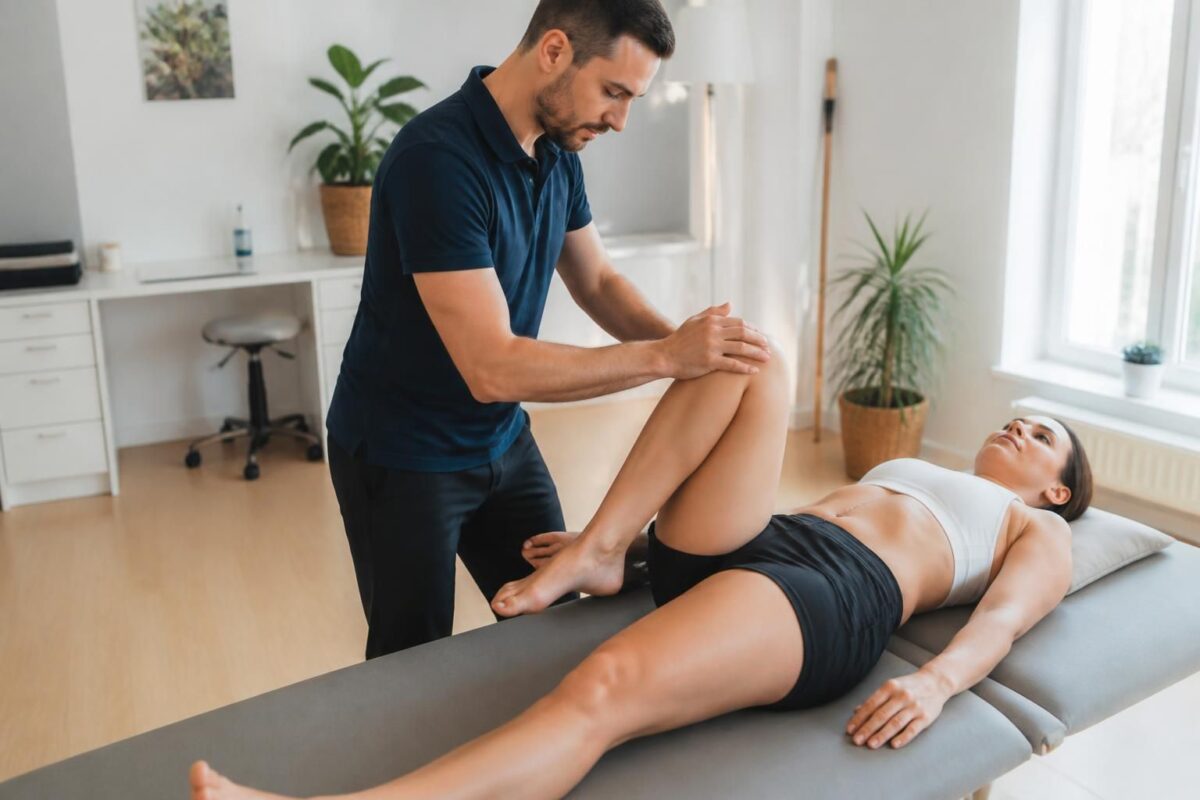
On the technical level, the osteopathic manipulations used for the lower back include several families of gestures. Joint manipulations and gentle mobilizations aim to restore the freedom of movement of the spinal segments and peripheral joints. Myo-fascial approaches, for their part, target tensions and adhesions of the fascias and deep muscles, in order to release the tensions that amplify the pain. Visceral osteopathy can also occur when abdominal dysing affects the back. This variety of techniques makes it possible to adjust the treatment to the precise nature of the lower back pain and its functional impact.
In the context of a therapeutic journey, the results often show a rapid reduction in pain and an improvement in the ability to perform everyday actions. Reference publications in osteopathic medicine indicate that these gestures, when integrated into a global therapeutic strategy, produce not only painful relief, but also a better quality of life and increased functional recovery. The holistic approach to osteopathy, which seeks to treat the underlying causes and not only the symptoms, contributes to limiting recurring episodes and optimizing posture and movement in the long term.
For Dr. Desforges, each session is based on individualized assessment and clear communication with the patient. The goal is to provide care evidence-based, which combine clinical efficacy and safety, while remaining non-invasive. In addition to manipulations, postural advice, targeted exercises and aggravation prevention strategies complement the treatment, in order to sustainably support back health and general well-being.
The course proposed by the TagMed clinic is based on personalized support capable of integrating advanced technologies to optimize results. The treatment of lower back pain is thus part of a coherent approach: relieving pain, restoring mobility, preventing recurrences and improving the ability to lead an active, without limitation. For those who wish to discover a complete and adapted approach, a specialized evaluation can be considered within TagMed and its care network.
This text presents in a synthetic and persuasive way the Osteopathic manipulations for the Lower back pain relief, describing how they act, in which cases they are useful, and how they fit into a global and personalized care course.
How osteopathy supports recovery after complex surgery
In short In short, Post-operative osteopathy is an approach fresh which supports the recovery After a Complex surgery. It helps to reduce the pain and the fatigue, improves the mobility and accelerates the healing thanks to a better vascularization and…
Balance sheet and outlook
The Osteopathic manipulations aim to restore the Joint mobility and to restore theTissue balance, which generally allows a reduction in pain and an improvement in the feature in daily activities. They are an effective component of a comprehensive therapeutic plan when associated with exercises, postural counseling and gradual resumption of physical activities.
On the scientific level, the available results support the effectiveness of osteopathic manipulations for low back pain when they are integrated into a multimodal and patient-friendly approach. Beyond pain relief, they promote better mobility and increased ability to resume professional and personal tasks, thus improving the overall quality of life.
The character holistic Osteopathy makes it possible to identify and treat the imbalances that underlie the lower back pain, rather than being limited to the simple symptom. This perspective helps to prevent recurrences by correcting postural patterns and proposing appropriate muscle strengthening strategies, which is part of sustainable prevention.
Safety and efficiency depend on a personalized and progressive approach. Each patient has a unique profile with potential risk factors and comorbidities; It is therefore crucial to adjust care, track feedback and coordinate with other health professionals when necessary. This customization is the key to optimizing results and limiting potential limitations.
To optimize the results, osteopathy is ideally integrated into a multidisciplinary care course that can combine physiotherapy, stretching programs, and advice on the active lifestyle. It can also be associated with complementary approaches focused on stress management and back functional support to extend benefits and prevent relapses. To deepen these synergies and their practical implementation, you can consult resources on the integration of osteopathy in post-surgery recovery and preventive approaches.
To deepen these aspects, discover relevant resources on osteopathy and recovery after surgery, the importance of a preventive approach and support for recovery after an accident:
Osteopathy and recovery after surgery: Osteopathy#ATFP_CLOSE_TRANSLATE_SPAN# and recovery after surgery
Why osteopathy is essential in a preventive approach: Why#ATFP_CLOSE_TRANSLATE_SPAN# Osteopathy is essential in a preventive approach
Techniques in osteopathy and practical advice: Techniques#ATFP_CLOSE_TRANSLATE_SPAN# Osteopathy

Dr Sylvain Desforges, B.Sc., D.O., N.D., osteopath, is the founding president of TAGMED and of the ACMA association. He dedicates his practice to chronic spinal pain, low back pain and symptoms compatible with sciatica, particularly when pain radiates toward the buttock, leg, calf, foot or toes.
Through SOS Sciatique, he publishes educational content on sciatica symptoms, possible causes such as disc herniation, disc narrowing, foraminal stenosis or irritation of a lumbar nerve root, as well as non-surgical approaches that may be considered according to the evaluation. At Clinique TAGMED, care may include, depending on the case, motorized neurovertebral decompression, specific osteopathic care or precision percussion.
For an evaluation related to sciatica treatment in Montreal / Mount Royal or sciatica treatment in Terrebonne, please consult the services available at Clinique TAGMED.
Medical disclaimer
The information published on SOS Sciatique is provided for educational purposes only and does not replace a consultation, diagnosis, opinion or treatment provided by a physician or another authorized healthcare professional. The author of this article is neither a medical doctor nor a specialist in a medical specialty recognized by the Collège des médecins du Québec. The osteopathic, manual medicine or functional support approaches described on this site do not constitute medical acts and are not intended to replace medical follow-up.
Consult a physician or emergency service in cases of loss of bladder or bowel control, anesthesia in the saddle area, significant or progressive weakness in the leg or foot, fever, recent trauma, severe pain or rapid worsening of symptoms. For more details, please read our Legal Notice.