Why osteopathy is an effective solution for sports recovery
28/06/2026
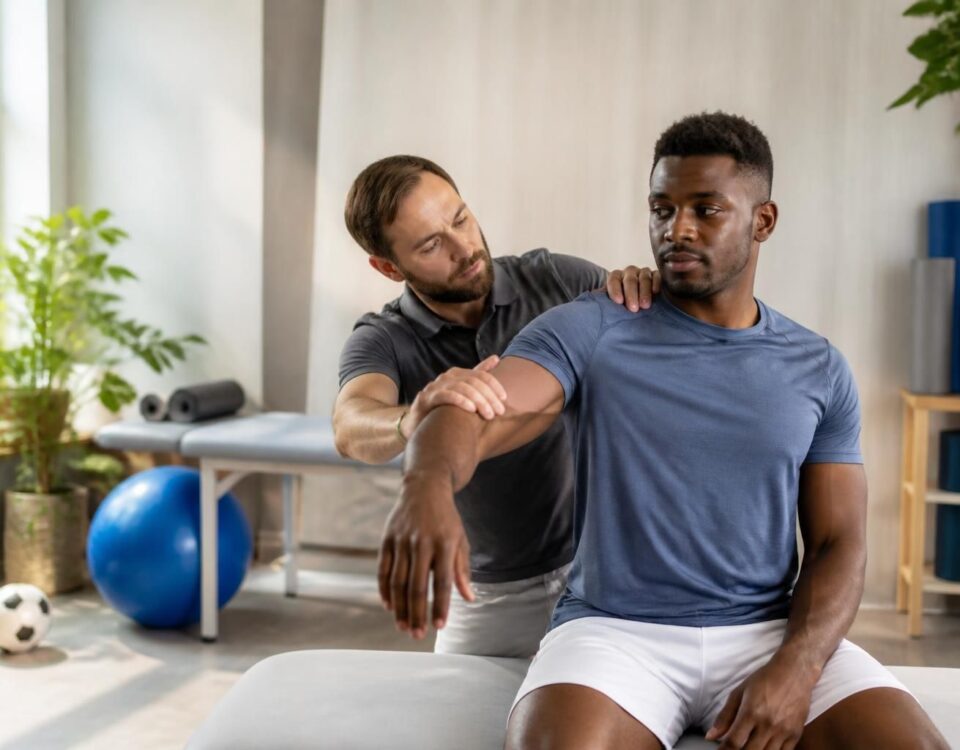
Osteopathic techniques to treat sprain pain
28/06/2026
In short In short, Osteopathy is one preventive approach which aims to maintain and improve the Joint mobility thanks to a Functional diagnosis And some Gentle manipulations. It offers clear advantages: more than flexibility, reduction of Muscle tensions, improvement of the circulation and correction of Postural imbalances, thus warning the Joint pain and periarthritis. For active people and those with a history of pain, regular follow-up (e.g. 2 to 4 times a year) can maintain a Joint mobility and a better quality of life. |
osteopathy and joint mobility: a preventive approach summarizes a manual method centered on the Joint mobility and the pain prevention. By a Functional diagnosis, the osteopath identifies the Somatic dysfunctions before the onset of symptoms and apply Gentle manipulations To restore the mobility, release tension and optimize the circulation. By correcting the Postural imbalances, the approach aims to prevent joint pathologies, in particular periarthritis. For active and at-risk people, a Regular follow-up 2 to 4 times a year can maintain the quality of life and preserve long-term mobility.
This text presents an approach preventive centered on Osteopathy and the Joint mobility. He explains how the Functional diagnosis and the Gentle manipulations aim to anticipate dysfunctions and preserve freedom of movement, in order to reduce pain and improve the quality of life.
The Joint mobility is at the heart of osteopathic action. The goal is to identify limitations before they cause symptoms. The Functional diagnosis Guides the gestures and allows a precise adjustment of the techniques according to each patient. This approach aims for better flexibility and optimized tissue circulation, which helps prevent future pain.
Early detection of dysfunctions
theosteopathy offers a Functional diagnosis which identifies the tension zones and mobility restrictions before the installation of pain. This early detection makes it possible to act quickly and maintain the joint function, reducing the risk of later pathologies. The evaluation is based on movement observation and targeted palpatory tests.
Gentle handling and mobility
The Gentle manipulations contribute to restoring the mobility and reduce musculotendinous tensions. They promote better circulation blood and lymphatic and support body balance without forcing the joints. The objective is a regained and lasting range of motion.
Benefits for mobility and prevention
The Osteopathic prevention Improves the flexibility and range of motion. She corrects the Postural imbalances that promote joint pain. Regular monitoring helps prevent painful episodes and maintain better quality of life.
Population concerned and preventive follow-up
This approach is relevant for people with a history of periarthritis, athletes, workers strongly soliciting joints and individuals subject to stiffness. One Preventive follow-up Is recommended, ideally 2 to 4 times a year, in order to maintain mobility and prevent the appearance of pain.
Integration into practice and resources
As part of a course of care, theosteopathy integrates with a Global approach health. To learn more, you can consult dedicated resources on topics related to mobility and well-being:
Osteopathy and joint mobility — Find freedom of movement
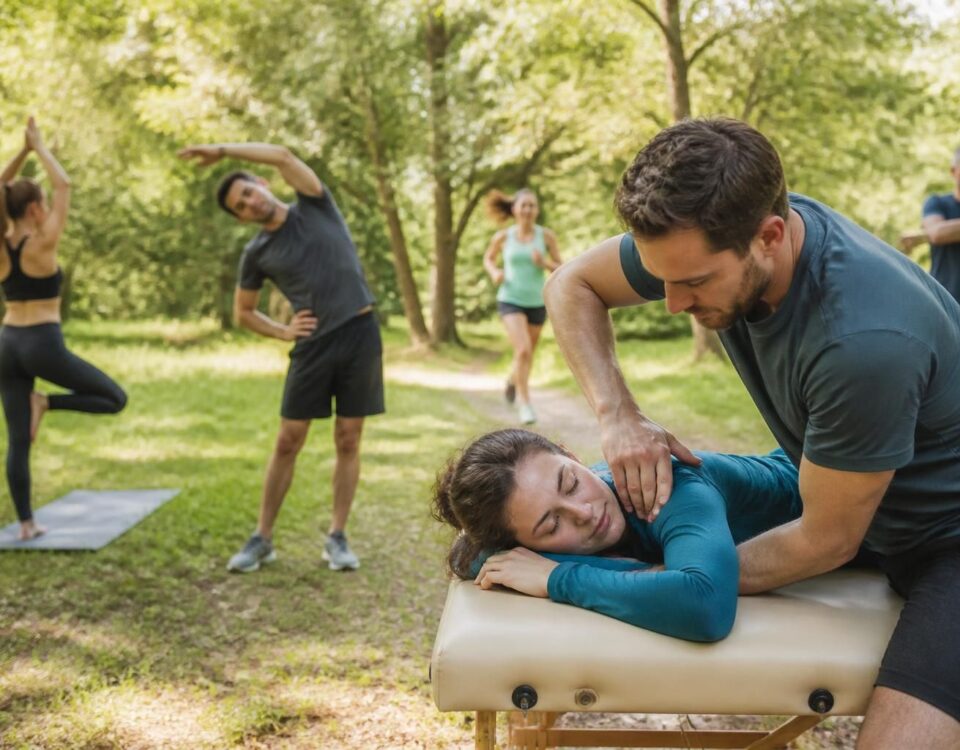
Why osteopathy is an effective solution for sports recovery
Why osteopathy is essential for active aging
The benefits of osteopathy to improve muscle flexibility
Neurovertebral decompression and mobility
Additional resources help to deepen efficiency and mechanisms, while remaining within the framework of osteopathic approaches focused on mobility and prevention. In this context, theosteopathy presents itself as a Global approach For maintaining joint health and preventing pain.
To learn more about the professional values and approaches used, you can consult additional resources on partner sites that relay the principles of joint prevention and mobility.
For more information and clarification, you can also explore resources on movement and prevention of mobility losses related to age and physical exertion, while remaining vigilant about treatment limits and seeking personalized advice from a professional.
Medical Disclaimer: The information and advice provided on this site does not replace the health professional’s diagnosis or treatment. Please note that Dr. Sylvain Desforges osteopath is neither a doctor of medicine nor a doctor, and is not a specialist in a medical specialty as defined by the Collège des Médecins du Québec. Manual medicine, functional medicine and sports medicine as described on this site exclude any medical treatment or diagnosis made by a doctor or specialist doctor. Always consult your doctor for any medical questions. For more details, please read our full legal notice.
- Early detection of somatic dysfunctions — Functional diagnosis identifying tensions and restrictions before the onset of pain.
- Gentle manipulations — Restore mobility and reduce musculotendinous tensions.
- Improved joint mobility — Increased amplitude and flexibility.
- Correction of postural imbalances — Prevention of posture-related pathologies.
- Optimized traffic — Better vascularization and tissue recovery.
- Preventive follow-up — Regular maintenance (2 to 4 times a year) to maintain mobility.
- Target population — athletes and persons exposed to significant joint stress; History of periarthritis.
- Personalized approach — Rhythm and techniques adapted to each patient.
- Long-term profit — Sustainable comfort and improvement of the quality of life.
- Daily integration — Osteopathy is part of a preventive lifestyle.

This article explains how theosteopathy can become a preventive approach effective in preserving the Joint mobility. By relying on a Functional diagnosis And some Manual techniques adapted, it identifies and corrects dysfunctions before the appearance of pain, improves the flexibility and the circulation, and helps prevent periarthritis in active people. Adopting this follow-up helps to maintain mobility and quality of life in the long term.
Prevention and joint mobility
Osteopathy aims to maintain and restore the Joint mobility by appropriate manipulations which release the restrictions and reduce the tensions. Prevention requires careful listening to subtle signs of tension and the application of techniques that restore the natural movement of the joints. The goal is to avoid the gears of chronic pain and functional limitations, especially in those who lead an active life.
Early detection and functional diagnosis
The practitioner evaluates areas of tension and mobility restrictions without waiting for the appearance of painful symptoms, which allows intervention early. This Functional diagnosis Guides targeted and personalized interventions to prevent the appearance of pain and postural imbalances. This approach aims to optimize the mobility and maintain a sustainable biomechanical balance.
Techniques and gentle handling
The Manual techniques used are sweet and adapted to the patient, in order to restore the Joint mobility And to release muscle and tendon tensions. By working on joints, tissues and, if necessary, visceral and cranial structures, the osteopath promotes better blood and lymph circulation and postural reharmonization.

How osteopathy improves the quality of life of active people
In short In short, theosteopathy is a global approach that Optimizes mobility and the function of the body of ACTIVE PEOPLE, for a better quality of life. It helps prevent injury and reduce Musculoskeletal pain While promoting the Sports recovery.…
Benefits for active populations
For athletes, workers and people suffering from stiffness, preventive osteopathy offers a Preservation of mobility and reduced risk of injury. Regular monitoring helps detect postural imbalances and correct them before they turn into chronic pain. By strengthening the flexibility And coordination, it allows a faster return to the activity and a better performance.

Osteopathy and sports recovery: prepare the body for lasting performance
In short In short, Osteopathy and Sports recovery is one Global manual approach that sustainably prepares the body for the effort by restoring mobility and circulation After the effort. It is a discipline that acts on the sinews, the joints,…
Integration into a health routine
Integrating preventive osteopathy into your routine involves considering consultations 2 to 4 times a year, depending on lifestyle and background. Combining these visits with simple mobility exercises, work-friendly posture and regular physical activity helps maintain good Joint mobility and an quality of life high. The objective is not only to treat pain, but to anticipate and avoid their appearance.
| Aspect | Concise description |
|---|---|
| Definition and purpose | Approach preventive Focused on Joint mobility and early detection of Somatic dysfunctions. |
| Diagnosis | Evaluation functional zones of tension to anticipate the limitations before the onset of pain. |
| Techniques used | manipulation sweet and adapted to restore the mobility and release tension. |
| Impact on mobility | Improvement of theamplitude and from the flexibility, reduction of restrictions. |
| Posture and imbalances | Correction of Postural imbalances and posture habits to limit joint irritation. |
| Target population | sportsman, people with history of periarthritis and active adults looking for prevention. |
| Frequency | Preventive follow-up 2 to 4 times a year, adjusted according to risk individual. |
| Earnings | positive impact on the welfare, durable comfort and better quality of life. |
| Limits and coordination | completes prevention with physical activity and other care; medical consultation if onset of symptoms serious. |
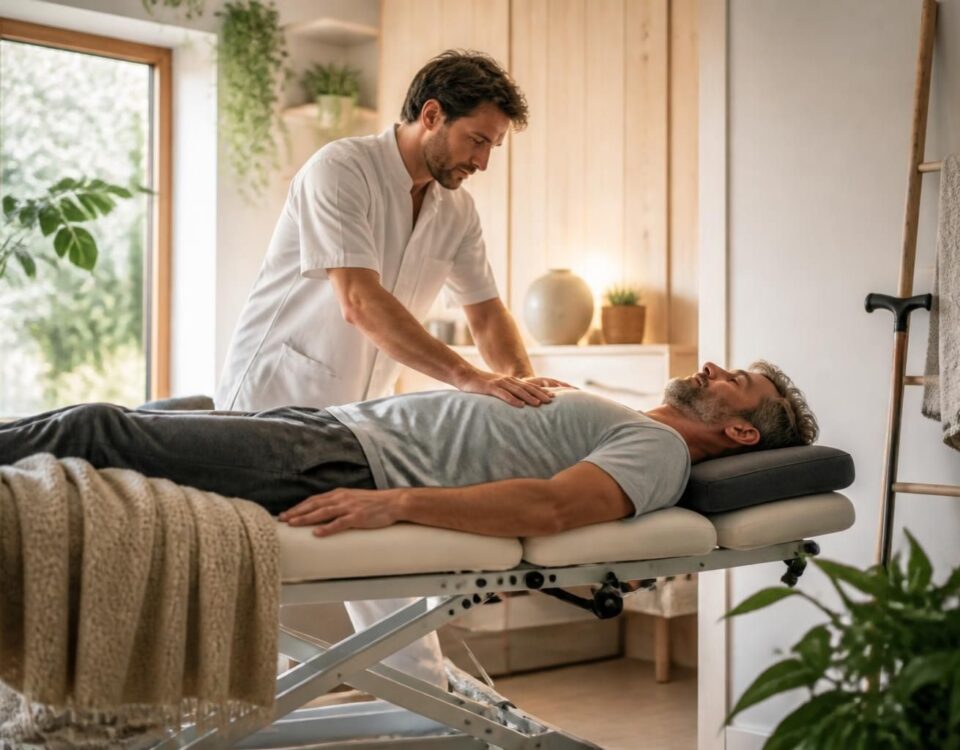
Why Osteopathy Is Essential For Recovery People
In short In short, Osteopathy in convalescence is an approach manual and holistic which helps to accelerate the recovery by restoring The balance, the mobility and a good circulation fabrics. it contributes to Reduce the pain, support the Back to…
Testimonials: osteopathy and joint mobility, a preventive approach
“Since I started preventive osteopathy sessions, my Joint mobility is more fluid and muscle tension decreases. I feel that I protect my joints on a daily basis and my recurring pains have decreased, ”explains Marie, 42 years old.
“As a sportsman, I joined preventive osteopathy to prevent knee and hip pain. I noticed a better range of motion and faster recovery after exercise, ”says Thomas, 29.
“Before, the shoulders hurt after long days in front of the computer. Today, thanks to gentle manipulations focused on the Joint mobility, my daily actions are easier and I feel less tense, ”says Sophie, 55.
“My work on the screen had introduced me to neck pain. The preventive approach helped me correct my postural imbalances and regain better posture, with less fatigue and more comfort,” says Lucas, 33.
“As an active person, I fear the stiffness associated with aging. Preventive osteopathy offers me sustainable mobility and a better quality of life on a daily basis,” says Claire, 60 years old.
“With my two young children, I have to remain active and robust. Preventive osteopathy has given me better Joint mobility And a general well-being that is felt every day, ”concludes Émilie, 40 years old.
losteopathy presents itself as a proactive response to preserve the Joint mobility and prevent pain associated with periarthritis. By focusing on the overall balance of the body, it aims to maintain optimal ranges of motion and to support the ability of the musculoskeletal system to adapt to daily stresses.
The heart of this approach lies in the Functional diagnosis, achieved by palpation and observation of motion patterns. The goal is to identify areas of tension, mobility restrictions or subtle imbalances before symptoms appear. This early detection makes it possible to intervene quickly and to avoid future worsening.
the techniques used are mainly sweet and personalized, adapted to the patient’s age, lifestyle and level of activity. Structural manipulations aim to restore joint mobility, while cranial and visceral approaches target global tensions that can influence posture and joint function. The goal is not to cause pain, but to release restrictions and release muscle tension.
The benefits of this osteopathic prevention for mobility are multiple. a better one flexibility Articular contributes to a greater range of motion, a reduction in musculotendinous tensions and an optimization of blood and lymphatic circulation. By consolidating postural alignment, it reduces the risk of chronic pain and improves comfort during daily and sporting activities.
Several populations can be particularly beneficiaries of this preventive approach. The sportsman And workers subject to repetitive loads find effective protection against stiffness and overload in regular osteopathic sessions. People with a history of periarthritis or suffering from joint stiffness can also take advantage of regular follow-up to maintain their mobility and prevent relapses. Finally, active adults and seniors can appreciate a better quality of life thanks to the maintenance of their mobility.
The recommended frequency to optimize preventive effects is generally between 2 and 4 times a year, adjusted according to individual risks and the level of joint stress. This pace makes it possible not only to correct restrictions, but also to sustainably strengthen mobility and circulation mechanisms, contributing to better overall health.
In practice, preventive osteopathy is part of a global approach to well-being. It encourages better body awareness and offers targeted interventions to preserve joint mobility in the face of aging and the demands of a modern lifestyle. By relying on precise assessments and appropriate techniques, the osteopath helps each patient maintain an effective joint function, a source of lasting comfort and daily performance.
This presentation highlights how theosteopathy Acts on the Joint mobility and why it represents a preventive approach Effective in maintaining joint health. You will discover the role of Functional diagnosis, the Gentle manipulations, the concrete benefits for everyday life and resources to deepen the subject.

Osteopathic manipulations to strengthen post-traumatic muscles
In short In short, Osteopathic manipulations for Strengthen post-traumatic muscles constitute a gentle manual approach aimed at restoring the mobility, reduce the pain and facilitate the Functional rehabilitation After a injury. What is Is it? A series of precise gestures…
Early detection and functional diagnosis
thanks to a Functional diagnosis, the osteopath identifies the Somatic dysfunctions before symptoms appear. Targeted palpation makes it possible to identify tensions and restrictions that limit the mobility and plan for painful episodes if they are not treated. By intervening early, we favor an approach preventive which helps to maintain an adequate joint amplitude and to avoid chronic pain.
To deepen, you can consult resources like this article or Read this study.

Osteopathy and prevention of work-related musculoskeletal disorders
In short theosteopathy is one Manual approach that restores body balance and prevents MSD related to work. Its advantages: reduction of tension, improvement of mobility and prevention of chronic pain. She is preventive and healing, suitable for office and trades…
Gentle manipulations and joint mobility
The Gentle manipulations performed by the osteopath are aimed at Restore mobility and to release musculotendinous tensions. By facilitating a better circulation Blood and lymphatic, these techniques help to improve the range of motion and prevent future functional limitations. This approach is adapted to each individual, depending on their age, physical condition and background.
To understand how these techniques support the mobility, discover resources like Joint pain and osteopathy and Osteopathy and mobility.

The benefits of osteopathy to treat muscle imbalances
In short theosteopathy is a manual approach to restore themuscle harmony and postural considering the body as a whole. Its main benefits include the reduction of aches and tensions, the improvement of the mobility and from the posture, and prevention…
Preventive benefits and target populations
The Osteopathic prevention aims to improve the mobility and reduce the Muscle tensions, while correcting the Postural imbalances that promote joint pain. It is particularly aimed at those with a history of periarthritis, athletes or people exposed to significant joint solicitations. Regular monitoring, often recommended for 2 to 4 visits per year, helps prevent the appearance of pain and maintain a good quality of life.
Additional resources on preventive benefits and feedback are available through content such as Osteopathy and arthritis – Relieving pain and Osteopathy and osteoarthritis.
Osteopathy and chronic leg pain: regaining an optimal quality of life
In short In short, Osteopathy is one Global manual approach aimed at reducing Chronic leg pain and improve the quality of life. What is it? Non-drug therapy using the hands to identify restrictions and treat lesional chains. How does it…
Tracking frequency and personalized plan
One Regular follow-up is recommended to preserve mobility and prevent painful episodes, with a typical proposal of 2 to 4 annual visits depending on the level of risk and physical activity. This personalized plan makes it possible to adapt the techniques used and the support according to the needs, backgrounds and objectives of each one.
To enrich your understanding, consult resources like The contribution of osteopathy after surgery and Mobility and joint flexibility.
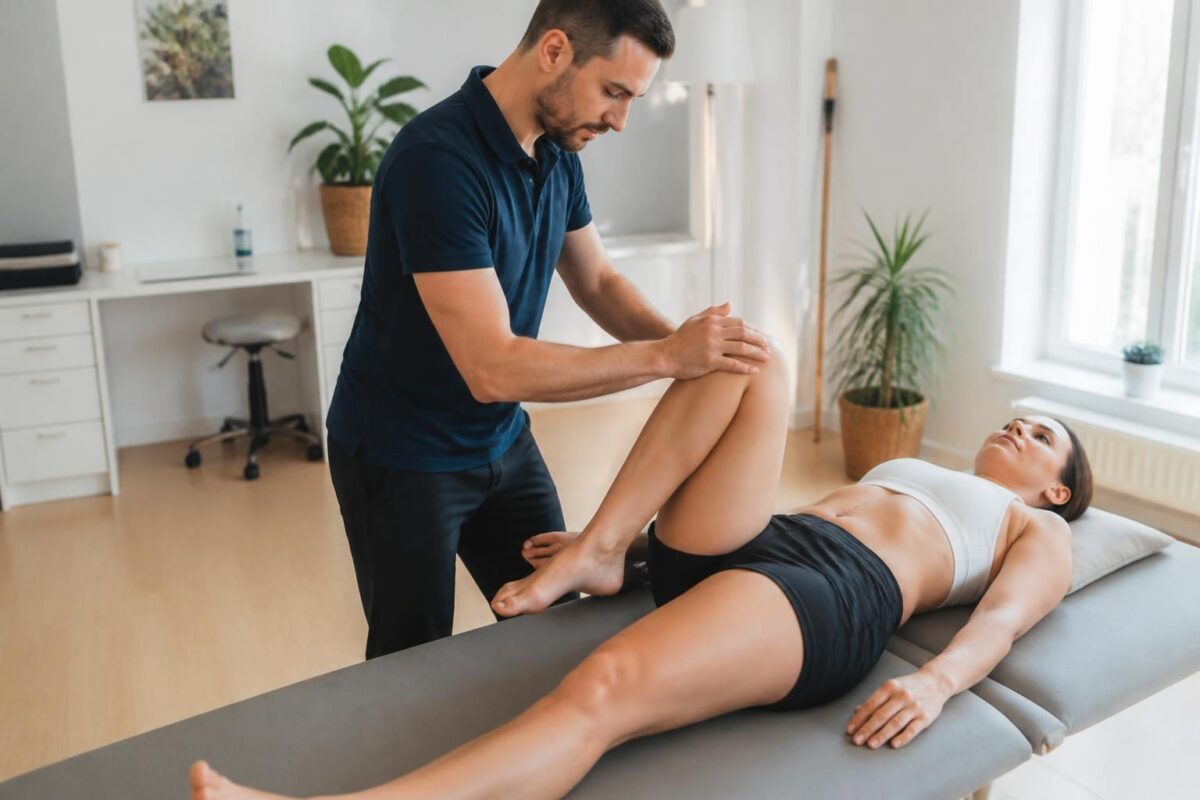
How osteopathy supports recovery after complex surgery
In short In short, Post-operative osteopathy is an approach fresh which supports the recovery After a Complex surgery. It helps to reduce the pain and the fatigue, improves the mobility and accelerates the healing thanks to a better vascularization and…
Additional resources and recommended readings
To expand your understanding of osteopathy and preventive mobility, here are relevant and accessible readings: Osteopathy and sports performance, Arthritis and daily, Osteopathy and osteoarthritis, and Mobility and joint movements.

Dr Sylvain Desforges, B.Sc., D.O., N.D., osteopath, is the founding president of TAGMED and of the ACMA association. He dedicates his practice to chronic spinal pain, low back pain and symptoms compatible with sciatica, particularly when pain radiates toward the buttock, leg, calf, foot or toes.
Through SOS Sciatique, he publishes educational content on sciatica symptoms, possible causes such as disc herniation, disc narrowing, foraminal stenosis or irritation of a lumbar nerve root, as well as non-surgical approaches that may be considered according to the evaluation. At Clinique TAGMED, care may include, depending on the case, motorized neurovertebral decompression, specific osteopathic care or precision percussion.
For an evaluation related to sciatica treatment in Montreal / Mount Royal or sciatica treatment in Terrebonne, please consult the services available at Clinique TAGMED.
Medical disclaimer
The information published on SOS Sciatique is provided for educational purposes only and does not replace a consultation, diagnosis, opinion or treatment provided by a physician or another authorized healthcare professional. The author of this article is neither a medical doctor nor a specialist in a medical specialty recognized by the Collège des médecins du Québec. The osteopathic, manual medicine or functional support approaches described on this site do not constitute medical acts and are not intended to replace medical follow-up.
Consult a physician or emergency service in cases of loss of bladder or bowel control, anesthesia in the saddle area, significant or progressive weakness in the leg or foot, fever, recent trauma, severe pain or rapid worsening of symptoms. For more details, please read our Legal Notice.