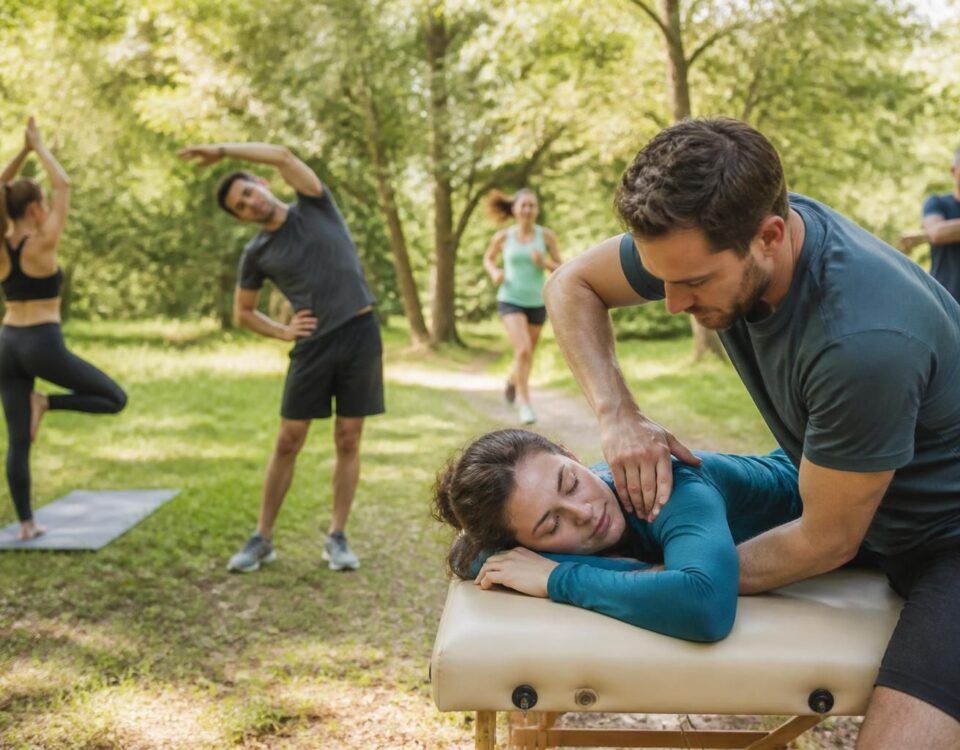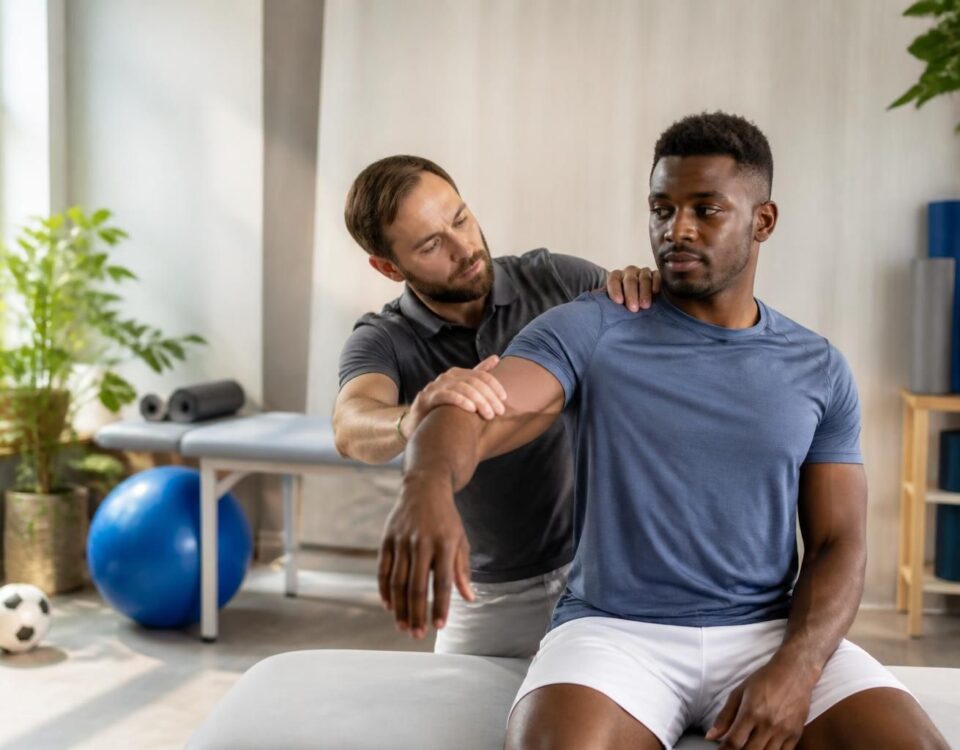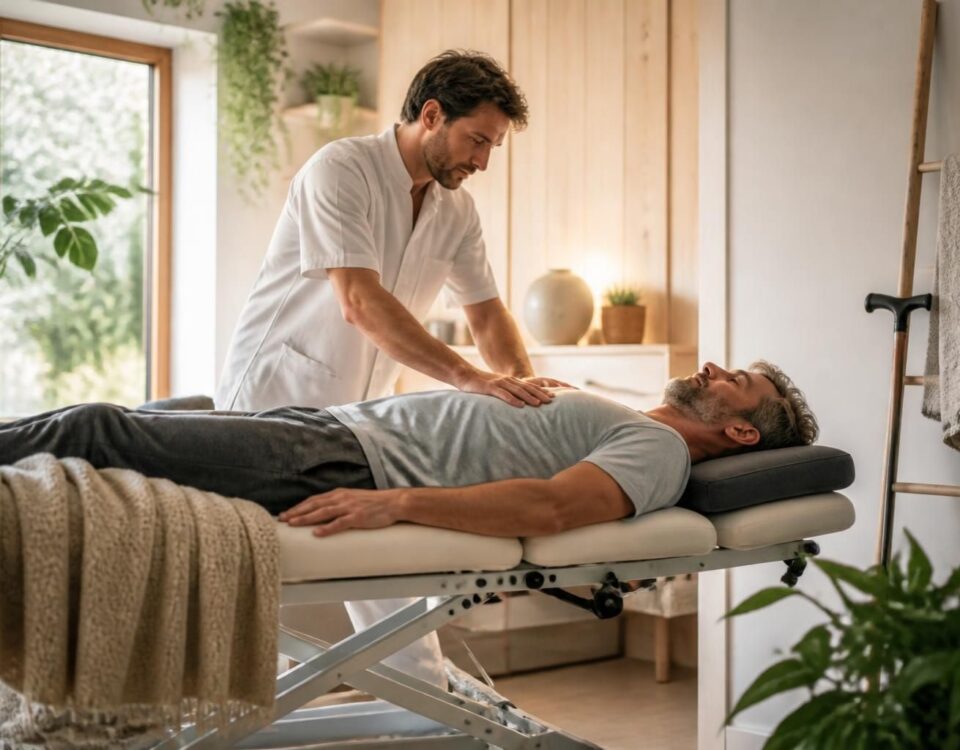
Why osteopathy is essential for rapid recovery after trauma
28/06/2026
The benefits of osteopathy to improve postural balance
28/06/2026
In short
| In short, Osteopathy and arthritis constitute a natural approach to Relieve pain and Improve daily life. What is osteopathy for arthritis? It is a manual discipline that considers the body as a whole to reduce tension and restore the mobility joints and tissues. What are the advantages? pain reduction, improvement in mobility, decrease in morning stiffness and better quality of life, with advice from posture and ofself-mobilization. How does this approach work? of Gentle techniques and targeted release tensions from the joints and fascias, rebalance the muscle chains and promote movement, while accompanying the patient with exercises to be performed at home. At Montreal, this service is particularly recommended for people looking for a non-medicated solution adapted to their daily life in order to regain comfort and mobility. |
theosteopathy is one Global manual approach who helps people witharthritis at Relieve pain and to Improve daily life. By Sweet mobilizations, work on soft tissues and attention to the posture, it restores the mobility and reduces discomfort to regain a smoother daily activity. The support also includes advice fromtherapeutic education and exercisesself-mobilization to be carried out at home, in order to prevent recurrences and maintain the gains. This approach holistic fits into a Care course personalized to support theautonomy and the quality of life patients.
This article, written by a health professional expert in osteopathy, presents how Osteopathy can relieve Arthritis-related pain and improve everyday life. He describes an approach overall, the techniques used, the role oftherapeutic education and the interest in integrating osteopathy into a Care course. The goal is to restore the mobility, reduce tensions and improve the quality of life, while remaining compatible with conventional medical treatment.
Understanding arthritis and the impact on everyday life
Arthritis includes inflammatory and degenerative conditions that affect the joints. It is manifested by aches, a stiffness and an Functional limitation that affect everyday actions. The overall gaze of the osteopath takes into account the mechanical and postural imbalances that maintain pain and stiffness. To learn more about the osteopathic approach to arthritis, see this article: Osteopathic approaches to relieve arthritis pain.
How osteopathy acts on arthritis
An osteopathic session aims to treat the body as a whole. theosteopath Uses Sweet mobilizations, of Myofascial techniques and, when relevant, thrusts to restore mobility and improve traffic. The work focuses on the affected joints and the surrounding tissues, but also on the muscle chains and postural patterns. This approach aims to reduce pain, improve the range of motion and promote better regulation of tension in the body. For recent summaries on the effectiveness of osteopathy in this context, see the analysis available on The effectiveness of osteopathy against joint pain.
Online resources also explain how osteopathy can reduce localized muscle tension and promote functional recovery after painful episodes. To explore these points, see for example The benefits of osteopathy to ease localized muscle tension and Benefits on chronic muscle pain.
The role of therapeutic education is central. Osteopathy is not just manual care; She joins forces with advice on postures, ergonomics and self-mobilization exercises. This approach allows the patient to be an actor in his mobility and comfort on a daily basis. To explore this component further, see How osteopathy promotes better muscle flexibility.
Therapeutic education and autonomy
An essential part of the treatment is therapeutic education. The professional offers postural advice and self-mobilization exercises to be carried out at home. This makes it possible to maintain the gains obtained during the sessions and to prevent recurrences. This approach is part of a logic of partnership between the patient and the therapist, in order to sustainably improve daily life.
To enrich this dimension, additional resources describe the links between osteopathy and joint pain management, as well as the beneficial effects on muscle tension and sports recovery. For example, see Osteopathy and recovery in amateur athletes and Benefits on localized muscle tension.
When to consult and what to expect
For a lasting effect, the osteopathic approach is often organized around a cycle of 2 to 4 sessions, adapted to the severity of the symptoms and the response of the patient. Each session lasts an average of 30 to 45 minutes and aims to clarify the areas to be released, optimize mobility and strengthen functional capacities. Osteopathy works in addition to medical treatments. It can help to improve everyday gestures and reduce stiffness, all in an approach that respects individual rhythm.
For perspectives on the treatment of osteoarthritis and possible outcomes, please see: Treating osteoarthritis and Understanding osteoarthritis and osteopathy.
Integrating osteopathy into a care pathway
Osteopathy is part of an approach multidisciplinary and may be associated with other therapies when needed. Cooperation is preferred with health professionals and recognized organizations in the field of manual care, such as ACMA (Canadian Alternative Medicine Alliance), the College of Canadian Osteopaths and the College of Canadian Osteopaths. The objective is to harmonize treatments and support mobility, stability and joint comfort.
To enrich your journey, you can also explore the following resources on osteopathic approaches and their impact on arthritis and chronic pain: Osteopathic approaches for arthritis, Chronic muscle pain, and Osteopathy and sports recovery.
For training and practice issues, recognized institutions in the field include NUMSS, NAO, National University of Medical Sciences and National Academy of osteopathy.
Sources and Deepening: Specialized resources on joint mechanisms and osteopathic management of arthritis can be found in dedicated pages and associated journals.
Medical Disclaimer: The information and advice provided on this site does not replace the health professional’s diagnosis or treatment. Please note that Dr. Sylvain Desforges osteopath is neither a doctor of medicine nor a doctor, and is not a specialist in a medical specialty as defined by the Collège des Médecins du Québec. Manual medicine, functional medicine and sports medicine as described on this site exclude any medical treatment or diagnosis made by a doctor or specialist doctor. Always consult your doctor for any medical questions. For more details, please read our full legal notice.
Osteopathy and arthritis: relieve pain to improve daily life
- Evaluation overall body to identify tensions and imbalances aggravating arthritis.
- Manual techniques adapted (soft mobilization, work of the fascias, relaxation) to restore mobility.
- traffic improvement and reducing muscle tension, helping to reduce pain.
- Posture and muscle chains harmonized to distribute loads and protect sensitive joints.
- therapeutic education and self-mobilization exercises at home to gain autonomy.
- Impact on daily life : more fluid and less painful daily gestures.
- Adapted physical activity : Walking, swimming or cycling to maintain mobility and strength without overloading the joints.
- flare-up prevention : Ergonomic advice, active breaks and weight management.
- Personalized follow-up and coordination with physiotherapist and doctor for a coherent journey.
- Sustainable results : less stiffness and better quality of life on a daily basis.

This article presents how theosteopathy can help people witharthritis By relieving pain and improving everyday life. By working on the body as a whole, the osteopath aims to restore mobility, reduce tension and promote a better quality of life, while integrating into a personalized care course.
Why Osteopathy Can Help Arthritis
The holistic approach proposed by theosteopathy Targets muscle and joint chains, postures and imbalances that accompany arthritis. This approach does not seek to “cure” the cartilage, but to reduce the mechanical stresses which aggravate the pain and stiffness, and to optimize the function on a daily basis.
Mechanisms of action
The Sweet mobilizations and soft-tissue work techniques allow to release tensions around the affected joints, to improve the circulation and local nutritional intake, and promote better proprioception. By working on adjacent and distal areas, the osteopath can also reduce compensation that accumulates and unnecessarily limit movement.
When and how to consult
Consulting an osteopath may be relevant at any time when you feel joint pain, morning stiffness or decreased mobility associated with arthritis. The procedure is adapted to the intensity of the symptoms and adapts gradually, with a realistic and painless rhythm. Osteopathy supplements medical care when necessary and does not replace it.

How osteopathy improves the quality of life of active people
In short In short, theosteopathy is a global approach that Optimizes mobility and the function of the body of ACTIVE PEOPLE, for a better quality of life. It helps prevent injury and reduce Musculoskeletal pain While promoting the Sports recovery.…

Osteopathy and sports recovery: prepare the body for lasting performance
In short In short, Osteopathy and Sports recovery is one Global manual approach that sustainably prepares the body for the effort by restoring mobility and circulation After the effort. It is a discipline that acts on the sinews, the joints,…
Techniques and expected results
the techniques used aim to Improving range of motion, to reduce pain and promote a general feeling of comfort. In addition to mobilizations, the approach can include gentle gestures targeted at muscular and fascial areas, in order to restore a balanced distribution of sympathetic and distal constraints. The most significant results concern the pain decreased, the stiffness which is attenuated and a better ability to carry out daily gestures (get up, dress, walk, climb the stairs).
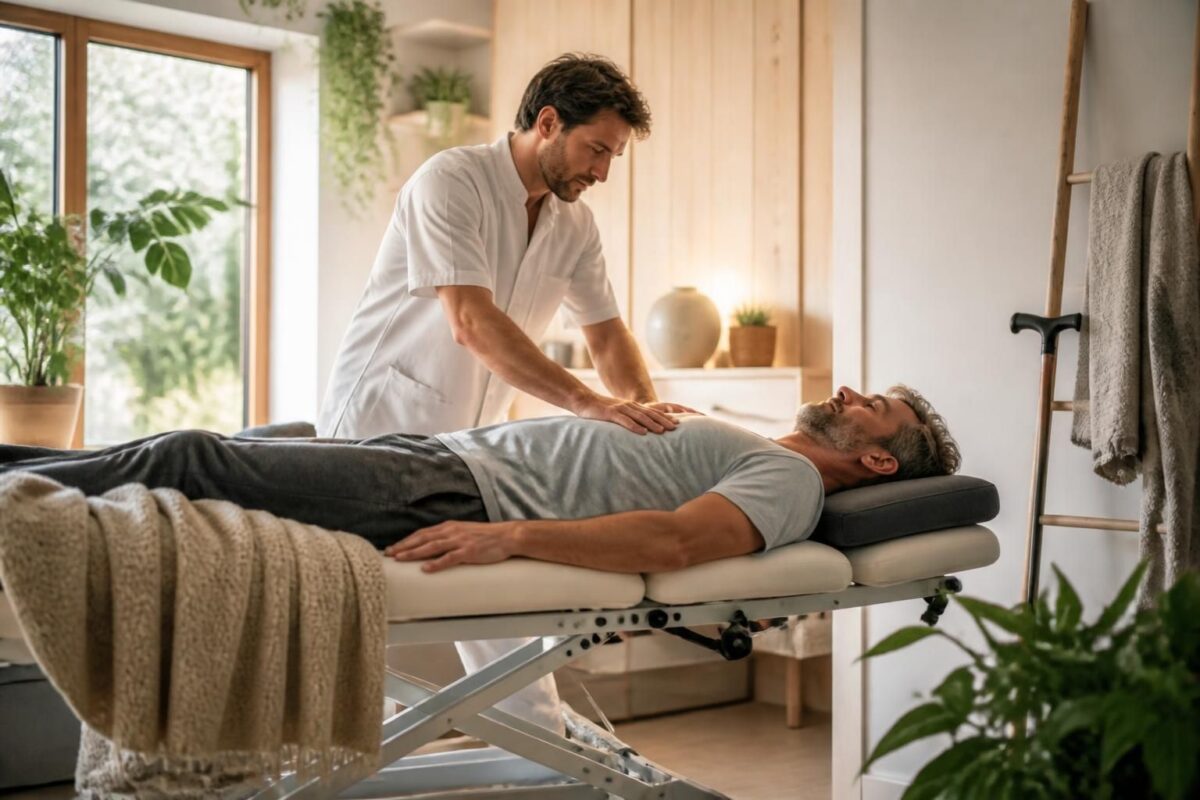
Why Osteopathy Is Essential For Recovery People
In short In short, Osteopathy in convalescence is an approach manual and holistic which helps to accelerate the recovery by restoring The balance, the mobility and a good circulation fabrics. it contributes to Reduce the pain, support the Back to…

Osteopathic manipulations to strengthen post-traumatic muscles
In short In short, Osteopathic manipulations for Strengthen post-traumatic muscles constitute a gentle manual approach aimed at restoring the mobility, reduce the pain and facilitate the Functional rehabilitation After a injury. What is Is it? A series of precise gestures…
Therapeutic education and self-mobilization
An essential component is thetherapeutic education: personalized advice on postures, ergonomics and exercisesself-mobilization to be done at home. These practices strengthen the patient’s autonomy and extend the benefits of sessions outside the office.
Exercises and posture on a daily basis
Simple and appropriate exercises can be offered to maintain flexibility and muscle strength around the affected joints. The focus is on a Postural hygiene And on daily gestures that limit the constraints (sitting straight, smooth stair climbing, transfer and port of balanced loads).

Osteopathy and prevention of work-related musculoskeletal disorders
In short theosteopathy is one Manual approach that restores body balance and prevents MSD related to work. Its advantages: reduction of tension, improvement of mobility and prevention of chronic pain. She is preventive and healing, suitable for office and trades…

The benefits of osteopathy to treat muscle imbalances
In short theosteopathy is a manual approach to restore themuscle harmony and postural considering the body as a whole. Its main benefits include the reduction of aches and tensions, the improvement of the mobility and from the posture, and prevention…
Integration into a care pathway
theosteopathy Ideally fits into a multidisciplinary course, in addition to physiotherapy, medical follow-up and an adapted physical activity program. This collaboration makes it possible to adjust the techniques and exercises according to the evolution of the symptoms and the treatments followed.
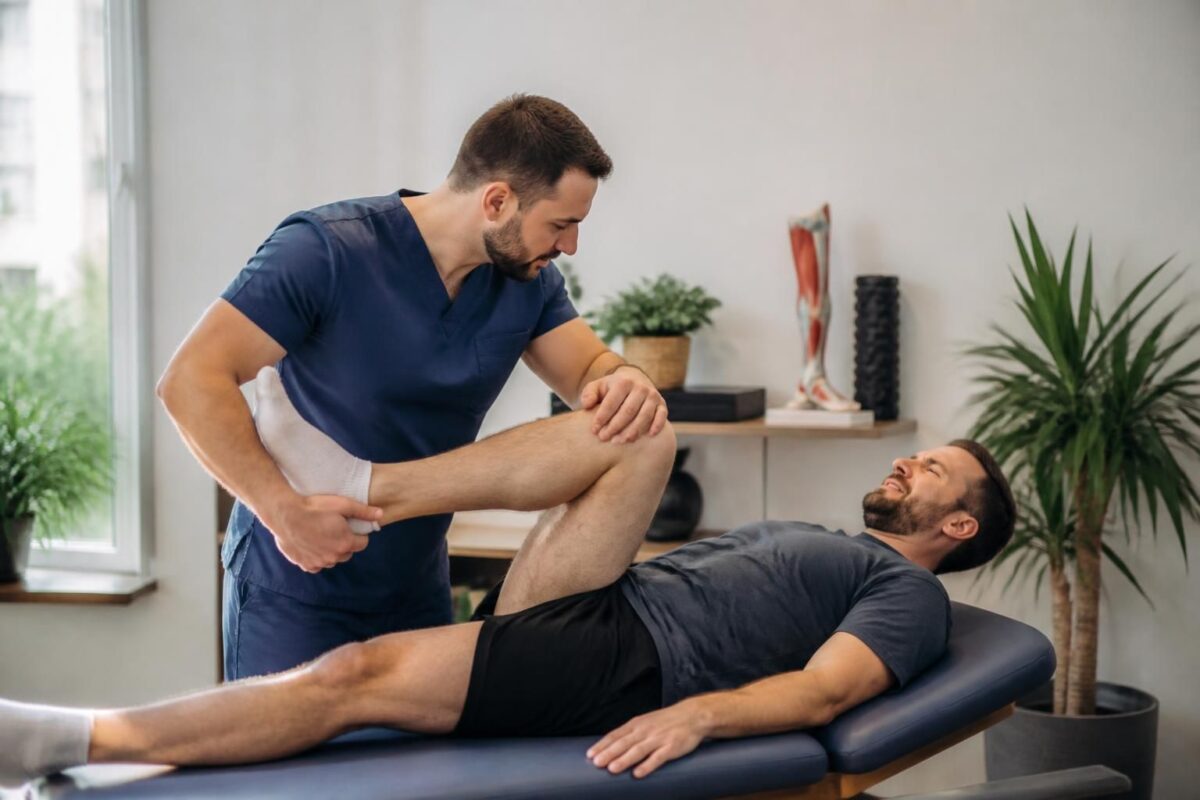
Osteopathy and chronic leg pain: regaining an optimal quality of life
In short In short, Osteopathy is one Global manual approach aimed at reducing Chronic leg pain and improve the quality of life. What is it? Non-drug therapy using the hands to identify restrictions and treat lesional chains. How does it…
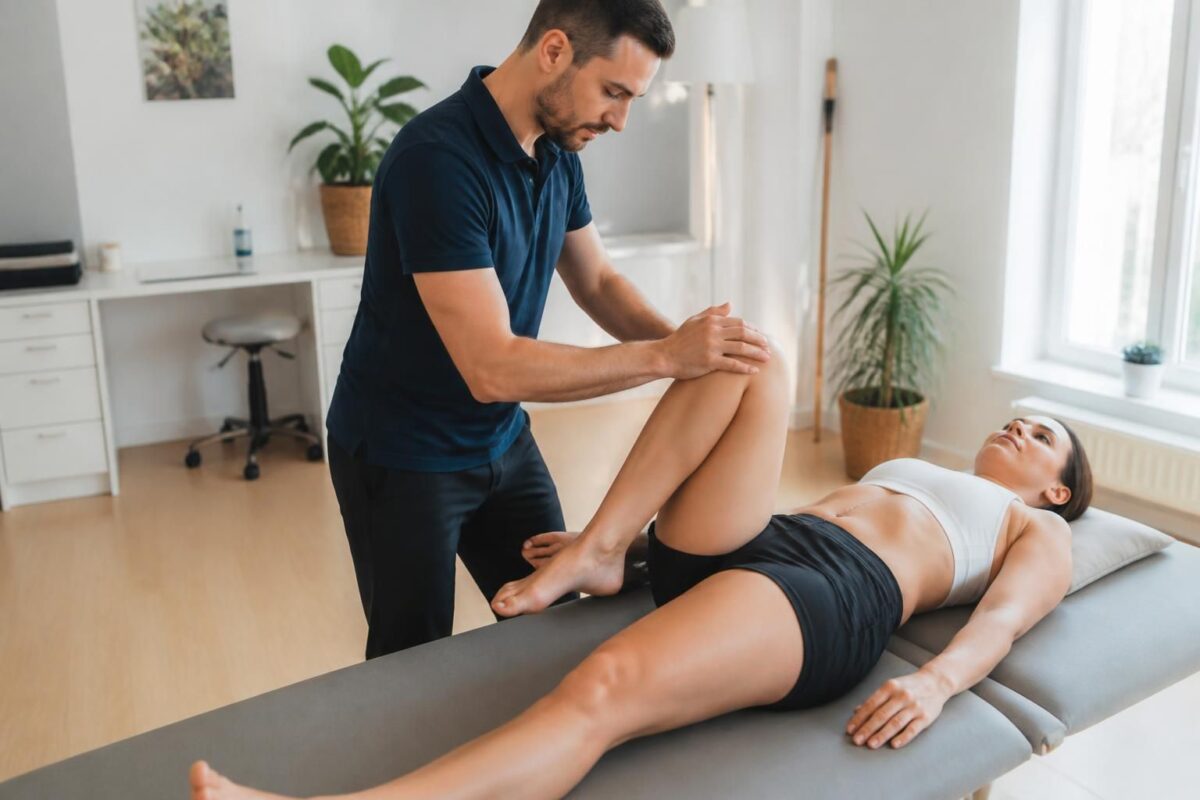
How osteopathy supports recovery after complex surgery
In short In short, Post-operative osteopathy is an approach fresh which supports the recovery After a Complex surgery. It helps to reduce the pain and the fatigue, improves the mobility and accelerates the healing thanks to a better vascularization and…
Prevent outbreaks and maintain well-being
Beyond the sessions, adopting healthy lifestyles helps to control arthritis. Maintaining a suitable weight, regular and moderate physical activity, a balanced diet rich in omega-3 and vitamins, and good sleep management reinforce the benefits of osteopathy and reduce the risk of painful outbreaks.
| Aspect | Effect and description |
|---|---|
| Definition & field | Losteopathy is a Manual approach which aims at the mobility and the comfort; arthritis is a Joint disease inflammatory or degenerative. |
| Objective | relieve the pain, reduce tensions and restore the mobility To improve the quality of life. |
| techniques | engagement sweet, work on fascias and soft tissue, global approach to the body. |
| Impact on pain | Decrease progressive of the pain and improved sleep through reduced tension. |
| Mobility & daily | improvement of theautonomy in daily gestures (walking, lifting, dressing). |
| therapeutic education | Advice postural, exercises dself-mobilization and domestic ergonomics. |
| Limits & directions | Approach complementary ; Does not replace treatment medical and requires a monitoring. |
| Frequency & monitoring | Usually 2 to 4 sessions initials, with reassessment and adjustment of the plan. |
| Coordination | Works in network with doctor and physiotherapist for care integrated. |
Testimonials: Osteopathy and arthritis — Relieve pain to improve daily life
“Before, every movement was painful and I feared daily tasks. thanks to a series of sessionsosteopathy, my painsarthritis have subsided significantly and I found a better mobility to go about my activities. »
“I spent my days standing by suffering; After postural advice and Manual techniques Targeted, I found an amplitude of movement that allows me to work without tensing my back and joints. »
“The morning awakenings were harsh; Thanks to the holistic approach and the advice ofself-mobilization, I reduced the stiffness and I was able to resume my outings with my grandchildren. »
“I was able to reduce my drug intake by combining theosteopathy and simple exercises to do at home; It gave me more autonomy. »
“Proprioception and coordination have improved; Arthritis no longer controls my life, I can redo my favorite activities with more confidence. »
“Regular monitoring offers me a reassuring and sustainable framework; theosteopathy Accompanies me to adapt my actions and improve my daily life over the seasons. »
Dr Sylvain Desforges is a practitioner committed toosteopathy, naturopathy and manual medicine, whose journey was built around an integrative vision of body and movement. At the head of structures dedicated to health innovation, he pays particular attention to the Management of Chronic pain and the reasoned use of advanced technologies to optimize the well-being of its patients.
his approach toarthritis Is part of a clear philosophy: joint pain is not reduced to an isolated joint, but reflects an overall imbalance of the body. By stimulating the natural healing mechanisms with Adapted manual techniques and targeted mobilizations, it seeks to dispel tensions, free up restrictions and restore a Functional mobility which makes everyday life more fluid. This approach aims, not to mask the pain, but to reintegrate the movement into a logic of autonomy and comfort.
At the heart of its practice, global and multidimensional evaluation is essential. Dr. Desforges examines muscle chains, supports, posture and lifestyle habits to identify the root causes of joint discomfort. Therapeutic education occupies a central place: it teaches simple principles ofself-mobilization And offers practical advice on postures, dosage of efforts and daily ergonomics. This approach allows patients to become actors of their health, strengthening their motivation and their ability to manage the symptoms on a day-to-day basis.
The treatment does not stop at the session; It fits into a Personalized route in the long term. Adapted session cycles, supplemented by exercises and recommendations for adapted physical activity, are proposed to promote the maintenance of flexibility, the reduction of stiffness and the improvement of sleep. At the same time, he favors multidisciplinary care when necessary, in order to associate the benefits of osteopathy with complementary strategies such as physiotherapy, functional rehabilitation and non-invasive interventions. For both active and adolescent patients and adults, the goal is clear: Reduce limitations And allow daily gestures to be performed with less pain and more freedom.
The results observed in his patients illustrate a decrease in morning stiffness, an improvement in amplitude of movement and better tolerance to exercise. This progression is reinforced by a better understanding of the origin of pain and by the implementation of preventive strategies, in order to limit recurrences and promote a more active and less painful life.
Through his insistence on know-how, listening and personalized support, Dr. Desforges exposes a realistic and reassuring vision of the possibilities offered by osteopathy in the face of arthritis. Its commitment is to offer proof-based care, accessible and adapted to each profile, to help everyone regain control of their daily life and to live with less pain.
This analysis highlights how theosteopathy Can connect pain, mobility and daily by treating thearthritis With a global approach, centered on the entire body, postural adaptation and therapeutic education. It details how adapted manual techniques, coupled with postural advice and self-mobilization exercises, can reduce tension, restore mobility and improve quality of life patients, while enrolling in a multidisciplinary care course.
In practice, theosteopathy offers an effective solution to relieve Joint pain related to thearthritis, working on joints, soft tissue and musculo-fascial chains. The Sweet mobilizations, the work of the fascias and special attention to the proprioception Reduce tensions, improve range of motion and reduce stiffness, which promotes a gradual resumption of daily activities.
It is important to consider arthritis as a multifactorial condition requiring an approach holistic and personalized. Osteopathy is ideally part of a course of care that can include physiotherapy, appropriate physical activity advice and ergonomic measures. This approach not only reduces pain, but also improves endurance and daily comfort throughout the day.
To deepen and broaden your understanding of the mechanisms and benefits of osteopathy in the treatment of osteoarthritis and arthritis, you can consult several dedicated resources, including articles and practical guides such as Osteopathy and osteopathy — Relieve your pain, Osteopathy and overall well-being, and Osteopathy and joint pain. Other relevant resources cover the impact of osteopathy on the quality of life of patients with arthritis and recovery potentialities after sports injuries.
To sustainably support patients, it is also useful to rely on information and experiences available on specialized resources such as Improving the quality of life of patients and Osteopathy to treat arthritis pain.
Finally, consider a osteopathy consultation adapted to your case in order to assess postural imbalances, muscle tension and mobility axes. A personalized date can be the first step towards lasting pain reduction and a concrete improvement in movement and well-being on a daily basis.

Dr Sylvain Desforges, B.Sc., D.O., N.D., osteopath, is the founding president of TAGMED and of the ACMA association. He dedicates his practice to chronic spinal pain, low back pain and symptoms compatible with sciatica, particularly when pain radiates toward the buttock, leg, calf, foot or toes.
Through SOS Sciatique, he publishes educational content on sciatica symptoms, possible causes such as disc herniation, disc narrowing, foraminal stenosis or irritation of a lumbar nerve root, as well as non-surgical approaches that may be considered according to the evaluation. At Clinique TAGMED, care may include, depending on the case, motorized neurovertebral decompression, specific osteopathic care or precision percussion.
For an evaluation related to sciatica treatment in Montreal / Mount Royal or sciatica treatment in Terrebonne, please consult the services available at Clinique TAGMED.
Medical disclaimer
The information published on SOS Sciatique is provided for educational purposes only and does not replace a consultation, diagnosis, opinion or treatment provided by a physician or another authorized healthcare professional. The author of this article is neither a medical doctor nor a specialist in a medical specialty recognized by the Collège des médecins du Québec. The osteopathic, manual medicine or functional support approaches described on this site do not constitute medical acts and are not intended to replace medical follow-up.
Consult a physician or emergency service in cases of loss of bladder or bowel control, anesthesia in the saddle area, significant or progressive weakness in the leg or foot, fever, recent trauma, severe pain or rapid worsening of symptoms. For more details, please read our Legal Notice.