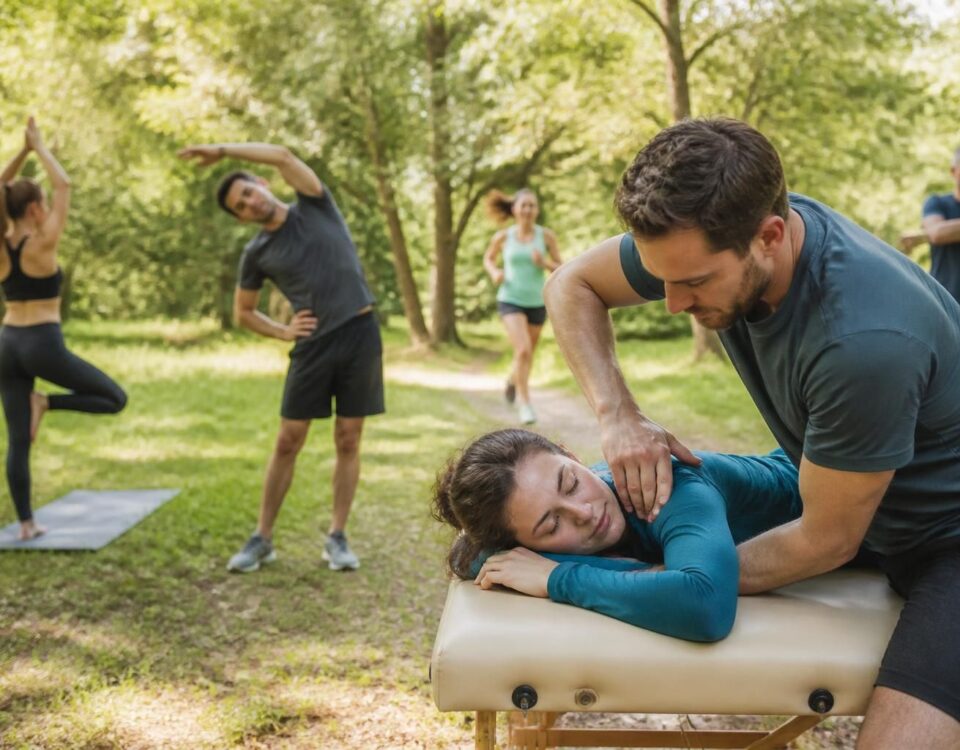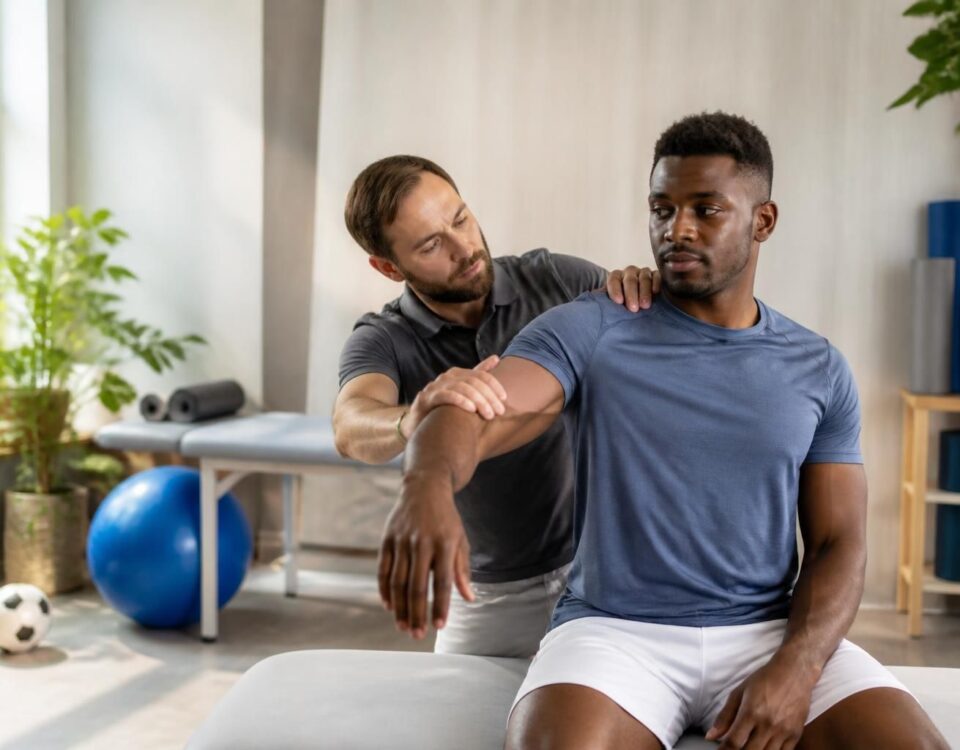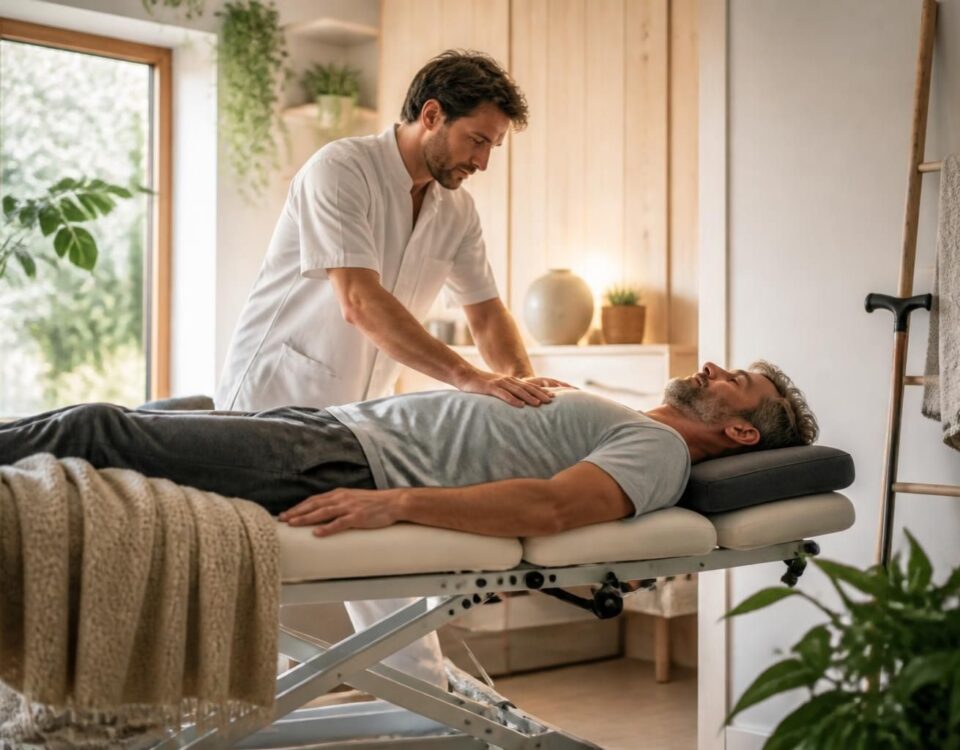
The benefits of osteopathy on post-fracture recovery
28/06/2026
How osteopathy promotes a balanced posture
28/06/2026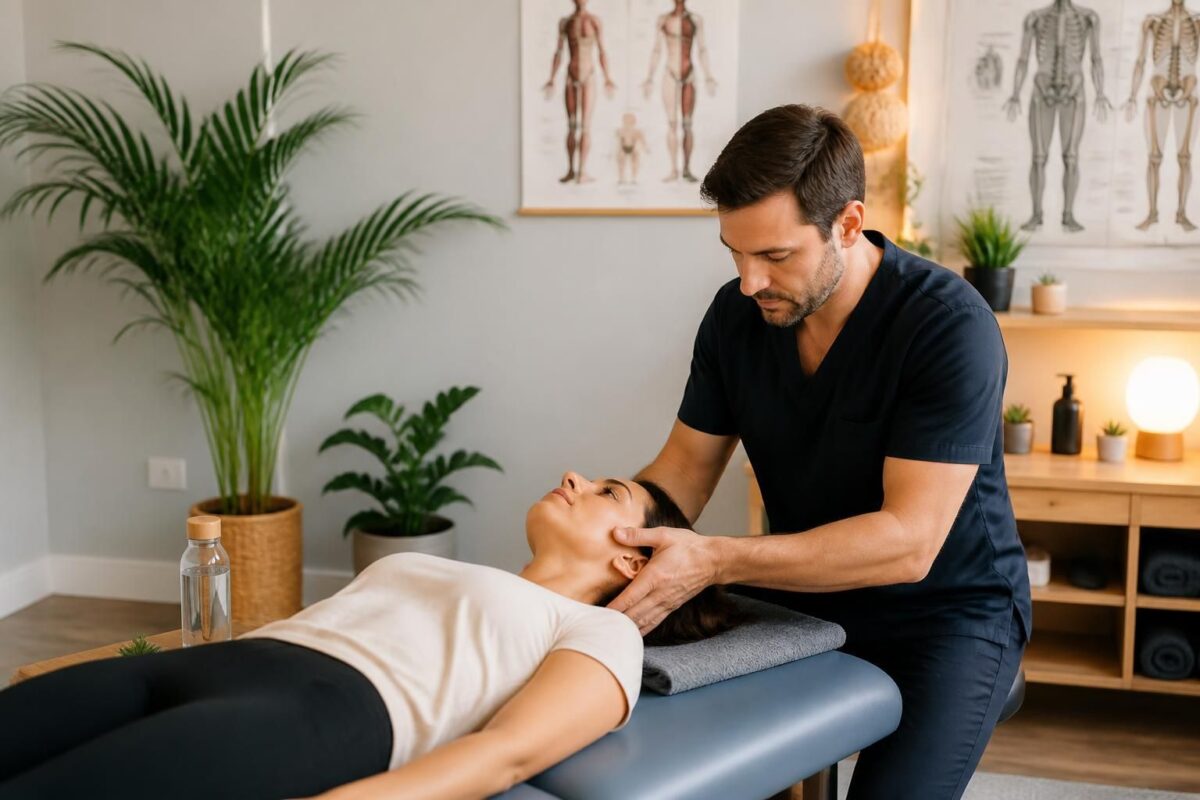
In short
| In short, theosteopathy is one holistic approach and manual which aims to restore theBody balance and prevent imbalances before they manifest themselves in pain. She offers Sustainable benefits for the Overall health By improving the mobility, by releasing tensions and reducing the stress. Its action is based on a Overall assessment of the patient and a Multidisciplinary collaboration with other professionals for a Custom support. accessible to all ages and, at Montreal, this treatment is particularly useful to prevent musculoskeletal disorders and promote a better quality of life on a daily basis, while remaining non-invasive and natural. |
theosteopathy is one Durable solution for overall health because it adopts a holistic vision of the body and acts on the root causes dysfunctions, not just about the symptoms.
- Prevention : early detection and correction of tensions to avoid the appearance or aggravation of pain.
- Mobility and pain : adapted techniques that improve mobility and reduce Chronic pain, promoting an active long-term life.
- Balance and well-being : Improved circulation and stress reduction, supporting physical and mental well-being.
- Accessibility and continuity : suitable for all ages and complementary to other medical approaches for sustainable health.
This sheet shows why theosteopathy is one Durable solution for the Overall health. She is part of a care setting multidisciplinary, where she completes the actions of physiotherapists, podiatrists, psychologists, midwives, general practitioners and naturopaths. It acts on the body as a whole, promotes mobility, improves circulation and contributes to emotional well-being. It integrates specific technologies and approaches, such as neurovertebral decompression and osteopathy adapted to each patient, without replacing the medical consultation.
A holistic and sustainable approach
theosteopathy is based on a holistic vision of the body. The osteopath identifies mobility restrictions and imbalances that disrupt health. Through manual techniques targeted at muscles, joints, fascias and internal organs, it facilitates the circulation of fluids and helps to restore postural balance. This approach aims for lasting results by acting on functional causes and not just on symptoms.
Integration with other disciplines
As part of a course of care, osteopathy collaborates with the Physiotherapists, the podiatrists, the psychologists and other professionals to offer full support. The osteopath brings a biomechanical reading and an approach to tissue tension that completes the work of other stakeholders. Together, they create a synergy that can accelerate recovery and reduce the risk of recurrence, especially after injury or surgery.
Prevention, mobility and stress management
Prevention is at the heart ofosteopathy. Regular sessions allow you to detect tensions and correct imbalances before they get worse. Improving mobility and posture supports daily performance and prevents recurrent pain. the techniques used promote a Muscle relaxation, a better circulation and improved stress management, which can improve sleep quality and overall well-being.
Clinical applications and associated technologies
Modern practice combines osteopathy with suitable tools, while remaining natural and non-invasive. Approaches such as motorized neurovertebral decompression and specific osteopathy are used, without resorting to unsuitable exercises for certain pathologies. The objective is to restore mobility and support recovery as part of a personalized journey, in particular for chronic pain and musculoskeletal dysfunction.
Training and evidence
The training in osteopathy are carried out in recognized establishments, such as Numss, NAO, National University of Medical Sciences and National Academy of Osteopathy. Osteopaths exercise according to protocols based on clinical data and feedback, in order to provide evidence-based care adapted to each patient. As part of a global follow-up, these professionals strive to integrate best practices and regularly evaluate results to adapt treatments.
To enrich your understanding, public resources present how osteopathy fits into a global approach to health and can transform well-being on a daily basis. For example, articles that describe the impact of osteopathy on active aging, on stress reduction or on the improvement of the body’s functional capacities allow us to understand its lasting role in working life and the prevention of handicaps.
To deepen, you can consult content that illustrates the integration of osteopathy in a global approach and the long-term benefits inscribed in various contexts. for example, Active aging and osteopathy, Osteopathy and stress, Leg pain and personalized care, Prevention of overuse injuries, and Improved functional capabilities.
The Training institutions And the professional associations cited as part of osteopathy are part of a process of recognition and quality of care. NUMSS, NAO, National University of Medical Sciences and National Academy of osteopathy provide a reference base for practitioners. The ACMA Associations, College of Canadian Osteopaths and College of Canadian Osteopaths structure ethics, professional standards and quality of practices.
In terms of management, osteopathy is a Durable solution which benefits the entire care chain. It can reduce chronic pain, improve mobility and support emotional well-being. Its effectiveness is based on a global assessment, a preventive approach and coordination with other health professionals.
Medical Disclaimer: The information and advice provided on this site does not replace the health professional’s diagnosis or treatment. Please note that Dr. Sylvain Desforges osteopath is neither a doctor of medicine nor a doctor, and is not a specialist in a medical specialty as defined by the Collège des Médecins du Québec. Manual medicine, functional medicine and sports medicine as described on this site exclude any medical treatment or diagnosis made by a doctor or specialist doctor. Always consult your doctor for any medical questions. For more details, please read our full legal notice.
- holistic and preventive : Osteopathy considers the body as a whole to prevent imbalances.
- Lasting pain reduction : Reduction of pain without drug dependence.
- Mobility and posture : Improves joint mobility and alignment to limit recurrences.
- Stress and sleep management : Release of tensions and better quality of rest.
- Adaptability to all ages : personalized care, from infant to senior.
- complementarity : Synergistic work with physiotherapists, doctors and other professionals.
- Non-invasive and natural : gentle techniques without surgery or medication.
- Support for autonomy : Promotes active aging and maintaining autonomy.

This article demonstrates why theosteopathy is one Durable solution for the Overall health. By adopting a holistic vision of the body and favoring a prevention Proactive, it fits naturally into a Multidisciplinary team and contributes to sustainably improving the mobility, the welfare and the Resilience to stress.
A holistic and sustainable approach
Osteopathy is distinguished by its overall view of the body. By detecting and treating mobility restrictions that disrupt balance, the osteopath acts on tissues, joints and organs to promote better fluid circulation and postural rebalancing. This intervention targets the root causes of pain and dysfunction, which increases the chances of a sustainable recovery and reduces the risk of recurrence. the results result in a Improving mobility, a reduction in tension and a better ability of the body to self-regulate.

How osteopathy improves the quality of life of active people
In short In short, theosteopathy is a global approach that Optimizes mobility and the function of the body of ACTIVE PEOPLE, for a better quality of life. It helps prevent injury and reduce Musculoskeletal pain While promoting the Sports recovery.…
Integration into a multidisciplinary team
In a logic of care pathways, osteopathy completes the efforts of professionals such as physiotherapists, podiatrists, psychologists, midwives, general practitioners and naturopaths. This collaboration makes it possible to combine functional rehabilitation, biomechanical balancing and psychological support for personalized and continuous care. For example, after an injury, the physiotherapist can restore strength and mobility, while the osteopath makes sure to release residual tensions that could slow recovery and promote harmonious posture in the long term.

Osteopathy and sports recovery: prepare the body for lasting performance
In short In short, Osteopathy and Sports recovery is one Global manual approach that sustainably prepares the body for the effort by restoring mobility and circulation After the effort. It is a discipline that acts on the sinews, the joints,…
Stress prevention and management
Osteopathic practice is strongly focused on the prevention of musculoskeletal disorders and functional dysfunctions. By regularly evaluating the body, it allows you to anticipate and correct imbalances before they manifest themselves with chronic pain. At the same time, the techniques used promote relaxation, reduce stress related to stress and improve sleep. This body-mind synergy contributes to a better stress reduction, to a more stable mood and increased productivity on a daily basis.
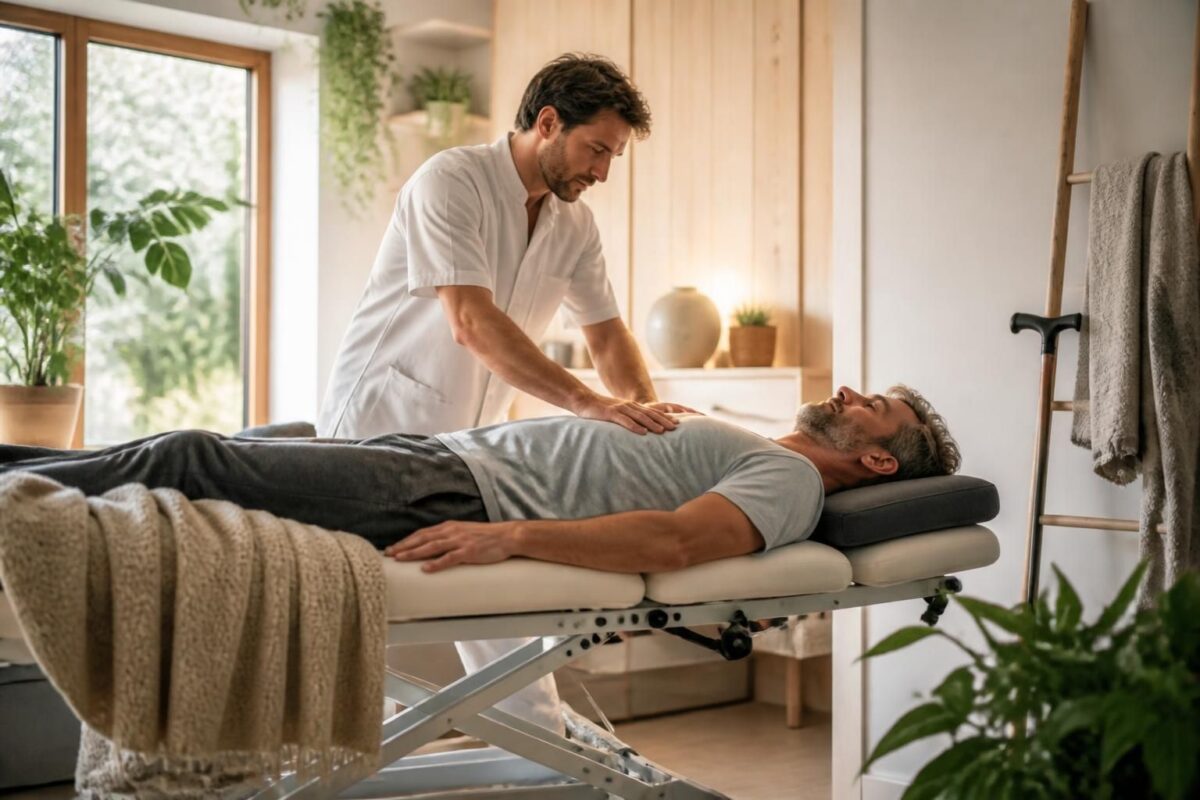
Why Osteopathy Is Essential For Recovery People
In short In short, Osteopathy in convalescence is an approach manual and holistic which helps to accelerate the recovery by restoring The balance, the mobility and a good circulation fabrics. it contributes to Reduce the pain, support the Back to…
Adaptability to all ages and situations
Osteopathy is accessible to all ages and adapts to the specific needs of infants, growing children, adults and seniors. It offers gentle and personalized approaches to treat joint pain, digestive disorders, lower back or postural pain, while minimizing the use of heavy drugs when possible. This accessibility And this flexibility make osteopathy a Durable solution to maintain a high quality of life throughout life.

Osteopathic manipulations to strengthen post-traumatic muscles
In short In short, Osteopathic manipulations for Strengthen post-traumatic muscles constitute a gentle manual approach aimed at restoring the mobility, reduce the pain and facilitate the Functional rehabilitation After a injury. What is Is it? A series of precise gestures…
Innovation and complementary tools
To amplify its effects, osteopathy can be based on additional tools and approaches when relevant. Appropriate techniques and technologies, coupled with a practice centered on patient self-healing, make it possible to improve the mobility, to accelerate recovery and Prevent recurrences. This spirit of innovation, while remaining faithful to the fundamental principle of the body capable of regulating itself, reinforces the overall effectiveness of osteopathic care.
| Axis | Concise impact |
|---|---|
| holistic and preventive | Promotes overall balance and sustainable prevention by treating root causes rather than symptoms. |
| stress management and welfare | Reduces physical and mental stress, improves sleep and supports daily well-being for better energy. |
| Mobility and Injury prevention | Restores mobility and releases tension, reducing the risk of injury and facilitating regular activity. |
| Multidisciplinary collaboration | Supports comprehensive care in coordination with other professionals for more lasting results. |
| non-invasive and security | Gentle and secure techniques, suitable for all ages, without the need for surgery or medication. |
| Personalization and monitoring | Evaluates the patient as a whole and adapts the long-term care plan. |
| Drug reduction | May reduce the use of analgesics by solving functional and mechanical causes. |
| Autonomy and education | Sustainably improves mobility, comfort and quality of life, allowing you to remain active. |
Anna, 40 years old, executive: since I consult regularly, Osteopathy has become a lasting ally for my Overall health. By working on the body as a whole, she reduced my lower back pain, improved my mobility and promoted better quality sleep, while reducing stress.
Thomas, 35, sportsman: osteopathy is not a one-time treatment: it’s a step preventive which strengthens thebalance of the body. After a few regular sessions, my performance And my recovery improved significantly.
Sophie, 28, Mother: For me and my children, osteopathy has become a pillar of our Overall health. Growth pains and stress-related tensions are decreasing, and the whole family sleeps better.
David, 55, Craftsman: As a manual worker, I appreciate that osteopathy improves my posture and my mobility, which prevents injuries and accelerates recovery after exercise.
Camille, 32, Employee: The Approach holistic Osteopathy helps me better manage stress and breathe better. I feel a lasting improvement in my quality of life and my energy.
Léa, 46, teacher: as an education professional, I observe an effect welfare sustainable for me and my students. Release tension and promote circulation improves concentration and productivity in the face of pain.
Hugo, 22 years old, student: student, osteopathy helps me maintain my mobility and my resilience Faced with the stress of exams. It is a natural and sustainable solution for my health.
In a society where the body is perceived as an interconnected whole, Osteopathy asserts itself as an approach holistic which aims to restore the overall balance. Its lasting strength lies in its ability to act upstream on tensions and dysfunctions, before they turn into persistent symptoms. By using targeted manual techniques, osteopathy seeks to restore the mobility of tissues, joints and organs, thus promoting Better circulation Fluids and a postural reorganization that benefits the whole body.
The particularity of this approach is its dimension preventive and adaptive. Rather than treating only acute pain, she is interested in identifying the root causes of imbalances and preventing their development. This philosophy makes it possible to prevent musculoskeletal pathologies and other functional dysfunctions by promoting movement and posture habits that sustainably support health. Thus, osteopathy is not seen as a simple occasional treatment, but as an approach that prepares the body to self-regulate in the face of daily solicitations.
As part of a journey multidisciplinary, it combines harmoniously with other health professions—physiotherapists, podiatrists, doctors, psychologists, midwives and naturopaths—to offer care overall and personalized. The osteopath brings Biomechanical analysis and tissue sensitivity that complement the interventions of other professionals, thus maximizing therapeutic efficacy and reducing the risk of postural compensation or recurrence.
In terms of results, osteopathy acts on the mobility and the function body structures. Through precise manipulations, it releases muscle tension, improves joint flexibility and rebalances musculo-fascial chains. This action promotes a bloodstream and more fluid lymphatic, accelerates the recovery process and may decrease the feeling of pain without resorting to invasive or medicinal treatments. For people who are active or suffering from chronic pain, this approach offers a lasting solution that is in line with time.
Beyond the body, osteopathy also attacks stress and emotional balance. By promoting muscle relaxation and better quality of sleep, it contributes to the management of stress and the improvement of psychological well-being. This psychophysiological dimension is essential: a relaxed body and a balanced posture interact with the mind to promote better energy and resilience in the face of daily challenges.
Finally, osteopathy is a practice accessible to all ages and all lifestyles. She favors gentle and non-invasive techniques, adapted to each patient and their body history. This customization enhances long-term efficiency and makes it a lasting solution for prevent pain and support robust overall health. Adopt a preventive approach and consult an osteopath for personalized evaluation and lasting care.
This presentation highlights why Osteopathy is one Durable solution for the Overall health. You will discover how an approach holistic integrates into a Multidisciplinary team, promotes the prevention And helps everyone to find balance, mobility and well-being in the long term. By reading, you will see how body mechanisms interact to sustainably improve quality of life, while supporting performance and recovery.

Osteopathy and prevention of work-related musculoskeletal disorders
In short theosteopathy is one Manual approach that restores body balance and prevents MSD related to work. Its advantages: reduction of tension, improvement of mobility and prevention of chronic pain. She is preventive and healing, suitable for office and trades…
Holistic approach and sustainability
In a logic holistic, theosteopathy aims to restore the mobility of the body as a whole. By working on soft tissues, joints, nervous system and organs, it promotes circulation fluid, a Postural balance and a better response of the autonomic nervous system. This approach promotes sustainable health By tackling root causes rather than just signs, and it fits perfectly into a continuous prevention approach.

The benefits of osteopathy to treat muscle imbalances
In short theosteopathy is a manual approach to restore themuscle harmony and postural considering the body as a whole. Its main benefits include the reduction of aches and tensions, the improvement of the mobility and from the posture, and prevention…
Integration within a multidisciplinary team
Osteopathy is enriched when it is part of a Multidisciplinary team Bringing together Physiotherapists, of podiatrists, of psychologists, general practitioners and other professionals. Together they offer support personalized and preventive, where each discipline brings a piece to the puzzle of the welfare and from the relapse prevention. To deepen, the article on why osteopathy is a global approach to well-being provides a useful explanatory framework.
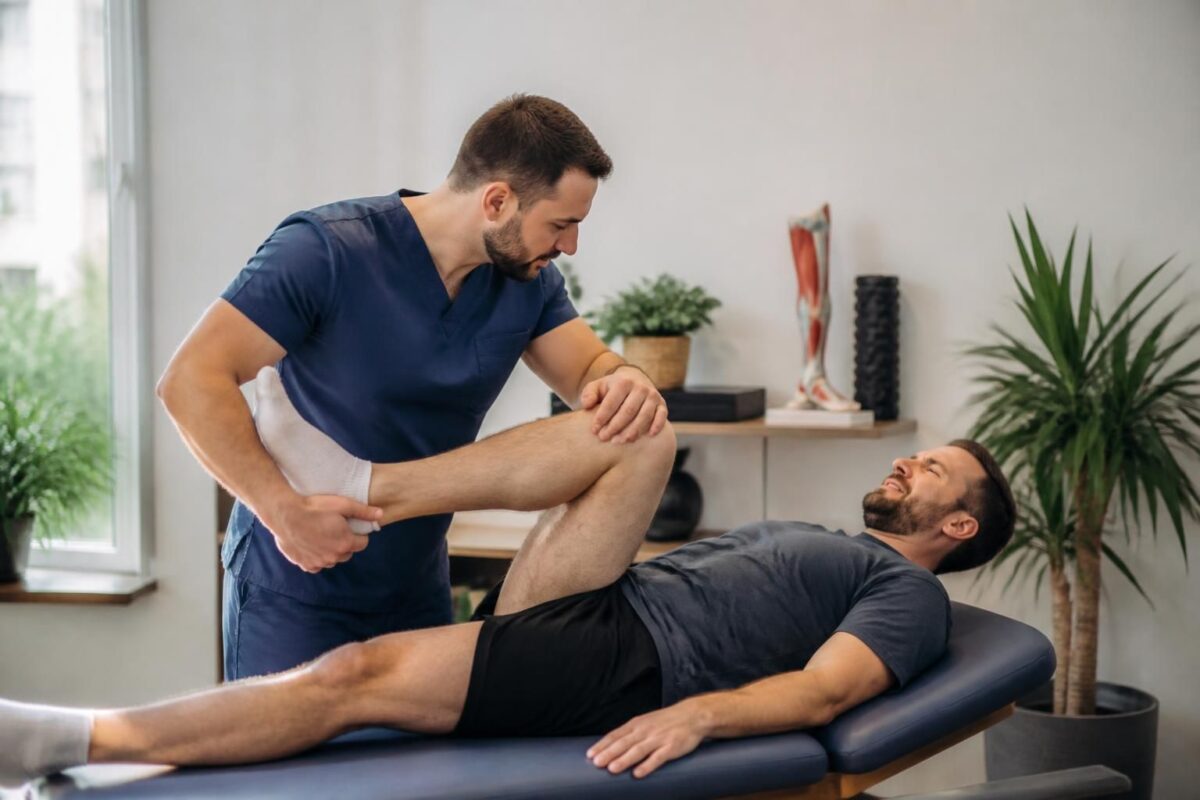
Osteopathy and chronic leg pain: regaining an optimal quality of life
In short In short, Osteopathy is one Global manual approach aimed at reducing Chronic leg pain and improve the quality of life. What is it? Non-drug therapy using the hands to identify restrictions and treat lesional chains. How does it…
Prevention and management of imbalances
Prevention is at the heart of the osteopathic approach: careful evaluation helps identify tensions and restrictions before they turn into chronic pain. By protecting joint mobility and rebalancing musculoskeletal chains, osteopathy contributes to a resilience Durable, useful for both athletes and people active in their professional and personal lives.
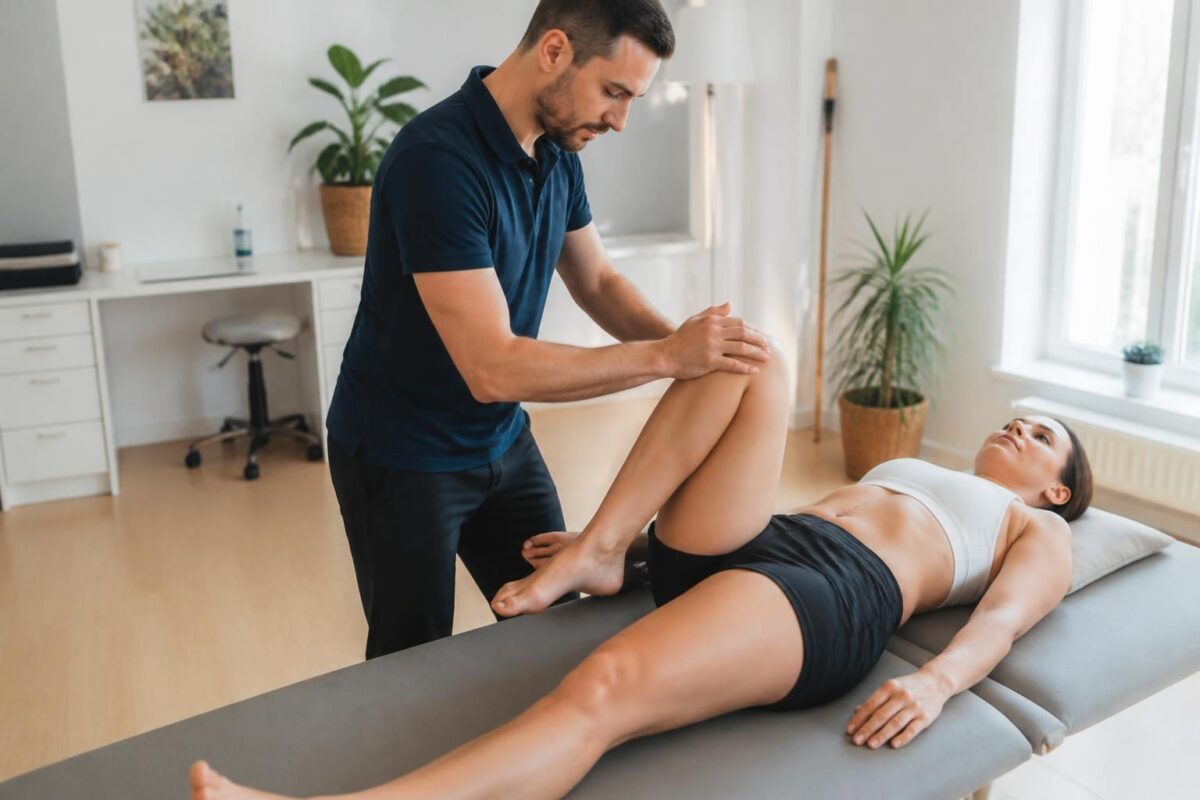
How osteopathy supports recovery after complex surgery
In short In short, Post-operative osteopathy is an approach fresh which supports the recovery After a Complex surgery. It helps to reduce the pain and the fatigue, improves the mobility and accelerates the healing thanks to a better vascularization and…
Impact on stress, sleep and emotional well-being
by releasing the tensions linked to the stress and by improving circulation, osteopathy promotes a Restful sleep and better emotional balance. this dimension integrative Responds not only to physical pain, but also to bodily signals that reflect psychological imbalances, thus strengthening general well-being and quality of life.
Concrete cases and clinical evidence
Clinical data and feedback suggests that the Osteopathic manipulation May reduce pain and improve function, with positive effects on the quality of life and the mobility. These results support coordinated use of OST in a care pathway, and several studies show a possible decrease in drug use and better recovery after painful episodes or after surgery when osteopathy is integrated.
Recommended resources and readings
To learn more, refer to the following resources that outline the foundations and benefits of theosteopathy from a perspective of Overall health and of Sustainable prevention :
- Why Osteopathy Is A Global Approach to Well-Being
- Why Osteopathy is a Sustainable Solution for Global Health
- Osteopathy and joint pain – Find freedom of movement
- Sports recovery: a tool to improve resilience
- How osteopathy reduces pain related to physical stress
- Osteopathy and posture – Find optimal body alignment
- Understanding the holistic approach to osteopathy in general well-being
- Osteopathy and emotional well-being – an integrative approach
- Osteopathy – the key to better overall health
- What is osteopathy and why consult?

Dr Sylvain Desforges, B.Sc., D.O., N.D., osteopath, is the founding president of TAGMED and of the ACMA association. He dedicates his practice to chronic spinal pain, low back pain and symptoms compatible with sciatica, particularly when pain radiates toward the buttock, leg, calf, foot or toes.
Through SOS Sciatique, he publishes educational content on sciatica symptoms, possible causes such as disc herniation, disc narrowing, foraminal stenosis or irritation of a lumbar nerve root, as well as non-surgical approaches that may be considered according to the evaluation. At Clinique TAGMED, care may include, depending on the case, motorized neurovertebral decompression, specific osteopathic care or precision percussion.
For an evaluation related to sciatica treatment in Montreal / Mount Royal or sciatica treatment in Terrebonne, please consult the services available at Clinique TAGMED.
Medical disclaimer
The information published on SOS Sciatique is provided for educational purposes only and does not replace a consultation, diagnosis, opinion or treatment provided by a physician or another authorized healthcare professional. The author of this article is neither a medical doctor nor a specialist in a medical specialty recognized by the Collège des médecins du Québec. The osteopathic, manual medicine or functional support approaches described on this site do not constitute medical acts and are not intended to replace medical follow-up.
Consult a physician or emergency service in cases of loss of bladder or bowel control, anesthesia in the saddle area, significant or progressive weakness in the leg or foot, fever, recent trauma, severe pain or rapid worsening of symptoms. For more details, please read our Legal Notice.