Why osteopathy is a non-invasive solution for chronic pain
28/06/2026
The benefits of osteopathy for professional athletes
28/06/2026
In short
In short, Osteopathy and the stress form a manual approach aimed at reducing Muscle tensions and promote a relaxation sustainable. This method improves the circulation and nervous balance, which can decrease theanxiety and stress-related pain, while improving the sleep and general well-being. In Montreal, this service is particularly useful for people faced with daily stress and neck and back tension. Its functioning is based on a global assessment and targeted releases that support the neuro-vegetative balance without invasive intervention. |
The stress Generates muscle tension and pain, but theosteopathy offers an approach holistic To reduce them by adapting the techniques to each person. The Muscle relaxations, the Joint manipulations and the approaches visceral Target blocking areas and restore mobility.
By acting on the diaphragm, the nervous system and the circulation, osteopathy stimulates the response parasympathetic and promotes calmer breathing. Result: tensions decrease, physical comfort improves and general well-being sets in, even in the face of daily stress.
osteopathy can help to Reduce muscle tension related to stress and improve well-being. The techniques used target areas of tension and act on the body and the nervous system. The goal is to soothe body and mind without resorting to invasive measures.
relaxation and breathing techniques
Gentle manipulations relax muscles and fascias. Work on the diaphragm facilitates deeper and slower breathing. Regular breathing supports relaxation and can reduce feelings of tension. The osteopath can target blocking areas with muscle relaxation techniques.
These techniques improve blood and lymph circulation. An optimal blood and lymph flow nourishes the tissues and facilitates the release of accumulated tensions. The diaphragm plays a key role in this process of general relaxation.
Impact on the nervous system and stress
Osteopathic treatment acts on the autonomic nervous system. It can promote the activation of the parasympathetic network, responsible for rest and recovery. This action can reduce the production of cortisol and adrenaline. Therefore, anxiety and tension can decrease in some people.
Soft stimulation of reflex points also participate in the relaxation process. This helps the body regain its neuro-vegetative balance and better cope with stress.
Practical integration and resources
Beyond the sessions, osteopathy offers simple advice to support relaxation. Maintain correct posture, practice deep breaths and move regularly strengthen the effects of manual techniques. To deepen the links between osteopathy and stress, you can consult specific resources on recognized sites, for example Osteopathy and recovery: optimize muscle flexibility, Techniques to reduce muscle tension, and cure stress.
To enrich your knowledge, also explore resources like Osteopathy and emotional well-being and Osteopathy and performance in athletes.
Book a session with your osteopath to assess your tensions and build an approach adapted to your daily life. Concrete results can appear quickly, with a gradual improvement in comfort and sleep.
Things to remember about stress-related tensions
Tensions are often located in the neck, shoulders and back. Osteopathy helps by relaxing muscles and improving mobility. We sometimes observe better breathing, less pain and better quality of sleep. The approach is global and non-invasive, with particular attention to the balance of the nervous system.
When to avoid osteopathic manipulation
In the presence of warning signs or recent trauma, the anamnesis is essential. If red flags appear, refer to a attending physician. Osteopathy is not an emergency treatment for acute panic attacks or severe depressions. In case of unexplained or feverish symptoms, medical advice is necessary.
For more information, you can view additional resources at Osteopathy and emotional well-being, Osteopathy and cervical pain, and Additional resources on sossciatica.com. You can also view direct information on stress and osteopathic approaches via Osteopathy and stress — how to release physical tension and cure stress.
Medical Disclaimer: The information and advice provided on this site does not replace the health professional’s diagnosis or treatment. Please note that Dr. Sylvain Desforges osteopath is neither a doctor of medicine nor a doctor, and is not a specialist in a medical specialty as defined by the Collège des Médecins du Québec. Manual medicine, functional medicine and sports medicine as described on this site exclude any medical treatment or diagnosis made by a doctor or specialist doctor. Always consult your doctor for any medical questions. For more details, please read our full legal notice.
- muscle relaxation Targeted tense areas to release postural chains and reduce pain.
- Joint mobilizations soft to restore mobility and reduce blocking points.
- Diaphragm and breathing Deep to improve oxygenation and calm the nervous system.
- Myofascial release cervico-thoracic fascias to release accumulated tensions.
- Visceral techniques soft to release internal tensions and improve circulation.
- Postural balancing By observation and micro-adjustments to prevent repeated tensions.
- Guided stretching and posture to be carried out at home to prolong the effects.
- Respiration/Rhythm coordination In order to activate the parasympathetic system and promote calm.

This article presents how theosteopathy can help manage the stress and reduce the Muscle tensions, thanks to gentle and targeted techniques that improve breathing, circulation and nervous balance. You will discover how osteopathic gestures act on the body to promote long-term soothing and improve daily comfort.
Understand the link between stress and muscle tension
The stress Prolonged triggers contractions and postural imbalances that fuel pain and stiffness. In osteopathy, the objective is to release the muscle chains and fascias in order to reduce tension and activate the parasympathetic nervous system, to promote recovery and inner calm. Stress can also amplify postural habits and daily rhythm, contributing to diffuse pain and tenacious points of tension.
Key areas and mechanisms
the areas frequently concerned are the neck, the shoulders, the back and the diaphragm. Working these areas releases accumulated tension, improves mobility and allows smoother breathing. A targeted approach to these segments can reduce headaches, lower back pain, and stress-related oppression sensations.

How osteopathy improves the quality of life of active people
In short In short, theosteopathy is a global approach that Optimizes mobility and the function of the body of ACTIVE PEOPLE, for a better quality of life. It helps prevent injury and reduce Musculoskeletal pain While promoting the Sports recovery.…
Techniques to reduce muscle tension
The approaches used adapt to the patient and favor painless efficacy: muscle relaxation, Tissue release, Joint mobilizations and, when necessary, Visceral techniques. The objective is to restore mobility, reduce blockages and improve blood and lymph circulation. This combination acts on deep structures and fascias for lasting rebalancing.
Muscle relaxation and tissue release
Release work targets contracted areas and fascias to reduce tension and increase tissue oxygenation. The results include a feeling of lightness, a better range of movement and a decrease in pain associated with stress.
Diaphragm and breathing
The diaphragm is the main lever of breathing. By improving its mobility and guiding a slower and deeper breathing, we activate the parasympathetic system And we promote a state of calm. This approach supports heart rate regulation and mental appeasement.

Osteopathy and sports recovery: prepare the body for lasting performance
In short In short, Osteopathy and Sports recovery is one Global manual approach that sustainably prepares the body for the effort by restoring mobility and circulation After the effort. It is a discipline that acts on the sinews, the joints,…
Integrate osteopathy into stress management
To optimize the results, associating the sessions with simple daily habits is key: Conscious posture, regular breathing breaks, appropriate physical activity and sufficient sleep. This synergy reinforces the action of osteopathic gestures and accelerates the return of a state of well-being.
When to favor a session
In times of increased tension or as a preventive measure, regular appointments help maintain the flexibility of muscle chains and prevent resurgence. The custom plan is used to target repetitive areas of tension, such as the neck, trapezoids, or lumbar.
What you can expect during the session
You will be guided to gestures adapted to your body, with clear explanations of the areas worked and the sensations expected. The goal is palpable and lasting relaxation, combined with better body awareness and more effective stress management.
| Technical | Concise description |
|---|---|
| Local muscle relaxation | relaxes them tense muscles and reduces thehypertonicity local to improve traffic. |
| Diaphragmatic work and deep breathing | favor deeper breathing and activate the parasympathetic system to reduce stress. |
| Soft joint mobilizations | Free them Blocked joints, decreases Reflex tensions and improves mobility. |
| Visceral tecnnics and diaphragmatic release | release the Visceral tensions and the diaphragm, dissipating stress-related tensions. |
| Cervical and cranio-sacral work | Reduces the headache and the cervical tension, promoting rest and sleep. |
| Postural chain management | Optimize LPostural alignment and release the Muscle chains to reduce overall tensions. |
| Soft fascial release | Liberation of fascias To limit the stresses transmitted in the tissues. |
| Vagus nerve activation and relaxation | Mild activation of vagueness To promote the quiet and recovery. |
| Practical advice and osteopathic follow-up | integrates Practical advice and plans a Osteopathic follow-up to stabilize winnings. |
Why Osteopathy Is Essential For Recovery People
In short In short, Osteopathy in convalescence is an approach manual and holistic which helps to accelerate the recovery by restoring The balance, the mobility and a good circulation fabrics. it contributes to Reduce the pain, support the Back to…
Testimonials: Osteopathy and stress — Techniques to reduce muscle tension
“I was hampered by stress-related cervical tensions. Osteopathy gave me real relief thanks to Muscle relaxation techniques And some Joint mobilizations sweet. My breathing has become deeper and the stress is less heavy on a daily basis. I highly recommend this approach to quickly regain comfort and serenity. »
“The headaches and fatigue faded little by little after the osteopath worked on the diaphragm and on the blocking areas. In a few sessions, I found a better breathing and more restful sleep, which greatly reduced the tensions caused by the stress. »
“In periods of overload, I enjoyed the sessions focused on the posture and the muscle relaxation. The results resulted in less pain in the back and a general feeling of calm, even on the busiest days. »
“I suffered from anxiety and tensions accumulated in my neck. the techniques targeted on the diaphragm And the reflex zones have brought a real mental and physical appeasement, with a notable decrease in muscle tension. »
“As an athlete, my overwork tensions decreased after sessions focused on the Visceral relaxation And some breathing techniques. My recovery has improved and I feel freer in my movements. »
Doctor Sylvain Desforges is a recognized professional in the fields ofosteopathy, from the naturopathy and from the manual medicine, and he is the founding president of TagMed as well as the ACMA association. His journey is guided by an ambition toInnovation in care and a specialization in the management of chronic pain, while integrating advanced technologies such as the spinal decompression, the laser and the Shockwave therapy. Its mission is to provide evidence-based care to optimize the health and well-being of patients, focusing on an approach holistic which links personalized evaluation and modern therapeutic tools to treat stress-related tensions.
In his practice, he favors techniques manuals adapted to each profile, aimed at Relieve muscle tension and improve blood and lymph circulation. The approach includes work on the diaphragm and the fascias, areas frequently mobilized when stress accumulates. Joint manipulations, visceral techniques and deep muscle relaxation can target the local and distal origins of tension, while accompanying advice on breathing and posture. The goal is to activate the nervous system parasympathetic In order to promote inner calm and faster recovery after episodes of tension. In addition, technologies such as spinal decompression, as well as therapies by the laser and the shock waves can accelerate tension reduction and rehabilitation.
The link between stress and the body is central in its approach. Osteopathy is not limited to alleviating pain; It aims to regulate the responses of the autonomic nervous system, by reducing the hyperactivity of the sympathetic system and by rebalancing the activity of the parasympathetic system. This regulation can lead to a decrease in the cortisol and adrenaline, better anxiety management and improved sleep quality. The program also includes patient education on simple gestures at home, breathing exercises and postural routines that enhance stress tolerance and promote a more harmonious physiology.
For people suffering from stress-related pain or chronic tension, the route proposed by Dr. Desforges combines care Precise manuals multimodal approaches adapted to the lifestyle of each one. His experience as a leader in structures focused on health innovation gives his treatments a rigorous basis and an ability to adapt protocols according to individual needs. The intended results include a lasting decrease in tension, improved mobility, smoother breathing and a more stable nervous balance between activity and rest. This approach aims to allow everyone to regain control over their body and their well-being on a daily basis.
To learn more about its approach and the services available, the TagMed Clinic invites you to consider a personalized evaluation. Find out how Osteopathy can become an effective lever against stress and the Muscle tensions, and how solutions evidence-based can fit into your care plan.
This summary presents how theosteopathy can help reduce Muscle tensions related to stress, thanks to targeted techniques, a global approach and a stimulation of the the nervous system in favor of parasympathetic. It details the mechanisms, techniques and practical applications to promote sustainable appeasement without concluding definitively on a complex problem such as anxiety or associated somatic pain.

Osteopathic manipulations to strengthen post-traumatic muscles
In short In short, Osteopathic manipulations for Strengthen post-traumatic muscles constitute a gentle manual approach aimed at restoring the mobility, reduce the pain and facilitate the Functional rehabilitation After a injury. What is Is it? A series of precise gestures…
Key Techniques to Reduce Stress-related Muscle Tensions
The Osteopathic techniques Used to relax the tensions adapt to each patient and aim to release restrictions that hinder movement. work on Tissue borders and the blocking zones are frequently conjugated with Muscle relaxations deep, gentle joint manipulations and appropriate visceral approaches. The diaphragm plays a central role: by facilitating more ample and regular breathing, it contributes to reducing tension and promoting a state of physiological calm. These interventions aim to improve blood and lymph circulation, reduce stiffness and restore harmonious mobility of body segments.
In addition to manipulations, the approach is complemented by myofascial release techniques and targeted reflex stimulations that encourage the relaxation of the neck, shoulder and chest muscles, often stressed by stress. By restoring a more favorable postural dynamic, the body can better adapt to sources of tension and limit the associated chains of pain and discomfort.

Osteopathy and prevention of work-related musculoskeletal disorders
In short theosteopathy is one Manual approach that restores body balance and prevents MSD related to work. Its advantages: reduction of tension, improvement of mobility and prevention of chronic pain. She is preventive and healing, suitable for office and trades…
Nervous system adjustment and sleep improvement
Osteopathic treatment acts on the autonomic nervous system, promoting the activation of Parasympathetic network and modulating the stress response. This rebalancing results in a decrease in the production of cortisol and adrenaline, and an improvement in mood and sleep. Gentle, sequenced techniques can help calm the nervous system, reduce hypervigilance and facilitate letting go that promotes more restful sleep.
At the same time, precise manipulations on the reflex zones and the neurovascular junctions contribute to restoring the neurovegetative balance. The expected result is not just a one-time pain relief, but a better ability of the body to tolerate stress and recover faster after intense days.

The benefits of osteopathy to treat muscle imbalances
In short theosteopathy is a manual approach to restore themuscle harmony and postural considering the body as a whole. Its main benefits include the reduction of aches and tensions, the improvement of the mobility and from the posture, and prevention…
Practical integration and follow-up
To optimize the effects, osteopathy is part of a multidisciplinary and personalized approach. Practical advice on breathing, daily posture and stretching micro-exercises can be integrated between sessions to extend benefits and promote sustainable management of tensions. Regular monitoring makes it possible to adjust the techniques according to the evolution of tensions, the rhythm of life and the stressors encountered.
From a prevention perspective, it is useful to combine lifestyle habits that reduce daily physiological activation: synchronized breathing breaks, ergonomic workplace layout, and relaxation routines at the end of the day. These elements contribute to maintaining the neuro-musculoskeletal balance and to prevent recurrences of tension.
Osteopathy and chronic leg pain: regaining an optimal quality of life
In short In short, Osteopathy is one Global manual approach aimed at reducing Chronic leg pain and improve the quality of life. What is it? Non-drug therapy using the hands to identify restrictions and treat lesional chains. How does it…
Resources and useful links
To deepen these concepts and discover concrete examples of application, you can consult the following resources:
Why osteopathy is an effective alternative for athletes
Can osteopathy help in case of stress or anxiety?
Osteopathy and stress — Perspectives and practices
The benefits of osteopathy to reduce joint stiffness
How osteopathy eases stress-related tensions
Osteopathy and rehabilitation after an accident
Osteopathy and neuropathic pain
Osteopathy, anxiety and stress — treatment
Osteopathy and joint pain — Regain mobility
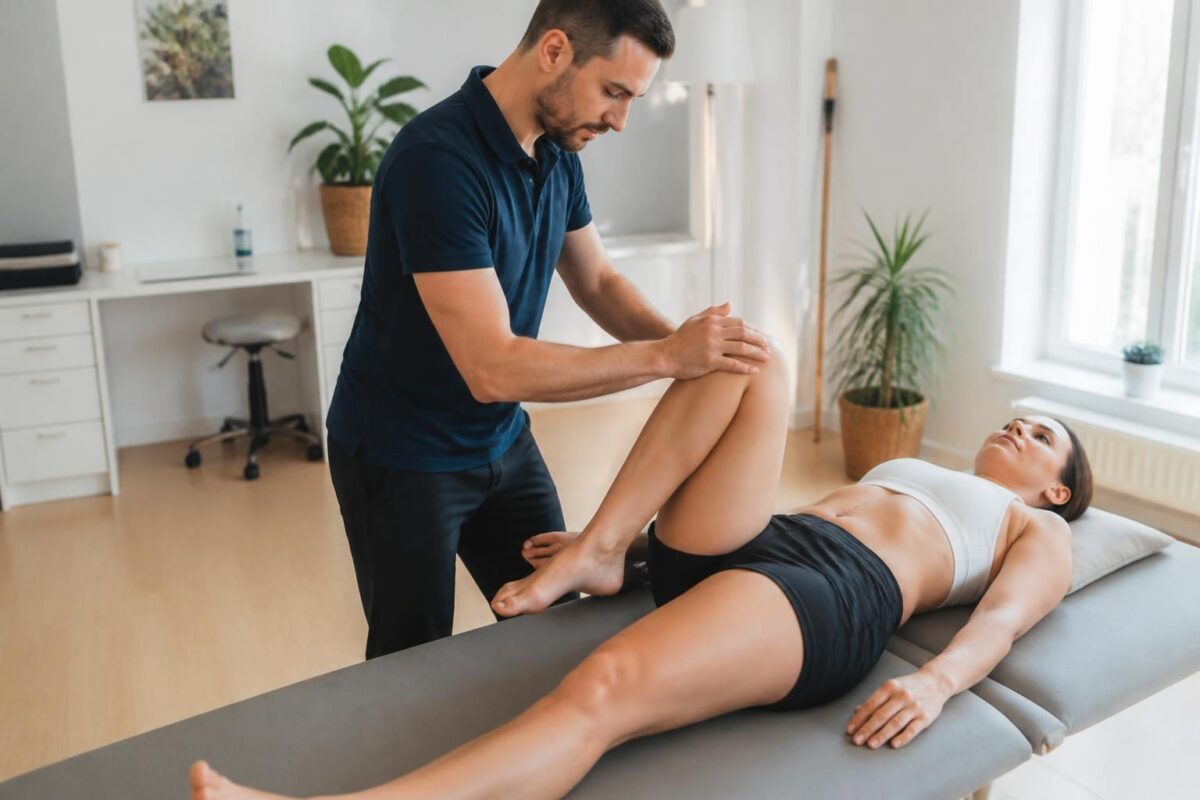
How osteopathy supports recovery after complex surgery
In short In short, Post-operative osteopathy is an approach fresh which supports the recovery After a Complex surgery. It helps to reduce the pain and the fatigue, improves the mobility and accelerates the healing thanks to a better vascularization and…

Dr Sylvain Desforges, B.Sc., D.O., N.D., osteopath, is the founding president of TAGMED and of the ACMA association. He dedicates his practice to chronic spinal pain, low back pain and symptoms compatible with sciatica, particularly when pain radiates toward the buttock, leg, calf, foot or toes.
Through SOS Sciatique, he publishes educational content on sciatica symptoms, possible causes such as disc herniation, disc narrowing, foraminal stenosis or irritation of a lumbar nerve root, as well as non-surgical approaches that may be considered according to the evaluation. At Clinique TAGMED, care may include, depending on the case, motorized neurovertebral decompression, specific osteopathic care or precision percussion.
For an evaluation related to sciatica treatment in Montreal / Mount Royal or sciatica treatment in Terrebonne, please consult the services available at Clinique TAGMED.
Medical disclaimer
The information published on SOS Sciatique is provided for educational purposes only and does not replace a consultation, diagnosis, opinion or treatment provided by a physician or another authorized healthcare professional. The author of this article is neither a medical doctor nor a specialist in a medical specialty recognized by the Collège des médecins du Québec. The osteopathic, manual medicine or functional support approaches described on this site do not constitute medical acts and are not intended to replace medical follow-up.
Consult a physician or emergency service in cases of loss of bladder or bowel control, anesthesia in the saddle area, significant or progressive weakness in the leg or foot, fever, recent trauma, severe pain or rapid worsening of symptoms. For more details, please read our Legal Notice.