Sciatic pain in Montreal: when walking becomes difficult
24/07/2026
Calf pain resembling a cramp: possible sciatica?
24/07/2026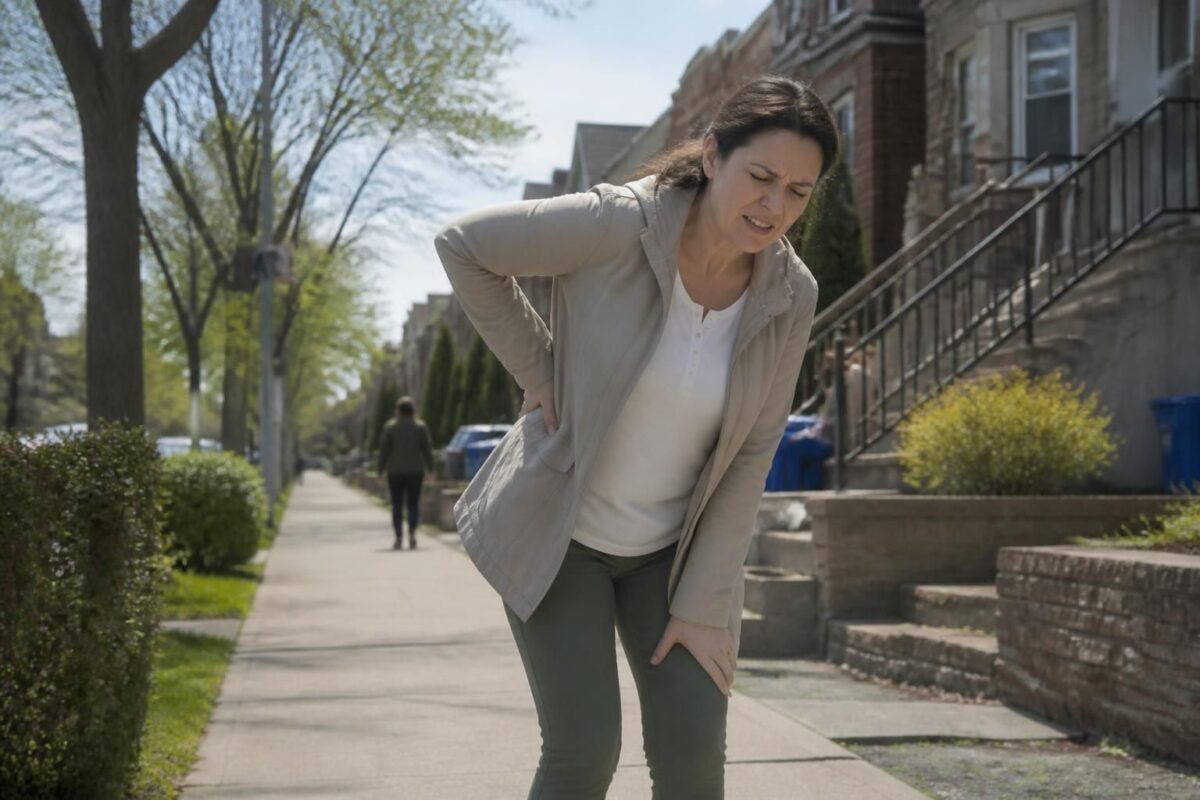
IN BRIEF
| The topic concerns sciatic pain in Terrebonne, a pain that follows the path of the sciatic nerve and can make walking difficult. It results from irritation or compression of the nerve roots, often due to a herniated disc, arthritis, or narrowing of the spinal canal. Clinical evaluation allows for diagnosis and guides treatment. The benefits of local approaches include targeted exercises, posture advice, and pain management without surgery, aimed at improving walking and mobility. In Terrebonne, a personalized plan can help achieve smoother, more sustainable, and less painful walking. |
Sciatic pain in Terrebonne: when walking becomes difficult
The sciatic pain in Terrebonne can make walking difficult when the sciatic nerve is irritated or compressed, most often by a herniated disc, a narrowing of the spinal canal, or degenerative arthritis. The pain typically radiates from the lower back, goes through the buttock, and extends down the back of the leg, and may be accompanied by tingling, numbness, or muscle weakness. The diagnosis is based on clinical examination and may require imaging studies or electrodiagnostic tests. Treatment combines measures to relieve pain and encourage activity, including cautious rest, physiotherapy, targeted exercises, and if necessary, medications or injections; surgery may be considered in cases resistant to conservative treatment. Walking remains possible and useful when it is gradual and adapted, respecting good posture and strengthening core muscles.
This article, written by a healthcare professional, helps you understand sciatic pain in Terrebonne when walking becomes difficult. You will discover possible causes, signs to look for, the role of diagnosis, local management options, and practical tips to remain active without worsening the pain.
Understanding what sciatic pain is
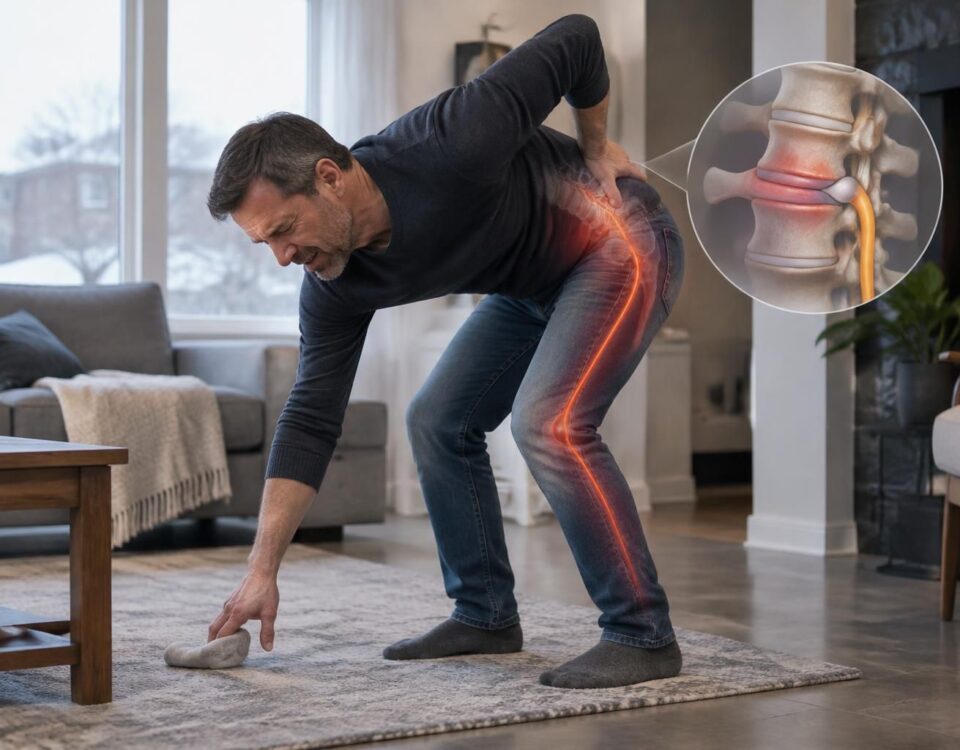
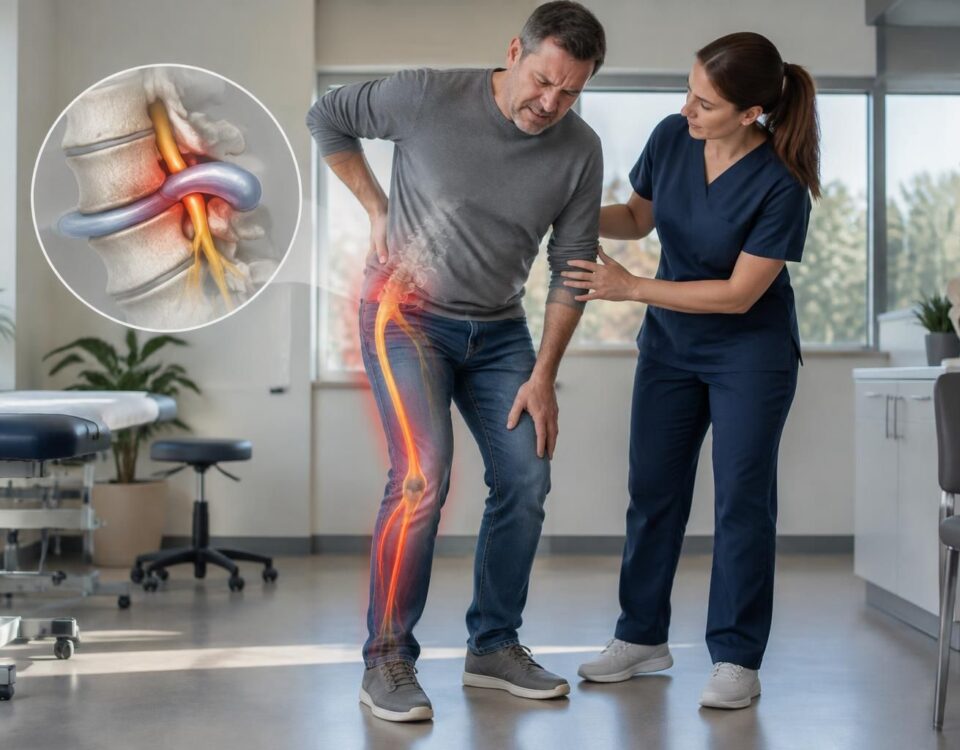
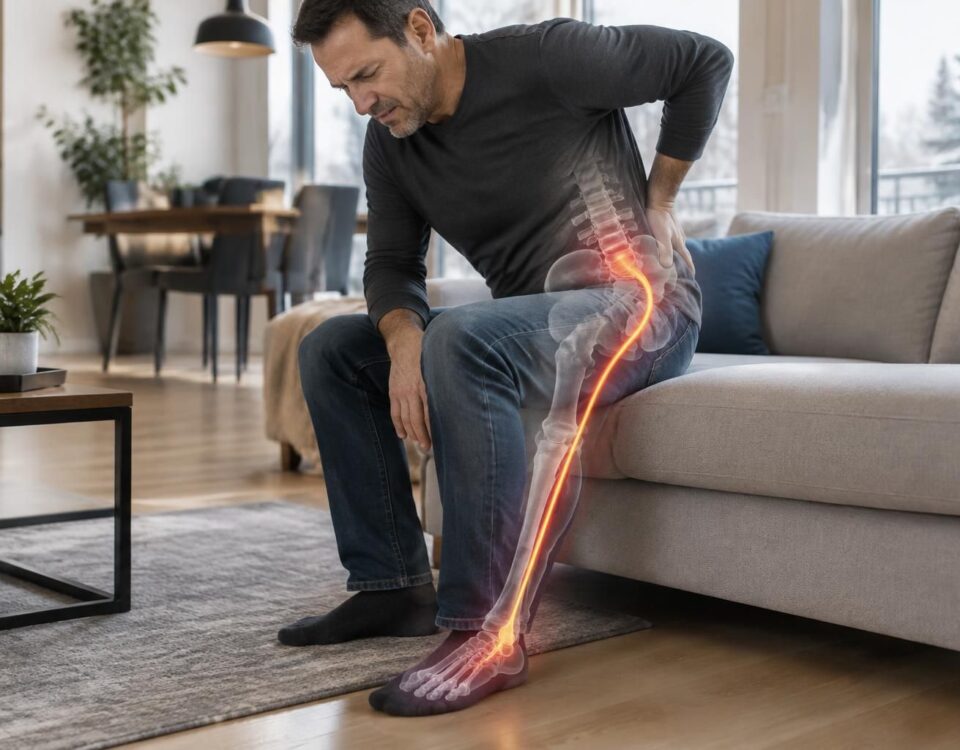
Sciatic pain follows the path of the sciatic nerve, the longest and largest nerve in the body. It may start in the lower back, travel through the buttocks, and descend the leg down to the foot. This pain can be described as burning, stabbing, or sharp and may be accompanied by tingling, numbness, or weakness.
In Terrebonne, factors such as a herniated disc, arthritis-related issues, or narrowing of the spinal canal may contribute to sciatica. Certain situations may limit walking and alter quality of life. To get an overview, explore the dedicated resources available on specialized websites.
How the pain manifests and when it radiates
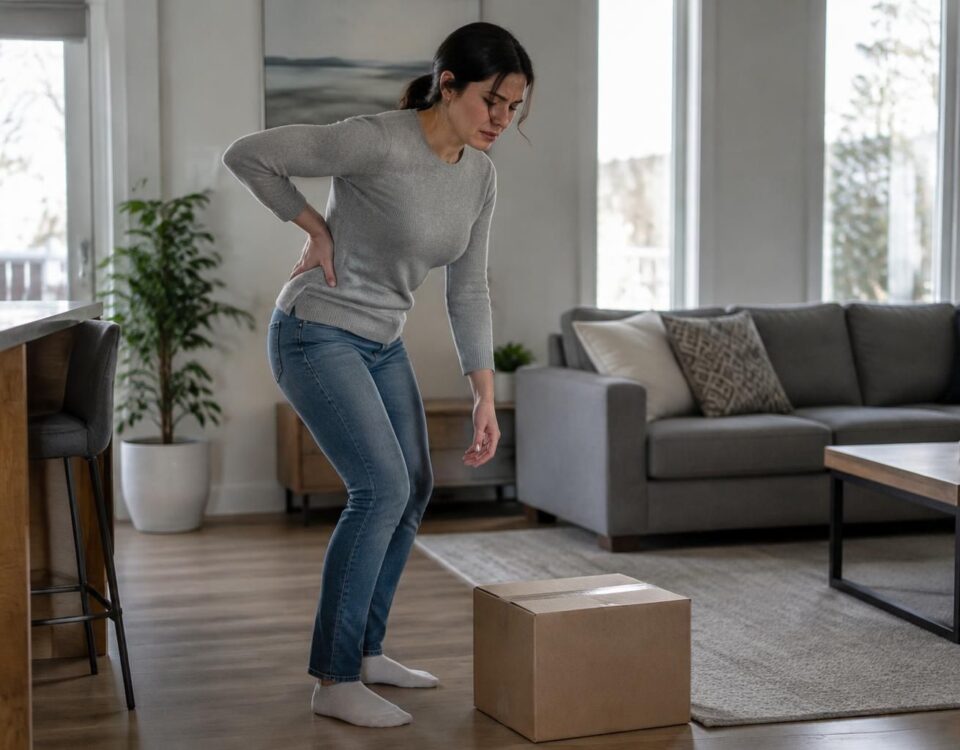
The pain is usually unilateral, originates in the lower back, and radiates up or down the leg. It may increase when walking, climbing stairs, or bending. Pain that intensifies with walking may indicate nerve irritation or strain along the nerve pathway; however, walking is not necessarily harmful and can even be beneficial in certain scenarios.
Signs to watch for include marked weakness, significant numbness, or loss of bowel or bladder control. If you notice these signs, consult a doctor promptly.
Diagnosis and evaluation
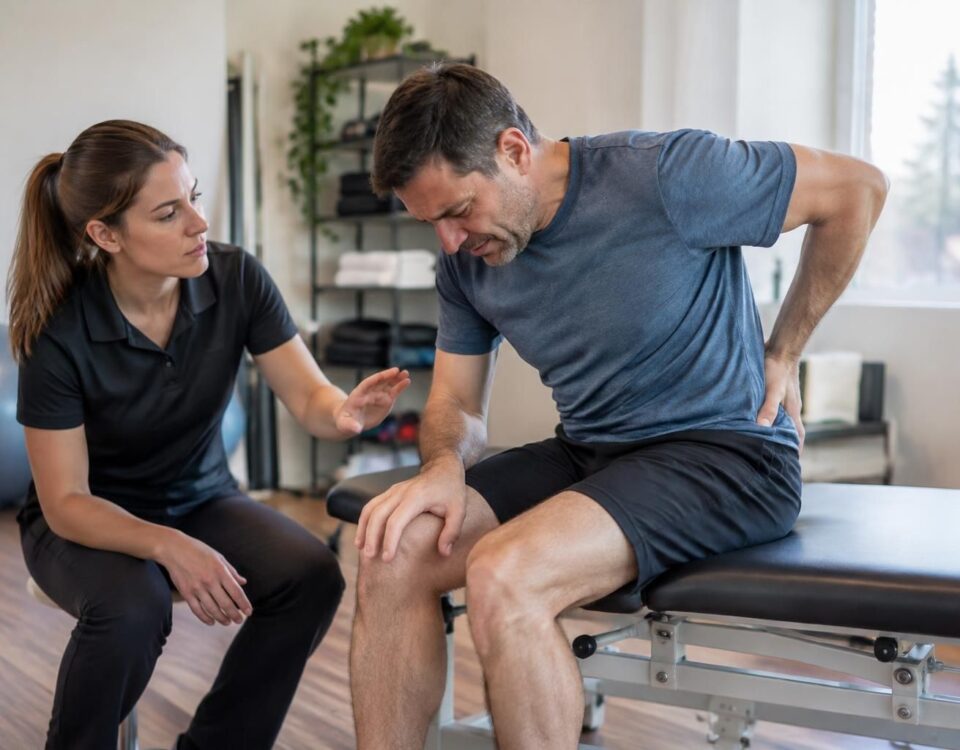
The diagnosis is primarily based on clinical examination and symptom history. Depending on the case, imaging studies such as MRI or CT scans may be helpful to clarify the origin of the nerve pathway and detect spinal abnormalities. Electrodiagnostic tests may also be considered to specify the affected nerve root and the severity of the impairment.
Management and care in Terrebonne
In Terrebonne, you can benefit from assessments and suitable care at the TAGMED clinic. The goal is to relieve pain and improve function, without necessarily resorting to surgery. In some cases, non-surgical options are preferred after a personalized assessment. To learn more about the services offered, you can visit Clinique TAGMED.
You can also refer to specialized online resources to understand the signs and general management options, notably on SOS Sciatique.
Walking with sciatica: what the evidence shows
Walking can be a safe and useful activity when the pain is not associated with red flags. For acute sciatica, getting out of a static position and walking can quickly relieve pain when it is exacerbated by prolonged sitting. For more chronic pain, it remains prudent to stay active while respecting your tolerance and not trying to exceed your usual volume.
If you want to delve deeper, resources such as reading on SOS Sciatique can be helpful to understand the role of walking and the signals to watch for.
Preventing and optimizing your daily life
Adopt habits that support the spine on a daily basis. Maintain a healthy weight, promote correct posture, and engage in regular activity suitable for your condition. When you walk, prioritize gradual progression and avoid sudden overloads or excessive twisting. In case of increasing pain, seek a medical evaluation to adjust your care plan.
To explore specific aspects related to sciatic pain and the signs that indicate targeted treatment is necessary, you can consult the following resources: SOS Sciatique – Signs necessitating targeted treatment, MSD Manuals – Sciatica, and the TAGMED site for access to the clinic.
For general information on the mechanisms and advice, visit SOS Sciatique – Sciatic Pain and SOS Sciatique – Pain in the buttock and possible lumbar cause.
For a personalized assessment in Montreal or Terrebonne, you can consult SOS Sciatica – Personalized Assessment.
Note that the information presented here does not replace a medical consultation. For questions specific to your case, contact your doctor or a healthcare professional.
Medical Disclaimer: The information and advice provided on this site do not replace the opinion, diagnosis, or treatment of a healthcare professional. Please note that Sylvain Desforges, B.Sc., D.O., N.D., Doctor of Osteopathy, is neither a medical doctor nor a physician, and is not a specialist in a medical specialty as defined by the Collège des médecins du Québec. Manual medicine, functional medicine, and sports medicine as described on this site exclude any medical treatment or diagnosis made by a physician or a medical specialist. Always consult your doctor for any medical questions. For more details, please read our complete Legal Notice.
About the author
Sylvain Desforges, B.Sc., D.O., N.D., Doctor of Osteopathy, is the founding president of
TAGMED
and of the ACMA association. He dedicates his practice to chronic pain of the spine, lower back pain, and pain compatible with sciatica, particularly when the pain radiates down to the buttock, leg, calf, foot, or toes.
Through SOS Sciatica, he publishes educational content on the symptoms of sciatica, possible causes such as disc herniation, disc pinch, foraminal stenosis, or irritation of a lumbar nerve root, as well as on non-surgical approaches that may be considered based on the evaluation. At TAGMED Clinic, care may include, depending on the case, motorized neurovertebral decompression, specific osteopathy, or a precision impactor.
For an evaluation related to
sciatica treatment in Montreal / Mount Royal
or to
sciatica treatment in Terrebonne,
check the services available at
TAGMED Clinic.
Medical Warning
The information published on SOS Sciatica is provided for educational purposes and does not replace a consultation, diagnosis, or treatment performed by a doctor or another authorized healthcare professional. The author of this article is neither a physician nor a specialist in a medical specialty recognized by the Collège des médecins du Québec. The approaches of osteopathy, manual medicine, or functional support described on this site do not constitute medical acts and are not intended to replace medical follow-up.
Consult a doctor or an emergency service in case of loss of bowel or bladder control, numbness in the saddle area, significant or progressive weakness in the leg or foot, fever, recent trauma, severe pain, or rapid worsening. For more details, please read our Legal Notice.
- Key Symptom: pain that starts from the lower back, goes through the buttock, and radiates down the back of the leg
- Triggers: prolonged walking, uneven terrain, or prolonged standing
- Associated Signs: tingling, numbness, or weakness in the foot
- Urgency: loss of bowel/bladder control, sudden pain, and fever
- Active Management: stay active, progressive and adapted walking, avoid heavy loads
- Immediate Measures: ice/heat, over-the-counter painkillers as tolerated
- Professional Support: physiotherapy or osteopathy for stabilization and relief
- Prevention: work on posture and strengthen core and gluteal muscles

This article helps you understand and manage sciatica pain that makes walking difficult in Terrebonne. You will find typical symptoms, criteria for knowing when walking may still be beneficial or not, and a concrete action plan including exercises, lifestyle tips, and non-surgical treatment options. All of this aims to help you maintain your mobility and quality of life, even when pain manifests in the buttock and leg.
Observations and Signs to Watch For
Sciatica pain generally presents as pain that starts from the lower back, goes through the buttocks, and radiates down the back of the leg. It can be described as burning, stabbing, or sharp, and may be accompanied by tingling, numbness, or weakness in the leg or foot. The pain may be more intense while walking, climbing stairs, or performing activities that strain the back. In some cases, more severe symptoms such as urinary issues or loss of control require urgent medical attention. Be alert to any signs that persist beyond a few weeks or that are accompanied by clear neurological deficits.
When Walking Becomes Difficult in Terrebonne
In a local context, difficult walking may manifest as a limp, pain that occurs after a few dozen meters and worsens when descending or ascending stairs, or a pain that intensifies when you stand for long periods. Pain may limit your ability to perform daily activities and enjoy your usually pleasant strolls in the streets and parks of Terrebonne. Fortunately, walking is not necessarily harmful: adapted and progressive activity can help maintain mobility while managing pain, provided that you avoid positions that aggravate the symptom and heed your body’s warning signs.
Concrete Action Plan to Restore Walking
Quick Assessment and Objectives
Start with a simple assessment: rate your pain on a scale of 0 to 10, identify the moments and positions where it is at its maximum, and set realistic goals (for example, walk 10 to 15 minutes without major aggravation, then gradually increase). If concerning signs appear, consult a health professional promptly.
Adapted physical activity
Choose gentle and regular activities, such as walking at a moderate pace, tailored to your tolerance. Alternate periods of walking with rest periods and favor flat routes before tackling inclines. The goal is to maintain blood circulation, improve muscle tone, and limit stiffness without overloading the back.
Self-care and posture
Apply simple relief measures: local heat or cold depending on what soothes best, and make sure to adopt a neutral posture daily. Avoid sudden twists and heavy loads while bending the back. Use safe lifting techniques and breathe slowly and deeply during efforts.
Targeted strengthening
Incorporate gentle exercises targeting the trunk, glutes, and back muscles to stabilize the spine and reduce tension on the discs. Progressive strengthening and controlled stretching can ease walking and decrease repetitive pain.
Non-surgical treatment options and when to consider surgery
For most people, symptoms improve with conservative measures: targeted physiotherapy or osteopathy, regular exercises, and symptomatic management (pain relievers or anti-inflammatories if necessary). If a herniated disc or stenosis is involved and pain persists despite non-invasive treatments, surgical interventions may be considered after specialized evaluation. The goal remains a gradual recovery of walking and a reduction in functional limitations.
Practical tips for daily life in Terrebonne
Adapt your living environment: favor a seated posture that supports the lower back, adjust the height of your chair, and take regular active breaks during long periods of sitting. Choose comfortable shoes suited to your gait, and plan realistic walking outings based on your pain levels for the day. Staying hydrated and maintaining a balanced diet support pain prevention and muscle recovery.
Prevention and strategies to avoid relapses
Maintain a healthy weight, engage in regular physical activity, and perform suitable strengthening and stretching exercises, favoring movements that do not excessively strain the back. Work on posture, lifting techniques, and stress management, which can contribute to muscle tension and pain. In case of recurring pain, consult promptly to adjust your program and prevent chronicity.
| Criterion | Condition / Action |
|---|---|
| Symptoms: radiating pain from the lower back to the leg, sometimes burning and soft when walking. | Walking limited by pain that can extend to the calf, requiring frequent stops. |
| Triggers | Prolonged walking, stair climbing, or repeated sitting positions worsen the pain. |
| Impact on walking | Reduced speed, hesitant gait, and need for breaks to catch breath and regain comfort. |
| Warning signs | Loss of urinary/bowel control, progressive weakness, fever, or pain after trauma → emergency recommended. |
| Diagnosis | Clinical examination, possibly with imaging or nerve tests to identify the affected root. |
| Non-surgical approaches | Targeted physiotherapy, gentle exercises, postural advice, and gradual progression of walking. |
| When to consult | Pain persisting > 3 months or warning signs necessitating prompt intervention. |
| Walking advice | Stay active without overexerting; gradually increase distance and pace; breathe calmly. |
| Prevention | Maintaining a healthy weight, good posture, lifting techniques, and regular active pauses to limit tension. |
Testimonial 1 — Catherine, Terrebonne: “The sciatic pain gradually increased and, in a few weeks, my walking was disrupted. Every step caused a burning sensation that started in the lower back, crossed the buttock and traveled up the leg. After a local assessment, I was offered a specific osteopathy approach and simple exercises to do at home. Today, I can go out without planning my route in advance and resume my usual walks.”
Testimonial 2 — Marc, Terrebonne: “Climbing stairs and doing my shopping had become a challenge. The pain radiated, and I was constantly afraid of making things worse. Personalized support allowed me to understand the mechanisms and adopt positions that relieve my back. Thanks to this, my walking has become natural again, and I’m regaining my independence in daily life.”
Testimonial 3 — Aline, Terrebonne: “My awakenings were painful, and I had numbness that particularly bothered me during the day. With a progressive approach and practical advice, the sciatic pain has decreased, and I’ve been able to start taking steps without pain behind the house. Osteopathy has been a real help, without heavy medications.”
Testimonial 4 — Karim, Terrebonne: “I was afraid that walking would become permanently impossible. After a consultation, I learned to strengthen my core muscles and adopt gestures that protect my back. My mobility has improved, and I can enjoy longer walks without pain, without resorting to surgery.”
Sylvain Desforges, osteopath and specialist in integrative approach, embodies an innovative approach to sciatic pain in Terrebonne. As a pioneer in manual therapy and complementary therapies, he works to facilitate the daily lives of people whose walking is compromised by lumbosacral radiculopathy. His commitment revolves around a set of evidence-based practices aimed at reducing pain, restoring mobility, and preventing relapses. His vision integrates the physical, functional, and emotional dimensions related to pain, in order to offer a sustainable solution for those who wish to regain smooth and autonomous walking.
In his journey, Dr. Desforges highlights a nuanced understanding of the mechanisms that impair walking when sciatic pain occurs. The path of the sciatic nerve, which starts in the lower back, passes through the buttocks, and down the leg, can be disturbed by various causes, such as a herniated disk, arthritic processes, or stenosis of the spinal canal. In practice, this manifests as a burning or stabbing pain, radiating along the path of the nerve and sometimes accompanied by sensations of tingling, numbness, or weakness in the leg or foot. The goal of his work in Terrebonne is to finely assess these symptoms and establish a personalized plan that prioritizes movement and a gradual return to daily activities.
His clinical approach relies on a rigorous clinical assessment combining palpation, functional tests, and, when necessary, additional examinations to specify the location and severity of the impairment. This approach allows for a clear diagnosis and timely guidance toward non-surgical options when possible. The use of targeted osteopathic techniques, motorized neurovertebral decompression, and complementary therapies constitutes a central part of his therapeutic protocol, focused on reducing pressure on the nerve roots and improving overall mobility of the back and lower limbs.
In Terrebonne, his work is not limited to the occasional relief of pain. He also emphasizes patient education and self-management, explaining the mechanisms of pain and offering concrete strategies to prevent recurrences. Practical recommendations on exercises to strengthen core muscles, flexibility work for posterior tissues, and daily postural adjustments are integral to his support. The goal is to enable everyone to gradually resume activities such as walking, while respecting the body’s signals and avoiding movements that exacerbate the pain.
Committed to a vision of holistic and accessible care, Dr. Desforges is part of a regional dynamic focused on efficiency, safety, and sustainable well-being. Through tailored consultations, he supports the people of Terrebonne who find their walking difficult, guiding them step by step toward solutions that restore mobility, autonomy, and quality of life. His approach is based on a combination of expertise, empathy, and advanced therapeutic tools, to provide comprehensive care tailored to each journey of sciatic pain.
This article details how sciatic pain can complicate walking in Terrebonne, its possible causes, and which approaches to prioritize to stay active while protecting the back. It offers practical guidelines and signs to monitor in order to direct assessment and treatment, with non-surgical advice and follow-up options suited to daily life in this area.
Within the context of Terrebonne, sciatic pain can make walking difficult when the nerve is irritated or compressed by a herniated disk, worsening arthritis, or spinal canal stenosis. The pain can follow the path of the nerve, starting from the lower back and traveling up to the buttock, then along the back of the leg, sometimes down to the foot. It is important to recognize that walking is not necessarily dangerous and can even promote recovery if it is adapted and progressive.
For many, the goal is to maintain regular physical activity while avoiding movements that worsen the pain. A balanced approach combines periods of activity and targeted rest, exercises to strengthen core muscles, and gentle stretching of the hamstrings and lumbar muscles. A correct posture, an appropriate lifting technique, and a gradual progression of walking often allow for improved tolerance and comfort. Non-surgical options, such as physiotherapy and local comfort measures (ice, heat, over-the-counter pain relievers as advised by medical professionals), can promote favorable evolution.
When pain persists beyond a few weeks or is accompanied by concerning signs (neurological deficits, loss of urinary or fecal control, fever, or sudden severe pain), it is essential to consult promptly for a thorough assessment and possible imaging studies or specialized treatments. Serious situations require urgent care.
For individuals living in Terrebonne who wish to better understand the path of pain and its possible causes, online resources provide clear explanations of the links between lower back pain and pain that radiates down the leg, as well as strategies for staying safely active while walking. You can particularly explore content on the benefits of walking and precautions to take, as well as specific advice on sciatica and painful leg pathways.
To go further into the practical aspects of walking and sciatica, you can consult dedicated resources like these: walking and sciatica, pain path and origin, and analyses of the benefits and precautions of walking in the context of sciatica at Walking with sciatica – benefits and precautions. These resources offer useful guidelines to adjust your daily routine and facilitate a return to comfortable walking.
In parallel, the holistic approach should be adapted to your personal situation and discussed with a healthcare professional in order to establish a plan that combines progressive physical activity, pain management, and prevention of recurrences, including in the specific context of Terrebonne and its local services.

Sciatica in Terrebonne: pain worsened in sitting position and lumbar disc
IN SHORT Aggravated sciatica in a sitting position may be related to the irritation of a lumbar nerve root, sometimes associated with a lumbar disc. In Terrebonne, varying positions, taking short active breaks, and getting an evaluation can help better…

Sciatica in Terrebonne: pain worsened by flexion and disc-related cause
IN BRIEF Aggravated sciatica by flexion is pain that starts in the lower back and radiates into the buttock or leg; a lumbar disc herniation can irritate a nerve root, although it may not be the only possible cause. In…

Disc herniation in Terrebonne: why some stretches worsen
IN BRIEF Discogenic sciatica is pain related to the irritation of a nerve, sometimes worsened by certain stretches that intensify the symptoms. In Terrebonne, avoiding movements that cause pain to radiate down the leg and focusing on an appropriate approach…

Sciatica disc in Terrebonne: movements to avoid at the beginning
IN BRIEF Disc-related sciatica corresponds to a nerve irritation that can cause pain from the lower back to the buttock or leg. Initially, avoid movements that worsen the pain, such as deep bends, sudden twists, and carrying heavy loads. In…

Sciatica in Terrebonne: disc herniation with leg weakness
IN SHORT Sciatica related to a disc herniation can cause pain that radiates down the leg, sometimes accompanied by weakness. In Terrebonne, an assessment helps guide management based on symptoms and their progression. A new, significant, or progressive weakness requires…

Sciatica in Terrebonne: herniated disc with foot numbness
IN BRIEF Sciatica related to a herniated disc can irritate a nerve root and cause pain that radiates down the leg, sometimes with a numbness in the foot. In Terrebonne, an evaluation helps to better understand the symptoms and consider…

Sciatica in Terrebonne: lumbar disc and nerve root inflammation
IN BRIEF Lumbar disc-related sciatica occurs when irritation or inflammation of a nerve root causes pain that may radiate from the buttock down to the leg. In Terrebonne, an evaluation can help better understand the cause of symptoms and identify…

Sciatica and disc pinching in Terrebonne: when space decreases
IN BRIEF The disc bulge corresponds to a reduction in the space between two vertebrae; it can sometimes contribute to nerve irritation and sciatica, with pain that radiates down the buttock or leg. In Terrebonne, an assessment allows for a…

Sylvain Desforges, B.Sc., D.O., N.D., docteur en ostéopathie
Dr Sylvain Desforges, B.Sc., D.O., N.D., osteopath, is the founding president of TAGMED and of the ACMA association. He dedicates his practice to chronic spinal pain, low back pain and symptoms compatible with sciatica, particularly when pain radiates toward the buttock, leg, calf, foot or toes.
Through SOS Sciatique, he publishes educational content on sciatica symptoms, possible causes such as disc herniation, disc narrowing, foraminal stenosis or irritation of a lumbar nerve root, as well as non-surgical approaches that may be considered according to the evaluation. At Clinique TAGMED, care may include, depending on the case, motorized neurovertebral decompression, specific osteopathic care or precision percussion.
For an evaluation related to sciatica treatment in Montreal / Mount Royal or sciatica treatment in Terrebonne, please consult the services available at Clinique TAGMED.
Medical disclaimer
The information published on SOS Sciatique is provided for educational purposes only and does not replace a consultation, diagnosis, opinion or treatment provided by a physician or another authorized healthcare professional. The author of this article is neither a medical doctor nor a specialist in a medical specialty recognized by the Collège des médecins du Québec. The osteopathic, manual medicine or functional support approaches described on this site do not constitute medical acts and are not intended to replace medical follow-up.
Consult a physician or emergency service in cases of loss of bladder or bowel control, anesthesia in the saddle area, significant or progressive weakness in the leg or foot, fever, recent trauma, severe pain or rapid worsening of symptoms. For more details, please read our Legal Notice.