Sciatica in Montreal: when the pain becomes stronger in the leg than in the back
11/07/2026
Sciatica with numbness in the toes: what should you watch out for?
11/07/2026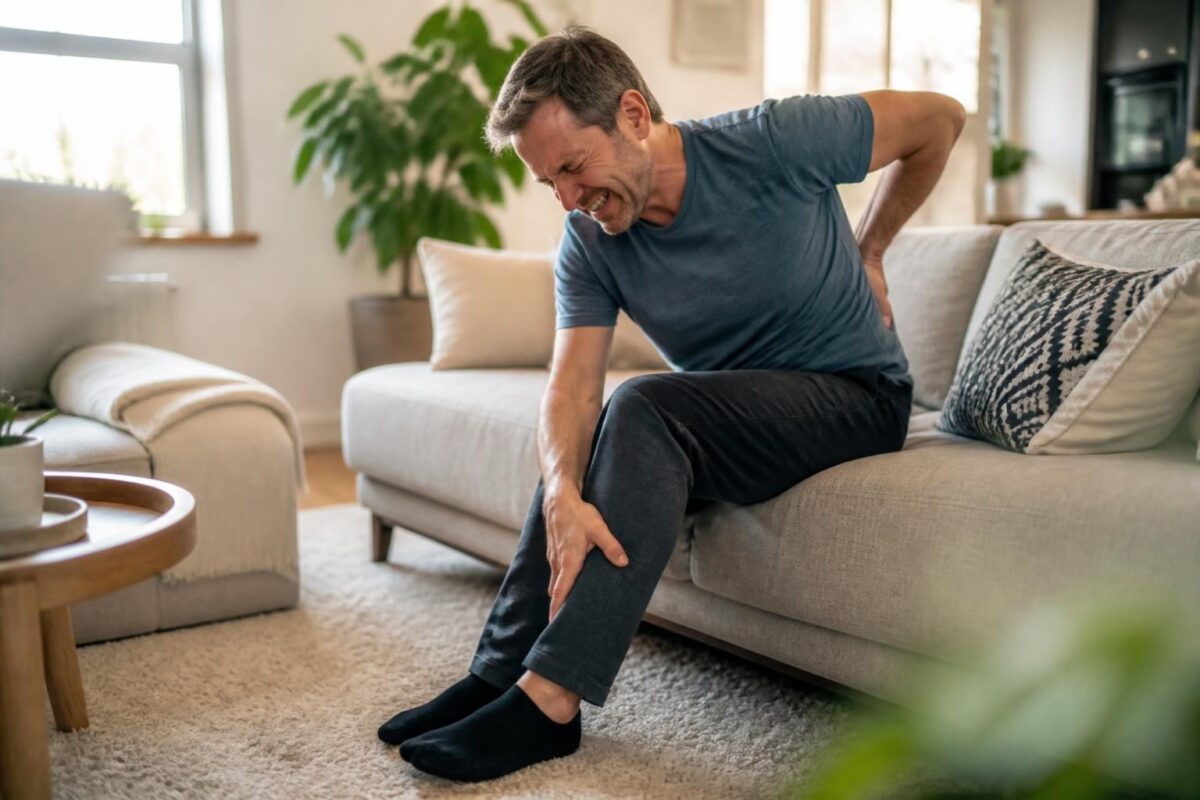
IN BRIEF
| In brief, sciatica in Terrebonne is a pain that follows the path of the sciatic nerve and can extend down to the foot. When the pain is stronger in the leg than in the back, the goal is to identify the actual cause (disc, stenosis, nerve irritation) to guide appropriate treatment. Resorting to conservative approaches such as osteopathy, neurovertebral decompression, and functional care helps reduce inflammation, improve mobility, and avoid surgery when possible. Available in Terrebonne and in the Montreal area through the TAGMED Clinic, this service offers a targeted assessment and a personalized plan to quickly regain the ability to walk and move without pain. |
In Terrebonne, sciatica can present as pain that is significantly stronger in the leg than in the back, a typical sign of lumbar radicular involvement. This pain may radiate from the buttock to the foot and may be accompanied by burning, tingling, or weakness. Possible causes include a herniated disc, disc protrusion, foraminal stenosis, lumbar osteoarthritis, or muscle tensions such as piriformis syndrome. A targeted assessment is recommended to determine the origin and guide treatment, often non-surgical (osteopathy, neurovertebral decompression, exercises, and postural advice). The diagnosis is based on clinical examination and, if necessary, imaging (MRI or X-ray).
This article, written by a healthcare professional and expert, discusses sciatica in Terrebonne and explains when pain in the leg can become stronger than that in the back. It describes signs to watch for, possible causes, and non-surgical management options available at the TAGMED Clinic, with a focus on updating assessments and treatments in Terrebonne and nearby.
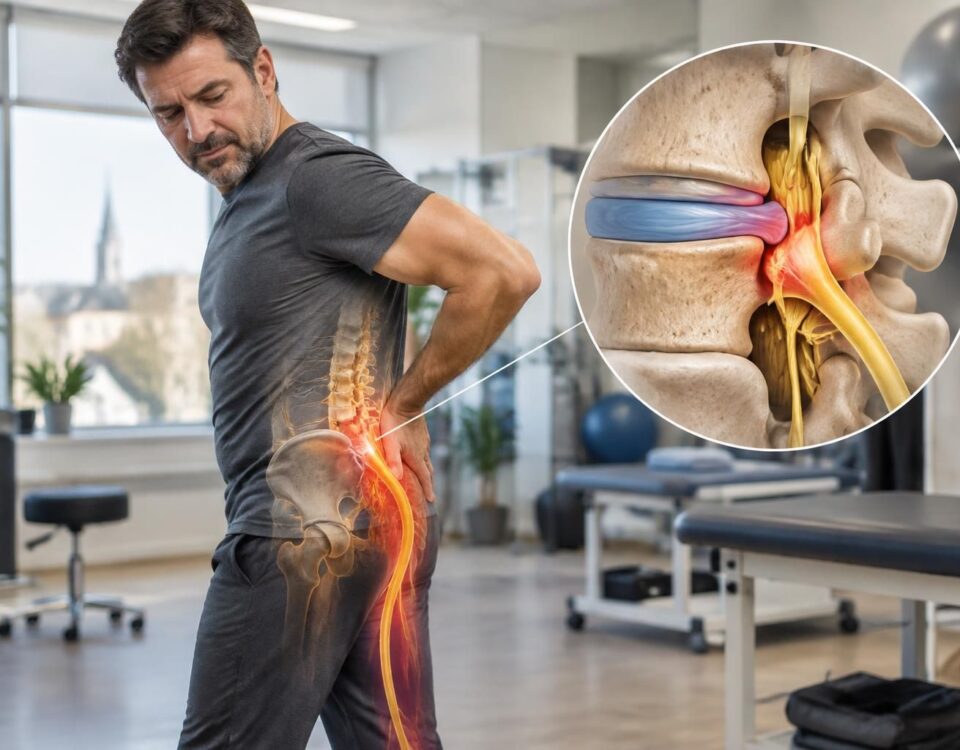
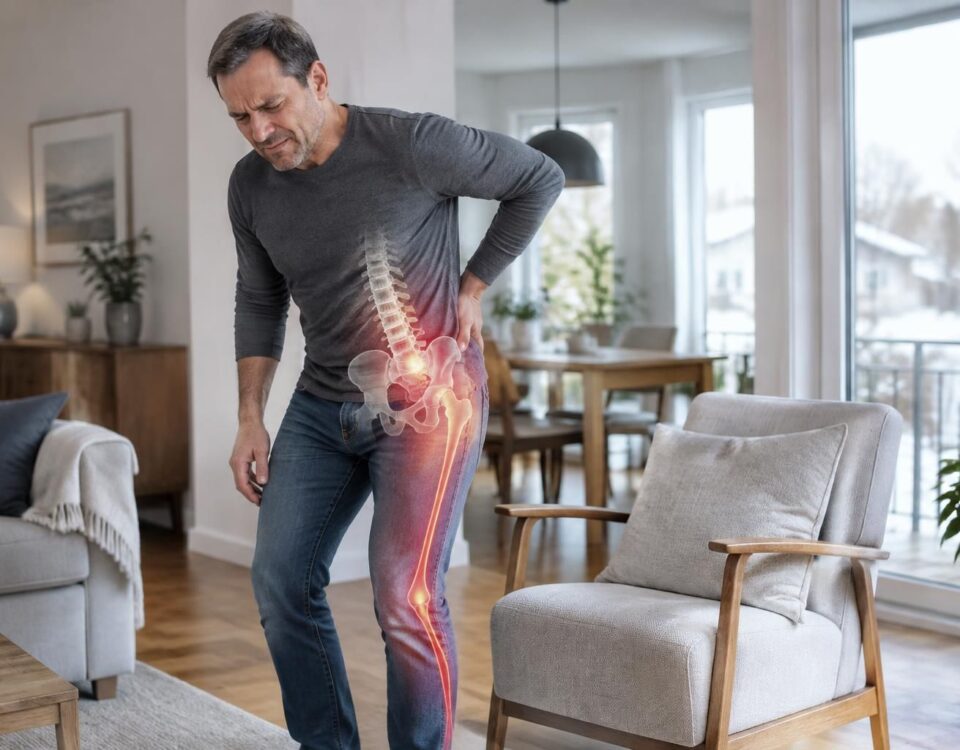
Sciatica is a symptom, not a single diagnosis. It manifests as pain that follows the path of the sciatic nerve, from the lower back down to the leg. The pain may be more pronounced in the leg than in the back, which often indicates nerve irritation or compression at the lumbar root.
Key Elements of the Assessment
The assessment begins with the history of the pain and its path. The doctor checks the strength, reflexes, and sensation of the leg and foot. The examination looks for signs of ____________________________________
To guide the diagnosis, imaging may be employed if necessary. Resources like Distinguish lumbar pain and nerve pain provide insights on diagnostic reasoning. The assessment connects the painful path, neurological signs, and examination results to guide the care plan, which may include neurovertebral decompression when indicated.
Common Causes and Warning Signals
Common causes of pain radiating into the leg include a herniated disc, protrusion, foraminal stenosis, lumbar osteoarthritis, or nerve irritation associated with the sciatic nerve. The path may affect the buttock, back of the thigh, calf, heel, or toes. Warning signals necessitate prompt consultation: loss of urinary or intestinal control, progressive weakness, severe pain that worsens, or associated fever.
To learn more about the mechanisms and signs, consult specialized resources like Doctissimo or Sciatica and pain in the buttock while sitting.
Diagnosis and Care Plan
The diagnosis is based on the combination of symptoms, clinical examination, and any imaging. The goal is to identify the underlying cause and establish an appropriate care plan. A multidisciplinary approach is often helpful, as sciatica can result from various mechanical and neurological factors.
Non-Surgical Treatment Options
Non-surgical approaches are favored when possible. Osteopathy and motorized neurovertebral decompression may be part of a personalized care plan at the TAGMED Clinic. These methods aim to improve mobility and reduce mechanical stress on the lumbar structures without surgery. For eligible cases, neurovertebral decompression may be considered after thorough evaluation. Find detailed information about decompression at Neurovertebral decompression and on sciatica and tingling.
To compare approaches, you can explore comparative resources like Sciatica Treatment Terrebonne — mechanical causes and distinguish lumbar pain and nerve pain.
For information on non-surgical treatments and options at the TAGMED Clinic, visit TAGMED Clinic and discover the services available in Montreal and Terrebonne.
Specifics of Terrebonne and TAGMED Clinic
The TAGMED Clinic offers an assessment of sciatic pain in the areas of Montreal, Mont-Royal, and Terrebonne. The TAGMED site provides information on non-surgical treatment options and modalities such as neurovertebral decompression. For more information, visit TAGMED Clinic.
When to Consult Quickly
Quickly check if the pain radiates down the leg and is accompanied by significant numbness, progressive weakness, loss of bowel control, saddle anesthesia, or unexplained night pain. These signs may indicate an emergency requiring urgent medical evaluation.
For additional information, see the following resources: Sciatica – Le Médecin, Sciatica – Causes and treatments, and Sciatic crisis — duration.
To better understand the mechanisms and treatment options in Terrebonne, check the dedicated pages on Distinguishing lumbar pain from nerve pain and Sciatica and sitting pain.
Note that the information presented here is limited to non-surgical options and evaluations performed by TAGMED. For a complete understanding, consult appropriate resources and professionals.
Medical disclaimer: The information and advice provided on this site do not replace the advice, diagnosis, or treatment of a healthcare professional. Please note that Dr. Sylvain Desforges, osteopath, is neither a medical doctor nor a physician, and is not a specialist in a medical specialty as defined by the Collège des médecins du Québec. Manual medicine, functional medicine, and sports medicine as described on this site exclude any treatment or medical diagnosis made by a physician or specialist. Always consult your doctor with any medical questions. For more details, please read our complete Legal Notice.
- Radiating pain that follows the path of the sciatic nerve: lower back → buttock → thigh → leg → foot; leg more painful than back.
- Neurological signs such as burning, tingling, numbness, and weakness in the foot/ankle.
- Aggravating factors: prolonged walking, standing, bending or twisting that stresses the nerve.
- Red flags: loss of bowel/bladder control, feverish pain, significant bilateral pain, or pain after trauma.
- Rapid assessment: targeted clinical examination and, if necessary, imaging to confirm a root origin and rule out other causes.
- Non-surgical options: neurovertebral decompression, osteopathy, and rehabilitation focused on mobility and strengthening.
- Immediate actions: quickly consult a TAGMED clinic in Terrebonne; apply ice and avoid heavy lifting.
- Personalized plan: approach tailored to pain and neurological signs, with recurrence prevention.

Quick summary: this article guides you on sciatica in Terrebonne when the pain is more intense in the leg than in the back. It explains how to recognize radiating pain, what examinations to consider, and which non-surgical approaches to prioritize for quickly improving comfort and mobility, while knowing when to seek urgent care or consider intervention if necessary.
Evaluating pain that migrates more into the leg
When pain predominantly reaches the leg compared to the back, it is often indicative of radicular sciatica. The course can go from the buttock to the calf, foot, or toes, with sensations such as burning, tingling, or weakness. This presentation should prompt consideration of causes such as a herniated disc, protrusion, or nerve irritation at the lumbar level, as well as other mechanisms like foraminal stenosis or piriformis syndrome. A careful evaluation allows for distinguishing nerve irritation from purely musculoskeletal disorders and adjusting the treatment plan accordingly.
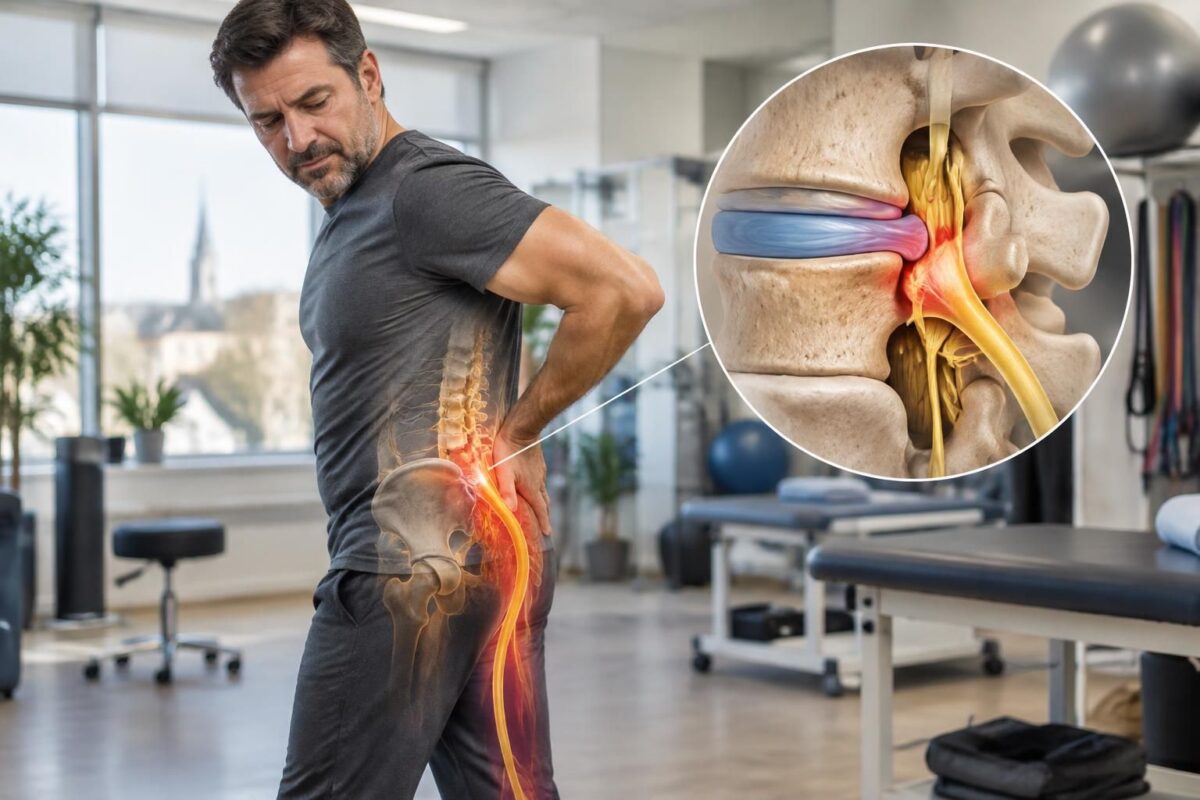
Sciatica in Terrebonne: nerve root, disc, and foramen explained simply
IN BRIEF Sciatica is pain that occurs when a nerve root in the lower back is irritated or compressed, sometimes by a disk or a narrowed foramen. Understanding these structures helps better locate the possible cause of symptoms and guide…
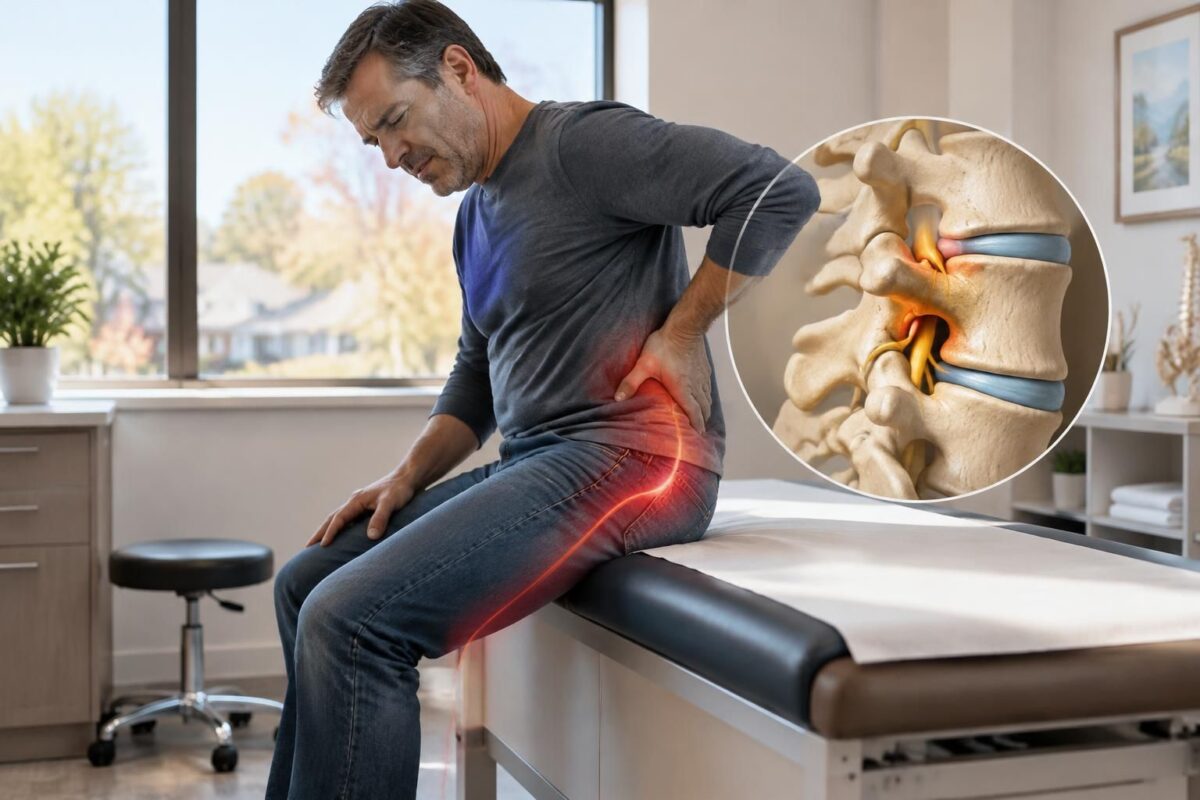
Sciatica in Terrebonne: understanding the L5-S1 foraminal compression
IN BRIEF The L5-S1 foraminal compression corresponds to a narrowing of the opening through which a nerve root passes, potentially contributing to sciatica. In Terrebonne, the assessment compares the side and course of the symptoms, neurological examination, imaging, and limited…
Diagnosis and triage at the TAGMED Clinic — Terrebonne
In Terrebonne, the evaluation starts with a history of symptoms and a targeted neurological examination. Sensitivity, muscle strength, and reflexes are checked, and simple tests may be performed to assess the radicular path. Depending on the results, further imaging such as MRI or X-rays may be considered to clarify the cause. The goal is to determine if neurovertebral decompression or another conservative approach is suitable, or if further medical referral is necessary.
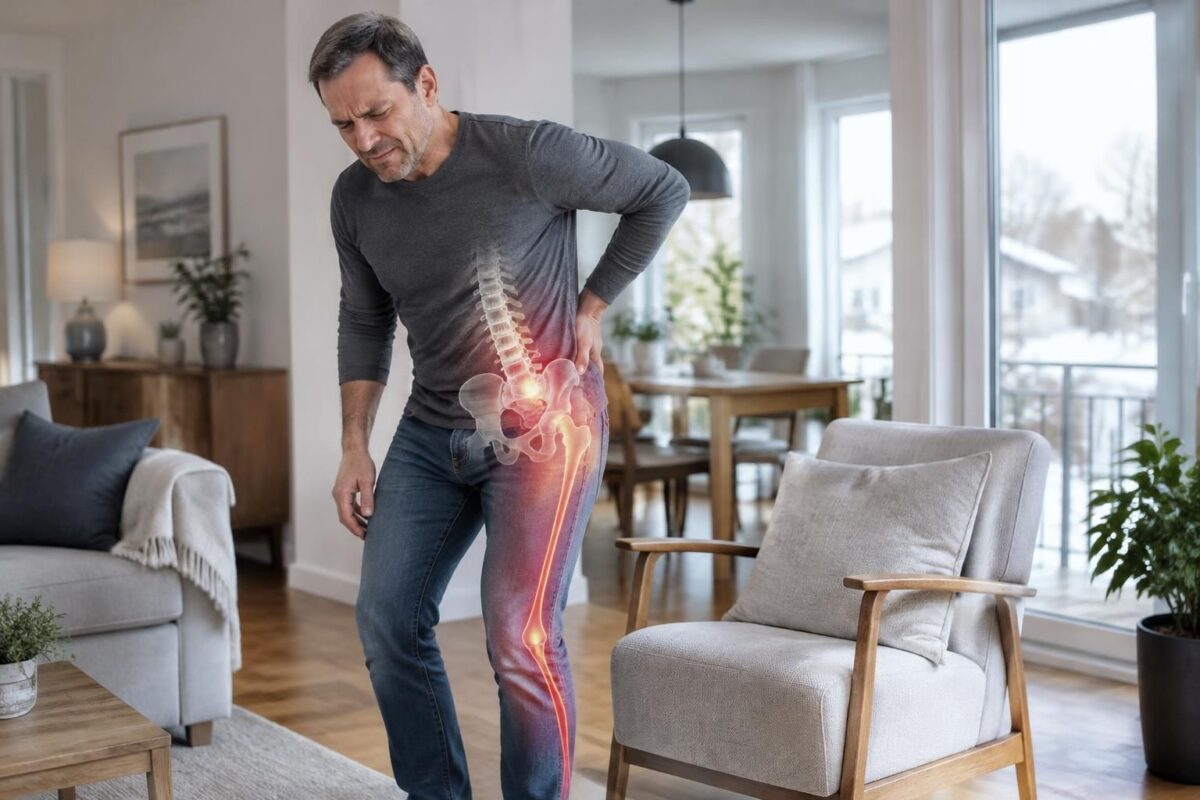
Sciatica in Terrebonne: why L5-S1 is often involved
IN BRIEF Sciatica corresponds to pain related to the irritation of a nerve root, which can extend from the buttock down to the leg. The L5-S1 level is often involved, as a disc herniation or irritation at this location can…
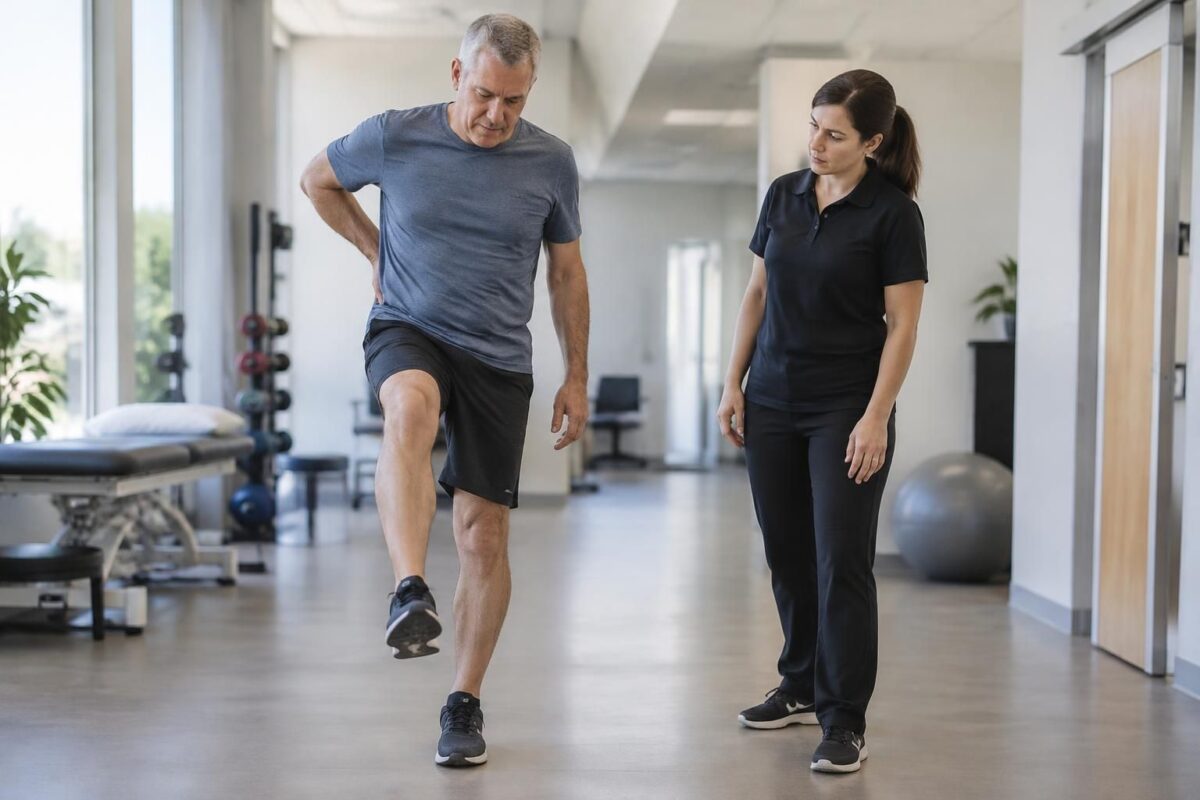
Sciatica in Terrebonne: L5 and difficulty lifting the foot
IN SHORT The L5 sciatica can cause pain or numbness on the side of the leg, the top of the foot, and the big toe, sometimes with difficulty lifting the foot. In Terrebonne, an evaluation compares strength, sensitivity, reflexes, and…
Non-surgical treatment options
Neurovertebral decompression: non-invasive technique aimed at reducing mechanical stresses around the discs and nerve roots when conditions permit, to alleviate radicular irritation.
Osteopathy and manual therapies: interventions focused on improving pelvis and lumbar structure mobility, reducing tensions, and optimizing overall function to support better nerve decompression and assist targeted treatments.
Exercises and posture: personalized program aimed at strengthening the trunk and deep muscles, stretching the posterior chains, and improving posture. These movements, tailored to your tolerance, can decrease the load on the spine and reduce nerve irritations.
Rehabilitation and pain management: multidisciplinary approach with a progressive plan, including adapted activities and pain management techniques to promote functional recovery and prevent relapses.
Avoiding irritants: modification of activities that worsen pain, incorporating active breaks, and adopting a regular physical activity routine suited to your condition to support healing and limit recurrences.
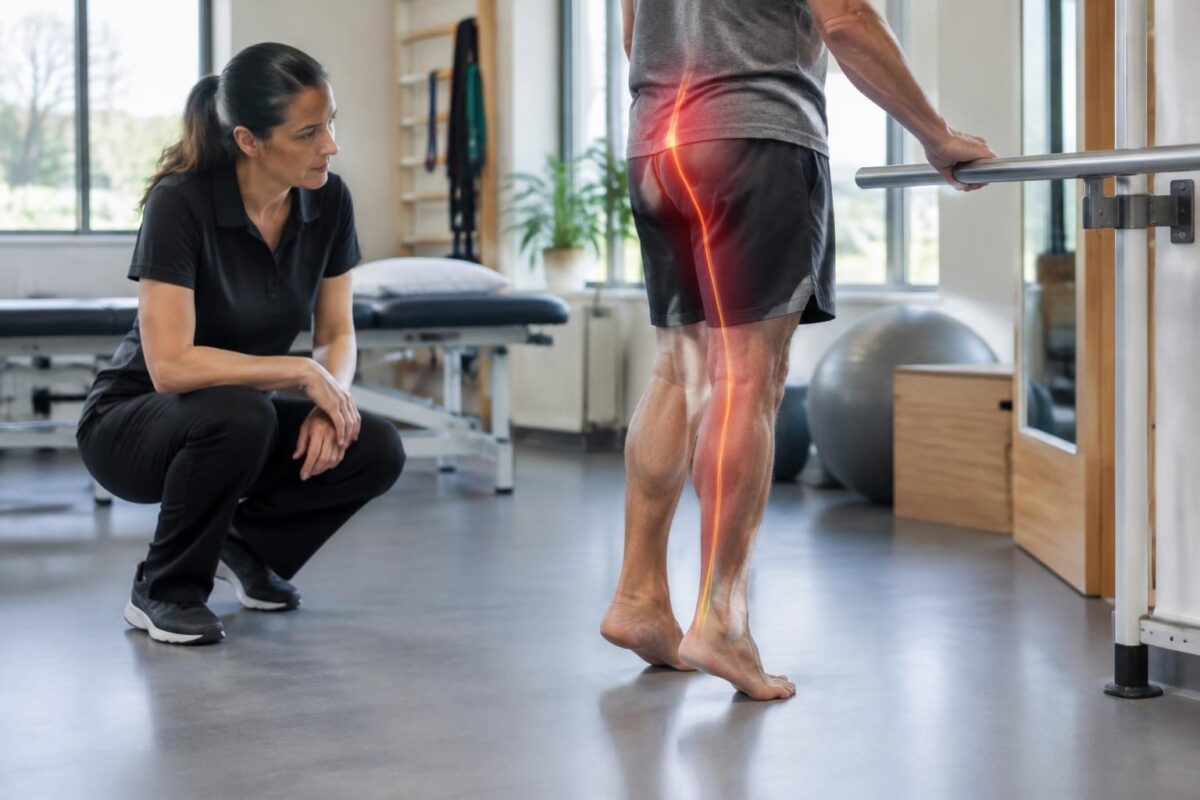
Sciatica in Terrebonne: S1 and difficulty standing on tiptoe
IN SHORT An S1 sciatica can irritate the nerve root associated with the calf and make it difficult to rise onto the balls of the feet. This sign should be evaluated with strength, sensitivity, reflexes, and walking: the pathway of…

Sciatica in Terrebonne: L4-L5 and pain towards the top of the foot
IN BRIEF A L4-L5 sciatica can radiate to the outer side of the leg and the top of the foot, sometimes reaching the big toe. This pathway can guide the assessment, though it does not suffice to confirm the cause:…
When to consider surgery and warning signs
Surgery may be considered in the presence of significant neurological signs, persistent pain despite appropriate management, or a clear diagnosis of compression that does not respond to conservative treatments. Watch for warning signs: loss of urinary or bowel control, saddle numbness, progressive weakness in the leg or foot, or severe bilateral pain with neurological disturbances. If these elements are present, consult quickly.
Practical tips and appointment scheduling
At TAGMED Clinic in Terrebonne, you can schedule an appointment for a targeted assessment of your sciatica and its irradiation in the leg. Bring any imaging reports you may have and prepare your painful journey to enable accurate analysis and appropriate management. Our approach aims for rapid pain reduction, improved mobility, and prevention of relapses, without necessarily resorting to surgery.
| Criteria | Concise Elements |
|---|---|
| Origin and pathway | Pain follows the pathway of the sciatic nerve and may radiate to the buttock, thigh, calf, or foot; the back is often minimally painful. |
| Neurological signs | Numbness, tingling, weakness, and sometimes foot drop; rapid progression requires evaluation. |
| Aggravating factors | Prolonged sitting, exertion, coughing/sneezing; walking may relieve or aggravate depending on the case. |
| Possible causes | Herniated disc, protrusion, foraminal stenosis, or root irritation. |
| Diagnosis | Clinical history and neurological examination; targeted imaging if alarms or persistence. |
| Treatment plan | Appropriate conservative options; osteopathy and neurovertebral decompression as needed; personalized approach. |
| Emergencies | Loss of urinary/bowel control, saddle anesthesia, progressive weakness, fever, or recent trauma. |
| Local assessment Terrebonne | Non-surgical evaluation and care available via TAGMED in Terrebonne and nearby. |
| Functional impact | Pain reduction and mobility improvement to resume daily activities according to an individualized plan. |
Testimonials on Sciatica in Terrebonne: when the pain is stronger in the leg than in the back
“In Terrebonne, I faced pain that went down my leg much more intensely than in my back. Every step was a trial, and sleeping became impossible. The multidisciplinary assessment offered by TAGMED Clinic helped me understand that the origin was nerve-related and not just musculoskeletal. After a personalized journey, my mobility improved and the pain in my leg gradually diminished, allowing me to return to my daily activities.”
“I lived in Terrebonne, and the pain radiating along my buttock and leg prevented me from walking for long. The team guided me towards an appropriate conservative approach, including targeted techniques and advice on physical exertion. Today, the pain is less present and my outdoor outings are no longer limiting. I highly recommend the assessment at TAGMED to understand the real cause and choose the right treatment.”
“My doctor said it might be related to the lumbar disc, but it was by consulting in Terrebonne that I understood the pain in my leg could be a sign of sciatica. The personalized plan combined postural advice, simple exercises, and neurovertebral decompression when appropriate. In a few weeks, I regained better walking and my nights have improved.”
“The pain had started to intensify when I stood for long periods or walked reasonable distances. In Terrebonne, the assessment clarified that nerve irritation was the main cause and not localized pain in the knee or hip. Regular follow-ups and treatment adjustments allowed me to reduce discomfort and return to my professional activities without major pain.”
“I discovered that my sciatica could manifest without marked lower back pain, solely through pain radiating in the leg. The support at TAGMED Clinic helped me identify triggering factors and set up a plan that included simple at-home actions. Today, I feel a noticeable improvement and I am reassured knowing that the diagnostic journey and care are well coordinated in Terrebonne.”
Dr Sylvain Desforges, an expert in osteopathy, naturopathy, and manual medicine, has dedicated his practice to understanding and treating pain radiating along the sciatic nerve. As the founder and president of TAGMED clinics, he is committed to providing an integrated, evidence-based approach for patients suffering from sciatica and lower back pain. His work in Terrebonne aims to offer individualized care focused on quality of life and a rapid return to normal activity, without systematically resorting to surgery.
In the context of Terrebonne, sciatic pain can arise from a range of mechanisms and is not necessarily proportional to back pain. The typical pathway goes from the lower back to the buttock, then to the back of the leg, sometimes extending to the calf or foot. Dr. Desforges emphasizes the importance of distinguishing a radicular pain caused by irritation or compression of the sciatic nerve from other sources of regional pain. This distinction guides a treatment plan that may combine osteopathy, functional techniques, and non-invasive interventions like neurovertebral decompression, depending on the evaluation and the patient’s response.
The clinical approach begins with a comprehensive clinical evaluation and careful listening to the symptoms: precise localization, path of the pain, intensity, aggravating factors, and relieving factors. The examination focuses on strength, reflexes, sensitivity, and lumbar mobility to identify signs of irritation or compression of a nerve root. Imaging studies or electrodiagnostic tests may be considered when symptoms persist, evolve, or when alarm signs appear. The goal is clear: to establish a correlation between the painful pathway and the images, then direct a personalized care plan that aims to reduce nerve irritation and restore function.
In Terrebonne, as in other TAGMED locations, non-surgical approaches are favored whenever possible. Neuro-vertebral decompression therapy is considered when the indication is justified by the assessment. This technique aims to relieve mechanical tensions around the discs and nerve roots while maintaining a holistic patient-centered approach. Osteopathy and gentle manipulations often complement this protocol by improving pelvic mobility, spinal alignment, and the flexibility of the myo-ligamentous structures surrounding the sciatic nerve. Depending on the cases, supplements such as postural advice, targeted exercises, and complementary therapies may be integrated.
Dr. Desforges emphasizes a multidisciplinary and evidence-based approach in order to avoid general treatments that do not take into account the specific cause of nerve irritation. His commitment to the patients of Terrebonne is based on clear communication, ongoing evaluation, and the adjustment of the care plan according to each individual’s progress and goals. In this philosophy, Sciatica is viewed as a signal to listen to, an indicator that helps to target the cause and choose the most appropriate solutions to prevent recurrences and promote sustainable recovery.
The therapeutic journey offered by Dr. Desforges in Terrebonne relies on modern tools and techniques while remaining patient-centered. His goal remains to alleviate pain, improve mobility and quality of life, prioritizing non-invasive interventions where possible and remaining vigilant to signs that require urgent medical attention. This approach combines osteopathic expertise, technological tools, and careful listening tailored to each story of sciatica and radiating pain in the leg.
This text provides a clear summary of sciatica in Terrebonne when the pain intensifies more in the leg than in the back, the signals to watch for, and the non-surgical management options offered by the TAGMED Clinic. It emphasizes the detailed assessment of the painful pathway, possible causes, and appropriate treatments, notably neuro-vertebral decompression and osteopathy, while underscoring the importance of a targeted and multidisciplinary approach.
The transition of pain from the lower back to the leg is a key element that will direct the analysis toward a radicular or discal involvement rather than purely muscular complaints. Pain that “travels down” the sciatic nerve can affect the buttock, thigh, calf, heel, or toes and may be associated with paresthesias, weakness, or difficulty moving certain parts of the lower limb. A thorough clinical evaluation allows for the distinction between discal or foraminal sciatica and other causes, adjusting the treatment plan accordingly. For appropriate management in Terrebonne, the TAGMED Clinic offers specialized evaluation and conservative options, without surgery, when relevant.
When pain is more pronounced in the leg than in the back, it is crucial to identify alarm signs and triggering factors. Symptoms such as worsening pain while walking, progressive weakness, or the appearance of a “foot drop” require a prompt consultation to rule out an urgent situation and protect neuromuscular function. Red flags like loss of urinary control or fever-associated pain necessitate immediate medical evaluation. To delve deeper into these aspects, you can consult the following resources and discuss with TAGMED professionals in Terrebonne or nearby Montreal.
The diagnosis relies on an analysis of the painful pathway, a neurological examination, and, if necessary, appropriate imaging. Although MRI and other explorations may be useful to clarify the discal or foraminal origin, they do not replace a complete clinical evaluation. At TAGMED, the goal is to reduce nerve irritation, improve mobility, and establish a personalized plan that may combine neuro-vertebral decompression, targeted osteopathy, and non-invasive functional approaches, to prevent recurrences and promote a gradual resumption of activities.
In Terrebonne and near Montreal, the TAGMED Clinic offers non-surgical solutions tailored to sciatica, with options such as motorized neuro-vertebral decompression and specific osteopathy. Treatment is individualized based on assessment, symptoms, and clinical outcomes, to optimize the return to normal activity and reduce the risks of recurrence. For a targeted evaluation and a personalized care plan, make an appointment and prepare your imaging reports if available.
To enrich your understanding and access complementary resources, consult especially the pages dedicated to sciatica and non-surgical treatments: MSD Manual – Sciatica, TAGMED – Sciatica, The Sciatica Solution, Numbness in the leg and cause to clarify. Other useful and complementary resources are accessible through the following links: Le Traumatol – Sciatica, Signs in Terrebonne – targeted treatment, Why one treatment does not fit all, Pain in the buttock – Sciatica?.
In summary, sciatica in Terrebonne that evolves with more pronounced pain in the leg requires precise evaluation and a personalized approach. With TAGMED, you benefit from an adapted journey focused on conservative and effective solutions to improve functionality, reduce pain, and prevent relapses, while remaining attentive to bodily signals and any potential complications requiring urgent management.

Sciatica in Terrebonne: L5-S1 and symptoms in the calf
IN BRIEF A L5-S1 sciatica can cause pain that radiates down the calf, sometimes accompanied by tingling, numbness, or weakness. At Terrebonne, an assessment at the TAGMED Clinic helps to examine the symptom pathways, strength, and sensitivity, and then discuss…

Sciatica in Terrebonne: pain in the big toe, L5 root or another cause?
IN BRIEF Pain in the big toe accompanied by pain in the buttock or leg may be compatible with irritation of the L5 root, but other causes are possible. In Terrebonne, the evaluation notably compares strength, sensitivity, and gait to…

Dr Sylvain Desforges, B.Sc., D.O., N.D., osteopath, is the founding president of TAGMED and of the ACMA association. He dedicates his practice to chronic spinal pain, low back pain and symptoms compatible with sciatica, particularly when pain radiates toward the buttock, leg, calf, foot or toes.
Through SOS Sciatique, he publishes educational content on sciatica symptoms, possible causes such as disc herniation, disc narrowing, foraminal stenosis or irritation of a lumbar nerve root, as well as non-surgical approaches that may be considered according to the evaluation. At Clinique TAGMED, care may include, depending on the case, motorized neurovertebral decompression, specific osteopathic care or precision percussion.
For an evaluation related to sciatica treatment in Montreal / Mount Royal or sciatica treatment in Terrebonne, please consult the services available at Clinique TAGMED.
Medical disclaimer
The information published on SOS Sciatique is provided for educational purposes only and does not replace a consultation, diagnosis, opinion or treatment provided by a physician or another authorized healthcare professional. The author of this article is neither a medical doctor nor a specialist in a medical specialty recognized by the Collège des médecins du Québec. The osteopathic, manual medicine or functional support approaches described on this site do not constitute medical acts and are not intended to replace medical follow-up.
Consult a physician or emergency service in cases of loss of bladder or bowel control, anesthesia in the saddle area, significant or progressive weakness in the leg or foot, fever, recent trauma, severe pain or rapid worsening of symptoms. For more details, please read our Legal Notice.