Sciatica Treatment Montreal: Understanding Possible Mechanical Causes
08/07/2026
Sciatica radiating into the calf: possible lumbar cause
08/07/2026
IN BRIEF
| The sciatic treatment in Terrebonne involves understanding the possible mechanical causes that explain pain radiating from the lower back to the buttock and leg. This approach allows for identifying the painful pathway, assessing the signs, and guiding towards tailored non-surgical options. Depending on the assessment, solutions such as motorized neurovertebral decompression, specific osteopathy, or precision percussion may be considered to reduce pain and improve mobility. Available in Terrebonne through the TAGMED Clinic, this framework aims for a personalized and pragmatic care plan, without systematically resorting to surgery. |
Sciatic treatment Terrebonne: understanding possible mechanical causes
At the TAGMED Clinic in Terrebonne, the treatment of sciatica is based on identifying possible mechanical causes and evaluating the painful pathway to guide non-surgical care.
- Lumbar disc herniation: irritation or compression of a nerve root descending into the leg.
- Disc protrusion or bulging: disc protrusion that may reduce the space around a root.
- Disc pinching: loss of disc height altering lumbar mechanics and foraminal space.
- Foraminal stenosis: narrowing of the foramen causing symptoms in the leg.
- Spinal stenosis: narrowed lumbar canal causing pain or heaviness when walking.
- Piriformis syndrome: to be assessed, but not the default explanation without more common lumbar causes.
The pathway of pain and neurological signs guide the assessment and decision-making for relevant non-surgical approaches, such as motorized neurovertebral decompression, specific osteopathy, or precision percussion.
This article, written by a health professional, explains the possible mechanical causes of sciatica and the approaches available in Terrebonne. It describes how to evaluate the painful pathway and the signs to monitor, then presents the non-surgical options proposed by the TAGMED Clinic. The goal is to clarify the underlying mechanisms and assist in choosing an appropriate approach without systematically resorting to exercises or risky manipulations.
Painful pathway and neurological signs
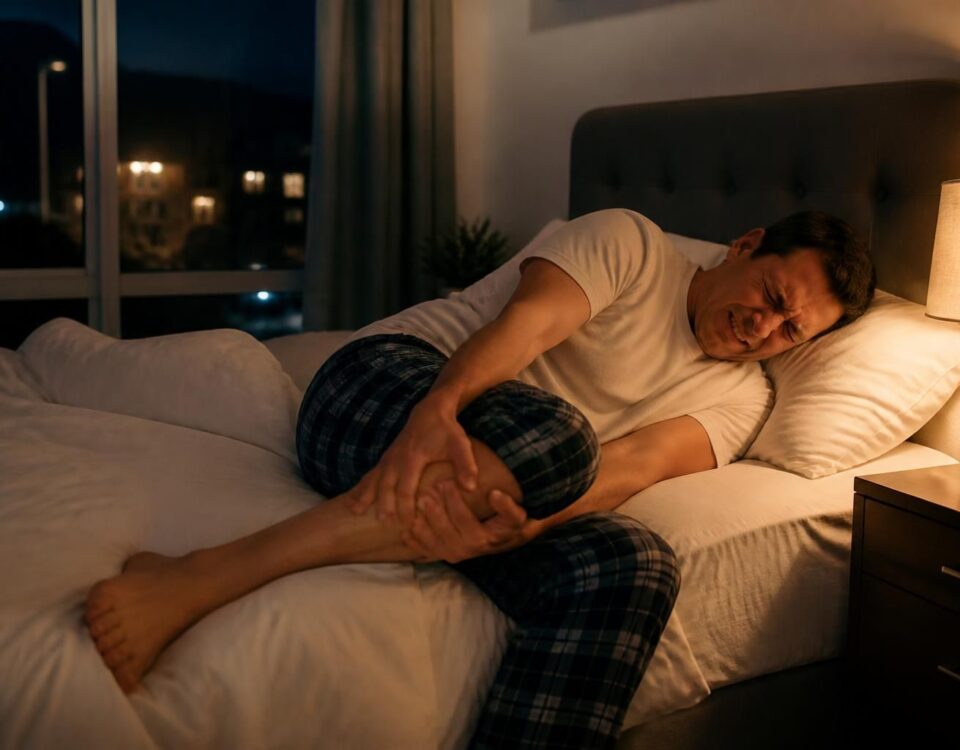
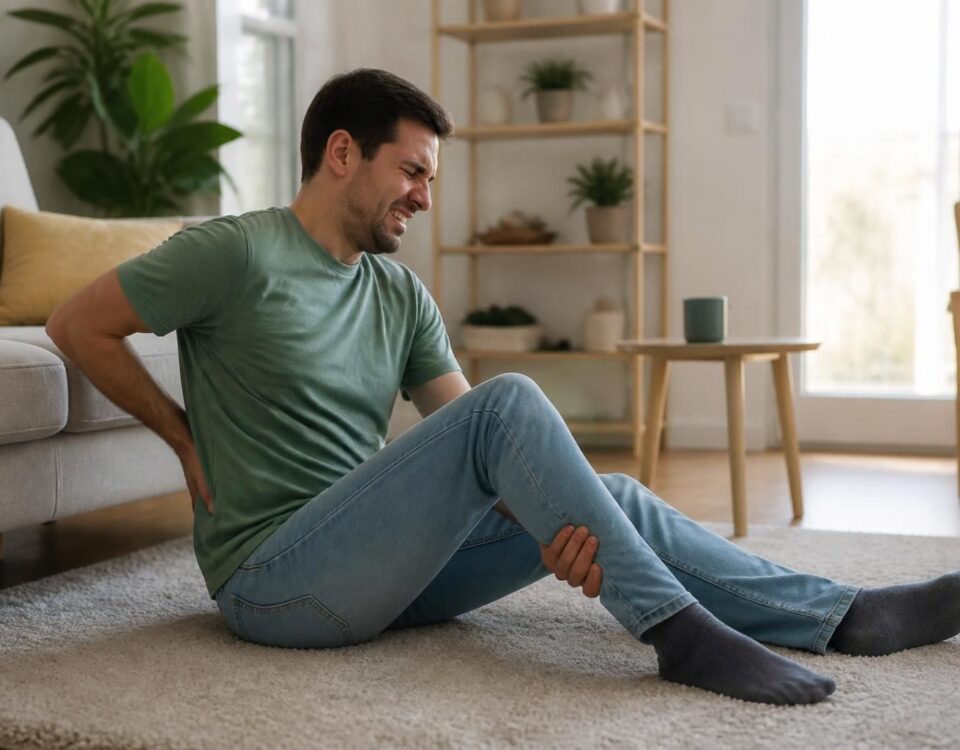
Sciatica is pain that can radiate from the lower back or buttock down to the leg. The pathway may be continuous or intermittent, and certain sensations may accompany it. Burning, electric shocks, tingling, or numbness may occur. A loss of strength or difficulty tolerating certain positions indicates a need for prompt evaluation.
Possible mechanical causes
Common mechanisms include:
Lumbar disc herniation — a part of the disc may irritate or compress a nerve root and cause pain radiating down the leg, with or without neurological symptoms.
Disc protrusion or bulging — the disc may bulge without frank herniation, reducing space around a nerve root.
Disc pinching — loss of disc height alters lumbar mechanics and may compress nerve structures.
Foraminal stenosis — the foramen through which the nerve root exits may narrow, leading to symptoms in the leg.
Spinal stenosis — the lumbar canal may narrow and cause pain, heaviness, or weakness when walking, sometimes relieved by rest.
In some cases, other lumbar factors, such as piriformis syndrome, may come into play, but they are not the default cause. For a deeper dive into the causes and evaluation, consult the dedicated resources on the associated pages.
Understanding painful territories
The L4, L5, and S1 territories illuminate the analysis, without replacing clinical evaluation. For example, pain radiating toward the big toe may involve the L5 level, while pain toward the heel may point to S1. The pathway and signs guide the assessment but do not replace a comprehensive analysis.
To explore the topic further, you can consult additional resources such as articles explaining the role of lumbar nerve roots and situations where the foramen may become too narrow. Additional information is available on the dedicated pages:
Understanding the role of lumbar nerve roots
When the foramen becomes too narrow
TAGMED approach in Terrebonne and Montreal
At TAGMED, the evaluation aims to connect the pathway of pain, symptoms, and signs to monitor. The goal is to determine whether a non-surgical approach may be relevant depending on the case. A comprehensive analysis of the painful profile is prioritized over a quick conclusion based on a single symptom.
Non-surgical options may be considered based on the evaluation, including:
Motorized neurovertebral decompression — it may be considered when the assessment suggests a discal origin or mechanical compression.
Specific osteopathy — interventions are tailored to the patient’s mobility, compensations, and tolerance.
Precision percussion — instrument-assisted, targeted, low-amplitude intervention, when tolerance and assessment allow.
Note that for this type of evaluation, exercises or stretches are not systematically recommended, and any approach is guided by individual assessment.
To learn more about these solutions and their application, explore the following resources :
TAGMED Clinic – Sciatica Treatment
Neurovertebral Decompression – Terrebonne
Terrebonne: Understand the Pain Before Choosing a Treatment
TAGMED Clinic, Terrebonne and Montreal, offers tailored solutions and structured support. For more information, contact the clinics directly or consult the dedicated pages.
About TAGMED and associated resources, you can also consult guides and supplementary readings on recognized sites in the field.
For more information, check the pages on the causes and evaluation of sciatica, or explore the articles that describe the mechanisms and management options.
TAGMED Clinic — Terrebonne: 1150 Lévis Street, Suite 200, Terrebonne, QC J6W 5S6. Phone: 450-704-4447. Days: Monday, Wednesday, and Friday. Make an appointment in Terrebonne
TAGMED Clinic — Montreal / Mont-Royal: 1140 Beaumont Avenue, Mont-Royal, QC H3P 3E5. Phone: 1-877-672-9060. Days: Tuesday and Thursday. Make an appointment in Montreal
How to know if my pain is sciatica? Pain that often radiates from the lower back or buttock down to the leg may be sciatica. It may be accompanied by burning, electrical shocks, tingling, numbness, or weakness.
Pain in the foot may stem from irritation of a lumbar nerve root and manifest as nausea and localized pain. Neurovertebral decompression may be considered in certain cases after evaluation.
Medical disclaimer: The information and advice provided on this site do not replace the opinion, diagnosis, or treatment of a healthcare professional. Please note that Dr. Sylvain Desforges, osteopath, is neither a medical doctor nor a physician, and is not specialized in a medical specialty as defined by the Collège des médecins du Québec. Manual therapy, functional medicine, and sports medicine as described on this site exclude any treatment or medical diagnosis made by a physician or specialist. Always consult your doctor for any medical questions. For more details, please read our full Legal Notice.
Additional information and useful resources:
Sciatica — Causes and Treatments
- Lumbar Disc Hernia: irritation/compression of a root.
- Disc Protrusion: disc bulge without frank hernia.
- Disc Pinching: reduction of disc height and foraminal impact.
- Foraminal Stenosis: narrowing of the root exit foramen.
- Spinal Stenosis: narrowing of the lumbar canal, pain while walking.
- Piriformis Syndrome: possible, but not the default explanation.
- Associated Signs: radiating pain, burning, tingling, numbness.
- Warning Signs: progressive weakness, loss of bladder control, saddle anesthesia.
- Key Evaluation: connect pathway and signs, check the mechanism.
- Non-surgical Approaches: based on evaluation, neurovertebral decompression, specific osteopathy, precision percussion.
- Aggravating Factors: poor posture, repetitive movements, mechanical overload.
- Care Plan: tolerated and adapted progression, avoid movements that worsen.
- Terrebonne: TAGMED Clinic, local care.

This article presents the possible mechanical causes of sciatica and offers recommendations for non-surgical treatment tailored to Terrebonne, based on a precise assessment of the painful pathway and neurological signals. The goal is to connect the symptoms to concrete mechanisms and provide a gradual and personalized approach to improving pain, function, and daily activities.
Understanding Possible Mechanical Causes
Sciatica can arise from several mechanisms at the lumbar level. The analysis starts with the pathway of the pain and neurological signs to distinguish nerve irritation from other origins and to determine if a non-surgical approach is appropriate.
Lumbar Disc Hernia
In a lumbar disc hernia, a part of the disc can compress a nerve root and trigger pain that follows the L5-S1 pathway down to the foot. Tingling, sensitivity issues, or weakness may be observed. Precise evaluation allows for the localization of the level and planning of care without rushing.
Disc Protrusion and Disc Pinching
The protrusion or bulging of the disc can reduce the space around a root without complete herniation. Disc pinching, associated with a loss of disc height, can alter lumbar mechanics and promote nerve irritation. A gradual and tailored approach is recommended according to the patient’s tolerance.
Foraminal Stenosis and Spinal Stenosis
Narrowing of the foramen or spinal canal can cause symptoms in the leg and a sense of heaviness while walking. Evaluation distinguishes these mechanisms to guide non-surgical interventions and careful progressive exercises.
Piriformis and Other Considerations
The piriformis syndrome exists but should not be taken as the default explanation without exploring more common lumbar causes.
Therapeutic approach adapted to Terrebonne
At the TAGMED Clinic Terrebonne, the structured evaluation connects the pain pathway, the signs, and possible care options. The goal is to offer non-surgical management tailored to the case and the patient’s tolerance.
Motorized neurovertebral decompression
This approach aims to reduce mechanical constraints on the discs and nerve roots when the evaluation justifies it, in order to promote recovery and the resumption of activities without pain.
Specific osteopathy
The interventions are tailored to your mobility, limitations, and tolerance, with a focus on spinal mobility, compensations, and an adapted postural redefinition.
Precision impactor
Instrument-assisted intervention, targeted and of low amplitude, used when the evaluation shows a precise and tolerated mechanical dysfunction.
Practical advice and lifestyle
To optimize results, prioritize neutral postures, active breaks, and gradual and adapted exercises. Avoid movements that worsen pain or that cause pain to shoot down further into the leg, and favor safe progression under professional supervision.
When to seek immediate consultation
Consult quickly if the pain progresses, if numbness increases, if weakness appears, or if walking becomes difficult. In case of urinary control loss or fever, contact medical services without delay.
Why choose TAGMED Terrebonne
With a structured evaluation and an adapted non-surgical offering, TAGMED Terrebonne provides progressive care focused on the patient, in order to improve pain and function while respecting your tolerance and lifestyle.
| Mechanical elements | Possible implications and actions |
|---|---|
| Lumbar disc herniation | Compression or irritation of a lumbar root potentially descending into the leg; complete evaluation necessary before any treatment. |
| Disc protrusion | Reduction of space around a root; clinical follow-up and adapted approach based on evaluation. |
| Disc narrowing | Height loss of the disc altering lumbar mechanics; progressive care and personalized plan. |
| Foraminal stenosis | Narrowed foramen causing pain and paresthesia; guidance towards an adapted non-surgical strategy. |
| Spinal stenosis | Narrowed lumbar canal leading to pain and walking difficulties; cautious approach and targeted non-surgical options. |
| Irritation of an L4-L5 / L5-S1 root | Pain pathway and neurological signs will guide the evaluation and adaptation of the care plan. |
| Piriformis syndrome | To be considered after lumbar evaluation; may influence exercise and therapy choices. |
| Postural mechanical factors | Posture and mobility limit symptoms; progressive, preventive, and case-adapted interventions. |
Testimonials on Sciatica Treatment in Terrebonne: Understanding Possible Mechanical Causes
“Before coming to Terrebonne, my pain radiated down to my buttock and leg, and I feared I would never get better. During the evaluation, time was taken to analyze the pain pathway and the signs to watch for. I was explained the possible mechanical causes, such as a lumbar disc herniation or a protrusion, and how they can compress a nerve root. The care plan prioritized non-surgical approaches like specific osteopathy and, depending on the case, motorized neurovertebral decompression. After a few weeks, the pain in my leg decreased, and I can return to my activities.
“I came to the TAGMED Clinic – Terrebonne for pain radiating to my foot. The team clarified the possible mechanical causes and identified foraminal stenosis as a potential culprit. The non-invasive treatment was suitable, and I also tried the precision impactor to target a specific area, which helped me recover faster.”
“After several months of pain, the evaluation showed referred pain corresponding to leg pain due to a disc protrusion. The plan was progressive, with tolerated and adapted exercises and the specific osteopathy that restored mobility. Terrebonne provided structured and reassuring follow-up.”
“I was afraid that the pain came from the piriformis, but the evaluation at Terrebonne helped me understand that lumbar causes were more common. We prioritized a cautious and progressive approach and, thanks to the TAGMED approach, the exercises and non-surgical care led to significant improvement.”
“The clarity of the explanations about the possible mechanical causes and the pain pathway was key. I was informed about when to seek consultation, the signs to monitor, and how the treatment can adapt to my case. Today, the pain is better managed, and I can return to my daily activities.”
Sciatica treatment in Terrebonne: Understanding Possible Mechanical Causes
As part of the sciatica treatment in Terrebonne, the approach emphasizes understanding the possible mechanical causes that explain the pain. Dr. Sylvain Desforges, an expert in osteopathy and manual medicine, focuses on linking the pain pathway to anatomical origins and its impact on movement. This method aims to offer care that adjusts interventions to your profile, rather than being limited to a single label.
Dr. Sylvain Desforges is the founding president of the TAGMED clinics and the ACMA association, and he dedicates his practice to managing chronic pain in the lumbar region and sciatica. His approach integrates available technological advancements to optimize results while remaining evidence-based. Among these technologies, he implements options such as motorized neurovertebral decompression, specific osteopathy, and, when relevant, the precision impactor, to provide a tailored non-surgical approach for each patient.
Understanding the mechanical causes of sciatica involves evaluating several potential mechanisms. Among the most common are the lumbar disc herniation, protrusion or bulging of the disc, disc compression that reduces the space around a nerve root, foraminal stenosis, and, in some cases, spinal stenosis. Irritation of a nerve root can then generate pain that radiates down the lower back and into the leg, with or without paresthesia and weakness. This overview helps distinguish symptoms and guide an appropriate care strategy.
At the level of clinical assessment, four axes guide reasoning at TAGMED. First, the history and evolution of the pain help identify aggravating factors and medical history. Second, the pathway felt provides information about the affected areas (lower back, buttock, thigh, calf, foot) and the likely radicular level (L4-L5, L5-S1, etc.). Third, mobility and tolerance tests complement the clinical picture to detect signs of nerve irritation. Fourth, the care plan is discussed, with precautions, session frequency, and reasonable limits, to choose between decompression, osteopathy, or targeted intervention depending on the case.
For patients in Terrebonne, the goal is clear: to provide a structured assessment that links the painful pathway, neurological signs, and relevant non-surgical care options. This approach helps avoid hasty conclusions and prioritize an appropriate and tolerated progression, with monitoring for warning signs such as increasing weakness or pain worsening rapidly.
The TAGMED Clinic in Terrebonne offers patient-centered care, with particular attention to examining mechanical causes and developing a progressive and personalized treatment plan. The experience of Dr Desforges and his team is based on rigorous assessment and a multidisciplinary approach to optimize the health and well-being of patients suffering from sciatic pain.
Clinique TAGMED — Terrebonne, 1150 Lévis Street, Suite 200, Terrebonne, QC, J6W 5S6. Days of operation: Monday, Wednesday, and Friday. For a structured consultation tailored to your pain, contact TAGMED Terrebonne to begin a process focused on mechanical causes and non-surgical solutions.
This text presents the essential elements for understanding sciatica and possible mechanical causes, as well as pathways for Sciatic treatment Terrebonne. It highlights the importance of a comprehensive clinical assessment to connect the painful pathway, neurological signs, and lumbar mechanisms in order to determine an appropriate approach.
Among the most common mechanical causes of sciatica are lumbar disc herniation, disc protrusion, disc compression, foraminal stenosis, and spinal stenosis. These anomalies can irritate or compress a nerve root, causing pain that radiates into the buttock, thigh, calf, or foot depending on the affected level (for example L4-L5 or L5-S1). Careful evaluation allows for connecting the painful pathway to the underlying mechanisms and avoiding a rushed or exclusive interpretation of a single symptom.
Piriformis syndrome is also mentioned sometimes, but it should not replace the analysis of more common lumbar causes. The goal of the assessment is to identify relevant mechanical causes, to maintain space around nerve roots, and to assess mechanical limits that guide the treatment plan. This approach allows for choosing between a non-surgical approach and complementary options depending on the case.
For Sciatic treatment Terrebonne, the TAGMED team offers a structured approach focused on evaluating the painful pathway, neurological signs, and mechanical constraints. Non-surgical options may include motorized neurovertebral decompression, specific osteopathy, or instrument-assisted intervention, depending on the assessment and tolerance of the patient. This approach aims to reduce constraints on the discs and roots without imposing risky maneuvers while progressing in an appropriate and safe manner.
To explore the elements surrounding causes and assessment further, you can consult the following resources, which complement the clinical overview: Clinical assessment before treatment, Sciatic treatment in Terrebonne, Sciatica sitting at the desk, Sciatica or peripheral neuropathy, Medical article, Understand and relieve, The TAGMED solution, Terrebonne Treatment, Causes of sciatica, Distinguish lower back pain and nerve pain
Note that external resources provide a complementary and detailed view of the mechanisms involved and triage criteria. In case of significant, rapid, or neurological painful symptoms, a quick medical evaluation remains essential.

Sciatica in Terrebonne: heavy leg or painful leg?
IN BRIEF Sciatica is pain that follows the path of a nerve root from the lower back to the leg, with sensations of pain, burning, or numbness. In Terrebonne, management favors non-surgical and progressive approaches to relieve the painful leg…

Sciatica in Terrebonne: nighttime pain in the leg
IN BRIEF In brief, nocturnal sciatica is a pain that starts from the lower back and radiates to the leg, sometimes waking you up at night. In Terrebonne, non-invasive management can reduce nighttime awakenings and improve sleep, while preserving mobility…
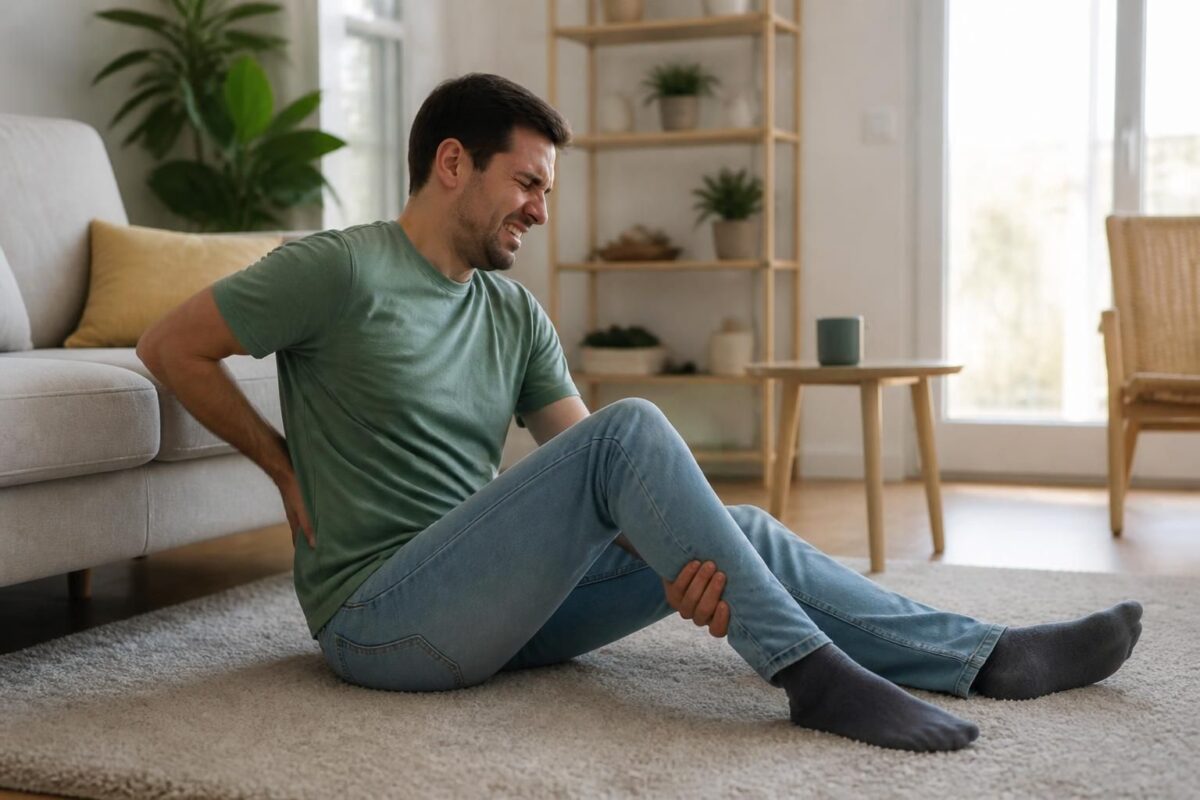
Sciatica in Terrebonne: pain from the lower back to the calf
IN BRIEF Sciatica is pain that follows the path of the sciatic nerve, starting from the lower back and radiating down the leg to the calf or foot. In Terrebonne, local evaluation allows for quick identification of the causes and…

Sciatica in Terrebonne: hip pain or true nerve radiation?
IN BRIEF Sciatica is a pain that follows the path of the sciatic nerve, from the lower back to the foot. In Terrebonne, it can manifest as pain in the hip or as true nerve irradiation. Key benefits: pain reduction,…

Sciatica pain in Terrebonne: incomplete journey, should we be worried?
IN BRIEF The subject is sciatic pain in Terrebonne, which can follow the incomplete path of the sciatic nerve and project pain down to the foot. Key benefits: pain reduction, improved mobility, and prevention of recurrences through tailored exercises and…

Sciatica in Terrebonne: pain towards the little toe and S1 root
IN BRIEF In brief, sciatica associated with pain towards the little toe and the S1 root is a neuropathic pain that follows the path of the sciatic nerve and often results from compression or irritation of the affected lumbar root.…

Sciatica in Terrebonne: pain towards the top of the foot and L5 root
IN SHORT The Sciatica in Terrebonne with pain radiating to the top of the foot and probable involvement of the L5 root describes a radicular injury manifested by pain following the nerve path, sometimes accompanied by numbness or weakness. The…

Sciatica in Terrebonne: pain radiating to the outer edge of the foot
IN BRIEF Concise definition: Sciatic pain that reaches the outer edge of the foot follows the path of the sciatic nerve from the lower back to the foot. Benefits and applications: In Terrebonne, a conservative approach provides quick and safe…

Dr Sylvain Desforges, B.Sc., D.O., N.D., osteopath, is the founding president of TAGMED and of the ACMA association. He dedicates his practice to chronic spinal pain, low back pain and symptoms compatible with sciatica, particularly when pain radiates toward the buttock, leg, calf, foot or toes.
Through SOS Sciatique, he publishes educational content on sciatica symptoms, possible causes such as disc herniation, disc narrowing, foraminal stenosis or irritation of a lumbar nerve root, as well as non-surgical approaches that may be considered according to the evaluation. At Clinique TAGMED, care may include, depending on the case, motorized neurovertebral decompression, specific osteopathic care or precision percussion.
For an evaluation related to sciatica treatment in Montreal / Mount Royal or sciatica treatment in Terrebonne, please consult the services available at Clinique TAGMED.
Medical disclaimer
The information published on SOS Sciatique is provided for educational purposes only and does not replace a consultation, diagnosis, opinion or treatment provided by a physician or another authorized healthcare professional. The author of this article is neither a medical doctor nor a specialist in a medical specialty recognized by the Collège des médecins du Québec. The osteopathic, manual medicine or functional support approaches described on this site do not constitute medical acts and are not intended to replace medical follow-up.
Consult a physician or emergency service in cases of loss of bladder or bowel control, anesthesia in the saddle area, significant or progressive weakness in the leg or foot, fever, recent trauma, severe pain or rapid worsening of symptoms. For more details, please read our Legal Notice.