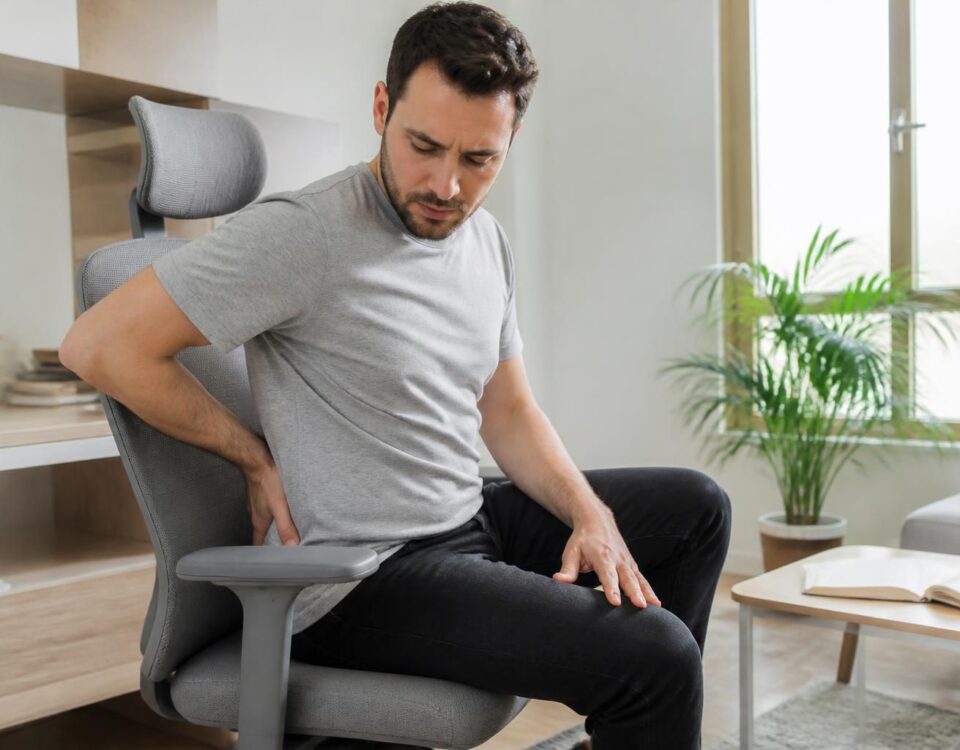
Sciatica in Montreal: difference between temporary relief and sustainable strategy
28/07/2026
Sciatica: mechanical causes and nerve inflammation
28/07/2026
IN BRIEF
| In brief, sciatica is pain that starts in the lower back and follows the path of the sciatic nerve down to the leg, often referred to as sciatalgia or lumbosciatica. It is mainly treated with conservative treatment: moderate activity, physiotherapy, and targeted exercises to relieve pain and restore mobility, avoiding surgery when possible. The diagnosis relies on clinical examination and medical assessment; common causes include a herniated disc, foraminal narrowing, or piriformis syndrome. If necessary, options such as injections or, as a last resort, surgery may be considered. In Montreal and Mount Royal, this service aims to quickly relieve pain and prevent recurrences through postural advice and adapted physical activity. |
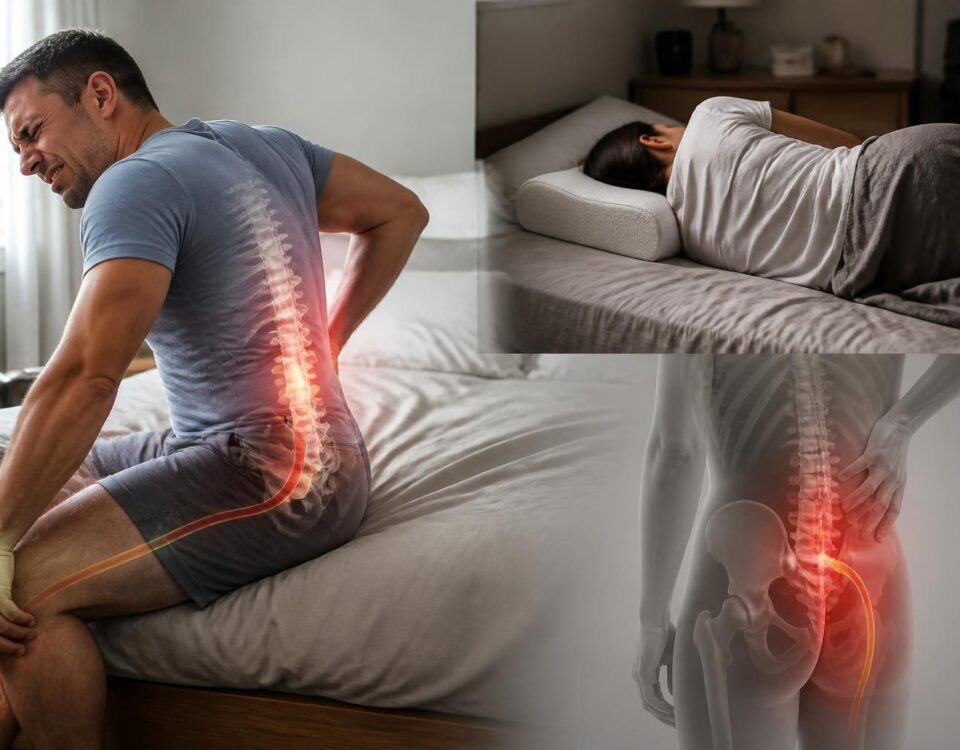
Sciatica is pain that originates in the lower back and spreads along the sciatic nerve down to the leg, often behind the thigh and calf, sometimes reaching the foot. It is a symptom, not a disease in itself, resulting from irritation or compression of a nerve root or the trunk of the nerve.
Typical signs include intense or electric pain, tingling, and, in cases of increased compression, muscle weakness. The most common causes are herniated discs, lumbar canal narrowing, and piriformis syndrome. The pain may be unilateral and worsen after prolonged positioning or exertion.
The treatment aims to relieve pain quickly while remaining active: relative rest, anti-inflammatories if necessary, physiotherapy, and targeted exercises. Warning signs (progressive weakness, loss of urinary control, bilateral pain) require prompt consultation.
This article explains sciatica and the pain that extends from the lower back to the leg. It describes the symptoms, possible causes, diagnosis, treatments, and preventive measures. You will discover management options at the TAGMED Clinic and reliable online resources. The text emphasizes a practical and clear approach, adapted to everyday life and care by a healthcare professional.
Typical Symptoms and Pathway
The central symptom is a pain that starts in the lower back or buttock and descends along the leg. The pain may be associated with tingling or a feeling of numbness. The pathway generally follows the route of the sciatic nerve, causing pain in the back of the thigh and sometimes down to the foot. Pain may be more pronounced when sitting or during exertion.
Common Causes
The primary causality rests on irritation or compression of a nerve root at the exit of the lumbar spine. Typical causes include a herniated disc or narrowing of the pathway leading to the nerve. Other possible factors are piriformis syndrome and spinal osteoarthritis. Risk factors such as excess weight, inactivity, and smoking can promote the onset or persistence of symptoms. For non-lumbar cases, they may arise from another mechanism around the pelvis.
Diagnosis and Warning Signs
The diagnosis primarily relies on clinical examination and questioning. The doctor looks for the painful pathway and assesses neurological symptoms. Simple tests may be conducted to reproduce the pain and evaluate its intensity.
Signs requiring prompt consultation include significant loss of strength in the leg, sphincter dysfunctions (urinary or fecal), pain that worsens rapidly or occurs at night, general signs (fever, weight loss), or bilateral pain. In case of doubt, a quick medical opinion is recommended.
Treatment Options
The treatment aims to alleviate pain while remaining active. Non-surgical approaches are preferred based on clinical evaluation.
Medications may include analgesics and anti-inflammatories for a short duration, with progress according to pain levels and medical recommendations. An epidural injection may be considered if the pain persists and interferes with daily activities.
As part of non-surgical management, osteopathy and manual approaches may be suggested after evaluation, but effects vary by case. At the TAGMED Clinic, options such as motorized neurovertebral decompression and specific osteopathy may be considered based on individual evaluation.
Surgery is considered in rare cases, particularly in the presence of significant neurological deficit, persistent hyperalgesia, or cauda equina syndrome. The procedure is based on a medical decision made on a case-by-case basis.
For those seeking additional resources, certain dedicated pages describe the links between calf pain and possible sciatica, as well as practical advice for work and posture:
- pain in the calf resembling sciatic cramp
- sciatica and office breaks, why they must be adapted
- sciatica treatment in Montreal / Mount Royal
- sciatica and pain that radiates from the buttock to the foot
Preventing Recurrences and Lifestyle
After an episode, it is useful to stay active and avoid positions that aggravate the pain. Maintaining a healthy weight, engaging in adapted physical activity, and organizing to avoid sudden efforts can reduce the risk of recurrence. The layout of the workstation and posture also play an important role.
For a comprehensive and tailored approach to your situation, a consultation at the TAGMED Clinic can help determine the best treatment pathway and the options available in your area.
For additional information on medical aspects and management approaches, you can consult the following resources in the authorized domains: SOS Sciatique, TAGMED Clinic, neurovertbral decompression, herniated disc and sciatica, herniated discs, carpal tunnel syndrome and SOS Sciatique.
Medical disclaimer: The information and advice provided on this site do not replace the opinion, diagnosis, or treatment of a healthcare professional. Please note that Dr. Sylvain Desforges, osteopath, is neither a doctor of medicine nor a physician, and is not a specialist in a medical specialty as defined by the Collège des médecins du Québec. Manual medicine, functional medicine, and sports medicine as described on this site exclude any medical treatment or diagnosis made by a physician or specialist. Always consult your doctor for any medical questions. For more details, please read our full Legal Notice.
- Sciatica: pain that starts in the lower back or buttock and follows the path of the sciatic nerve down to the foot.
- Typical pains: burning, pulling, electric shock.
- Possible affected areas: buttock, back of the thigh, calf, foot.
- Associated sensations: tingling, numbness, possible weakness.
- Quick assessment: consult in case of motor impairment or emergency signs (incontinence, bilateral pain).
- Key examination: Lasegue’s maneuver to reproduce the pain and confirm the pathway.
- Initial management: stay active, gentle movements, heat or cold as relief; appropriate analgesia.
- Therapeutic relay: postural physiotherapy and core strengthening after the acute phase.

Sciatica is a pain that originates in the lower back and can radiate down the leg along the path of the sciatic nerve. This guide provides you with the markers to understand the mechanisms, recognize the signs, consider common causes, and adopt simple gestures to relieve and prevent recurrences, without immediately resorting to surgical intervention when it is not necessary.
Understanding the pathway and nature of the pain
The sciatic nerve is the longest in the body. When one of its roots, especially L5 or S1, is irritated or compressed, the pain can start from the lower back and move up to the buttock, or descend along the back of the thigh down to the calf and foot. This pain is often described as a burning, electric, or stabbing sensation and can be accompanied by abnormal sensations such as paresthesias.
Signs and symptoms to watch for
In addition to the main pain, you may experience tingling or a loss of sensitivity in the innervated area. In more severe cases, muscle weakness may occur, making it difficult to walk on heels or toes. The pain is usually unilateral, but bilateral signs require quick evaluation.
Causes and risk factors
The most common causes are mechanical: a herniated disc compressing a root, a foraminal narrowing, or lumbar osteoarthritis, leading to lumbosciatica. Other origins like piriformis syndrome can irritate the sciatic nerve without direct involvement of the spine. Risk factors include obesity, physical inactivity, smoking, and repetitive movements that strain the back, as well as age, which favors degenerative processes.
Relief and self-management strategies
Stay active and adopt proper postures
As the pain decreases, prioritize gentle and regular activities such as walking on flat ground and avoid positions that aggravate the nerve. Alternate positions, take breaks, and maintain a neutral back posture during daily activities.
Pain management and initial treatments
For initial relief, use analgesics and NSAIDs as recommended by a professional and for a limited duration. Applying heat or cold can help relax the muscles and reduce spasms.
Exercises and physiotherapy
A tailored physiotherapy program can stretch the retracted muscles, strengthen the core, and improve posture. Targeted exercises, performed progressively, reduce recurrence risks and expedite recovery.
Complementary approaches and other advice
Gentle and tailored approaches, under supervision, can support recovery. Regular engagement in an active lifestyle, maintaining a healthy weight, and good ergonomics at work contribute to preventing recurrences and maintaining mobility.
When to seek immediate consultation
Consult without delay in the presence of warning signs such as loss of bladder or bowel control, progressive weakness of the leg or foot, pain that worsens rapidly, fever, or bilateral neurological symptoms. Outside of these situations, a doctor can assess and propose an appropriate plan for the next steps.
| Element | Description |
|---|---|
| Definition | Pain due to irritation or compression of a root of the sciatic nerve, starting from the lower back down to the leg. |
| Origin and path | The sciatic nerve arises from several lumbar roots and follows the buttock, then the back of the thigh down to the foot. |
| Difference | Sciatica is the common name for the symptom; sciatalgia describes the nerve disorder responsible. |
| Typical symptoms | Pain radiating from the lower back to the buttock and leg, sometimes with paresthesias and weakness. |
| Location and progression | Mostly unilateral; follows the course of the nerve and may affect the buttock, thigh, calf, or foot; may worsen in a sitting position. |
| Main causes | Disc herniation is the most common cause; other mechanisms: foraminal narrowing, facet joint osteoarthritis, and piriformis syndrome. |
| Warning signs | Significant loss of strength, sphincter disturbances, increased or bilateral pain, fever, or suspicion of cauda equina: urgent consultation. |
| Diagnosis | Mainly clinical; imaging and additional tests in case of red flags or persistent pain. |
| Treatments | Appropriate activity, physiotherapy, short-term analgesics/NSAIDs; possible injection; rare surgery depending on context. |
Testimonials on Sciatalgia: Pain Radiating from the Lower Back to the Leg
“I woke up with pain radiating from my lower back that quickly went down my leg. It was a burning sensation and electrical shocks that prevented me from walking normally. It was clearly a sciatalgia, and I realized that the sciatic nerve was irritated along its entire path.”
“The pain followed the typical path of the nerve, starting from the lower back and running down the leg, sometimes affecting the back of the thigh and the calf. I also felt tingling and weakness that made walking difficult, which led me to seek advice quickly.”
“This pain got worse after a few days and seemed to turn into sciatalgia with a path going from the lower back to the leg. Thanks to personalized support and adapted exercises, I was able to return to daily activities without the pain completely blocking me.”
“At first, I thought it was a muscular pain, but it quickly moved towards my lower back and leg, with episodes of sharp pain that prevented me from standing for long. Physiotherapy and posture advice were crucial for regaining control and limiting recurrences.”
“My doctor explained that the pain followed the path of the sciatic nerve: from the lower back down to the leg. Thanks to a treatment plan that combined movement, stretching, and trunk strengthening, I regained much of my mobility and a significant reduction in discomfort.”
“Today, after weeks of personalized support, the pain that was radiating from my lower back and going down to the leg has largely faded. I can walk for long periods again and resume my activities without fear of a relapse.”
Detailed Biography: Sciatica and Pain Radiating from the Lower Back to the Leg
Dr Sylvain Desforges, osteopath and expert in manual medicine, is the founding president of TAGMED clinics and the ACMA association. His career illustrates a commitment to innovation in healthcare and the sustainable improvement of patients’ quality of life. Drawing on his experience, he favors a multidisciplinary and evidence-based approach to managing chronic pain, particularly related to the spine and sciatica. His mission? To provide personalized care that combines manual skills and advanced technologies to optimize health and well-being for everyone.
In the specific field of sciatica, Dr Desforges observes pain originating in the lower back and radiating along the buttock and leg, sometimes down to the foot. This symptomatology generally results from irritation, compression, or an inflammatory reaction affecting one or more nerve roots of the sciatic nerve. In clinical practice, he explains that the painful trajectory, intensity, and associated neurological signs guide diagnoses and therapeutic choices. The physician may also encounter sensations such as tingling, paresthesias, or, in more severe cases, muscular weakness that can impact walking.
The diagnostic approach adopted by Dr Desforges relies on a thorough interview and rigorous clinical examination, supplemented when necessary by imaging studies or blood tests to rule out serious causes. He quickly refers patients to specialists when “red flags” arise, such as loss of bladder control, persistent night pain, bilateral pain, or progressive weakness. His goal is to distinguish a mild lumbar sciatica from a picture requiring rapid intervention while avoiding excessive and unnecessary treatments.
For treatment, Dr Desforges primarily favors non-surgical and non-invasive approaches, integrating osteopathy, gentle manipulation, and posture advice. He combines motorized therapies and adapted manual techniques, including motorized neuro-vertebral decompression, laser therapy, and shock wave therapy when appropriate. The goal is to calm inflammation, relieve compression, and restore mobility without systematically resorting to surgery.
His patient-centered vision leads him to emphasize adapted physical activity, maintaining mobility, and the gradual resumption of daily activities. He offers personalized exercise programs, advice to improve postural habits, and relapse prevention strategies, so that everyone can sustainably regain control of their pain and movement. At the heart of his support, transparency and information remain essential: each patient benefits from a clear plan, consistent with their goals and lifestyle.
In practice, this approach aims to transform disabling pain into a manageable and controlled experience. Dr. Desforges is committed to providing evidence-based care tailored to each profile, in order to optimize lumbar function and the quality of life for patients suffering from sciatica. His approach promotes a better understanding of pain and therapeutic choices that foster mobility, autonomy, and a quick return to an active and peaceful life.
This summary clarifies that sciatic pain, starting from the lower back and descending into the leg, is generally due to irritation or compression of one or more roots of the sciatic nerve. It follows the path of the nerve, passing through the buttock and the back of the thigh down to the foot, and can manifest as electric shocks, burning sensations, or a feeling of heaviness. The diagnosis primarily relies on clinical examination and the patient’s history, while the treatment combines movement, physical therapy, medication management, and, if necessary, targeted interventions depending on severity. A proactive and tailored approach can reduce relapses and sustainably improve quality of life.
Summary
Sciatica is not a disease in itself but a symptom related to the suffering or compression of one or more roots of the sciatic nerve. Its typical path starts from the lower back, crosses the buttock, climbs behind the thigh, then heads towards the calf and the foot. This pain is generally unilateral and may be accompanied by paresthesia (tingling) and, sometimes, muscle weakness, reflecting the extent of nerve injury.
The most common causes are mechanical and related to wear or displacement of spinal structures: protruding disc herniation, foraminal stenosis or narrow lumbar canal, and sometimes dysfunction of the piriformis muscle. Risk factors such as excess weight, sedentariness, smoking, or repetitive movements increase the likelihood of a sciatic episode and relapses. For a non-invasive and personalized approach, you can find appropriate management frameworks for your situation in dedicated resources, including non-invasive treatments in Terrebonne and postural advice that promote recovery.
The diagnosis relies on clinical evaluation and questioning, with alarm signs requiring urgent care (progressive weakness, sphincter disorders, worsening pain at night, fever, or bilateral pain). Additional examinations may be useful when the presentation is atypical, the condition persists, or treatment fails. To understand the mechanisms and symptoms, supplementary resources explore the links between pain and the course of the nerve, or the mechanisms involving specific areas such as the foot.
Treatment is based on a multimodal approach, prioritizing the maintenance of activity and muscle strengthening, rather than prolonged rest. Common options include analgesics and anti-inflammatories for a short period, physical therapy with stretching and strengthening, postural education, and adapted exercises. In cases of persistent pain or marked nerve injury, injections may be considered, and rarely, surgery may be necessary after specialized evaluation. To explore non-invasive perspectives and factors to consider before care, consult the available resources, including the pages dedicated to non-invasive treatment and pre-care evaluation.
Preventing relapses involves maintaining a mobile back and strong core, regularly practicing adapted physical activities, and adopting correct technical gestures (for example, bending the knees to lift a load rather than bending over). Strengthening core muscles, having a healthy diet, quitting smoking, and adjusting the workspace also play a key role in the long term. To enrich your understanding and discover practical perspectives, you can consult additional resources on the subject, including guides on sciatic pain and specific situations like walking and the pelvis.
To delve deeper and compare approaches, here are some additional resources that may enlighten you: Sciatica and burning in the foot, non-invasive and personalized treatment in Terrebonne, Sciatica and leg, and Causes and treatments. Other useful resources detail the connection with the pelvis and postures that influence the painful path, as well as practical guidelines for Montreal and Terrebonne.
Sciatica and tingling upon waking: possible causes
IN BRIEF in English In brief, sciatica and tingling upon waking correspond to tingling, burning, or numbness that travels along the sciatic nerve upon waking. What are the possible causes? The most common include a herniated disc, nerve compression, and…
Sciatica and tingling at bedtime: why does this happen?
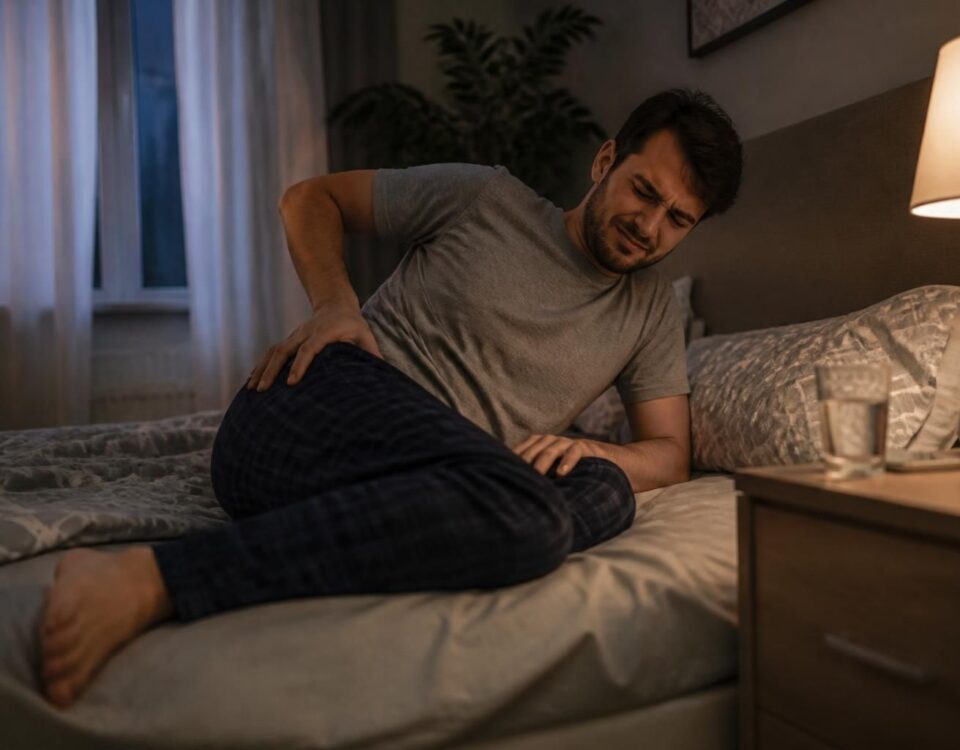
IN BRIEF In brief, sciatica and tingling at bedtime refer to the tingling or burning sensations that travel up the leg when you lie down, related to the sciatic nerve. This can stem from structural causes such as a herniated…

Sciatica and tingling in a seated position: possible cause
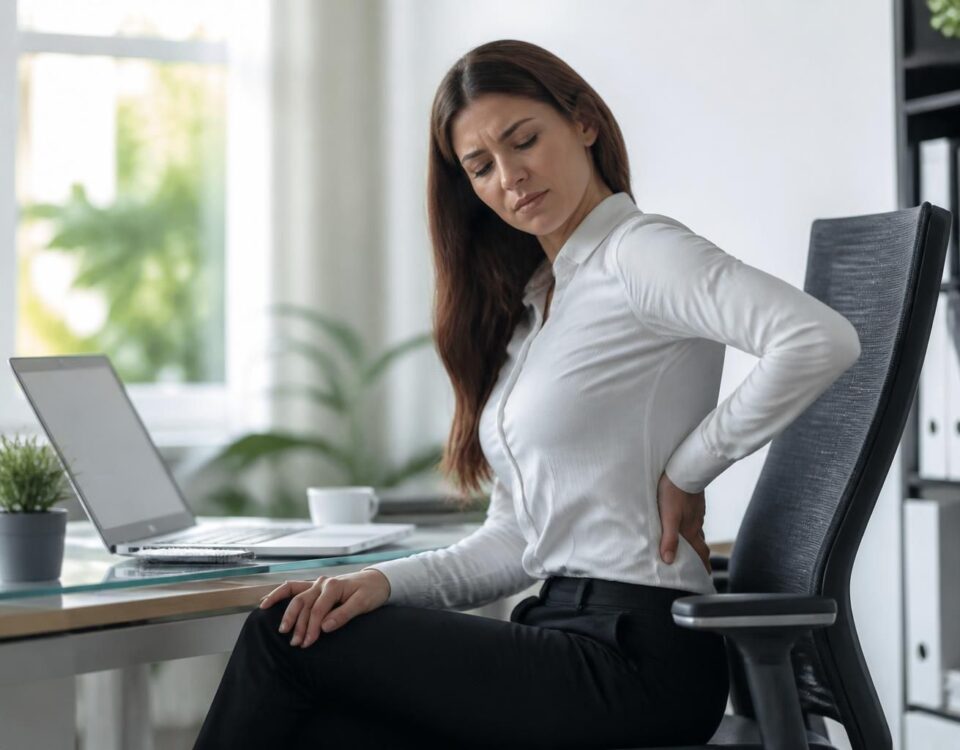
IN BRIEF Definition: Sciatica with tingling in sitting position is pain that radiates from the lower back to the leg, sometimes accompanied by paresthesias, due to irritation or compression of the sciatic nerve. Benefits / Applications: identifying postures to avoid…
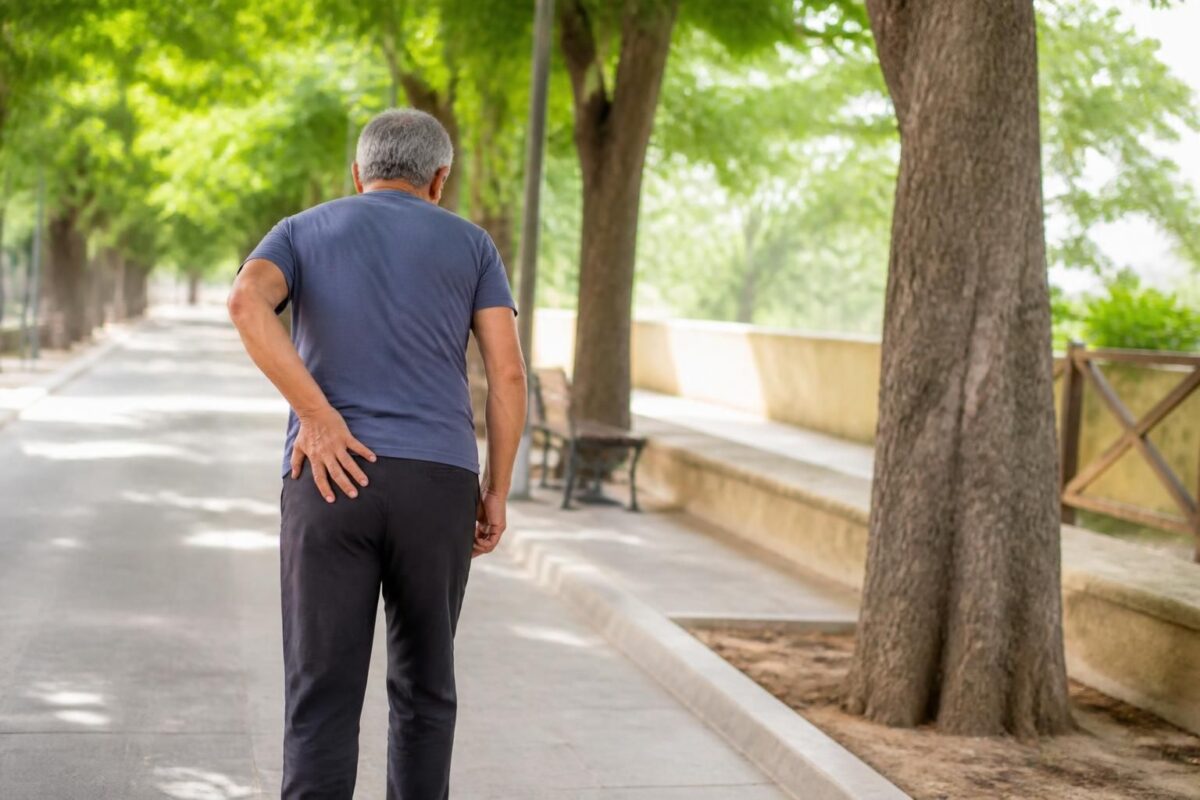
Sciatica and tingling after walking: what to check?
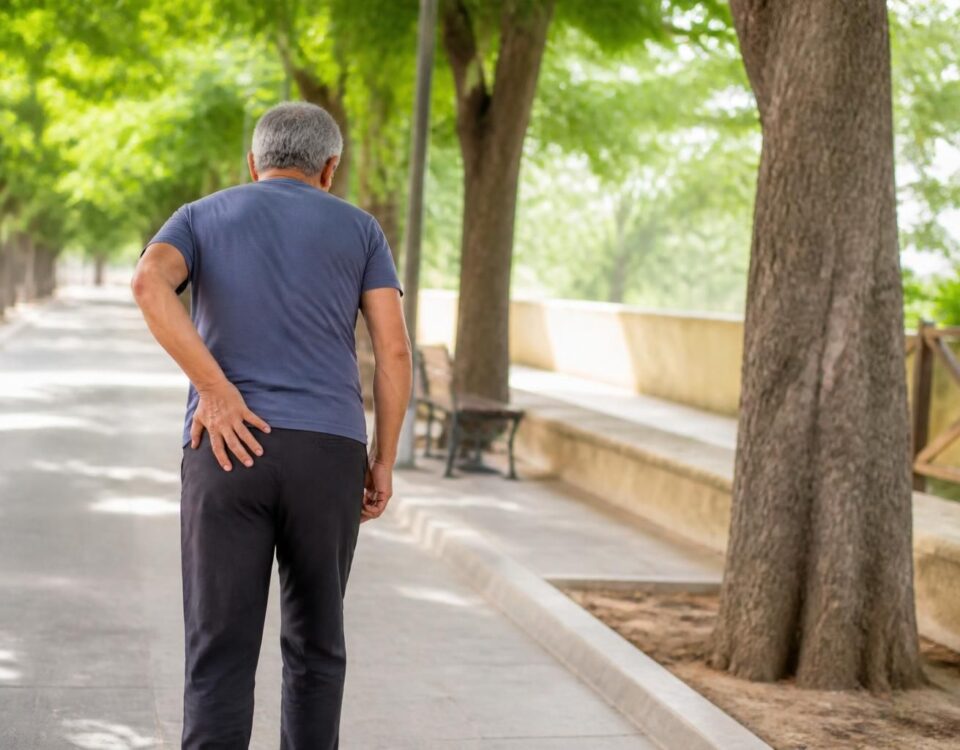
IN BRIEF In brief, sciatica and tingling after walking describe a pain that follows the path of the sciatic nerve and may be accompanied by tingling sensations. What is it? a <strong/radiating pain related to compression or inflammation of the…
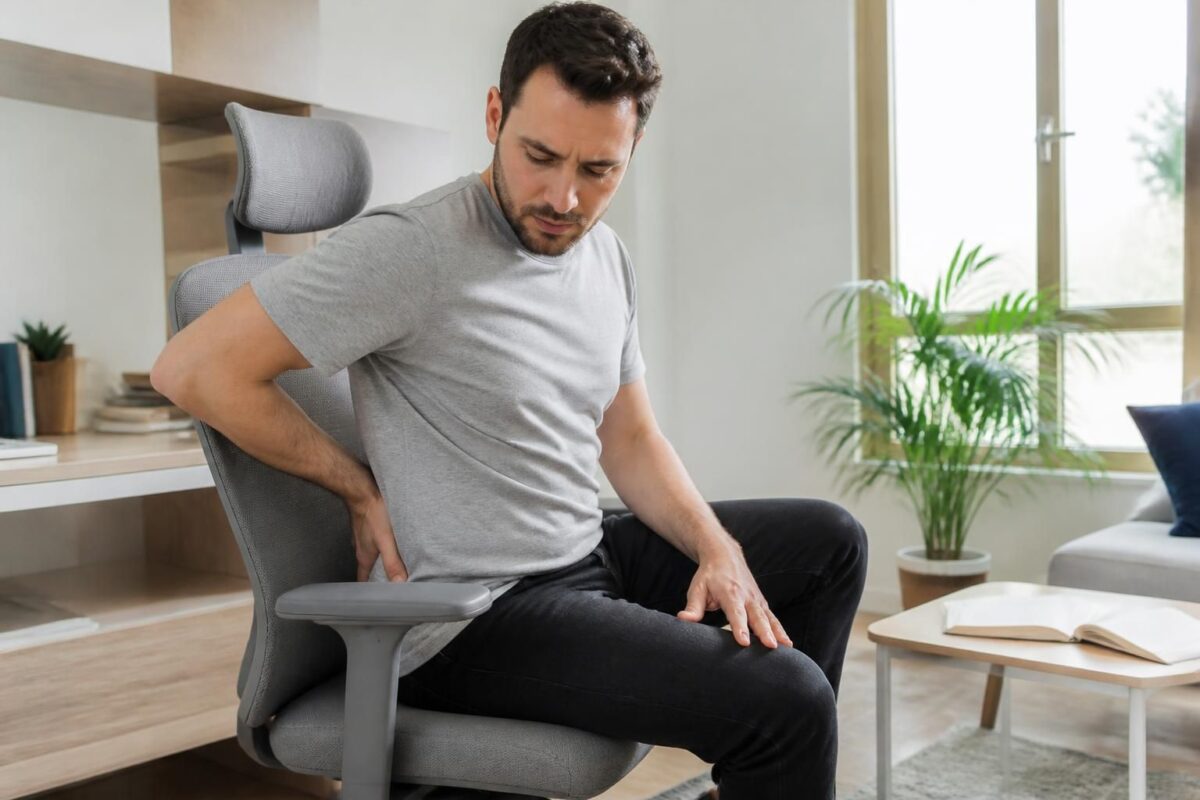
Sciatica and permanent numbness: sign to watch for
IN BRIEF In brief, Sciatica and persistent numbness describe irritation or compression of a root of the sciatic nerve, causing pain that radiates along the leg and sometimes tingling or loss of sensitivity in the buttock, thigh, or foot. Benefits:…

Sciatica and intermittent numbness: how to interpret it?
IN BRIEF In brief, sciatica and intermittent numbness describe an irritation or compression of the sciatic nerve or a lumbar root that can manifest from the buttock down to the foot. The benefits: a targeted assessment helps determine the mechanism…

Sciatica and progressive numbness: why not wait?
IN BRIEF in English In brief, sciatica and progressive numbness refer to pain and sensations that follow the route of the sciatic nerve, from the lower back to the buttock and leg, sometimes down to the foot. These symptoms can…
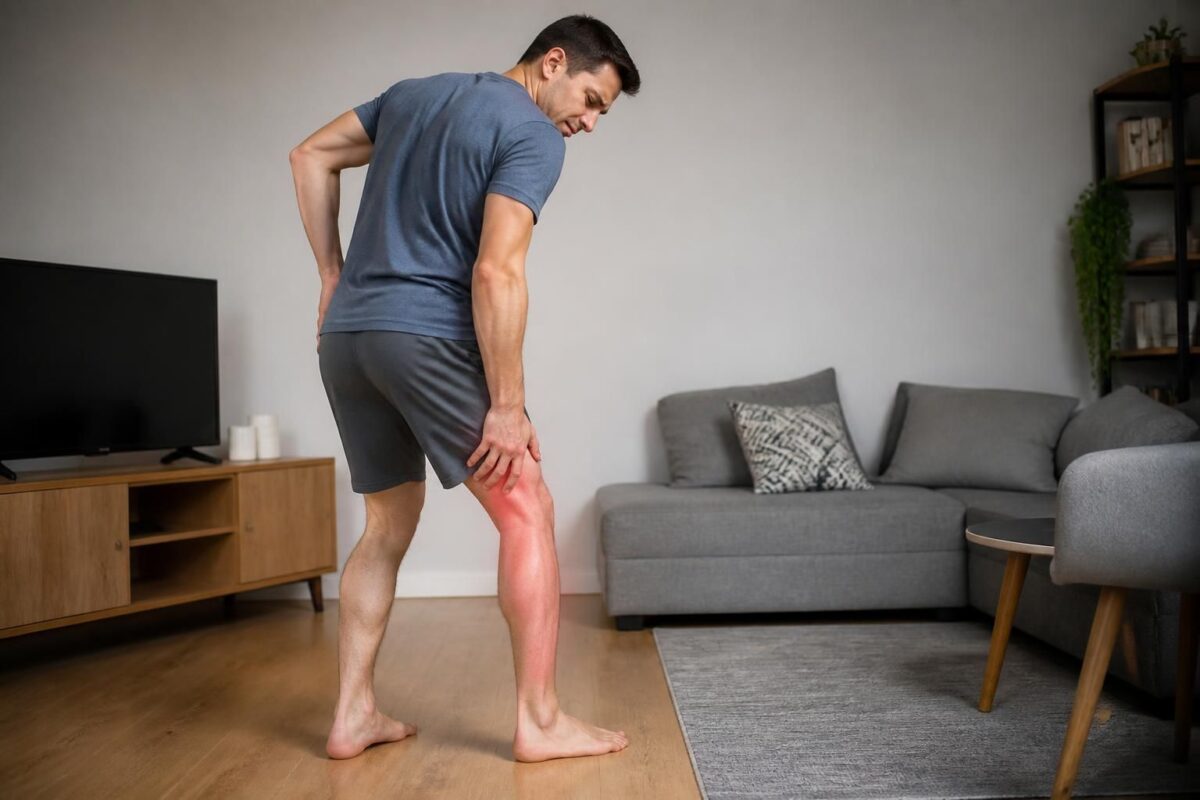
Sciatica and numbness in the leg: neurological sign
IN BRIEF The neurological sign Sciatica and numbness in the leg refers to paresthesias and pain following the course of the sciatic nerve, from the lower back to the foot. In short, it is a key indicator for identifying nerve…

Dr Sylvain Desforges, B.Sc., D.O., N.D., osteopath, is the founding president of TAGMED and of the ACMA association. He dedicates his practice to chronic spinal pain, low back pain and symptoms compatible with sciatica, particularly when pain radiates toward the buttock, leg, calf, foot or toes.
Through SOS Sciatique, he publishes educational content on sciatica symptoms, possible causes such as disc herniation, disc narrowing, foraminal stenosis or irritation of a lumbar nerve root, as well as non-surgical approaches that may be considered according to the evaluation. At Clinique TAGMED, care may include, depending on the case, motorized neurovertebral decompression, specific osteopathic care or precision percussion.
For an evaluation related to sciatica treatment in Montreal / Mount Royal or sciatica treatment in Terrebonne, please consult the services available at Clinique TAGMED.
Medical disclaimer
The information published on SOS Sciatique is provided for educational purposes only and does not replace a consultation, diagnosis, opinion or treatment provided by a physician or another authorized healthcare professional. The author of this article is neither a medical doctor nor a specialist in a medical specialty recognized by the Collège des médecins du Québec. The osteopathic, manual medicine or functional support approaches described on this site do not constitute medical acts and are not intended to replace medical follow-up.
Consult a physician or emergency service in cases of loss of bladder or bowel control, anesthesia in the saddle area, significant or progressive weakness in the leg or foot, fever, recent trauma, severe pain or rapid worsening of symptoms. For more details, please read our Legal Notice.