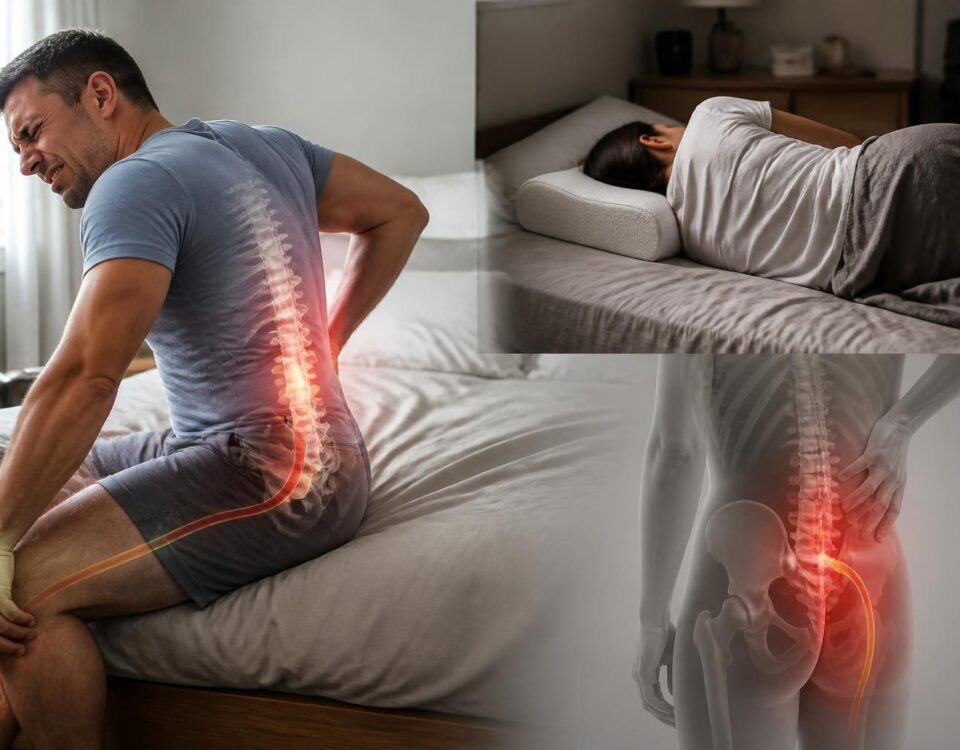
Sciatica treatment Terrebonne: symptoms, causes, and care plan
24/07/2026
Sciatica and sitting on the couch: why the pain can worsen
24/07/2026
IN BRIEF
In brief, sciatic pain with burning in the foot is a possible nerve compression that originates from the lower back or buttocks and can radiate down to the foot. This condition is accompanied by a quick diagnosis and a multimodal treatment (moderate rest, anti-inflammatories, physical therapy) to relieve pain and improve mobility while preventing recurrences, especially in the Montreal area. Its effectiveness relies on the precise assessment of the location and signs of irradiation, possibly utilizing further examinations, followed by an appropriate management plan including targeted exercises and, if necessary, injections or other non-surgical measures, without routine recourse to surgery. |
Sciatica manifests as intense pain that starts from the lower back or buttock and can extend down to the foot. When this pain is associated with a burning sensation, nerve compression of the sciatic nerve is a common hypothesis.
The most common causes include a herniated disc that compresses the nerve roots, foraminal stenosis, or other inflammations. Numbness and motor disturbances may accompany this condition, making management even more critical.
Treatment options aim to provide relief and prevent recurrences: moderate rest, suitable anti-inflammatory treatment, and targeted exercises or physical therapy; manual therapies can also be beneficial. In cases of persistent pain or warning signs, a specialized evaluation can help guide treatment and improve prognosis.
This article explains how a burning sensation in the foot may be related to compression of the sciatic nerve. It describes the mechanisms, signs, possible causes, and management options, emphasizing a practical approach tailored to the TAGMED Clinic. You will find reliable resources and advice to understand and act regarding this symptom frequently encountered in adults.
What is the burning in the foot related to sciatica?
Sciatica can cause a burning sensation that starts from the lower back or buttock and extends down to the foot. This pain may be described as burning or stabbing and may be accompanied by paresthesia or numbness. The painful path follows the course of the sciatic nerve, the longest in the body, and can affect various regions of the lower limb.
Nerve compression and common mechanisms
Pain that radiates down to the foot generally reflects a compression of the nerve roots. The most frequent cause is a herniated disc that compresses the nerve. Other factors such as a disc protrusion, foraminal stenosis, or postural changes may also contribute. Local inflammation can exacerbate pain and intensify sensory and motor symptoms.
Signs, diagnosis, and when to be concerned
The diagnosis is based on patient history and clinical examination. Typical symptoms include pain along the nerve path, paresthesia, and sometimes muscle weakness. Imaging studies may be requested depending on the context to evaluate the compression and guide management. Tele-investigation may assist in directing the diagnosis, but clinical examination remains essential.
Treatment options and management at TAGMED Clinic
Management aims to reduce pain and decrease nerve compression. At the TAGMED Clinic, non-surgical approaches may be proposed following individual assessment. This may include specific osteopathic techniques and, when necessary, protocols for motorized neurovertebral decompression. Pharmacological options and, in some cases, injections may be considered to control inflammation and pain.
For affected patients, practical measures help limit harmful strains and preserve mobility. Personalized advice is provided during the consultation. If in doubt about the evolution of symptoms, promptly contact a healthcare professional and seek competent services.
Preventing recurrences and general advice
Prevention relies on reducing risk factors and maintaining appropriate activity. Proper posture, regular physical activity, and weight management can help limit painful episodes. Avoid positions that directly aggravate compression and follow the medical-physiotherapy recommendations provided during the consultation.
Resources and useful links
For further information, consult the following resources that address sciatica and foot-related pain:
SOS Sciatica,
Sciatica and lumbar support useful or aggravating depending on the case,
Sciatica Test – recognize symptoms,
Sciatica after injection,
Burning and nerve irritation in the leg,
Chair too high and pain in the leg,
Understanding pain in the sciatic nerve,
Sciatic pain in the foot,
Sciatica without herniated disc.
Additional resources on treatment options and mechanisms can also be consulted via the dedicated pages of the TAGMED Clinic, and on topics related to nerve pain and the sciatic nerve through Sos Hernie Discale and Sos Herniated Disc.
In order to fully understand the medical framework and the limits of treatments, a professional opinion is essential. For specific care options, the TAGMED Clinic can offer solutions tailored to Montreal and Terrebonne.
Medical disclaimer: The information and advice provided on this site do not replace the opinion, diagnosis, or treatment of a healthcare professional. Please note that Dr. Sylvain Desforges, osteopath, is neither a doctor of medicine nor a physician, and is not a specialist in a medical specialty as defined by the Collège des médecins du Québec. Manual medicine, functional medicine, and sports medicine as described on this site exclude any treatment or medical diagnosis made by a physician or medical specialist. Always consult your doctor for any medical questions. For more details, please read our full Legal Notice.
- Typical pathway: pain starting from the lower back or buttock and radiating down to the foot
- Nature of the pain: burning or electric shock along the sciatic nerve
- Associated sensations: possible numbness and weakness in the foot/leg
- Triggering factors: prolonged effort, poor posture, repetitive movements
- Quick assessment: consultation as soon as irradiation or motor deficit occurs
- Initial relief: moderate rest and anti-inflammatories as prescribed
- Non-surgical approaches: physiotherapy or osteopathy as assessed, targeted exercises
- Prevention: appropriate posture, lumbar strengthening, and regular physical activity

This guide answers your questions about the burning in the foot related to a possible nerve compression of the sciatic nerve. You will discover the mechanisms, possible causes, signs that should prompt an evaluation, as well as practical recommendations for relief and prevention of recurrences.
Understanding the burning and its pathways
The sciatic pain can manifest as a burning sensation that follows the path of the longest nerve in the body, often starting from the lower back or buttock and descending to the foot. This sensation may alternate between burning, electric shock, and tingling, and may sometimes be accompanied by a loss of sensitivity or muscle weakness. The role of the nerve pathway is crucial to understanding why the pain can radiate to the foot and why it can vary in intensity depending on the affected roots.
Possible causes and mechanisms
Most cases of nerve compression associated with sciatic pain arise from a spinal disc that may crack or shift, causing a herniated disc that compresses the nerve roots. Other mechanisms include foraminal narrowing (the narrowing of the passages through which the nerves pass) and factors such as postural disorders, repetitive movements, or trauma. Local inflammations may also occur, exacerbating the pain and burning sensation along the lower limb. Some episodes may be related to age and lifestyle changes, requiring appropriate management.
Warning signs and when to consult
Certain situations require urgent or prompt medical evaluation. If you experience progressive weakness or a loss of urinary or fecal control, if the pain rapidly worsens, or if you notice a foot drop or difficulty lifting the foot, consult without delay. Signs such as fever, back pain accompanied by significant trauma, or persistent pain despite appropriate treatment justify specialized consultation. When in doubt, it is better to consult a healthcare professional for a clinical examination and, if necessary, additional tests.
Management approaches and practical advice
Managing nerve compression and burning involves a multimodal approach tailored to each patient. Effective management often combines pain relief and preventive strategies to limit recurrences.
Exercises and posture
Gentle exercises aimed at stretching the back and leg muscles and strengthening the core muscles can reduce pressure on the nerve roots. Work on maintaining a good posture daily, especially at work in front of a screen, and adopt positions that protect the lumbar spine. Prefer regular physical activity suited to your condition, such as walking, swimming, or stationary cycling, to improve circulation and flexibility without overloading.
Therapeutic options
Anti-inflammatory or analgesic medications may be recommended to reduce inflammation and pain. In some cases, localized treatments such as injections may be considered to target inflammation. Targeted physiotherapy or osteopathy can help relax the muscles, relieve pressure, and restore more balanced movement patterns. If significant nerve compression persists despite these measures, a specialized evaluation may guide additional options.
Prevention and lifestyle
Maintain a healthy weight, choose a balanced diet, and limit modifiable risk factors. Avoid repeated heavy lifting and prioritize appropriate lifting techniques. Quit smoking if you smoke, as tobacco can influence nerve vascularization and recovery. Finally, stay active while respecting your limits, and consult your occupational physician for professional accommodations if necessary.
When to consult for re-evaluation
If, despite conservative measures, the burning persists, is accompanied by significant weakness or a change in sensitivity, request a thorough evaluation by a physician or a spinal specialist to adjust the treatment plan and consider appropriate options.
| Aspect | Concise Description |
|---|---|
| Origin | Compression of the lumbar roots or the sciatic nerve, most often related to a herniated disc or stenosis. |
| Location | Pain starting from the lower back or buttock following the nerve pathway down to the foot. |
| Type of Pain | Burning or electric shock sensation with possible numbness. |
| Associated Symptoms | Muscle weakness and reduced sensitivity in the leg or foot. |
| Radiation | Descends along the leg to the foot, sometimes to the arch of the foot. |
| Common Causes | Main herniated disc; poor posture, trauma, or inactivity can worsen compression. |
| Useful Examinations | Lumbar MRI and/or EMG; clinical tests such as Lasègue may be nonspecific in neuropathy. |
| Initial Treatments | Moderate rest, anti-inflammatories; physiotherapy and targeted exercises; local treatments if inflammation. |
| Emergencies and Signs to Monitor | Loss of urinary/fecal control, progressive weakness, acute and rapid pain that increases → urgent consultation. |
| Prevention and Advice | Regular physical activity, back strengthening, good posture, and medical monitoring of risk factors. |
Dr Sylvain Desforges, B.Sc., D.O., N.D., osteopath, is the founding president of TAGMED and the ACMA association. He focuses on low back pain and sciatica, favoring non-surgical approaches tailored to each patient. Through SOS Sciatique, he shares educational content and practical advice to better understand symptoms and management options.
About the Author
Testimonials on Sciatica and Burning in the Foot: Possible Nerve Compression
Marie, 52: I describe an intense burning that started from my lower back and traveled up to my toe. The pathway of the sciatic nerve concerned me, and professionals mentioned a possible nerve compression. After a personalized assessment and adapted exercises, the sensation decreased, and I resumed my daily activities without fear.
Patrick, 42: The sciatica-type pain appeared while sitting and manifested as a burning in the foot. I was explained that this could result from a possible nerve compression. Thanks to appropriate management and targeted exercises, my mobility returned, and my posture improved.
Élise, 58: Nightly burns in my foot woke me up several times. The doctor mentioned a possible nerve compression of the sciatic nerve. A physiotherapy program and some postural adjustments quickly reduced the symptoms, allowing me to resume my daily walks.
Lucas, 35: The diagnosis was clear: sciatica with possible compression. I was guided through gentle stretches and back strengthening exercises. The episodes of burning became less frequent, and I avoided more invasive treatments.
Isabelle, 60: Burning in my foot disturbed my nights and active life. The verdict confirmed a possible nerve compression. After a personalized protocol, the symptoms significantly improved, and my fatigue lightened, allowing me to resume my activities without major limitations.
Biography and Approach: Sciatica, Burning in the Foot, and Possible Nerve Compression
Dr Sylvain Desforges, osteopath, naturopath, and manual medicine physician, is the founding president of the TAGMED clinics and the ACMA association. His career has been built around innovation in healthcare, with a marked specialization in the management of chronic pain of the spine and the integration of advanced technologies. He emphasizes an evidence-based approach to optimize the health and well-being of his patients. In his practice, he combines diagnostic rigor, active listening, and personalized treatment plans to support patients suffering from sciatica, especially when burning in the foot indicates potential nerve compression.
Sciatica is a complex and often disabling pain that can manifest as a burning sensation, electric shocks, or tingling, starting from the lower back or buttock and descending to the foot. Dr Desforges explains that the path of the sciatic nerve is central to the symptomatology: it is the longest nerve in the body, and any compression of the nerve roots it supplies can result in variable symptoms and functional limitations. In practice, the evaluation focuses on the precise identification of the affected segments, in order to distinguish the effects of a herniated disc, foraminal pinch, or other sources of compression, while considering motor and sensory signs.
Sciatica and burning in the foot are not limited to isolated pain: they reflect a neurobiological mechanism that can evolve with age, posture, and lifestyle. For Dr Desforges, understanding this mechanism allows for a gradual and non-surgical management approach when possible. He underscores the importance of a meticulous clinical examination, complemented if necessary by electrophysiological tests and imaging, to map compression areas and assess the patient’s functional level.
His therapeutic approach is based on a multimodal and individualized strategy. From an osteopathic and manual perspective, he favors targeted techniques aimed at relieving tensions around the sciatic nerve, restoring spinal mobility, and improving trunk stability. Advanced physical therapies, such as non-surgical spinal decompression, soft tissue support, and, when relevant, modalities like laser or shockwave therapies to reduce inflammation and promote tissue recovery, are also integrated. Each protocol is adjusted to the evolution of symptoms, with a home exercise program and postural advice to prevent recurrences.
In parallel, Dr. Desforges emphasizes patient education and treatment adherence. The goal is to preserve quality of life and maintain appropriate physical activity, in order to limit aggravating factors such as prolonged positions, repetitive efforts, and inadequate postures. The follow-up is structured and progressive: pain reduction, mobility improvement, muscle strengthening, and gradual return to an active life, while remaining vigilant regarding the evolution of symptoms and the possible need for specialized referral.
For patients seeking comprehensive and effective support, Dr. Desforges’ approach aims to avoid invasive interventions as much as possible by favoring non-invasive solutions, based on evidence and tailored to each personal story. This philosophy of care, supported by TAGMED, is directed at those who wish to understand their pain, act on its mechanisms, and regain lasting ease in their daily actions, including when sciatic pain is accompanied by a burning sensation in the foot.
This text examines the link between sciatica and a burning sensation in the foot, highlighting that nerve compression can be a frequent explanation. You will find the mechanisms, potential causes, diagnostic approaches, and treatment options, along with practical advice to limit recurrences and preserve your daily life.
Summary and Implications
The burning sensation that travels up to the foot is often related to the activation or irritation of the roots of the sciatic nerve. This pain can result from nerve compression due to a herniated disc, poor posture, or trauma, but it can also be accompanied by paresthesias and muscle weakness. To better understand this mechanism, consider following resources explaining the link between the foot and sciatica explanations related to the burning of the foot and sciatica.
The diagnosis is based on a comprehensive clinical evaluation and, when necessary, additional tests such as electromyography and imaging. You can explore information on diagnostic approaches and available treatment orientations sciatica treatment orientation.
From a therapeutic perspective, strategies aim to relieve pain, improve function, and prevent recurrences. The use of simple measures such as proper posture and exercises, complemented by medical treatments when necessary, can suffice in many cases. For practical advice, consult specialized guidance on sciatica and appropriate sitting positions chair and lower back and resources on seat cushions seat cushion.
To go further with concrete recommendations, you can consult specialized sources on neuro-sciatic pathologies and foot pain foot pain – neuro-sciatic pathology and self-assessment and signs to watch for.
Finally, practical resources and orientation options can help you find an appropriate treatment. Explore the orientation pages and advice offered by experts sciatica treatment orientation and specialist care advice sciatica advice. If you are looking for quick contact, you can also contact TAGMED.
To avoid common mistakes and optimize your recovery, don’t hesitate to consult resources dedicated to prevention and therapeutic education, including advice on workplace adjustments and the importance of appropriate activity sciatica despite medications and impact of a too-low chair.
For a coordinated approach, consider an evaluation with a specialist and explore the orientation and treatment options offered by specialized sciatica clinics. You can also consult complementary resources accessible through the links above to enrich your understanding and guide your next steps.
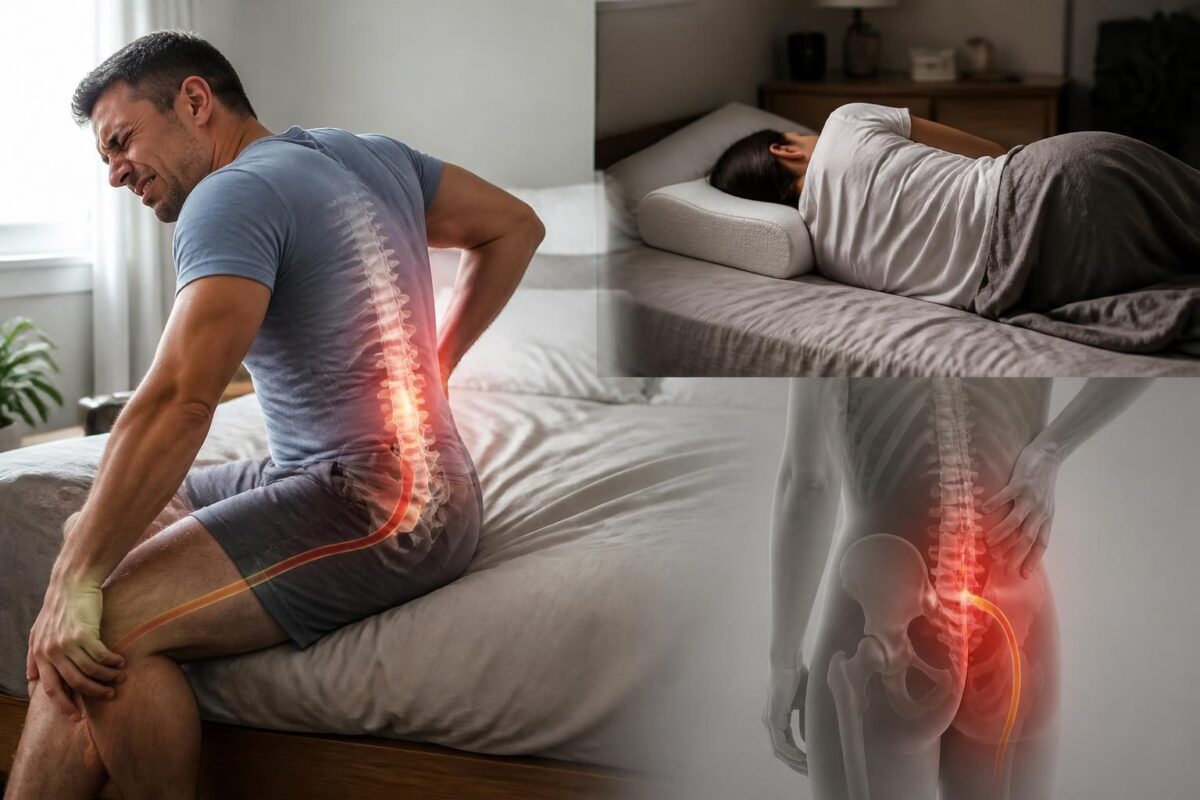
Sciatica and tingling upon waking: possible causes
IN BRIEF in English In brief, sciatica and tingling upon waking correspond to tingling, burning, or numbness that travels along the sciatic nerve upon waking. What are the possible causes? The most common include a herniated disc, nerve compression, and…

Sciatica and tingling at bedtime: why does this happen?
IN BRIEF In brief, sciatica and tingling at bedtime refer to the tingling or burning sensations that travel up the leg when you lie down, related to the sciatic nerve. This can stem from structural causes such as a herniated…

Sciatica and tingling in a seated position: possible cause
IN BRIEF Definition: Sciatica with tingling in sitting position is pain that radiates from the lower back to the leg, sometimes accompanied by paresthesias, due to irritation or compression of the sciatic nerve. Benefits / Applications: identifying postures to avoid…
Sciatica and tingling after walking: what to check?
IN BRIEF In brief, sciatica and tingling after walking describe a pain that follows the path of the sciatic nerve and may be accompanied by tingling sensations. What is it? a <strong/radiating pain related to compression or inflammation of the…

Sciatica and permanent numbness: sign to watch for
IN BRIEF In brief, Sciatica and persistent numbness describe irritation or compression of a root of the sciatic nerve, causing pain that radiates along the leg and sometimes tingling or loss of sensitivity in the buttock, thigh, or foot. Benefits:…

Sciatica and intermittent numbness: how to interpret it?
IN BRIEF In brief, sciatica and intermittent numbness describe an irritation or compression of the sciatic nerve or a lumbar root that can manifest from the buttock down to the foot. The benefits: a targeted assessment helps determine the mechanism…

Sciatica and progressive numbness: why not wait?
IN BRIEF in English In brief, sciatica and progressive numbness refer to pain and sensations that follow the route of the sciatic nerve, from the lower back to the buttock and leg, sometimes down to the foot. These symptoms can…
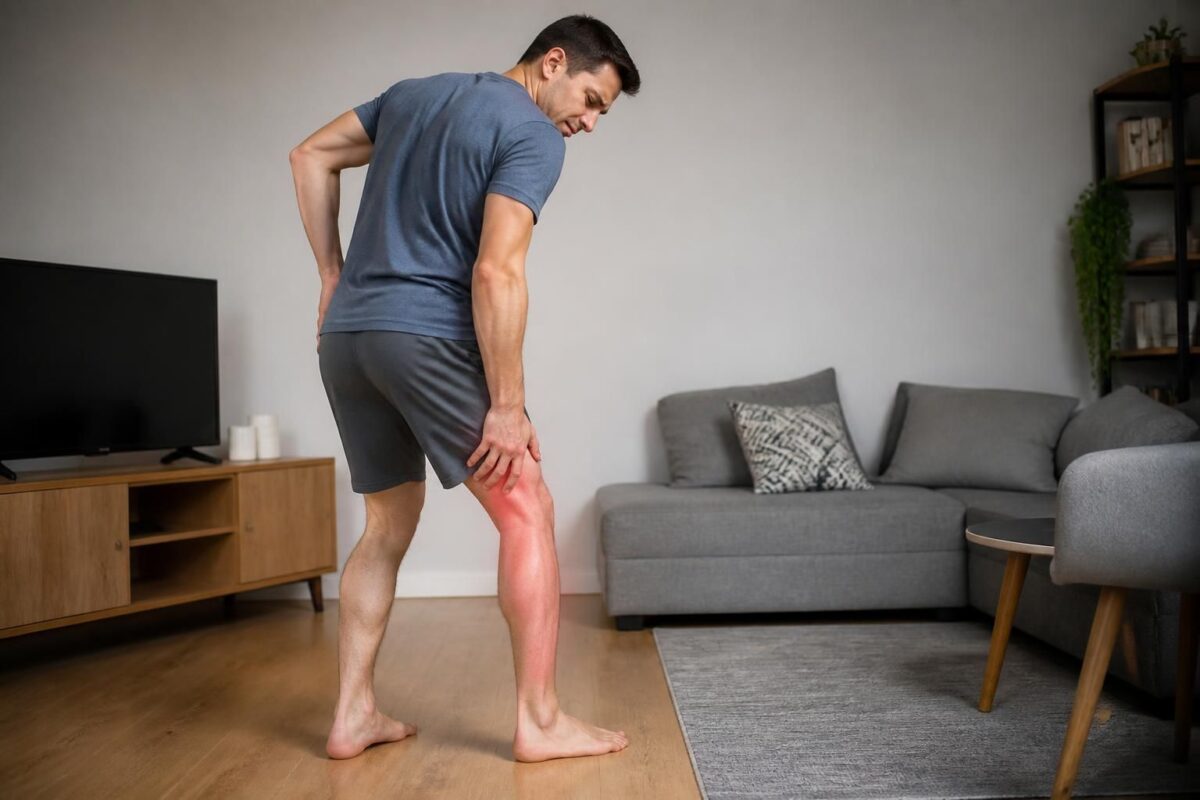
Sciatica and numbness in the leg: neurological sign
IN BRIEF The neurological sign Sciatica and numbness in the leg refers to paresthesias and pain following the course of the sciatic nerve, from the lower back to the foot. In short, it is a key indicator for identifying nerve…

Dr Sylvain Desforges, B.Sc., D.O., N.D., osteopath, is the founding president of TAGMED and of the ACMA association. He dedicates his practice to chronic spinal pain, low back pain and symptoms compatible with sciatica, particularly when pain radiates toward the buttock, leg, calf, foot or toes.
Through SOS Sciatique, he publishes educational content on sciatica symptoms, possible causes such as disc herniation, disc narrowing, foraminal stenosis or irritation of a lumbar nerve root, as well as non-surgical approaches that may be considered according to the evaluation. At Clinique TAGMED, care may include, depending on the case, motorized neurovertebral decompression, specific osteopathic care or precision percussion.
For an evaluation related to sciatica treatment in Montreal / Mount Royal or sciatica treatment in Terrebonne, please consult the services available at Clinique TAGMED.
Medical disclaimer
The information published on SOS Sciatique is provided for educational purposes only and does not replace a consultation, diagnosis, opinion or treatment provided by a physician or another authorized healthcare professional. The author of this article is neither a medical doctor nor a specialist in a medical specialty recognized by the Collège des médecins du Québec. The osteopathic, manual medicine or functional support approaches described on this site do not constitute medical acts and are not intended to replace medical follow-up.
Consult a physician or emergency service in cases of loss of bladder or bowel control, anesthesia in the saddle area, significant or progressive weakness in the leg or foot, fever, recent trauma, severe pain or rapid worsening of symptoms. For more details, please read our Legal Notice.