Sciatica: pain worsened by lumbar twists
24/07/2026
Sciatica treatment in Montreal: non-invasive and personalized approach
24/07/2026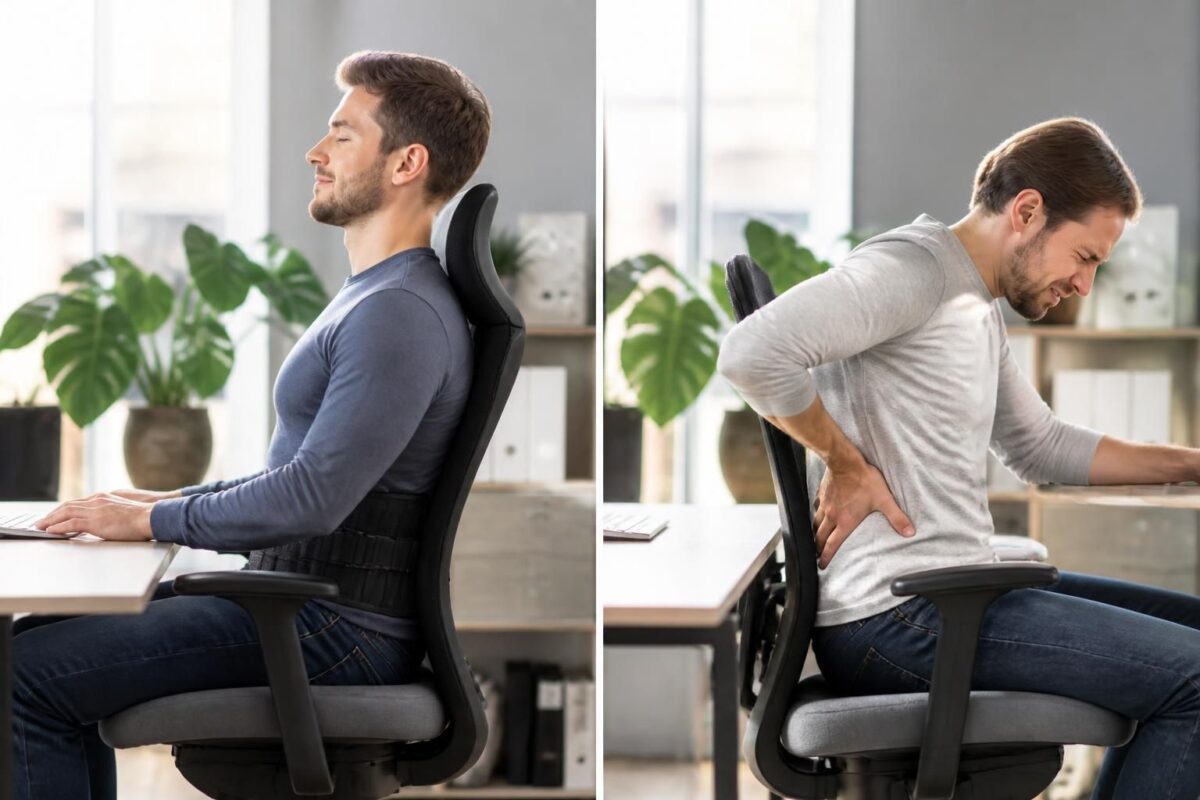
IN BRIEF
Quick definition: lumbar support is a device intended to stabilize the lumbar area and to influence sciatica through support. Its usefulness depends on the context: beneficial temporarily and under supervision, but used long-term without an active program, it can hinder strengthening and foster dependency. Main benefits: it can allow movement and resumption of activities during the acute phase, provide a sense of security, and facilitate strengthening and mobility exercises of the trunk when used correctly. How it works: lumbar support acts as a benchmark and can limit irritating angles, but success relies on progressive loading and adapted core stability and mobility exercises, supervised by a coach or physiotherapist. Pain guides less than function: we adjust the program rather than sacrifice everything. Practical advice: prioritize an active and individualized approach; use support to enable safe and tolerated exercises, then gradually reduce its use as strengthening progresses. In case of warning signs, consult quickly. |
The sciatica and lumbar support can be useful together, but it all depends on the context and phase. In the acute phase, lumbar support can reduce pain and stabilize the lower back, but prolonged use can limit muscle strengthening and encourage dependency. Current recommendations emphasize activity and controlled progression: maintaining movement, targeted exercises, and gradual strengthening progression, tailored to each profile (acute, subacute, chronic). The use of support should remain temporary and integrated into a personalized exercise plan, supervised by a professional, to achieve sustainable recovery without prolonging inactivity.
This article, written by a healthcare professional and expert, examines the role of lumbar support in lower back pain associated with sciatica. It clarifies when this device can be useful and when it can worsen symptoms. It offers simple criteria to decide on its use and emphasizes the importance of a comprehensive approach including movement, trunk stability, and medical follow-up. For more information, you will find reliable resources linked in the text.
When lumbar support is useful
Lumbar support can be temporarily useful during acute lower back pain associated with discomfort in the thoraco-lumbar area or during movements that worsen pain. It can limit painful movements and help maintain a more stable position during daily activities. This support should remain time-limited and be associated with appropriate activities and a progressive core strengthening program, supervised by a healthcare professional. For some patients, wearing the support can facilitate maintaining function and allow continuity of activities without excessive pain. To learn more about the signs that require assessment, check the following resources: sciatic pain and loss of sensation and sciatica and walking.
When it can worsen
Prolonged or inappropriate use of lumbar support can lead to suppression of the paraspinal musculature, reduced mobility, and dependency on the device. This can slow natural recovery and sometimes mask underlying causes, especially if worn continuously during activities that engage the trunk. If pain persists beyond a few weeks or worsens despite wearing support, it should be discussed with a healthcare professional, and a comprehensive re-evaluation should be considered. To understand the adjustments needed in your case, you can consult additional resources on warning signs and management options: sciatic emergency and walking with sciatica – practical guide.
How to use it safely
Use lumbar support in a targeted and temporary manner. Choose the lightest support that is sufficient to limit pain and gradually remove it over days as pain decreases. Avoid wearing it constantly, especially while sleeping. Accompany its use with a suitable physical activity program and progressive work on trunk mobility and stability. If in doubt, request a clinical evaluation to determine if the support is appropriate and how long its use is justified. For a therapeutic alternative and additional advice, you can consult resources from the TAGMED network: cliniquetagmed.com.
Role of a comprehensive approach
Lumbar support does not replace a comprehensive management of pain and function. An effective approach combines: individual evaluation, gradual increase of load and activities, focus on mobility and trunk stability, and collaboration with referring healthcare professionals. Online resources and practical guides emphasize the importance of not isolating oneself in treatment and integrating preventive strategies for relapses, particularly through maintaining controlled and adapted training. For supplementary information related to movement science and evolving practices, refer to specialized sources like sosherniediscale.com and sossciatique.com.
Who to contact and treatment options
The decision to use lumbar support should be made after a clinical evaluation. The use of complementary therapies may be considered when pain persists, or when mechanical or postural factors are identified. In some cases, specialized clinic treatment options may be preferred, particularly compared to other approaches. For alternatives and professional opinions, you can consult TAGMED clinic and associated resources: TAGMED Montréal and TAGMED Terrebonne. For general resources on low back pain and sciatica, consult the websites sossciatique.com and decompressionneurovertbrale.com.
Practical elements and resources
Here are some practical points to remember: do not wear lumbar support continuously, prioritize supervised strengthening and mobility exercises, and stay alert to warning signs that require rapid medical evaluation. For additional information on signals that necessitate a consultation and the limits of treatments, see: sciatic emergency test and sciatica despite medication.
If in doubt, always seek the advice of a healthcare professional and discuss the possible role of lumbar support in your overall treatment plan. For resources on neurovertebral decompression and other specific conditions, avoid unsupervised exercises and prioritize a multidisciplinary assessment tailored to your situation.
Medical disclaimer: The information and advice provided on this site do not replace the opinion, diagnosis, or treatment of a healthcare professional. Please note that Dr. Sylvain Desforges, osteopath, is neither a medical doctor nor a physician, and is not a specialist in a medical specialty as defined by the College of Physicians of Quebec. Manual medicine, functional medicine, and sports medicine as described on this site exclude any medical treatment or diagnosis performed by a doctor or medical specialist. Always consult your doctor for any medical questions. For more details, please read our full Legal Notice.
Axis: short-term utility and support
- Cases where lumbar support is useful: acute pain requiring temporary support
- Helps with proprioception and maintaining posture during daily activities
- Support during the progressive strengthening program and core stability
- Short-term use during painful flare-ups, transitioning back to activity
Axis: risks and limitations
- Prolonged use can lead to muscle weakness and dependency
- Risk of masking pain and delaying functional retraining
- Not suitable for all pathologies and does not address the underlying cause
- Issues with skin hygiene and discomfort in case of inappropriate fit

Understanding the role of lumbar support in sciatica
Lumbar support can provide valuable assistance in certain situations but can become a hindrance in others if misused. According to European guidelines and recent analyses, the objective is not prolonged rest but the maintenance of movement with an appropriate progression. The belt can help reduce discomfort, promote adherence to the exercise program, and control movement, but it does not replace the stability and mobility training of the trunk. At MagicFit, we transpose these principles into individualized programs for each profile.
When lumbar support can help
In the acute phase of sciatica, lumbar support can allow for modulation of symptoms and secure the start of controlled activity. The idea is to allow for progressive mobilization and reduce the fear of moving, while avoiding movements that worsen the pain. Used short-term and under supervision, lumbar support can facilitate participation in exercises that stimulate tissue healing through controlled mechanical load, without seeking complete rest.
When lumbar support can worsen
Prolonged use of lumbar support can foster dependency and muscle weakness in the trunk, making rehabilitation slower. In the absence of a clear protocol, it can mask pain and delay functional rehabilitation. Additionally, certain situations require medical evaluation and an approach without heavy support, to verify the absence of underlying pathologies and avoid any worsening from a too rapid or poorly guided return to activity.
Strategies for optimal use
To maximize benefits and minimize risks, favor a temporary use integrated into a supervised training program. Combine wearing the lumbar support with exercises for core stability, mobility, and trunk strengthening, with progression suited to your tolerance and results. The central principle remains gradual progression and supervision by trained coaches, as recommended by the approach validated by ACSM, NICE, and European guidelines.
Integrating lumbar support into your MagicFit program
At MagicFit, lumbar support is considered as a parameter of the program, not as a standalone solution. Our approach begins with an individualized assessment, followed by the development of a plan that distinguishes what is tolerable from exercises to modify or avoid. The potential wearing of lumbar support is planned as a transitional step, with monitoring of progress criteria and objective indicators (pain, range of motion, strength). The goal is to allow for a gradual return to activity while protecting lumbar and sciatic structures.
Warning signs and precautions
Some signs require prompt consultation: severe pain not relieved by rest, acute night pain, loss of urinary or fecal control, increasing weakness of both legs or perineal numbness. Other situations, without immediate urgency, justify close evaluation: persistent motor deficit, pain that worsens despite a change in training, or the onset of new symptoms after an injury. In all cases, inform your MagicFit coach to immediately adjust the program and, if necessary, coordinate with your sports doctor.
| Criteria | Impact and recommendation |
|---|---|
| Phase (acute / subacute / chronic) | Acute: light support and movement control; subacute/chronic: stability and prevention of worsening. |
| Location (radicular / lumbar) | Radicular: useful if support reduces tension on the nerve; lumbar: improves posture and reduces pressure. |
| Activity and sport | Walking and dynamic movements recommended; support useful when lifting heavy loads. |
| Type of support | Lumbar belt: useful temporarily, risk of dependency; prefer dynamic supports compatible with movement. |
| Risk of use | Overuse can reduce abdominal strength and proprioception; use sporadically and as a complement. |
| Red flags | Worsening pain, neurological deficit, urinary issues, fever or weight loss: seek prompt consultation. |
| Alternatives and progression | Prioritize stabilization, mobility, and gradual strengthening under supervision. |
| Recommendations | Use support as a temporary tool, integrated into a comprehensive approach guided by a coach and a health professional. |
| Impact on healing | Support does not speed up healing alone; it optimizes the return to activity with progressive load. |
Testimonials on Sciatica and lumbar support: helpful or aggravating depending on the case?
Marie, 34 years old: “The lumbar support helped me right from the acute phase to stay active without increasing the pain. I was able to follow a personalized program of strengthening with my coach, which gave me confidence and reduced my fear of moving. Today, the lumbar support mainly serves as a temporary aid during difficult sessions, not as a permanent crutch.”
Julien, 42 years old: “At first, the lumbar support reassured me during exercises, but I quickly felt that it could become counterproductive if misused. By working with my coach, I learned to limit its use and to prioritize exercises that do not excessively strain the lower back. The result: clear progress and a heightened sense of control, without aggravating my sciatica.
Sophie, 29 years old: “As an athlete, the lumbar support helped me stabilize my spine during stabilization and endurance exercises. Over time, I gradually reduced its use in favor of movements that strengthen the muscles around the back. My work ethic remains the same: gradual progression, listening to the body, and personalized support.”
Pierre, 55 years old: “In my professional life, the lumbar support allowed me to stay standing and lift my loads without worsening the pain. At the same time, the program included core strengthening and mobility to promote better back mechanics. I don’t live without support, but I now know when to use it and when to do without it to avoid dependency.”
Laura, 46 years old: “As a regular practitioner, I primarily use the lumbar belt during heavy loads or intense sessions. My coach taught me to read the signals and not to make it a permanent reflex. Since then, my workouts remain effective and my sciatica is better managed, with clear and measured progress.”
Lucas, 31 years old: “As I returned to running, the lumbar support helped me maintain proper lumbar alignment during the first few weeks. I then integrated strengthening and mobility exercises for my back to take on its role as a protector, without dependency on support. The result: stable performance and controlled pain.”
Dr. Sylvain Desforges is recognized as an expert in osteopathy, naturopathy, and manual medicine, and he serves as the founding president of TAGMED clinics and the ACMA association. His professional trajectory is guided by innovation in care and holistic pain management. He specializes in chronic pain, incorporating advanced technologies such as spinal decompression, laser, and shockwave therapy. His approach aims to provide evidence-based treatments to optimize health and well-being, prioritizing personalized assessment, safe progression, and close collaboration with health professionals.
Regarding sciatica, his approach is based on accurately identifying the origins and mechanisms involved, in order to propose protocols tailored to each patient. He distinguishes cases related to nerve compression, disc injuries, or mechanical factors, and he adapts therapeutic gestures accordingly. His key principle is to move towards action rather than immobility, with guided mobilization and a gradual increase of loads, to promote healing while avoiding exacerbations. Lumbar support may be used in a targeted and temporary manner during painful episodes, but it is integrated into a plan that quickly aims for trunk strengthening and stabilization to prevent recurrences.
The therapeutic philosophy relies on a combination of manual therapies, postural corrections, and specific exercises, supplemented by technologies that optimize rehabilitation. Utilizing targeted core strengthening, controlled mobility, and exercises that respect the body’s signals helps restore normal function and reduce the risk of recurrence. The goal is to help the patient understand why a particular exercise is beneficial or to avoid a specific movement, which encourages adherence to the protocol and improves long-term outcomes.
Beyond technical gestures, Dr. Desforges emphasizes the importance of patient education and transparent dialogue. He draws on advances in pain science to demonstrate that the presence of pain does not necessarily mean an active injury and that recovery depends as much on movement and load as on perceived pain. This approach, focused on function and a logical progression, helps avoid fears and guides the patient towards a gradual and sustainable return to physical activity.
In practice, the intervention around lumbar support fits into a preventive and corrective logic. The device can help stabilize the spine during acute phases, but it is quickly replaced by targeted strengthening and mobility exercises. Monitoring is continuous, with progress evaluation, clearly defined progression criteria, and collaboration with other healthcare professionals to ensure therapeutic coherence at each stage of the patient’s journey.
Dr. Desforges thus offers an integrated vision of Sciatica and lumbar support, where technologies, manual techniques, and active exercises complement each other to optimize function, reduce pain, and prevent relapses. His approach is based on a balance between expertise, personalization, and patient empowerment, to support sustainable recovery and a return to activity tailored to each profile.
This brief summary reminds us that lumbar support in the context of sciatica can be useful in certain contexts but can also become worsening if misused or prolonged without support. Science advocates for an active and progressive approach, with guided load and appropriate supervision, rather than rest or dependence on the device. For more information, the MagicFit resources and the NICE 2024 guidelines provide a practical framework for dosing lumbar support while prioritizing movement and strengthening.
Usefulness of lumbar support strongly depends on the context and stage of the condition. In the acute phase, it can serve to stabilize and facilitate gentle activities when pain limits movement, but it does not replace active engagement. In the subacute or chronic phase, its role should be regularly reevaluated and integrated into a progressive program that includes bracing, mobility, and strengthening. The goal is to allow movement without overload and to avoid compensations that could delay recovery.
Risk of worsening lies in dependence and under-utilization of stabilizing muscles. Used for too long or inappropriately, lumbar support can mask pain and promote trunk muscle weakness, complicating full long-term recovery. Current data support a strategy where the device is used as a temporary tool, within a structured and monitored training plan, and not as a standalone solution.
Best practices recommend combining lumbar support with a progression of load and targeted exercises: trunk strengthening, mobility work, and prevention of recurrences through bracing. Use should be regularly reevaluated and removed when progression criteria and functional goals allow. Working with a certified coach, like those at MagicFit, ensures continuous adaptation of the program and alignment with research recommendations.
In practice, it is important to distinguish between situations where lumbar support is indicated and those where it may be to be avoided. If warning signs appear (marked neurological pain, rapid weakness, urinary problems), a prompt medical consultation is necessary. For non-urgent cases, an evaluation with a healthcare professional and an adjustment of the training program can clarify the most appropriate and safe approach. Additional resources such as guides and specialized articles can illuminate your approach and help you choose a focus on movement and progression.
To delve deeper, you can consult specialized resources and examples of programs incorporating lumbar support into a comprehensive strategy for sciatica and physical activity: lumbar belt and sciatica, Sciatica and sport — the exercises that relieve and those that worsen, pain worsened by flexion.
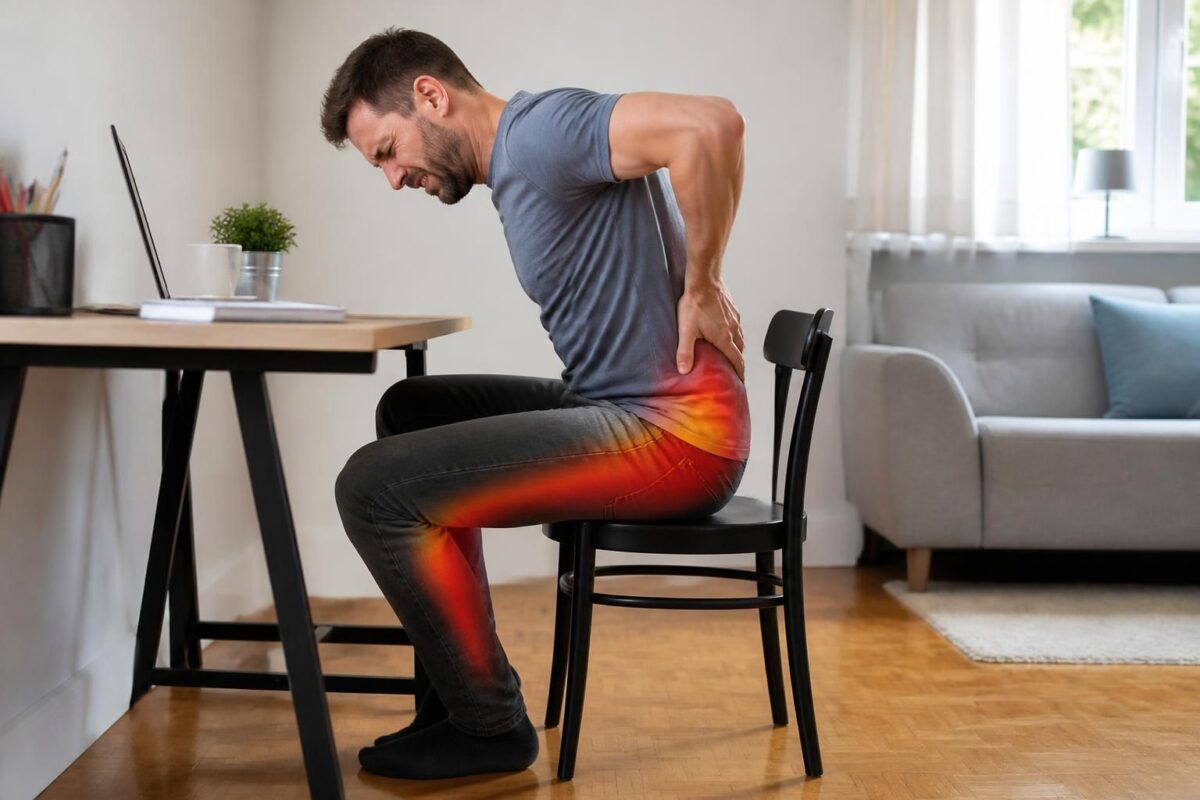
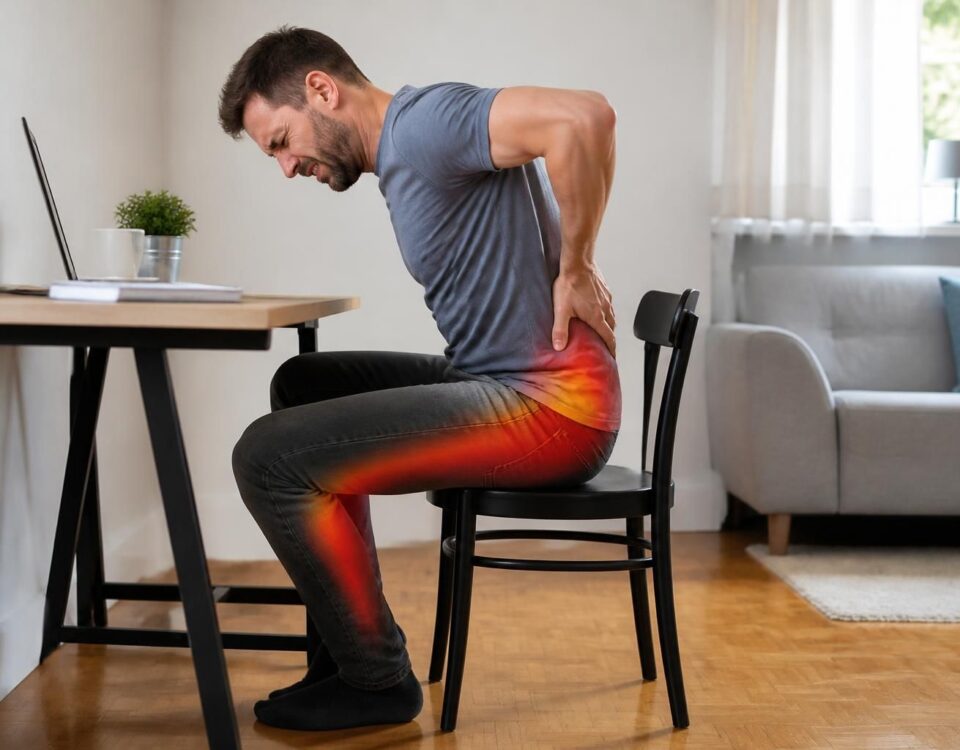
Sciatica and too low seat: lumbar pain and irradiation
IN BRIEF In brief, sciatica with lower back pain and radiation is pain that follows the path of the sciatic nerve, originating from the lower back and radiating to the buttock and leg, often due to irritation or compression of…

Sciatica and overly inclined car seat: possible effect
IN BRIEF In brief, the link between sciatica and a car seat that is too inclined can worsen pain due to an inadequate posture and increased compression of the sciatic nerve. What is this phenomenon? It is a decrease in…

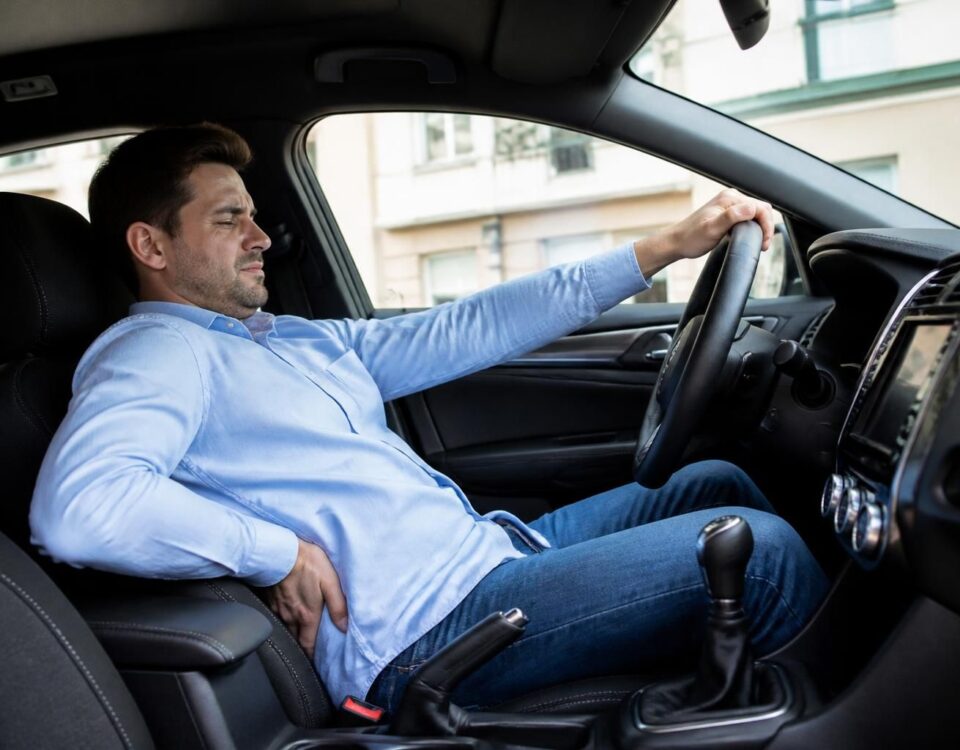
Sciatica and car seat: why tilt matters
IN BRIEF In brief, car seat sciatica refers to pain related to the sciatic nerve exacerbated by poor seat tilt and vibrations that compress the nerve roots and degrade the lumbar lordosis. It is important to adjust the tilt and…
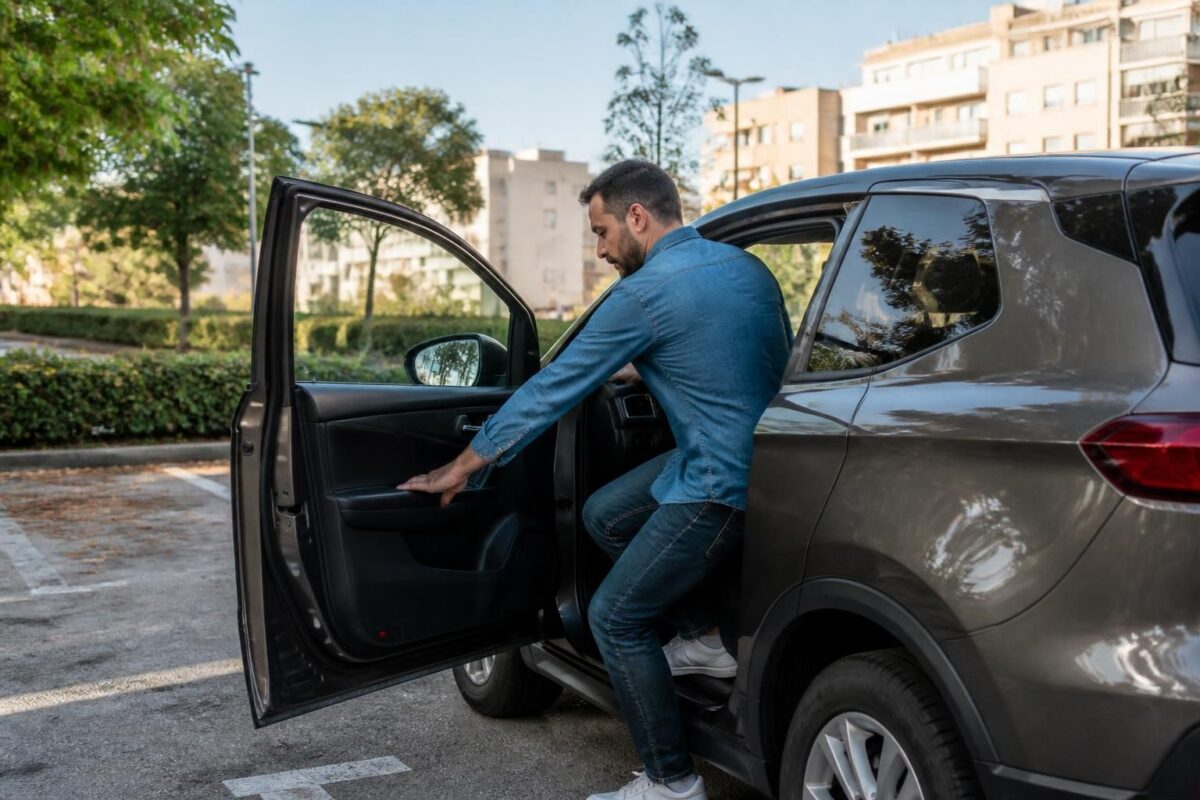
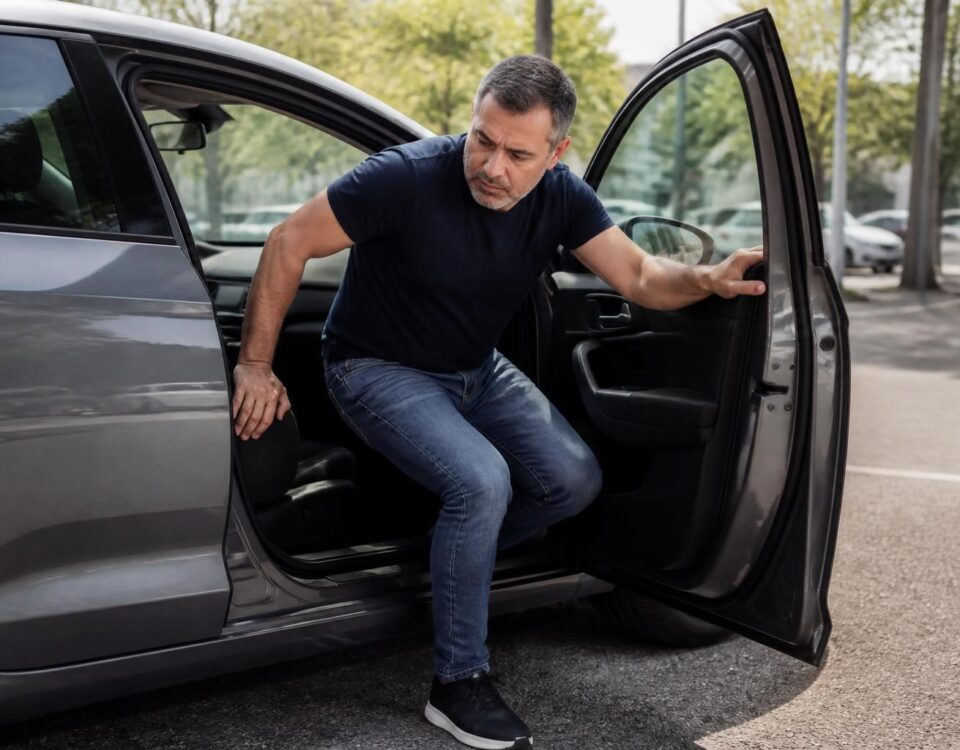
Sciatica and getting into the car: avoiding sudden twists
IN BRIEF In brief, sciatica associated with driving is pain that follows the path of the sciatic nerve and can be triggered or amplified by seated position and sudden twists when entering or exiting the car. The main benefits of…
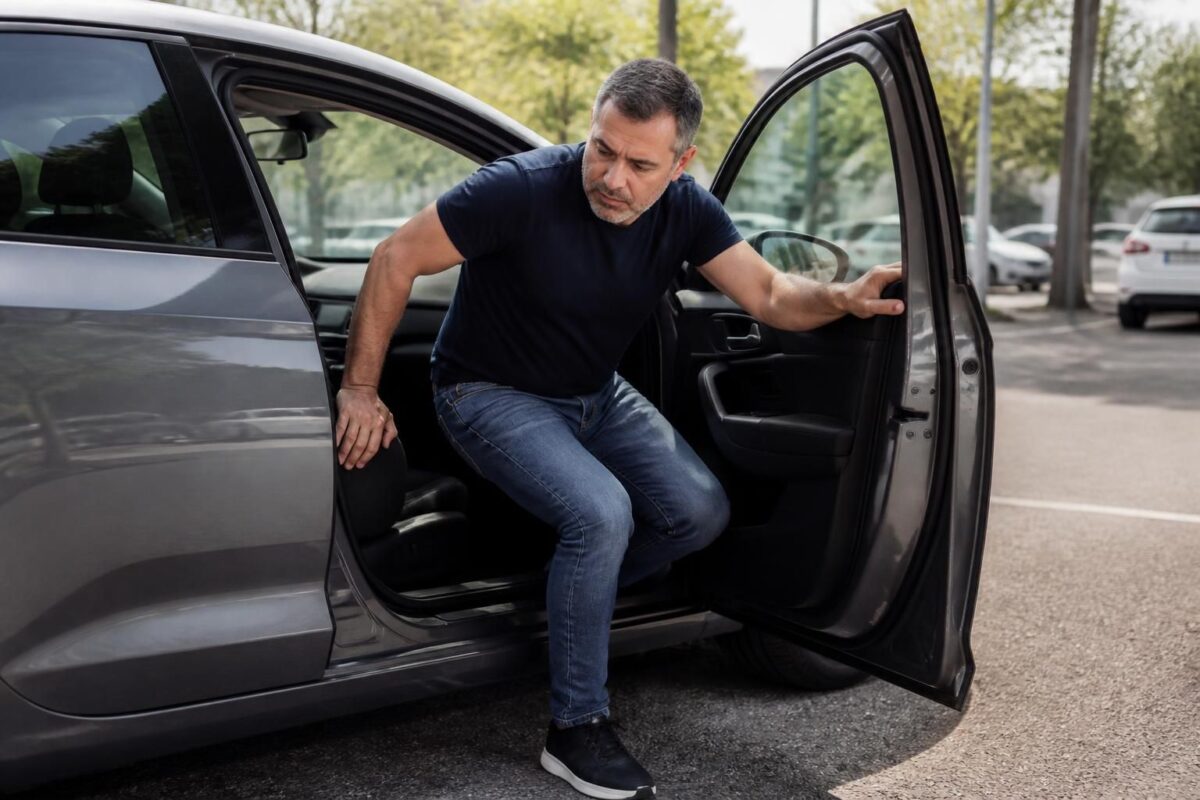
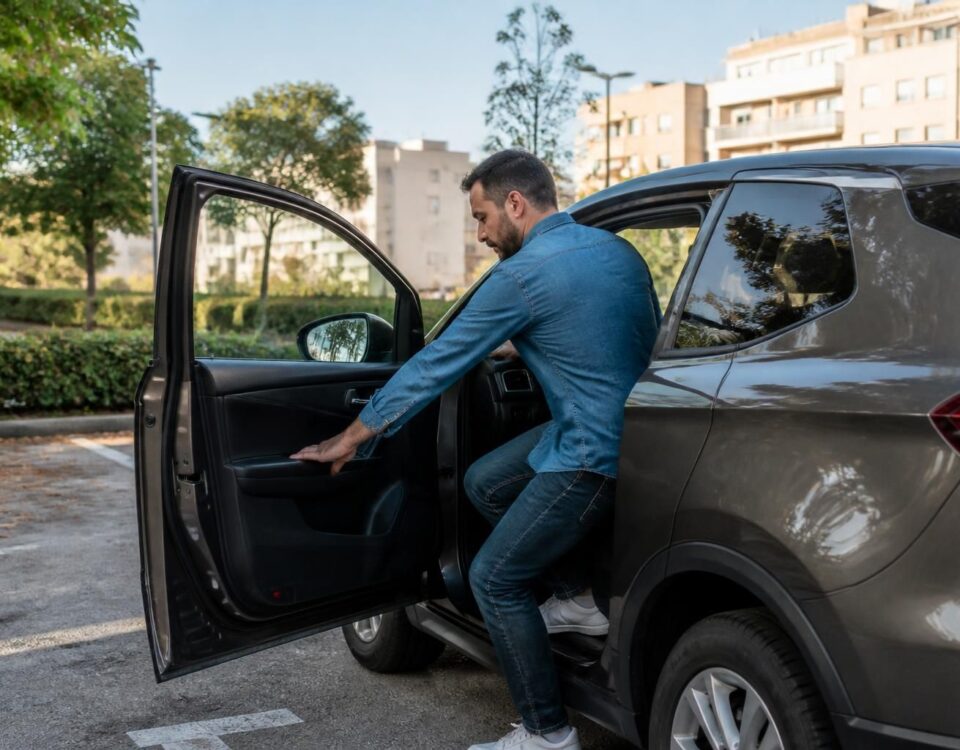
Sciatica and getting out of the car: movement to watch out for
IN BRIEF In brief, managing sciatica when getting out of the car and the movements to monitor is a practical approach to limit pain. What is it? It is a set of gestures and postures that prevent pressure on the…
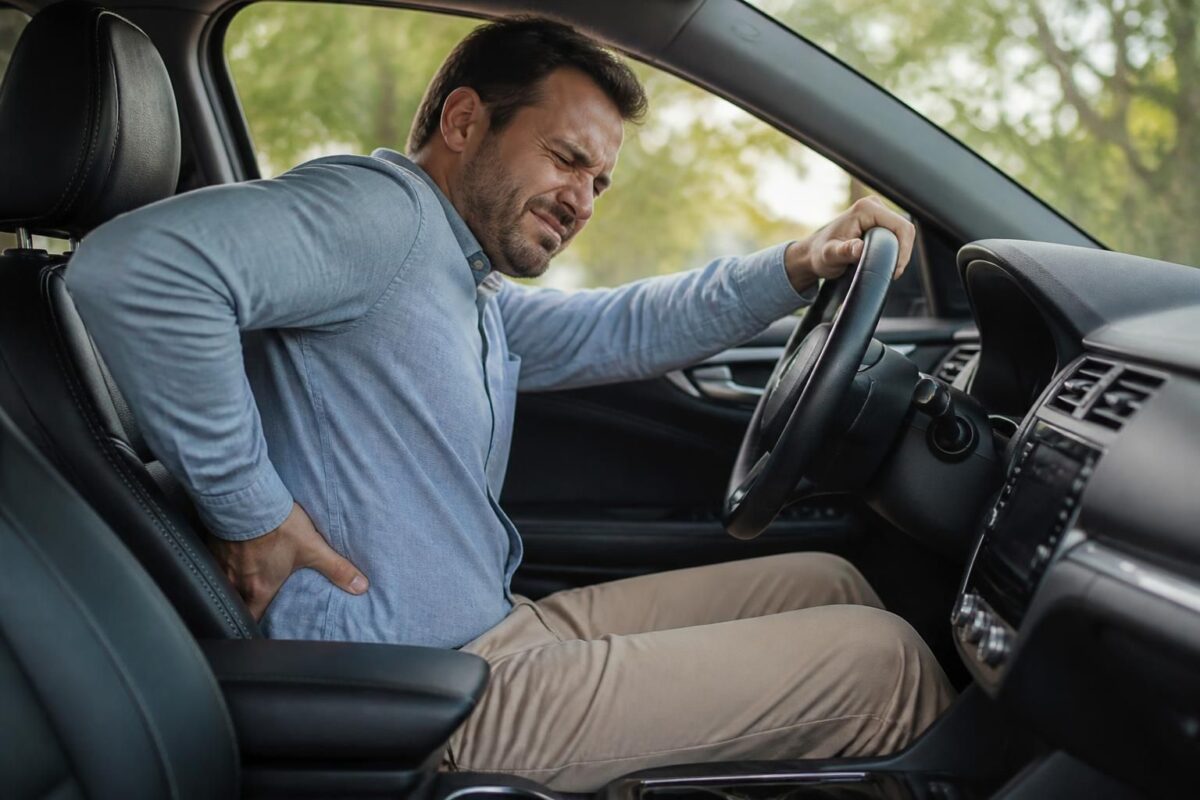
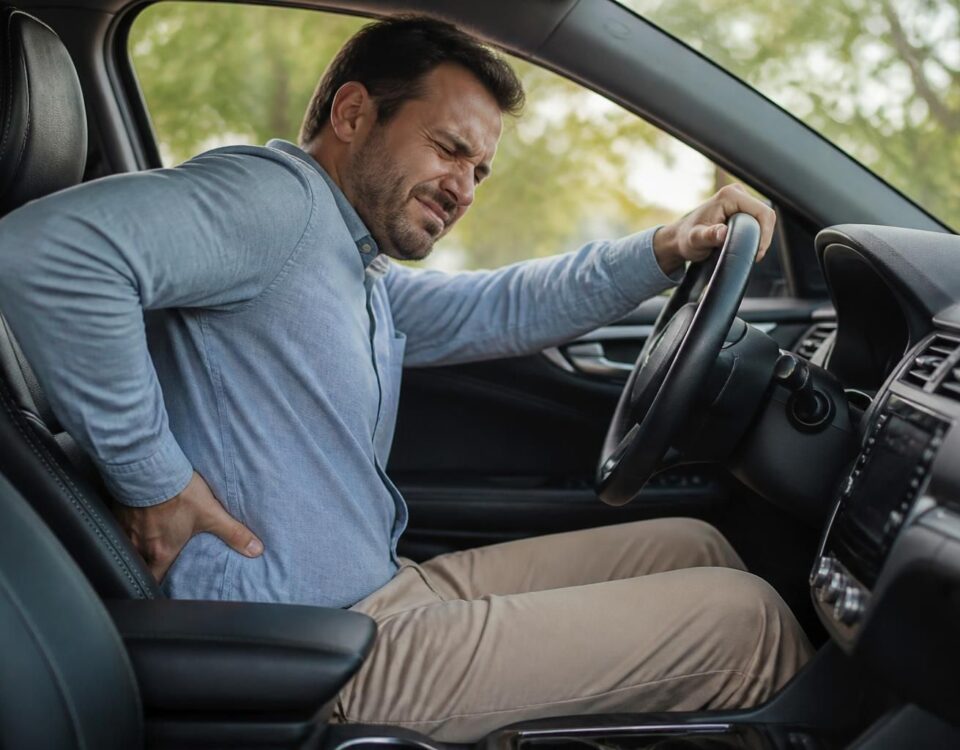
Sciatica and pain that travels down the leg in a car
IN BRIEF Sciatica and the pain that radiates down the leg when driving is a pain caused by irritation or compression of the sciatic nerve, which intensifies in prolonged sitting in a confined space like a vehicle. It’s a discomfort…
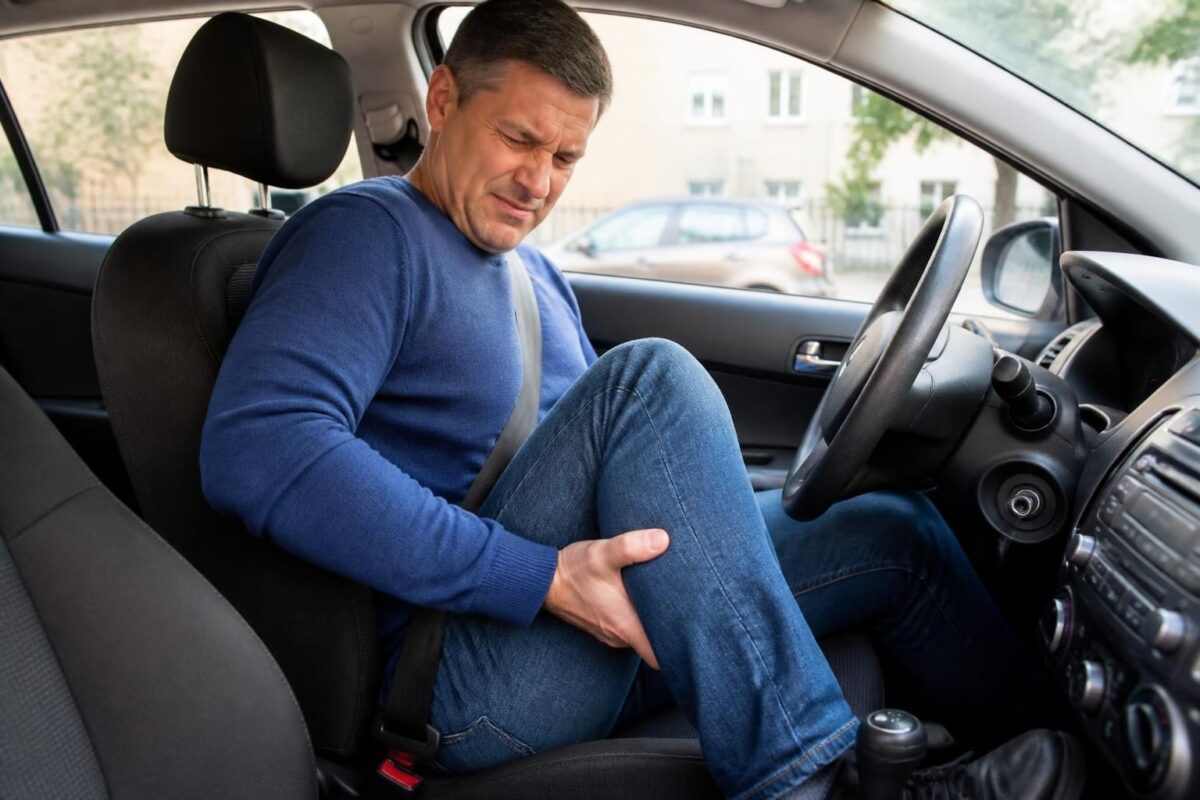
Sciatica and calf pain after driving
IN BRIEF In brief, sciatica and calf pain after driving refer to irritation or compression of the sciatic nerve that can manifest after a trip. This often occurs with prolonged sitting, vibrations, and an inadequate driving posture. Benefits: better comfort…
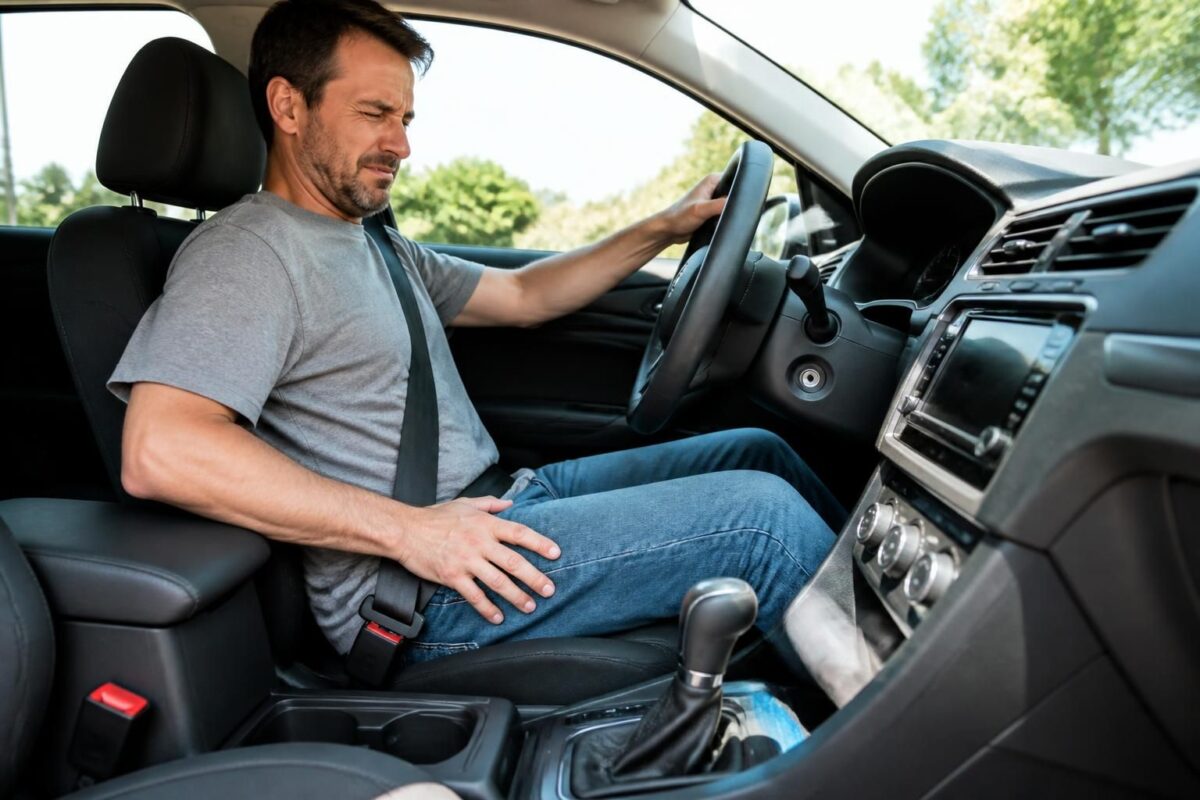
Sciatica and numbness in the foot while driving
IN BRIEF In brief, sciatica and numbness in the foot while driving describe pain and sensations of paresthesia that descend from the lower back to the foot or travel up along the nerve path during car trips. Benefits: a quick…

Dr Sylvain Desforges, B.Sc., D.O., N.D., osteopath, is the founding president of TAGMED and of the ACMA association. He dedicates his practice to chronic spinal pain, low back pain and symptoms compatible with sciatica, particularly when pain radiates toward the buttock, leg, calf, foot or toes.
Through SOS Sciatique, he publishes educational content on sciatica symptoms, possible causes such as disc herniation, disc narrowing, foraminal stenosis or irritation of a lumbar nerve root, as well as non-surgical approaches that may be considered according to the evaluation. At Clinique TAGMED, care may include, depending on the case, motorized neurovertebral decompression, specific osteopathic care or precision percussion.
For an evaluation related to sciatica treatment in Montreal / Mount Royal or sciatica treatment in Terrebonne, please consult the services available at Clinique TAGMED.
Medical disclaimer
The information published on SOS Sciatique is provided for educational purposes only and does not replace a consultation, diagnosis, opinion or treatment provided by a physician or another authorized healthcare professional. The author of this article is neither a medical doctor nor a specialist in a medical specialty recognized by the Collège des médecins du Québec. The osteopathic, manual medicine or functional support approaches described on this site do not constitute medical acts and are not intended to replace medical follow-up.
Consult a physician or emergency service in cases of loss of bladder or bowel control, anesthesia in the saddle area, significant or progressive weakness in the leg or foot, fever, recent trauma, severe pain or rapid worsening of symptoms. For more details, please read our Legal Notice.