Sciatica and seat cushion: what you need to understand
24/07/2026
Sciatica and burning in the foot: possible nerve compression
24/07/2026
IN BRIEF |
| Sciatic treatment is a multimodal approach aimed at relieving pain and issues related to the sciatic nerve. In Terrebonne, it emphasizes non-surgical methods such as physiotherapy, guided exercises, and posture advice, complemented when necessary by appropriate medication. The care plan targets common causes (e.g., herniated disc, piriformis syndrome, foraminal stenosis) and aims for a progressive reduction of pain with improved mobility and prevention of recurrences. Follow-up relies on a precise assessment and tailored exercises for a quick and sustainable return to activity, without surgery in most cases. |
Here is a short summary of the treatment of sciatica in Terrebonne: symptoms, causes, and care plan.
- Symptoms: pain following the path of the sciatic nerve, most often starting from the buttock and radiating to the back of the thigh, the calf, and sometimes the foot; sometimes numbness, tingling, or muscle weakness, with a feeling of electric shock and possible aggravation during certain movements or prolonged sitting.
- Causes: common mechanical causes such as a herniated disc or foraminal stenosis, as well as factors such as piriformis syndrome, sacroiliac dysfunction, or facet syndrome, often linked to postural habits and overloads.
- Care plan: multimodal approach adapted to local assessment in Terrebonne, including medications (analgesics, anti-inflammatories, and muscle relaxants) for a limited duration; physiotherapy with exercise programs and posture advice, gentle physical activity (walking); temporary use of a lumbar belt if recommended; if necessary, injection or specialized consultation; rare surgery reserved for persistent cases or serious complications.
This guide, written by a health professional, presents the treatment of sciatica in Terrebonne. You will find the symptoms, common causes, and a non-invasive care plan focused on evaluation and care at the TAGMED Clinic, along with useful resources to guide you.
Symptoms
Sciatica is manifested by pain along the path of the sciatic nerve. It can begin in the lower back or buttock and descend into the back of the thigh, the calf, or the foot. Tingling, numbness, or muscle weakness may accompany the pain. Symptoms can be constant or appear in episodes, often worsening during prolonged sitting or upon certain movements.
Causes
The most common causes are mechanical factors at the level of the spine and pelvis. A herniated disc or foraminal stenosis can irritate the sciatic nerve. The piriformis syndrome and a sacroiliac dysfunction can also compress the nerve or cause inflammation. Risk factors such as being overweight, lack of activity, and smoking can promote the onset of these disorders. In some cases, the pain may be a sign of a broader issue requiring thorough medical evaluation.
Care Plan
The care plan begins with a comprehensive assessment by an osteopath or a physician. The diagnosis guides therapeutic choices and possible recourse to imaging. In Terrebonne and Montreal, the TAGMED Clinic offers non-surgical interventions adapted to each case, such as motorized neurovertebral decompression, specific osteopathy, or precision impactor, when indicated.
A multidisciplinary approach may be considered. Simple analytical medications can be used based on medical assessment, and general pain management measures can be discussed. Physiotherapy is limited in this context, and we prefer treatments accessible at the TAGMED Clinic in Montreal or Terrebonne. For more information, consult specialized resources on sciatica treatment in Montreal and on neurovertebral decompression and sciatica in Terrebonne.
We offer personalized advice to limit aggravating movements and promote a gradual return to activity, especially walking, when pain allows. Learn more about options and precautions available through questions to ask before starting care in Terrebonne and on science and ideas on leg pain and sciatica.
To know the possibilities offered by TAGMED, visit TAGMED Clinic – Sciatica, and reach out for an evaluation in Terrebonne.
Additional resources addressing non-surgical approaches and associated conditions can be consulted on sciatica in Terrebonne – questions to ask and sciatic pain in Terrebonne and difficult walking.
To know the possibilities offered by TAGMED, visit TAGMED Clinic – Sciatica, and reach out for an evaluation in Terrebonne.
Additional resources addressing non-surgical approaches and associated conditions can be consulted on questions to ask before starting care in Terrebonne and on sciatic pain in Terrebonne and difficult walking.
In order to understand the available options and the specifics of care, prioritize the disease-centered resources and local initiatives presented by TAGMED and its partners.
Useful references and trainers: some training in osteopathy is recognized by NUMSS and NAO, and professional membership can be associated with ACMA, the College of Canadian Osteopaths, and the Collège des Ostéopathes Canadiens. These links remain indicative and aim to help you in your care journey.
Medical disclaimer: The information and advice provided on this site do not replace the opinion, diagnosis, or treatment of a healthcare professional. Please note that Dr. Sylvain Desforges, osteopath, is neither a medical doctor nor a physician, and is not specialized in a medical specialty as defined by the College of Physicians of Quebec. Manual medicine, functional medicine, and sports medicine as described on this site exclude any medical treatment or diagnosis performed by a physician or specialist. Always consult your doctor for any medical questions. For more details, please read our complete Legal Notice.
- Symptoms: schematic pain along the sciatic nerve, affecting the buttock and back of the thigh; possible involvement of the calf or foot; paresthesia and, sometimes, weakness; pain that may worsen with walking; Lasegue’s test sometimes positive.
- Common causes: disc herniation, foraminal narrowing, facet arthrosis, sacroiliac dysfunction, piriformis syndrome, and associated radicular irritation.
- Assessment and diagnosis: initial consultation with clinical examination and, if necessary, targeted imaging to pinpoint the cause and degree of severity.
- Non-surgical care plan: physiotherapy and personalized exercise program; postural advice and gentle activities; local heat and targeted muscle work.
- Medications and tools: paracetamol as first intention; NSAIDs and muscle relaxants as prescribed; limited duration; occasional use of a lumbar belt.
- Specialized interventions: epidural injection or other non-surgical options if pain persists; surgery rare depending on indication and progression.
- Prevention and follow-up: regular physical activity, balanced diet and hydration, good postural habits; local follow-up in Terrebonne to adjust the plan.

This guide presents to you, for the region of Terrebonne, the typical symptoms of a sciatica, the possible causes, and a non-surgical care plan tailored to your lifestyle. You will find a clear overview of the steps to take to relieve pain, resume activity, and prevent recurrences.
Symptoms of Sciatica
Sciatica manifests as pain following the path of the sciatic nerve. It may start at the lower back or buttocks and radiate to the back of the thigh, then descend to the calf and foot. Tingling, pins-and-needles, or numbness may accompany the pain, which can intensify during walking or certain movements. In more pronounced cases, muscle weakness or difficulty lifting the foot may occur. If the pain is bilateral, worsens rapidly, or is accompanied by sphincter disturbances or fever, it is imperative to consult quickly to rule out a medical emergency.
The combination of lower back pain and stiffness is common and may signal lumbar sciatica. Identifying warning signs and assessing the progression allows for the right path of care within Terrebonne.
Possible Causes
Several mechanisms can cause sciatica. The most common is compression or irritation of the sciatic nerve due to a disc herniation or narrowing of the intervertebral foramen. Other common origins include inflammation or irritation of muscles near the buttock, especially the piriformis muscle, as well as a biomechanical imbalance of the pelvis, such as sacroiliac dysfunction. Lifestyle factors, such as obesity, smoking, or poor physical condition, can promote the onset or recurrence of episodes. In some cases, less common but serious causes may require specialized evaluation.
Terrebonne Care Plan
Local Assessment and Referral
The first step is a comprehensive evaluation by a professional in the Terrebonne area (osteopath or physician). The examination focuses on the precise location of the pain, its trajectory, movement limitations, and neurological signs. In the presence of warning signs, prompt and appropriate care is recommended, and additional tests may be considered.
Non-Surgical Treatment
As part of an effective care plan, non-invasive approaches are favored. Medical-physiological treatment may begin with appropriate pain relievers and anti-inflammatories, used for a limited time. A lumbar belt may be temporarily offered to support the spine during painful movements.
Physiotherapy and postural rehabilitation play a central role: personalized stretching, strengthening, and support programs to adopt good postures in daily life, aiming to reduce nerve strain and promote the resumption of activities. Walking and gentle physical activity are encouraged as soon as pain allows, to support the musculoskeletal system and prevent recurrences.
Complementary Options and Follow-ups
Osteopathy can provide support within a holistic rehabilitation framework, without aiming solely at treating the underlying cause. Other non-surgical approaches, such as targeted exercises and lifestyle advice, can be integrated into the care plan. In case of persistent pain despite an appropriate protocol, a specialized approach (targeted injection or rheumatologist consultation) may be considered, with surgery remaining exceptional.
Prevention and Return to Activity
Adopting a healthy lifestyle (regular physical activity, balanced diet, hydration) and maintaining proper posture greatly contributes to preventing recurrences. For Terrebonne, personalized follow-up ensures a gradual and safe return to work and sports activities while minimizing the risks of reappearance.
Sciatica Treatment in Terrebonne: Symptoms, Causes, and Care Plan
| Element | Terrebonne Care Plan |
|---|---|
| Symptoms | Pain radiating along the path of the sciatic nerve, often in the buttock and back of the thigh; paresthesias and sometimes muscle weakness. |
| Causes | Herniated disc, foraminal compression, piriformis syndrome, or sacroiliac dysfunction; postural factors and lumbar overload. |
| Diagnosis | Targeted clinical assessment and simple tests (Lasegue maneuver); imaging only if warning signs or diagnostic doubt. |
| Initial Care Plan | Comprehensive assessment, personalized goals, and initiation of gentle rehabilitation; postural work and progressive mobilization. |
| Medications | Paracetamol as first-line; NSAIDs or muscle relaxants if necessary, limited to a few days and under medical supervision. |
| Physiotherapy and Exercise | Sessions of lumbar rehabilitation focused on stretching, strengthening, and endurance; gradual return to adapted daily and sports activities. |
| Injection and Surgery | Epidural injection in case of persistent pain; surgery is rare in cases of disabling sciatica, uncontrolled pain, or neurological emergency. |
| Lifestyle and Prevention | Regular and controlled activity, hydration, and balanced diet; avoid aggravating movements and adopt good postures at work. |
| Follow-up Terrebonne | Local follow-up with rapid adjustments to the plan; coordination between practitioners and flexible scheduling according to progress. |
Testimonials on Sciatica Treatment in Terrebonne: Symptoms, Causes, and Care Plan
Since my first appointment in Terrebonne, I discovered that my sciatica symptoms were not just a passing pain. The painful journey began in the lower back, radiated into the buttock, and traveled down the back of the thigh, all the way to the calf and sometimes to the foot. This description exactly matched what I was experiencing and convinced me to seek targeted treatment.
The Terrebonne team explained the possible causes of my condition, focusing on biomechanical mechanisms and nerve irritations. After assessment, they identified a primary cause related to a compression or irritation of nerve roots, sometimes associated with a herniated disc or piriformis syndrome. Understanding these origins was essential for choosing the right care plan.
The proposed care plan was clear and personalized: a combination of guided rehabilitation, targeted exercises, and adapted postural advice. Depending on the cases, an osteopathic approach or gentle decompression techniques may be included. I learned how to strengthen muscles, stretch tightened areas, and improve mobility to prevent recurrences.
Results emerged gradually: after a few weeks, the pain decreased, I regained my mobility, and I was able to return to my daily activities, including walking, with less fear of re-injuring my back. The follow-up in Terrebonne was attentive and focused on preventing new crises, which boosted my confidence and motivation.
If you suffer from similar symptoms, this testimony may help you see that treatment can target both symptoms, causes, and a care plan for a quick return to your activities. Don’t hesitate to consider an assessment in Terrebonne to obtain an adapted and effective approach.
Dr. Sylvain Desforges, experienced osteopath and expert in manual medicine, is the founder and president of TAGMED clinics and the ACMA association. His practice focuses on managing chronic pain of the spine and integrating advanced technologies to optimize the health and well-being of his patients. In Terrebonne, he implements a multidisciplinary and evidence-based approach for sciatica treatment, relying on tools such as motorized neurovertebral decompression, specific osteopathy, and precision percussion to achieve measurable and lasting results.
As part of the sciatica treatment in Terrebonne, Dr. Desforges’ team focuses on understanding the symptoms and their functional impact. Pain often follows the path of the sciatic nerve, starting from the lower back or buttocks, traveling up or down the back of the leg. Burning sensations, tingling, or numbness may accompany this pain, sometimes associated with muscle weakness that limits movement. The goal is to evaluate the intensity, location, and progression of the symptoms in order to develop a personalized plan that allows a return to daily and professional activities with peace of mind.
Several causes can explain sciatica, and Dr. Desforges specifies that it is rarely due to a single factor. Common causes include a protrusion or herniated disc that irritates the nerve root, narrowing of the nerve exit foramen, or dysfunction of the muscles and joints around the sacrum and pelvis. The piriformis syndrome and sacroiliac dysfunction are other potential origins, contributing to pain that can be localized or radiating. Understanding these mechanisms allows for treatment adaptation and avoidance of movements that worsen the pain.
The proposed care plan aims to address the causes and quickly relieve symptoms while preventing recurrences. After an initial assessment, the patient benefits from a non-surgical and multimodal approach that may include targeted osteopathic techniques to restore alignment and mobility, strengthening and stretching exercises, as well as postural advice and pain management strategies. In addition, physical modalities such as motorized neurovertebral decompression and specialized manual therapies may be used as needed to decrease pressure on nerve roots and improve lumbar and gluteal function.
A key step in the protocol involves establishing a program of progressive and tailored exercises aimed at restoring spinal mobility, strengthening stabilizing muscles, and improving pelvic biomechanics. The sports physician or physiotherapist working with Dr Desforges can propose specific protocols, including posture advice, gentle physical activities, and progression tailored to pain. At the same time, the team sets up practical measures to limit risk factors and promote sustainable recovery, such as weight management, improving muscle endurance, and adopting safer daily habits.
Follow-up is done regularly to adjust the plan based on the evolution of symptoms and the patient’s functional goals. The ultimate goal is to significantly improve quality of life and reduce recurrent painful episodes, while providing the necessary tools to continue an appropriate physical activity and maintain good lifestyle habits.
This guide presents Treatment for Sciatica Terrebonne as a practical summary of the symptoms, causes, and care plan tailored to your area. You will find signs to watch for, key mechanisms, and concrete steps to act quickly and effectively.
Symptoms
The typical symptoms of sciatica include pain that follows the path of the sciatic nerve: lower back, buttock, back of the thigh, and sometimes, the leg and foot. Paresthesias, numbness, or muscle weakness may accompany. Some forms are limited to a specific area, such as the back of the thigh or the calf, which is called truncated sciatica. If there is loss of urinary or fecal control, high fever, night pain, or progressive neurological signs, seek emergency consultation. For more in-depth information, see additional resources on sciatica and its diagnosis.
Causes
The main causes are mechanical and related to the movement of the back and pelvis: herniated disc or protrusion irritating the sciatic nerve, spinal canal narrowing or foraminal stenosis, and piriformis syndrome. A sacroiliac dysfunction can also trigger referred pain in the leg. Lifestyle factors, such as inactivity or excessive loads, can contribute, but the reaction varies by individual. To better understand the mechanisms and variants, consult specialized resources.
Care Plan
The care plan is based on a progressive and personalized approach. After an initial clinical evaluation, treatment may combine medications (acetaminophen and short-term anti-inflammatories), physiotherapy, and a program of targeted exercises to relax tight muscles and strengthen weak areas. Resuming gentle physical activity is encouraged, with appropriate postural advice. In some cases, an injection or surgical intervention may be considered if pain persists despite well-managed treatment. In Terrebonne, local professionals can offer cautious and personalized complementary approaches, while remaining aligned with available evidence. For further details, see the pages Treatment for Sciatica in Terrebonne and Cautious Approach.
To expand your knowledge and access additional resources, you can also consult dedicated websites that address signs requiring targeted evaluation and reasons for an appropriate treatment, including articles and practical guides available through the provided links. These resources complement the advice from your physician and physiotherapist to help you make the best decisions regarding treatment and prevention of recurrences.

Sciatica in Terrebonne: numbness progressing to the foot
IN BRIEF In brief, sciatica in Terrebonne is pain and numbness that follows the path of the sciatic nerve and may progress towards the foot. It often manifests with symptoms triggered or amplified by walking, with numbness or weakness potentially…
Sciatica in Terrebonne: why the pain may be stronger in the leg
IN BRIEF In brief, sciatica in Terrebonne is pain that follows the path of the sciatic nerve, starting from the lower back and descending into the buttock, leg, and sometimes the foot. The phenomenon may be stronger in the leg…

Sciatica in Terrebonne: calf pain without significant lower back pain
IN BRIEF In short, sciatica in Terrebonne with pain that radiates to the calf but little lower back pain is a radiculopathy or referred lower back pain. This quick assessment helps identify the pathway of symptoms, neurological signs, and the…
Sciatica in Terrebonne: deep buttock pain and radiation in the thigh
IN BRIEF Sciatica in Terrebonne is a pain of the sciatic nerve, characterized by a deep buttock pain and radiation that may extend down to the thigh. It can be effectively treated without surgery through approaches such as osteopathy, which…
Pain in one leg: possible sciatica in Terrebonne
IN BRIEF In brief, pain in a single leg related to sciatica is pain caused by the irritation or compression of a lumbar root, starting in the lower back and radiating to the buttock and leg. In Terrebonne, the management…
Sciatica in Terrebonne: pain that travels below the knee
IN BRIEF In brief, sciatica in Terrebonne and pain that radiates below the knee is a nerve-origin pain due to irritation of the sciatic nerve. It manifests as burning sensations, electric shocks, and tingling that follow the nerve path down…
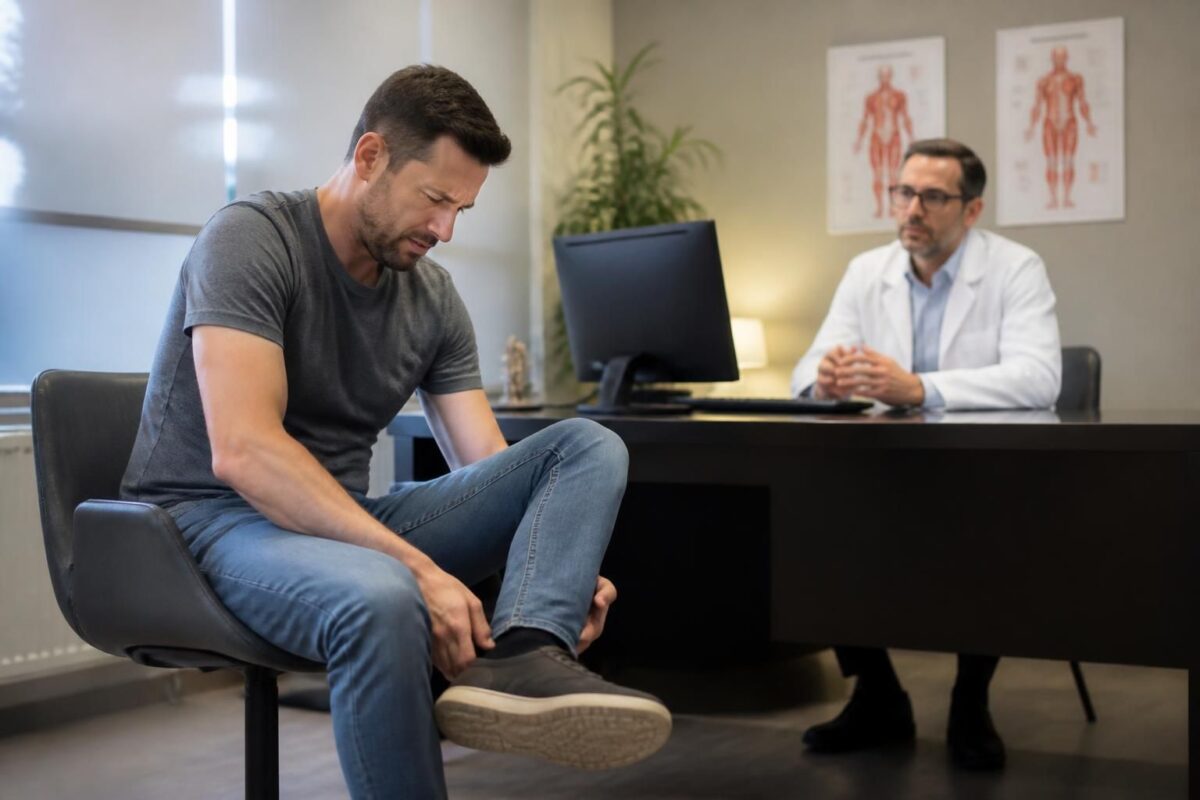
Weakness in the foot and sciatica in Terrebonne: when to consult quickly?
IN BRIEF In short, foot weakness associated with sciatica corresponds to a loss of strength or muscle control in the foot related to lumbar nerve irritation. This helps clarify whether a visit is urgent and guides towards a quick consultation…
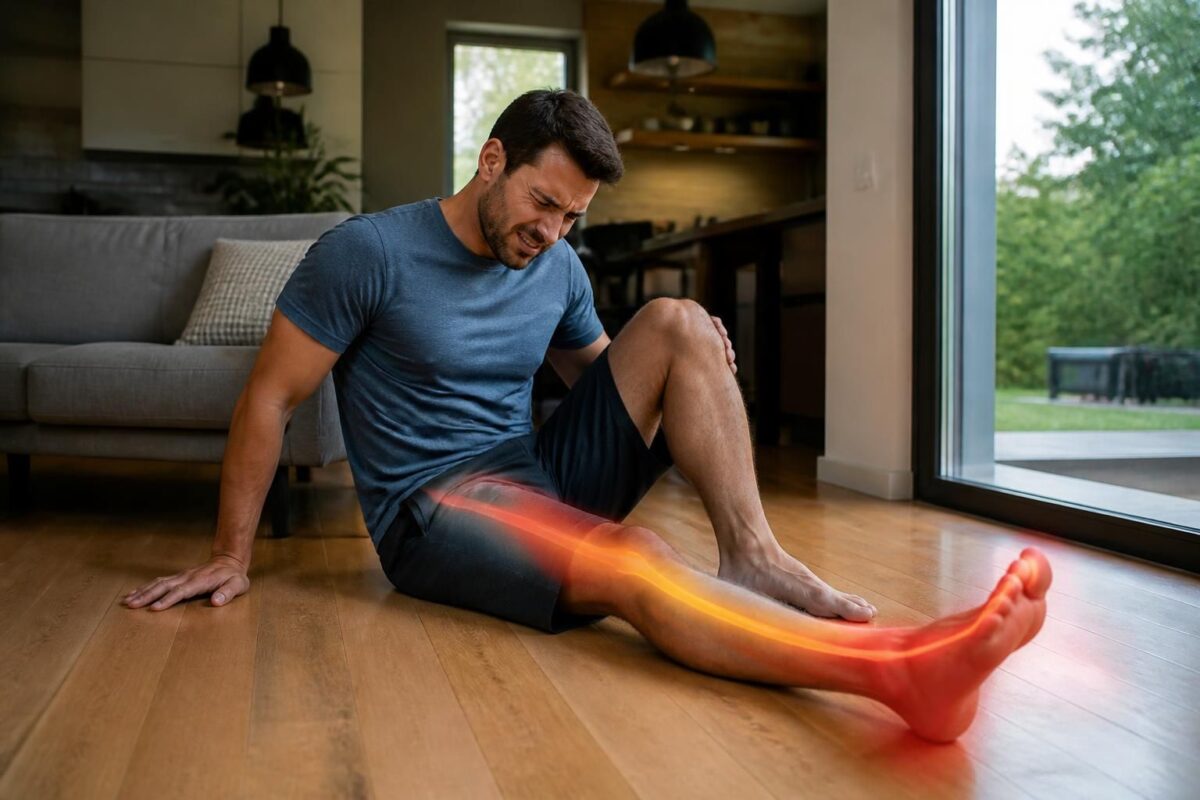
Sciatica in Terrebonne: tingling in the toes and nerve path
IN BRIEF The Sciatica in Terrebonne is pain that starts from the lower back or buttock and radiates down the leg, accompanied by tingling and signs along the nerve pathway. At the TAGMED Clinic, the assessment focuses on the pain…

Dr Sylvain Desforges, B.Sc., D.O., N.D., osteopath, is the founding president of TAGMED and of the ACMA association. He dedicates his practice to chronic spinal pain, low back pain and symptoms compatible with sciatica, particularly when pain radiates toward the buttock, leg, calf, foot or toes.
Through SOS Sciatique, he publishes educational content on sciatica symptoms, possible causes such as disc herniation, disc narrowing, foraminal stenosis or irritation of a lumbar nerve root, as well as non-surgical approaches that may be considered according to the evaluation. At Clinique TAGMED, care may include, depending on the case, motorized neurovertebral decompression, specific osteopathic care or precision percussion.
For an evaluation related to sciatica treatment in Montreal / Mount Royal or sciatica treatment in Terrebonne, please consult the services available at Clinique TAGMED.
Medical disclaimer
The information published on SOS Sciatique is provided for educational purposes only and does not replace a consultation, diagnosis, opinion or treatment provided by a physician or another authorized healthcare professional. The author of this article is neither a medical doctor nor a specialist in a medical specialty recognized by the Collège des médecins du Québec. The osteopathic, manual medicine or functional support approaches described on this site do not constitute medical acts and are not intended to replace medical follow-up.
Consult a physician or emergency service in cases of loss of bladder or bowel control, anesthesia in the saddle area, significant or progressive weakness in the leg or foot, fever, recent trauma, severe pain or rapid worsening of symptoms. For more details, please read our Legal Notice.