

Sciatica and car travel: how to interpret the worsening
12/08/2026
Sciatica and bar pain in the lower back with radiation
13/08/2026
IN BRIEF
|
The burning pain in the leg related to sciatica follows the path of the sciatic nerve, starting from the lower back or buttock and radiating down to the leg. Benefits and applications: Rapid diagnosis and appropriate management in Terrebonne; gradual relief without surgery; improvement of mobility and prevention of recurrences through postural advice and exercises. Functioning: the cause is identified (e.g. herniated disc, foraminal stenosis, piriformis syndrome) and a personalized plan is proposed with exercises and postural advice to relieve the pain and restore function. Location: In Terrebonne, this service offers a local evaluation and management. |
In Terrebonne, a burning pain in the leg may suggest sciatica (sciatalgia). This pain follows the path of the sciatic nerve, from the lower back to the buttock and leg, and may be accompanied by tingling, numbness, or weakness. Sciatalgia often results from an irritated or compressed nerve due to a herniated disc, lumbar canal stenosis, or other mechanical disorders. To confirm the diagnosis and rule out causes requiring urgent attention, an evaluation by a professional is recommended. As an osteopath in Terrebonne, I offer a personalized approach with clinical examination, postural advice, and non-surgical treatments to relieve and prevent recurrences. If alarming signs appear (marked weakness, loss of urinary control, or rapidly worsening pain), seek emergency care.
This fact sheet written by a healthcare professional examines a burning pain in the leg and answers the question: is it sciatica in Terrebonne? You will find typical signs, possible causes, diagnosis, and management options available at TAGMED Clinic and affiliated centers. The content is informative and does not replace a medical consultation.
What is Sciatalgia?
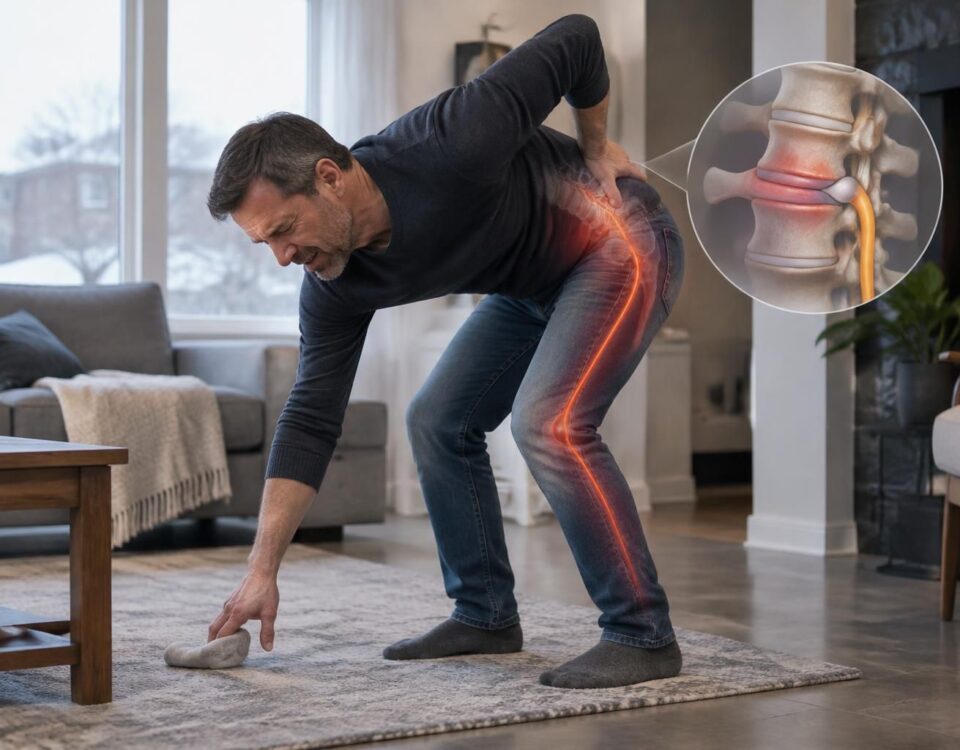
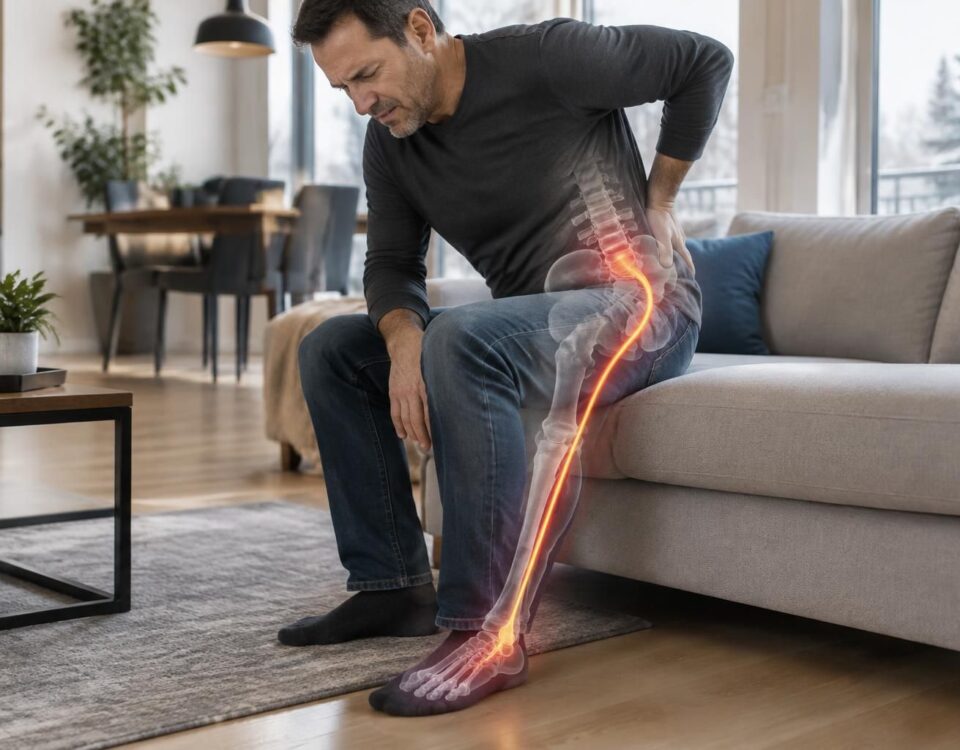
Sciatalgia is a pain related to compression, irritation, or an inflammatory reaction of one of the sciatic nerve roots. The sciatic nerve is the longest and largest in the body. It originates from several roots coming from the spinal cord, notably the L5 and S1 roots, which traverse the lumbar spine and head towards the lower limbs. This pain can affect the lower back, buttock, and radiate down the leg to the foot.
Symptoms and Pathway
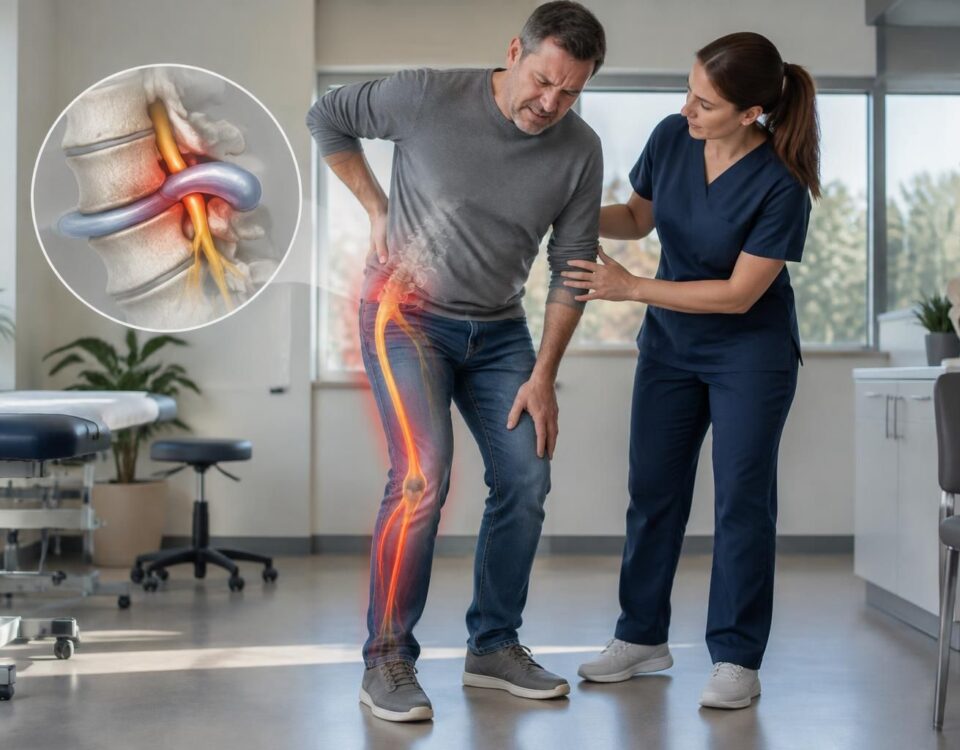
The pain is often described as a burning sensation or an electric shock that follows the path of the sciatic nerve. It can affect the lower back, buttock, back of the thigh, calf, and sometimes the foot. Tingling, numbness, or muscle weakness may accompany the pain. The pain can remain localized to a portion of the pathway, known as truncated sciatica, or extend over a large part of the pathway.
Causes and Risk Factors
There are primarily three types of sciatica. Classic or lumbosciatic sciatica is of mechanical origin: protruding herniated disc, foraminal stenosis, lumbar canal stenosis, minor intervertebral disturbances, or spondylolisthesis. Rarer causes may include spinal injuries, disc infections, or tumors. Non-lumbar sciatica also exists, notably related to piriformis syndrome or sacroiliac dysfunction. Lastly, urgent forms exist: hyperalgic sciatica, paralyzing sciatica, and cauda equina syndrome. Common risk factors include heavy lifting, obesity, smoking, and early disc degeneration.
Diagnosis
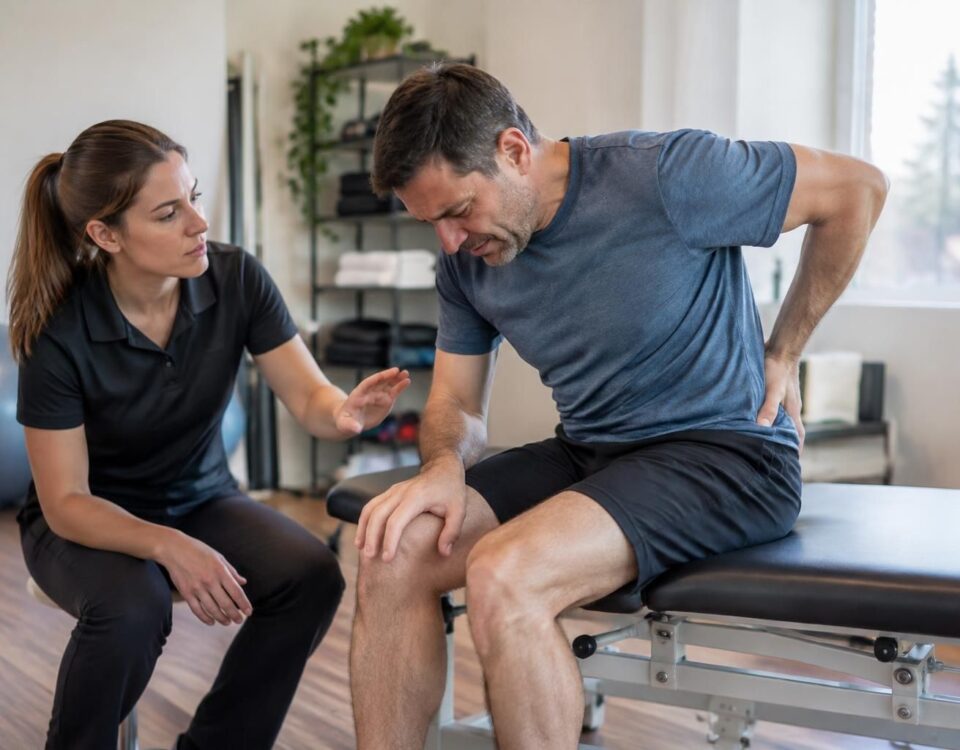
The diagnosis relies on clinical examination and patient history. The doctor evaluates the painful pathway and checks strength and reflexes. The Lasègue sign may be used to reproduce the pain and assess its intensity. In the absence of warning signs, these elements are often enough to confirm lumbosciatica or sciatica. Additional examinations are generally only considered if there are diagnostic doubts, persistent pain despite treatment, or significant neurological signs. In this context, imaging or further tests may be discussed with the healthcare professional.
Treatment Options and What to Do in Terrebonne
Treatment is based on several aspects. Medications may include analgesics, non-steroidal anti-inflammatory drugs, and muscle relaxants, administered short-term and not exceeding about 10 days. A lumbar brace may be considered temporarily, in addition to treatment. After the acute phase, specific management may be offered by a professional, and it is possible to consider non-surgical interventions tailored to each case at the TAGMED Clinic in Montreal or Terrebonne. In some cases, neurovertebral decompression may be discussed with specialists, and an epidural injection may be considered if necessary, under the guidance of a rheumatologist. Surgery is rare and depends on the exact cause and clinical progression. For patients, the priority is an appropriate and multidisciplinary approach, with proper medical follow-up. For specialized non-surgical management, TAGMED Clinic can provide options tailored to your situation. More information is available via TAGMED Clinic and associated resources.
Prevention and Practical Advice
Prevention involves engaging in appropriate physical activity, maintaining a healthy weight, and ensuring good posture in daily life. Avoid movements that put significant strain on the back, and favor lifestyle habits that promote disc health. For details and advice, consult the specialized resources available at sossciatique.com and sossciatique.com. For general information on mechanisms and treatments, you can also consult dedicated resources on Doctissimo and other reliable sources.
Useful Links and Resources
For additional information, visit the following sites: sossciatique.com, Sciatica solution, and neurovertebral decompression. Other relevant resources include sosherniediscale.com, sostunnelcarpien.com, and sossciatique.com/sciatique-a-montreal-douleur-au-pied-engourdissement-et-fourmillements.
Medical disclaimer: The information and advice provided on this site do not substitute for the opinion, diagnosis, or treatment of a health professional. Please note that Sylvain Desforges, B.Sc., D.O., N.D., Doctor of Osteopathy, is neither a medical doctor nor a physician, and is not a specialist in a medical specialty as defined by the Collège des médecins du Québec. Manual medicine, functional medicine, and sports medicine as described on this site do not include any treatment or medical diagnosis made by a physician or specialist. Always consult your doctor for any medical questions. For more details, please read our full Legal Notice.
- Burning pain that follows the path of the sciatic nerve: lower back → buttock → leg → foot
- Unilateral in most cases
- Electric sensations or paresthesia along the leg
- Numbness or weakness depending on severity
- Typical areas: buttock, back thigh, calf, foot
- Possible urgency: loss of urinary or fecal control, marked weakness, pain that worsens rapidly
- In Terrebonne, request a rapid assessment from your family doctor or osteopath
- Diagnosis based on clinical examination and Lasègue test; imaging only if necessary
- Initial treatment: gentle physical activity and suitable postures; analgesics/anti-inflammatories as prescribed
- After the acute phase: physiotherapy and strengthening exercises
- If pain persists or neurological signs appear: consult a rheumatologist or sports specialist for advanced options
- Possible additional examinations: MRI, CT scan, X-ray if necessary
- Local prevention: good postures, lifting techniques, regular physical activity

Burning pain in the leg: is it sciatica in Terrebonne? This article guides you to recognize the signs of sciatica, understand possible causes, and know how to act locally to relieve and prevent recurrences, without waiting for a medical consultation when necessary.
Understanding the signs and possible causes
Sciatica refers to pain that follows the path of the sciatic nerve. This pain is often burning in nature and can radiate from the lower back to the buttock and leg, sometimes down to the foot. Tingling sensations, numbness, or muscle weakness may accompany this path.
The most common causes are mechanical: a herniated disc compressing the nerve, a narrowing of the foramen through which the nerve exits, or posterior osteoarthritis causing narrowing of the lumbar canal. The piriformis muscle can also cause compression of the sciatic nerve, as can sacroiliac disorders located in the pelvic region.

Sciatica in Terrebonne: pain worsened in sitting position and lumbar disc
IN SHORT Aggravated sciatica in a sitting position may be related to the irritation of a lumbar nerve root, sometimes associated with a lumbar disc. In Terrebonne, varying positions, taking short active breaks, and getting an evaluation can help better…

Sciatica in Terrebonne: pain worsened by flexion and disc-related cause
IN BRIEF Aggravated sciatica by flexion is pain that starts in the lower back and radiates into the buttock or leg; a lumbar disc herniation can irritate a nerve root, although it may not be the only possible cause. In…
Warning signs and when to consult quickly
To watch for: pain that starts in the back and “travels” down the buttock and then the leg; difficulty moving the leg or maintaining balance; marked weakness or loss of sensation in the leg or foot; and unusual symptoms such as loss of urinary or fecal control, or significantly worsening pain, especially due to trauma or feverish signs.
If you exhibit any of these signs, or if the pain is associated with significant general malaise, consult immediately to rule out a potential emergency and to benefit from an appropriate management plan.

Disc herniation in Terrebonne: why some stretches worsen
IN BRIEF Discogenic sciatica is pain related to the irritation of a nerve, sometimes worsened by certain stretches that intensify the symptoms. In Terrebonne, avoiding movements that cause pain to radiate down the leg and focusing on an appropriate approach…

Sciatica disc in Terrebonne: movements to avoid at the beginning
IN BRIEF Disc-related sciatica corresponds to a nerve irritation that can cause pain from the lower back to the buttock or leg. Initially, avoid movements that worsen the pain, such as deep bends, sudden twists, and carrying heavy loads. In…
What to do right now in Terrebonne to relieve
Avoid complete and prolonged rest; favor gentle activities like regular walking, which stimulates movement without causing major aggravation. Apply heat to painful areas and avoid movements that irritate the nerve.
In parallel, a health professional may suggest various approaches based on the assessment: appropriate analgesics or anti-inflammatories, physiotherapy sessions to strengthen the back and restore good posture, and personalized advice on positions to adopt daily to limit pressure on the nerve.

Sciatica in Terrebonne: disc herniation with leg weakness
IN SHORT Sciatica related to a disc herniation can cause pain that radiates down the leg, sometimes accompanied by weakness. In Terrebonne, an assessment helps guide management based on symptoms and their progression. A new, significant, or progressive weakness requires…

Sciatica in Terrebonne: herniated disc with foot numbness
IN BRIEF Sciatica related to a herniated disc can irritate a nerve root and cause pain that radiates down the leg, sometimes with a numbness in the foot. In Terrebonne, an evaluation helps to better understand the symptoms and consider…
Treatment options and prevention
For pain that persists, non-surgical options may be considered based on the overall assessment. A multimodal approach may include manual therapies, targeted exercises, and postural adjustments to improve comfort and reduce recurrences. In some cases, specialized interventions (injections or other procedures) may be discussed with a rheumatologist or surgeon in the case of debilitating pain or neurological deficits.
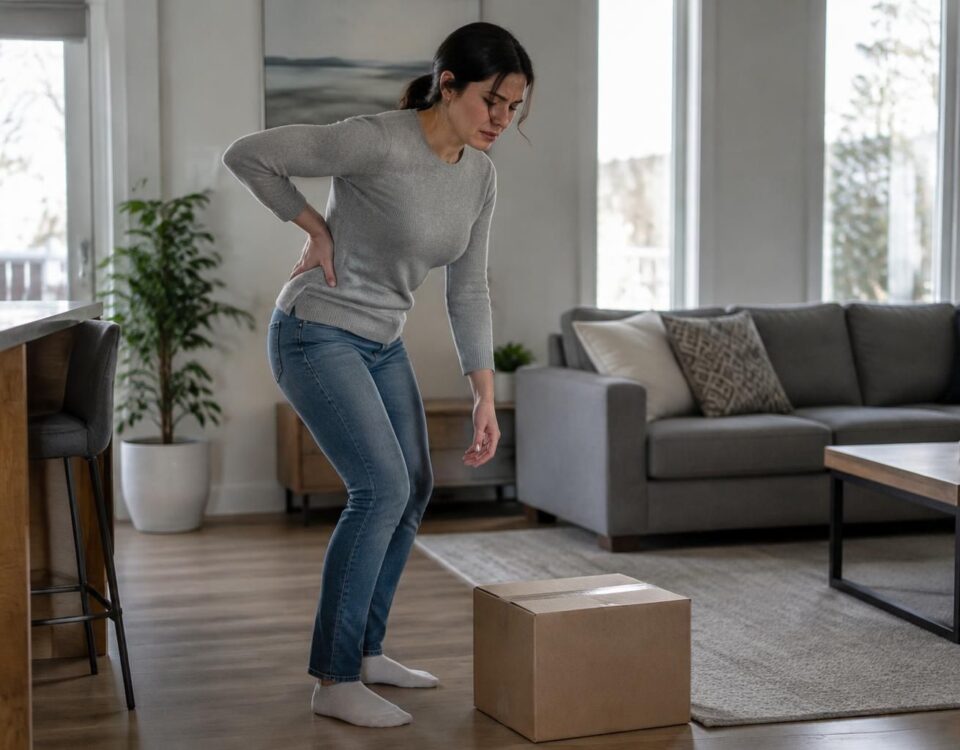
Preventing recurrences involves maintaining an appropriate lifestyle: regular physical activity (real strengthening of trunk and leg muscles), gentle stretching to preserve flexibility, a balanced diet and adequate hydration, and adopting good habits daily for the back and legs. In particular, favor correct lifting techniques and avoid movements that heavily strain the back from the ground.

Sciatica in Terrebonne: lumbar disc and nerve root inflammation
IN BRIEF Lumbar disc-related sciatica occurs when irritation or inflammation of a nerve root causes pain that may radiate from the buttock down to the leg. In Terrebonne, an evaluation can help better understand the cause of symptoms and identify…

Sciatica and disc pinching in Terrebonne: when space decreases
IN BRIEF The disc bulge corresponds to a reduction in the space between two vertebrae; it can sometimes contribute to nerve irritation and sciatica, with pain that radiates down the buttock or leg. In Terrebonne, an assessment allows for a…
When to consult urgently in Terrebonne
Consult immediately if you have paralysis or loss of urinary control, marked difficulty moving your leg, rapidly worsening pain, or general signs (fever, unexplained weight loss). Outside of these situations, schedule an evaluation with a health professional to establish a precise diagnosis and a personalized treatment plan.
| Criterion | Concise Evaluation |
|---|---|
| Main Symptom | Burning pain that follows the path of the sciatic nerve and may radiate to the buttock and leg. |
| Location and Path | Lower back → buttock → back of the leg; check the direction of the nerve. |
| Neurological Signs | Numbness, weakness, or loss of reflexes indicate nerve involvement requiring evaluation. |
| Emergency Signals | Loss of urinary/fecal control, rapid weakness, fever; consult urgently. |
| Potential Causes | Herniated disc, foraminal stenosis, piriformis syndrome, lumbar osteoarthritis. |
| Useful Exams | Clinical examination + Lasègue test; imaging based on persistence or warning signs. |
| Initial Treatment | Appropriate medications, lumbar belt if necessary, physiotherapy after the acute phase. |
| Local Approach Terrebonne | Adapted osteopathic evaluation and specific exercise plan to resume activity. |
| Prevention and Posture | Regular physical activity and good posture to reduce recurrences. |
Burning Pain in the Leg: Is it Sciatica in Terrebonne?
“I felt a burning pain that started in my lower back and moved up my leg. In Terrebonne, I made an appointment, and they talked to me about sciatica without dramatizing things. The evaluation confirmed it was not an emergency, and the care plan was clear and gradual.”
“After a day at work, my leg pain returned, especially when walking. The doctor in Terrebonne performed a specific test and confirmed sciatica due to lumbar strain, then suggested exercises and posture advice. The symptoms gradually calmed down, and I was able to resume my activities calmly.”
“At first, I was afraid it might be serious. At the Terrebonne clinic, I was told that the burning pain could come from an irritated nerve but that with non-surgical approaches, good results could be achieved. I benefited from a personalized program and gentle sessions that allowed me to regain mobility without intense pain.”
“I felt tingling and a prickling sensation that followed the path of the nerve. In Terrebonne, the team checked for possibilities of truncated sciatica and adapted the treatment to target specific areas, in addition to activity advice and daily exercises. Today, the pain is much less present, and I walk much better.”
“After several weeks, the burning pain decreased thanks to a holistic approach focused on movement and posture, without resorting to surgery. In Terrebonne, I was guided step by step: clear diagnosis, adapted treatment plan, and gradual reconditioning that allowed me to resume my daily activities with peace of mind.”
Dr. Sylvain Desforges is a recognized professional in the fields of osteopathy, naturopathy, and manual medicine. As the founding president of TAGMED clinics and the ACMA association, he dedicates his career to managing chronic spinal pain, particularly low back pain and pain associated with sciatica. In the Terrebonne area, he offers an integrated approach for patients suffering from burning pain in the leg, prioritizing non-surgical solutions tailored to each profile.
His training and clinical approach are based on ethical parameters and evidence-based practices. He favors a multidisciplinary practice that combines osteopathy, manual medicine, and advanced technologies when appropriate. Among these tools, he relies on options such as motorized neurovertebral decompression, therapeutic laser, and shockwave therapy, to improve mobility, reduce inflammation, and accelerate recovery. This technological orientation supports a personalized treatment plan for sciatica and related pain.
When a patient presents with burning pain in the leg suggesting sciatica, Dr. Desforges offers a thorough evaluation that combines patient history, clinical examination, and, if necessary, targeted investigations. He distinguishes common causes (compression or irritation of nerve roots, disc disturbances, or joint disorders) from signs requiring urgent care, to establish a reliable diagnosis and a plan that prioritizes non-invasive options as first-line treatment.
In practice, patients in Terrebonne benefit from a clear and personalized pathway. The initial consultation is followed by a functional assessment and feedback in the form of tailored recommendations. The goal is to treat the pain and improve the function of the lower limb without necessarily resorting to surgery, incorporating posture advice, manual techniques, and targeted rehabilitation programs.
The treatments offered may combine osteopathic adjustments, physical therapies, and the judicious use of technological discussions, according to individual needs. When pain persists or when daily activities remain difficult, Dr. Desforges can coordinate a multidisciplinary approach and propose personalized exercises to facilitate a return to activity and reduce the risk of recurrence. All of this rests on precise assessment and a gradual approach centered on the comfort and autonomy of the patient.
Dr. Desforges places a central focus on scientific evidence and patient education: each pathway is built around a tailored plan, articulating lifestyle hygiene, adapted physical activity, and strengthening of the stabilizing muscles of the back. He emphasizes the prevention of recurrences through safe practices during efforts and a maintenance routine that promotes spinal stability and overall well-being. For those seeking to understand their pain and the options available in the case of burning pain in the leg in Terrebonne, he offers a patient-centered approach, grounded in listening and therapeutic innovation to quickly restore mobility and quality of life.
This page examines burning pain in the leg and its possible attribution to a sciatica in Terrebonne. It presents the typical signs, causes, diagnostic process, and local management options, with useful resources and practical tips to help you safely resume your activities.
Diagnosis and signs of burning pain in the leg
Pain described as burning or electric along the path of the sciatic nerve is a key symptom. It may be accompanied by tingling, numbness, or weakness in the leg or foot, and radiate from the lower back or buttock to the calf, even to the foot. This pain is most often unilateral but may become bilateral in more severe situations.
The diagnosis is primarily based on the clinical examination and interview. The Lasègue test and the assessment of strength and reflexes help to clarify the path and possible cause. To enrich your understanding of the mechanisms and avoid misconceptions, you can consult specialized resources like this article on common causes and misconceptions.
Causes and differentiation
Lumbar sciatica is mostly of mechanical origin: protruding disc herniation, narrowing of the foramen through which the nerve exits, facet joint osteoarthritis leading to a narrow lumbar canal, or slight intervertebral displacement. There are also non-lumbar causes, such as piriformis syndrome or sacroiliac dysfunction. In rare cases requiring emergency care, one may encounter severe neurological impairment, infection, or tumor, underscoring the importance of rapid diagnosis.
To broaden your perspective on mechanisms and approaches, consult resources like Sciatica: Causes, symptoms and treatments and the OsteoMag article Pain resembling sciatica: 10 common causes.
In Terrebonne: what to do
If you are in Terrebonne and experience burning pain following the path of the sciatic nerve, a quick assessment by a professional can prevent progression and clarify management. A comprehensive approach may include an osteopathic evaluation, targeted exercises, and practical advice on daily positions and movements. To shed light on local options and field experiences, you can refer to resources such as sciatica pain in Terrebonne and typical path Terrebonne.
For a broader view on causes and treatments, online resources may prove useful, including this article on common causes and misconceptions and extension to the foot.
Treatment and management
Management relies on a multidisciplinary approach aimed at relieving pain and restoring function. This may include anti-inflammatories and pain relievers, physiotherapy sessions to strengthen the back and improve mobility, and, if necessary, injections or surgery depending on the cause and severity. In many cases, non-pharmacological interventions such as osteopathy and tailored exercises can reduce pain and promote the resumption of activities. To enrich your understanding, consult this article on treatments and typical path in Terrebonne.
Supplementary resources addressing practical aspects of rehabilitation and local options include articles on identifying leg pain and cruralgia and pains radiating down the leg and sciatica.
Preventing and living with sciatica
Prevention involves lifestyle habits that promote spinal health: regular physical activity, targeted strengthening and stretching, hydration and balanced nutrition, and maintaining good posture daily. It is also helpful to learn proper lifting techniques and avoid positions that worsen the pain. For more in-depth practical tips and nighttime aspects, refer to this article on nighttime pain.
For a comprehensive look at the mechanisms and therapeutic approaches, challenging misconceptions and offering clear insights, you can consult various resources such as general medicine and treatments and common misconceptions.

Sylvain Desforges, B.Sc., D.O., N.D., docteur en ostéopathie
Dr Sylvain Desforges, B.Sc., D.O., N.D., osteopath, is the founding president of TAGMED and of the ACMA association. He dedicates his practice to chronic spinal pain, low back pain and symptoms compatible with sciatica, particularly when pain radiates toward the buttock, leg, calf, foot or toes.
Through SOS Sciatique, he publishes educational content on sciatica symptoms, possible causes such as disc herniation, disc narrowing, foraminal stenosis or irritation of a lumbar nerve root, as well as non-surgical approaches that may be considered according to the evaluation. At Clinique TAGMED, care may include, depending on the case, motorized neurovertebral decompression, specific osteopathic care or precision percussion.
For an evaluation related to sciatica treatment in Montreal / Mount Royal or sciatica treatment in Terrebonne, please consult the services available at Clinique TAGMED.
Medical disclaimer
The information published on SOS Sciatique is provided for educational purposes only and does not replace a consultation, diagnosis, opinion or treatment provided by a physician or another authorized healthcare professional. The author of this article is neither a medical doctor nor a specialist in a medical specialty recognized by the Collège des médecins du Québec. The osteopathic, manual medicine or functional support approaches described on this site do not constitute medical acts and are not intended to replace medical follow-up.
Consult a physician or emergency service in cases of loss of bladder or bowel control, anesthesia in the saddle area, significant or progressive weakness in the leg or foot, fever, recent trauma, severe pain or rapid worsening of symptoms. For more details, please read our Legal Notice.