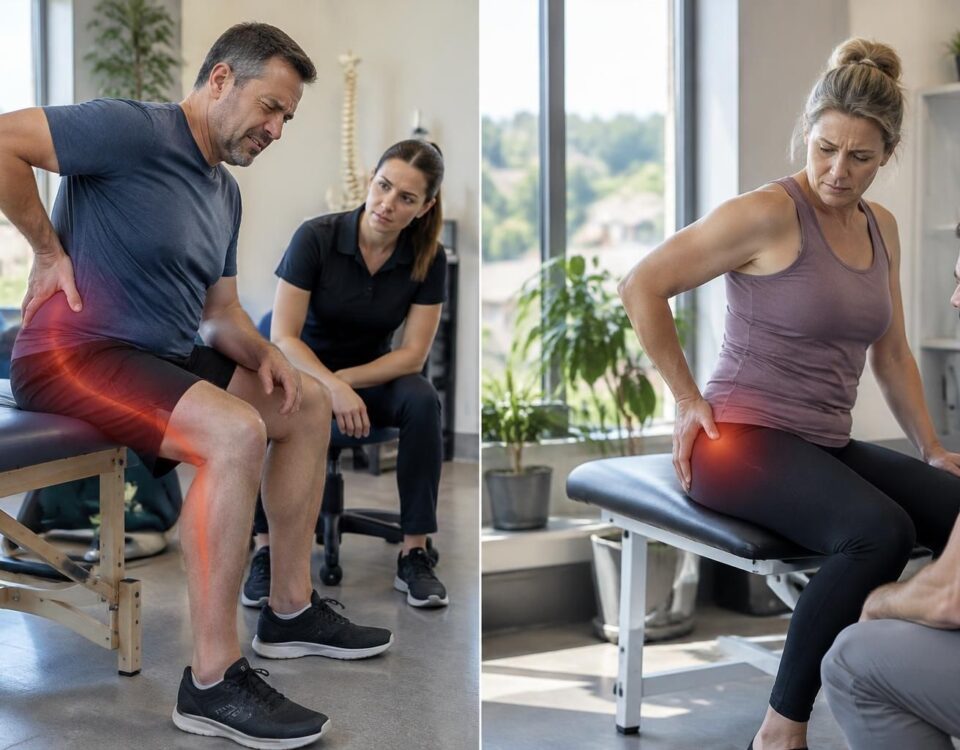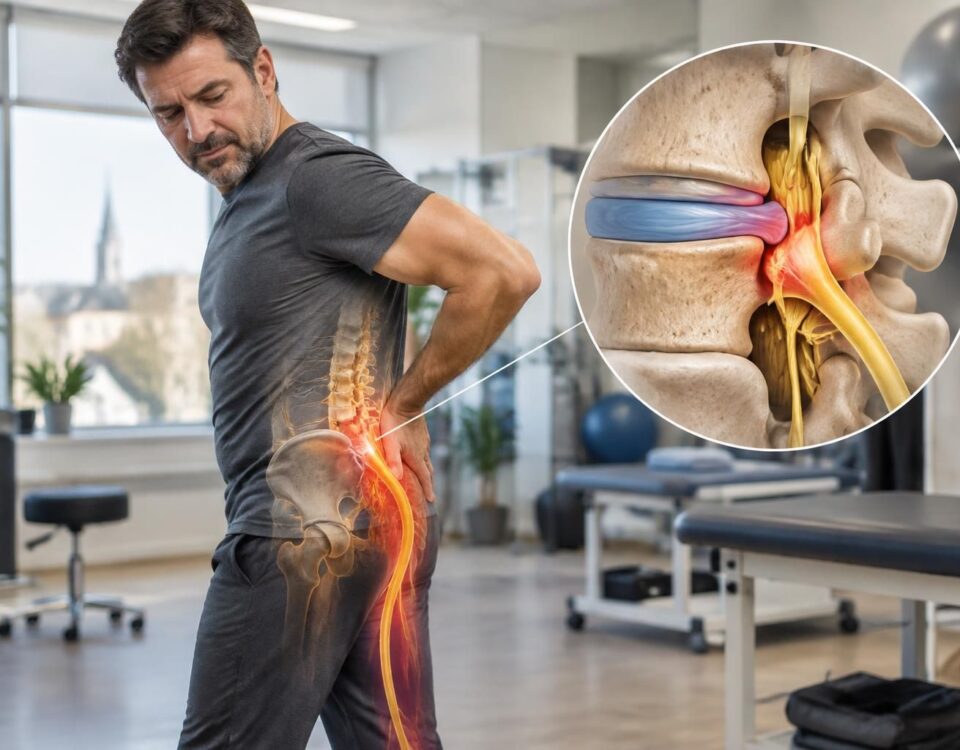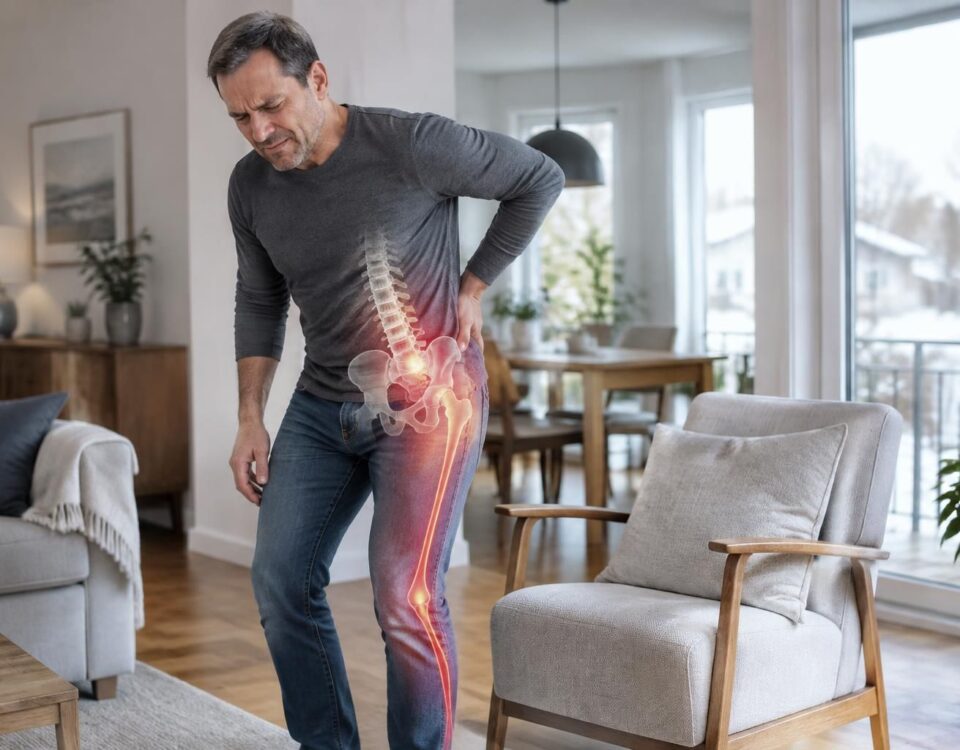
Sciatica Pain Treatment in Montreal: Gradual and Cautious Approach
10/07/2026
Foot pain without back pain: should we think about the back?
10/07/2026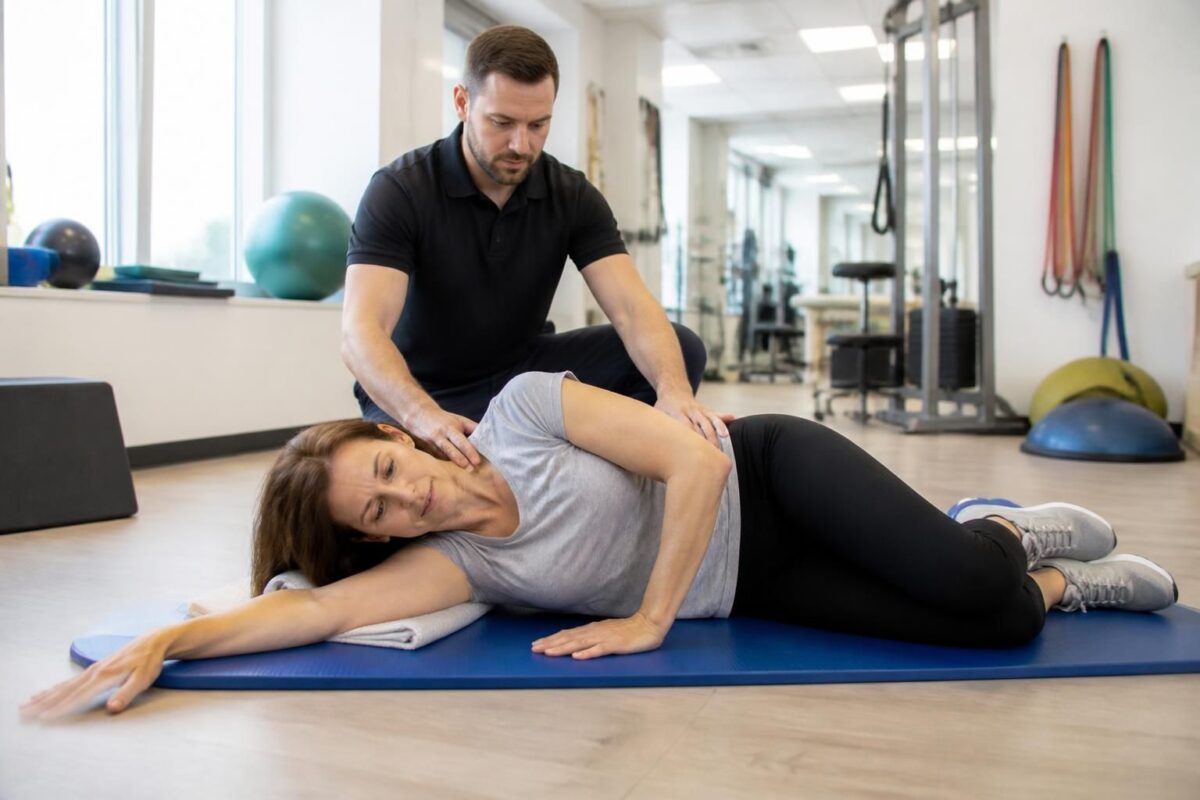
IN BRIEF
| The treatment of sciatic pain in Terrebonne is a gradual and cautious approach aimed at relieving pain and restoring mobility without immediate resort to surgery. It starts with a targeted evaluation and identification of common causes (disc, stenosis, nerve irritation), then prioritizes non-invasive measures such as rehabilitation, physiotherapy, osteopathy, and neurovertebral decompression, before considering more advanced options if necessary. Its main advantages: gradual relief, improvement of mobility, and prevention of recurrences, all adapted to the patient’s progress and daily life. Accessible in Terrebonne and surrounding areas, this pathway offers secure, personalized care focused on tangible and rapid results. |
Treatment of sciatic pain in Terrebonne: gradual and cautious approach. In our clinic, you benefit from a targeted evaluation to quickly screen for neurological signs and functional limitations. We primarily focus on conservative measures and tailored rehabilitation to relieve pain and restore mobility with the least possible risk. If necessary, specialized interventions, including neurovertebral decompression, may be considered as a complement to a personalized plan and multidisciplinary follow-up. The goal is to reduce pressure on the sciatic nerve, improve quality of life, and prevent recurrences without immediate resort to surgery.
This article presents a gradual and cautious approach to the Treatment of sciatic pain in Terrebonne. It describes how to assess, guide, and treat sciatic pain without immediate recourse to surgery, by prioritizing non-invasive methods tailored locally at the TAGMED Clinic. The aim is to improve quality of life while limiting risks and unnecessary interventions.
Evaluation and Safety
The sciatica manifests as pain that may radiate from the lower back to the leg. Warning signs require prompt medical evaluation. A thorough clinical evaluation allows for the identification of painful areas, sensations of tingling, and any motor weakness or loss of sensitivity. Imaging tests, such as an MRI or X-ray, may be indicated to specify the origin, such as a herniated disc or stenosis, and guide further treatment. For questions related to Terrebonne, local resources can guide the necessary caution before considering invasive treatments.
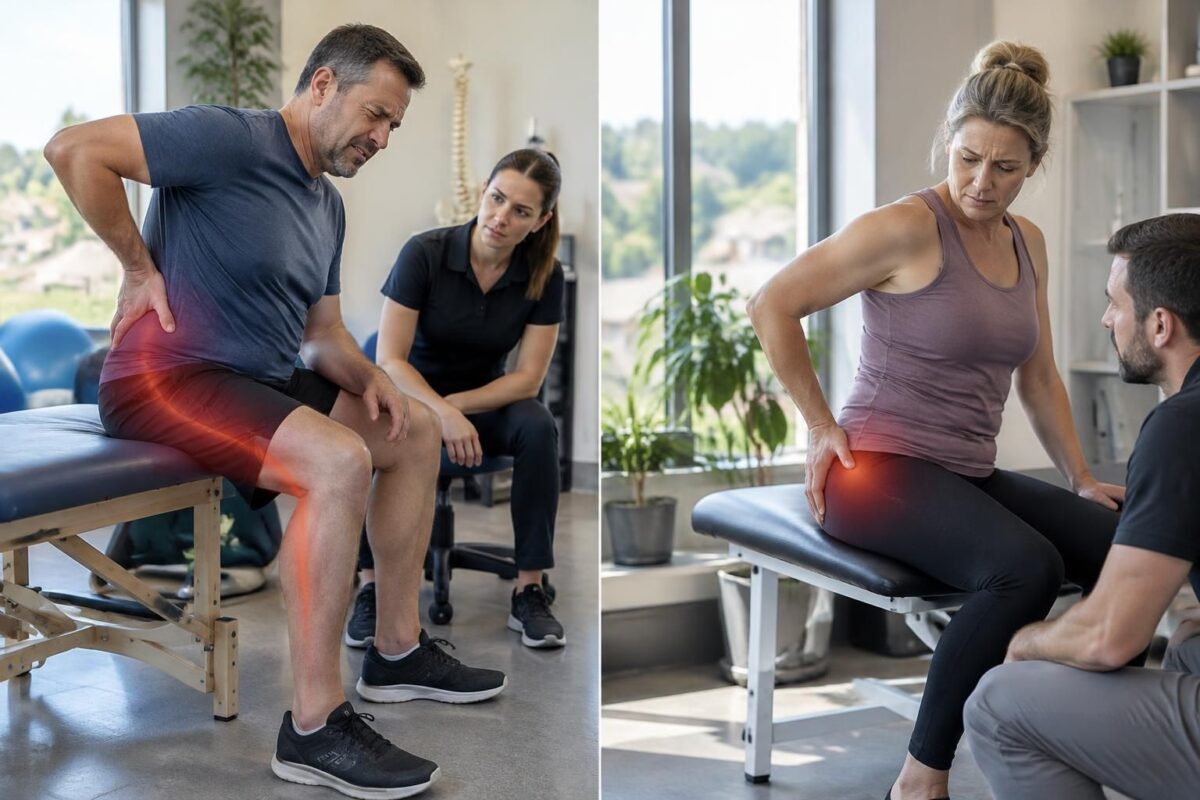
Sciatica in Terrebonne: radicular pain versus referred pain
IN BRIEF Sciatica refers to pain that radiates into the buttock and sometimes the leg. A radicular pain comes from the irritation of a nerve root and may be accompanied by tingling, numbness, or weakness; a referred pain spreads from…
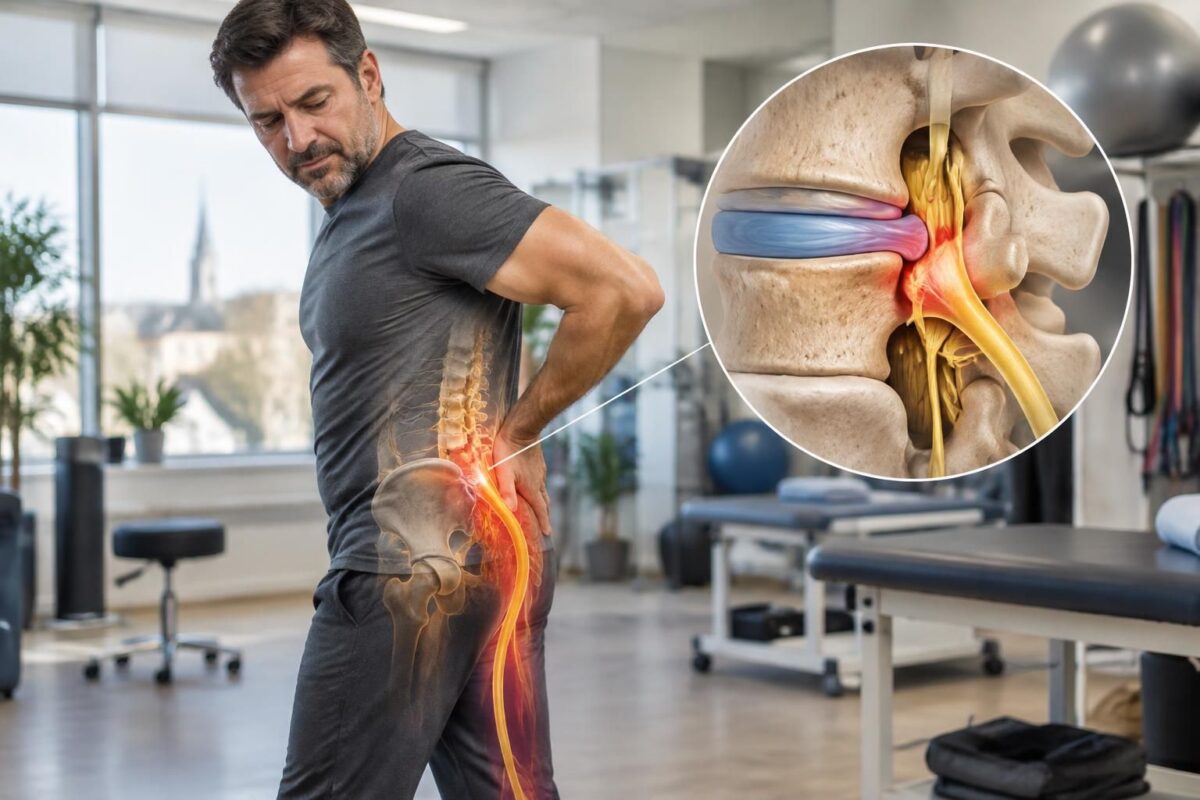
Sciatica in Terrebonne: nerve root, disc, and foramen explained simply
IN BRIEF Sciatica is pain that occurs when a nerve root in the lower back is irritated or compressed, sometimes by a disk or a narrowed foramen. Understanding these structures helps better locate the possible cause of symptoms and guide…
Gradual and Cautious Approach
Step 1: Assessment and Guidance
The first contact aims to determine whether rapid intervention is necessary or if a conservative approach may be effective. The evaluation focuses on neurological signs, functional limitations, and the intensity of the pain. In case of doubt, referral to the primary care physician is recommended. In the context of Terrebonne, it is possible to obtain a personalized evaluation that guides therapeutic choices and avoids inappropriate treatments.
Step 2: Conservative Treatments and Neurovertebral Decompression
A non-surgical approach is prioritized when symptoms allow. At the TAGMED Clinic, non-invasive treatments centered on neurovertebral decompression and specific osteopathy form the core of the action plan. Neurovertebral decompression is a motorized or manual technique aimed at reducing pressure on the nerves without resorting to surgery. The objective is to improve circulation and decrease symptoms while remaining vigilant regarding clinical evolution and the emergence of new or worsening symptoms. In this context, any use of specific exercises or stretches is avoided when dealing with clarified disc pathologies such as protrusion, bulging, or herniation, to avoid worsening the condition.
Care can also include postural advice and osteopathic adjustments aimed at body balance and optimizing overall mobility. For patients in Terrebonne, TAGMED offers local coordination and adapted resources, with a referral to complementary services when necessary.
Step 3: Follow-Up, Safety, and Prevention
The treatment plan is regularly re-evaluated. The goal is to achieve a lasting reduction in pain, a return to mobility, and prevention of recurrences. Multimodal monitoring is considered to adjust interventions based on evolution and any lifestyle-related risk factors, posture, and physical activity. The use of neurovertebral decompression or osteopathy is undertaken as part of a coordinated follow-up and in accordance with the best local practices.
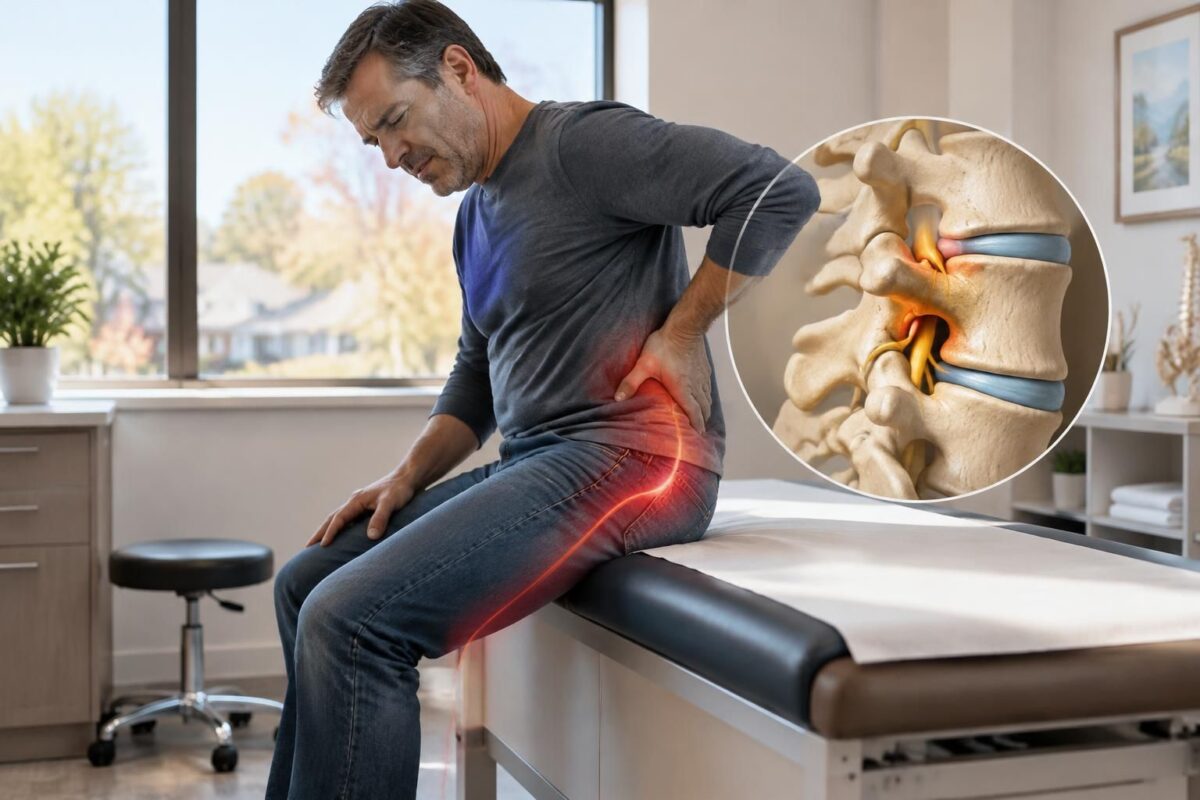
Sciatica in Terrebonne: understanding the L5-S1 foraminal compression
IN BRIEF The L5-S1 foraminal compression corresponds to a narrowing of the opening through which a nerve root passes, potentially contributing to sciatica. In Terrebonne, the assessment compares the side and course of the symptoms, neurological examination, imaging, and limited…
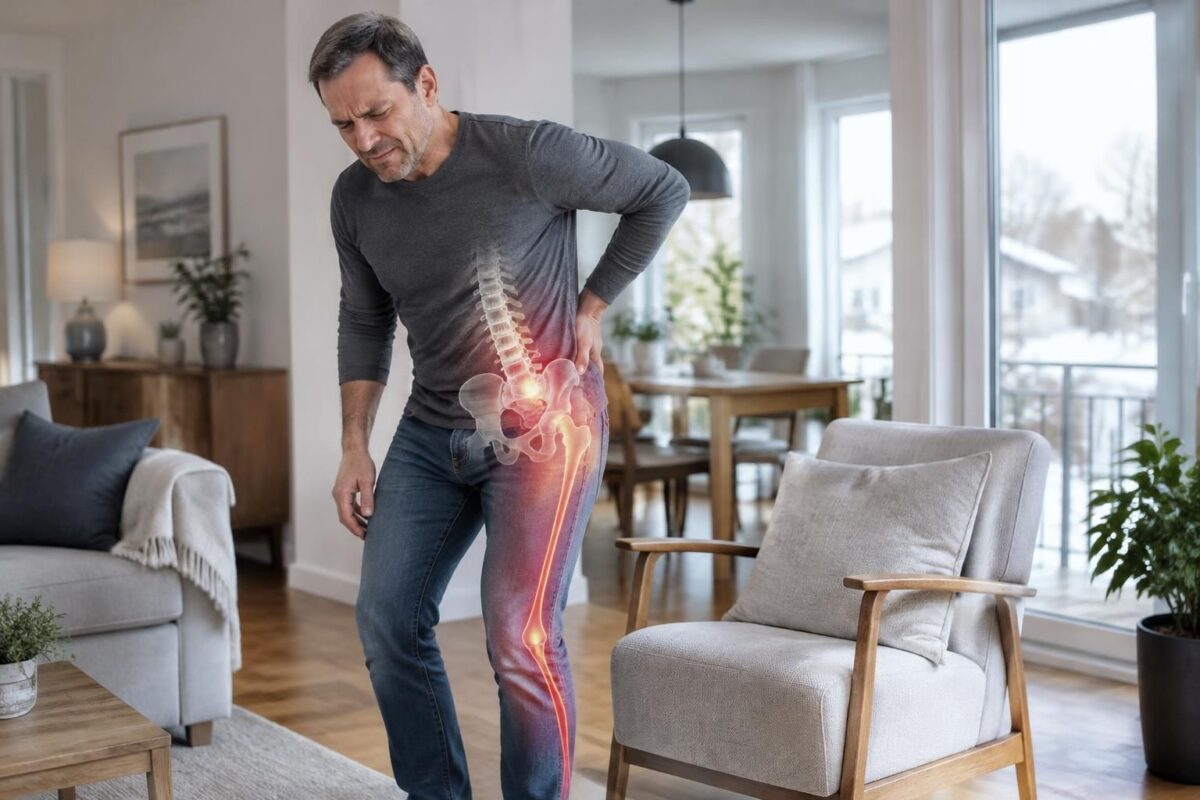
Sciatica in Terrebonne: why L5-S1 is often involved
IN BRIEF Sciatica corresponds to pain related to the irritation of a nerve root, which can extend from the buttock down to the leg. The L5-S1 level is often involved, as a disc herniation or irritation at this location can…
Roles of Professionals and Coordination
The diagnosis and care plan rest on a collaboration among TAGMED professionals. A clear initial evaluation helps distinguish situations that require prompt medical care from those that can be treated conservatively. The goal is functional recovery and lasting pain reduction without early recourse to surgery. For patients, open communication with the clinical team and adherence to warning signs allows for rapid reorientation of care if necessary. The clinic promotes a thoughtful and patient-centered approach, with non-surgical options clearly explained and discussed.
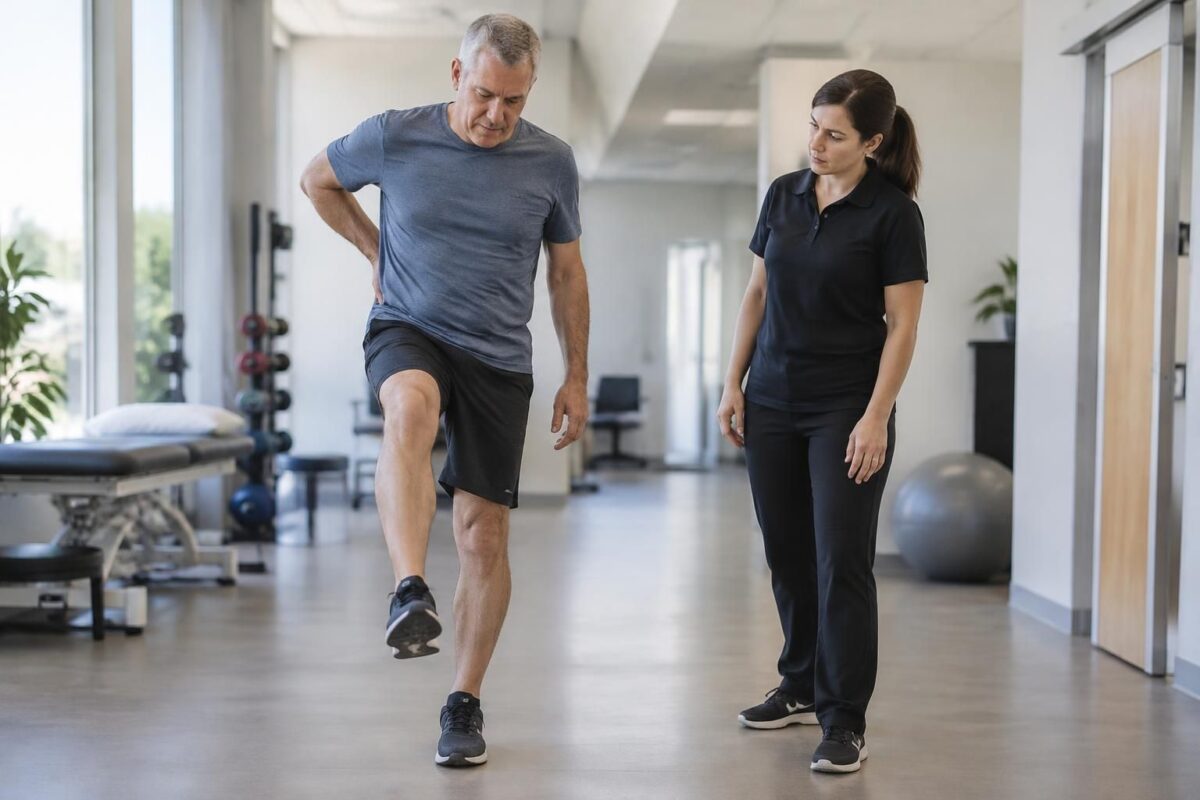
Sciatica in Terrebonne: L5 and difficulty lifting the foot
IN SHORT The L5 sciatica can cause pain or numbness on the side of the leg, the top of the foot, and the big toe, sometimes with difficulty lifting the foot. In Terrebonne, an evaluation compares strength, sensitivity, reflexes, and…
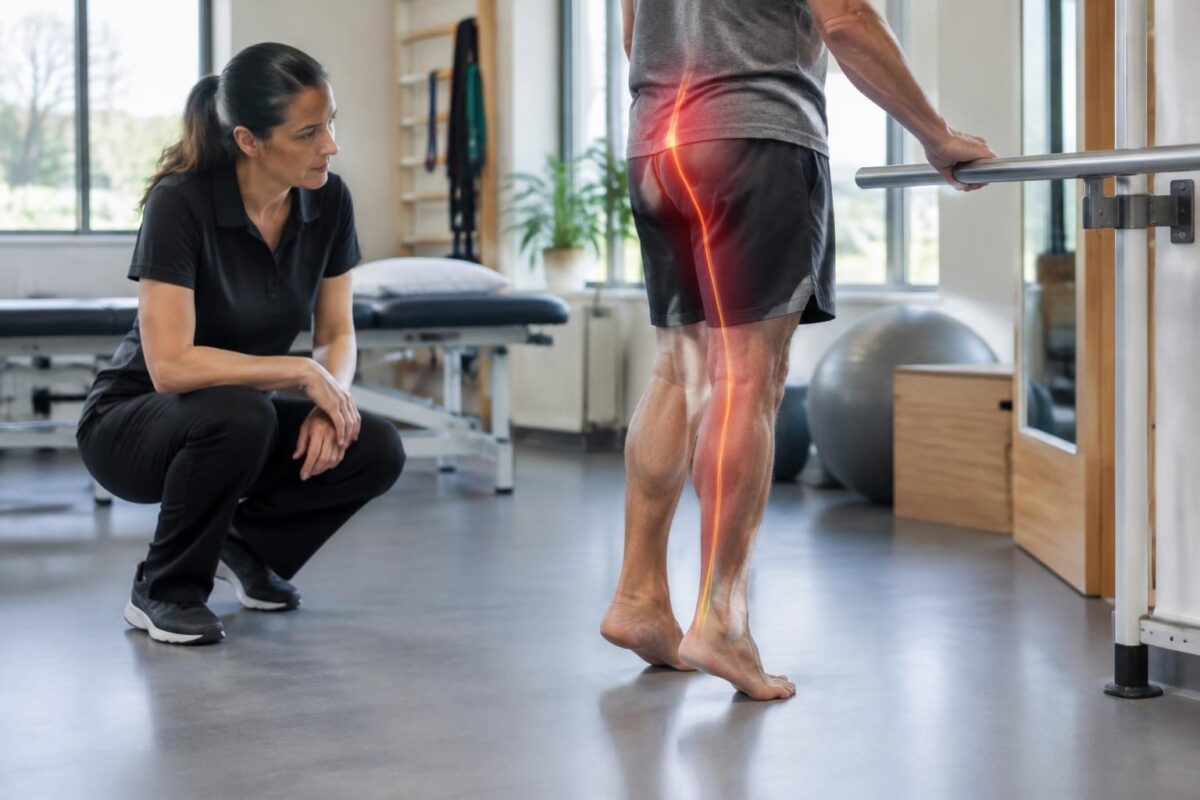
Sciatica in Terrebonne: S1 and difficulty standing on tiptoe
IN SHORT An S1 sciatica can irritate the nerve root associated with the calf and make it difficult to rise onto the balls of the feet. This sign should be evaluated with strength, sensitivity, reflexes, and walking: the pathway of…
Why Terrebonne and TAGMED
The Terrebonne region benefits from a localized and coordinated approach to sciatica. TAGMED offers care that prioritizes precise evaluation and effective non-surgical solutions. For quick orientation towards a personalized evaluation, it is helpful to consult the following resources and follow professional advice tailored to your situation:
For a rapid and cautious evaluation in Terrebonne, consult the available resources at sossciatique.com.
To learn more about the treatment of sciatica in Terrebonne or neurovertebral decompression, visit decompressionneurovertebrale.com and associated pages.
The initial steps and advice can also be consulted via Ameli and resources related to sciatica. For additional information and references, explore the links provided by recognized professional organizations and resources associated with TAGMED.
Resources and Useful Links
For additional information and non-surgical options, see:
- sossciatique.com – Non-surgical approach
- sossciatique.com – Foot or toe pain and sciatica
- sossciatique.com – Calf pain and sciatica
- centreevexia.com
- sossciatique.com – Telework and posture
For additional resources, you can also consult:
Medical Disclaimer: The information and advice provided on this site do not replace the opinion, diagnosis, or treatment of a healthcare professional. Please note that Dr. Sylvain Desforges, osteopath, is neither a medical doctor nor a physician, and is not a specialist in a medical specialty as defined by the Collège des médecins du Québec. Manual therapy, functional medicine, and sports medicine as described on this site exclude any medical treatment or diagnosis made by a physician or medical specialist. Always consult your doctor for any medical questions. For more details, please read our complete Legal Notice.
Column 1: Assessment and Safety
- Rapid assessment and triage of alert signs
- Signs to monitor: radiating pain, weakness, sphincter disorders
- Targeted imaging: MRI or X-ray as indicated
- Initial decision: prioritize non-surgical approaches
Column 2: Gradual and Cautious Approach
- Level 1: adapted activity, relative rest, and ergonomic advice
- Level 2: functional rehabilitation (physio/osteo) and targeted exercises
- Level 3: symptomatic treatments and medication planning
- Level 4: targeted interventions or injections if failure or neurological signs
- Follow-up: coordination among professionals and rehabilitation plan
- Resources Terrebonne: local orientation and rehabilitation programs

This article presents, for Terrebonne, a gradual and cautious approach to treating sciatica pain. It describes how to start with a clear assessment, prioritize non-invasive options, and progress to targeted interventions based on evolution, while ensuring safety and coordination among professionals. The goal is to quickly reduce pain while preserving function and posture, without resorting unnecessarily to surgery.
Initial Assessment and Orientation
In Terrebonne, the approach begins with a multimodal assessment focused on neurological signs, pain, and functional limitations. A triage is performed to distinguish acute symptoms from chronic disorders and identify red flags (loss of sensation or motor weakness, sphincter disorders, severe progressive pain). In case of doubt, a medical consultation is recommended to clarify the diagnosis and necessary additional examinations. This step determines the therapeutic path and avoids inappropriate treatments.
The first step aims to understand the potential origin of the sciatica pain (herniated disc, disc protrusion, or nerve irritation) and to estimate rehabilitation needs. The practitioner immediately specifies the short- and medium-term goals and reminds that the treatment is personalized and tailored to each resident of Terrebonne or nearby areas.
Gradual Approach to Treatment
Phase 1: Relief and Safety
In the first days to weeks, the focus is on pain relief and reducing efforts that worsen the pain. Simple self-care measures, ergonomic advice, and gentle exercises may be prescribed. The goal is to allow better tolerance for movement and to prevent exacerbations while avoiding unnecessary aggressive treatments.
Phase 2: Functional Rehabilitation
Once the pain is stabilized, functional rehabilitation takes over. The program targets strengthening deep muscles, stretching tendinous and muscular structures, and improving spinal mobility. Specific exercises for the trunk, hamstrings, and muscles around the pelvis help restore proper range and reduce nerve irritations in the long term. This phase emphasizes intelligent and tailored progression, with professional supervision to avoid overload.
Phase 3: Prevention and Maintenance
As the pain decreases, the focus shifts to preventing recurrences and maintaining a favorable posture. Measures for a healthy lifestyle, regular physical activity, and postural work are integrated into daily routines. The goal is to consolidate functional gains and reduce the risk of symptom resurgence, promoting an active and sustainable life in Terrebonne.
Multidisciplinary Treatment Plan
The coordination between physiotherapist, osteopath, and doctor is key. A personalized plan is developed, combining supervised exercises, targeted manual therapies, and ergonomic advice. This holistic approach allows for alignment of efforts with individual needs and regular evaluations to monitor progress and adjust the program accordingly.
Warning signs and when to consult
Symptoms such as significant loss of sensitivity, progressive motor weakness, unexplained nighttime pain, fever, or urinary/sphincter issues require prompt medical attention. In these situations, specialized evaluation is essential to rule out complications and guide toward the most appropriate treatment.
Practical advice and prevention
For effective management in Terrebonne, prioritize appropriate physical activity, progressive strengthening exercises, and constant attention to posture at work and during daily activities. Using local appointment platforms can facilitate access to trained and coordinated professionals, ensuring a harmonious and safe approach.
| Element | Concise description |
|---|---|
| Quick assessment | Direction towards conservative options with monitoring of emergency signs and planning of a graded approach. |
| Posture and Ergonomics | Improvement of alignment and reduction of local stress on the sciatic nerve. |
| Non-pharmacological approach | Simple exercises and advice to limit pain and promote movement. |
| Physiotherapy | Functional rehabilitation and mobility through guided exercises. |
| Osteopathy | Management of tensions and overall mobility as a complement. |
| Home exercises and progression | Progressive program to be followed at home with appropriate progression. |
| Neurovertebral decompression | Non-invasive option to reduce pressure on the nerve and promote recovery. |
| Coordination and follow-up | Regular multidisciplinary follow-up and adjustment of treatment to prevent recurrences. |
Testimonials on Sciatic Pain Treatment in Terrebonne: graded and cautious approach
“I had pain that started from the lower back and traveled along the leg. In Terrebonne, the team began with a clear assessment and implemented a graded and cautious approach. Each step allowed me to feel a progressive improvement without the risk of relapse.”
“The treatment plan was explained in detail: first, pain reduction, then progressive strengthening, and finally returning to my daily activities. Thanks to this measured approach, I regained my ability to walk and sit without pain.”
“I arrived with constant pain and a feeling of weakness in my leg. The team adjusted the program over the weeks, remaining attentive to my signals. This graded and cautious approach spared me surgery and allowed me to resume my activities without fear of worsening the situation.”
“The sessions were planned carefully and regularly reevaluated. The exercises were tailored, and the daily advice helped me modify my posture and movements. The result: a clear reduction in pain and better mobility.”
“After an initial phase of pain reduction, I was able to progress to more targeted exercises and gentle techniques. The weekly follow-up and minimal but effective adjustments made a difference, allowing me to avoid any surgical intervention.”
“This treatment in Terrebonne has gradually allowed me to regain a normal life. The team was transparent about the objectives, and each step was tailored to my progress and pain levels. A real success thanks to the graded and cautious approach.”
Dr Sylvain Desforges, an expert in osteopathy, naturopathy, and manual medicine, embodies a graded and cautious approach to treating sciatic pain in Terrebonne. His background, focused on innovation in healthcare and managing chronic pain, relies on a progressive approach that prioritizes non-invasive options tailored to each patient. In this perspective, each step aims to assess, correct, and support the overall function of the body to sustainably improve well-being.
The first step is based on a thorough assessment that takes into account pain reasons, potential neurological signs, and functional limitations. This step allows for distinguishing possible causes of sciatica, such as a herniated disc, foraminal narrowing, or muscle tensions. Thanks to this analysis, the therapeutic protocol is tailor-made and aligned with best clinical practices, while remaining non-invasive and evidence-based.
In the context of Terrebonne, treatment then proceeds through clear and consistent stages. The first stage prioritizes targeted osteopathic interventions, gentle mobilization techniques, and postural adjustments to reduce pressure on the sciatic nerve and improve overall mobility. When necessary, complementary non-surgical approaches such as motorized neurovertebral decompression and secure modalities can be integrated into the care plan. The goal remains to quickly relieve pain while fostering a controlled progression towards functional recovery.
The continuation of the journey is envisioned with functional rehabilitation and personalized exercises aimed at strengthening deep muscles, softening tissues, and improving spinal stability. This stage, supported by ergonomic advice and progressive programs, helps prevent recurrences and restore balanced posture. The role of osteopathy in this framework is to support joint mobility and harmonize myofascial tensions, while remaining compatible with other multidisciplinary approaches when the situation demands.
The security and respect for the patient guide every therapeutic decision. In the presence of neurological warning signs, loss of sensation, or progressive weakness, the clinical algorithm recommends additional medical evaluation in order to quickly refer to the appropriate care. This caution is the hallmark of the Terrebonne approach, which aims to avoid unnecessary interventions and prioritize effective conservative solutions.
At the heart of this approach, Dr. Sylvain Desforges’ team remains committed to providing evidence-based care to optimize health and well-being. By integrating the most relevant technologies and practices, it strives to enable each patient to regain an active and pain-free quality of life. For those seeking a graduated and secure management of sciatica, Terrebonne’s offering provides a clear, personalized, and results-oriented framework.
To learn more about its approach and available services, contact the TAGMED Clinic and discover how a graduated and cautious solution can transform your management of sciatic pain in Terrebonne.
This summary recaps a graduated and cautious approach to the treatment of sciatica pain in Terrebonne, prioritizing initial assessment, progressive rehabilitation, and interdisciplinary coordination to avoid premature recourse to surgery.
It underscores the importance of a patient-centered approach, combining non-invasive techniques, ergonomic advice, and appropriate medical follow-up, while remaining vigilant to signals that require more specialized care.
Summary and Guidelines
Graduated and cautious approach: the orientation begins with a comprehensive initial assessment, screening for warning signs, and defining a personalized plan that evolves through recovery to safely guide therapeutic decisions.
Step-by-step plan: phase 1 aims to reduce pain and inform the patient; phase 2 focuses on trunk muscle strengthening, improving mobility, and functional rehabilitation; phase 3 consolidates gains, improves posture, and implements lasting preventive measures.
Non-surgical options and coordination: non-invasive neurovertebral decompression, combined with physical therapy and osteopathy, can provide lasting relief without surgery. This interdisciplinary approach is specifically adapted to the context of Terrebonne.
Roles of professionals: the physical therapist and the osteopath assist with rehabilitation, mobility, and prevention, while the physician ensures medical follow-up, additional examinations, and pharmacological adjustments if necessary.
Resources and practical guidelines: to delve deeper into options and approaches, several public and professional resources offer clear guides on sciatica and its treatments, including dedicated pages on sciatica and osteopathy. For example, you can consult resources on medical treatments, distinctions between lumbar and nerve pain, and the potential benefits of osteopathy in this context.
Warning signs and urgency: in the presence of loss of sensation, motor weakness, significant progressive pain, or fever, you should promptly consult a physician or go to the emergency room. Examinations such as MRI or X-ray may be considered to clarify the origin and guide treatment.
Practical organization and next steps: prioritize an early consultation to distinguish lumbar disc pain from nerve pain, then establish a precise roadmap with measurable objectives to facilitate a quick return to activity and prevent recurrences.
Complementary resources and useful links: to delve deeper into the various aspects of treatment and prevention, feel free to consult the following resources: Passeports Santé – Treating Sciatica, Sciatica or Hip Pain, The Benefits of Osteopathy for Treating Sciatic Pain, TAGMED Clinic – Sciatica, The Sciatica Solution.

Sciatica in Terrebonne: L4-L5 and pain towards the top of the foot
IN BRIEF A L4-L5 sciatica can radiate to the outer side of the leg and the top of the foot, sometimes reaching the big toe. This pathway can guide the assessment, though it does not suffice to confirm the cause:…

Sciatica in Terrebonne: L5-S1 and symptoms in the calf
IN BRIEF A L5-S1 sciatica can cause pain that radiates down the calf, sometimes accompanied by tingling, numbness, or weakness. At Terrebonne, an assessment at the TAGMED Clinic helps to examine the symptom pathways, strength, and sensitivity, and then discuss…

Dr Sylvain Desforges, B.Sc., D.O., N.D., osteopath, is the founding president of TAGMED and of the ACMA association. He dedicates his practice to chronic spinal pain, low back pain and symptoms compatible with sciatica, particularly when pain radiates toward the buttock, leg, calf, foot or toes.
Through SOS Sciatique, he publishes educational content on sciatica symptoms, possible causes such as disc herniation, disc narrowing, foraminal stenosis or irritation of a lumbar nerve root, as well as non-surgical approaches that may be considered according to the evaluation. At Clinique TAGMED, care may include, depending on the case, motorized neurovertebral decompression, specific osteopathic care or precision percussion.
For an evaluation related to sciatica treatment in Montreal / Mount Royal or sciatica treatment in Terrebonne, please consult the services available at Clinique TAGMED.
Medical disclaimer
The information published on SOS Sciatique is provided for educational purposes only and does not replace a consultation, diagnosis, opinion or treatment provided by a physician or another authorized healthcare professional. The author of this article is neither a medical doctor nor a specialist in a medical specialty recognized by the Collège des médecins du Québec. The osteopathic, manual medicine or functional support approaches described on this site do not constitute medical acts and are not intended to replace medical follow-up.
Consult a physician or emergency service in cases of loss of bladder or bowel control, anesthesia in the saddle area, significant or progressive weakness in the leg or foot, fever, recent trauma, severe pain or rapid worsening of symptoms. For more details, please read our Legal Notice.