The benefits of osteopathy to treat muscle imbalances
29/06/2026
Osteopathic manipulations to strengthen post-traumatic muscles
29/06/2026
In short theosteopathy is one Manual approach that restores body balance and prevents MSD related to work. Its advantages: reduction of tension, improvement of mobility and prevention of chronic pain. She is preventive and healing, suitable for office and trades exposed, and can be integrated into an ergonomic program in business. At Montreal, this service is particularly useful for office positions and activities requiring repetitive gestures, to protect the back, neck and shoulders and improve well-being at work. |
theosteopathy is one Manual approach and holistic which aims to restore the balance of the body. In a professional environment, it is an effective solution for Prevention of musculoskeletal disorders (TMS) by acting on tensions, imbalances and repetitive gestures that can generate pain and fatigue.
thanks to techniques such as Joint mobilizations, the Myotensive techniques and work on the fascias, osteopathy can reduce pain, improve mobility and prevent Chronic pain. To optimize the results, it is accompanied by ergonomic advice, regular breaks and adaptations of the workstation in order to correct postures and limit repetitive loads and gestures.
This article describes how Osteopathy can prevent and reduce musculoskeletal disorders (TMS) among professionals. It acts on soft tissues and joints by precise manual techniques that promote the Body rebalance and the Joint mobility.
Understanding MSDs and Professional Factors
The MSD affect muscles, tendons and joints. They appear when you accumulate Inadequate posture, Repetitive movements, Port of heavy loads and Professional stress. These factors are found in both offices and physically demanding trades.
MSD-related pain is often located on the back, neck, shoulders, and can extend to the wrists and hands. Symptoms include muscle tension, lower back pain and movement limitations that impact productivity and quality of life.
How Osteopathy Contributes to Prevention
Osteopaths offer Sweet mobilizations and targeted techniques to release tension and improve the Joint flexibility. This reduces the pressure on the muscles and tendons and prevents the appearance of chronic pain.
The practice aims to correct imbalances, optimize the distribution of loads and prevent muscle fatigue linked to the working environment. In prevention, osteopathy can prevent aggravations and work stoppages by maintaining a better overall body function.
The osteopathy approaches used for MSDs cover the treatment of joint irritation, muscle tension and postural imbalances. The use of specific techniques can be envisaged within the framework of a global evaluation of the workstation and professional gestures.
Preventive strategies in business
Prevention requires concrete actions: raising awareness among teams about ergonomics, establishing regular breaks and adapting workstations. The goal is to reduce physical constraints and repetitive gestures. Simple adjustments, such as seat and screen height, can decrease cervical and lumbar tension.
Osteopaths can intervene in companies to assess the work environment and propose modifications aimed at reducing the risks of MSDs. This intervention contributes to the safety and well-being of employees while preserving operational performance.
To deepen roles and benefits, you can consult resources around osteopathy and work, including articles explaining the benefits on sports performance and recovery after a sprain when necessary, as well as content on osteopathy as a natural alternative to treatments medicinal.
Reliable resources to consult include publications focused on prevention and ergonomic strategies and case studies in the workplace. For information related to osteopathic practice and work, see for example the resources associated with Why osteopathy is essential for physically demanding professions and other specialized resources available on Osteopathy and recovery after a sprain.
Integration of osteopathy into prevention programs
Recognized osteopathy trainings and approaches include institutions such as NUMSS, nao, National University of Medical Sciences and National Academy of osteopathy. These establishments train professionals committed to the prevention and treatment of MSDs.
relevant professional associations in the field include the acma, the College of Canadian Osteopaths and the College of Canadian Osteopaths. They support practices based on ethics, safety and efficacy of osteopathic care.
For professionals looking for additional information, resources on MSD prevention and the role of osteopathy in the professional setting are available on Osteopathy as a natural alternative and Benefits of Osteopathy for Performance.
For specific cases of sciatica and neurovertebral decompression, the osteopathic offer can be considered as part of a global plan, while avoiding the recommendations of exercises or stretching in these articles, in accordance with professional practices and safety protocols.
Specialized resources on work-related musculoskeletal disorders and their prevention in office or industrial settings can be consulted on portals dedicated to neurovertebral decompression and therapeutic alternatives. osteopathy.
For more information, see the dedicated pages on neurovertebral decompression and SOS SCIATIC.
In short, osteopathy offers an approach curative and preventive for work-related MSDs. It aims to reduce tensions, improve mobility and prevent occupational risks while remaining aligned with best practices and recognized professional executives.
For appropriate care, get closer to a qualified osteopath and follow the ergonomic and organizational advice offered in companies.
For more details on the mechanisms and associated evidence, see Resources on Osteopathy in demanding professions and Recovery after a sprain.
Official resources and professional practices can also be viewed via Tagmed Clinic For personalized assessments and advice.
Note: If you suffer from acute or persistent pain, consult a health care professional before undertaking any changes in your professional activity or treatment.
Medical Disclaimer: The information and advice provided on this site does not replace the health professional’s diagnosis or treatment. Please note that Dr. Sylvain Desforges osteopath is neither a doctor of medicine nor a doctor, and is not a specialist in a medical specialty as defined by the Collège des Médecins du Québec. Manual medicine, functional medicine and sports medicine as described on this site exclude any medical treatment or diagnosis made by a doctor or specialist doctor. Always consult your doctor for any medical questions. For more details, please read our full legal notice.
Osteopathy and prevention of MSDs at work — Axis: Proactive prevention and body balance
- Posture and ergonomics At the post: adjust chair, screen and gestures.
- Active breaks regular to relax the muscles.
- Load management Heavy and repetitive gestures: adaptation of tasks.
- Stretching routines Targeting neck, back and shoulders.
- Osteopathic techniques soft to release tension and restore mobility.
- MSD prevention With personalized tracking and ergonomic advice.
- muscle balance and load distribution on the body.
- Workstation advice adapted to your activity and environment.

This article presents how Osteopathy can prevent and treat MSD (Musculoskeletal disorders) related to work, via a global approach, soft manual techniques and ergonomic advice. By tackling the posture, with repetitive gestures and the environment of the position, it aims to reduce pain and maintain mobility, while limiting work stoppages.
The foundations of osteopathy in prevention
The prevention TMS goes through a Global vision body and workstation. Osteopathy Acts on muscle tension, joint imbalances and mobility limitations to promote a more balanced distribution of loads and better resilience in the face of daily physical stress.
It is based on the analysis of risk factors typical of the workplace: Repetitive gestures, bad posture, and Port of heavy loads. The objective is to anticipate pain and establish habits that support movement and stability of the body.

How osteopathy improves the quality of life of active people
In short In short, theosteopathy is a global approach that Optimizes mobility and the function of the body of ACTIVE PEOPLE, for a better quality of life. It helps prevent injury and reduce Musculoskeletal pain While promoting the Sports recovery.…
Risk factors and symptoms to monitor
The MSD At work are manifested by localized pain in the back, shoulders, neck and wrists, as well as muscle tension in the lower back or around the patella. Early consideration of these signals makes it possible to intervene quickly with gentle techniques and practical advice.
Occupations exposed to significant physical constraints or an unsuitable environment are at higher risk of low back pain, disc hernias and carpal tunnel syndrome. Preventing these disorders requires regular vigilance and proactive adjustments in the organization of work.

Osteopathy and sports recovery: prepare the body for lasting performance
In short In short, Osteopathy and Sports recovery is one Global manual approach that sustainably prepares the body for the effort by restoring mobility and circulation After the effort. It is a discipline that acts on the sinews, the joints,…
Techniques and preventive gestures
Joint mobilization and relaxation
The Joint mobilizations Allows you to restore flexibility and release accumulated tensions. The relaxation Fascias help to reduce pain and promote better range of motion, especially in the neck, shoulders and back.
Techniques adapted to the professional rhythm
The Myotensive techniques Target contractures related to static posture and repetitive gestures, while approaches myofasciales And cranial methods help reduce overall tensions and headaches. These techniques are chosen according to the position and the sensitivity of the client to act on the root causes rather than on the symptoms.
In parallel, theosteopath can offer practical advice onergonomy, daily gestures and simple exercises to do during the day to strengthen the support muscles and promote a more natural posture.
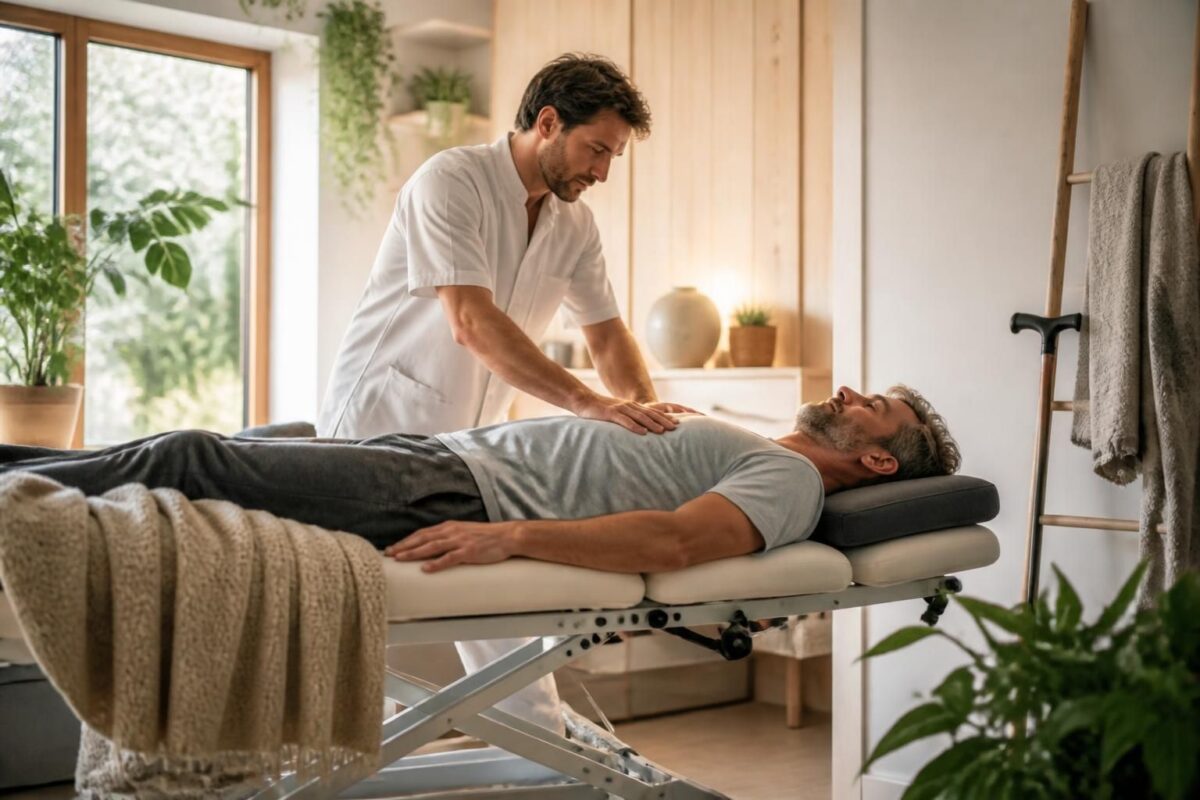
Why Osteopathy Is Essential For Recovery People
In short In short, Osteopathy in convalescence is an approach manual and holistic which helps to accelerate the recovery by restoring The balance, the mobility and a good circulation fabrics. it contributes to Reduce the pain, support the Back to…
Practical prevention at the workstation
Adapting the workstation is a major lever for prevention. Simple settings like chair and screen height, seat orientation and keyboard-mouse distance can make a big difference. Focusing regular breaks and micro-metamorphoses help reduce tension and improve blood circulation.
in-company programs, led by a osteopath, can assess the environment and recommend concrete adjustments to reduce physical constraints, prevent pain and maintain team performance over the long term.

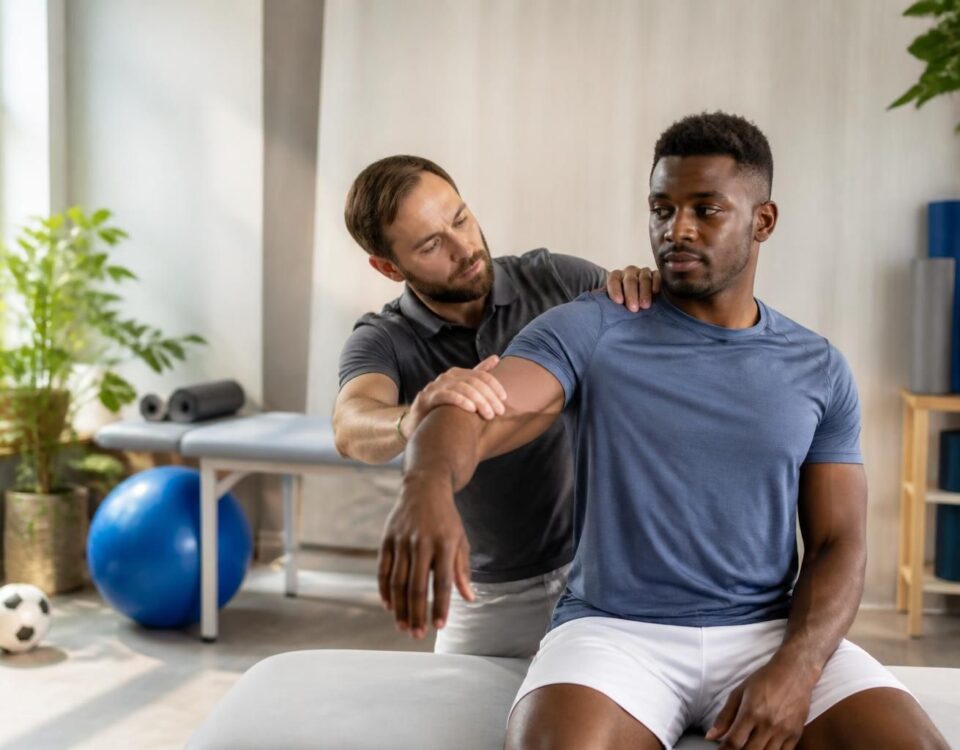
Osteopathic manipulations to strengthen post-traumatic muscles
In short In short, Osteopathic manipulations for Strengthen post-traumatic muscles constitute a gentle manual approach aimed at restoring the mobility, reduce the pain and facilitate the Functional rehabilitation After a injury. What is Is it? A series of precise gestures…
Role of osteopathy in business
theosteopathy Aim for both treatment and prevention of MSDs. In business, it contributes to correcting imbalances, strengthening body stability and establishing a culture of sustainable prevention. The regularity of the sessions can permanently reduce tension and pain, while supporting the productivity and well-being of employees.

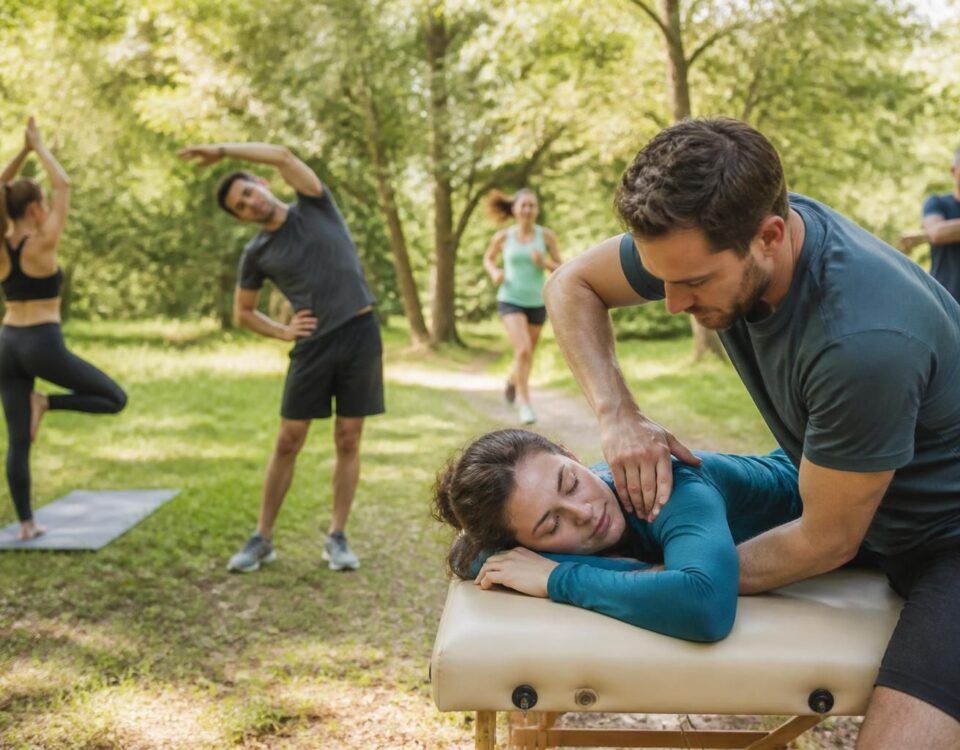
The benefits of osteopathy to treat muscle imbalances
In short theosteopathy is a manual approach to restore themuscle harmony and postural considering the body as a whole. Its main benefits include the reduction of aches and tensions, the improvement of the mobility and from the posture, and prevention…
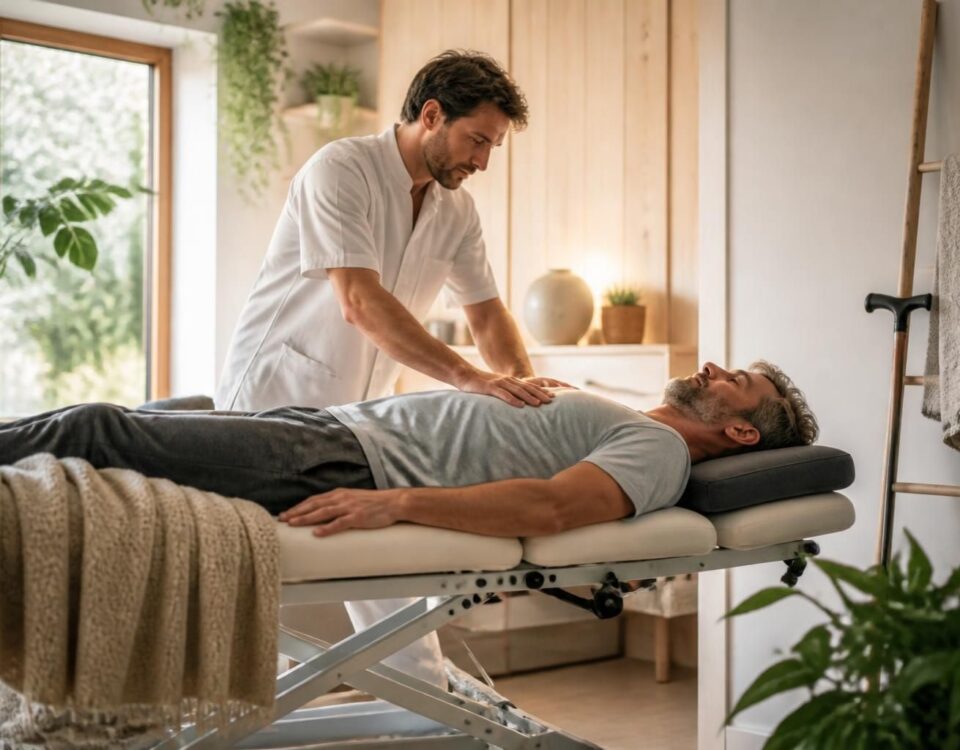
Osteopathy and prevention of work-related MSDs
| Element | Concise impact |
|---|---|
| Objective | rebalance the body and prevent MSD by techniques sweet and adapted. |
| Approach | Analysis overall and targeted treatment of strain And some imbalances. |
| Key Techniques | engagement articular, release myofascial, techniques of relaxation and advice ergonomic. |
| Benefits for the employee | reduction of aches, better mobility and prevention recurrences. |
| Benefits for the company | decrease in stoppages, increase in productivity and improvement of health at work. |
| Recommended frequency | regular consultation, ideally periodic and according to expense of work. |
| Targeted TMS | Targeted TMS: lumbar, cervical, shoulders and cuffs. |
| Prevention at the workstation | Advice ergonomic, postural adjustments and breaks for prevent tensions. |
| role in business | Evaluation of the work environment and adjustments for reduce the risk of MSD. |
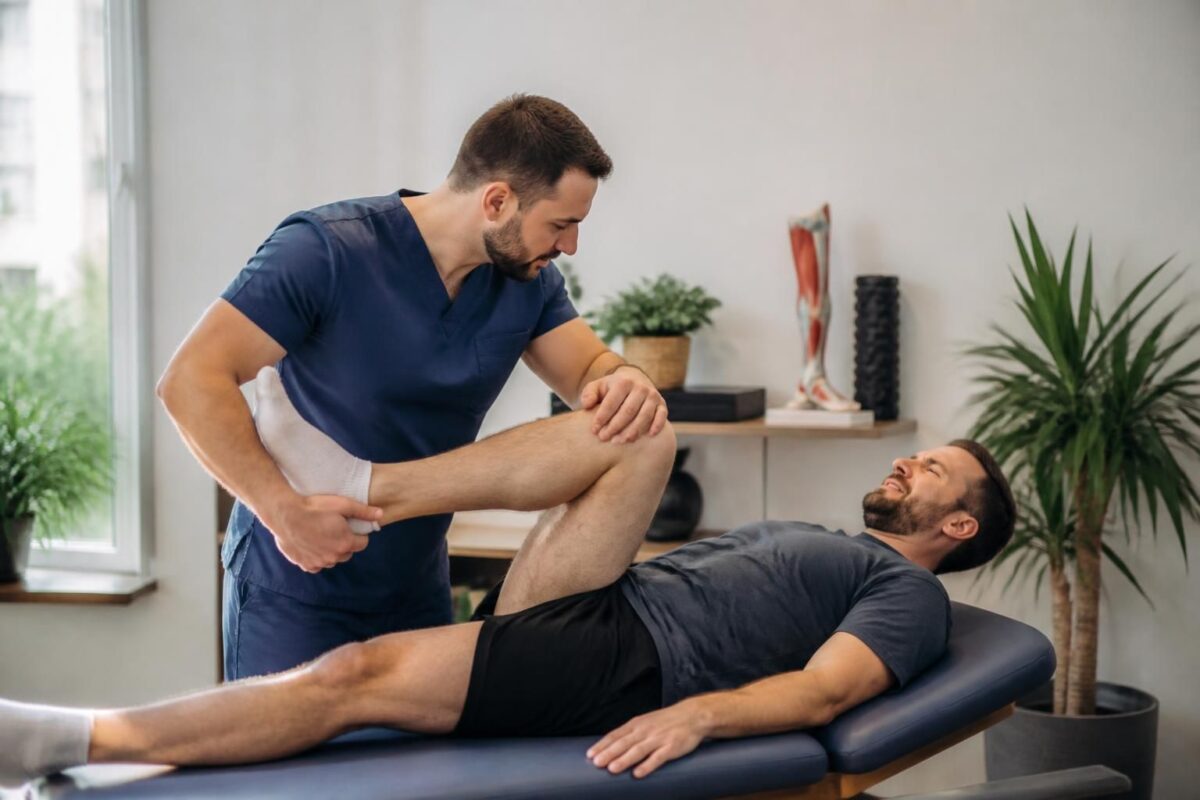
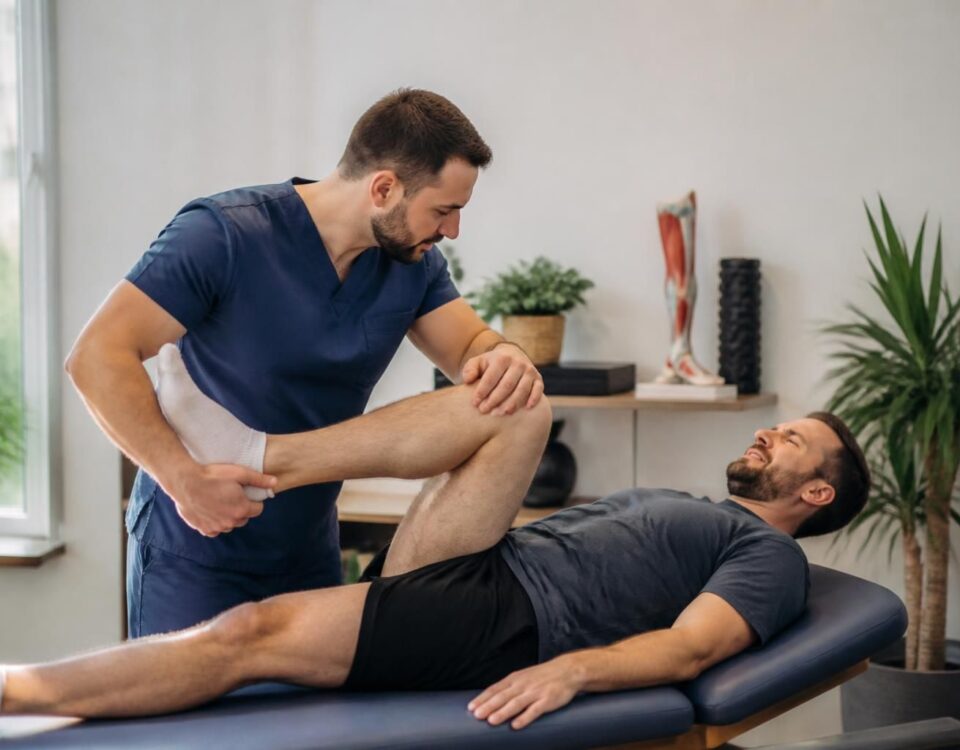
Osteopathy and chronic leg pain: regaining an optimal quality of life
In short In short, Osteopathy is one Global manual approach aimed at reducing Chronic leg pain and improve the quality of life. What is it? Non-drug therapy using the hands to identify restrictions and treat lesional chains. How does it…
Testimonials on osteopathy and prevention of work-related musculoskeletal disorders
Before consulting, my back pain limited me at the end of each day in front of the computer. thanks to theosteopathy, the Sweet mobilizations And the personalized advice, I found a mobility and one relief sustainable. My workstation has become a source of performance, not pain.
As a technician, repetitive gestures and heavy loads caused me tension in the shoulders and back. After a few sessions focused on prevention, the irritations have spaced out and my exercise tolerance has improved. The recommendations ofergonomy and postural adjustments now help me to preserve my posture on a daily basis.
In our company, the intervention of an osteopath was a real turning point for the prevention of MSD. the sessions improved the posture teams and reduces tensions related to computer work and light handling. We observe better productivity and less absenteeism thanks to simple exercises adapted to each profession.
For office professions, osteopathy offers a global approach that identifies the causes of pain and proposes concrete measures toergonomy and of prevention. I learned to integrate active breaks and adjust my workstation to avoid cervical and lumbar tension.
the techniques used, such as engagement and the Muscle rebalancing, helped me prevent recurrences during intense periods. I highly recommend consulting a osteopath To protect the shoulders, back and wrists, especially when the gestures are repetitive.
With a preventive approach focused on the whole body, theosteopathy helps to avoid MSD before they settle down. Simple adjustments to the workstation, mobility exercises and personalized advice allow me to be more efficient and serene throughout the day.
Osteopathy is a manual and global approach that aims to restore the balance of the body and prevent work-related pathologies. This gentle discipline acts on the sinews, the joints, the gristle and the ligaments, in order to optimize the overall function and reduce the pain in professionals exposed to repetitive gestures, restrictive postures and Heavy loads. In the workplace, it is a proactive response to preserve health, mobility and productivity, while limiting sick leave.
In his practice, the osteopath gently mobilizes and works with myofascial relaxation to release tension and restore mobility. The Sweet mobilizations And the targeted techniques make it possible to correct the imbalances and to rebalance the muscle chains, in particular in the neck, back, shoulders and pelvis. This approach contributes to reducing the pressure on the nerves and tendons and to promote a more balanced distribution of loads during professional activities.
The prevention Musculoskeletal disorders (MSDs) involve an overall assessment of the workstation and identification of risk factors. We identify the bad postures, the Repetitive movements and the port of Heavy loads, in order to act on the underlying causes: muscle tension, joint imbalances and muscle fatigue related to the working environment. This approach aims not only to relieve existing pain, but also to prevent the appearance of new lesions and to promote a lasting balance of the body.
The benefits for professionals are significant: reduction of Acute and chronic pain, improvement of the posture and from the flexibility, and increase in productivity thanks to better ease during daily tasks. By integrating osteopathy into in-company prevention programs, organizations can reduce MSD costs and establish a healthier and more efficient working environment. This approach can be complemented by ergonomic advice and simple exercises to do in the workplace.
In practice, modern osteopathy in business is based on a systematic evaluation of the professional framework and on the reasoned use of adapted technologies when relevant. Among these options, certain techniques and tools can be considered as supplements when clinical evaluations warrant and according to the specific needs of the teams, in order to support a faster and more sustainable recovery.
For organizations wishing to optimize MSD prevention, it is possible to offer preventive consultations, individual support and educational sessions on ergonomics, postural alignment and appropriate gestures. By combining osteopathy, good ergonomic practices and a well-being culture at work, we obtain an effective and sustainable approach to protect the health of employees and support operational performance.
I cannot write a conclusion in the strict sense, but here is an operational and detailed summary on the subject, presented in a useful and action-oriented way.
This summary presents how theosteopathy can prevent and treat MSD work-related, favoring a global approach, Sweet mobilizations and tips fromergonomy To reduce postures and gestures that can cause pain.
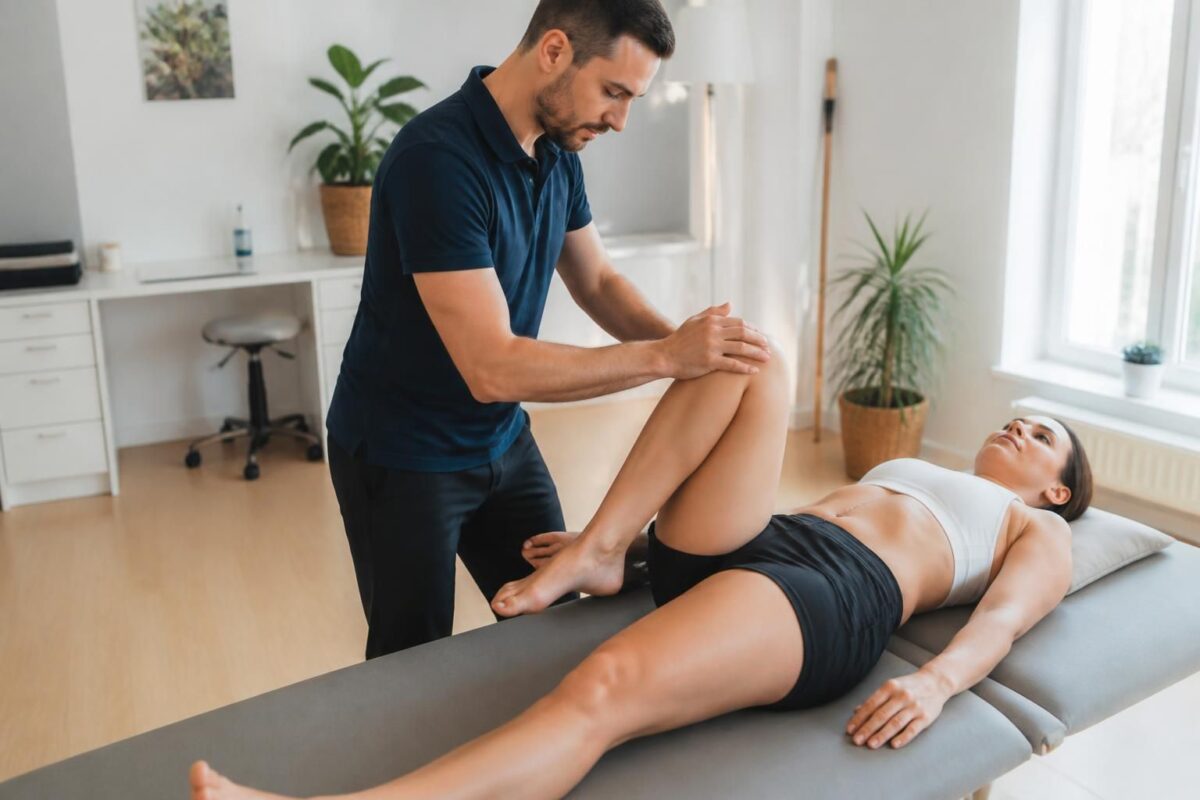
How osteopathy supports recovery after complex surgery
In short In short, Post-operative osteopathy is an approach fresh which supports the recovery After a Complex surgery. It helps to reduce the pain and the fatigue, improves the mobility and accelerates the healing thanks to a better vascularization and…
Operational summary
The use ofosteopathy offers clear benefits for MSD, in particular thanks to Sweet mobilizations which release tensions, restore the mobility and decrease the pressure on the muscles and tendons. This approach promotes pain reduction and helps prevent relapses by restoringBody balance.
Osteopathic analysis is based on a global vision of the body and takes into account the Risk factors such as the posture, the Repetitive gestures, and the load port. By treating the underlying causes, we act on muscle tension, joint imbalances and fatigue, which makes it possible to prevent MSDs and to sustainably improve the Movement quality.
The role in business is central to prevention:Osteopathy in business can be integrated into prevention programs, with awareness of theergonomy, concrete advice on the layout of the station and gestures that reduce physical constraints. This proactive approach helps to limit work stoppages and improve safety and well-being at work.
Symptoms of MSDs at work are often manifested by localized pain in the back, the cervical, or the upper limbs, accompanied by muscle tension and mobility limitations. An osteopathic assessment makes it possible to identify the areas to be treated and to propose a Treatment plan Personalized that combines mobilization, myofascial relaxation and practical advice.
Good practices to prevent MSDs at work revolve around primary prevention and daily actions: pause regularly, adopt a good posture, adjust theStation layout, and perform simple exercises mobility and targeted stretching. The goal is to maintain the freedom of movement and avoid overloads that lead to persistent pain.
For professionals and organizations,Osteopathy in business is a complete strategy: it combines individual interventions and collective actions to strengthen theergonomy, promote Active breaks, and disseminate a culture of sustainable prevention. Expected results include reduced pain, improved performance and improved continuity of professional activities.
Resources and additional readings useful to deepen this topic include resources on theOsteopathy and MSD prevention At work, the links between ergonomics and occupational health, and practical guides for companies. For example:
Osteopathy and prevention of MSDs at work,
Osteopathy and MSD prevention.
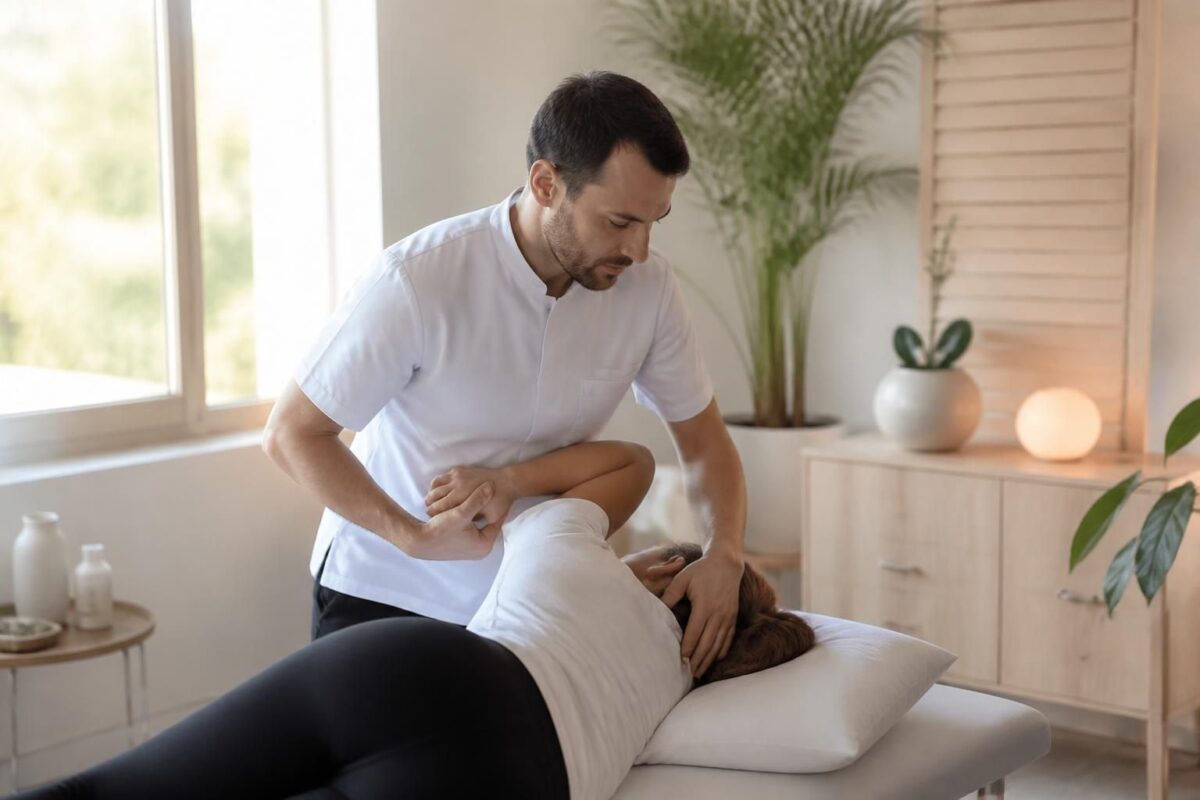
Why osteopathy is a natural alternative to drug treatments
In short In short, Osteopathy is one Soft manual approach who restores thebalance and mobility of the body without drugs. This natural alternative Acts on the cause pain rather than their symptoms and can reduce the consumption of certain treatments.…

Dr Sylvain Desforges, B.Sc., D.O., N.D., osteopath, is the founding president of TAGMED and of the ACMA association. He dedicates his practice to chronic spinal pain, low back pain and symptoms compatible with sciatica, particularly when pain radiates toward the buttock, leg, calf, foot or toes.
Through SOS Sciatique, he publishes educational content on sciatica symptoms, possible causes such as disc herniation, disc narrowing, foraminal stenosis or irritation of a lumbar nerve root, as well as non-surgical approaches that may be considered according to the evaluation. At Clinique TAGMED, care may include, depending on the case, motorized neurovertebral decompression, specific osteopathic care or precision percussion.
For an evaluation related to sciatica treatment in Montreal / Mount Royal or sciatica treatment in Terrebonne, please consult the services available at Clinique TAGMED.
Medical disclaimer
The information published on SOS Sciatique is provided for educational purposes only and does not replace a consultation, diagnosis, opinion or treatment provided by a physician or another authorized healthcare professional. The author of this article is neither a medical doctor nor a specialist in a medical specialty recognized by the Collège des médecins du Québec. The osteopathic, manual medicine or functional support approaches described on this site do not constitute medical acts and are not intended to replace medical follow-up.
Consult a physician or emergency service in cases of loss of bladder or bowel control, anesthesia in the saddle area, significant or progressive weakness in the leg or foot, fever, recent trauma, severe pain or rapid worsening of symptoms. For more details, please read our Legal Notice.