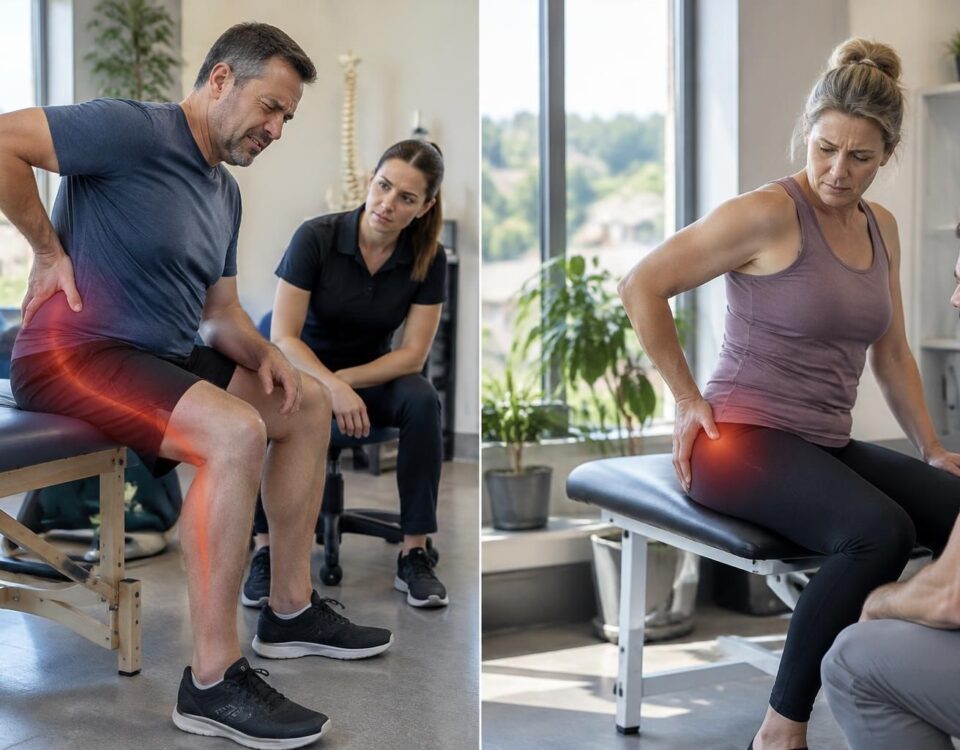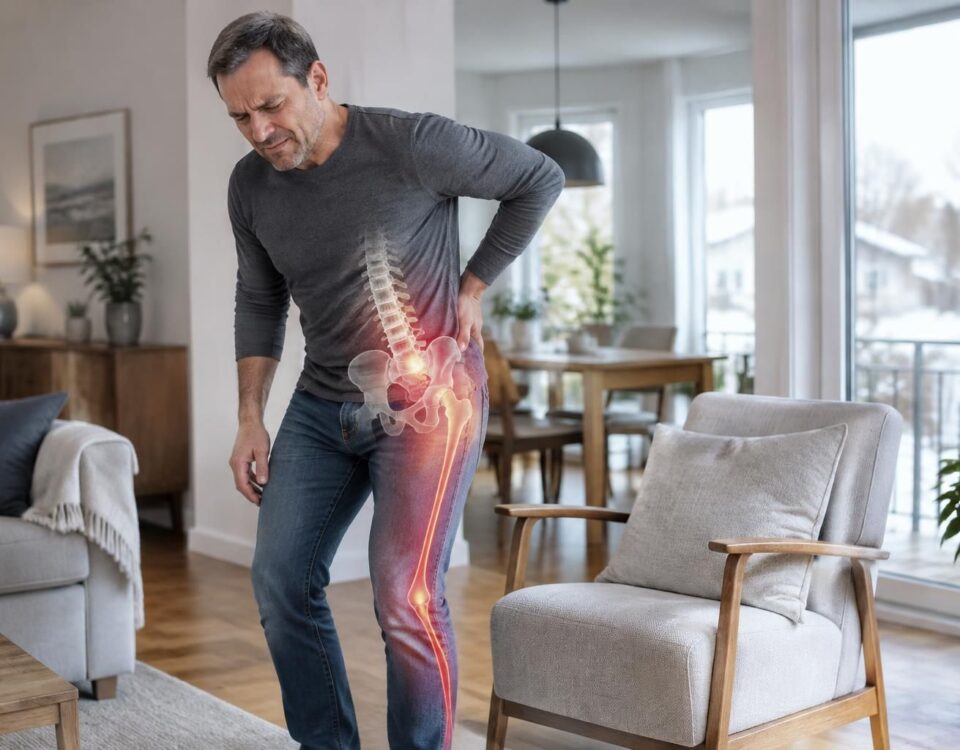
Sciatic pain in Montreal: when to request a personalized assessment?
29/06/2026
Calf and sciatic pain: how to interpret it?
29/06/2026
In short
| The sciatic pain is painful irradiation along the sciatic nerve, often due to irritation or lumbar compression. A Personalized evaluation identifies the exact cause (discal, foraminal stenosis, piriformis syndrome) and proposes a Appropriate approach Including options such as osteopathy, neurovertebral decompression and other manual therapies. Accessible in Terrebonne and near Montreal via the Tagmed Clinic, this service offers a Tailor-made plan To reduce nervous irritation, improve mobility and prevent recurrences, without unnecessary delay. |
At Terrebonne, a sciatic pain can come from different causes, such as slipped disc, Piriform Syndrome or Foraminal stenosis. To obtain an appropriate and quick care plan, focus on Personalized evaluation is recommended when:
- The pain persists for several weeks or gets worse
- pain radiates into the buttocks, leg or foot with signs of radiculopathy (numbness, tingling, weakness)
- Alarm signs appear: loss of urinary or intestinal control, Anesthesia in the saddle, gradual weakness, nocturnal pain, fever or trauma
- treatments such as neurovertebral decompression, theosteopathy where the physiotherapy To resume activities
A specialist will assess the painful path, perform a clinical examination and, if necessary, direct imaging examinations to identify the precise cause and propose appropriate options (conservatives or interventions). For targeted care in Terrebonne, contact the TagMed clinic.
This article presents how to identify sciatic pain and know when to request a personalized assessment in Terrebonne. It explains the warning signals, the course of a suitable evaluation and the treatment options available at the TagMed clinic, while promoting a clear and effective approach for the patient.
Understanding sciatic pain and its signals
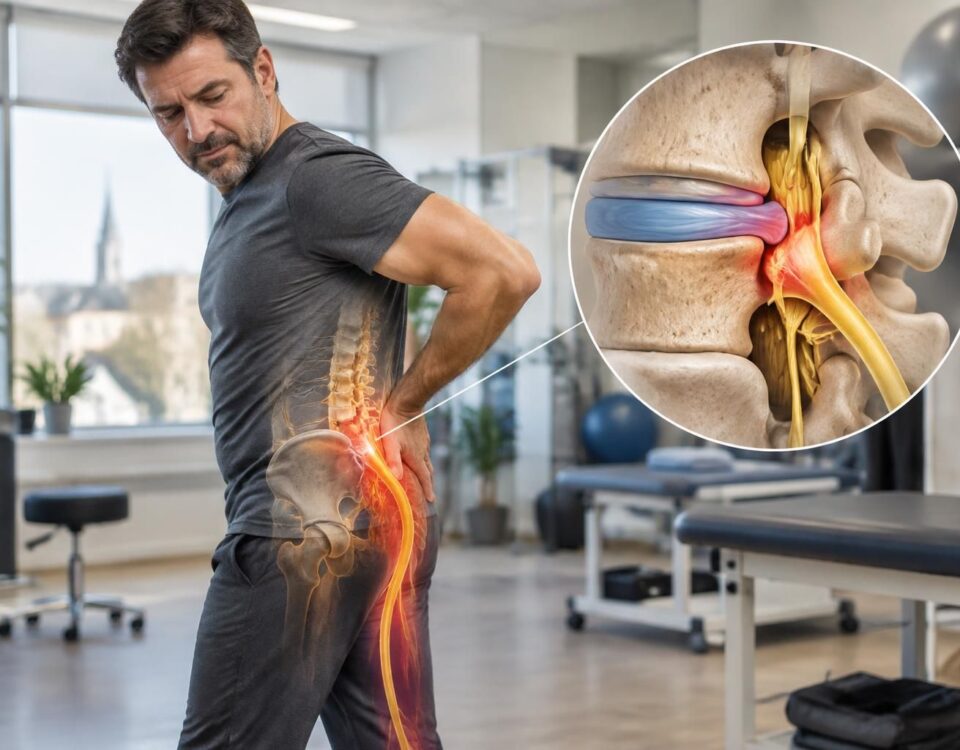
sciatic pain Refers to irritation or compression of the sciatic nerve. It is often manifested by pain that goes up from the lower back to the buttocks and leg. It is not a diagnosis in itself, but a symptom that can hide several causes. Among the most frequent situations, we find The disc herniation, the Piriform Syndrome and the Spinal/Foraminal stenosis. A precise evaluation makes it possible to distinguish these origins and to direct the treatment in a targeted way.
When to request a personalized evaluation in Terrebonne
Check if the pain persists beyond a few days, is accompanied by gradual weakness, a significant numbness, a nocturnal pain or a nervousness Like a “falling foot” or a loss of urinary control. Bilateral symptoms, or pain that gets worse with walking or prolonged standing, requires rapid assessment. As a general rule, any neurological sign or pain that does not decrease after a short observation period deserves a specialized consultation in Terrebonne or Montreal.
Personalized evaluation process
The evaluation is based on a precise anamnesis and one neurological examination. The professional can offer Imaging Reviews (MRI, X-ray) and, if necessary, nerve conduction tests to precisely locate the origin of the irritation. The goal is to establish a relationship between pain path, neurological signs and imaging results to guide treatment.
In Terrebonne, the assessment can incorporate osteopathic approaches and non-surgical options, depending on the overall assessment. For details and modalities available, you can consult the dedicated resources on the TagMed website.
Treatment options within TagMed
A treatment plan personalized Can combine manual therapies and functional approaches, with particular attention to the underlying cause. In some cases, the neurovertebral decompression Can be considered as a non-surgical option after evaluation. Other non-invasive therapies can be discussed depending on the diagnosis chosen, in order to improve pain and mobility without systematic recourse to surgery. For more information on non-surgical options and their application framework, see Specialized Resources such as DeCompressionNeurovertebrale.com and SoshernieDiscale.com.
Prepare for your consultation and practical resources
To optimize your appointment at tagmed In Terrebonne, gather your Imaging reports (MRI, X-ray, ultrasound) and bring them during the consultation. Plan to fill out the pre-consultation form and come 15 minutes before the scheduled time to discuss your situation, symptoms and goals. You can plan your consultation through the TagMed site and find location information on CliniqueTagmed.com.
Resources and useful links
To learn more, you can consult external resources that explain sciatica and its approaches in an accessible setting:
- Sciatica in Montreal: Understanding pain before choosing treatment
- The benefits of osteopathy for neuropathic pain
- Sciatica: when to consult
- Pain in the buttock: sciatica or other cause
- When to consult a specialist for sciatica
For issues related to neurovertebral decompression and the clinical setting, you can consult the specialized resources mentioned below.
Medical Disclaimer: The information and advice provided on this site does not replace the health professional’s diagnosis or treatment. Please note that Dr. Sylvain Desforges osteopath is neither a doctor of medicine nor a doctor, and is not a specialist in a medical specialty as defined by the Collège des Médecins du Québec. Manual medicine, functional medicine and sports medicine as described on this site exclude any medical treatment or diagnosis made by a doctor or specialist doctor. Always consult your doctor for any medical questions. For more details, please read our full legal notice.
- medical emergency : loss of urinary/intestinal control, anesthesia in the saddle, rapid and significant weakness.
- Acute and progressive pain : Pain that worsens quickly or fever after trauma.
- Neurological signs : weakness, significant numbness or falling foot.
- pain that persists : No improvement after 2–3 weeks of appropriate management.
- Bilateral pain : irradiation in both legs or symptoms beyond the usual route.
- Consult a specialist For an accurate diagnosis and Custom Plan.
- Bring your existing exams (MRIs, X-rays) to guide the treatment.
- Opt for a Multidisciplinary assessment in Terrebonne to target the cause.
- prefer conservative options (osteopathy, physiotherapy, non-surgical neurovertebral decompression) before any surgery.
- Follow a rehabilitation program And avoid gestures that aggravate the pain.

This article guides you on situations where to request a personalized assessment for sciatic pain in Terrebonne, why a suitable approach is preferable and what a specialized consultation can include, in order to quickly resume your activities without compromise.
When to request a personalized evaluation in Terrebonne
If the pain radiates into the buttock, leg or foot and persists for more than two to three weeks despite the self-management measures, it is recommended to obtain a personalized assessment to clarify the cause and establish an accurate treatment plan. An immediate warning signal justifies a consultation without delay: loss of urinary or intestinal control, stool anesthesia, progressive weakness, pain associated with fever, recent trauma, or unexplained nocturnal pain, especially if you have a history of Cancer.
Factors such as work that strongly stress the back, bilateral pain or marked neurological signs also involve acting quickly to avoid chronicity and functional complications. A personalized assessment can quickly determine whether a non-surgical approach, neurovertebral decompression or other targeted intervention is appropriate for your situation.
Sciatica in Terrebonne: radicular pain versus referred pain
IN BRIEF Sciatica refers to pain that radiates into the buttock and sometimes the leg. A radicular pain comes from the irritation of a nerve root and may be accompanied by tingling, numbness, or weakness; a referred pain spreads from…
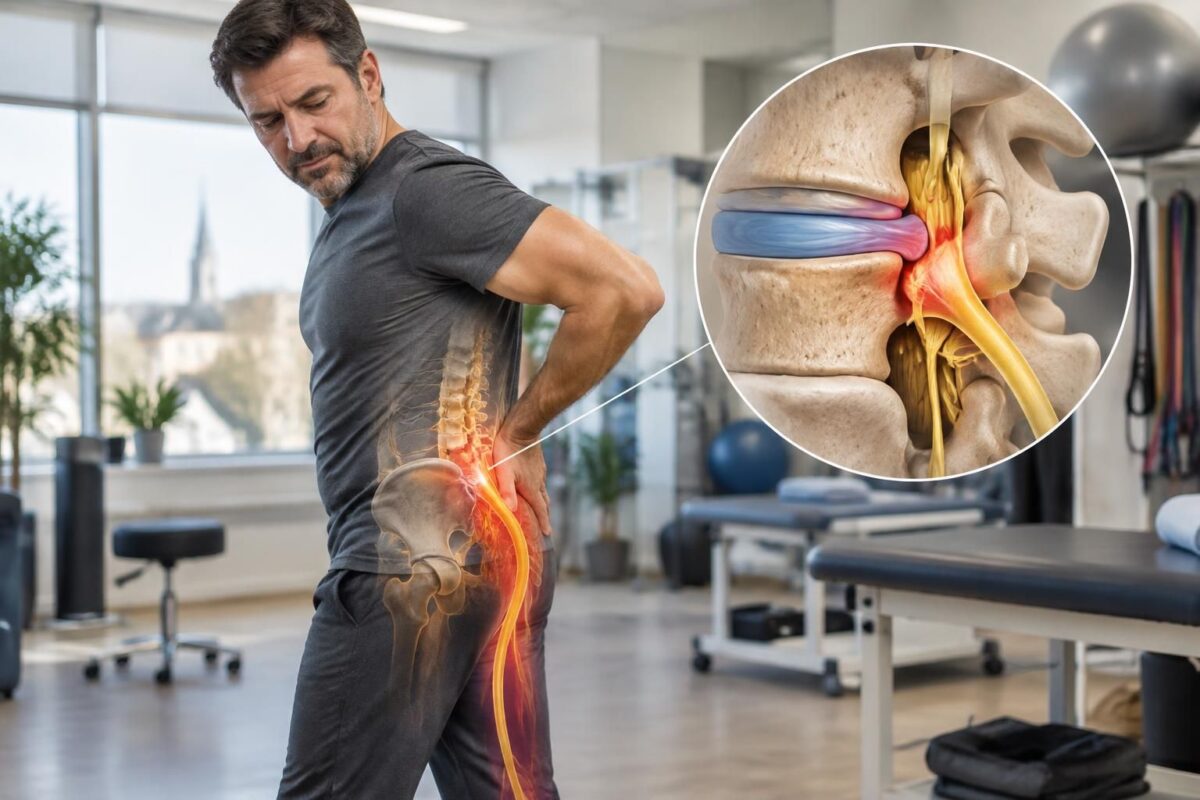
Sciatica in Terrebonne: nerve root, disc, and foramen explained simply
IN BRIEF Sciatica is pain that occurs when a nerve root in the lower back is irritated or compressed, sometimes by a disk or a narrowed foramen. Understanding these structures helps better locate the possible cause of symptoms and guide…
Signs and symptoms that require rapid assessment
Pain radiating along the sciatic nerve, associated with tingling, tingling or weakness in the leg or foot, is a key indicator. Other signals to monitor: pain that gets worse when walking or standing, pain that is accentuated while sitting, or feeling of “dropping” foot (difficulty raising the fore of the foot). The precise diagnosis guides the choice between conservative management and targeted intervention.
In case of specific medical history (tumor, previous lumbar surgery, diabetes, irradiation of treatments), mention it during the consultation to adjust the assessment and the plan. If you observe a rapid progression of pain or the appearance of significant neurological signs, rapid treatment is recommended.
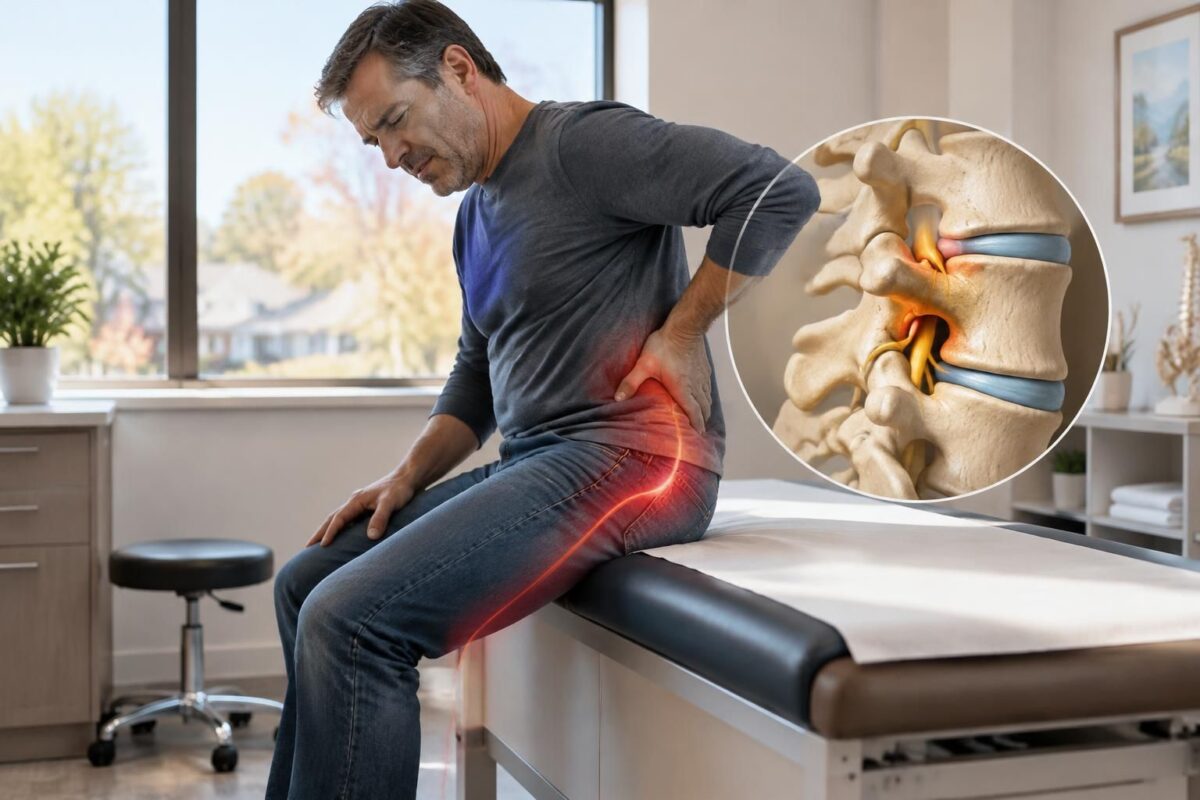
Sciatica in Terrebonne: understanding the L5-S1 foraminal compression
IN BRIEF The L5-S1 foraminal compression corresponds to a narrowing of the opening through which a nerve root passes, potentially contributing to sciatica. In Terrebonne, the assessment compares the side and course of the symptoms, neurological examination, imaging, and limited…
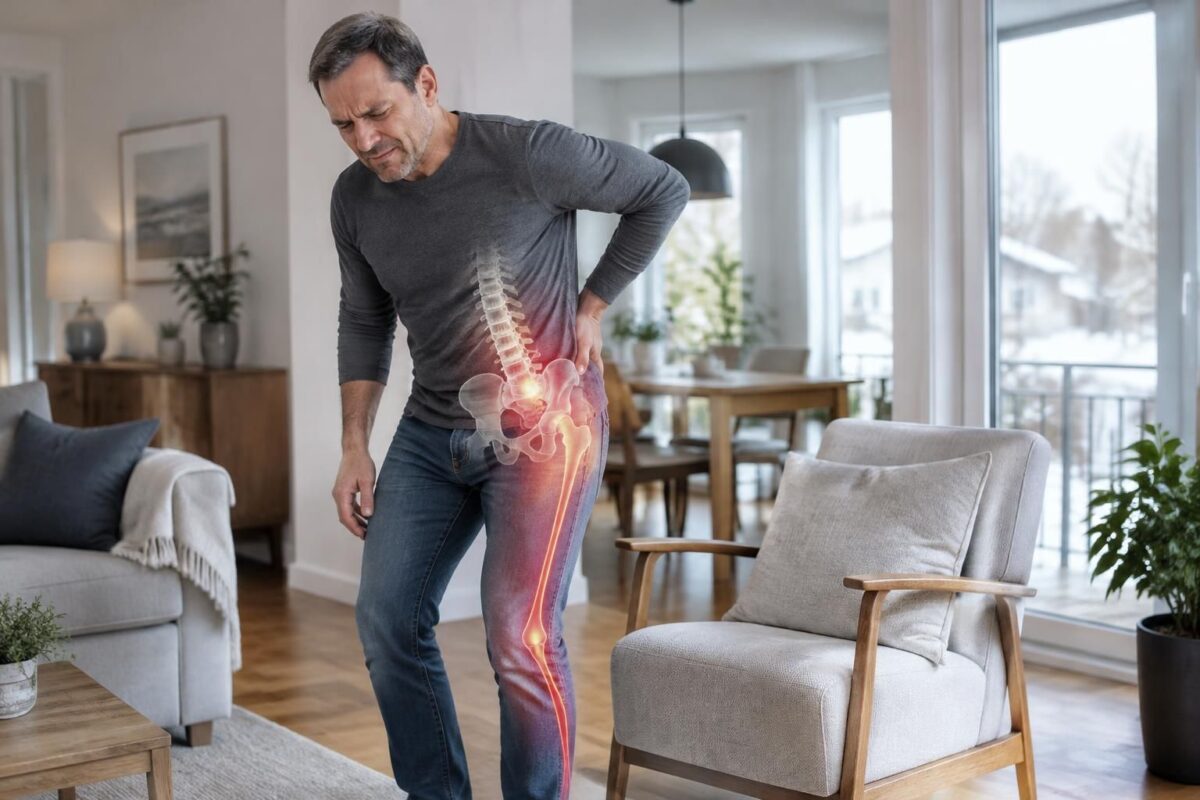
Sciatica in Terrebonne: why L5-S1 is often involved
IN BRIEF Sciatica corresponds to pain related to the irritation of a nerve root, which can extend from the buttock down to the leg. The L5-S1 level is often involved, as a disc herniation or irritation at this location can…
What does a personalized evaluation include?
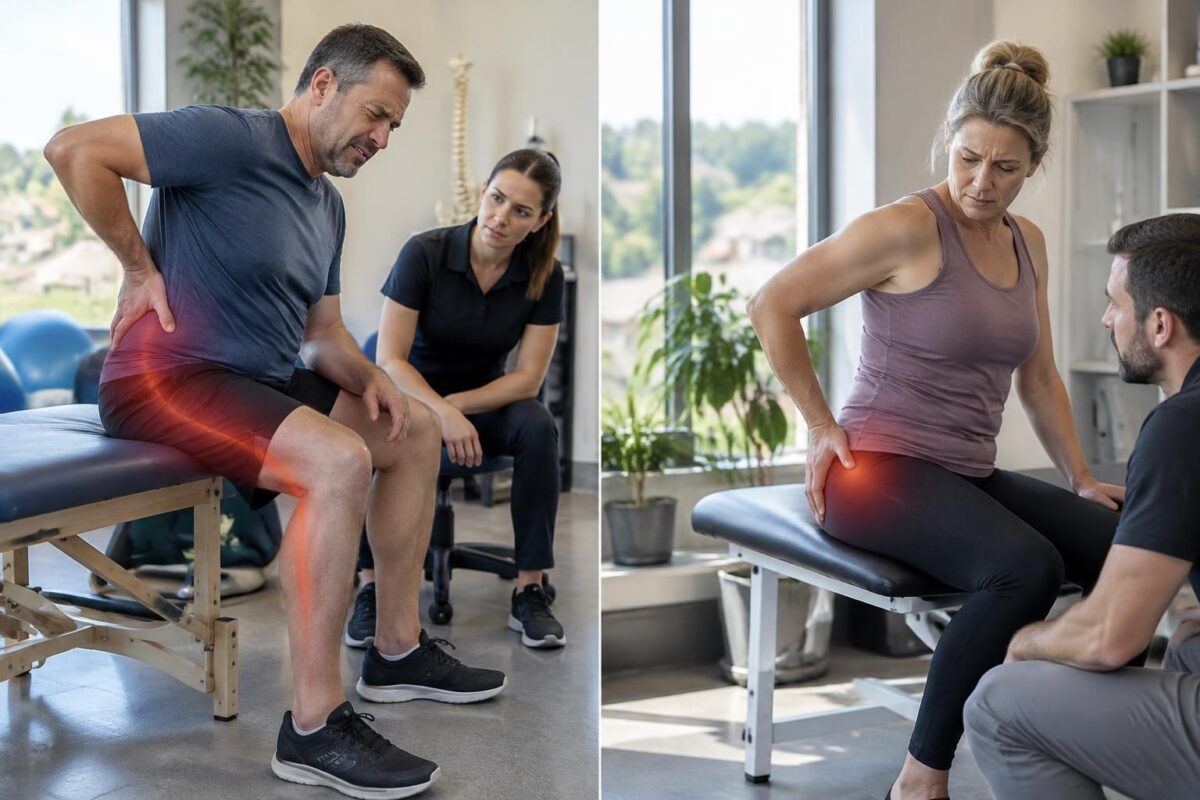
A personalized evaluation favors a multidisciplinary approach and begins with a Detailed anamnesis and one neurological examination. The pain path, lumbar mobility, muscle strength and reflexes are assessed, then imaging tests (radiography, MRI) and, if necessary, nerve conduction tests (EMG) can be used to locate The nervous origin.
According to the results, the plan can combine manual care (osteopathy, physiotherapy), neurovertebral decompression techniques when conditions permit, and drug options or injections for pain and inflammation. The goal is to reduce nervous irritation, restore mobility and prevent relapses. A personalized approach allows you to quickly adjust the plan based on your response and lifestyle.
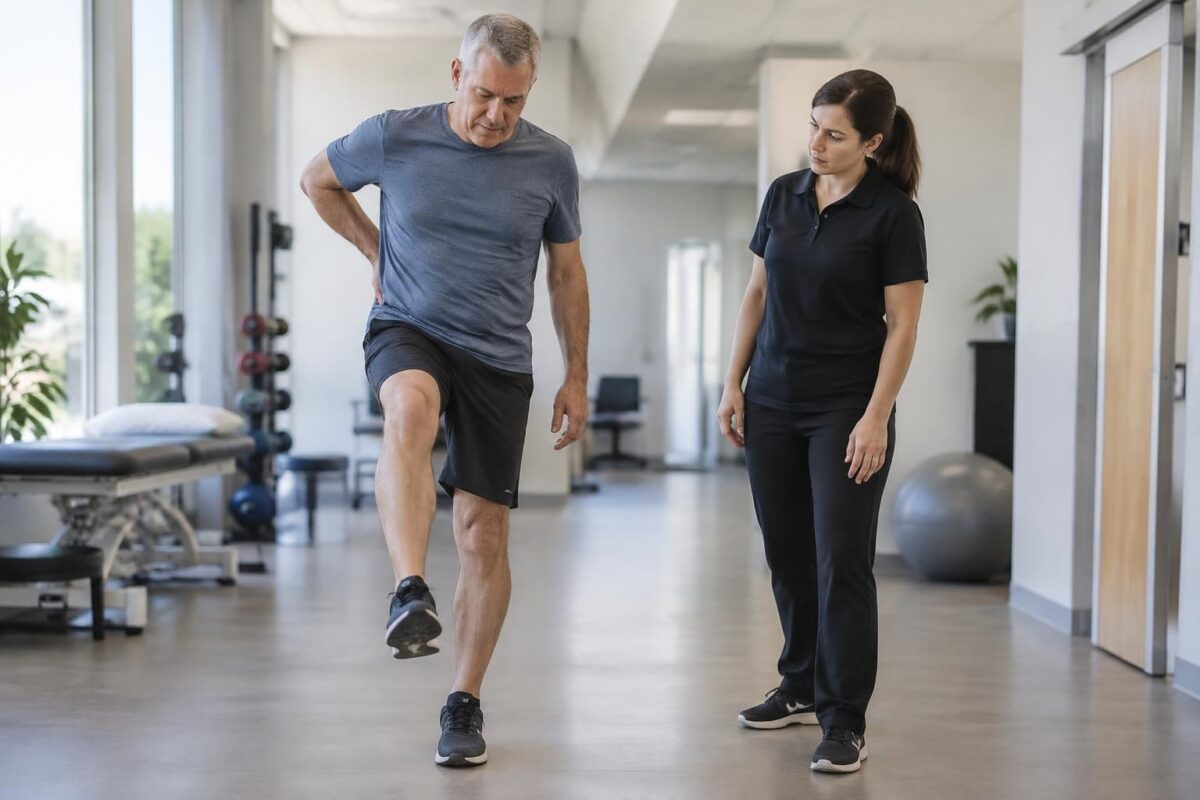
Sciatica in Terrebonne: L5 and difficulty lifting the foot
IN SHORT The L5 sciatica can cause pain or numbness on the side of the leg, the top of the foot, and the big toe, sometimes with difficulty lifting the foot. In Terrebonne, an evaluation compares strength, sensitivity, reflexes, and…
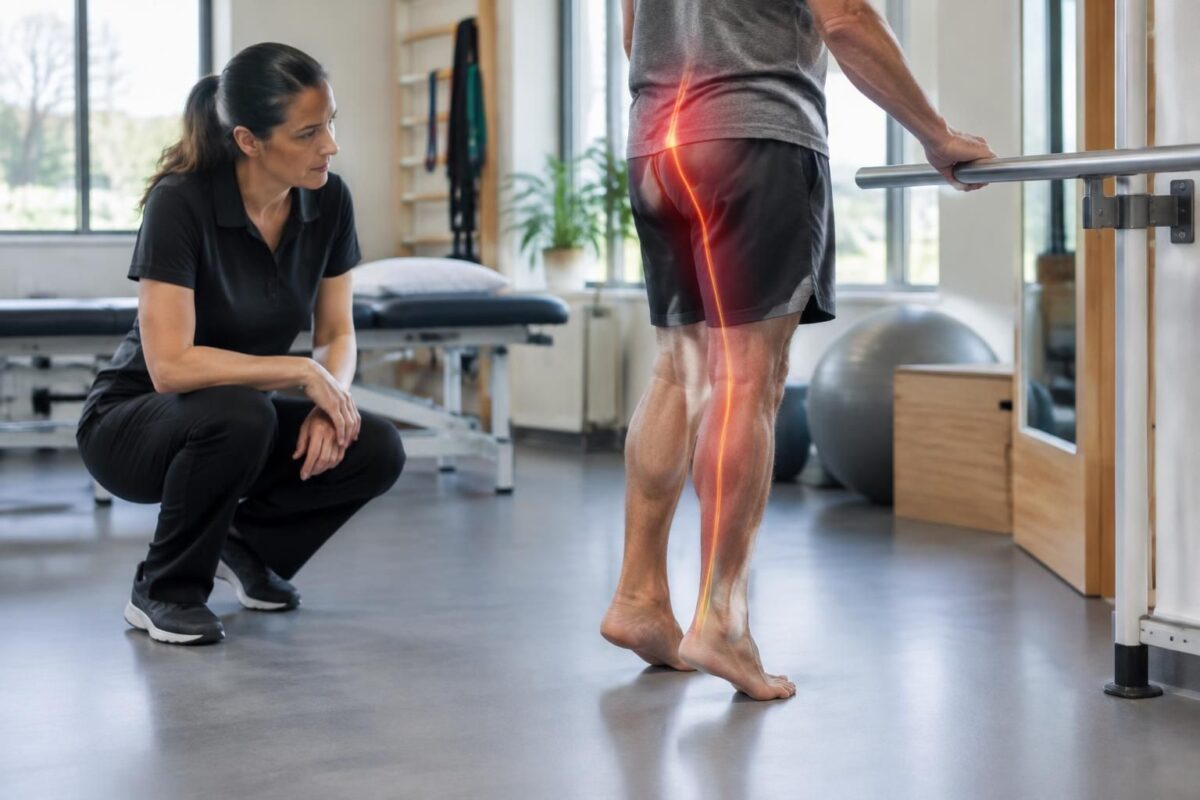
Sciatica in Terrebonne: S1 and difficulty standing on tiptoe
IN SHORT An S1 sciatica can irritate the nerve root associated with the calf and make it difficult to rise onto the balls of the feet. This sign should be evaluated with strength, sensitivity, reflexes, and walking: the pathway of…
Why Terrebonne and Tagmed Clinic?
Our team offers a Specialized assessment Sciatic pain in Terrebonne, in addition to services near Montreal and Mont-Royal. The approach is personalized and focused on the quick return to your activities, with particular attention to prevention and safety. You benefit from coordinated support and follow-up adapted to your pace.
What are the risks without personalized evaluation?
Without targeted assessment, sciatica can be confused with other causes of pain, delaying effective treatment and increasing the risk of recurrence or progression of neurological symptoms. A precise diagnosis makes it possible to avoid inappropriate treatments and to choose a strategy adapted to your profile and your lifestyle.
| key elements | Concise recommendation |
|---|---|
| Alarm signs | Consult urgently if loss of urinary control, Anesthesia in the saddle, gradual weakness Or pain that gets worse. |
| Duration and progress | Personalized evaluation after 2 weeks Without improvement despite adjustments and adapted activity. |
| Journey and irradiation | Pain radiant To the buttock or leg and accentuated by walking ⇒ Targeted diagnostic orientation. |
| Functional impact | Notable disturbance of walking, sleeping or daily activities => Custom plan needed. |
| Neurological signs | Significant numbness, weakness or falling foot ⇒ Quick assessment. |
| Triggering factors | Evaluate posture and aggravating activities and modify them with the help of a specialist. |
| Initial exams | Clinical examination and MRI or X-ray according to signs and evolution. |
| Orientation and plan | Choose a suitable approach with rheumatologist, neurologist or Specialized osteopath Depending on the probable cause and the results. |
At Terrebonne, many people suffer from sciatic pain and hesitate to ask for a Personalized evaluation. Julie’s testimony shows that acting early can transform the experience: after making an appointment, she benefited from a precise assessment which made it possible to target the problem and to avoid unnecessary progression of pain.
Marc, struck down by a sciatic pain which limited its outings and its walk, chose a Personalized evaluation At the Tagmed clinic at Terrebonne. The care plan was adapted to his daily life and favored conservative approaches, combining osteopathy and exercises. Result: a marked reduction in pain and the gradual resumption of its activities without recalculating its use of time.
Clara describes a typical progression: a sciatic pain who woke up in the middle of the night and a persistent embarrassment that would handic the movements. thanks to a Personalized evaluation In Terrebonne, the therapist set up a Custom Plan Combining manual therapies and lifestyle tips. In a few weeks, she regains a calmer sleep and better mobility.
Théo felt warning signs quickly and went through a Personalized evaluation adapted to the severity of its symptoms. Management was adjusted accordingly, including careful monitoring and non-surgical options when possible. His return to normal activity was progressive but lasting, with a marked improvement in his sciatic pain and its stability.
Élodie was looking for a solution to prevent relapses after a painful episode. His testimony highlights the importance of a Personalized evaluation at Terrebonne and one Custom Plan which incorporates exercises, posture and daily habits. Today, she is pursuing a suitable routine and feels better equipped to maintain her lumbar health over the long term.
Dr. Sylvain Desforges, osteopath, naturopath and manual medicine specialist, is the founding president of the Tagmed clinics and the ACMA association. With a career dedicated to innovation in health care, he is dedicated to the management of Chronic pain the spine and the integration of advanced technologies. His work is particularly focused on the sciatic pain and associated lumbar manifestations, with a marked preference for non-surgical solutions that rely on scientific evidence.
Its approach is based on a comprehensive and personalized assessment that takes into account both mechanical and neurological factors contributing to pain. It combines osteopathic techniques, manual therapy methods and rehabilitation protocols, in order to improve mobility, reduce inflammation and restore function on a daily basis. In its therapeutic arsenal, it integrates non-invasive technologies such as the neurovertebral decompression motorized, the laser and shockwave treatments when relevant and supported by clinical outcomes.
His approach is also focused on patient education and the transparency of the care process. He explains the potential mechanisms of sciatic nerve irritation — whether it is a herniated disc, piriformis syndrome or foraminal narrowing — so that everyone can understand the therapeutic choices and realistic expectations. The goal is to establish a treatment plan personalized and progressive that adapts to the evolution of pain and to the patient’s functional objectives.
In Terrebonne, where one of the TagMed clinics is located, Dr. Desforges offers a practical access door to a targeted evaluation for sciatica. He coordinates the teams and ensures consistency of care, ensuring the integration of the latest advances in diagnosis and rehabilitation. The course can begin with an in-depth consultation followed by a structured therapeutic plan that can combine osteopathy, support measures and non-surgical technological options adapted to sciatica.
Beyond symptomatics, his practice aims to prevent recurrences by working on posture, ergonomics and daily habits. His philosophy is to provide care evidence-based, accessible and personalized, which allow the patient to gradually resume his activities and regain a satisfactory quality of life. For the inhabitants of Terrebonne and the surrounding area, access to an assessment personalized Can turn debilitating pain into a pragmatic and measurable recovery process.
To find out more about its approach and the services available, contact the TagMed clinic in Terrebonne or elsewhere in the TagMed network. A first step is to understand the painful journey and consider a suitable assessment that can prevent complications and guide the choice of the most effective non-surgical treatments.
This text summarizes the essential points around the Sciatic pain in Terrebonne and explain why ask for a Personalized evaluation Can lead to a clear diagnosis and an appropriate, fast and effective treatment plan.
A Personalized evaluation Is strongly recommended when sciatica symptoms persist, evolve or are accompanied by neurological signs. It allows to accurately identify the underlying cause (e.g. slipped disc, Foraminal stenosis, or Piriform Syndrome) and develop a targeted treatment plan, rather than applying a general approach that can be delayed recovery.
In a consultation in or nearby Terrebonne, the assessment typically includes a detailed history analysis, neurological examination and, if necessary, imaging examinations to map the pain path and confirm root origin. A multidisciplinary approach — osteopathy, neurovertebral decompression and physiotherapy — can be proposed to restore mobility, reduce inflammation and prevent recurrences, while respecting your tolerance and functional objectives.
Adopting an early and personalized approach can accelerate recovery and limit long-term consequences. When an episode of sciatica is clearly linked to a disc or foraminal cause, conservative and non-surgical options can often be effective and sufficient to allow you to resume your daily activities without excessive pain.
How to make an appointment? Go online or contact the TagMed clinic directly for an assessment of sciatic pain in Montreal, Ville Mont-Royal or Terrebonne. Bring your imaging reports if you have them, and prepare your questions to make the most of the consultation. To find out about alternatives and non-surgical treatments, consult the following resources: Sciatica – Tagmed, sciatica solution, and Ameli — What to do when consulting. You can also explore additional information about non-surgical approaches and multidisciplinary pathways via the following links: Consult a sciatica specialist, Osteopathy and pain management, personalized approach, and Benefits of osteopathy for chronic leg pain. For practical advice and options in Montreal and Terrebonne, also visit Osteopathy, physiotherapy and sciatica and Treatment of sciatica in Montreal — Non-surgical options.

Sciatica in Terrebonne: L4-L5 and pain towards the top of the foot
IN BRIEF A L4-L5 sciatica can radiate to the outer side of the leg and the top of the foot, sometimes reaching the big toe. This pathway can guide the assessment, though it does not suffice to confirm the cause:…

Sciatica in Terrebonne: L5-S1 and symptoms in the calf
IN BRIEF A L5-S1 sciatica can cause pain that radiates down the calf, sometimes accompanied by tingling, numbness, or weakness. At Terrebonne, an assessment at the TAGMED Clinic helps to examine the symptom pathways, strength, and sensitivity, and then discuss…

Dr Sylvain Desforges, B.Sc., D.O., N.D., osteopath, is the founding president of TAGMED and of the ACMA association. He dedicates his practice to chronic spinal pain, low back pain and symptoms compatible with sciatica, particularly when pain radiates toward the buttock, leg, calf, foot or toes.
Through SOS Sciatique, he publishes educational content on sciatica symptoms, possible causes such as disc herniation, disc narrowing, foraminal stenosis or irritation of a lumbar nerve root, as well as non-surgical approaches that may be considered according to the evaluation. At Clinique TAGMED, care may include, depending on the case, motorized neurovertebral decompression, specific osteopathic care or precision percussion.
For an evaluation related to sciatica treatment in Montreal / Mount Royal or sciatica treatment in Terrebonne, please consult the services available at Clinique TAGMED.
Medical disclaimer
The information published on SOS Sciatique is provided for educational purposes only and does not replace a consultation, diagnosis, opinion or treatment provided by a physician or another authorized healthcare professional. The author of this article is neither a medical doctor nor a specialist in a medical specialty recognized by the Collège des médecins du Québec. The osteopathic, manual medicine or functional support approaches described on this site do not constitute medical acts and are not intended to replace medical follow-up.
Consult a physician or emergency service in cases of loss of bladder or bowel control, anesthesia in the saddle area, significant or progressive weakness in the leg or foot, fever, recent trauma, severe pain or rapid worsening of symptoms. For more details, please read our Legal Notice.