Osteopathy and chronic pain: reducing drug dependence
29/06/2026
How osteopathy improves blood circulation in sore areas
29/06/2026
In short
| In short, theosteopathy for the Neuropathic pain is one Manual therapy which considers the body as a whole. it acts on the interactions between gristle, sinews and joints To relieve painful sensations and paresthesias. Key benefits include a pain reduction, a Improving mobility and a better quality of life. This approach can be used in addition to other treatments and can promote sleep and stress reduction. The evaluation is based on a umbrella, a palpation And some Adapted techniques and gentle, without invasive acts. |
Here is a short summary of Benefits of Osteopathy for the Neuropathic pain.
- pain reduction By relaxing tensions and relieving the restrictions that compress the nerves.
- Improving mobility body structures and reduced pressure on the nerve roots.
- Nervous system regulation Via gentle techniques that promote better communication between the nervous system and tissues.
- Personalized approach suitable for each patient and compatible with other medical treatments.
- Prevention and quality of life avoiding recurrences and improving posture, sleep and general well-being.
This article, written by a health professional expert in osteopathy, presents the benefits of osteopathy to treat Neuropathic pain. He explains the mechanisms of action, the indications, the course of a session and the limits, while proposing reliable resources to deepen the subject.
How osteopathy acts on neuropathic pain
theosteopathy is based on a global approach to the body. The practitioner assesses muscle tension, joint restrictions and the interactions between the nervous and musculoskeletal systems. Through precise and gentle manual techniques, it aims to release areas that can compress or irritate the nerves, restore tissue mobility and reduce painful signals. This approach can thus help to reduce neuropathic symptoms while improving comfort and daily function.
Mechanisms and indications
Osteopathic work can affect several complementary mechanisms. It promotes the reharmonization of the structures surrounding the nerves, reduces irritation and can optimize local circulation. This assistance is relevant when neuropathic pain comes from peripheral nerve irritations or neuromuscular dysfunctions. In this context, osteopathy can be offered as part of global care, in consultation with the attending physician.
What a session can expect
A first consultation begins with an exchange on history, symptoms and lifestyle. Then, the practitioner performs a gentle palpation to identify areas of tension and restrictions. The diagnosis made, the treatment combines gentle manipulations and adapted mobilizations to promote the balance of the body. A session usually lasts between 45 minutes and 60 minutes, and improvements can appear quickly, sometimes from the first session, depending on the nature and chronicity of the pain.
Integration with other approaches
Osteopathy can be used in addition to other treatments, in particular when neuropathic pain coexists with other conditions. The practitioner works in collaboration with the doctor or health professionals involved in the follow-up to ensure a consistent approach. For certain specific situations related to nerve pain, it is important to mention all the treatments in progress in order to avoid interactions or contraindications.
Limits and security
Like any manual therapy, osteopathy is safe when practiced by a qualified and experienced osteopath. Some medical conditions may limit access or require adaptation of the approach. The choice of an osteopath trained in a school recognized and affiliated with a professional organization remains crucial. For patients with neuropathic pain, it is useful to discuss options and goals with the practitioner and their attending physician.
Resources and Deepening
To explore the links between osteopathy, stress and well-being, you can consult specialized resources such as Osteopathy and stress — soothe the body and mind. Information on the contribution of osteopathy to mobility after prolonged immobilization is available here: Improved mobility after immobilization. To understand the impact on physical performance or recovery after a sprain, see the following resources: Performance in athletes and Recovery after a sprain. Other perspectives on osteopathy and well-being can be found here: Harmonize body and mind.
For patients and professionals, it can be useful to cross these approaches with recognized resources on the subject, in particular in connection with the training of osteopaths. Recognized osteopathy institutions include NUMSS, NAO, National University of Medical Sciences and National Academy of osteopathy. Relevant professional associations include ACMA, College of Canadian Osteopaths and College of Canadian Osteopaths.
The patient can also learn about the limits and indications via the clinical resources associated with TagMed. To learn more about the profiles and approaches of professionals, you can consult the TagMed Clinic.
To deepen the practicality and theoretical aspects, consult resources dedicated to osteopathy and well-being: Osteopathy and well-being, Recovery after sprain, and Mobility after prolonged immobilization. These resources broaden understanding of potential mechanisms and benefits.
Clinics and associated resources: Tagmed Clinic, and additional information on neuroverbal decompression approaches and associated treatments can be viewed on neurovertebral decompression, as well as on SosherniaDiscal and Sosherniateddisc For specific contexts around herniated discs and associated pain.
In order to offer clear and practical information, this article relies on common concepts and approaches in the field of osteopathy and manual medicine, while avoiding specific exercise prescriptions when the objective is the treatment of conditions such as deformations or disc protrusions.
Medical Disclaimer: The information and advice provided on this site does not replace the health professional’s diagnosis or treatment. Please note that Dr. Sylvain Desforges osteopath is neither a doctor of medicine nor a doctor, and is not a specialist in a medical specialty as defined by the Collège des Médecins du Québec. Manual medicine, functional medicine and sports medicine as described on this site exclude any medical treatment or diagnosis made by a doctor or specialist doctor. Always consult your doctor for any medical questions. For more details, please read our full legal notice.
For additional information, visit the following resources: Osteopathy and stress, Mobility after immobilization, Recovery after sprain.
Axis : Optimize neuro-musculoskeletal functioning to limit nerve irritation and their repercussions.
- Improvement of the mobility and reduction of Muscle tensions May irritate nerves.
- decrease in Neuropathic pain by a desensitization and an Nerve modulation.
- Improvement of the circulation local andoxygenation Tissue.
- reduction of stress and better pain management via activation of the parasympathetic nervous system.
- Better sleep and quality of life thanks to the reduction of nocturnal pain.
- prevention of aggravations by a Postural correction and the release of Fascial adhesions.
- Approach non-invasive and complementary to standard treatments.
- Customization of the treatment according to THE LOCATION of the nerve concerned (peripheral nerve, radiculopathy).

This synthesis presents how osteopathy can play a key role in the treatment of neuropathic pain, combining gentle techniques, global approach and prevention. By targeting the mechanical and functional disturbances surrounding the nerves, osteopathy aims to reduce pain, improve mobility and promote sustainable well-being, without invasive recourse. The objective is to help the body regain its balance and to offer an additional suitable alternative for each patient.
What is neuropathic pain and why osteopathy can help
Neuropathic pain is linked to dysfunction or somatosensory nervous system damage. It is often characterized by burning sensations, tingling or tingling that can persist even in the absence of an obvious injury. Osteopathy offers an approach centered on the body as a whole, aimed at releasing nerve damage and improving the mobility of the structures that surround the nerves. By working on soft tissues, joints and fascias, the osteopath can reduce irritation, promote nervous slippage and reduce the mechanical stress that maintains pain. This approach does not replace a medical diagnosis, but it can support a personalized therapeutic plan.

How osteopathy improves the quality of life of active people
In short In short, theosteopathy is a global approach that Optimizes mobility and the function of the body of ACTIVE PEOPLE, for a better quality of life. It helps prevent injury and reduce Musculoskeletal pain While promoting the Sports recovery.…

Osteopathy and sports recovery: prepare the body for lasting performance
In short In short, Osteopathy and Sports recovery is one Global manual approach that sustainably prepares the body for the effort by restoring mobility and circulation After the effort. It is a discipline that acts on the sinews, the joints,…
A holistic and manual approach
preferred techniques
In the context of neuropathic pain, osteopathy favors gentle and precise techniques intended to improve the mobility of the tissues and to free the nerve paths. This may include fine mobilizations, targeted stretching and muscle tension relaxation techniques. The objective is to improve local blood and lymphatic circulation, reduce nerve pressure and promote better coordination between the vertebral segments and peripheral structures.
Why Osteopathy Is Essential For Recovery People
In short In short, Osteopathy in convalescence is an approach manual and holistic which helps to accelerate the recovery by restoring The balance, the mobility and a good circulation fabrics. it contributes to Reduce the pain, support the Back to…

Osteopathic manipulations to strengthen post-traumatic muscles
In short In short, Osteopathic manipulations for Strengthen post-traumatic muscles constitute a gentle manual approach aimed at restoring the mobility, reduce the pain and facilitate the Functional rehabilitation After a injury. What is Is it? A series of precise gestures…
Mechanisms and potential results
What Osteopathy Can Influence
Several mechanisms can contribute to an improvement in neuropathic pain thanks to osteopathy. Better tissue mobility can decrease nerve irritation and chain pain mechanisms. A reduction in muscle tension and an improvement in posture can also reduce pressure on the nerves and joints. Finally, the intervention can promote better quality of sleep and a reduction in stress, elements that directly influence the perception of pain and the ability to self-regulate the body. Of course, the results vary according to the individuals and the degree of chronicity of the symptoms.

Osteopathy and prevention of work-related musculoskeletal disorders
In short theosteopathy is one Manual approach that restores body balance and prevents MSD related to work. Its advantages: reduction of tension, improvement of mobility and prevention of chronic pain. She is preventive and healing, suitable for office and trades…

The benefits of osteopathy to treat muscle imbalances
In short theosteopathy is a manual approach to restore themuscle harmony and postural considering the body as a whole. Its main benefits include the reduction of aches and tensions, the improvement of the mobility and from the posture, and prevention…
When to consult and what to expect in a session
A typical session
During a first treatment, the osteopath performs a complete anamnesis and careful palpation to understand areas with tension and links with neuropathic symptoms. A session generally lasts between 45 minutes and 1 hour and combines evaluation, ergonomic advice and adapted manual techniques. Improvements can be felt from the first sessions, but a treatment plan over several visits may be necessary for more chronic or complex cases. The patient’s education on simple actions to reproduce at home is often an integral part of the protocol.
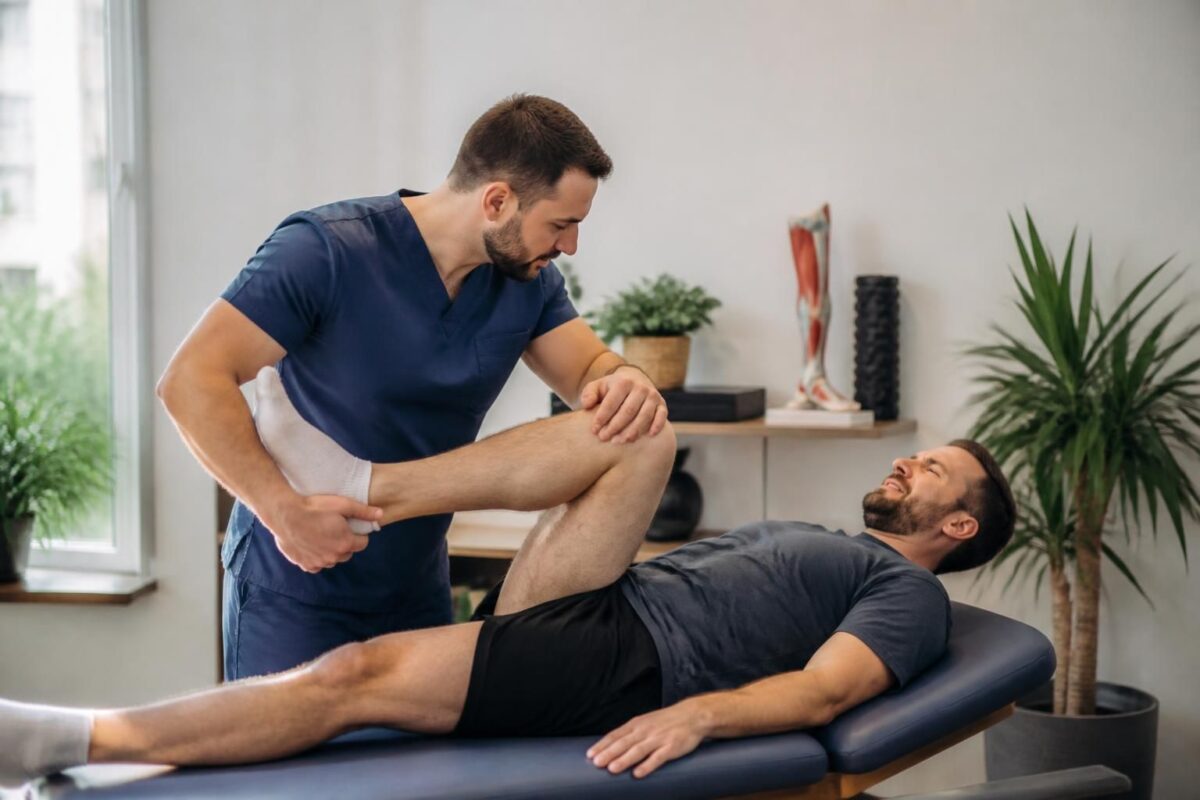
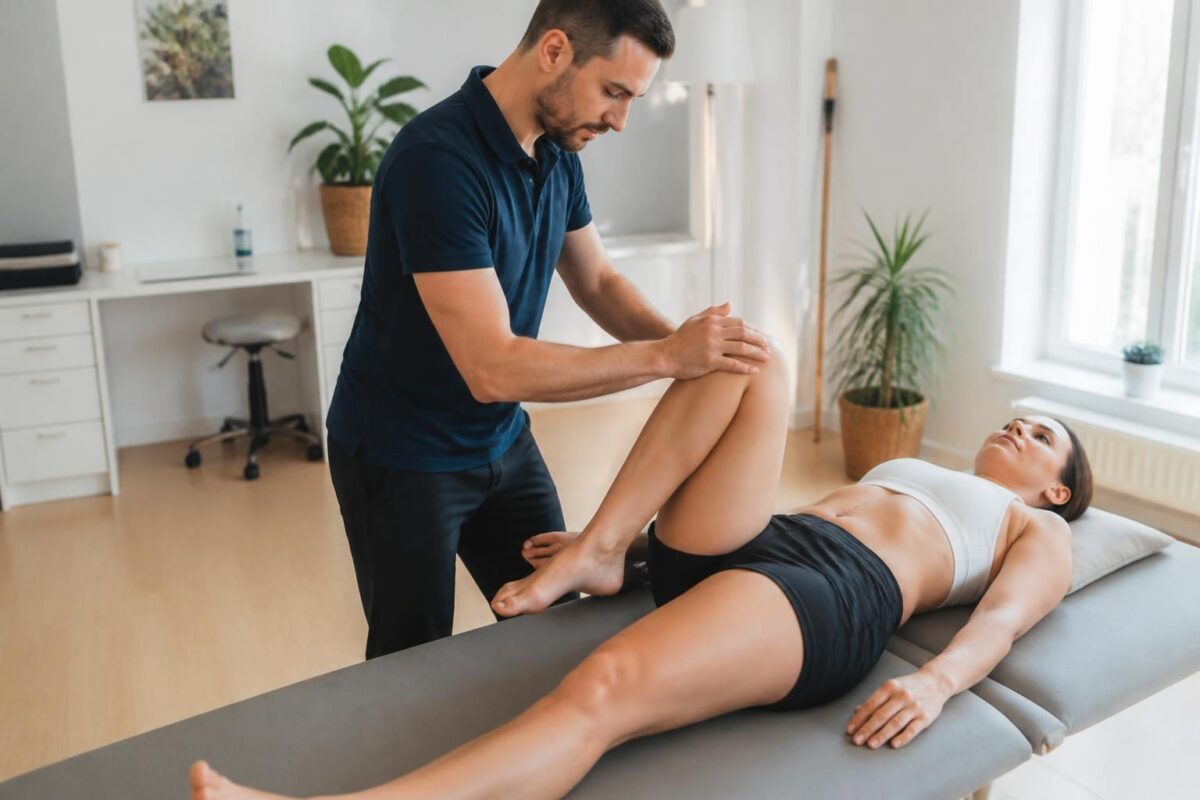
Osteopathy and chronic leg pain: regaining an optimal quality of life
In short In short, Osteopathy is one Global manual approach aimed at reducing Chronic leg pain and improve the quality of life. What is it? Non-drug therapy using the hands to identify restrictions and treat lesional chains. How does it…
How osteopathy supports recovery after complex surgery
In short In short, Post-operative osteopathy is an approach fresh which supports the recovery After a Complex surgery. It helps to reduce the pain and the fatigue, improves the mobility and accelerates the healing thanks to a better vascularization and…
Integration with other care
Osteopathy can be usefully integrated into a multidisciplinary course. It can supplement medical or physiotherapeutic treatments by providing an additional layer of tension management and functional improvement. It is essential to coordinate care with the health professionals involved in order to guarantee consistent and secure care. The objective is to optimize comfort, mobility and quality of life, without seeking to replace the indications specific to each medical situation.
| Axis | Concise impact |
|---|---|
| Neuropathic pain relief | reduction of neuropathic pain thanks to Adapted manual techniques and sweet targeting irritated areas. |
| Mobility and function | Restoration of the mobility and from the muscle function, decreasing the limitations related to neuropathy. |
| Tensions and spasms | decrease in Muscle tensions and spasms, often at the origin of nervous recovery. |
| Circulation and tissue nutrition | Improvement of the circulation and theTissue oxygenation, facilitating nervous recovery. |
| Drug reduction | decrease in the use of analgesics Through an approach non-drug and adapted. |
| Personalized approach | Approach personalized depending on the type of neuropathy and the patient’s profile. |
| Security and tolerance | Housemaid tolerance and security manual therapy when performed by a Graduate osteopath. |
| Prevention and posture | Education and advice postural to prevent recurrences and maintain progress. |
Testimonials on the benefits of osteopathy for neuropathic pain
Marie D., 42 years old : “Before starting osteopathy, my Neuropathic pain In the feet woke me up at night and made my days difficult. After a few sessions, the tingling and burn subsided, and my sleep came back. »
Pierre L., 58 years old : “The global approach and gentle manipulations have improved my mobility And diminished my daily neuropathic pain. I find myself being able to walk longer and with less fatigue. »
Sophie T., 34 years old : “My pain related to the sciatic nerve was less present after the sessions, and the seizures were spaced out. Osteopathy has also improved my relaxation and my quality of life. »
Jean K., 67 years old : “After years of ineffective drug treatment, osteopathy has brought me a real Body balance and a reduction innervous irritation. I find comfort in my daily gestures. »
Clara R., 51 years old : “A personalized plan and regular sessions allowed me to win in sensation and reduce the nocturnal pain related to my neuropathy. My sleep and energy improved. »
Dr Sylvain Desforges is a recognized practitioner in the field ofosteopathy, from the naturopathy and from the manual medicine. At the head of TagMed and the ACMA association, he deploys an innovative approach centered on the sustainable improvement of the health and comfort of his patients. With a rich experience, he emphasizes the Chronic pain management and the integration of advanced technologies such as spinal decompression, the use of laser and shockwave therapies. His approach aims to offer evidence-based care to optimize everyone’s daily life and well-being.
In the context of neuropathic pain, theosteopathy Acts on the body as a whole by focusing on reducing the mechanical stresses that irritate the nerves and by restoring the mobility of the tissues surrounding these nerves. By working on the muscle chains, fascia and joints, the practitioner can reduce nervous irritation, promote better local blood circulation and modulate the responses of the nervous system. Result: painful sensations, tingling or burns can be reduced and functional abilities regained.
Techniques employed include gentle manipulations, fascial releases, targeted mobilizations, and nervous sliding exercises, in order to release nerve paths without attacking sensitive tissues. Some approaches can also integrate cranial or visceral techniques to rebalance the neuro-vasculo-fascial axis and reduce the tensions that contribute to pain. In Dr. Desforges’ practice, the intervention is progressive and adapted to each patient, with the possibility of associating vertebral decompression elements or other non-invasive methods according to the initial assessment.
The fundamental benefit lies in a lasting reduction of symptoms and a concrete improvement in functional capacities. By treating the mechanical and functional causes that maintain neuropathic pain, osteopathy can help reduce the use of certain drugs, improve sleep, mobility and autonomy. This discipline also promotes better posture and stress management, elements that support the resilience of the nervous system to pain.
This approach is particularly suitable for various forms of neuropathy, such as diabetic, post-zosterian neuropathies or related to radicular damage. It can be integrated in a complementary way in a medical course and a multidisciplinary rehabilitation, by harmonizing the treatments and by promoting a gradual and secure progression for the patient.
For each patient, the experience of the treatment begins with an in-depth interrogation and a global observation. The practitioner identifies restriction areas, tensions and dysfunctions, then develops a personalized plan combining manual techniques and practical advice on posture and lifestyle. This relationship of trust and this diagnostic rigor make it possible to optimize the results, while respecting the physiology and individual needs. This approach is easily integrated into a multidisciplinary therapeutic course and can sustainably support patients towards more comfort and functionality.
Quick summary: This article examines how Osteopathy can offer benefits To treat the Neuropathic pain, relying on a global approach and gentle manual techniques that aim to put tissues, joints and nerves in motion. It explores the possible mechanisms, situations where it can be useful and the limits to know, while suggesting how to integrate it into a global care.
The benefits potentials of theosteopathy For neuropathic pain reside mainly in improving the mobility and from the circulation At the level of the structures involved, which can reduce nerve irritations and promote better neuromuscular function. Targeted manual techniques can accompany the rebalancing of muscle tension, release areas of compression and promote better communication between the nerves and their territory of innervation. To understand how osteopathy can act on the lymphatic circulation And contribute to symptom relief, you can consult dedicated resources.
Another important focus is the approach holistic and personalized used by the osteopath. By evaluating the body as a whole and adapting the manipulations to each patient, the objective is to reduce pain without attacking the tissues and to support the natural self-healing process. This approach can be useful in Peripheral neuropathic pain and in pain related to musculoskeletal dysfunctions that contribute to nervous irritation. To deepen the mechanisms and potential benefits in the professional context, see in particular the resources dedicated to mobility and the prevention of pain related to repetitive work.
It is important to remember that theosteopathy is generally considered as an additional treatment. It can be integrated into multidisciplinary care, in cooperation with doctors and specialized therapists, especially when neuropathic pain is part of an underlying pathology (diabetes, inflammatory neuropathies, radiculopathies, etc.). However, it does not supplant medical follow-up and must be adapted to each clinical situation. To find out the conditions and contexts in which to consult an osteopath, you can consult the official and professional resources proposed by the competent bodies.
To enrich your understanding and access additional information on the action of osteopathy in the field of pain and recovery, do not hesitate to consult specialized sources which address in particular the preservation of mobility and functional benefits. For example, articles detail how osteopathy can support the Preservation of flexibility, or explain why it is a Effective solution in the face of some recurring professional pain. You will find additional explanations and concrete examples of application.
Finally, if you are looking for practical references and points of vigilance, public and professional resources guide you on the criteria for choosing an osteopath, the specific indications and the limits of the treatments. See in particular the specialized sheets and guides published by the reference organizations and the pages dedicated to osteopathy and its role in the management of neuropathic and musculoskeletal pain.

Dr Sylvain Desforges, B.Sc., D.O., N.D., osteopath, is the founding president of TAGMED and of the ACMA association. He dedicates his practice to chronic spinal pain, low back pain and symptoms compatible with sciatica, particularly when pain radiates toward the buttock, leg, calf, foot or toes.
Through SOS Sciatique, he publishes educational content on sciatica symptoms, possible causes such as disc herniation, disc narrowing, foraminal stenosis or irritation of a lumbar nerve root, as well as non-surgical approaches that may be considered according to the evaluation. At Clinique TAGMED, care may include, depending on the case, motorized neurovertebral decompression, specific osteopathic care or precision percussion.
For an evaluation related to sciatica treatment in Montreal / Mount Royal or sciatica treatment in Terrebonne, please consult the services available at Clinique TAGMED.
Medical disclaimer
The information published on SOS Sciatique is provided for educational purposes only and does not replace a consultation, diagnosis, opinion or treatment provided by a physician or another authorized healthcare professional. The author of this article is neither a medical doctor nor a specialist in a medical specialty recognized by the Collège des médecins du Québec. The osteopathic, manual medicine or functional support approaches described on this site do not constitute medical acts and are not intended to replace medical follow-up.
Consult a physician or emergency service in cases of loss of bladder or bowel control, anesthesia in the saddle area, significant or progressive weakness in the leg or foot, fever, recent trauma, severe pain or rapid worsening of symptoms. For more details, please read our Legal Notice.