Why osteopathy is essential for physically demanding professions
29/06/2026
The benefits of osteopathy to treat neuropathic pain
29/06/2026
In short
| In short, theosteopathy and management of Chronic pain offer a non-drug approach to reducing the Drug addiction. Short definition: Osteopathy aims to rebalance body tension and regulate the nervous system to reduce pain and restore mobility. Main advantages: reduction of the use of analgesics and anti-inflammatory drugs, improvement of mobility and quality of life, and effective support in addition to conventional medicine. How it works: By working on the body as a whole and supporting nerve circuits, osteopathic techniques help to reduce hyperexcitability and promote sustainable recovery. In Montreal, this service is particularly useful for people looking to improve their daily life while limiting medication. |
The link between osteopathy and Chronic pain offers a way to Reduce drug dependence. Through targeted manual techniques, the osteopath seeks to Rebalance tensions, Improve mobility and modulate the the nervous system, contributing to a lasting decrease in pain.
This approach is based on a Global support and multidisciplinary, combining sleep advice, stress management and appropriate physical activity. In addition to conventional medicine, it aims to Reduce the use of analgesics and anti-inflammatory treatments while reinforcing the patient’s autonomy.
A personalized plan allows you to assess benefits, improve quality of life and offer non-drug alternatives to manage pain on a daily basis.
Quick Summary: This article explains how osteopathy can help reduce drug dependence in the management of Chronic pain. It describes the neuroscientific mechanisms, the effects on the nervous system and the practical approaches that integrate into a global management. The objective is to improve the quality of life while limiting the excessive use of drug treatments.
Understanding chronic pain and the role of osteopathy
The chronic pain Concerns beyond an acute episode. The central nervous system Can amplify painful signals. This amplification is called Central awareness. It persists even when the lesion is absent or limited. Osteopathy acts on body tension and nervous system functioning, which can reduce amplification of painful signals and improve pain perception.
In the context of long pain management, osteopathy is a complementary approach. It does not replace medical care, but it is part of a global approach to reducing the drug load and promoting effective alternatives.
Resources and insights on this subject exist in specialized publications and clinical feedback, in particular around the overall impact of osteopathy on mobility and neuromuscular function. To deepen, consider consulting sources like The effectiveness of osteopathy on chronic pain and recent summaries available on The latest scientific data.
Neurobiological Mechanisms and Effects of Osteopathy
The Neural plasticity Shows that the brain can reorganize its circuits in the presence of prolonged pain. This reorganization can maintain pain, even without a new lesion. Osteopathy helps regulate the autonomic nervous system and reduce thehyperexcitability Painful ways.
The role of emotions and stress is also key. The amygdala and the hippocampus participate in the management of emotions and can influence the perceived pain. By promoting body relaxation and better stress regulation, osteopathy can alleviate these effects and help reduce analgesic addiction when possible in the overall treatment.
To understand progress, you can look at resources like How osteopathy acts on inflammatory pain and Chronic pain management through osteopathy.
Reduce drug dependence: mechanisms and practices
The use of non-pharmacological treatments can reduce the use of drugs, while maintaining effective management. Osteopathy aims to restore the balance of tension and promote better mobility, which can reduce the perception and intensity of pain in the long term.
Complementary approaches, such as medical hypnosis and cognitive behavioral therapies (CBT), help reprogram pain perception and modify associated emotional responses. Together, these tools can reduce the frequency and dose of analgesic drugs when indicated by a doctor.
Clinical resources and feedback support the idea that osteopathy can help preserve drug treatments when necessary, while offering effective alternatives for daily pain management. For specialized readings, see Management of chronic hip pain and Benefits for the lower limbs.
Useful complementary approaches
Adapted physical activity supports pain reduction by stimulating endorphin production and improving neuroplasticity. In connection with osteopathy, it helps to reduce the need for medication when the doctor allows it. Food can also play a role; Anti-inflammatory nutrition can modulate inflammation and complete the therapeutic approach.
The following resources present additional developments and perspectives: Full hip pain management, Benefits on muscle flexibility, and Recent scientific data.
Collaboration with conventional medicine and professionals
The management of chronic pain is based on a collaboration between the osteopath and conventional medicine. The doctor can establish an accurate diagnosis and propose an appropriate treatment. The osteopath can then intervene to balance tensions and promote mobility, always in coordination with the attending physician.
This coordinated approach makes it possible to evaluate complementary examinations (imaging, biological analyses) and to direct towards relevant complementary therapies. Reference resources include content on the benefits of osteopathy and interdisciplinary coordination available on Interdisciplinary care and Clinical experiences in Paris.
Professional executive and training
Training in osteopathy takes place in recognized establishments, in particular NUMSS, nao, National University of Medical Sciences and National Academy of osteopathy. These institutions regulate professional practices and standards. professional associations such asacma, the College of Canadian Osteopaths and the College of Canadian Osteopaths play a key role in the regulation and quality of care.
For patients and professionals, the goal is safe and effective care. Resources related to these themes are available via the dedicated pages on Clinical and professional resources and Regional testimonials and practices.
Medical Disclaimer: The information and advice provided on this site does not replace the health professional’s diagnosis or treatment. Please note that Dr. Sylvain Desforges osteopath is neither a doctor of medicine nor a doctor, and is not a specialist in a medical specialty as defined by the Collège des Médecins du Québec. Manual medicine, functional medicine and sports medicine as described on this site exclude any medical treatment or diagnosis made by a doctor or specialist doctor. Always consult your doctor for any medical questions. For more details, please read our full legal notice.
To explore the approaches discussed, you can consult the following resources: Benefits on muscle flexibility, Hip pain management, inflammatory pain, and Efficiency Assessments.
- osteopathy = reduction in tensions and improvement in mobility, reducing the use of drugs.
- Nervous system regulation Through targeted techniques that reduce central sensitization and painful intensity.
- Progressive reduction and support : coordinated plan with your doctor to reduce analgesics.
- Patient education : Understanding pain and discovering non-drug alternatives.
- Adapted physical activity : Mobilization of endorphins and improvement of pain tolerance.
- Stress and sleep management : less activation of the nervous system and less pain.
- Hypnosis and TCC : reprogramming of pain perception and reduction of drug needs.
- Anti-inflammatory nutrition : controlled inflammation that supports non-drug approaches.
- Coordination with conventional medicine : Accurate diagnosis and treatment adjustment.
- Monitoring and self-management : Custom plans and continuous adjustments to limit medications.

This article presents how theosteopathy can help reduce dependence on pharmaceuticals in the management of Chronic pain, building on the progress of neuroscience And on a global approach that combines movement, nervous balance and lifestyle. The objective is to improve the quality of life while limiting pharmacological uses when possible and safe.
Understand the link between chronic pain and osteopathy
Chronic pain is not just an identifiable lesion. It can persist due to increased central nervous system sensitivity and recurrent muscle tension. theosteopathy Offers a global approach that acts on the structures of the body (muscles, joints, fascias) and on the autonomic nervous system, allowing better mobility and a decrease in painful activation.
By working on mobility, circulation and nervous regulation mechanisms, the osteopath can help reduce painful signals. This nervous regulation also improves exercise tolerance and recovery, which can result in a gradual decrease in the use of pharmaceuticals, under medical supervision.
Clinical results often observe a better perception of the body and a reduction in fears associated with pain. This approach is particularly useful when pain is multifactorial and linked to lifestyle habits, chronic tension and unsuitable muscle tone.

How osteopathy improves the quality of life of active people
In short In short, theosteopathy is a global approach that Optimizes mobility and the function of the body of ACTIVE PEOPLE, for a better quality of life. It helps prevent injury and reduce Musculoskeletal pain While promoting the Sports recovery.…
Reduce drug dependence
By gentle and adapted techniques, theosteopathy Acts on tensions and the balance of the nervous system, which can reduce pain and allow a progressive decrease in analgesics or anti-inflammatory drugs. The objective is to optimize care and avoid adverse effects associated with prolonged use of medications, while preserving the safety and comfort of the patient.
The approach is personalized and progressive: it is based on precise evaluation, targeted treatments and regular monitoring. At the same time, advice on sleep, stress management and appropriate physical activity enhances efficiency and supports drug reduction.
This is teamwork with the attending physician. Together, you set measurable goals and adjust the care plan based on progress, symptoms and possible side effects of drug treatments.

Osteopathy and sports recovery: prepare the body for lasting performance
In short In short, Osteopathy and Sports recovery is one Global manual approach that sustainably prepares the body for the effort by restoring mobility and circulation After the effort. It is a discipline that acts on the sinews, the joints,…
Integration with other approaches
Effective chronic pain management is based on an alliance between osteopathy, conventional medicine and complementary therapies. Appropriate physical activity stimulates endorphins, improves neuroplasticity and helps to better understand pain. Restorative sleep and an anti-inflammatory diet play a major role in reducing painful signals and inflammation.
Tools like relaxation techniques and cognitive-behavioral approaches can help reconfigure pain perceptions and reactions, thus strengthening the patient’s ability to tolerate and manage symptoms without increased dependence on medication.
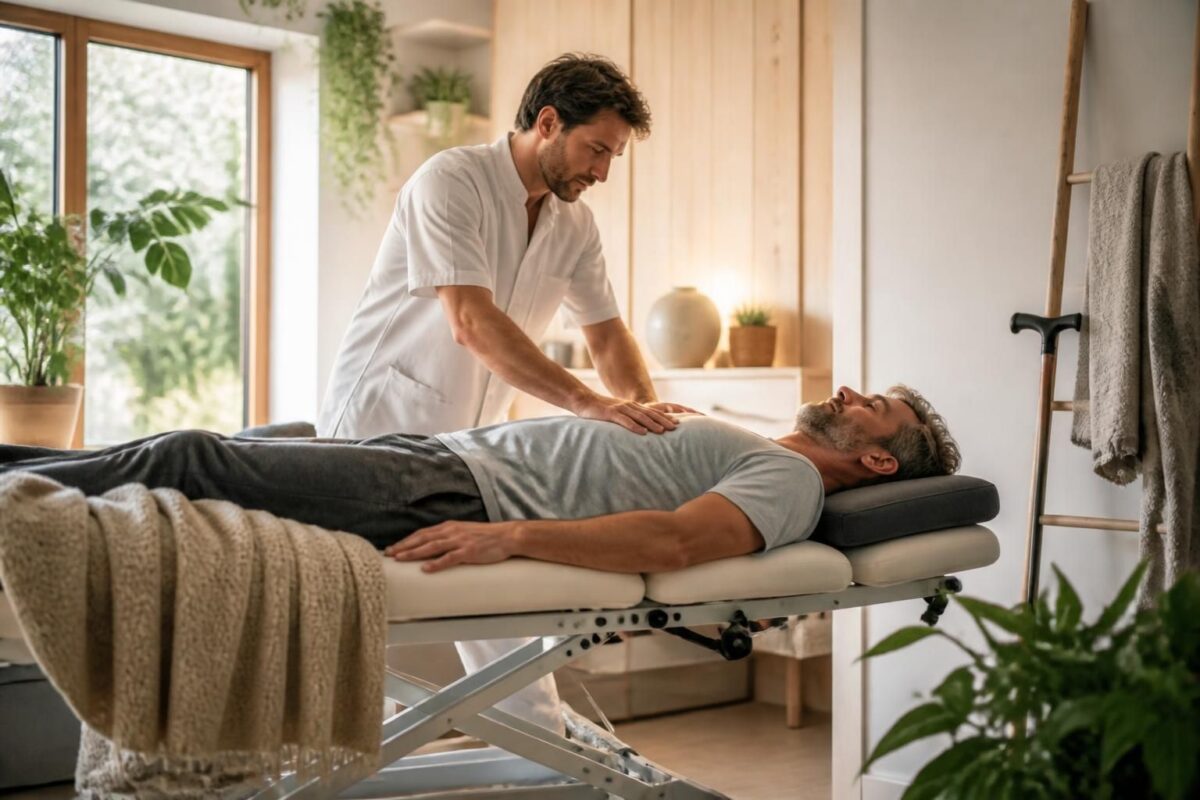
Why Osteopathy Is Essential For Recovery People
In short In short, Osteopathy in convalescence is an approach manual and holistic which helps to accelerate the recovery by restoring The balance, the mobility and a good circulation fabrics. it contributes to Reduce the pain, support the Back to…
Organization of support
To optimize the results, osteopathy is part of a multidisciplinary approach. The attending physician and specialists assess the possible causes and adapt the treatment, considering if necessary drug adjustments or complementary therapies (physiotherapy, nutrition, psychology). The objective is a clear traceability of the evolution and a measurable reduction in the use of drugs.
An integrated approach combining osteopathy, medical follow-up, adapted physical activity and stress management can offer a realistic and effective way to live better with chronic pain while limiting drug treatments.

Osteopathic manipulations to strengthen post-traumatic muscles
In short In short, Osteopathic manipulations for Strengthen post-traumatic muscles constitute a gentle manual approach aimed at restoring the mobility, reduce the pain and facilitate the Functional rehabilitation After a injury. What is Is it? A series of precise gestures…
Practical tips to get started
Start with a checkup with your qualified osteopath to assess pain sources and tension. Gradually integrate simple habits: gentle guided exercises, active breaks, deep breathing and sufficient hydration. Set realistic goals and track their progress with your care team. In case of acute pain or new worrying symptom, contact your doctor or osteopath quickly.
| Aspect | Concise impact |
|---|---|
| Overall objective | Osteopathy offers a Global approach which Reduces recourse medicines by favoring mobility and control of tensions. |
| Mechanisms | In regulating the nervous system and by releasing tensions, it decreases the hyperexcitability and the Central awareness. |
| Functional results | It improves the mobility and the function, which permanently calms the pain and improves the quality of life without drug dependence. |
| Drug reduction | reduction in the use of the use of pharmaceuticals When symptoms balance and function improves. |
| Complementary approach | Osteopathy combines with physiotherapy, CT and stress management To amplify the benefits and avoid drugs. |
| Security | Profile of security favorable, but requires a evaluation and an Medical coordination. |
| indicators | reduction of the pain and from theDrug use, better mobility and daily activities. |
| Constraints and coordination | requires a Multidisciplinary approach and LPatient engagement for lasting results. |

Osteopathy and prevention of work-related musculoskeletal disorders
In short theosteopathy is one Manual approach that restores body balance and prevents MSD related to work. Its advantages: reduction of tension, improvement of mobility and prevention of chronic pain. She is preventive and healing, suitable for office and trades…
Testimonials: Osteopathy and chronic pain – Reducing drug addiction
“Before, my Chronic pain lumbar forced me to take analgesics daily. After a few sessionsosteopathy Targeted, I was able to gradually reduce my consumption and find quieter and more restorative nights. »
“As an elderly person withosteoarthritis and of Chronic pain, I had become dependent on pharmaceuticals. theosteopathy Improved my mobility and allowed me to review my medication downward without sacrificing my daily comfort. »
“As sporting, the pain linked to the sciatica prevented me from training seriously. thanks to theosteopathy, the pain subsided considerably and I gradually stopped a lot of my analgesics. »
“Migraines persisted despite the usual treatments. Experience has shown me that theosteopathy can act on the nervous system and allow me to reduce my pharmaceuticals without losing efficiency. »
“As part of a global approach, theosteopathy proved useful to soothe the nervous system and limit the use of pharmaceuticals, thus improving my quality of life on a daily basis. »
Dr Sylvain Desforges, specialist in osteopathy, naturopathy and manual medicine, is the founding president of tagmed and the association acma. His career in the field of health is part of a quest for innovation and clinical performance in the service of patients. With a career dedicated to rethinking care, he develops practices that combine scientific expertise and human approach, in order to offer effective and lasting solutions for chronic pain. Its commitment is to offer a clear and proactive way to improve everyone’s daily life, while building trust between patient and healthcare team within the TagMed clinic.
With an experience focused on managing persistent pain, he favors an approach multimodal which associates osteopathy with other disciplines to limit the use of analgesics. His work is based on the progress of neuroscience To explain how the central nervous system can amplify pain, even in the absence of active lesion. This understanding guides its treatments towards the regulation of tensions, the improvement of mobility and the reduction of neural sensitivity, so that patients gradually regain their autonomy and safety on a daily basis.
Among the technologies it incorporates into its therapeutic arsenal are the spinal decompression, the laser and therapy by shock waves. These tools, used with discernment and according to the indications, aim to accelerate recovery, reduce inflammation and promote functional rehabilitation. The objective is not to replace medical treatments when they prove necessary, but to supplement them and, when possible, to reduce them in order to reduce the Drug addiction.
Its approach is based on close coordination with conventional medicine and health professionals. By placing the patient at the heart of the process, he offers personalized plans that integrate Adapted physical activity, stress management, Restful sleep and anti-inflammatory food choices. At the same time, psychological tools such as medical hypnosis or cognitive-behavioral therapies can be mobilized when appropriate, in order to reconfigure the painful perceptions and the automatisms that maintain them.
The expected results of this approach are multiple: a gradual reduction in pain, better tolerance to activities and, above all, a lasting reduction in drug use. By making the patients involved in their healing, Dr. Desforges seeks to restore freedom of movement and confidence in the future. His work is part of an integrated framework where osteopathy, modern medicine, physical activity and stress management strategies cooperate to improve the quality of life in the long term.
To learn more about its approach and the services available, discover the possibilities offered by TagMed and the TagMed clinic and make an appointment to assess an approach that focuses on sustainable well-being and less dependent on drug treatments.
This summary explains how Osteopathy can contribute to Reduce drug dependence in the management of Chronic pain, building on the progress of neuroscience and an approach multidisciplinary. By acting on bodily tensions, the nervous system and lifestyle habits, it can sustainably improve the quality of life while modulating drug use when possible.

The benefits of osteopathy to treat muscle imbalances
In short theosteopathy is a manual approach to restore themuscle harmony and postural considering the body as a whole. Its main benefits include the reduction of aches and tensions, the improvement of the mobility and from the posture, and prevention…
Neurophysiological foundations and clinical implications
Research in neuroscience highlight the Central awareness : the brain and spinal cord can amplify painful signals even in the absence of active lesion. The Neural plasticity changes pain circuits after prolonged pain, and hyperexcitability Neurons can increase painful perception. Emotions and stress, via thetonsil and thesea horse, can intensify or reduce pain depending on the psychological state and sleep.
Understanding these mechanisms leads to aiming for global care that acts not only on the painful site, but also on the nervous system and life factors such as stress, the sleep and theinflammation.
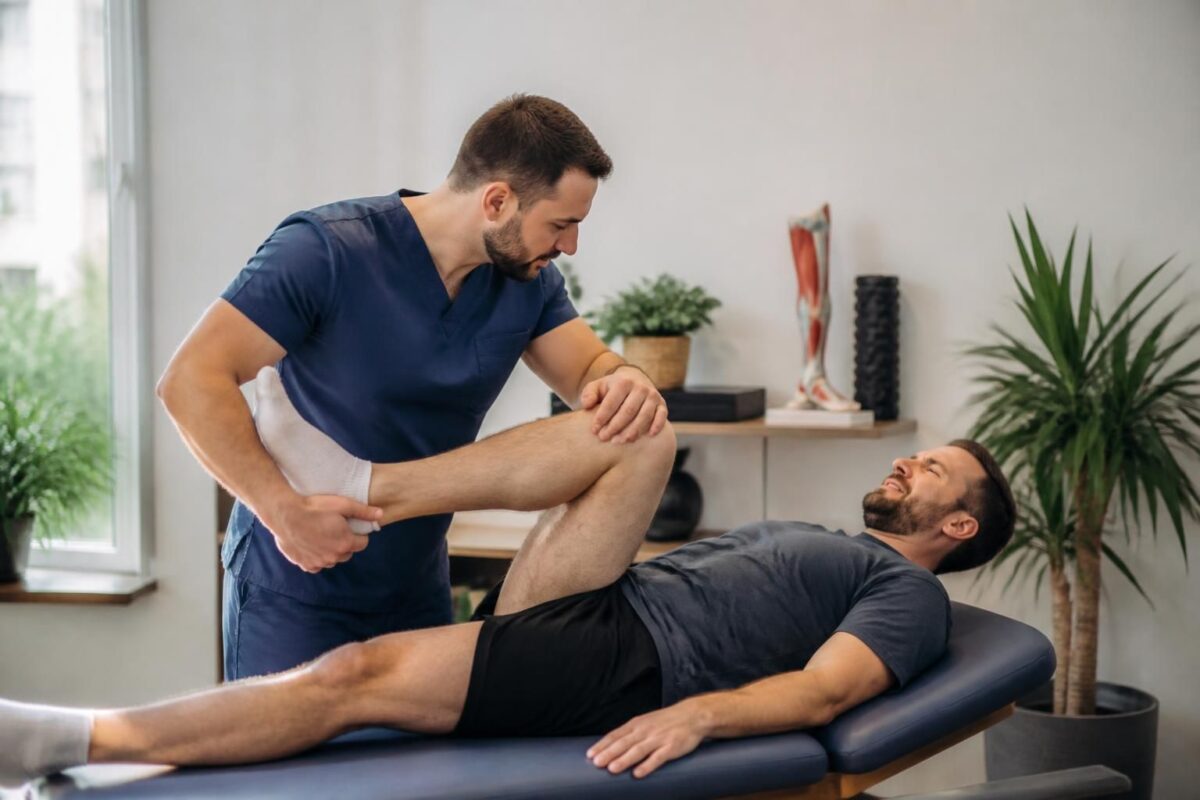
Osteopathy and chronic leg pain: regaining an optimal quality of life
In short In short, Osteopathy is one Global manual approach aimed at reducing Chronic leg pain and improve the quality of life. What is it? Non-drug therapy using the hands to identify restrictions and treat lesional chains. How does it…
Osteopathic and complementary alternative approaches
theosteopathy intervenes by rebalancing tensions and improving joint and visceral mobility, which can modulate the autonomic nervous system and decrease thehyperexcitability painful circuits. Approaches likehypnosis and the Cognitive-behavioral therapies allow to reprogram the perception of pain and reduce the negative patterns associated with it.
Resources illustrate these concrete effects, for example:
– Osteopathy#ATFP_CLOSE_TRANSLATE_SPAN# and chronic pain
– Can we#atfp_close_translate_span# do without medication thanks to osteo
– LES#ATFP_CLOSE_TRANSLATE_SPAN# Benefits for postural balance
– Improve#atfp_close_translate_span# Mobility after prolonged immobilization.
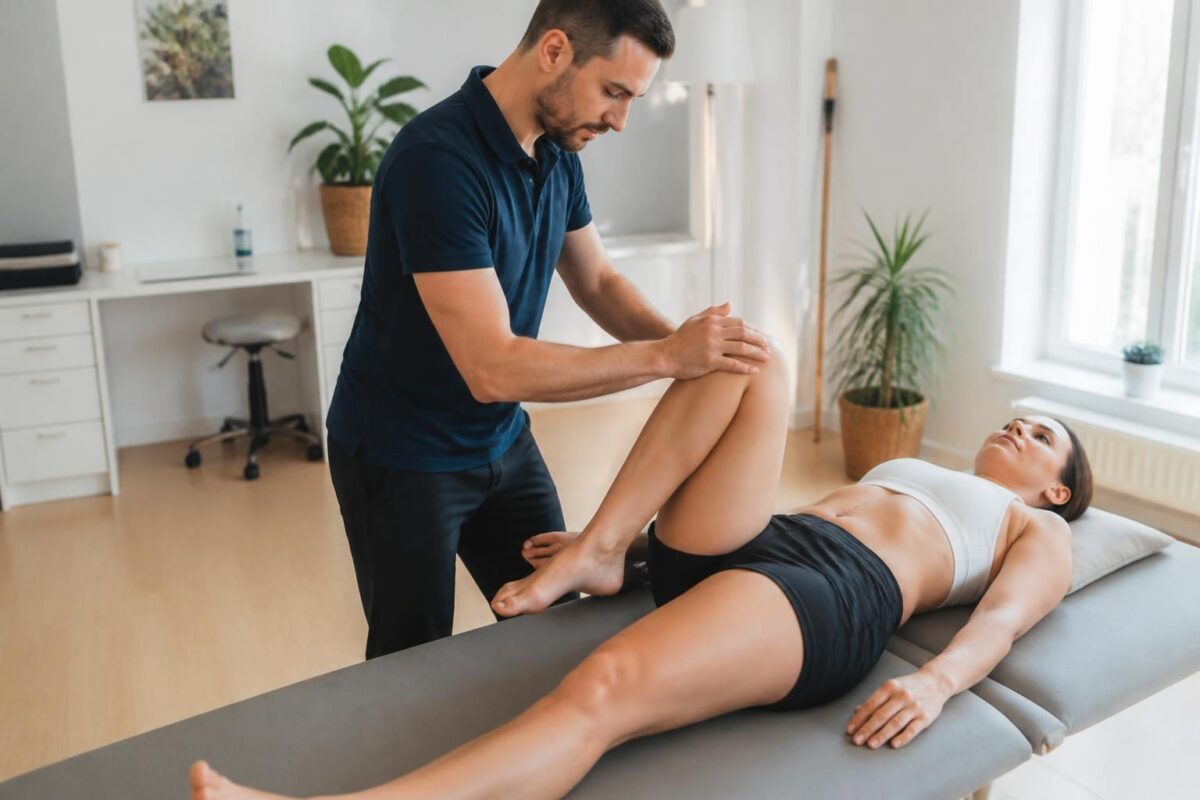
How osteopathy supports recovery after complex surgery
In short In short, Post-operative osteopathy is an approach fresh which supports the recovery After a Complex surgery. It helps to reduce the pain and the fatigue, improves the mobility and accelerates the healing thanks to a better vascularization and…
Integration with conventional medicine and care pathways
Reducing drug dependence benefits from enrolling in a Multidisciplinary approach. Dialogue with general practitioners and specialists makes it possible to establish a precise diagnosis, to evaluate therapeutic options and to direct towards complementary therapies (physiotherapy, nutrition, psychology). resources like Osteopathy#ATFP_CLOSE_TRANSLATE_SPAN# and chronic pain: reducing drug dependence and the Nantes University Hospital file Folder#ATFP_CLOSE_TRANSLATE_SPAN# on non-drug approaches illustrate this coordination.
To broaden the perspective, other resources address the impact of osteopathy on sports recovery, stress-related tensions or recovery after surgery: Comment#ATFP_CLOSE_TRANSLATE_SPAN# Osteopathy acts on stress-related tensions, Recovery#ATFP_CLOSE_TRANSLATE_SPAN# Sports and Prevention, Recovery#atfp_close_translate_span# after orthopedic surgery.
Resources and additional readings
To deepen these concepts and observe concrete cases, you can consult the following resources: LES#ATFP_CLOSE_TRANSLATE_SPAN# Benefits of osteopathy for postural balance, Improve#atfp_close_translate_span# Mobility after prolonged immobilization, Tensions#ATFP_CLOSE_TRANSLATE_SPAN# Stress-related muscles, Prevention#ATFP_CLOSE_TRANSLATE_SPAN# Recurring injuries, Recovery#atfp_close_translate_span# after surgery, Folder#ATFP_CLOSE_TRANSLATE_SPAN# Dr Desforges, Folder#ATFP_CLOSE_TRANSLATE_SPAN# CHU Nantes, Osteopathy#ATFP_CLOSE_TRANSLATE_SPAN# and chronic pain, Replacements#atfp_close_translate_span# possible, Pain#ATFP_CLOSE_TRANSLATE_SPAN# Chronicles in seniors.

Dr Sylvain Desforges, B.Sc., D.O., N.D., osteopath, is the founding president of TAGMED and of the ACMA association. He dedicates his practice to chronic spinal pain, low back pain and symptoms compatible with sciatica, particularly when pain radiates toward the buttock, leg, calf, foot or toes.
Through SOS Sciatique, he publishes educational content on sciatica symptoms, possible causes such as disc herniation, disc narrowing, foraminal stenosis or irritation of a lumbar nerve root, as well as non-surgical approaches that may be considered according to the evaluation. At Clinique TAGMED, care may include, depending on the case, motorized neurovertebral decompression, specific osteopathic care or precision percussion.
For an evaluation related to sciatica treatment in Montreal / Mount Royal or sciatica treatment in Terrebonne, please consult the services available at Clinique TAGMED.
Medical disclaimer
The information published on SOS Sciatique is provided for educational purposes only and does not replace a consultation, diagnosis, opinion or treatment provided by a physician or another authorized healthcare professional. The author of this article is neither a medical doctor nor a specialist in a medical specialty recognized by the Collège des médecins du Québec. The osteopathic, manual medicine or functional support approaches described on this site do not constitute medical acts and are not intended to replace medical follow-up.
Consult a physician or emergency service in cases of loss of bladder or bowel control, anesthesia in the saddle area, significant or progressive weakness in the leg or foot, fever, recent trauma, severe pain or rapid worsening of symptoms. For more details, please read our Legal Notice.